Material Design


The official Twitter client on all platforms has predominately had a very bright theme. While white and blue are the company’s color scheme, it often makes it a hassle to read tweets at night. After a Material redesign of the Android client last month, Twitter is now updating its Android app with a night mode…
Update: Announced in version 50 of Chrome OS, Material Design is now enabled by default on Mac with this latest update. Those who have pointed out how “un-Maclike” it looks can switch back to the older Non-Material design by going to Chrome flags here.
Chrome 52 is rolling out now to Mac, Windows, and Linux. The latest version of the Google browser contains the usual bug and security fixes, but notably removes the ability to use “backspace” as a return shortcut. It also adds several developer features to improve browser performance.


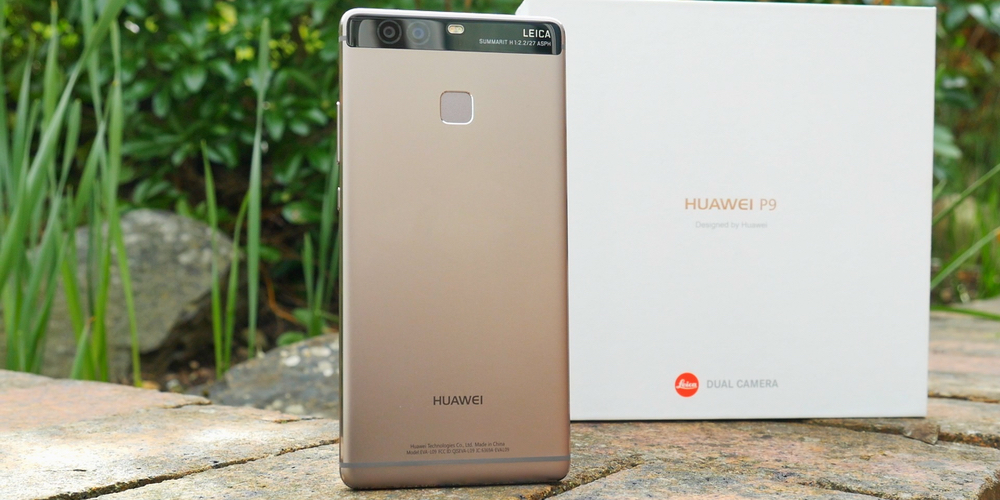
We know that Samsung has slowly begun investing more into its own Tizen OS platform as of late (and recent rumors suggest that it could begin moving in that direction even more). But now it appears that yet another Android OEM has begun building its own mobile OS: Huawei. The Chinese company “doesn’t want to be on the crutch of Android,” according to a report today from The Information, although people familiar with the project say it’s still early days…

Google has today completely revamped its longstanding Google Fonts website with Material Design, making it easier — and more beautiful — than ever to browse and try out the site’s huge collection of open source designer fonts. The old Fonts site — which first launched in 2010 — was practically begging to be reborn, and today Google delivered…
Created by a single developer, Weather Timeline is one of the best examples of Material Design on Android. Packing the same attention to design, Sam Ruston’s next app is a highly customizable Twitter client. Everything from the look of Flamingo to how the interface functions can be personalized to your liking…
Back at 2014’s I/O, Google unveiled a new all-encompassing design language called Material Design, aimed at drastically reshaping the look of everything Google.
While its first implementations were seen — understandably — on Android, it took a little longer for the transition to take place on the web; we are now seeing Chrome being reworked under Material’s principles, and it now appears that the company’s stronghold, Search, may be on the verge of its long overdue redesign …
The last major update to Google Keep in April added a Chrome extension to easily save and add notes to links. An update today adds link previews, duplication prevention, and autocomplete when adding list items. The Keep site is also getting a significant refresh that matches Google’s other web apps.
A major update to Skype last year introduced a Material redesign for phones and made the app feel more native to Android. Rolling out now, version 7.0 brings Material Design to Android tablets with a redesigned interface for devices with larger screens. Besides a FAB, the update also brings a multi-pane view, powerful search, and more to what’s usually an under developed area on Android.
At an I/O session this evening, the inaugural winners of the Google Play Awards were announced. With 10 categories, winners were selected by the Google Play team based on launching or having a major update in the past 12 months, app quality, and innovation.

In this week’s top stories: The best Android phones you can buy (May 2016 edition), we go hands-on with CyanogenMod on the Honor 5X, the latest Android phone leaks, and we show you how to enable YouTube’s new Material reDesign on the web.
Head below for all of the handy links to this week’s most shared stories and videos.
Twitter has been A/B testing a re-designed Android app for nearly a month with a launch likely coming soon as more people are seeing it. In the mean time, Twitter has completely overhauled its mobile site with a new design that matches the Android revamp.

Most, if not all, of Google’s Android apps have received a Material redesign. With the Chrome OS update rolling out, YouTube on the web is the next and one of the last major products to get Material Design. Google appears to be A/B testing (via Android Police) the update with a small set of users, but it is quite easy for anyone to enable. Here’s how to do it…
In a sea of powerful, feature-packed, and well supported third party clients, the official Twitter app has generally never stood out as a particularly good choice for enjoying the social network’s experience.
One of the main gripes some users have had over the years is in regards to design; given the service’s popularity, it was odd to see its stock Android app maintain a fairly anonymous — and not particularly brilliant — UI, markedly in dissonance with the platform’s guidelines. However, the San Francisco-based company may have been hard at work to fix that…
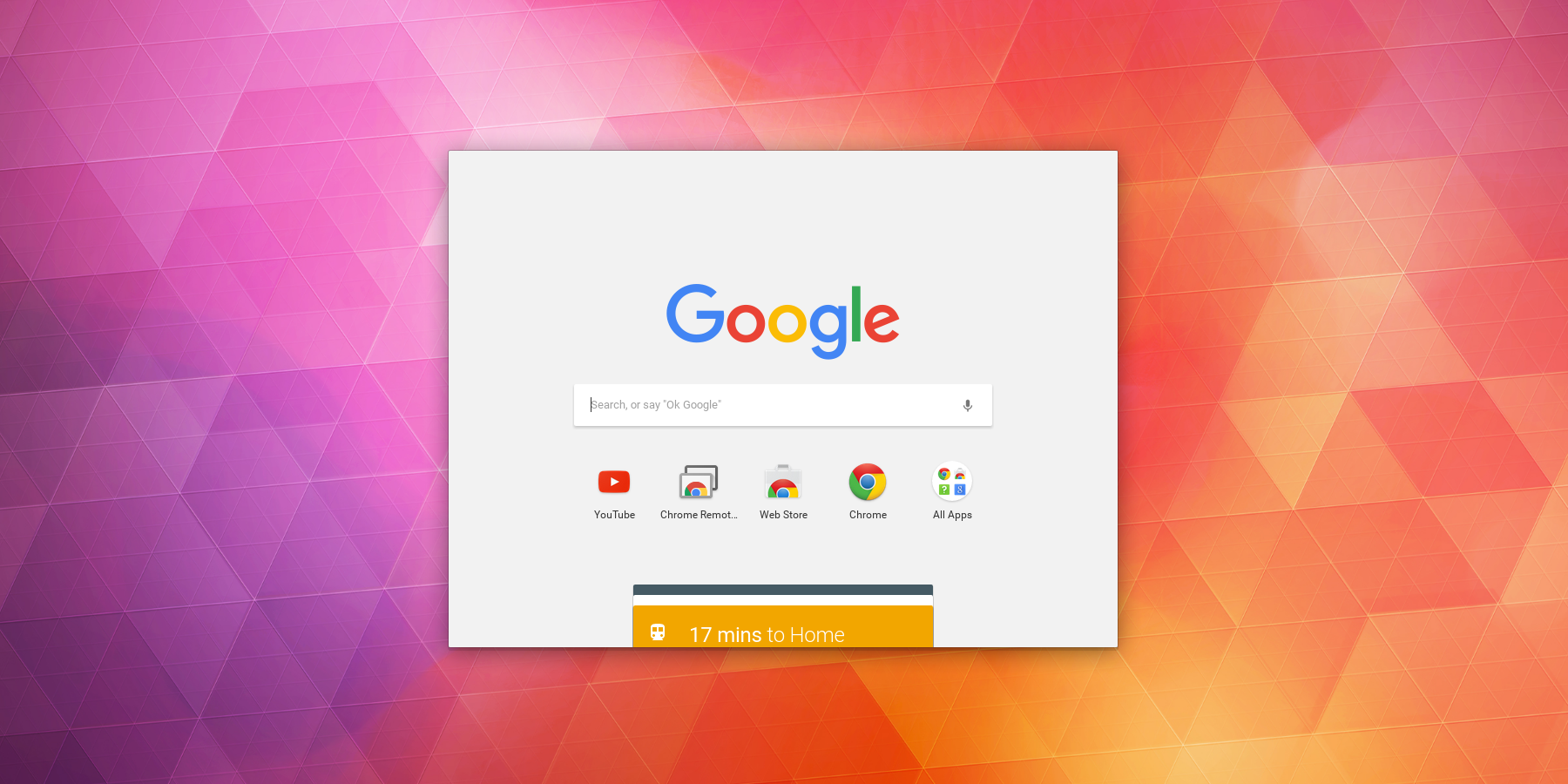
Chrome 49 was released earlier this month to browsers and Android. It added many new APIs and under-the-hood changes for developers, but was mostly lacking new user features. Version 49 for Chrome OS, on the other hand, introduces a Material Design audio player and provides an updated look at what the Material redesign of the browser will look like.
Both Google+ and Google Photos have been updated with a bottom bar in the past few months. Google is now officially embracing bottom navigation with an update to the Material Design spec.
After many months of A/B testing, Facebook is finally releasing an update for Messenger featuring Material Design to all users today. The final version that is coming out to phones today features a blue top bar and a floating action button, along with other visual tweaks.

Last month, a screenshot from Google revealed that the Android N Settings app will feature a hamburger menu and now, new mockups from Android Police detail the refreshed Settings app and point to slight visual redesigns in the next version of Android.
The Material Design Guidelines are considered a living document by Google’s designers and receive constant updates and new additions. To help with their recent guidelines on responsive UI, Google has released a web-based tool to see what a website looks like on various devices and at different resolutions.
The Android version of popular password manager 1Password has received a big update to version 6. In addition to a full Material redesign, the app now has support for Marshmallow’s fingerprint unlocking. The app made by AgileBits is free to download and premium features are accessible via a one-time in-app purchase.
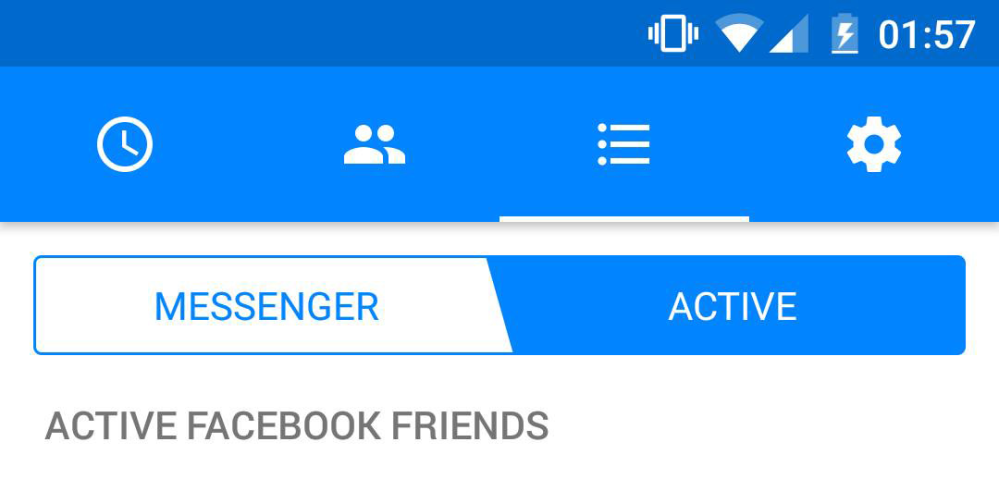
Facebook loves to A/B test new features and interfaces with a small and random subset of users before a full rollout. A few weeks ago the company began testing a Material Design refresh for Messenger. Some users are now seeing a new variant that sports a blue action and top bar.
Material Design has undoubtedly been Google’s most significant effort in showing its renewed commitment towards design.
Despite being born on (and around) the web, however, it took almost a year and a half for Google to finally start updating its beloved Chrome browser to the new language.
As first spotted by The Next Web, a few screenshots posted within a recently-filed Google Code request show that the yet to be released version 50 of Chrome OS is being tweaked to reflect the changes, taking a few steps further from what we saw with v48…
Expand
Expanding
Close