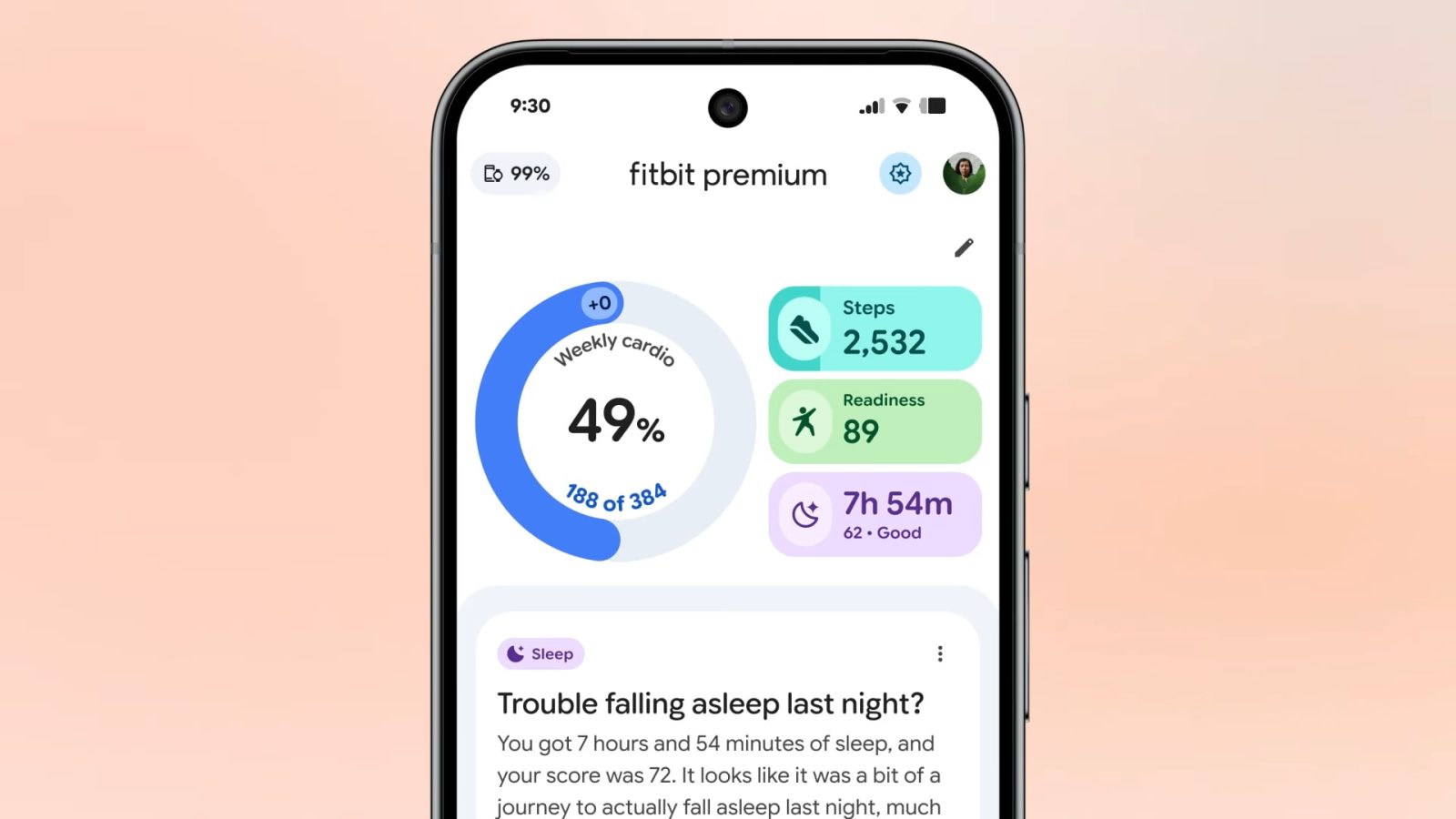
Fitbit Public Preview adds food & water logging, more as app redesign comes to free users


The drawn-out death of VR on Android is now more or less complete as the Google Store has ceased selling its Google Cardboard DIY VR goggles.
Expand Expanding Close

In November, Google Cardboard was open-sourced as the company stopped active development on the affordable, smartphone-based VR platform. As promised, Google today released the Cardboard Unity SDK to continue letting the community develop with the platform.
Last month, Google stopped selling Daydream View as modern Android phones — including the Pixel 4 — lack support. The company’s mobile virtual reality offerings are being further diminished today as Google Cardboard gets open sourced.

Google Chrome has supported some virtual reality headsets like Oculus Rift on Windows for almost a year now, through Google’s WebVR program, but Windows Mixed Reality headsets were notably incompatible. This is soon to change, as a new flag coming to Chrome will enable early testing of Windows Mixed Reality headsets with WebVR.

Chrome 66 rolled out earlier this week with a new password export feature and restrictions to when media can autoplay. On Windows, this update also adds support to view web-based virtual reality apps through an Oculus VR headset.
One of the frequently cited uses for virtual reality is building empathy by immersing users in the viewpoint of others. Google today is doubling down on that VR use with Daydream Impact — a training program that provides equipment to various organizations.

As great as today’s solar eclipse will be, you need special eye protection in order to properly view the it without doing moderate damage to your retina. There are a few different ways to go about this, but one way to do so — although definitely not ideal — could be with a phone, Google Cardboard, and a virtual reality camera capture app from the Play Store…
Virtual reality is incredibly important and YouTube has been doubling down over the past year to ensure that it is the premier platform for the format. The latest update for creators adds heatmaps to see how viewers are interacting with 360-degree and VR videos.
What I/O 2017 set to kickoff in less than 24 hours, Google might showcase a standalone virtual reality headset at the event. Rumored for over a year, it will not require a smartphone or a PC and possibly use inside-out positional tracking.

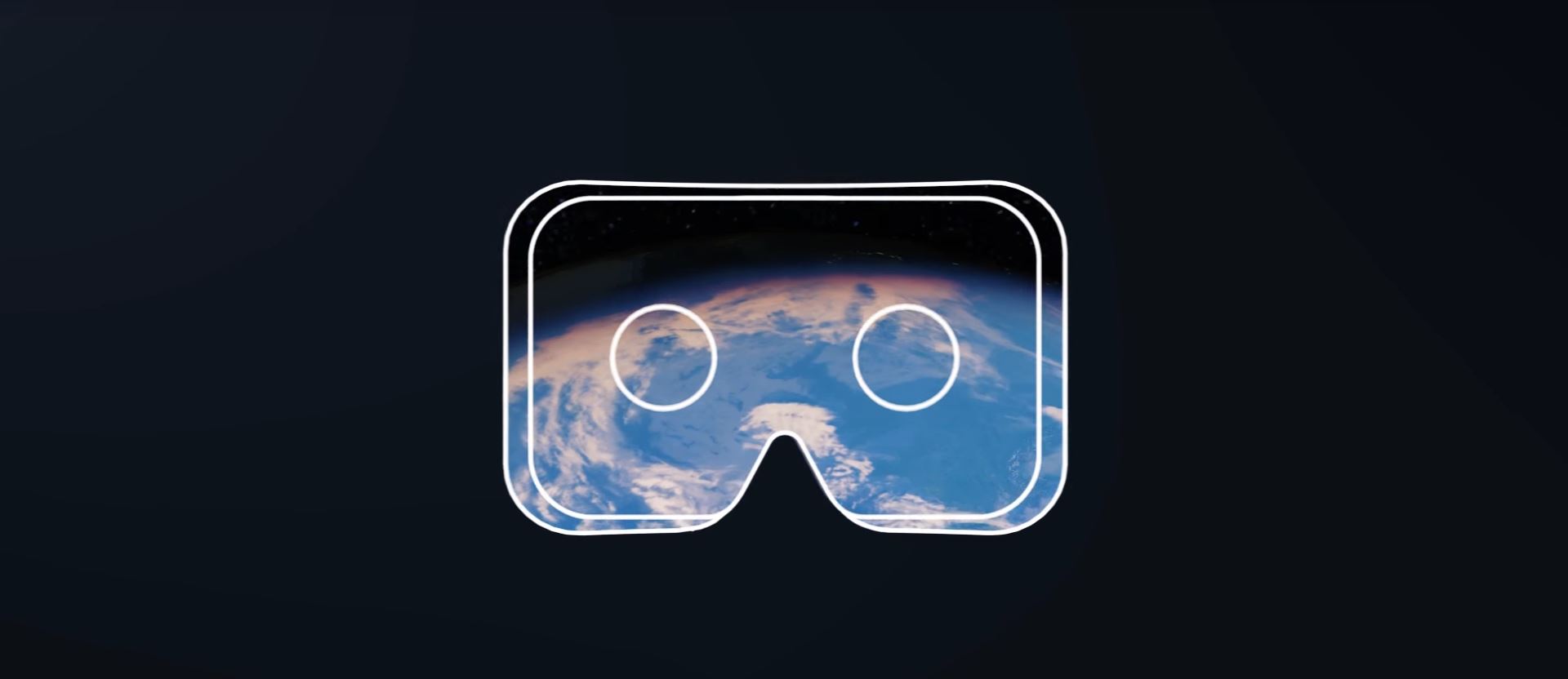
Back in June of 2016, it was revealed that Google was working on a way to make virtual reality accessible from every web browser, dubbed WebVR. Then, with the release of Chrome 56 Beta, Google started to allow developers to begin testing their WebVR projects on the web. Today, Google has published 12 WebVR experiments for users to test out not only with Daydream headsets but also those with Cardboard…
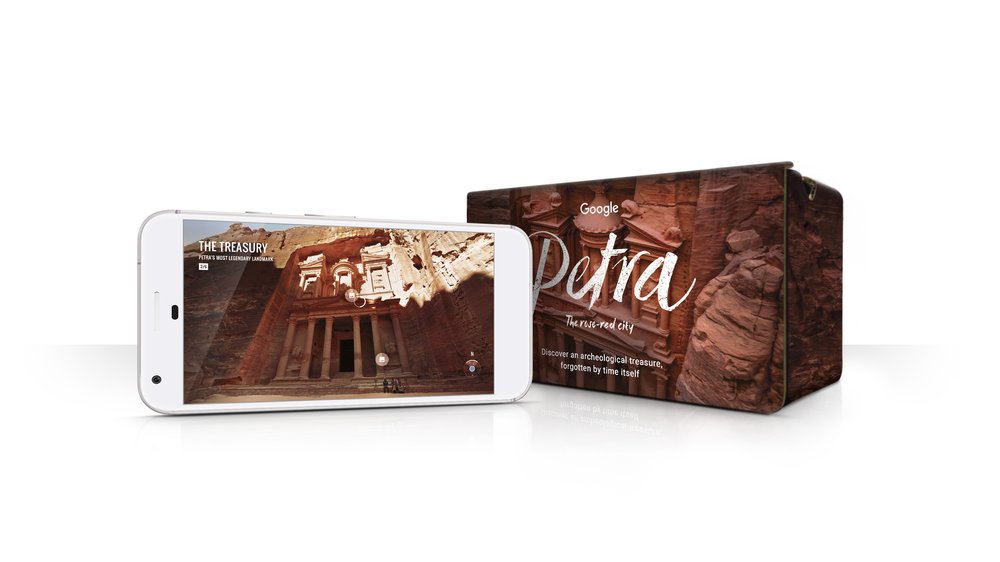
Petra is an ancient city found in southern Jordan that is known for its architecture. What’s unique about the city is that all of the buildings and water systems were carved right into the surrounding rocks. Last year, Google released a virtual tour of the city within Maps but now they have created a full 360-degree experience for Cardboard.
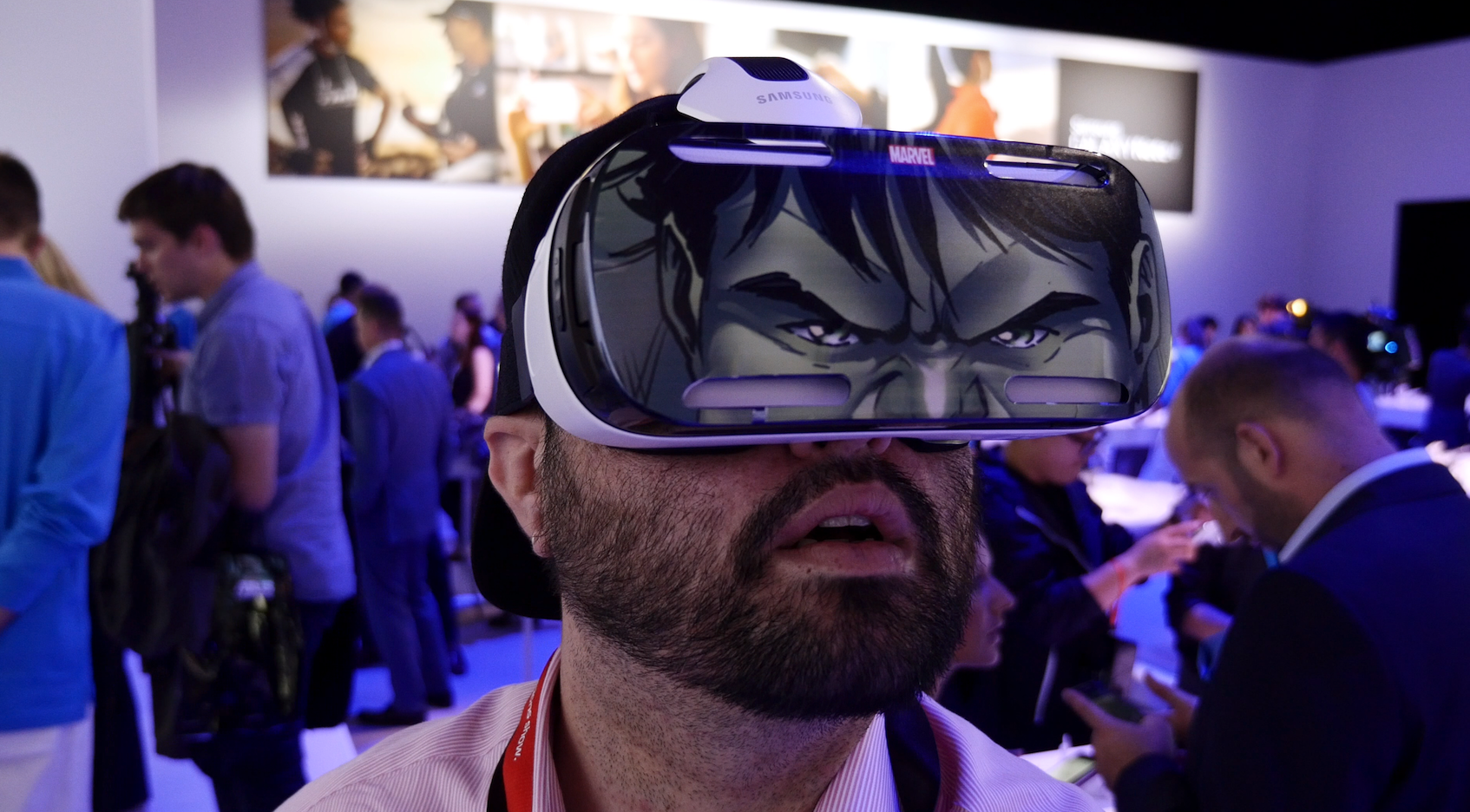
Announced yesterday, some of the biggest names in the virtual reality world have come together to form an association that will hopefully make VR something that everyone can enjoy and partake in. This non-profit hopes to not only conduct research and identify the best practices for VR, but to also start a conversation between everyone currently involved in the field…


Seth and I got to experience a really cool VR music video earlier this year at Google I/O 2016, but at that point the only way to see it was to… be at Google I/O. The version they were showing was an unfinished ‘prototype,’ if you will. Now, anyone with a relatively-capable Android phone can see what we saw, and those with an iPhone will be getting access soon…
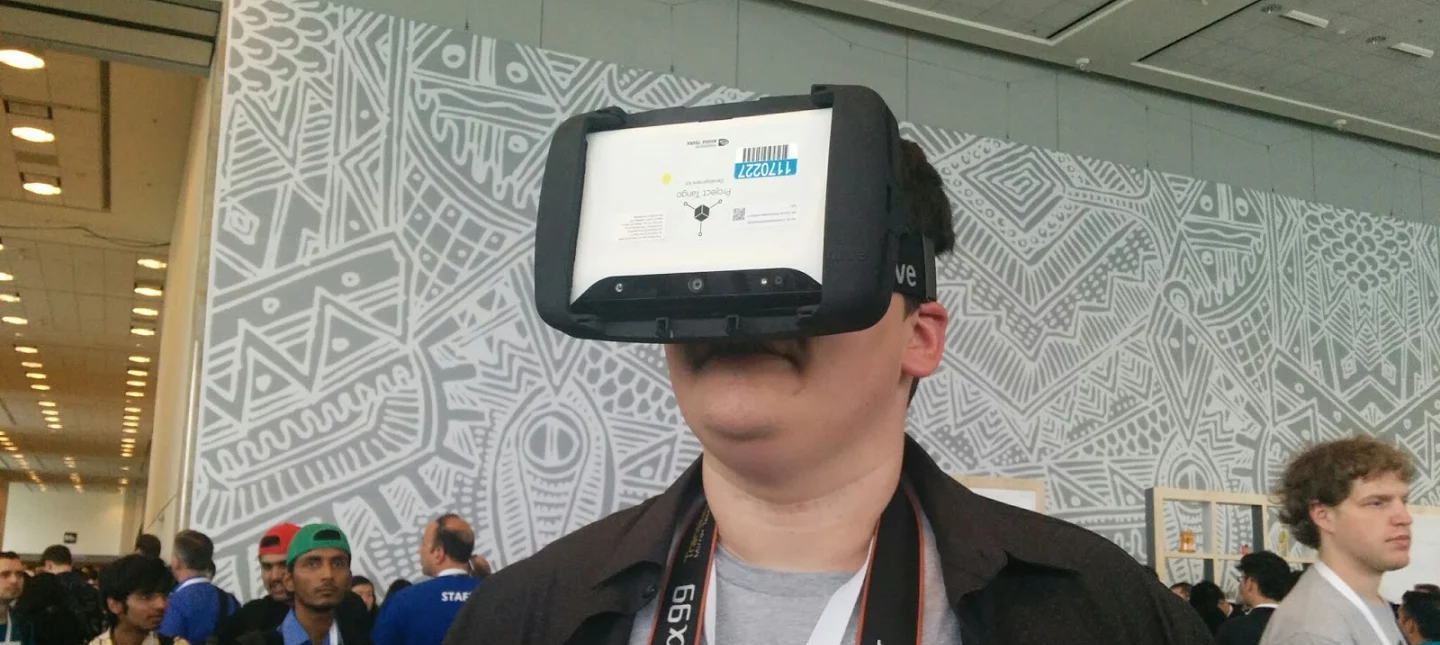
A Google I/O 2014 attendee wearing a Project Tango/Cardboard hybrid
A report from Recode a few days ago said that a project in Google X to create a “high-end standalone” VR headset was recently cancelled in favor of more focus on Android — and, specifically, the Mountain View company’s new Daydream platform. Now, another report (via Engadget) says that Google is indeed still working on a standalone headset, albeit one “that blurs the line between virtual reality and augmented reality.”

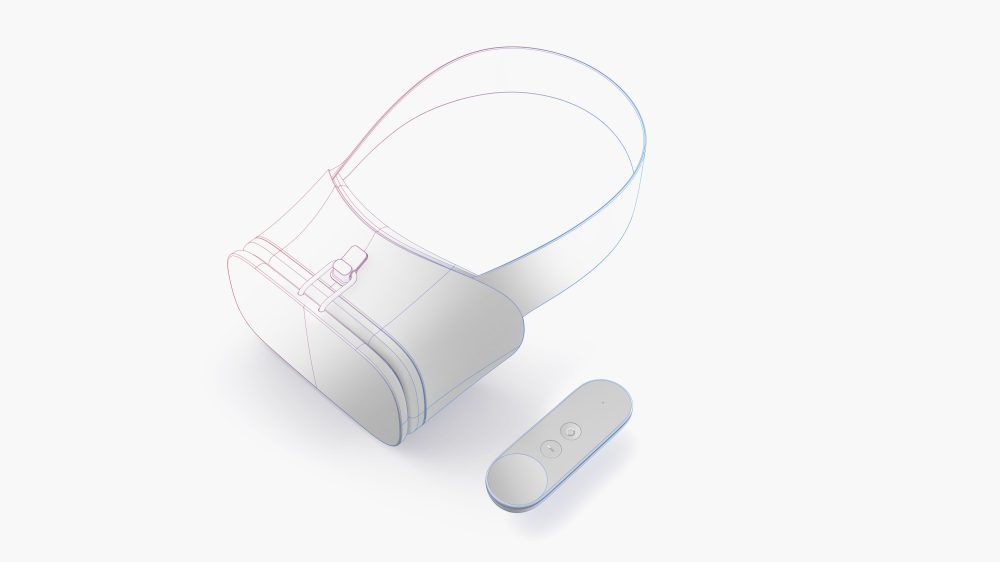
With virtual reality gaming quickly on the rise we’re seeing more and more consumers pick up VR headsets such as the HTC Vive and Oculus Rift. Currently these are the two biggest players in the game, but if plans from Google had come to fruition, there may have been another headset on the market…

It goes without saying that Pokemon Go is blasting off, but what’s keeping the hype from already waning is the fact that there is so much more to come. The original trailer shown off last year touted the ability to trade and battle Pokemon with other players, and those features are almost certainly already in the works, but how else could we see the game evolve in the coming months?
If you want to make a not-so farfetch’d guess based on the Licenses page in the app, VR features in the form of Google Cardboard could be in the cards…

It’s no secret that Google is heavily interested in virtual reality technology and now it’s looking to bring some of that technology to Chrome. As noticed by Road To VR, the latest builds of Chrome Beta and Chrome Dev bring the beginnings of support for WebVR.

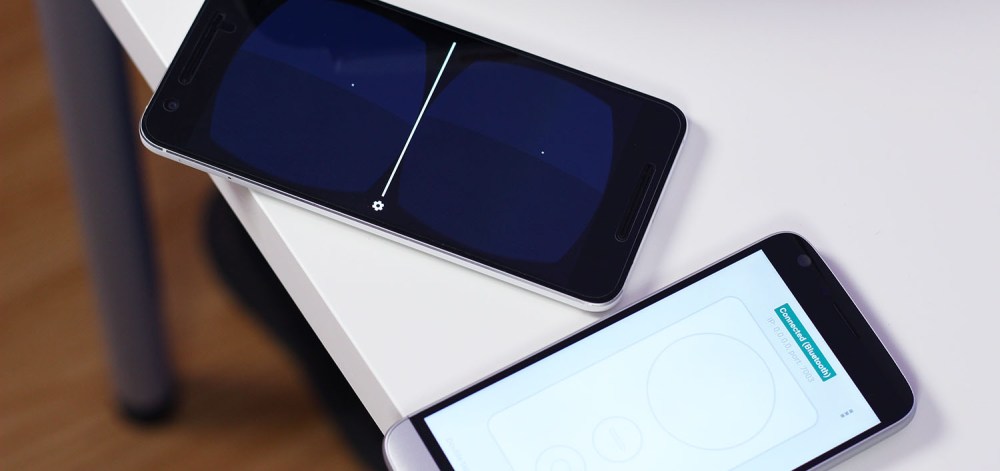
VR is slowly taking over the tech space as more and more companies make their attempts to steal your content-consuming eyeballs. As you may know, Google was among the first to debut a mobile VR experience with Google Cardboard, but it was pretty barebones to say the least.
At Google I/O 2016 we got a sneak peek at what Google has in store for virtual reality in the coming months with Google Daydream. And right around the corner from the full Android N release, Google has debuted a set of developer tools to allow anyone with a Nexus 6P to test out Daydream right now…

Keep up with the best gear and deals on the web by signing up for the 9to5Toys Newsletter. Also, be sure to check us out on: Twitter, RSS Feed, Facebook, Google+ and Safari push notifications.




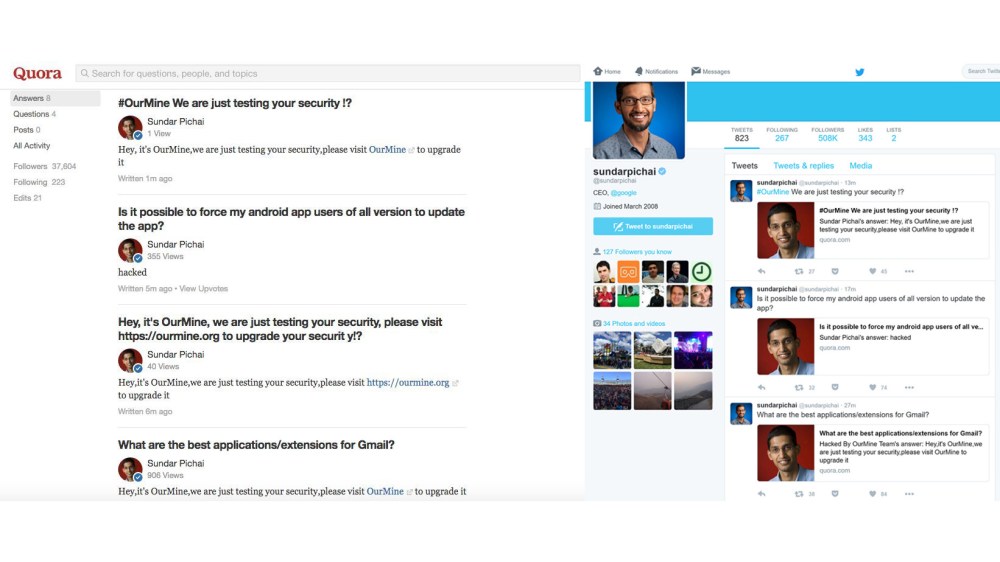 Cybersecurity is one of the most important — and talked about — aspects of our digital lives, and a high priority amongst tech companies. Just this past week, Google made it easier for users to adopt its two-factor authentication system, but ironically, it was none other than its CEO Sundar Pichai that saw his account hacked earlier today…

Update 2: It looks like Evan is on a roll right now — a second follow-up message is here to seemingly confirm a slew of additional, previously rumored specs: as per him, the Note 7 will sport a 5.7″ QHD AMOLED display, 64GB of expandable memory (via microSD; it’s unclear whether other storage options will see the light of day), a 12MP/5MP combo of cameras (back and front respectively, shutting down reports that wanted the Note 7 to have a dual camera setup, which we won’t likely see until the Galaxy S8 lands), IP68 certification, and three colorations: blue, black and white.
Update: A follow-up tweet by @evleaks also seems to confirm that the much rumored iris scanner will indeed make it to the Note 7. It is not sure what it will be used for, but we assume it will likely be related to biometric identification, much like fingerprint readers.
There has been much speculation regarding the sequel to America’s most loved phone. Most of it regarded its shape, but a series of leaked memos suggested that Samsung was looking forward to changing the name, too.
And now it seems like those leaks were all but true…
Keep up with the best gear and deals on the web by signing up for the 9to5Toys Newsletter. Also, be sure to check us out on: Twitter, RSS Feed, Facebook, Google+ and Safari push notifications.



[tweet https://twitter.com/9to5toys/status/746364511435755520 align=’center’]