Stay up to date on news from Google headquarters. Be the first to learn about plans for Android, Google Plus, Google Apps, and more!
Stay up to date on news from Google headquarters. Be the first to learn about plans for Android, Google Plus, Google Apps, and more!

Wise Tivi has introduced an Android-based HDMI stick that brings apps, web browsing and gaming to your HDTV.
Among its features include access to YouTube, Netflix, Hulu and Vimeo, as well as Android web browsers like Chrome and Firefox which support the Adobe Flash protocol.
Wise TiVi is currently accepting funding on Indiepogo and expects to ship this July.
via phandroid.com
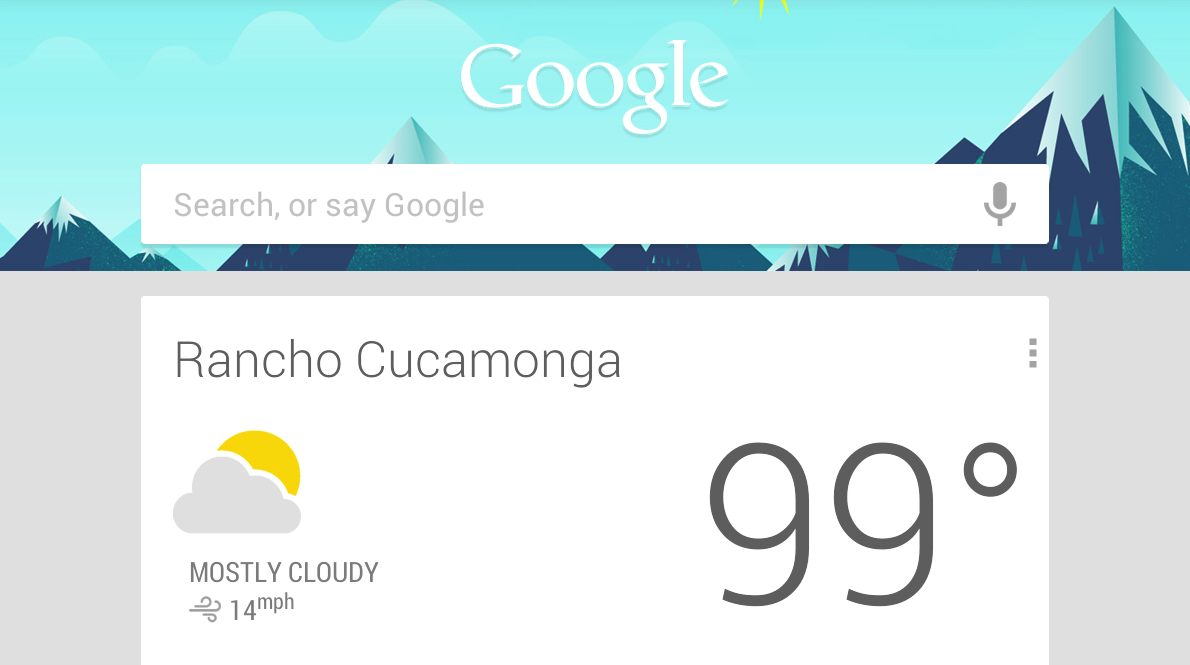
Google appears to be readying a Google Now web interface for the company’s Siri-like voice search with Google’s homepage as the intended destination.
It’s no surprise that Google would bring its voice search to the web, as it already offers the service on Android and plans to bring it to iOS (Google Search for iOS currently offers real-time voice search but doesn’t support Google Now cards), and tends to have a cross-platform approach to its services as opposed to Apple’s ownership approach to its services.
Sure, Apple does have limited iCloud functionality on Microsoft’s Windows operating system and allows users to manage iCloud from a nicely designed web interface, but Apple only offers Siri on the iPhone 4S and 5, as well as the iPad mini, iPad 3 and 4, and latest iPod touch, though the upcoming release of OS X 10.9 could bring Siri to the Mac just in time to compete with Google Now on the web.

Google has rebranded its font collection Google Fonts, which debuted in February 2011, dropping the ‘web’ from Google Web Fonts while still boasting its catalog of over 600 free, open-source fonts optimized for the web.
Google has also simplified the web interface with a more modern design, which allows users to view font examples in various formats, including word, sentence, and paragraph.

Google not only escaped criminal prosecution in Germany after its Street View cars were found to be capturing private wifi traffic, but it has now pretty much walked away scott-free as the Commissioner for Data Protection and Freedom of Information fined it just €145,000 ($190,000).
The pointless fine (reported by Engadget) could probably be paid with the change found buried in the seats of the Streetview cars …
Expand
Expanding
Close

Google is heading toward 1 Billion Android users and two million in the next few years. Imagine if Google could harness a few tenths of a percent of that to give to charity. That’s the idea behind the One Today project. It’s a social giving project which is invite only at the moment but one ramped would seem to have a powerful affect on giving, if Google can get people involved.
Expand
Expanding
Close
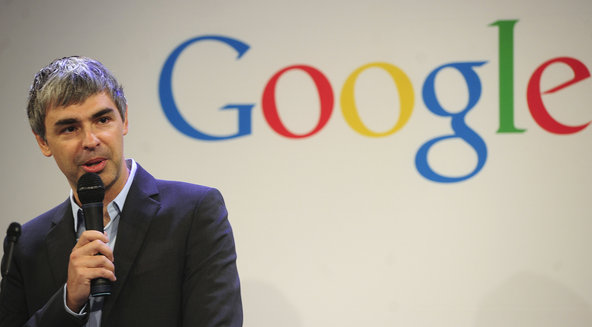
via nytimes.com
Google released its earnings report from Q1 2013 today.
Notably, Google’s consolidated revenues increased 31% over Q1 2013 with $14 billion gross income.
“We had a very strong start to 2013, with $14.0 billion in revenue, up 31% year-on-year,” said Larry Page, CEO of Google. “We are working hard and investing in our products that aim to improve billions of people’s lives all around the world.”
Google reported $3.35 billion net revenue, which is nearly half a billion up from $2.89 billion during the same quarter last year.
The company reports $50 billion in the back at the end of Q1 2013.
Cash – As of March 31, 2013, cash, cash equivalents, and marketable securities were $50.1 billion.
The company’s effective tax rate came in low at 8% following a tax credit mandated by legislature in Congress.
Income Taxes – Our effective tax rate was 8% for the first quarter of 2013.
Google CEO Larry Page mentioned during the conference call to investors that the company’s opportunities primarily exist in Chrome, YouTube, and Android, in that order. It believes more “connected TV’s” will allow the company to directly connect with consumers via relevant advertising more easily.
The company had praise for its marketing team, citing doubling its retail foot print thanks to more availability of its Chromebook in Best Buy.
Google discussed its success with commercial advertising via YouTube, announcing 325,000 Super Bowls worth of ads have been consumed.
When asked about Andy Rubin’s responsibilities after being pulled from heading Android, Larry Page reiterated that the company has yet to make that announcement and had no plans to make news in that regard today.
Regarding Glass, Larry Page admitted the price tag for early adopters is certainly high, but stepped short of calling it a luxury price and stated the company wasn’t prepared to announce a consumer price tag.
Press release below:

Today, Google has announced that it is integrating Google+ comments into its Blogger blogging service.For example, comments from Google+ users regarding a Blogger post will actually show up in the comments on a Blogger blog post.
Now when you’re browsing your blog’s comment threads, you’ll see activity from direct visitors, and from people talking about your content on Google+. For example, if there’s a public Google+ discussion about one of your blog entries, those comments and replies will also appear on your Blogger blog. This way you can engage with more of your readers, all in one place.
With Google’s recent moves to unify its products, this change is notable as it integrates both Google+ and Blogger in a seamless, sensible fashion…

Facebook announced updates regarding mobile today at its Mobile Developer Conference in New York City continuing its effort to transition to a mobile-first platform.
Changes include an improved experience with Facebook Login, easier implementation of Open Graph on mobile, a new Object API and Object Browser, a native Share Dialog and Facebook SDK 3.5.
The new Share Dialog allows users in non-Facebook apps to share directly to Facebook without leaving the app.
Facebook says its permissions dialog is 20% faster now.
The social network is encouraging mobile developers to integrate Facebook into their apps as it announced that 70% of the top grossing 100 Android apps already integrate with Facebook.
(Source: Facebook)
Google has rolled out two new features to mobile search that allow users to find results faster…
Google will add Provo, Utah, to the list of cities set to receive its ultra high speed Google Fiber Internet service.
Austin, Texas was revealed earlier this month to be joining Kansas City as host to Google Fiber.
The announcement by Provo Mayor John Curtis will be live streamed at 3:30 PM EST.

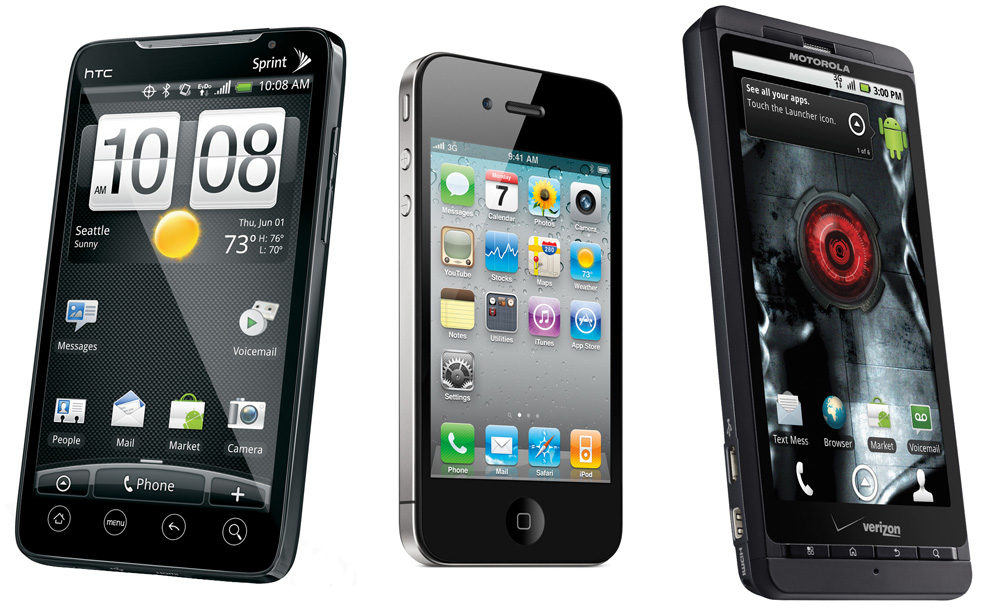
Henry McCracken over at Time has done us all a favor by collecting various data sets that illustrate the state of iOS versus Android.
The data ranges from device marketshare to revenue from app downloads, which presents some stark differences between the two platforms.
We unpack the results below.
Update: 10:52 AM EST – Google’s status website reports that Gmail should be back online for everyone
The problem with Google Mail should be resolved. We apologize for the inconvenience and thank you for your patience and continued support. Please rest assured that system reliability is a top priority at Google, and we are making continuous improvements to make our systems better.
Update: 9:01 AM EST – Google’s status website also reports issues with Google Docs
As of 8:58 AM EST, Google has acknowledged a service disruption with Google Mail as well as Google Drive.
Google is also reporting a complete outage of its admin control panel/API.
While the outage does not seem to reach everyone, my work Gmail account has been telling me that my password is wrong all morning.
Notably, Google Calendar and Talk seem to be unaffected.
Is anyone else having trouble accessing their Gmail on their iPhones?
— J(enna) Wortham (@jennydeluxe) April 17, 2013
[protected-iframe id=”5a4f91535eaa78e35a8f66b09419e08a-22427743-39900168″ info=”http://live.wsj.com/public/page/embed-3C3DD190_BBFF_403E_B635_B5BC711E927A.html” width=”512″ height=”288″ frameborder=”0″ scrolling=”no”]
We brought you the best quotes here:
Check out the full video via AllthingsD
Expand
Expanding
Close

https://www.youtube.com/watch?feature=player_embedded&v=vetiQ9JFRws#!
Last week, we reported that the Explorer’s Edition of Google Glass would begin to ship out next month. However, today, units became available for pick up. Google Glass users Matt Abdou, Brandon Allgood and Cecilla Abadie have posted some photos on Google+.
The Google Glass packages include one power cord, two visors, one carrying bag and the actual Google Glass hardware.
Interestingly, Matt Abdou uploaded to footage of himself GoKarting while wearing Google Glass. While he does seem to adjust Glass near the beginning in the video while driving, the glasses seem to stay on well and the video quality is up to par with what you would find on a common smartphone. Yesterday, we reported that the camera is capable of shooting 720P footage. The sensor comes in at 5 megapixels.
Another unboxing video follows:
Expand
Expanding
Close
via skattertech.com
Since acquiring Motorola for $13 billion last May, Google has been expected to launch a Motorola smartphone running stock Android, but the most recent Google-branded Nexus 4 device was made in partnership with LG.
Motorola’s design chief Jim Wicks tells PC Mag, though, that Google and Motorola have been working closely during that time on multiple devices running stock Android with less overlay that we should expect later this year.

Google Chairman Eric Schmidt spoke to AllThingsD‘s Dive Into Mobile 2013 conference this morning:
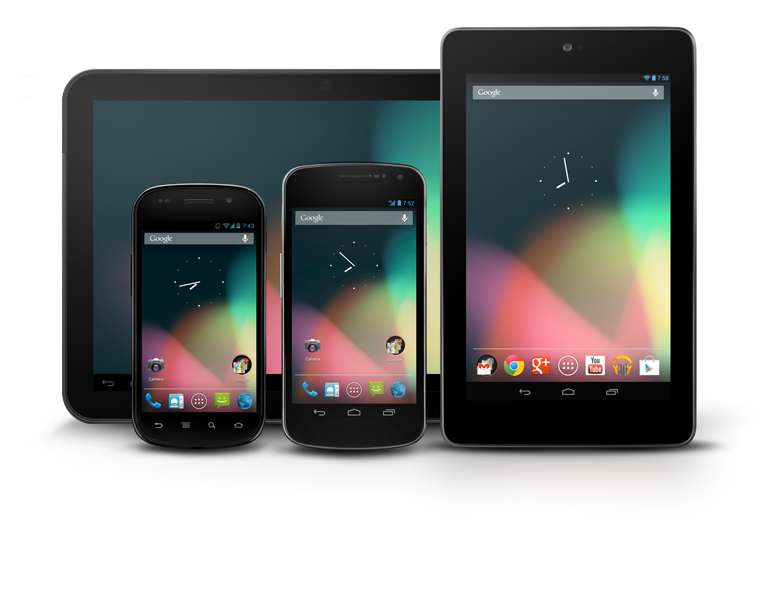
Speaking at the Dive into Mobile conference (wrap-up to follow), Google Chairman Erich Schmidt said that Android activations are now running at a staggering 1.5 million a day. This is up from the 1.3m a day reported last September.
From 9to5Toys.com:
Tiger Direct slashes the price of the original 1080P smartphone, the Droid DNA. We reviewed the DNA and loved loved loved its amazing 5-inch 1080P display.

Google Fiber’s 1Gbps Internet service, billed on launch as “100 times faster than broadband”, has already been beaten by Japanese ISP Nuro, reports Engadget. Not only is this twice as fast as Google Fiber, it’s also twice as fast as most local-area Ethernet connections. Japanese subscribers can get the service for 4,980 Yen ($51) a month.
Google just released the mother-load of information on Google Glass including an API, hardware specs (yuk yuk) and FAQs and much more. Developers, Dive in.
Wow Google Glass is finally shipping?! Like imminently based on this email? http://t.co/jTmhpuvtRs
— Brian Klug (@nerdtalker) April 15, 2013
It appears that Google Glass Explorers should soon be getting their Glass units. AnandTech’s Brian Klug got the following announcement.
A veteran of Japan’s Tsunami/Earthquake, Philippine Floods, and other events, Google today deployed its person finder tool for people who may be looking for loved ones in Boston or who want to tell loved ones their situation. Links:
Some new stuff from Canary build this morning above on left (compared to stable on right). Notice the Apps shortcut icon which can be removed by unchecking the “Show Apps shortcut” icon (below) in the dropdown menu.
This is interesting especially as Google appears to be ready to push an Apps button to its iconic search page. Will Chrome apps finally get their day in the sun?
Expand
Expanding
Close
via mobda.com
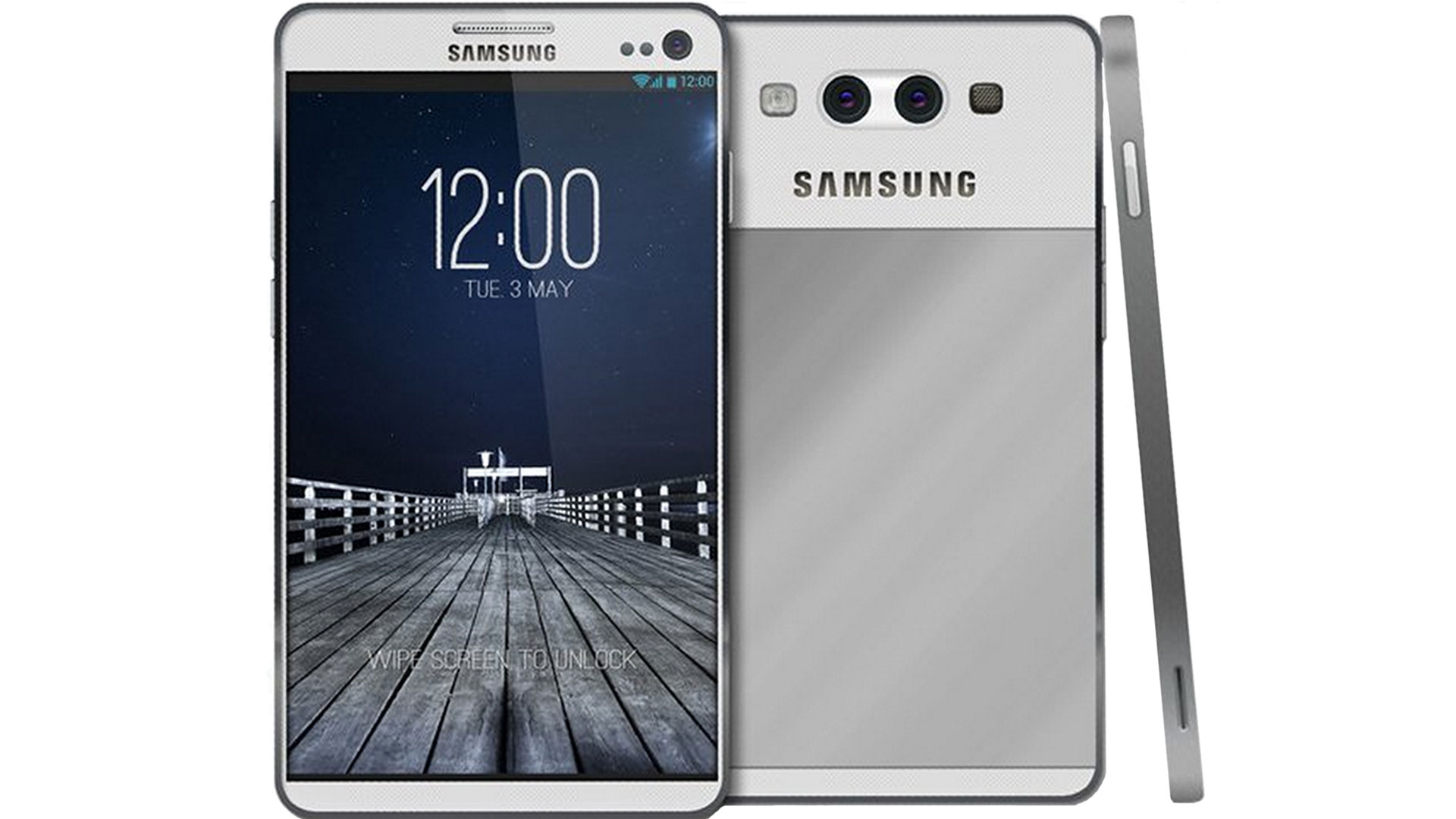
Sources from within are saying that Samsung prototyped an all metal Galaxy S IV, but because of worries with possible production delays, it was never used. The metal Galaxy S IV was met with open arms at the company says SamMobile, and was the first choice, but Samsung didn’t want to risk delays, according a report by SamMobile
Of course, the HTC One being all-metal phone is ‘worrisome’ to Samsung, according to the report, and is unsure if the Galaxy S IV measures up in terms of build quality to the One. While the report isn’t confirmed by Samsung, SamMobile is known to be very reliable. There is a possibility a holiday edition of the Galaxy S IV in metal could launch, but theres no guarantee.
In the same report, SamMobile is also saying that they’ve got the specs for the Galaxy Note II’s successor. The report claims that the Note III will sport a 6″ inch 1080P AMOLED display, 0.2″ inches bigger than the previous report of 5.8″ inches. Other specs include an Exynos 5 Octa-core processor, also found on the Galaxy S IV. The kicker here is that the report says the Note III will support LTE and the Octa-core processor, whereas the Galaxy S IV only supports LTE on the quad-core model.
Finally, SamMobile expects to see a 13MP camera with the “latest version of Android”. Samsung could have one of the first Android 5.0 devices out on the market, assuming Android 5.0 Key Lime Pie is announced at Google I/O and the Note III launches sometime after that.
It’s unlikely the Note III will launch encased in a metal body, but if the report is to be believed, it may not be so far-fetched after all.
