Stay up to date on news from Google headquarters. Be the first to learn about plans for Android, Google Plus, Google Apps, and more!
Stay up to date on news from Google headquarters. Be the first to learn about plans for Android, Google Plus, Google Apps, and more!


Following a series of pressures by European regulation and privacy authorities, Google will soon start removing unwanted results from all of its domains. Despite having complied with the EU’s rules regarding the so-called ‘right to be forgotten‘ act, the search giant has so far only removed the results within the specific country’s domain.


We are about two weeks away from this year’s Mobile World Congress, which means we are entering the first of the two big periods of the year where all the major OEMs refresh their lineup of high-end devices. On February 21st, just a day before MWC kicks off, Samsung is expected to announce both the Galaxy S7 and the Galaxy S7 Edge.
Unlike last year, where the edge variant was simply a curved version of the 5.1-inch screened flat sibling, this year’s model should bump up the panel size to 5.5-inches, making it closer to the Galaxy S6 edge+, which made its way to the store shelves alongside the Note 5 later last September…

Keep up with the best gear and deals on the web by signing up for the 9to5Toys Newsletter. Also, be sure to check us out on: Twitter, RSS Feed, Facebook, Google+ and Safari push notifications.

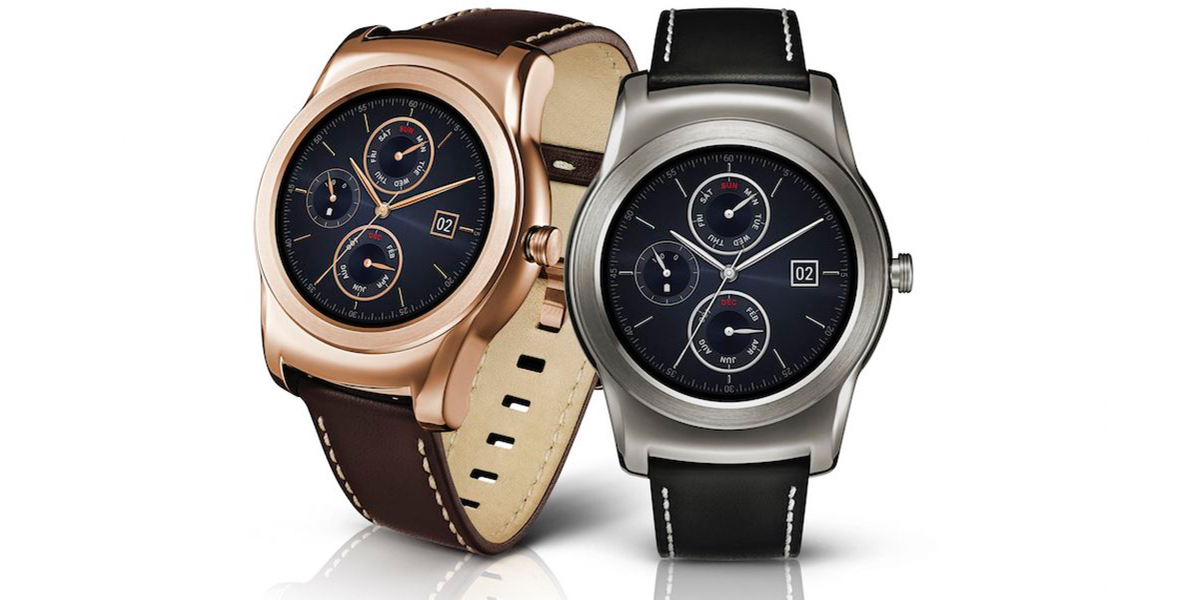
According to the latest U.S. smartphone market share numbers from Parks Associates, Apple is still well in the lead compared to competing manufacturers, holding a beefy 40% of the smartphone market. But the latest figures also show that Android OEMs are gaining ground on the dominant Cupertino, California-based iPhone maker. Now, Samsung holds around 31% of the market and LG is next in line with 10%…

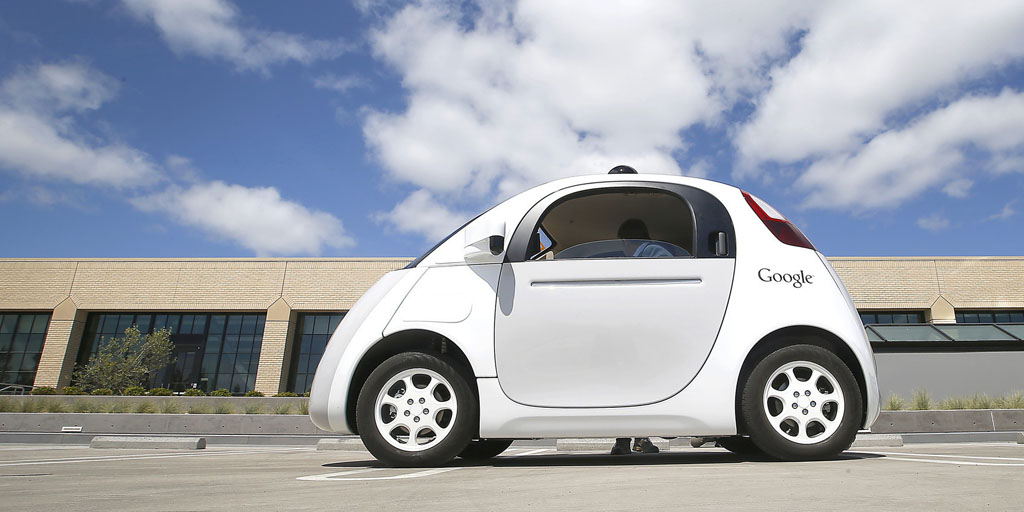
The U.S. National Highway Traffic Safety Administration, or NHTSA, has announced today that it will recognize Google’s self-driving car system as a legal driver. The announcement comes after Chris Urmson, the head of Google’s self-driving car project, petitioned that the government treat the initiative the same as it does normal driver cars.
A new patent that surfaced on Tuesday (via Qz) suggests that Google/Alphabet could have plans to use its self-driving car technologies for a truck-based delivery service. The patent describes an “autonomous delivery platform” for an autonomous truck with lockers (not unlike an Amazon locker), driving to a customer’s location to deliver a package…
Expand
Expanding
Close
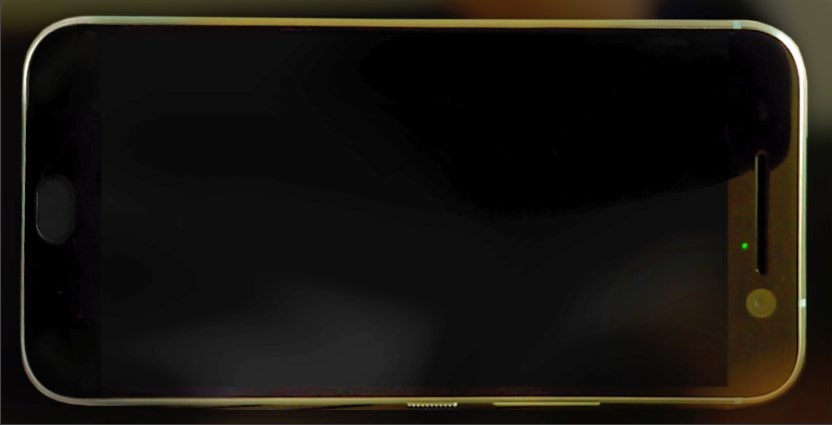
A couple weeks ago, Evan Blass came out to unveil pretty much all of the upcoming HTC One M10’s specs, saying that — among other details — the phone is going to ship with a 5.1-inch display. Now, famed Android leaker LlabTooFeR has come out on Twitter to challenge Evan’s great track record. Apparently, the M10 is going to ship with a display not 5.1-inches in size, but 5.2-inches.
Keep up with the best gear and deals on the web by signing up for the 9to5Toys Newsletter. Also, be sure to check us out on: Twitter, RSS Feed, Facebook, Google+ and Safari push notifications.

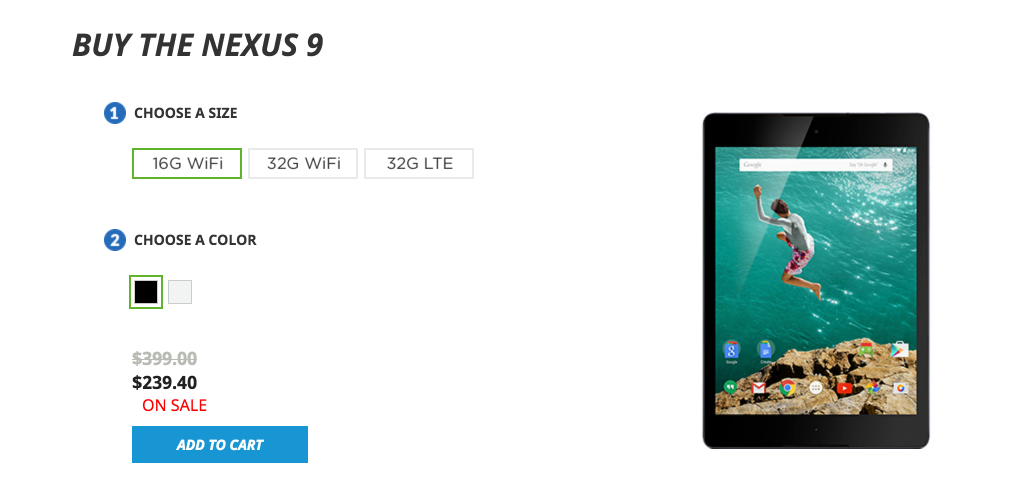

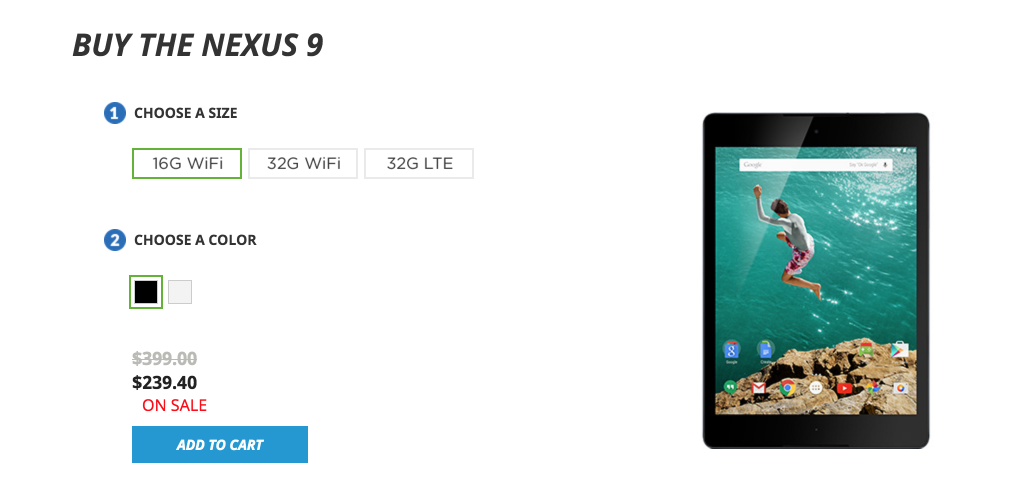
HTC is today offering 40% off all variants of the Nexus 9 tablet, bringing its price down to $239.40 shipped (Reg. $399) for the lowest-end 16GB WiFi model. The Taiwanese company is also offering the highest-end 32GB LTE model for $359.40 shipped (Reg. $599), while also throwing in a free Logitech keyboard for the first 200 buyers…

In what Bloomberg describes as ‘a 90-minute interview peppered with expletives,’ Russia’s new Internet advisor has said that he wants to force Google and Apple to pay more taxes.
German Klimenko is pushing to raise taxes on U.S. companies to help level the playing field for Russian competitors such as Yandex and Mail.ru […]
Bloomberg says that he has an interesting ally in this aim …

Google has announced in an official blog post that it’s adding a new flood alert system to its services in India. Thanks to information provided by the Central Water Commission (CWC) users will be able to find flood alerts, including river level info, for more than 170 areas in India where the CWC has active observation stations.
Alerts are available in a number of Google’s apps and services like Google web search, Now cards in the Google app, Google Maps and the Public Alerts homepage on desktop and mobile.

T-Mobile’s Super Bowl ads last night were definitely aimed at millennials. One involved Steve Harvey and referenced Verizon’s “Colorful Balls” ad once again (as well as Harvey’s forgetful stumble on Miss Universe), and the other brought in Drake to show how ridiculous the other carriers could be on the set of “Hotline Bling”…
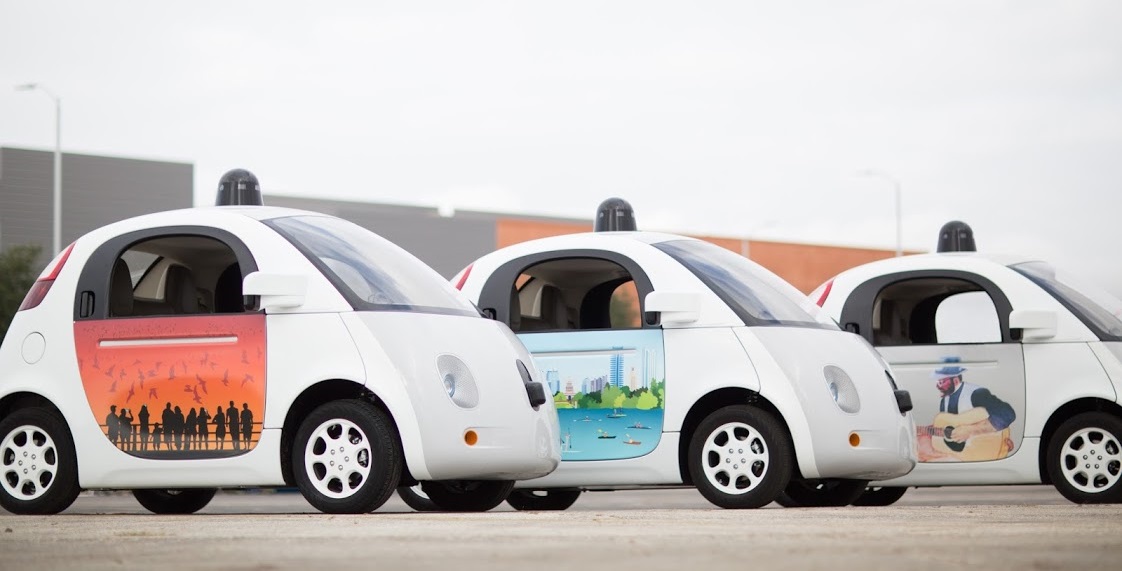
According to some FCC documents recently unearthed, Alphabet’s X division (formerly Google[x]) has its sights set on disconnecting the cute fully-electric self-driving car prototypes from their wall chargers. Yes, we’re talking wireless charging, the kind that could beam up energy through the bottom of the car using a technology called resonant magnetic induction…
According to a report from The Guardian, Google will soon start showing anti-ISIS ads in search results. The report claims that when a user searches for a topic relating to Islamic extremism or radicalization, they will see ads that encourage them to view the “counter narrative” to their search query.
According to a new report from Variety, Google is among the tech companies negotiating with the NFL for digital rights to Thursday Night Football. Earlier this month, the National Football League inked deals with CBS and NBC to divide the TV rights for Thursday games over the next two seasons, but streaming to non-subscribers was not included in that deal.
Keep up with the best gear and deals on the web by signing up for the 9to5Toys Newsletter. Also, be sure to check us out on: Twitter, RSS Feed, Facebook, Google+ and Safari push notifications.
[tweet https://twitter.com/9to5toys/status/695270990838919169 align=’center’]
[tweet https://twitter.com/9to5toys/status/695278077694320640 align=’center’]
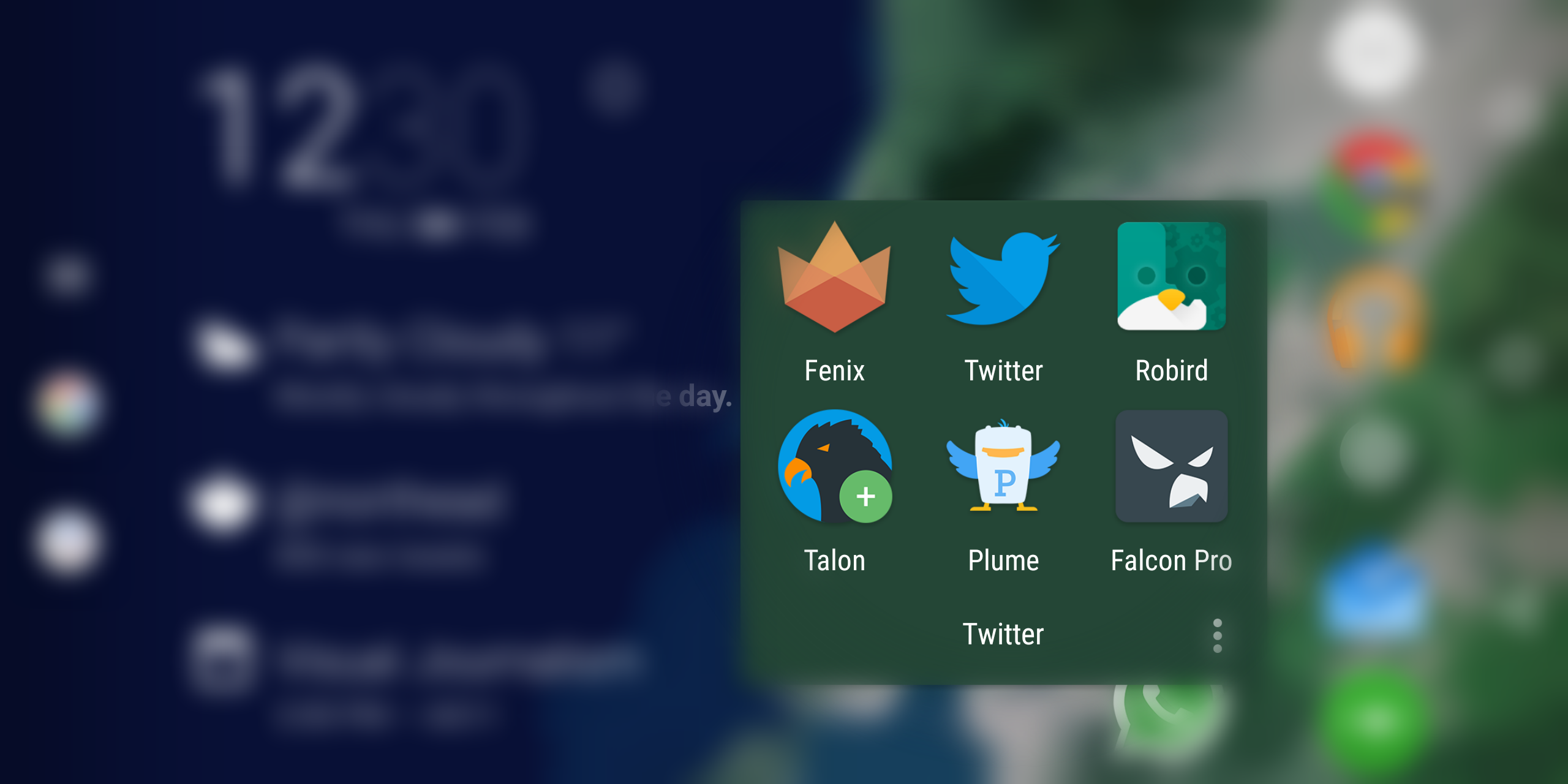
Android is an operating system better known for its openness, which means users can enjoy a great deal of customizability and overall choice. It goes far beyond picking up a shiny wallpaper: you can choose your own default apps, tweak the notification center with widgets, add those widgets to your homescreen, and switching to a whole different launcher is an app install away.
That’s why Android users are accustomed to using products and services that go beyond the stock options offered out of the box, and know that the Play Store is quite the well to draw from. Twitter clients are no exception, so keep reading for our roundup of what we think are the best alternatives to Twitter’s default offering…
Update: VentureBeat received information from a source, shedding a little more light on the situation.
A source close to the situation indicates that Google considers this a “unique case” because two apps are required to invoke the ad blocking. Furthermore, the source adds that Google has no problem with browsers which can block ads within themselves via built-in functionality (like Adblock Browser) or via plugins.
Earlier in the week, Samsung’s new browser API meant developers, if they wanted to, could build ad-blocking apps to work alongside the browser. It’s similar to the ad-blocking feature Apple introduced in iOS 9 with Safari, which lead to a number of ad and tracker-blocking apps become popular within the first few weeks of iOS 9’s arrival.
With this feature added, more developers could develop standalone ad-blockers for Android which work with Samsung‘s mobile browser. It turns out however, that Google has pulled some apps, and rejected updates for others. It seems the company isn’t keen on having standalone apps — designed to work alongside browsers to block ads — on the Play Store…
Last week we told you that four more mysterious cities are set to get Alphabet’s self-driving cars in the relatively near future, and now the California company has said (via Reuters) that the next city on the list—following Mountain View, CA and Austin, TX— is Kirkland, Washington…

Google’s longtime Senior Vice President of Search Amit Singhal is leaving the company after 15 years. In a Google+ post, he said that February 26th would be the last day and that he would be looking into philanthropy in the future. Re/Code is reporting that the Search will be merged with the company’s other artificial intelligence and machine learning efforts.
Update 2: People familiar with the matter have said that this isn’t an internal codename for a future project, but rather just referencing the concept of iterative “++” in programming.
Update: Taylor’s LinkedIn profile has been updated to redact mentions of Cardboard++: “In January I began working with the Cardboard team.” Previous version can be seen in a screenshot below.
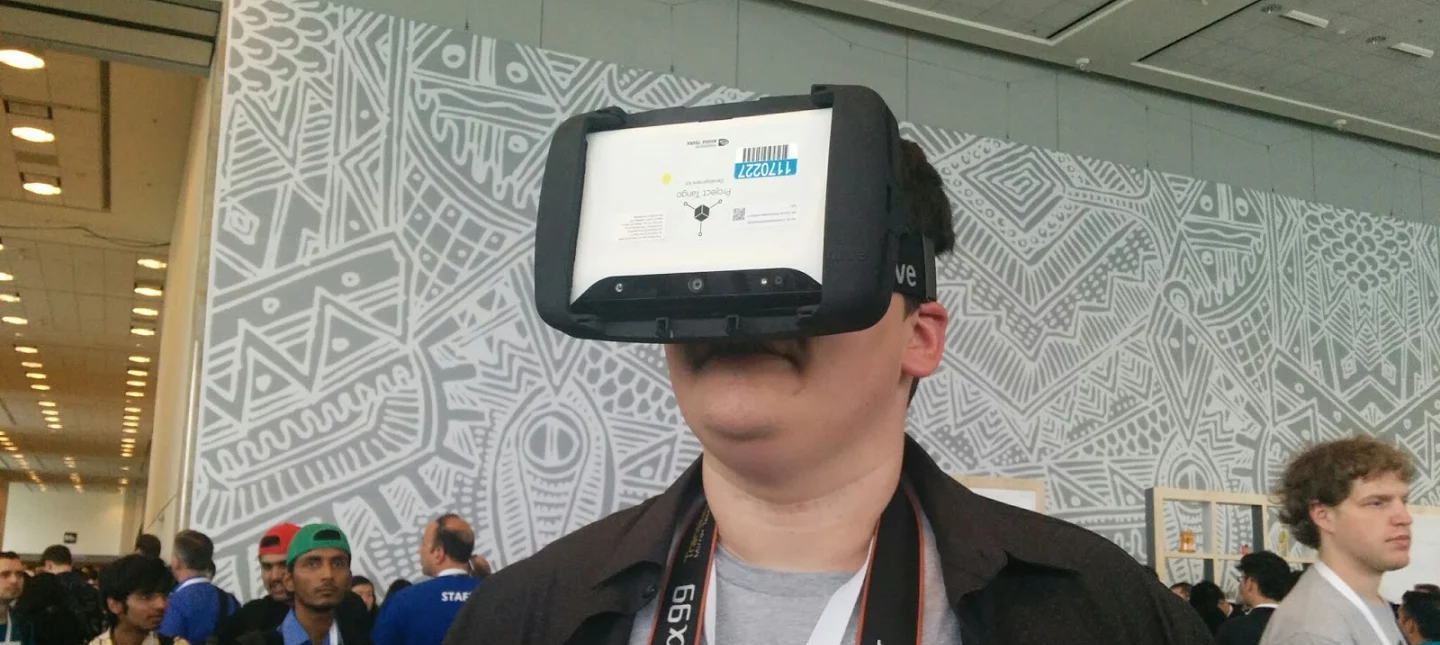
We know that VR has become much more central to Google’s ambitions lately, but what exactly might the company be working on? According to some evidence scattered across the web, one project in the works might be called “Cardboard++,” a collaboration between the Project Tango augmented reality team and the Cardboard virtual reality team…
Update: Leung has resumed testing with a repaired test device, but for now can only weed out bad cables for now as he still doesn’t have a working Chromebook.
Google engineer Benson Leung was doing a great job at distinguishing the good, the bad and the ugly where USB Type-C cables are concerned, exposing ones that failed to meet the proper specs as well as others that were just plain dangerous.
Unfortunately his testing has now come to an abrupt end as one particularly bad cable resulted in significant damage to both his Chromebook Pixel and the USB PD sniffer devices he was using …
Tech companies make baffling decisions all the time, it’s not a rare occurrence. In most cases, while we’re scratching our heads, we can normally sort-of see a reason or some kind of logic behind those moves. Whether it’s OnePlus’ unusual marketing strategies, Google launching the Pixel C without multi-window multitasking or HTC’s decision to launch an iPhone clone. In the case of Turing Robotics, I’m stumped…
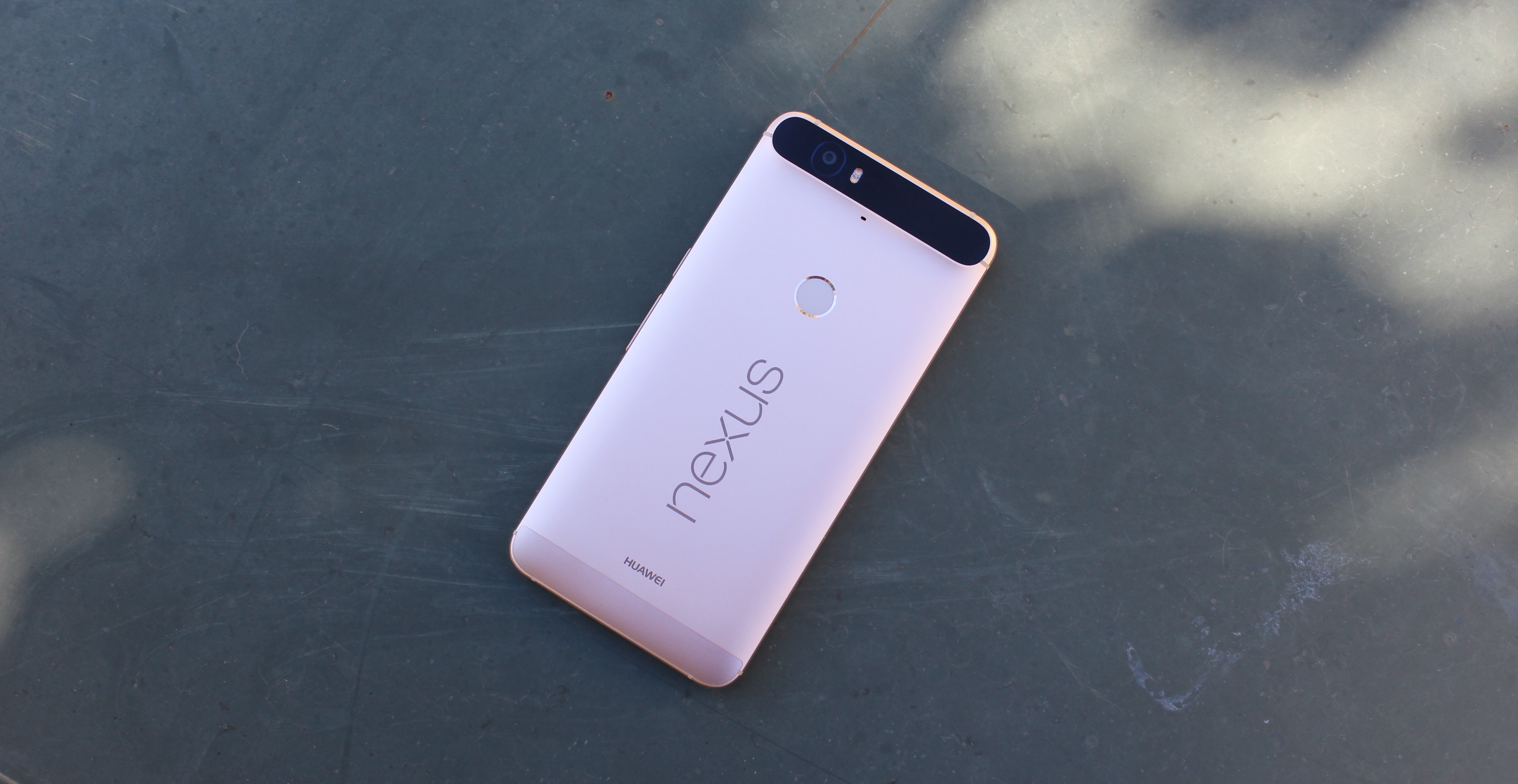
One of Google’s latest slogans created to showcase the essence of Android in a nutshell spells: “Be together, not the same.” It is both a testament to the company’s general embracement of diversity and arguably one of the most precise ways to describe the OS as a whole. Fans, however, have long had trouble trying to identify the ‘ultimate’ Android device, despite the sea of devices whose supposed heterogeneity should guarantee a perfect match for everyone.
In an endless fight among the various OEMs to come out at the top of the critics’ — as well as the fans’ — rankings, one trend has notoriously stood out. People love Android devices because of the software (specifically its flexibility), and in spite of the countless efforts made by manufacturers to tweak and enhance the OS in order to make it better, the pure, unadulterated experience offered by Google has long been preferred by virtually every enthusiast.
Be it because of its simplicity and cleanliness, dedication to Google’s brand, or the sheer fact that updates are not hampered by carriers and other third parties, stock Android has always had the upper hand over UXs such as Samsung’s TouchWiz or HTC’s Sense — at least to those who even know what “TouchWiz” is. To this day, the problem with Google’s vanilla OS still resides almost solely in the hardware it runs on.