Lenovo


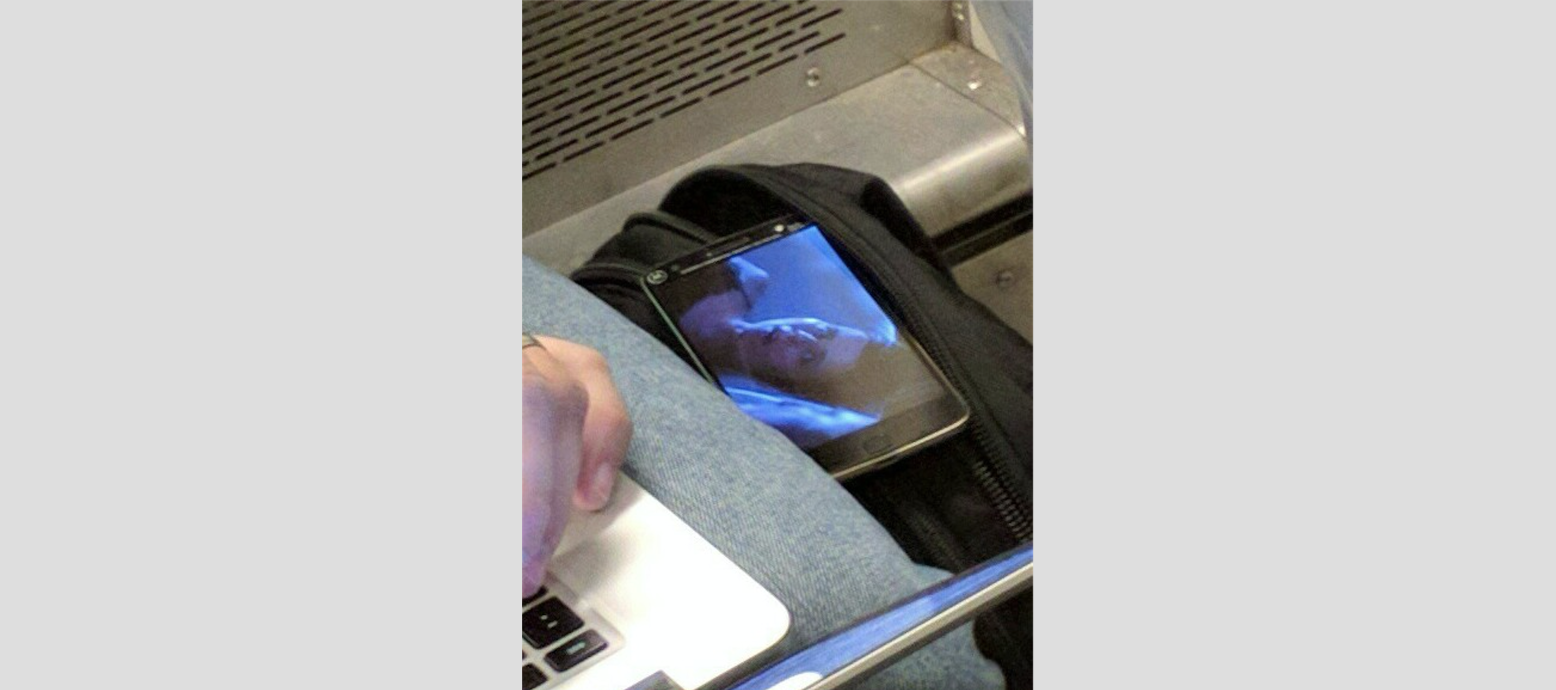
A video has been published on YouTube showing what the uploader claims is a prototype of the fourth generation Moto G. Its design is practically identical to leaks we’ve seen already, and it seems to be much bigger than the current generation budget Motorola smartphone.

Last week, the first image of what is likely one of Lenovo’s next Moto devices revealed a front fingerprint sensor in place of dual speakers. Now, an image from Evleaks that shows a sketch of a ‘Moto G4 Plus’ with a similar sensor arrangement likely confirms that the image is legit…
According to the Wall Street Journal, Lenovo is going to release its first device under the ‘Moto’ brand in July. Save for screen sizes larger than 5-inches and a fingerprint sensor, not much is known about the flagship. HelloMotoHK, a leakster who showed us the first photos of the 2nd-generation Moto 360, has now posted a picture of what appears to be an upcoming phone…
A pair of listings on GFXbench (via WinFuture) have revealed two Lenovo phones that may possibly be the next generation Moto E. Additionally, two devices with the Moto X3 moniker have hit an Indian import/export database that might allude to a release sooner than later.
At CES, Lenovo announced that the Motorola brand name would be phased out in favor of ‘Moto’ and ‘by Lenovo’ branding. Today, the company announced a restructuring of its Mobile Business Group that sees the exit of long-time Motorola president Rick Osterloh.


Like just about every Android device manufacturer this week, Lenovo is showing off its latest at Mobile World Congress in Barcelona and today officially unveiled its new lineup of TAB3 tablets.
Unsurprisingly, Lenovo “product engineer” Ashton Kutcher is also doing online videos to promote Motorola. His last appearance demonstrated how people are incapable of not touching their phones. Now, Kutcher is talking with engineers and showing off features specific to Motorola phones.
Lenovo CEO Yuanqing Yang said today that the company will launch a new smartphone for the US in July, according to comments reported by The Wall Street Journal. Earlier this month at CES, the company announced that the Motorola brand name is actually being phased out around the world.


Keep up with the best gear and deals on the web by signing up for the 9to5Toys Newsletter. Also, be sure to check us out on: Twitter, RSS Feed, Facebook, Google+ and Safari push notifications.


[tweet https://twitter.com/9to5toys/status/692383017453686784 align=’center’]
Work Faster & Smarter on Your Mac with 12 Apps to Clear Your Hard Drive, Enhance Audio, Track Device Activity & More
Having recently made comments that it is seeking to make fewer handsets this year than last, Lenovo is making some contradictory moves in the smartphone market. The manufacturer has launched the all-metal K5 Note in China, and the mid-range smartphone makes its way to market in the same month the K4 Note landed in India. Color me confused.
Regardless, the Lenovo K5 Note will cost ¥1,099 (approx $167) when it lands on Chinese store shelves at the beginning of February. For that money, the phone offers some admirable specifications.
As well as being made from aluminum, it has a full HD (1920 x 1080) resolution 5.5-inch screen boasting a pixel density of around 401ppi. It also features a 1.8GHz octa-core MediaTek Helio P10 processor paired with 2GB and 16GB storage (expandable up to 128GB). A 3,500mAh battery should ensure that it goes at least a full day on a single charge.
Other key features include a 13MP f/2.2 rear camera with phase detection auto-focus and 1080p video recording, as well as an 8MP front-facing camera. It runs Android 5.1 Lollipop with Lenovo’s own Vibe UI on top. The device measures 8.5mm thin, making it slightly thicker than most flagship phones, but is by no means bulky. It also has a fingerprint sensor on the back, as is normal with modern smartphones.
With the low-mid tier markets becoming full of metal devices equipped with high-end specs, it’ll be interesting to see who comes out on top this year. Will Lenovo’s devices have a chance of competing with the likes of Huawei, Xiaomi or OnePlus?
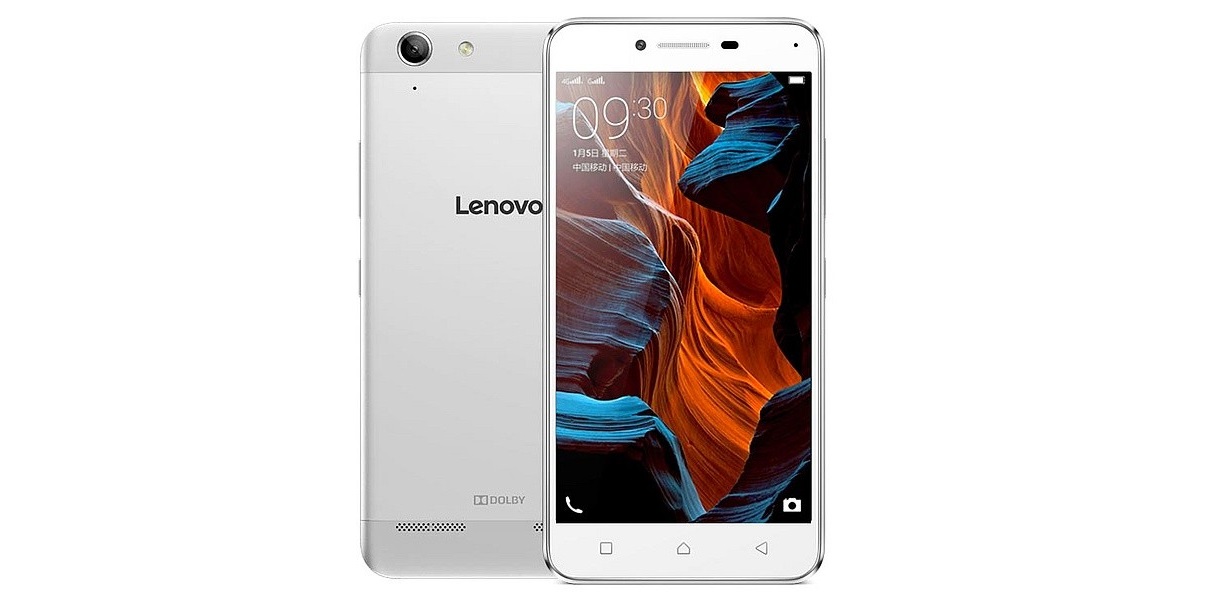
Lenovo has today launched a budget phone in China, and it’s called the Lemon 3. Notably, this is different than the phone that leaked last year that also had a citrus-y name. While the Lemon X (which launched in Chinese markets a couple of months ago under the name Vibe X3) is aimed at the mid-range, the Lemon 3 is aimed at the lower end of the market…
Recently, Lenovo’s chief made some comments regarding the future of Motorola and Lenovo smartphones. Those comments seemed to indicate that the Moto brand name would only be used for high-end smartphones, while Lenovo’s ‘Vibe’ lineup would form the bottom end of the companies product portfolio. Some saw this as confirmation that Moto G and Moto E handsets would be discontinued.
Speaking to The Verge, a Motorola representative was quick to debunk those suggestions:
“Although we are simplifying the combined Motorola and [Lenovo] portfolio, we have no plans to retire Moto G, our most successful smartphone, or Moto E.”
Despite the fact that Lenovo’s chief seemed to be indicating an end to the bottom-tier Motorolas, it seems that instead, the Moto and Vibe brands will be used in different markets. The Moto G and Moto E are incredibly successful in a number of markets, particularly North America. In Asia, the Vibe brand is a better fit. So it could be instead that it slims down its portfolio, while still continuing to build new models of affordable Moto-branded products.
Most of the confusion and interest surrounding Motorola and its phones stems from a recent discovery that the Motorola brand name will be dying. Since then, it seems as though everything has been up in the air, at least in the media. While Motorola is going away, the Moto brand is too strong to give up. Just like it did with ThinkPad, Lenovo is going to continue using the Moto moniker for its devices.
Following news that Lenovo would be phasing out the Motorola brand-name, tech enthusiasts globally were intrigued to hear what else the company’s new owners had in store for us. Will Moto phones be just as good as they have been in the past? Will they keep the stock Android experience?
Lenovo’s chief, having spilled the beans regarding Google’s plans to launch its Play Services in China this year was seemingly keen to also share his thoughts on the Moto brand and what the next couple of years has in store for the fashionable smartphone family. As with all changes made when new owners take over, there’s both good news and bad news…
According to a report by Tech.Sina, Google will finally bring its services in to China. Lenovo chief, Chen Xudong claims Google is on track to bring its Play Services to the nation at some point in 2016, and that its desire to do so isn’t a secret. Google wants its services back in China, but has faced strong opposition from the government in the past, heavily restricting its presence there.
While Android has long been the dominant smartphone platform in China, Google’s presence there is still very limited. In fact, Google Play Services are practically non-existent. Before the Nexus 6P was built, it was rumored by a reliable publication that Google had chosen Huawei specifically because of its influence in China. With Huawei being a Chinese brand, and the biggest seller of smartphones in the country, its influence is huge. What’s more, Google also recently partnered with (and took a minor stake in) Mobvoi, one of the most widely-used and advanced Chinese AI and voice recognition companies.
Clearly, with Android being the most widely-used smartphone OS in China, Play Services aren’t required or critical to the platform’s success. Bringing Play Services in to China would mostly be an effort to help end fragmentation in a country where multiple app stores exist for Android.
No specific timeframe was given in terms of when we might see Google Play back in China. One can only assume getting the service approved takes multiple jumps over political hurdles and cutting through endless miles of red tape. We’ll keep you updated when/if there’s any more to share on the issue.

At CES today, Google and Lenovo announced a partnership to bring the first consumer Project Tango device to the market. The Lenovo-made smartphone will be the first Project Tango offering that consumers will have the chance to try. Google touts that Project Tango transforms your smartphone into “a magic lens that lets you place digital information on your physical world.”
Update: Motorola has provided us with an official comment on the new branding.
In an interview with CNET, Motorola COO Rick Osterloh said that the storied Motorola brand will be phased out for Lenovo. Purchased by Google in 2011 and then sold to Lenovo in 2014, Motorola has had varying level of successes. While praised for stock Android, Moto devices on the high-end have not been successful in dethroning Samsung or LG.
Prepare for an influx of announcements from all the major tech companies over the coming days, CES 2016 is well and truly upon us. First out of the blocks is Lenovo who showed off a brand new 13-inch ThinkPad. The ThinkPad 13 will come in both Windows and Chrome OS flavors, and is priced right in the middle of the market…
While the door-busting Black Friday weekend deals are long gone, there are still some great discounts out there for holiday shoppers. One of today’s featured tech deals on eBay is a heavily discounted Lenovo IdeaPad N20p Chromebook. The Chrome OS-based laptop normally retails at around $300, and is currently available for just $170 in limited quantity. As a reference, the same Chromebook is priced at $290 on Amazon, where even used models are more expensive than the eBay deal.
Spec-wise, the Lenovo IdeaPad N20p is respectable. It has an 11.6-inch 1366 x 768 resolution, 10-point multitouch display which can swivel around 300. Inside, there’s a 2.16GHz quad-core Intel Celeron processor, 2GB RAM and 16GB internal storage. It has a plethora of I/O ports too; there’s a USB 3.0 and USB 2.0 port, SD card slot, mini HDMI out, 3.5mm jack and the necessary power input. It also has built-in stereo speakers, Bluetooth 4.0 and Wi-Fi 802.11 a/b/g/n/ac. Not a bad spec-list for a device that costs less than $200.
If the Lenovo IdeaPad doesn’t take your fancy (even at this price), and you’re hunting for a Chromebook this holiday season, we’ve compiled a list of what we think are the best Chromebooks for any budget.
When it comes to high-end Android tablets, they don’t come much more unique than the Lenovo Yoga Tab 3 Pro. The full-size tablet is equipped with a Quad HD resolution 10.1-inch screen, Intel Atom quad-core processor, a 10,200vmAh battery and has a built-in projector. Its unusual design certainly makes it stand out. But is it any good?
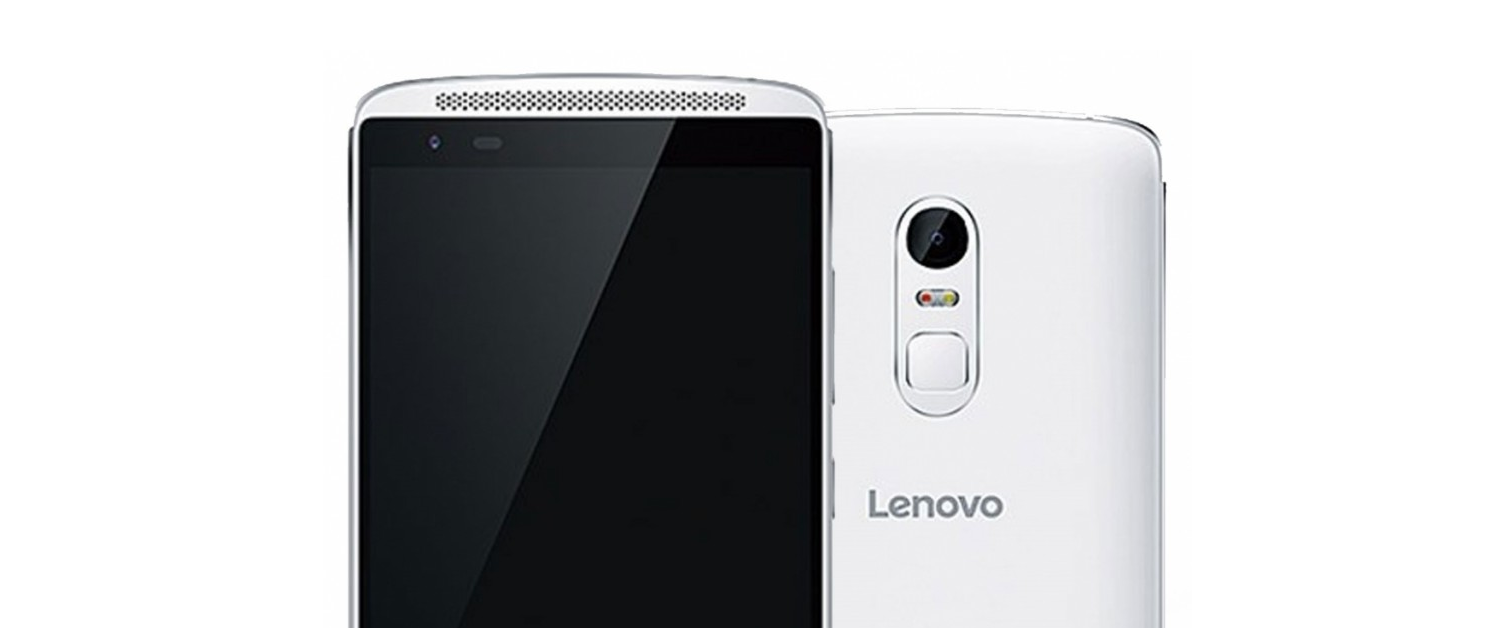
Known stateside for their purchase of Motorola, Lenovo makes and sells their own branded smartphones in China and some European countries. The Vibe X3 continues the Vibe series, but it’s now a lineup of three models. All three share a 5.5-inch full HD Gorilla Glass display and rather serious audio tech, but differentiate in other specs…
Despite a 16% year-on-year growth of revenue to $12.2 billion, Lenovo has just announced its first quarterly loss in six years. In its fiscal Q2 earnings results, the manufacturer blames both the competitive nature of the smartphone market and the restructure following its finalized Motorola acquisition for its losses.
Before tax, Lenovo lost around $324 million on unsold smartphone inventory and $599 million to “restructuring costs”.
The official HKFRS losses were driven by the realignment plans Lenovo disclosed during its Q1 results, including worldwide expense reduction actions across all businesses, the integration of the System x Business, the organization and brand alignment of Motorola and the Lenovo Mobile Business Group and clearance of smartphone inventory.
It’s not entirely bad news for Lenovo though. The addition of the Motorola brand has meant the company saw a year-on-year sales increase of 104% of in its Mobile Business Group. It sold $2.7 billion worth of smartphones, Android tablets and TVs. $1.4 billion of those were Motorola sales. Most of this growth is down to sales outside of China. Across the first two quarters of its financial year, 70 percent of its mobile products were purchased outside Chinese borders. This time last year, that figure was just 19 percent.
Unlike the rest of the tablet industry, Lenovo’s sales actually grew, selling 18.8 million units, up 11 percent from last year.
Despite making a loss last quarter, Lenovo is convinced that the mobile division will return to money making ways after the next couple of quarters. With the rise of competitive and affordable products from other brands, it’ll be a tough challenge. But, with the likes of the Moto G, Moto X and new DROIDs in its lineup, the company certainly has the hardware to compete. What’s more, it just opened its very first boutique retail store in Chicago to help boost high street presence.
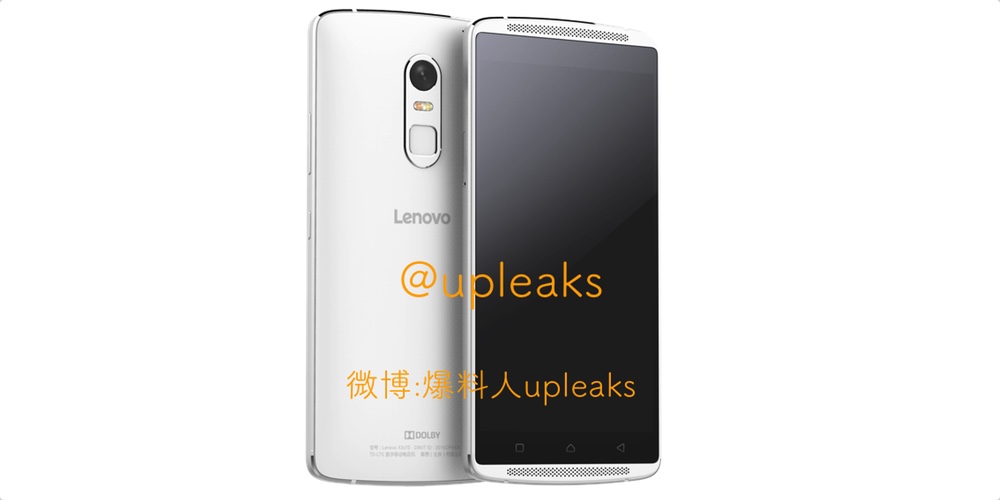
A short while ago, @upleaks showed off a press render of what they claim is the Lenovo ‘Lemon X’, and it could be our first look at a Lenovo handset at least partially designed by Motorola’s hardware team. Although specifications and availability plans are thin on the ground, there’s plenty of evidence to suggest that the Motorola division is behind the upcoming phone’s design…
Lenovo is one of the busiest companies at IFA this year. Not only has it had its Motorola smartphones and smartwatches to deal with, but also its own-brand devices. As well as announcing its new budget Chromebook, Lenovo has taken the wraps off new Android-powered smartphones: The PHAB and the Vibe series’.
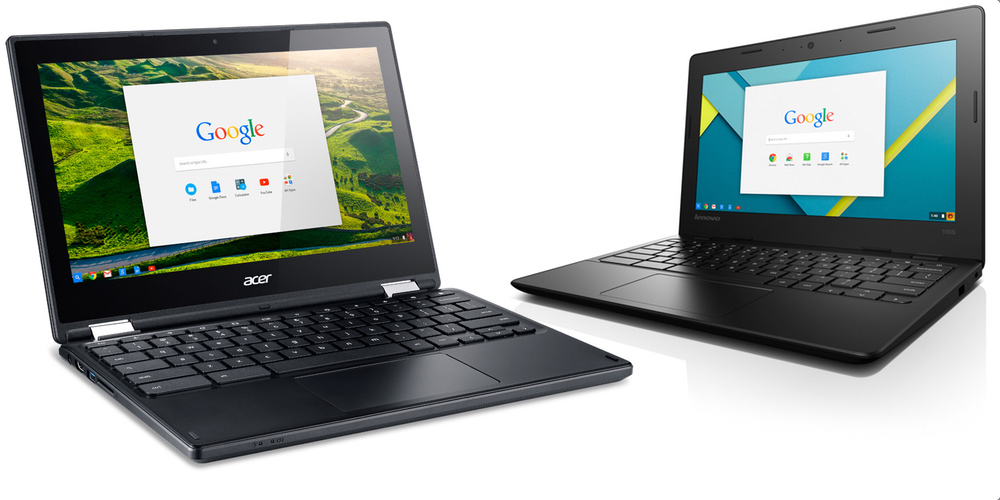
Both Acer and Lenovo have updated their Chromebook lineups at IFA 2015 in Berlin today, and both are looking to offer decent products at attractive price points. Acer announced the new R11 Chromebook in a bid to compete with the convertible ASUS Chromebook Flip, while Lenovo unveiled the budget-friendly Chromebook 100S.