YouTube
YouTube is Google's massive video streaming platform, accepting videos from creators large and small

YouTube is a major video platform owned by Google — and it has grown to be one of the most famous social media destinations on the web.
YouTube is Google's massive video streaming platform, accepting videos from creators large and small
YouTube is a major video platform owned by Google — and it has grown to be one of the most famous social media destinations on the web.


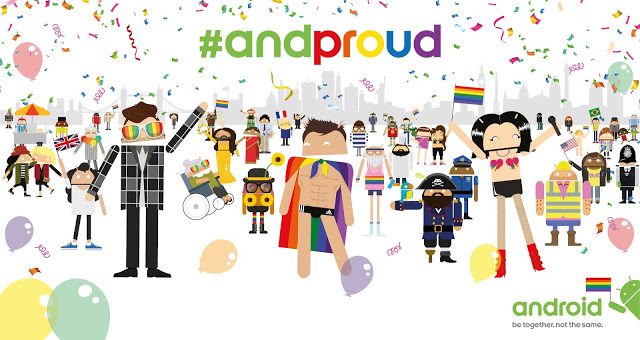
The United States Supreme Court ruled today in favor of the union of same-sex couples, effectively giving new civil rights to LGBT couples by declaring that states cannot ban same-sex marriage, and Google is going all-out in its celebration.

[youtube https://www.youtube.com/watch?v=YF3QVeR9d1Q]
Halfbrick Studios announced today that it is teaming up with YouTube to produce a new series of animated shorts centered around the characters from their hit game Fruit Ninja. The studio already has a number of clips on the video channel including trailers and gameplay clips, but says the Fruit Ninja animated series will be aimed at children age 6-10 with the YouTube Kids app in mind…
Expand
Expanding
Close
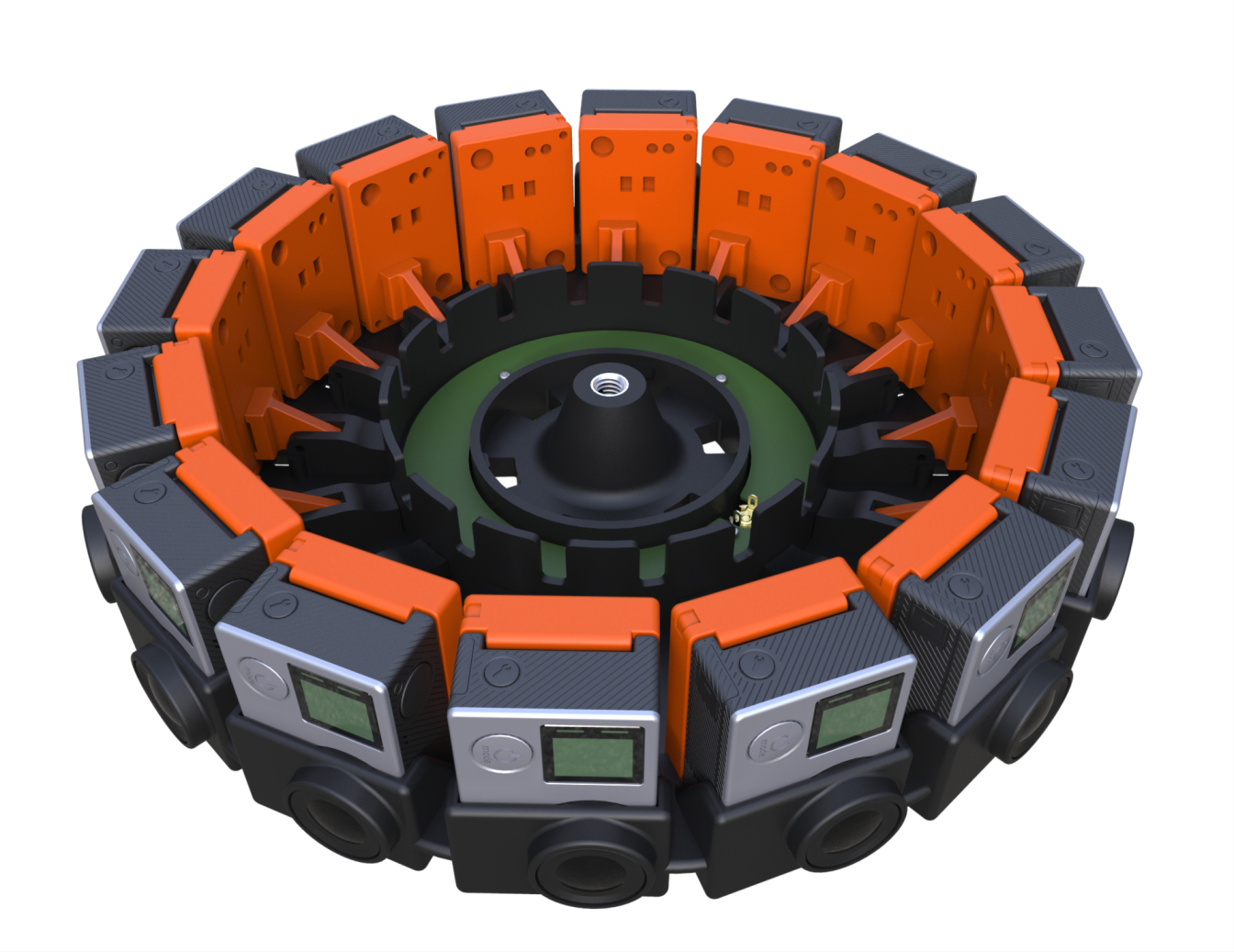
Project Jump is Google’s committal to making virtual reality go mainstream by making it cheaper and easier for anyone to produce VR video, and as reported by TechCrunch it’s going to let a lucky few take a Jump rig for a spin this summer. The company has a form up where interested creators can explain why they deserve to be one of the lucky few – it’s two pages long with some basic biographical questions and an essay section.

Recognizing the high-profile role that ‘citizen journalist’ video can play in news stories, YouTube has announced YouTube Newswire, a curated feed of eyewitness videos which have been confirmed as genuine.
In partnership with Storyful, a social news agency we’ve worked with since protests broke out in Tahrir Square in 2011, we’re rolling out the YouTube Newswire, a curated feed of the most newsworthy eyewitness videos of the day, which have been verified by Storyful’s team of editors and are embeddable from the original sources.
The initiative is supported by The First Draft Coalition to provide materials which help journalists and others verify eyewitness media and consider the ethical implications of using it in reporting. A full website will follow, but YouTube has kicked things off with a collection of blog pieces on Medium …
Expand
Expanding
Close
Vessel, the monthly subscription service that provides early-access to content from some of the biggest channels on YouTube, has today released its app for Android under the “beta” moniker.
For the uninitiated, Vessel is part of a trend recently of online content creators seeking out new ways to monetize their content and make money beyond the traditional display and pre-roll video advertisements that you see around videos and other web content. Vessel charges $2.99 per month and in return gives you access to videos from popular YouTube talent including Rhett & Link and Marcus Butler, among others, several days before the videos go live on YouTube. There’s also a free version, but it doesn’t provide these exclusives and there are ads so it’s essentially the same thing as just watching them on YouTube.
The company claims to have over 130 creators uploading to the platform so far, and hopes that releasing an app for Android will expand its subscriber base greatly. Since the app is in beta, the company is hoping users will submit feedback and feature suggestions. It’s available in the Play Store, so no Google+ communities trick necessary here.

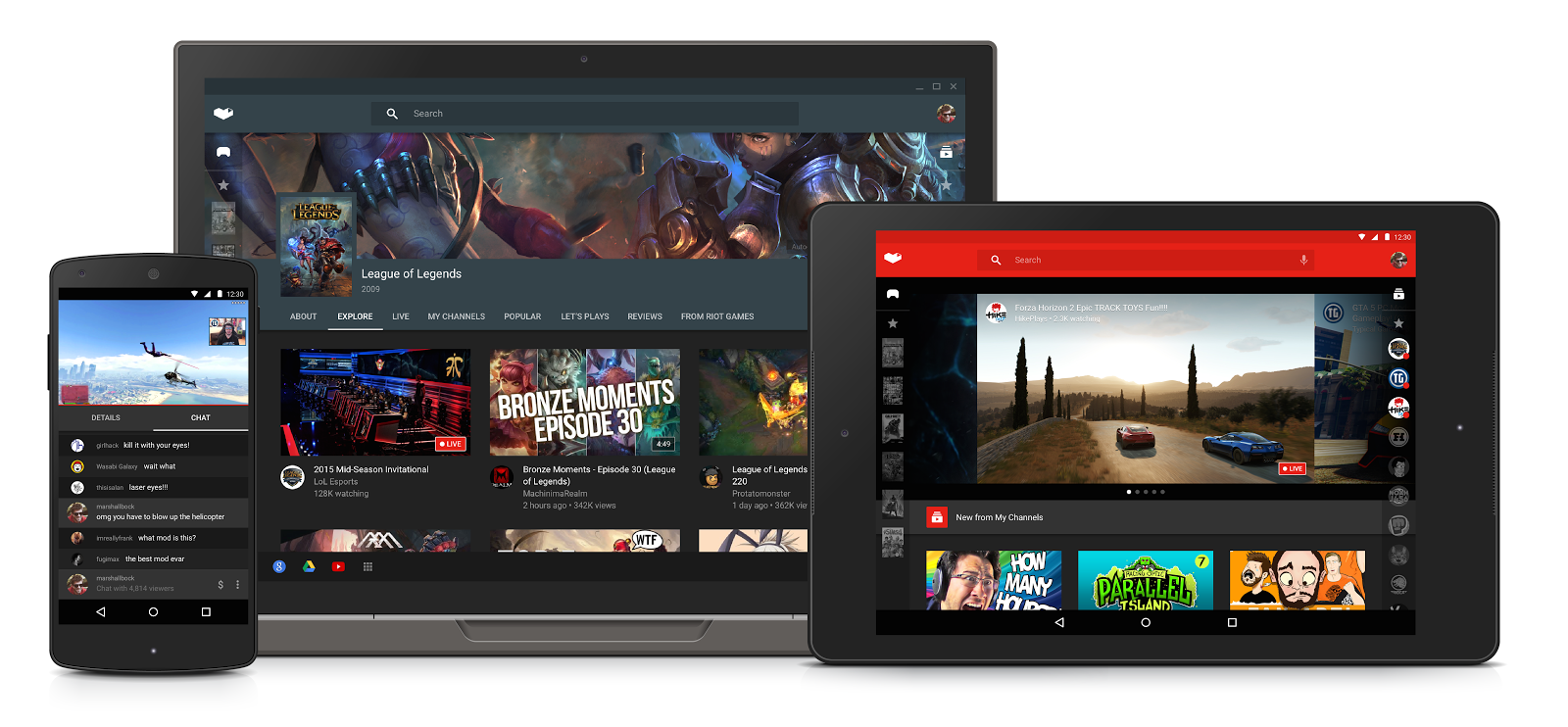
Google has officially unveiled its plans to take on Amazon-owned video game streaming site Twitch, confirming earlier rumors that the company was working on a game streaming service of its own. The site, called YouTube Gaming, was finally announced today (via TechCrunch).
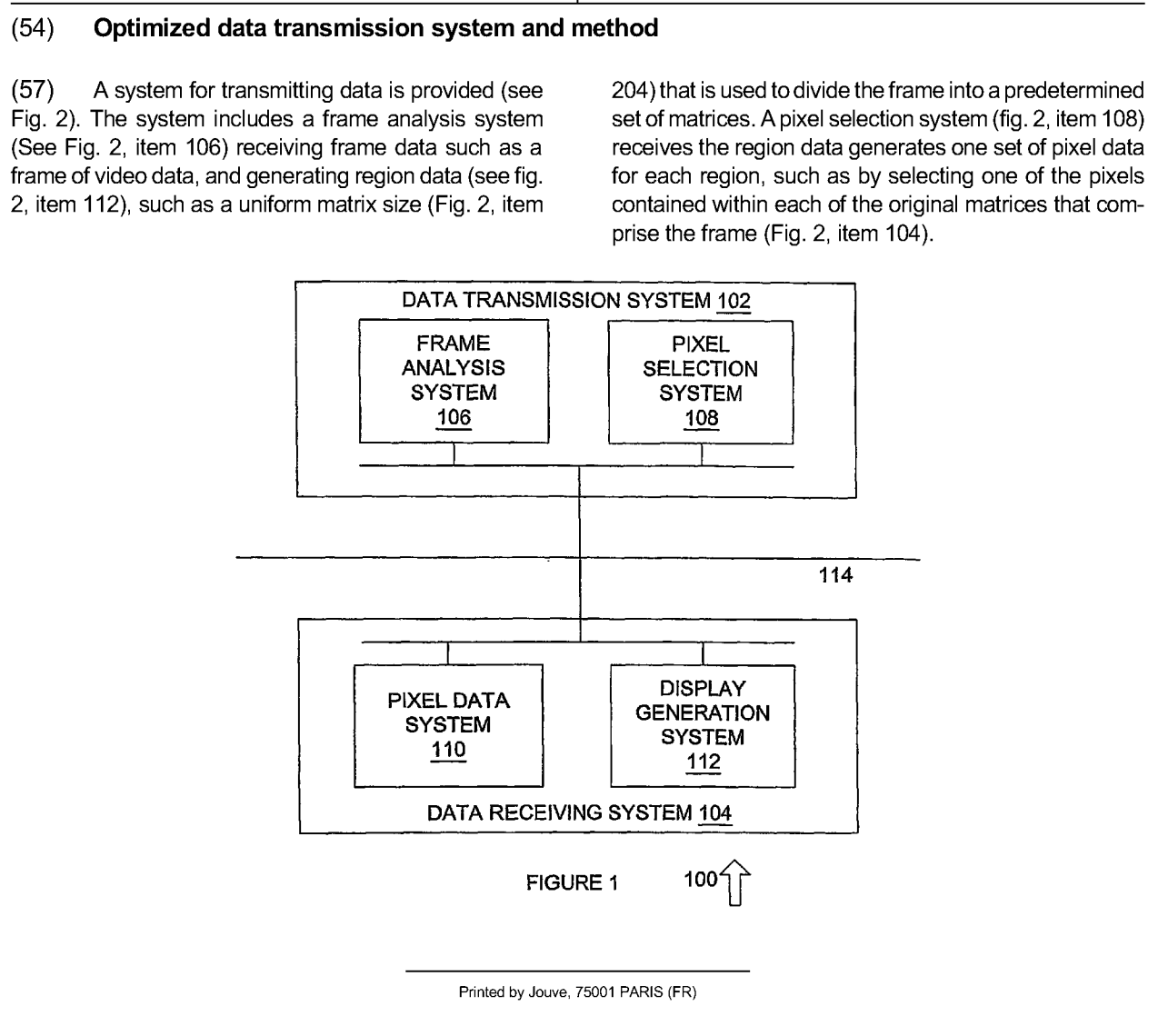
No, we’re not talking about Pied Piper here: Google is being sued by Max Sound Corporation over patented technology which allows for “far more economically efficient transport of digital content due to greatly optimized data capacity.”
The District Court of Mannheim in Germany has scheduled a December 8th hearing for the video streaming patent case against Google and YouTube, which was filed this past December. The whole case will be heard that day and a decision is expected to be brought down a few weeks later.
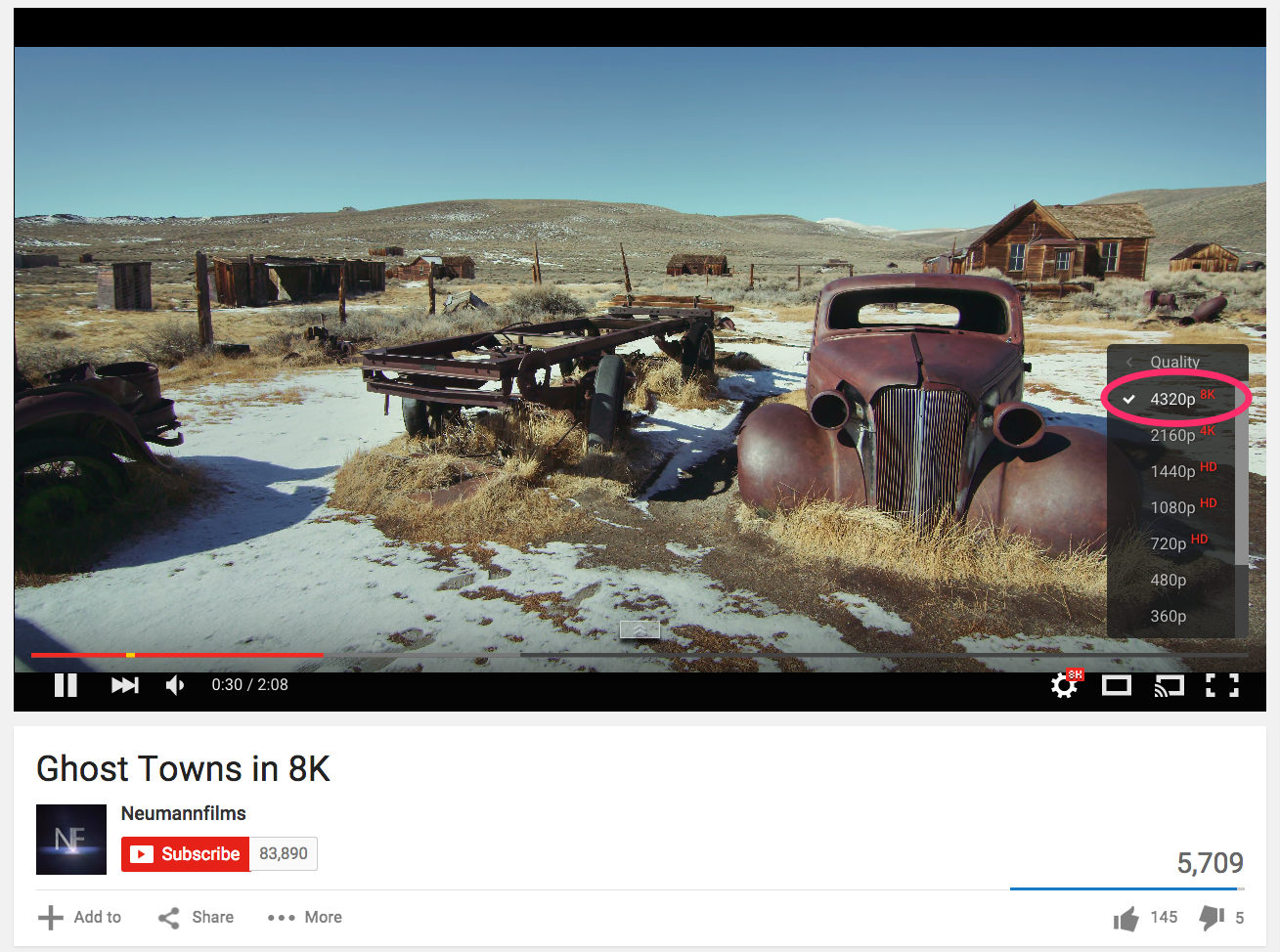
Update: Google responded to our request for comment by saying that 8K video has been supported since 2010, but that labeling for 8K video (the 4320p/8K quality setting like pictured above) was added “earlier this year.” We’re not sure how long ago they really mean, but a simple search on Reddit shows threads about the new label surfacing just over the past few days (Marques Brownlee also noticed it today), so there’s reason to believe it was a recent change.
It may seem a bit excessive to most of us, but it seems that playback of 4320p, 8K video is now possible on YouTube. The playback works in Chrome (although most consumers can barely play 4K at 60fps as it is), but YouTube doesn’t have any official announcement yet mentioning 8K video playback support…
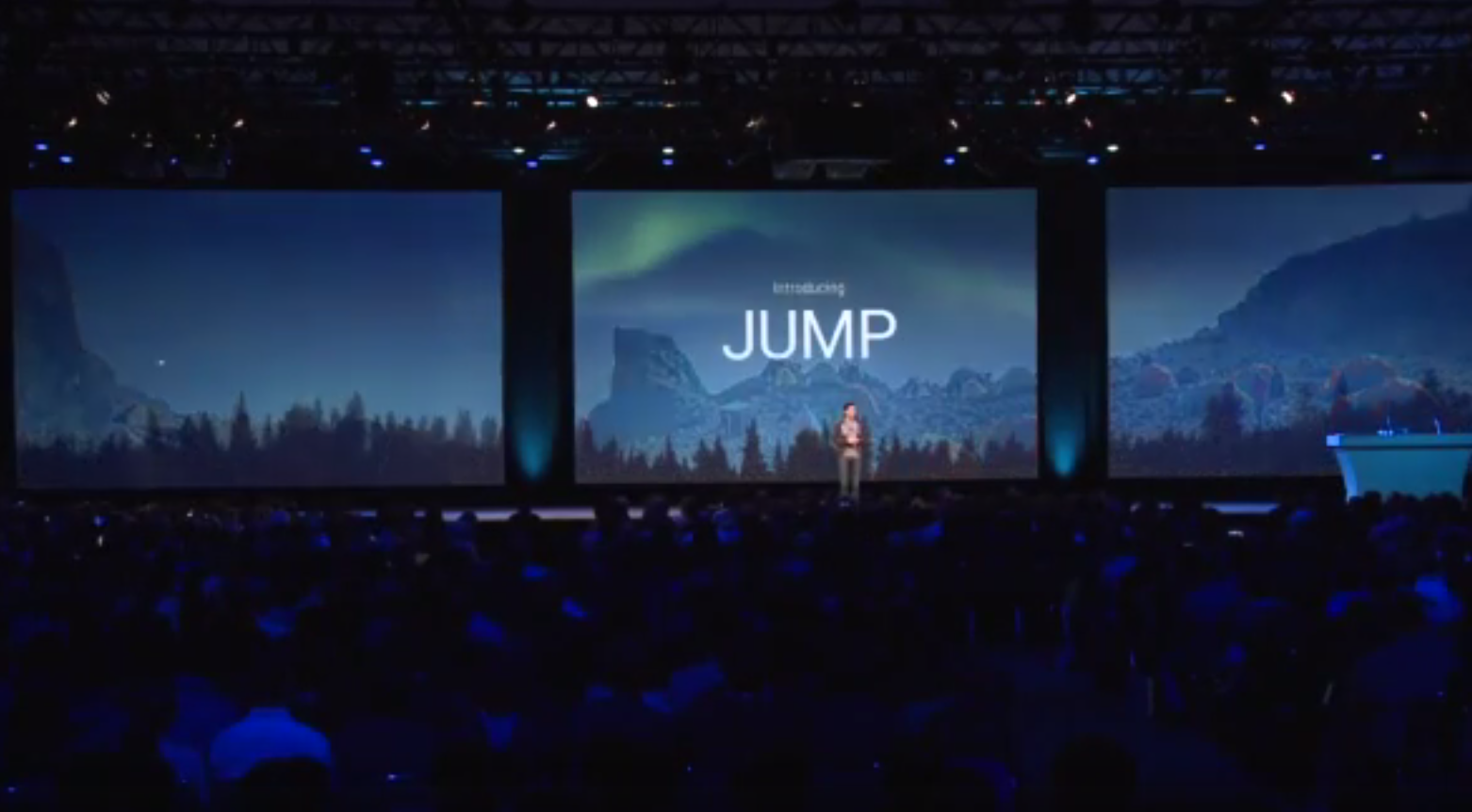
Life is about seeing the wonders of the world for yourself, but Google thinks that the experience you get from reliving these moments later on through the tiny windows that today’s cameras produce is pretty limited. Which is why the company today at its I/O conference announced the release of an open-source VR camera rig specification called “Jump” which will make it much easier for creators to capture, process, and share 360-degree virtual reality video for the whole world to enjoy.

While Google’s ad business is definitely in a transition phase, largely due to the shift away from personal computers towards mobile handsets, Google’s Senior Vice President of Ads & Commerce Sridhar Ramaswamy says that the company is handling this move well. Selling ads to advertisers may be harder with more of those ads ending up on mobile devices with smaller screens than notebooks and desktops, meaning more difficulty for customers to complete purchases, but Google is definitely taking steps toward slowing the rapid decline in ad prices.
According to a recent report from The Wall Street Journal, while Google is making several moves to make advertising more valuable, the market’s more recent move to larger-screened devices has helped significantly…
Expand
Expanding
Close
Have you ever seen a product or service in a YouTube video ad and wished it were easier to learn more or purchase it? Me neither, but Google believes its new TrueView for shopping ad format will result in stronger results for advertisers looking to drive increased interest and sales.
Expand
Expanding
Close
YouTube has had support for 60fps video for quite a while now, but now the Mountain View company says it is introducing 60fps video for live streaming in browsers that support HTML 5…
Expand
Expanding
Close
Google’s family-friendly YouTube Kids app has been hit with a second complaint to the Federal Trade Commission, this time accusing it of containing inappropriate content, including sexually-explicit language and “jokes about pedophilia.” This follows a complaint last month that the app was “deceptive to children” in the way it mixed ads into the programming.
The WSJ reports that the complaint was sent by the Campaign for a Commercial-Free Childhood and the Center for Digital Democracy.
Examples of what the non-profit groups found include: explicit sexual language in cartoons; jokes about pedophilia and drug use; activities such as juggling knives, tasting battery acid, and making a noose; and adult discussions about family violence, pornography, and child suicide.
The group created a video (below) illustrating the inappropriate content found …
Expand
Expanding
Close
Samsung kicked off its Next is Now campaign earlier this month, featuring some ridiculous stunts capturing the “powerful moment” of “now.” The Korean company is now continuing the Galaxy S6 marketing push today with a new set of videos, featuring photographer Daniel Lau—known as one of the crazy skyscraper selfie-takers—on a rooftop with Samsung’s latest flagship smartphone…
YouTube’s 360-degree video feature started rolling out earlier this year, and it looks like Samsung is now one of the first major corporations to take advantage of it for marketing purposes. Sadly, though, Lau’s 360-degree footage wasn’t actually captured with the Galaxy S6—it’s simply meant to allow “online users to climb alongside him virtually.”
Here’s Samsung’s clip showcasing some actual footage captured using the Galaxy S6 camera:
https://www.youtube.com/watch?v=GnaED9t9UpU
And here’s the 360-degree video:
https://www.youtube.com/watch?v=-Yo3foRi8BQ
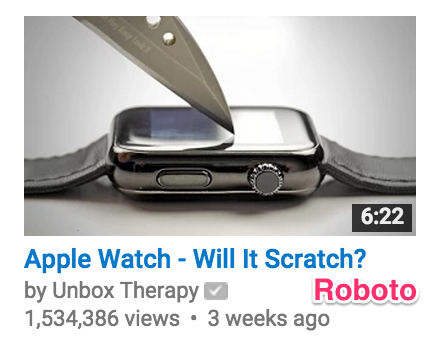 If you have a pair of sharp eyes and watch cat videos on YouTube a lot, you may have noticed today that the font used on Google’s video streaming website has changed. It is now Roboto, subtlety different from the previous font—Arial.
Roboto is the official type family used for Android. The font comes in several weights but the one Google has gone with is slightly lighter than what users may be used to compared to the Arial font. This will surely lead to some complaints about it being harder to read, but I think it looks fine, and going for consistency across platforms is logical.
The company previously tested the change with a small group of users, so they at least have data to back up their decision.
Have you noticed the new font? What do you think about it?
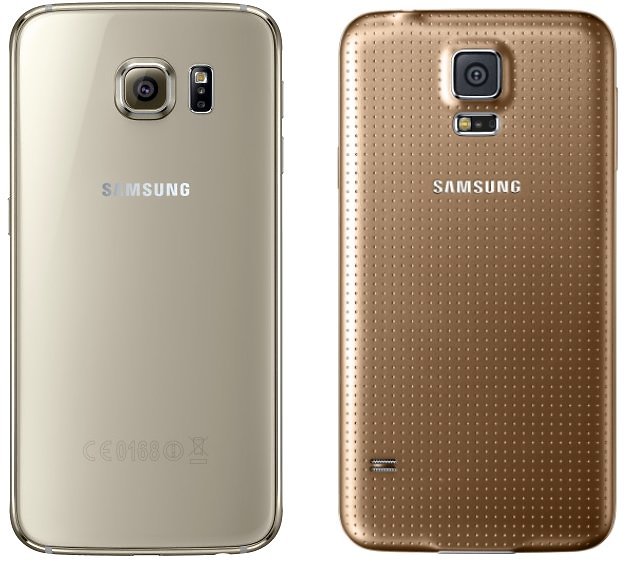
The basis upon which many Consumer Reports ratings are set may seem insane to the technology savvy among us. For a long time they would not recommend the iPhone for its lack of removable battery, for example. But the site still holds weight among older generations and so it’s worth taking a look at what they have to say about the top smartphone manufacturers’ newest flagship devices. Like how they recommend the last-gen Samsung Galaxy S5 over the newer Galaxy S6…

Nestle announced in a press release today that it is partnering with YouTube for a limited edition version of KitKat. No, that’s not Android 4.4 KitKat, but rather the popular candy bar. As part of the partnership, Nestle will produce over 600,000 limited edition KitKat wrappers with the branding “YouTube Break.” Nestle says this is the biggest change in package design for KitKat since its inception 80 years ago.
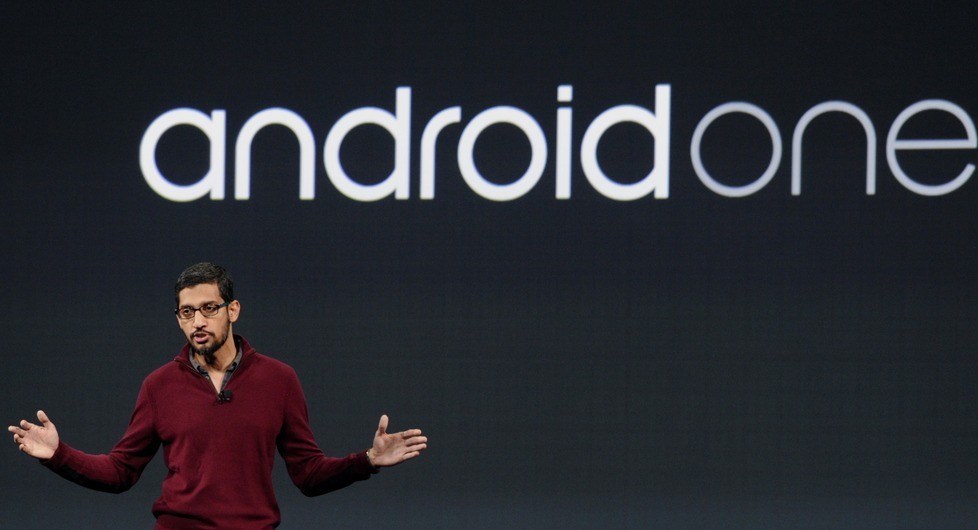
Sundar Pichai announcing Android One at Google I/O last year
Ten months after Sundar Pichai announced Android One at Google’s I/O developer conference last year, the program to bring quality and affordable smartphones to developing markets is expanding outside of Asia for the first time. Android One’s latest expansion into Turkey marks the seventh market for the program as it moves into Europe.
General Mobile will offer the first Android One smartphones, the company shared today, albeit at a higher price than Google has targeted for other Android One hardware…
Expand
Expanding
Close
While Google just recently introduced the Pinterest-like Google+ Collections feature, it appears that another “Collections,” feature, YouTube Collections, will be getting the axe later this month. YouTube Collections currently lets you organize and group your subscriptions into different folders to more easily find videos you want to watch, but Google says that it’s retiring the feature on May 20th to “focus on other efforts to make your subscriptions more enjoyable.”
“Easy come, easy go” is the usual with many of Google Services (and features therein), so it’s not exactly surprising when we find that Google is planning to ditch a feature in one of its products—no matter how useful it might be to any number of people. It’s possible that Google is soon introducing a new, better, way to peruse through your subscriptions, and they might even be retiring the feature partially to prevent confusion with the other “Collections” feature.
Our thoughts: As someone who isn’t exactly the most hard-core YouTube user, I didn’t even know this feature existed. Actually, now that I do, I kind of wish Google was leaving it so that I could start using it to organize my 50+ subscriptions.
Advertisers want to know that when they pay for a video ad on YouTube or elsewhere across the web, that the advertisement can actually be seen by viewers. A lot can effect an ad being seen, such as the viewer never scrolling to the part of the page where the ad is placed, or users simply scrolling past the ad too quickly to really catch a glimpse. Taking a look into these things, Google recently published the results of a study identifying the “5 factors of viewability,” or, in other words, the things that impact the chance of a video ad being seen.
Unsurprisingly, YouTube and Google’s video ad strategy seems to be strong compared to the rest of the web…
We’ve seen just about anything running on Android Wear at this point—from Minecraft: Pocket Edition, to Flappy Bird, to Windows 95. Today, Corbin Davenport is back with another video, this time showing off another ancient operating system running on the miniature Samsung Gear Live wrist computer. This time, he’s running the Macintosh II’s System 6 (and the emulator he’s using—Mini VMAC II—supports up to version 7.5.5)…
Expand
Expanding
Close
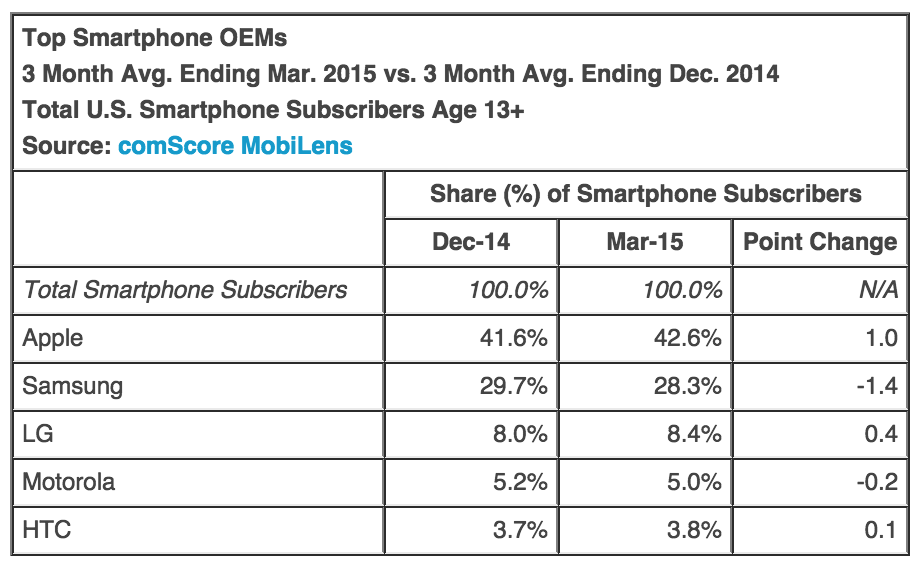
comScore today released a new U.S. smartphone manufacturer and platform market share report for the three month period ending in March. The data suggests that while the continued strength of iPhone 6 adoption has resulted in market share gains for Apple, Android is still the most popular smartphone platform in the United States.
During the measured period, comScore reports that 187.5 million people in the United States owned smartphones, which equates to 77 percent of the total population. Of that, Apple was the most popular OEM (original equipment manufacturer) with 42.6 percent of U.S. smartphone subscribers (up 1% from December), followed by Samsung with 28.3 percent market share (down 1% from December), and LG taking third place with 8.4 percent (up 0.4% from December).
YouTube Creator Studio, Google’s mobile app made for YouTube users to manage their channel, has today been updated with Material Design—including a new hamburger button and slide out drawer—among other minor changes.
Expand
Expanding
Close
Google-owned YouTube had a chance to beat Twitter’s Periscope and its biggest competitor, Meerkat, to market by somewhere in the ballpark of 8 years, but decided against the move due to the fact that a large portion of the company’s resources were engaged in fending off a Viacom lawsuit and creating the Content ID copyright detection system.