With less than a month until Made by Google 2024, the latest leak suggests that the Pixel 9 Pro will come with 1-year of Gemini Advanced.
Expand Expanding ClosePixel 9 Pro might come with 1-year of Gemini Advanced


Send tips/talk to abner@9to5mac.com or @technacity (open DMs).
Abner Li has worked at 9to5Google since 2015 and in late 2020 took on the role of editor-in-chief. He is keenly focused on tracking what happens at Google, and is often the first to spot new features in Google’s ever-growing family of applications that are updated on a daily basis, including Search, Assistant, Maps, Workspace, Android, Chrome/OS, Wear OS, and YouTube Music.
To him, what Google does greatly impacts the technology space and modern life. Inside the company, he is particularly interested in the key products mentioned above, as well as services like Google Podcasts and Google Lens. Each are massive platforms that can be unwieldy to grasp, with Abner keenly bent on understanding their philosophy and future direction. He is most excited about Google’s plans for augmented reality glasses.
Abner spearheads the APK Insight program at 9to5Google to chronicle all changes in the company’s Android apps, often finding new features before they are officially announced. This includes redesigns and revamps, launches, and new products.
A big area of interest is Google’s hardware division, including Pixel, Fitbit, and Nest. He detailed all of the Pixel 3’s camera features before launch and scooped the 2nd-generation Nest Hub’s Soli-powered Sleep Sensing capability, including how it would integrate with Google Fit.
Recently, Abner detailed the Pixel Watch’s specs in full before launch, including bands and pricing. He also got wind of the Pixel Tablet’s ultimate form factor.
With less than a month until Made by Google 2024, the latest leak suggests that the Pixel 9 Pro will come with 1-year of Gemini Advanced.
Expand Expanding Close
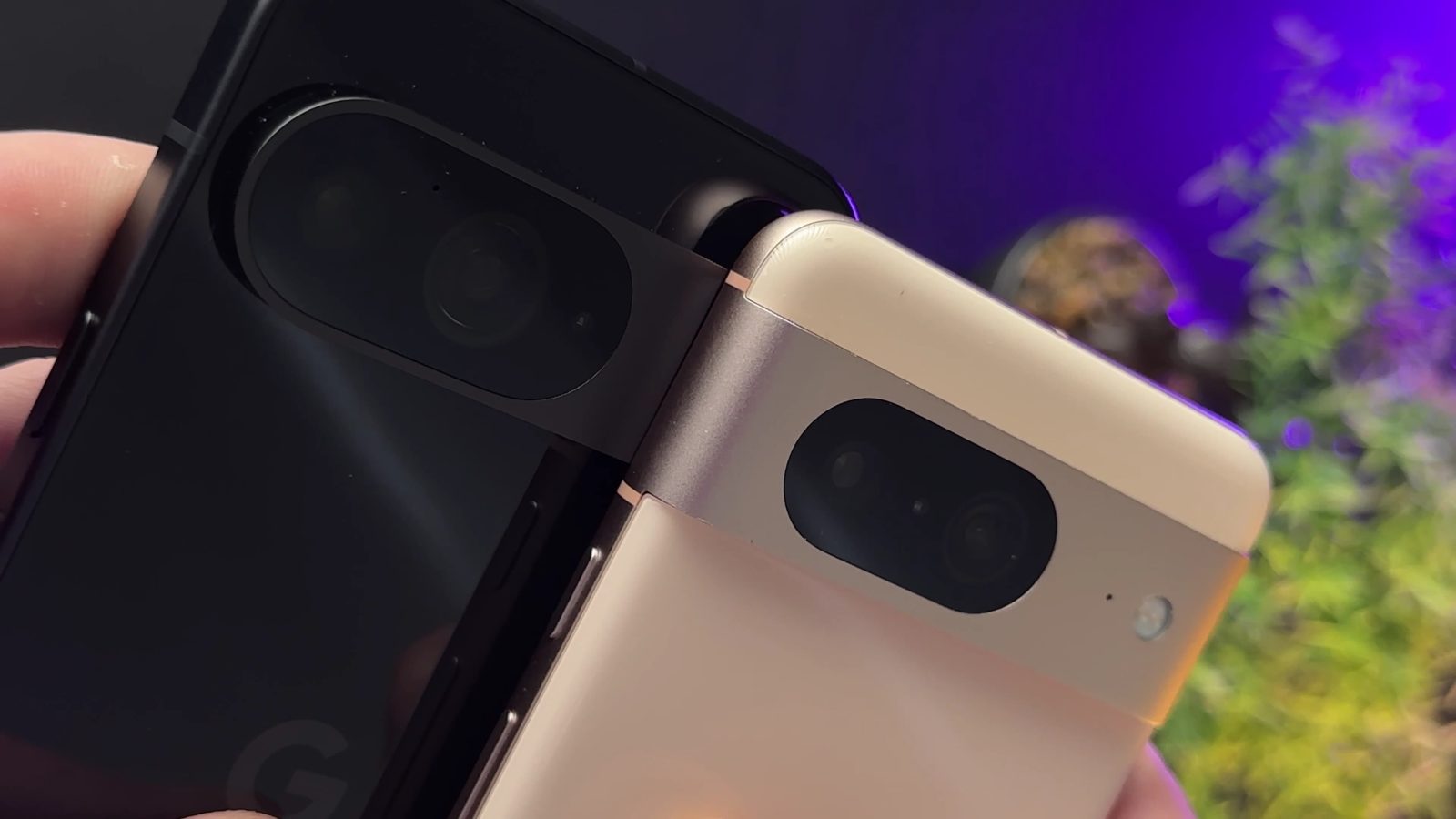
A follow-up to last week’s Pixel 9 series leak compares the smallest phone in the lineup to the Pixel 8, as well as an iPhone 14 Pro Max.
Expand Expanding Close

YouTube Music today is making official sound search, while acknowledging that it’s testing the “AI-generated conversational radio” for US Premium subscribers.
Expand Expanding Close

With the “Show expressive animations” on/off setting now widely rolled out, Google Messages is rolling fullscreen Screen Effects back out.
Expand Expanding Close
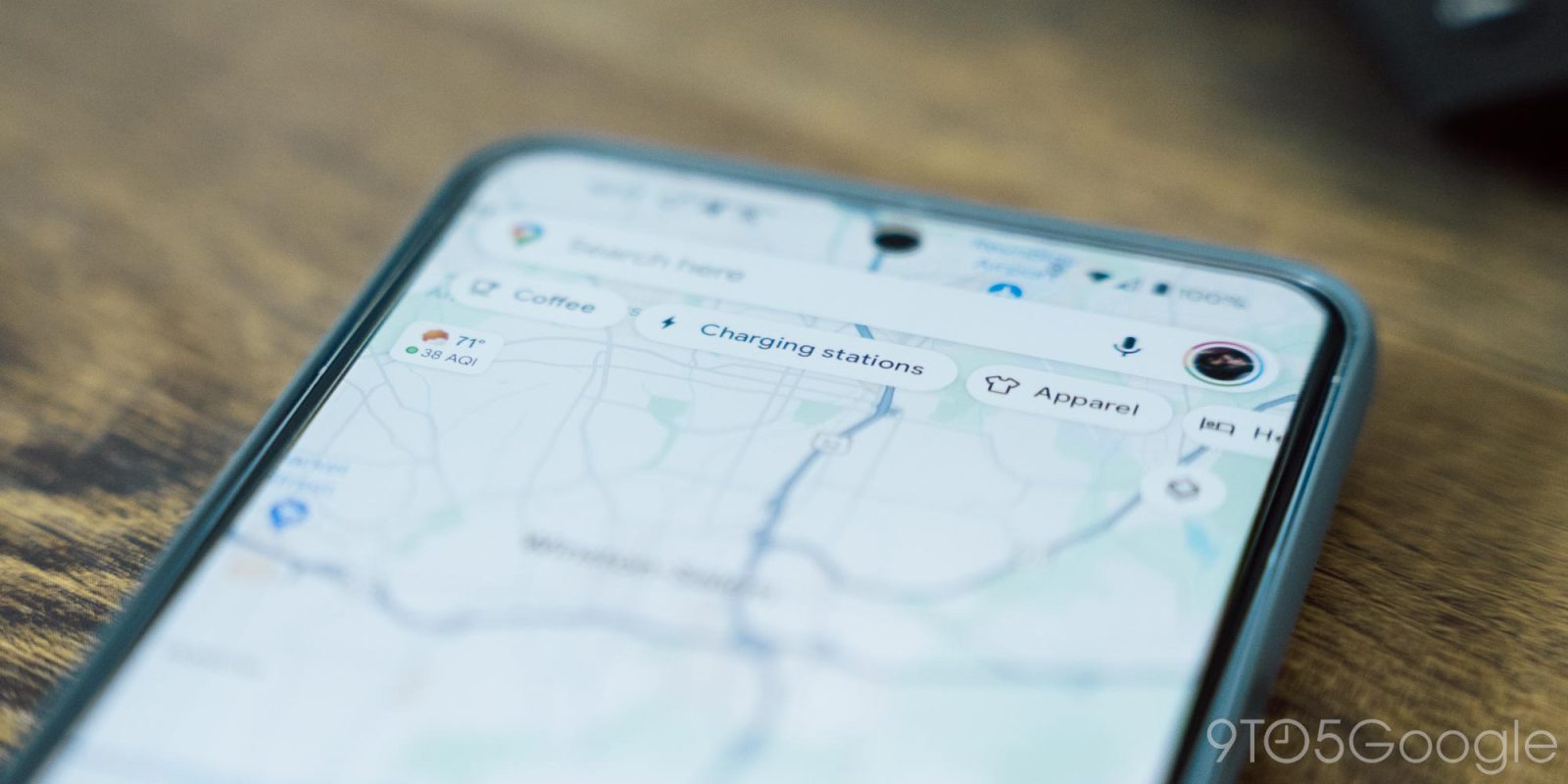
Over the course of 2024, Google Maps for Android has been working on a redesign that drops most fullscreen UIs in favor of sheet-based layouts. This revamp is now more widely rolling out.
Expand Expanding Close

The Google Search app for iPhone and iPad, which basically is its own browser, now offers customizable homescreen icons.
Expand Expanding Close
Samsung ended the launch of the Fold 6 and Galaxy Watch Ultra this week with a tease that its new XR platform is “coming this year.” A new report provides more details on when that Android XR headset from Samsung might launch.
Expand Expanding Close

Welcome to the seventeenth episode of Pixelated, a podcast by 9to5Google. This week, we talk all about Samsung’s event.
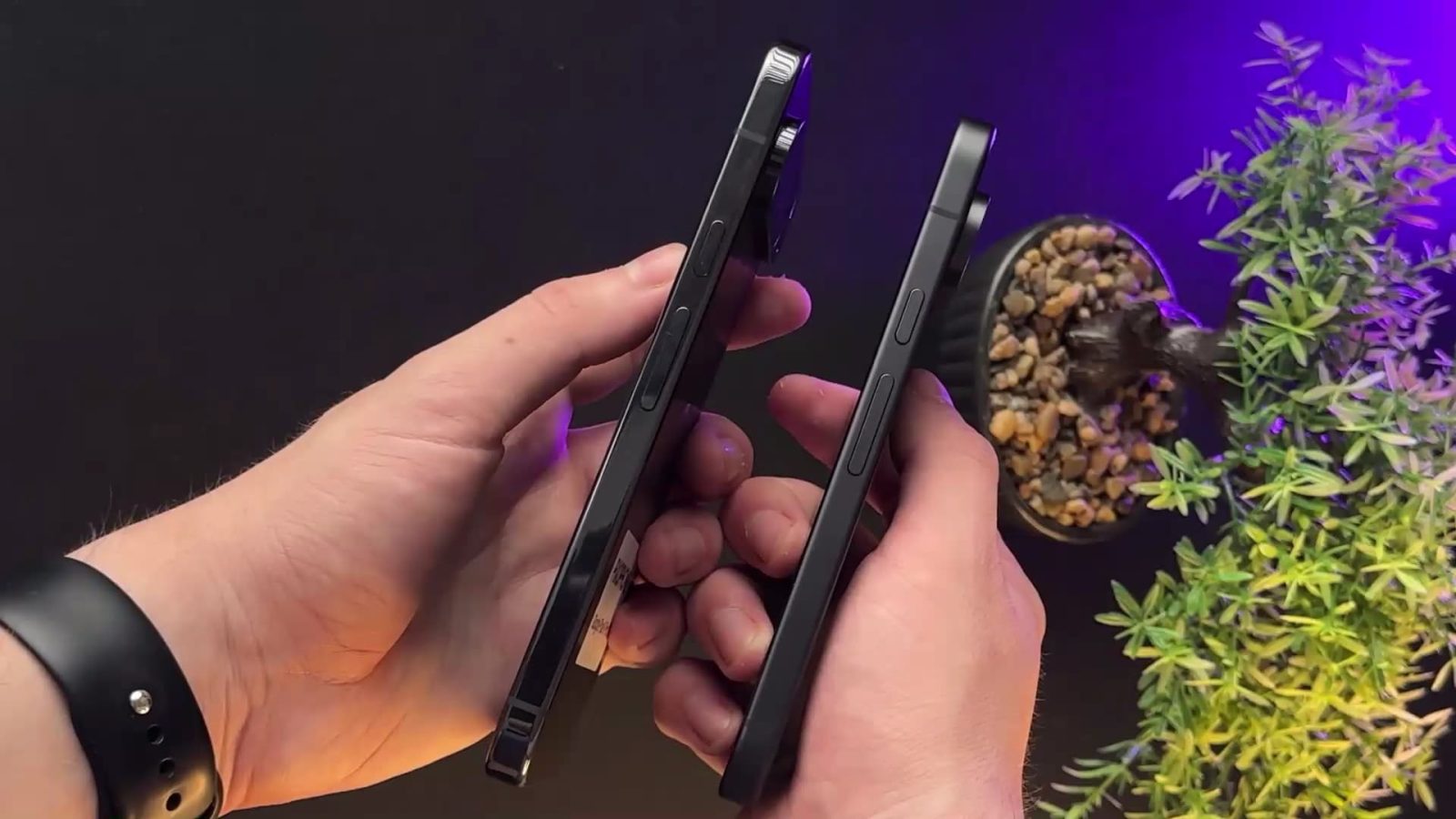
Following the Pixel Watch 3, the Pixel 9 series has now arrived at the FCC for regulatory approval.
Expand Expanding Close

The Made by Google leaks continue today with somebody getting hands-on with the Pixel 9 and 9 Pro XL.
Expand Expanding Close
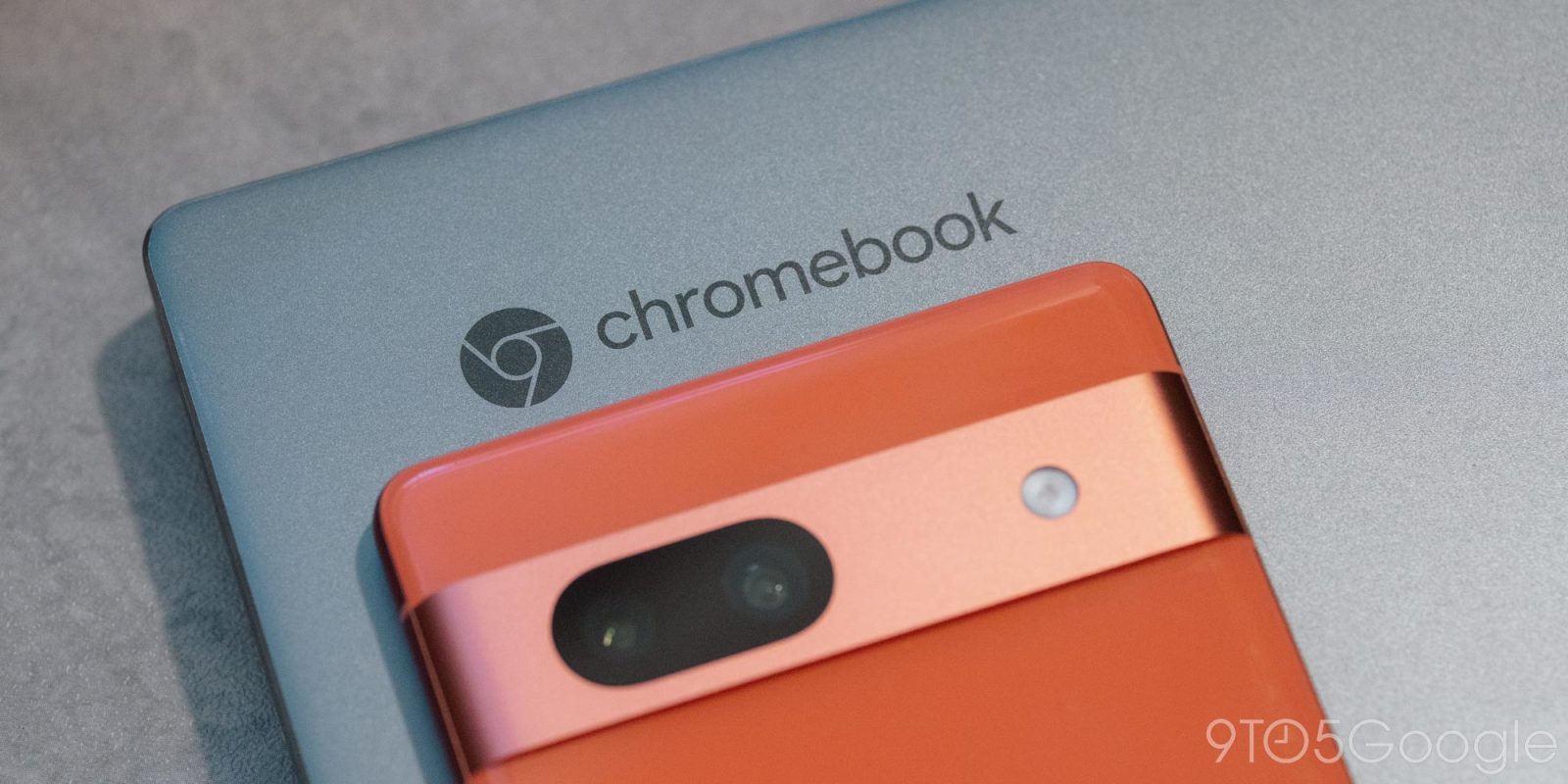
Last month, Google announced that ChromeOS would use “large portions of the Android stack” going forward. This is a long-term effort that will take “quite some time,” but one immediate change is Google ending development on Lacros, an experiment to update the Chrome browser independently of ChromeOS.
Expand Expanding Close
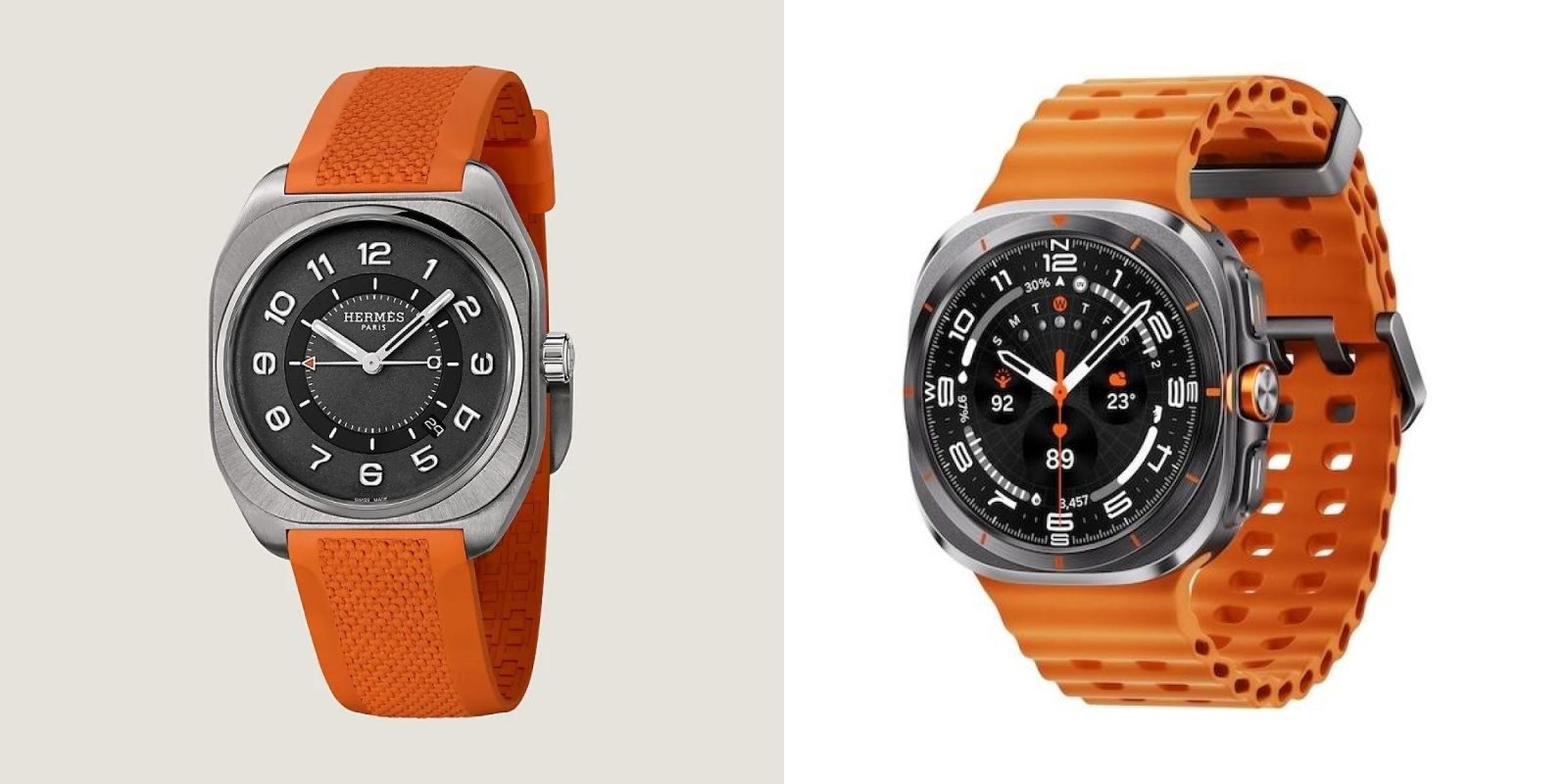
It’s frankly silly how much Samsung took from the Apple Watch Ultra to make its latest wearable. However, it doesn’t end there. I’d also submit that the Galaxy Watch Ultra takes a few too many design cues from the Hermès H08.
Expand Expanding Close

After rolling out direct notifications back in June, the Google Wallet app is adding its own Quick Settings Tile, which might finally bring the shortcut to Samsung devices.
Expand Expanding Close

As we approach the one-month mark for Made by Google 2024, the Pixel 9 series leaks continue, and today we have European pricing.
Expand Expanding Close
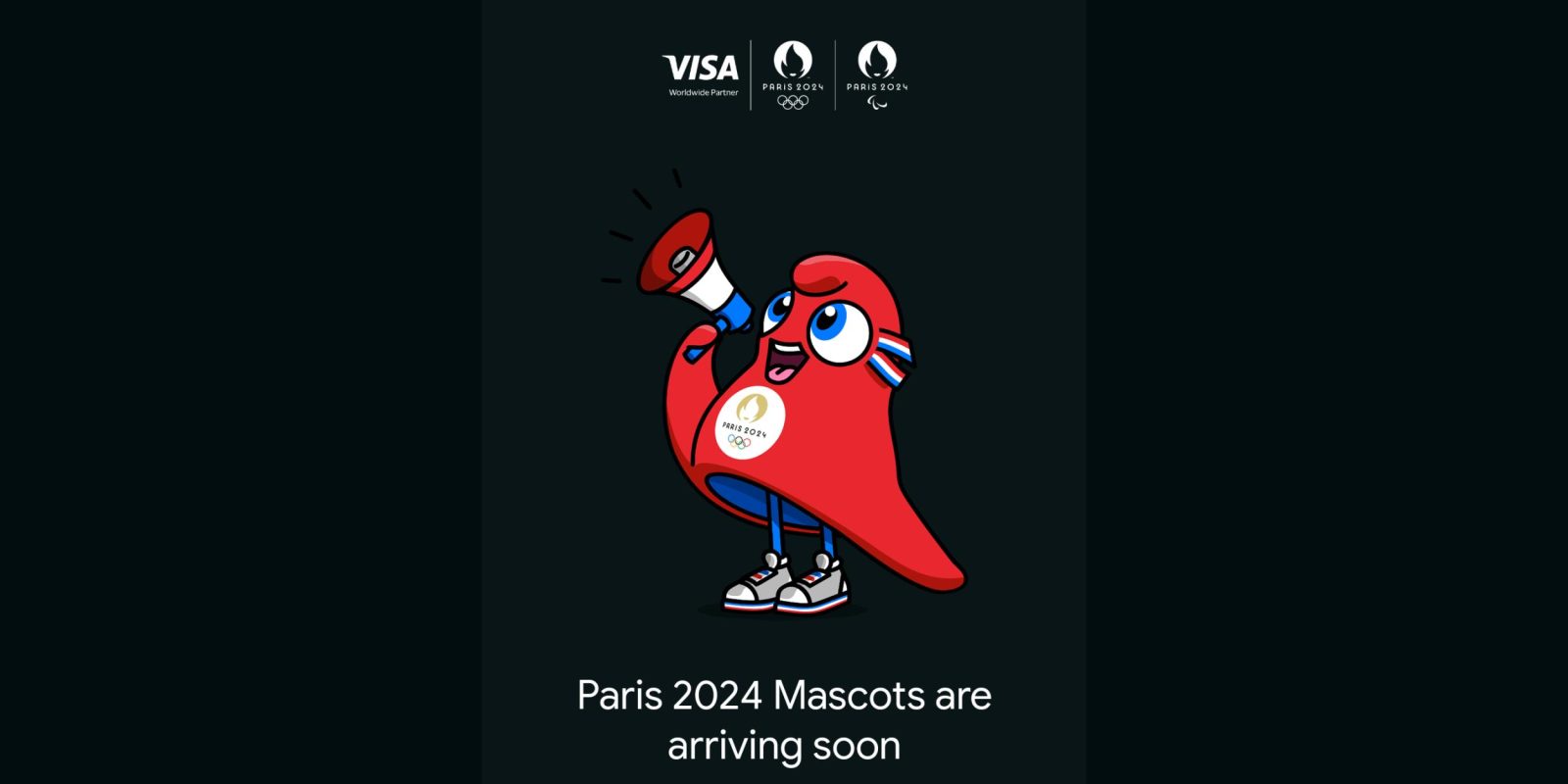
Google Wallet is running a fun promotion to celebrate the Paris 2024 Olympic and Paralympic Games.
Expand Expanding Close
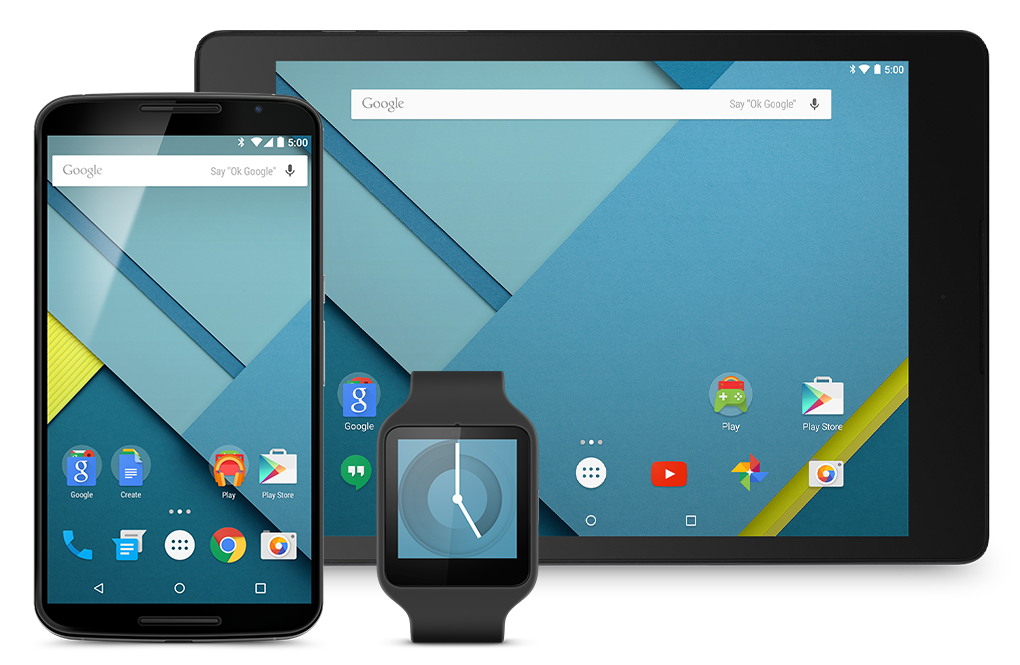
Google today is “discontinuing Google Play Services updates for Android Lollipop devices.” Android 5.0 hit stable in November 2014, with Lollipop representing less than 1% of active devices.
Expand Expanding Close
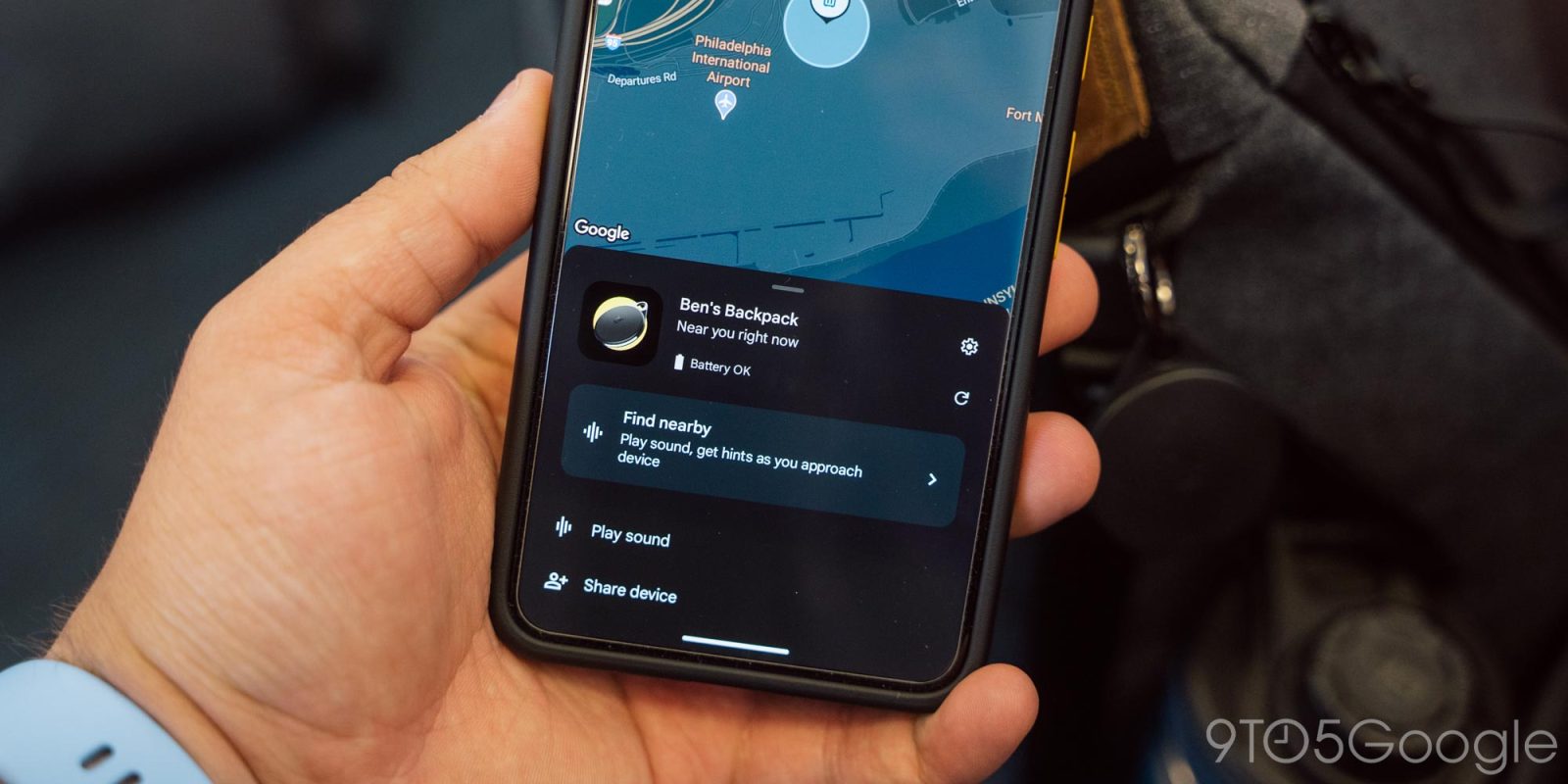
Amid the launch of the network and trackers, the Find My Device app has surpassed 500 million downloads on the Google Play Store.
Expand Expanding Close
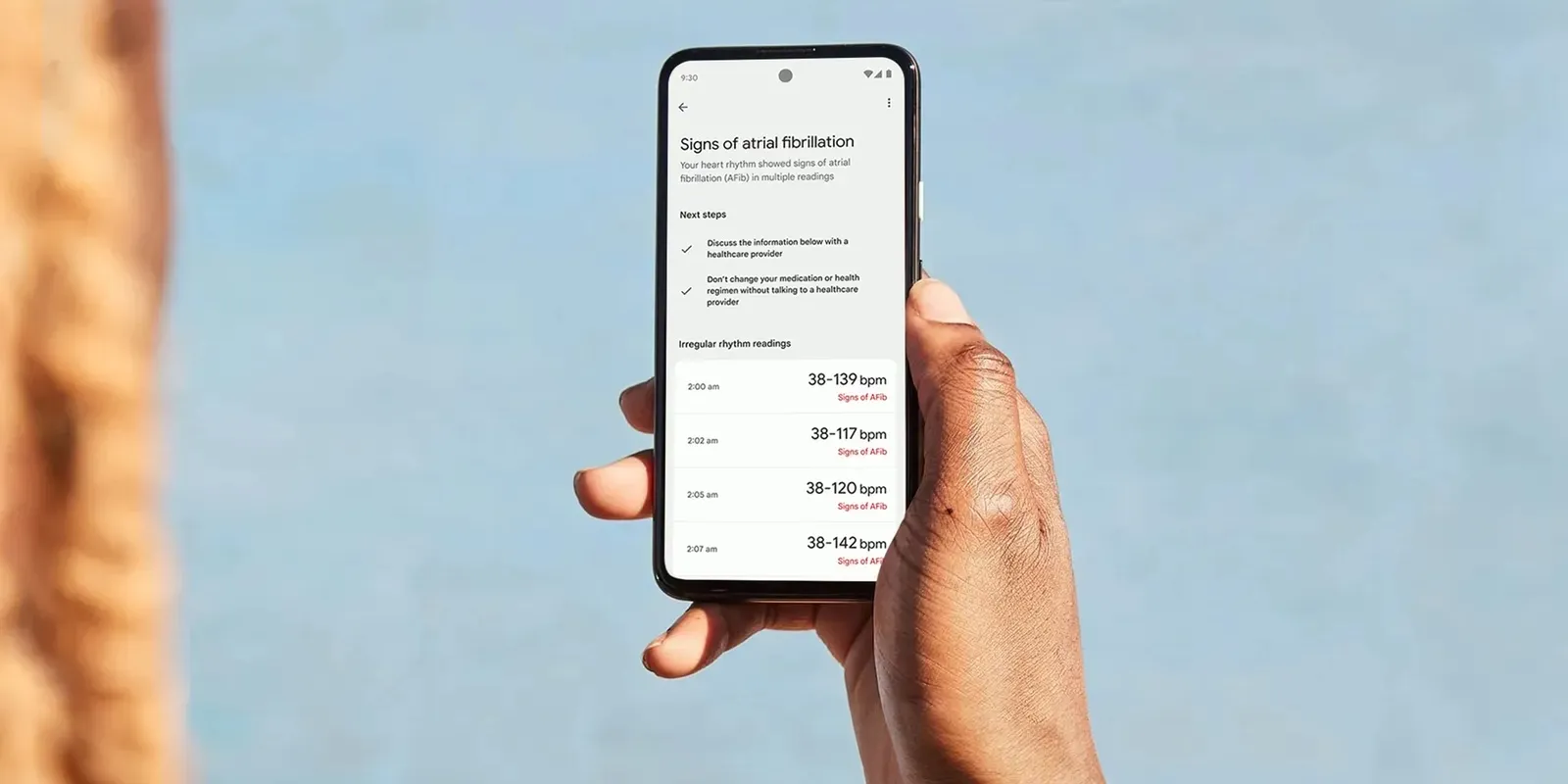
Fitbit devices can check for signs of an irregular heart rhythm, or atrial fibrillation (AFib), and Google is now making it easier to share that data with your healthcare provider.
Expand Expanding Close
Compared to Galaxy Unpacked in January, there were only a handful of Google announcements today with the Galaxy Z Fold 6 unveil, while the “upcoming XR platform” got another mention.
Expand Expanding Close
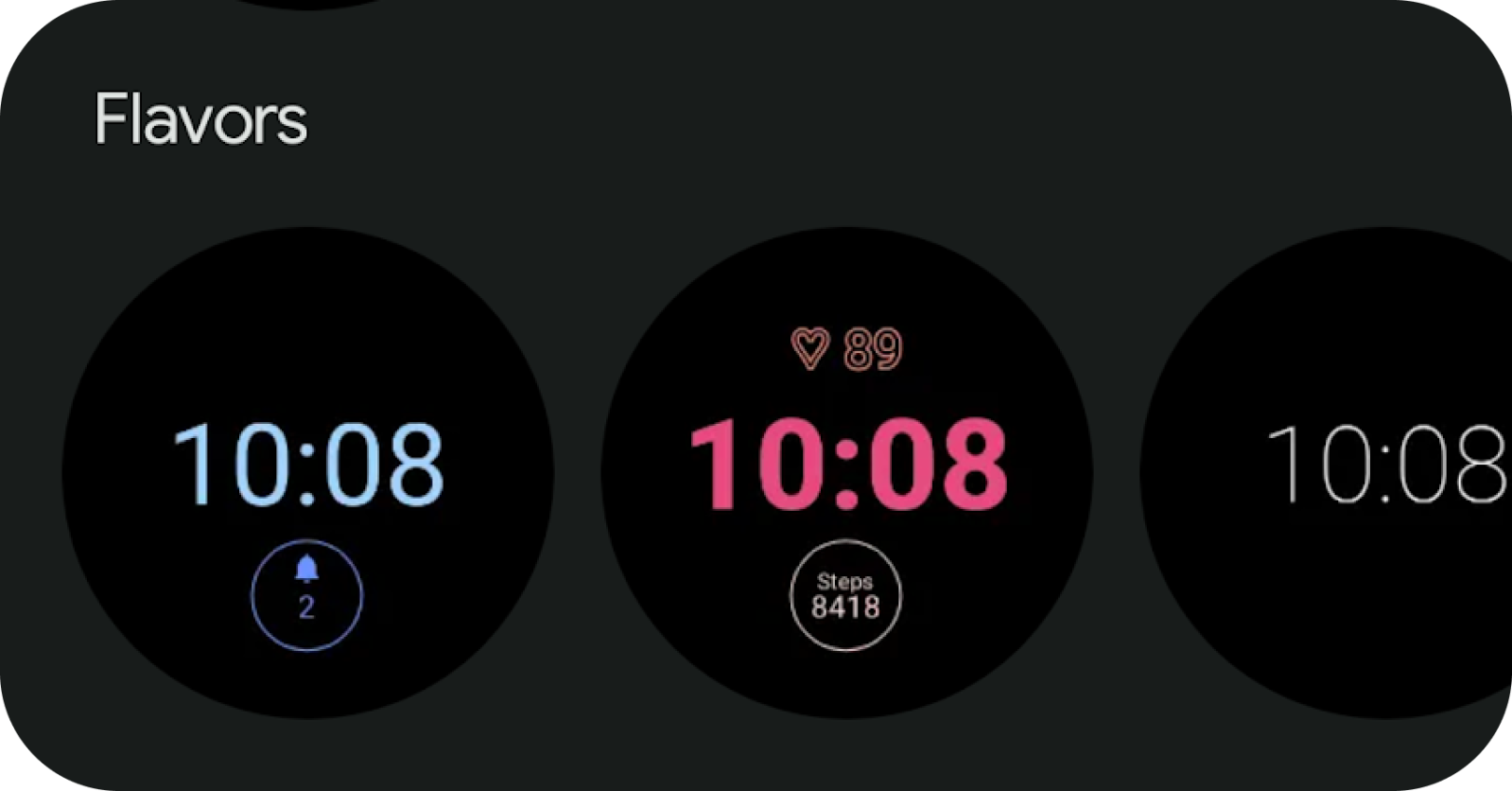
The Watch Face Format (WFF) was introduced at I/O 2023 and is now required “in order to be installed on new watches that launch with Wear OS 5 pre-installed.”
Expand Expanding Close
By adding passkey support today, Google’s Advanced Protection Program is much easier to join by no longer requiring a physical security key.
Expand Expanding Close
Google Fi Wireless has a new Number Lock feature that provides an “additional layer of protection against illegal SIM swaps.”
Expand Expanding Close
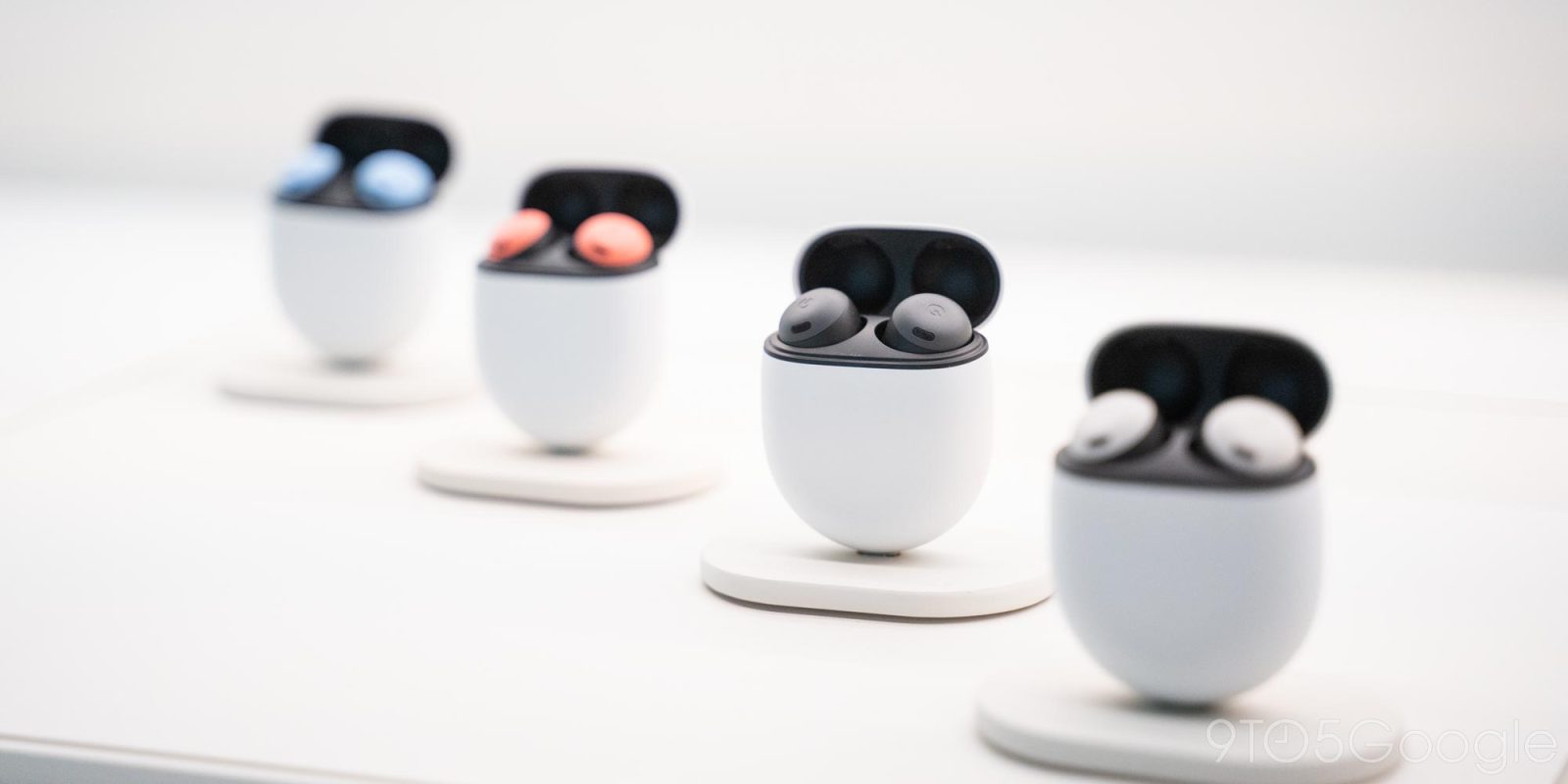
Our March report that the Pixel Watch 3 would come in 41 and 45 mm sizes also revealed that Google is working on new headphones. Possible colors for the Pixel Buds Pro 2 have now leaked.
Expand Expanding Close
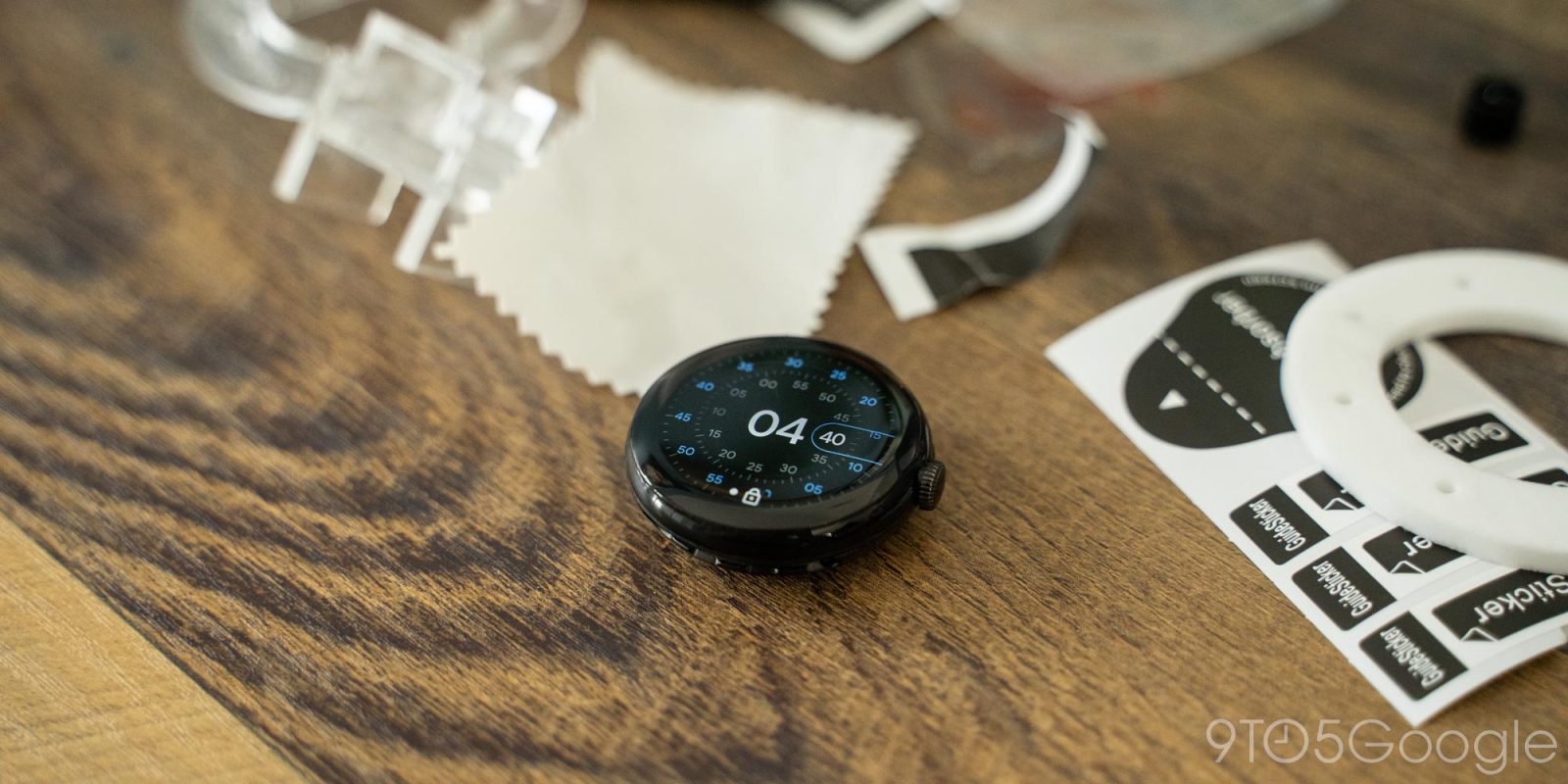
After arriving at the FCC with specs like UWB confirmed, more Pixel Watch 3 details have leaked, including the codenames for the 41 mm (selene/helios) and 45 mm (luna/sol) models. (There are two to reflect the Bluetooth/WiFi and LTE variants.)
Expand Expanding Close