Stay up to date on news from Google headquarters. Be the first to learn about plans for Android, Google Plus, Google Apps, and more!
Stay up to date on news from Google headquarters. Be the first to learn about plans for Android, Google Plus, Google Apps, and more!

This is a pretty cool tidbit to come out of Microsoft’s Build conference. Probably thanks to some much more exciting news from Tesla, it went under the radar entirely. Apparently, the Redmond, Washington-based company is planning to soon let a future version of Windows 10 mirror your Android phone’s notifications by way of the Cortana app (via The Verge)…


Google has acknowledged that one of its April Fools jokes backfired when it started causing real embarrassment to some Gmail users. It has now pulled the joke feature.
Google added a ‘send + mic drop’ button last night, that added a GIF of a Minion dropping a microphone to an email reply, before archiving the thread. It was intended as a fun way for users to express their desire to exit an email conversation, but the company made one schoolboy UI error: it put the joke button right where the usual ‘send and archive’ one sits …


Nobody loves April Fools’ more than the technology industry. But out of all the companies, Google spends the most time cranking out day-long features, elaborate product videos, and jokey press releases. We’ll be covering the best pranks in our updating roundup. Be sure to leave a comment if you come across a particularly funny one.


Alphabet, obviously, has a lot of mainstream products that bring in a huge amount of revenue. Google’s ads business is clearly the front runner by a long shot, but there’s also Android, its hardware offerings (like the Nexus line, OnHub, etc.), Play Store digital content, as well as revenue from subsidiary companies like Nest (er.. Dropcam?), Google Fiber, and others.
But what usually excites people the most at Alphabet are the company’s moonshots under the umbrella of “X” — projects that usually cost hoards of money to keep alive and bring in nothing (or next to nothing) in return. The self-driving car project, Project Loon for worldwide internet, Project Titan drones, Makani‘s wind turbines, and Project Wing air-delivery are just a few, but there are even more exciting projects that have “graduated” to be their own unit at the company.
Google has often I/O as a showcase for its favorite moonshots. The company’s huge Google Glass extravaganza from 2012 is the most obvious example that comes to mind, but the company has used the stage at I/O to introduce to the world some just-as-exciting technologies with much less fanfare. Google ATAP, for example, gave a separate keynote at I/O 2015 introducing a handful of projects arguably more exciting than the things Google announced on the main stage. Technically not the same as the “moonshots” in the X division, but they’re in the same category in my opinion.
While you might be familiar with some the following projects (and that wouldn’t surprise me, considering they’ve all already been announced), they’re all ambitious experiments that have been recognized, announced, and made public-facing, but have since dropped off the radar; a lot of them have gone dormant, at least from our perspective. These are projects that excite me, and I want to hear what’s new with them come next month’s developer conference in Mountain View…


Google Now is a powerful tool. Combining the huge databases at the company’s disposal alongside the incredible amount of information it can pull – once granted access – from a customer’s usage of its many services, there are dozens of things that Google can help you with. Its power goes from answering to simple questions and completing easy requests to solving increasingly complex tasks that require a combination of the above to give more tailored and specific results.
In a somewhat curious outcome, Reddit user barney13 asked Google to show him some pictures from his trip to Nice, France, which while promptly showing the user correct results about his question also pulled out a snippet from an email which seemed oddly and yet particularly related to the request…
Keep up with the best gear and deals on the web by signing up for the 9to5Toys Newsletter. Also, be sure to check us out on: Twitter, RSS Feed, Facebook, Google+ and Safari push notifications.
Hit the road w/ TP-LINK’s 802.11n Portable Travel Router for $8 Prime Shipped (Reg. $13)
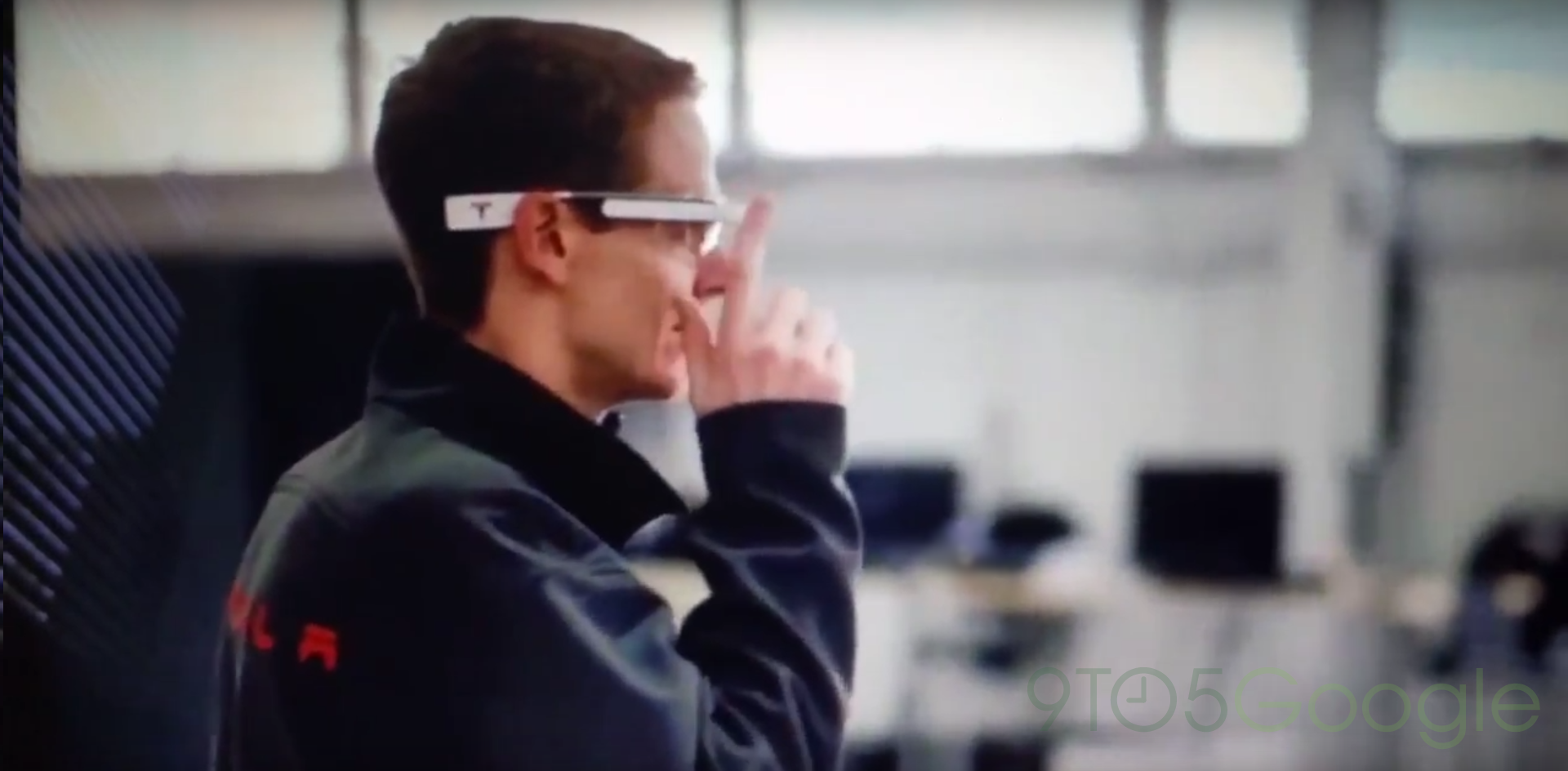
We reported last week that Tesla is using wearable tech to increase production efficiency at its factory, and cited knowledge of a promotional video that Google made in collaboration with Tesla as reason to believe that the company was using Glass hardware. Now, we have clips to share from that video to prove that, indeed, Tesla Motors did at one time trial using Google’s wearable at its Fremont factory…
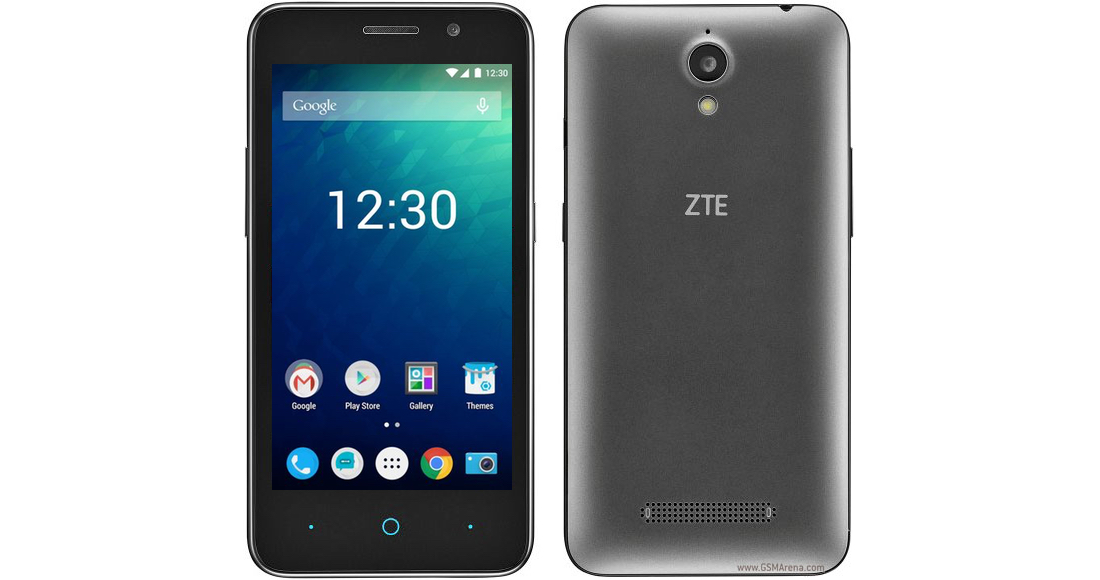
According to a report this morning out of The Information, AT&T is in talks with Cyanogen to launch a phone running a version of Android made by the company, purportedly on ZTE hardware. This is notably the first time that a US carrier has considered selling a phone running the less-Google-controlled version of Android that powers phones like the Yu Yutopia and the WileyFox Swift…

In a blog post announcing their launch of an embeddable web and native app VR viewer, Google also introduced the official launch of their Cardboard SDK for iOS. The SDK allows iOS developers to embed virtual reality content within their own apps to then be viewed using a viewer like Google’s own Cardboard.
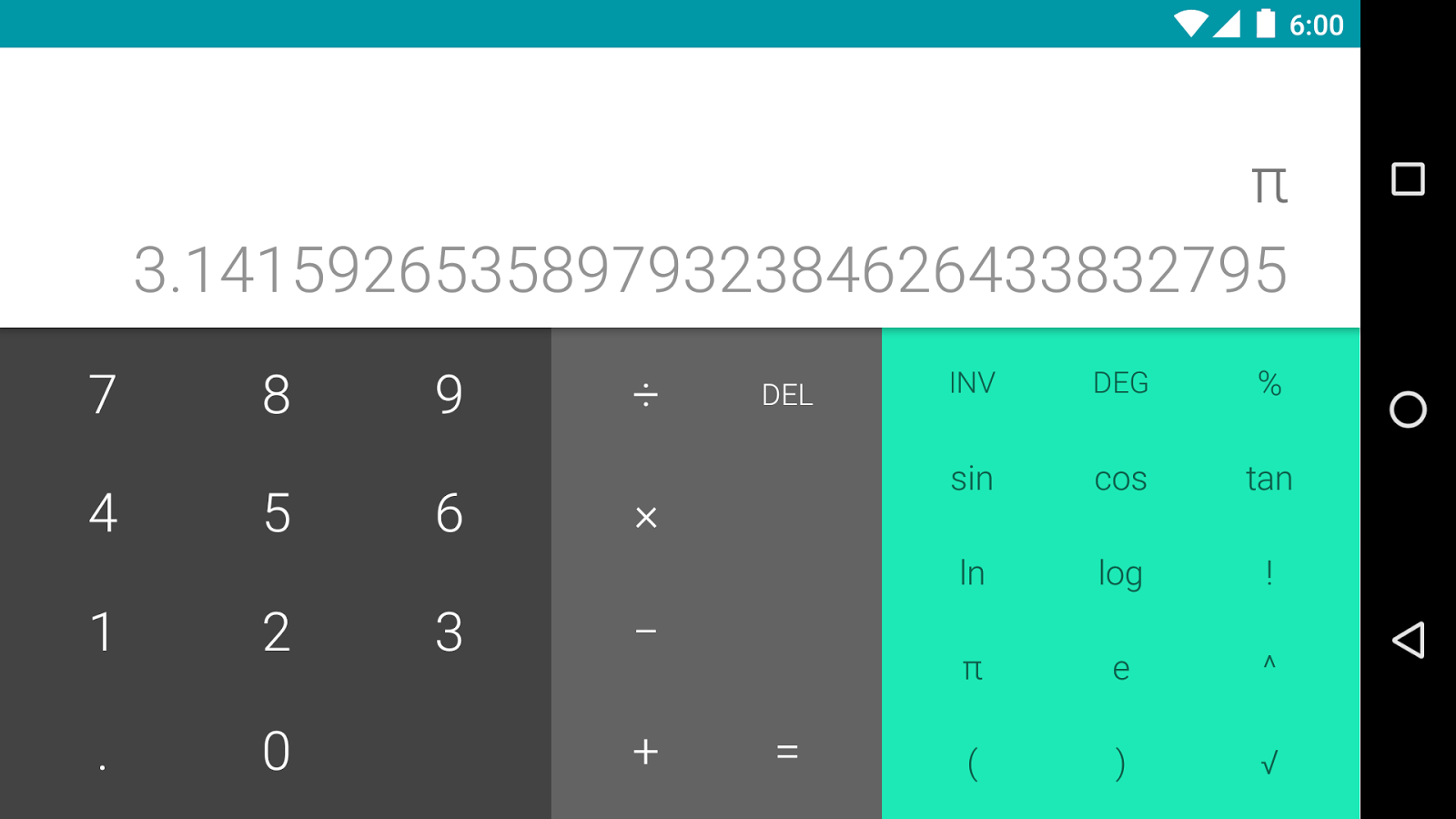
Google has been slowly moving many of its stock apps to be available on the Play Store, and today marks the day that the Calculator app gets the honor. The Play Store listing, which of course offers the app for free, also brings an update to version 6.0 which includes a new Android Wear app…
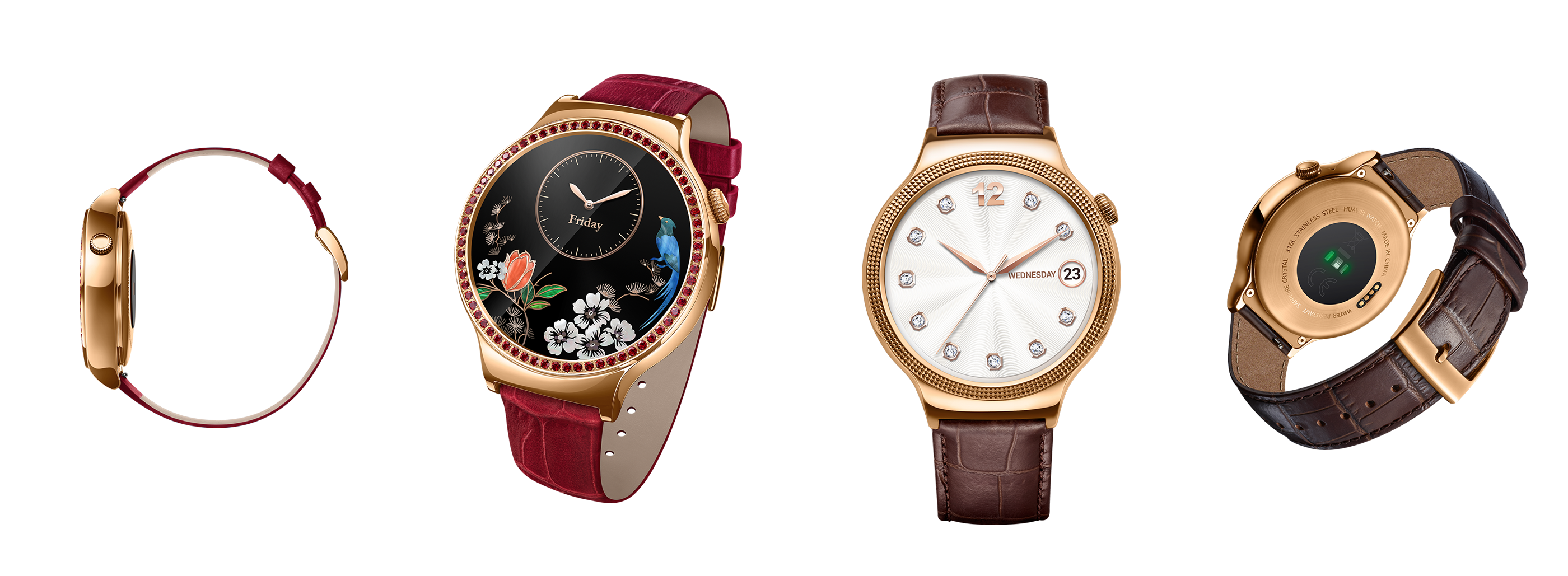
We told you earlier this year about the new “Jewel” and “Elegant” variants of the Huawei Watch made for women, but Android Police has now spotted a few unannounced variants of the watch on the company’s Chinese website…

The Waze maps app— the one Google acquired a few years back to improve its own mapping services—today announced a new features that will warn drivers when they are driving over the speed limit.
Now when you’re using the Waze app to navigate, you’ll automatically see a visual warning (pictured above) if you go over the speed limit, and you can also manually set audio warnings for reaching the limit or hitting 5, 10 or 15% over.

In The Information‘s recent article about Nest and continued strife within the Alphabet subsidiary following a struggle-filled acquisition of Dropcam, Tony Fadell was dismissive of any blame for the departure of more than 50 Dropcam employees and their leader, Greg Duffy. “A lot of the employees were not as good as we hoped,” he said. He went on, saying Dropcam was “a very small team and unfortunately it wasn’t a very experienced team.”
Obviously this didn’t sit well with the former CEO of the San Francisco-based security cam company, who left Nest after a feud with the father-of-the-iPod over his brash ‘tyrant bureaucrat’ leadership style. And he took to his Medium blog this morning to chime in…
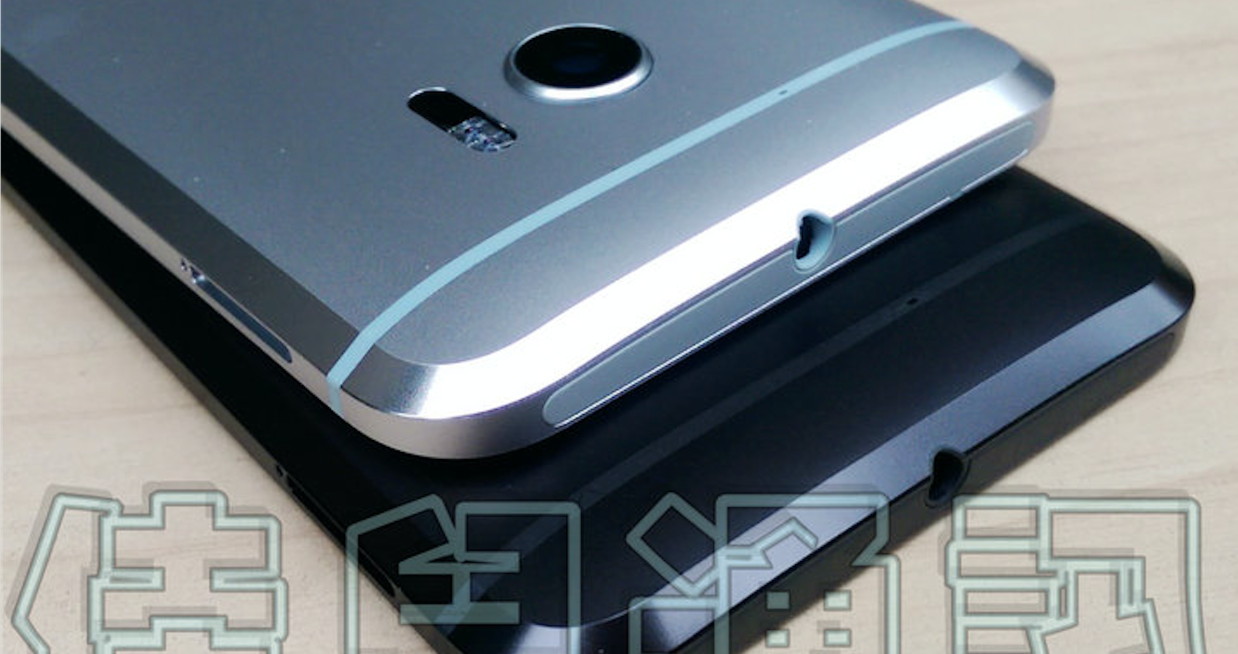
HTC’s upcoming “HTC 10” — sans the “M” of its predecessors — handset is set to be yet another well-specced entry for early 2016 and its launch could be one of many “make it or break it” moments for the Taiwanese company. Following disappointing launches of both the HTC One M8 and M9, the maker of the popular Vive virtual reality hardware and the recently-launched HTC One A9 mid-ranger is hoping to make a comeback with the “10”.
Now, thanks to some images that popped up on Chinese site TaoBao over the weekend, we have some new images to look at showcasing the phone in both black and silver variants…
Update: It’s confirmed. Google is now sending the below email to users who have a card.
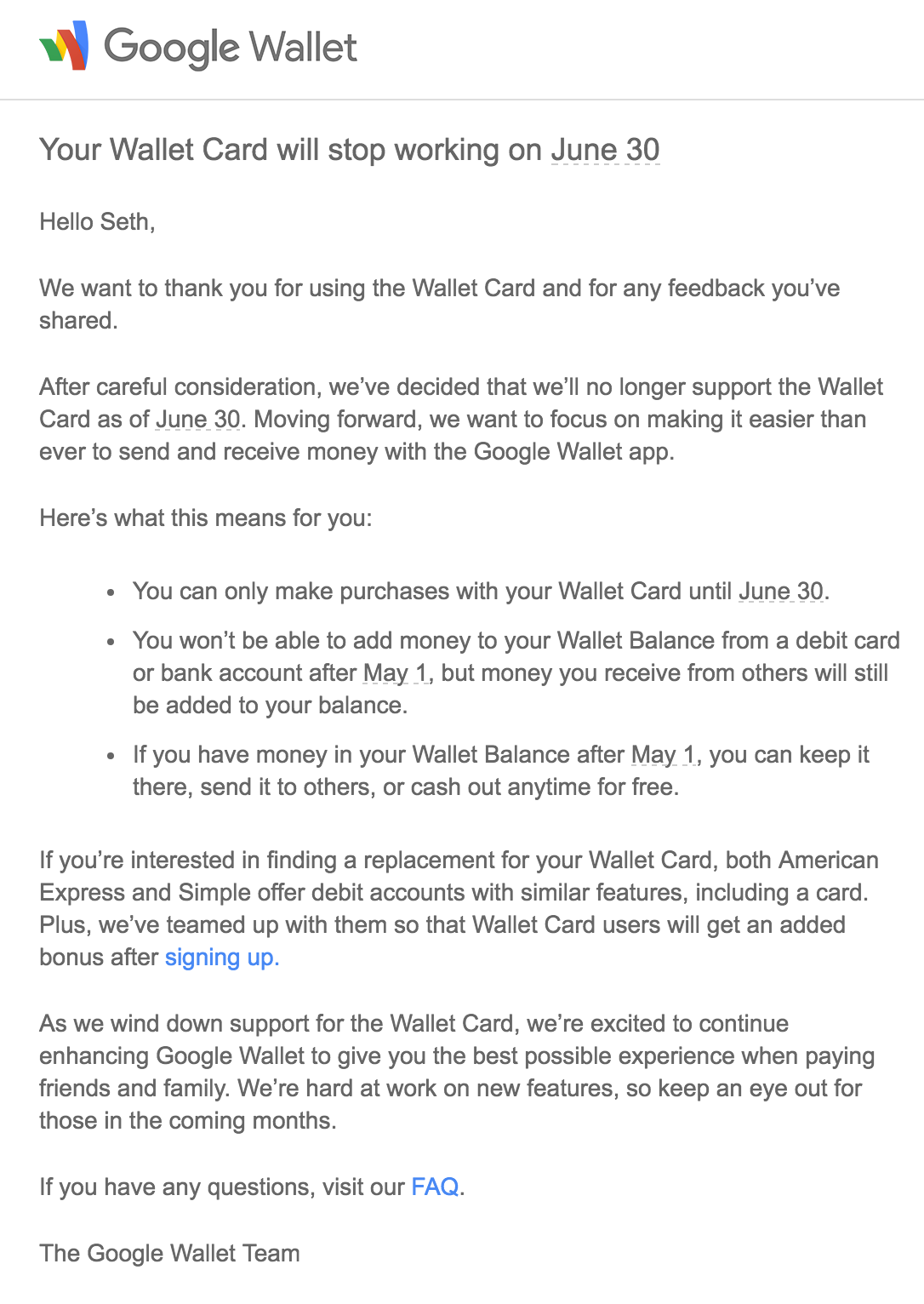
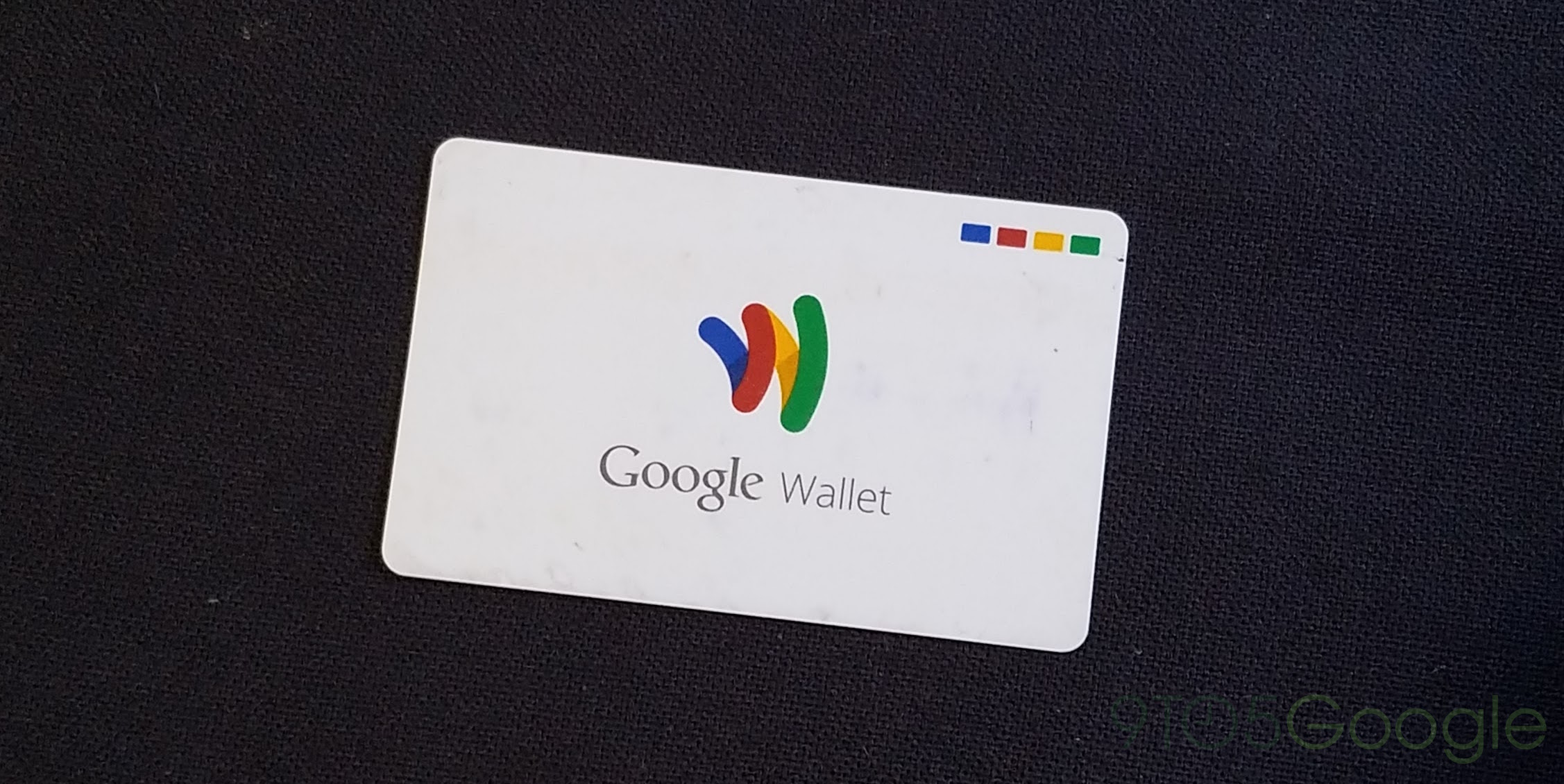
A new app teardown from Android Police today reveals that the Google Wallet card — which was first announced in November 2013 after many rumors of the troubled project being scrapped — is now finally getting the boot effective June 30th. The card assumably never really took off, and it seems that I’m one of the rare few that still has one of these little now-souvenirs…
Expand
Expanding
Close
Google is today showing off redesigned apps for its AdWords advertising service that it says bring a completely reimagined experience based on user feedback.

Huawei’s upcoming P9 flagship has pretty much been completely revealed at this point, but ten or so more leaked images of the phone in the flesh can’t hurt, right? The phone, set to be announced early next month in London, will see the addition of a dual-camera set up, a new fingerprint sensor on the back, and of course upgraded specs compared to the P8…

According to an extensive profile piece from BuzzFeed’s Mat Honan this morning, Google’s now-CEO Sundar Pichai announced Google Cardboard having not even seen the final product. The piece details how Clay Bavor, Google’s VP of VR, first showed Pichai the project just 8 weeks before I/O, and Pichai was so impressed that he wanted to give the virtual reality viewer a full debut at the company’s developer conference…
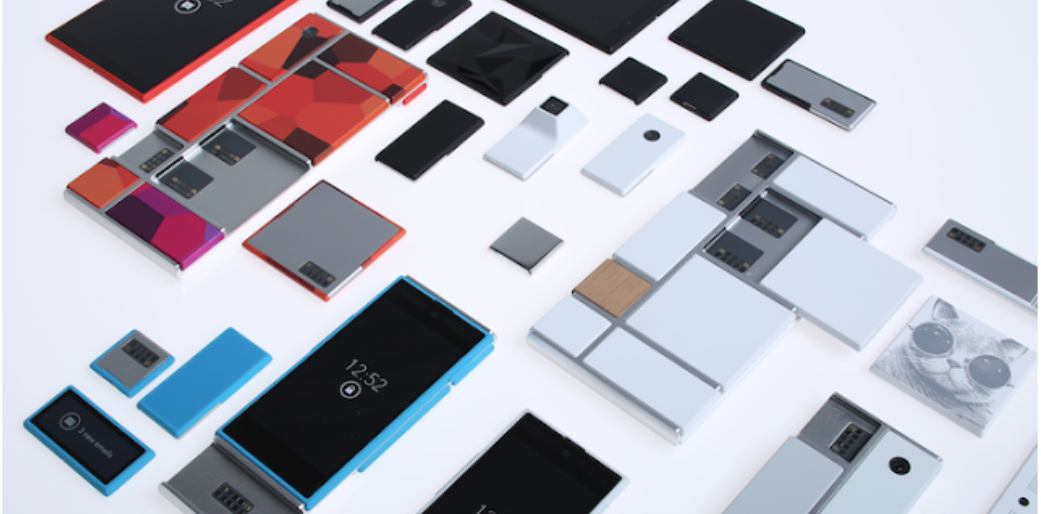
Project Ara has been very quiet this year, with the last we really heard from the Mountain View company being a “re-route” announced last year. The project was slated in early 2015 to be getting a market pilot in Puerto Rico, but that just didn’t happen. Everything seemed to be on track when Regina Dugan and co. were talking up the project during the Google ATAP event at I/O last year, but there haven’t been hardly any updates besides a new logo and a video look inside the group since.
Now, some new questions on Google Opinion Rewards seem to be polling the public on how much it might be willing to pay for Project Ara modules…

For a brief spell last night, uncensored Google search was alive and kicking within China’s borders. For roughly 105 mins, according to the South China Morning Post, residents inside the People’s Republic had free, unrestricted use of Google’s popular search domain.
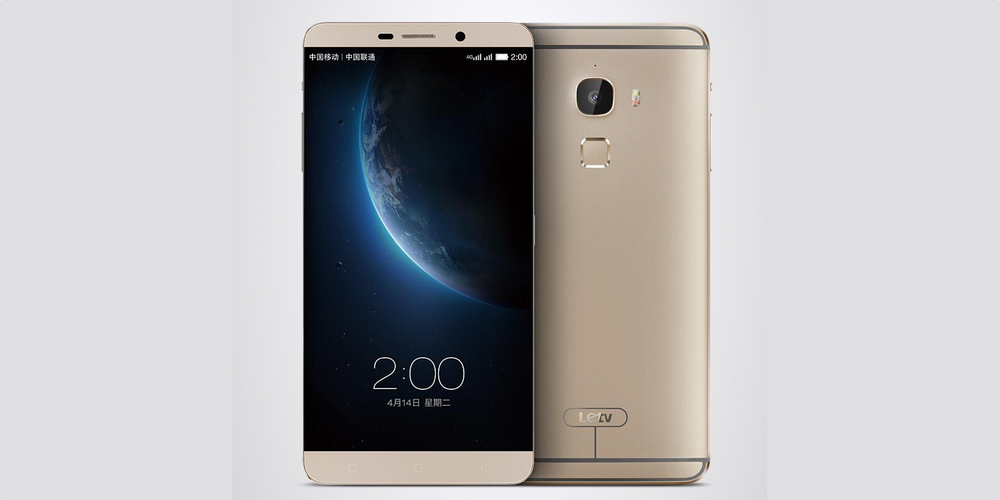
Chinese company LeEco, previously known as LeTV, has an event scheduled to take place in Beijing next month, but this time things are a bit different than usual — the company is making a point of inviting US media. The company has over the last couple of years sold an impressive number of Le 1, Le 1 Pro, Le Max and Le 1s handsets — as many as 4 million in 2015. And now LeEco is getting ready to make its “grand” entrance into the United States market…
The French data protection regulator CNIL has fined Google €100,000 ($112,000) after rejecting the company’s proposed compromise over the controversial ‘right to be forgotten‘ legislation.
The legislation gives individuals the right to have ‘outdated or irrelevant’ information about them removed from Google’s search results. Google at first offered to remove the results from Google’s local domains on a country-by-country basis, in this case google.fr, before saying that it would also remove them from google.com when a search was carried out from within France …
Very few people are allowed inside one of Google’s data centers, but you can at least take a virtual tour thanks to a 360° video. We should warn that the narration is basically just one extended plug for the company’s technology, but it’s fun to take a look around.
The 360° view is available on both mobile and desktop platforms …
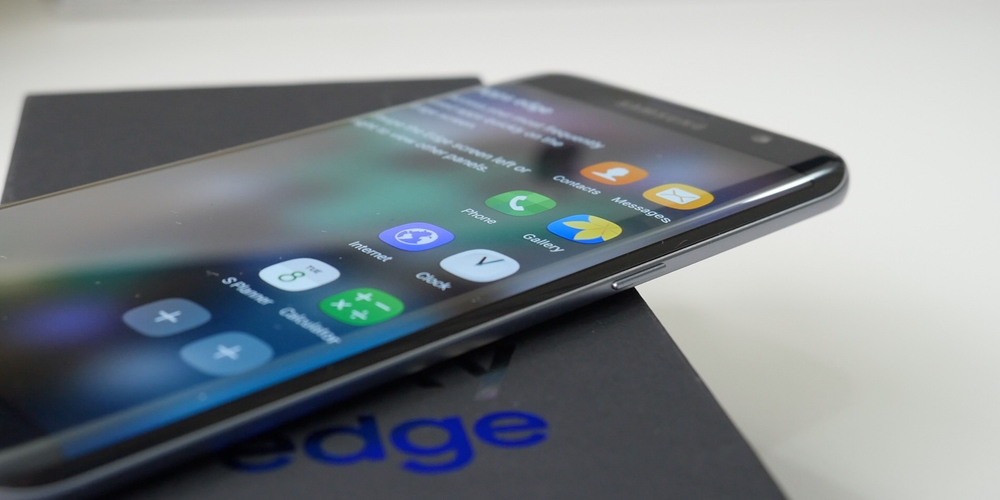
“Be together, not the same” is the mantra Google has been spreading for quite some time now. It’s a good reflection of its intent and purpose; with 1.5 billion active users and a myriad of OEM partners contributing to its growth, the OS couldn’t ask for more diversity. Among Android enthusiasts, however, a vastly shared belief is that the stock, unadulterated, ‘vanilla’ experience delivered by Google is generally superior to basically any of the offerings brought to the table by third parties. This mainly stems from a bad history that saw manufacturers continuously deliver sub-par experiences and often lag far behind in the update cycle, not to mention the numerous design inconsistencies which added up to Google’s own often messy and unclear aesthetics. When Material Design was introduced back in 2014, however, a few things started to change.
For one, notoriously ill-designed UIs such as those from LG and Samsung (as well as from HTC, Sony, and most others) started to follow Google’s now precise and definite guidelines more closely, giving Android an overall sense of basic consistency at least across major instances. Samsung’s TouchWiz, in particular, got often criticized over the years because of its excessive bloatware and poor design choices, but with the massive hardware overhaul brought by the Galaxy S6 last year, software too got a considerable Lollipop-based facelift which went a little under the radar. The Galaxy S7 brought the whole thing one step further, and even coming from a long series of stock Android devices, I have to admit that my experience with TouchWiz wasn’t just not bad, but left me thinking of it as an outright smart, good-looking and overall well designed ‘skin’…