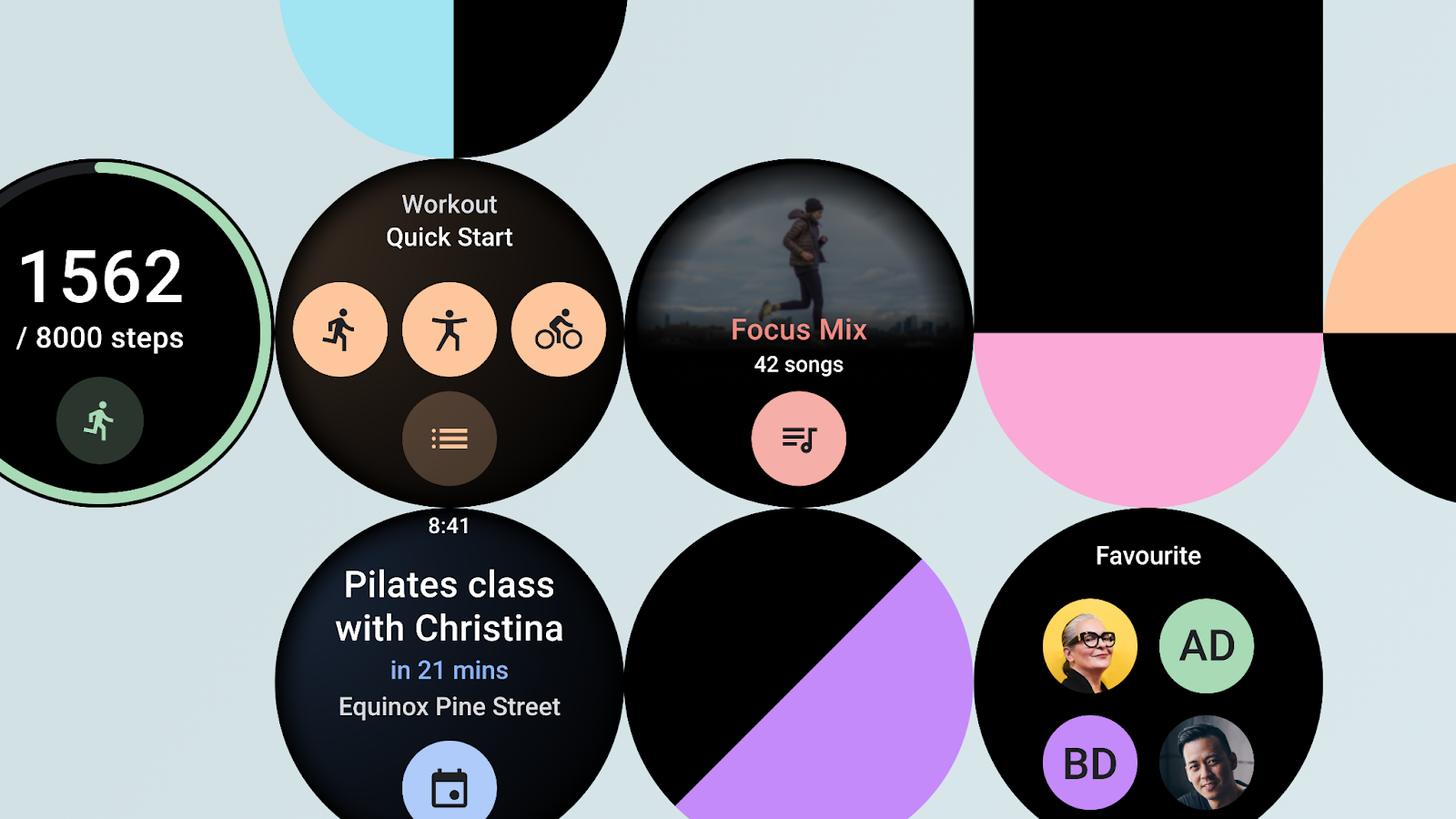
Wear OS

See All Stories

Wear OS is Google's wearable platform which is designed to run on watches. It's based on a modified version of Android, designed by Google, and used on many third-party smartwatches.
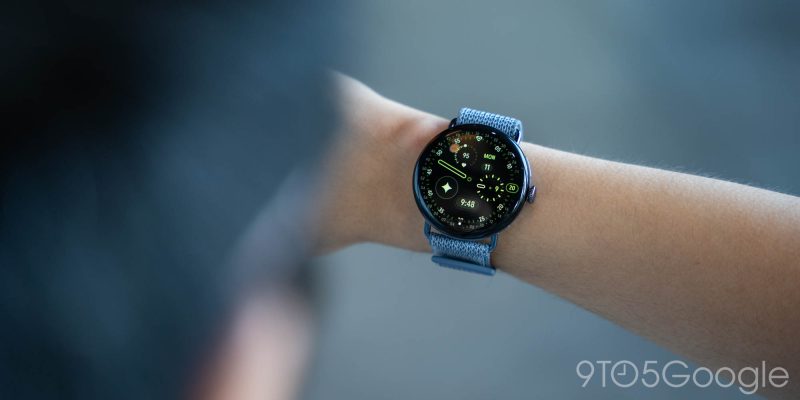
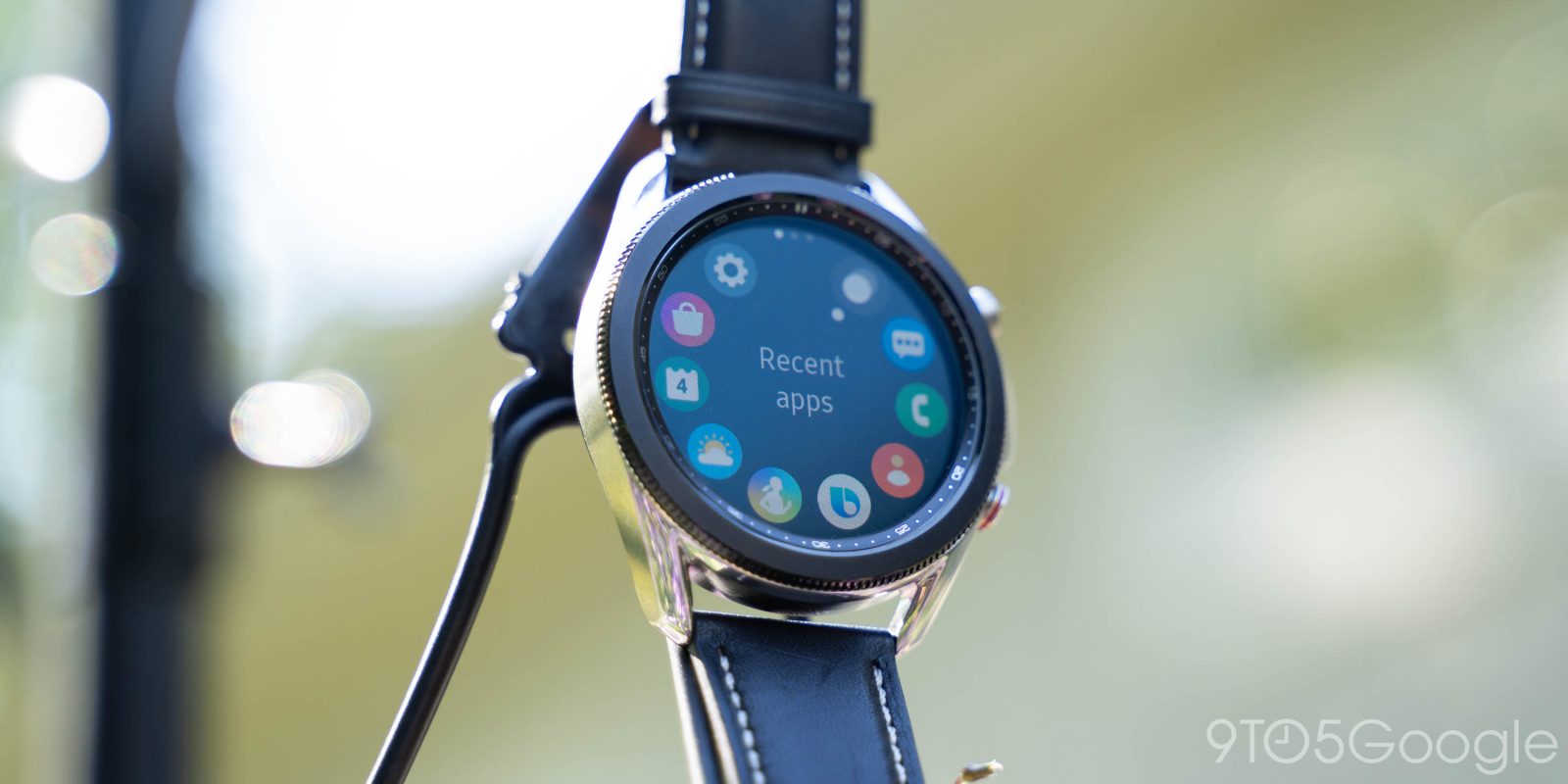
Wear OS is Google’s wearable platform which is designed to run on watches. It’s based on a modified version of Android, designed by Google, and used on smartwatches such as Pixel Watch, Galaxy Watch, and more.

The platform was first introduced in 2014 as “Android Wear,” before being modified until it became “Wear OS” in 2018.

As you’d expect, Wear OS is designed to be an extension of your smartphone. Notifications are mirrored to your wrist while condensed apps can be installed, both with their own independent functionality or as an extension of the smartphone app.

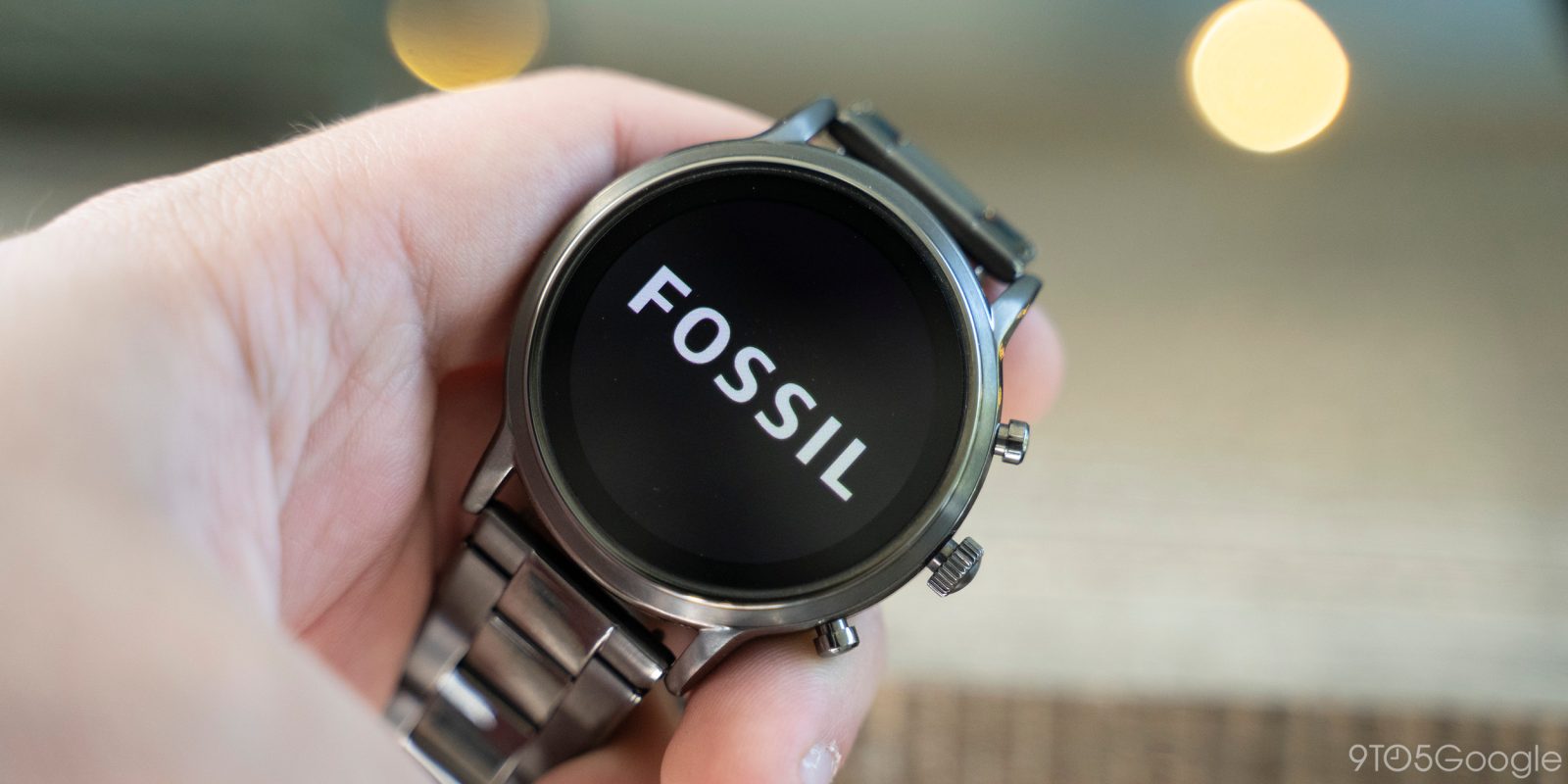
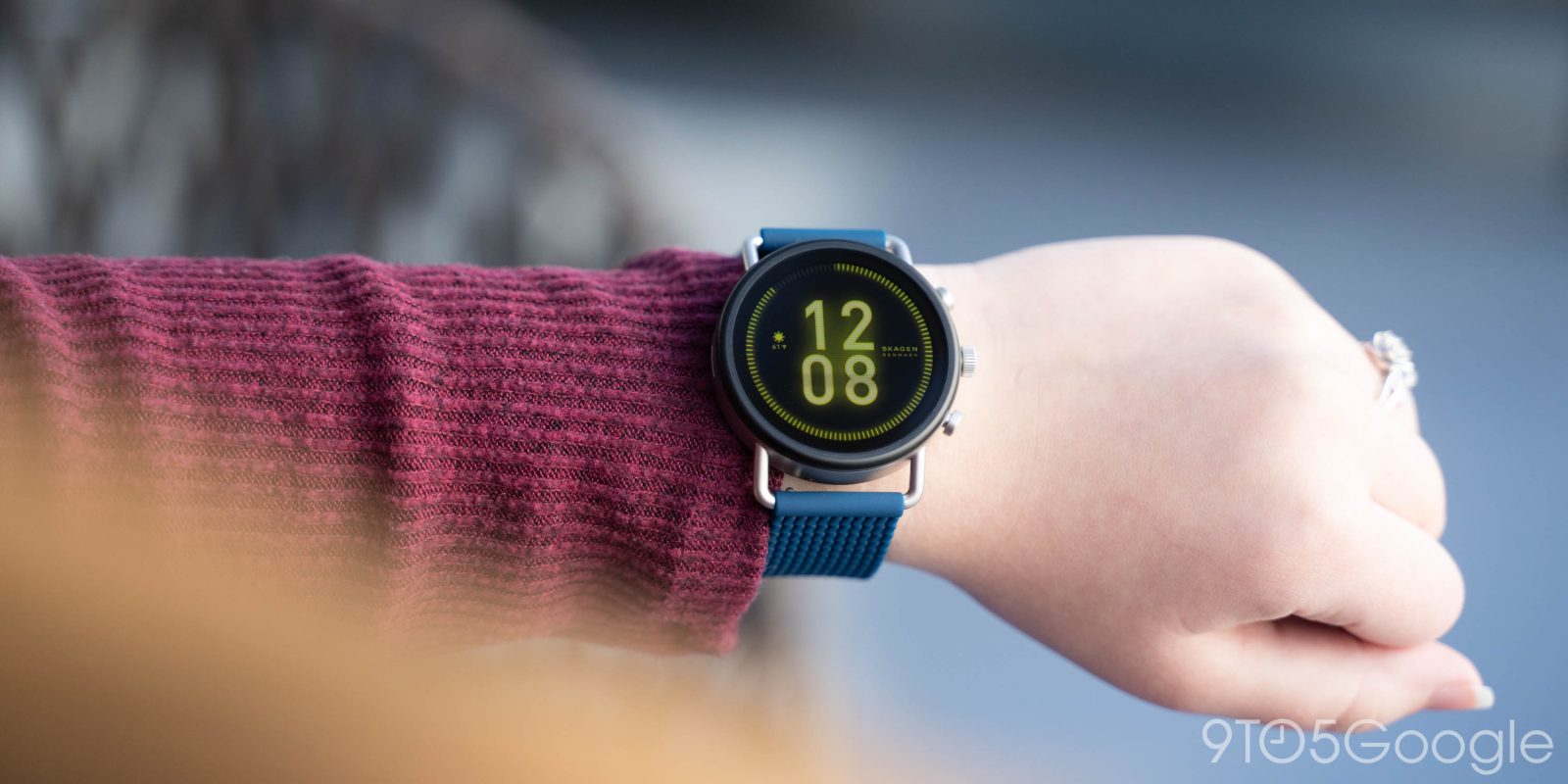
Where Wear OS was once found across a variety of smartwatch brands, the market has condensed in recent years. Names such as Fossil, Mobvoi, and others faded away in favor of first-party smartwatches from Google and Samsung, as other names in Android such as OnePlus, Oppo, Xiaomi, and more.

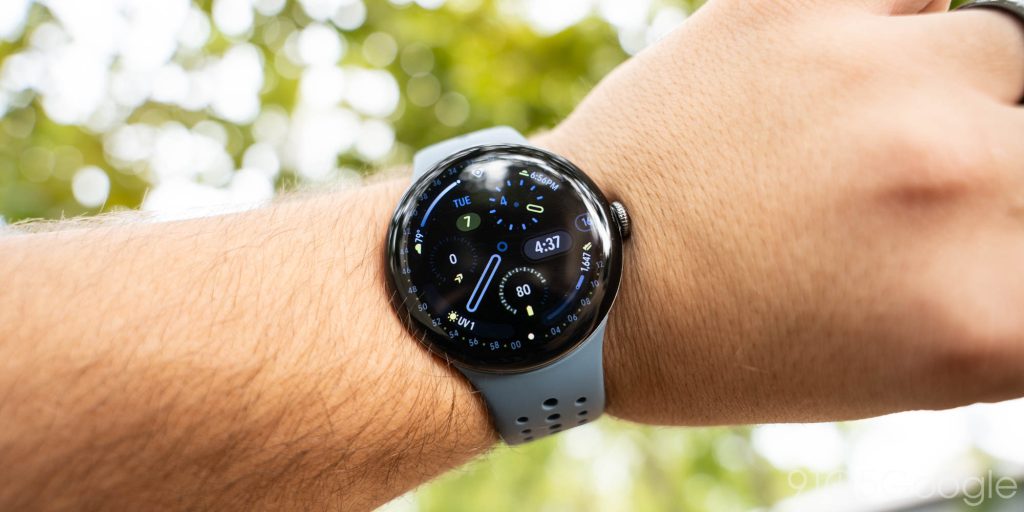
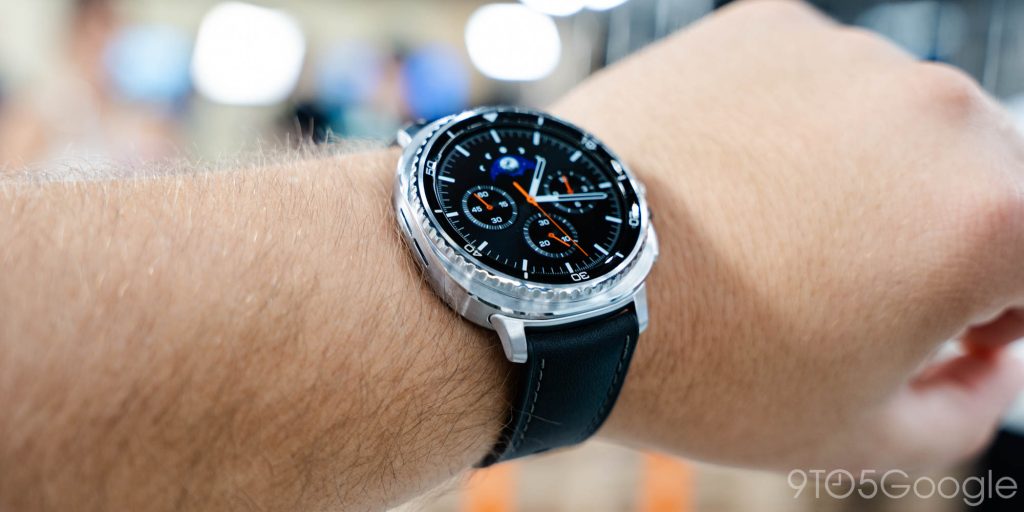
A few key Wear OS smartwatches include:

Google’s Pixel Watch is the poster child of Wear OS, with a heavy focus on Fitbit features and Gemini integration.
You can read the latest news about the platform and its apps below.

How to install legacy Wear OS apps that no longer appear in the Google Play Store

In recent weeks, Google deprecated the legacy Wear OS app install method for new phone-watch pairings. This means that buyers of new wearables or those that need to reset their devices might not see all the same apps as before. Developers would ideally update and modernize applications to fix this, but end users can still easily install and sideload those Wear OS apps.

Expand Expanding Close

OnePlus Watch skipped Wear OS over battery life, always-on display being evaluated

oneplus watch

It was a bit of a surprise to see that the OnePlus Watch would skip over Google’s Wear OS platform. Despite its flaws, it still has a large app ecosystem and pairs well with Android phones. In a Q&A this week, OnePlus has answered why the OnePlus Watch doesn’t use Wear OS as well as some other top community questions.

Expand Expanding Close

Galaxy Wearable app teases Wear OS powered Galaxy Watch, new ‘Galaxy Buds 2’

Buy Samsung Galaxy Watch 3

As Samsung gears up for its next big launch, rumors and reports are giving us a picture of what to expect. Now, an updated version of the Galaxy Wearable companion app has provided more evidence that the next Galaxy Watch will switch to Wear OS as well as revealing a new pair of earbuds, “Galaxy Buds 2.”

Expand Expanding Close

TicWatch Pro S gives 8GB of storage to a Snapdragon 2100 Wear OS watch… for some reason

ticwatch pro s

While the platform itself hasn’t changed much, the hardware powering Wear OS smartwatches has improved a fair bit over the past couple of years. Most notably, that includes the Snapdragon 4100 series of chips, which makes a huge difference and offers a worthy upgrade, too. That’s why the TicWatch Pro S is incredibly confusing.

Expand Expanding Close

Samsung may use Wear OS on a coming Galaxy Watch as new evidence reveals ‘Merlot’

samsung galaxy watch 3 smartwatch

After a short stint using a forked Android build as well as Google’s own Android Wear platform, Samsung settled on its Tizen platform for smartwatches, and it’s proven very successful. That’s why rumors of the company going back to Android are so odd, and now it’s only getting more confusing. New evidence points to a Samsung Galaxy Watch running Wear OS with the codename “Merlot.”

Expand Expanding Close

Facer for Wear OS preloaded on Montblanc Summit Lite, which (btw) launched a month ago

Montblanc debuted its first smartwatch in 2017 and followed with the Summit 2 a year later. At the start of 2020, the luxury brand announced a “+” version, while rumors of something more affordable emerged in November. The Montblanc Summit Lite was announced just under a month ago with so little fanfare that we did not become aware of this Wear OS device until today.

Expand Expanding Close