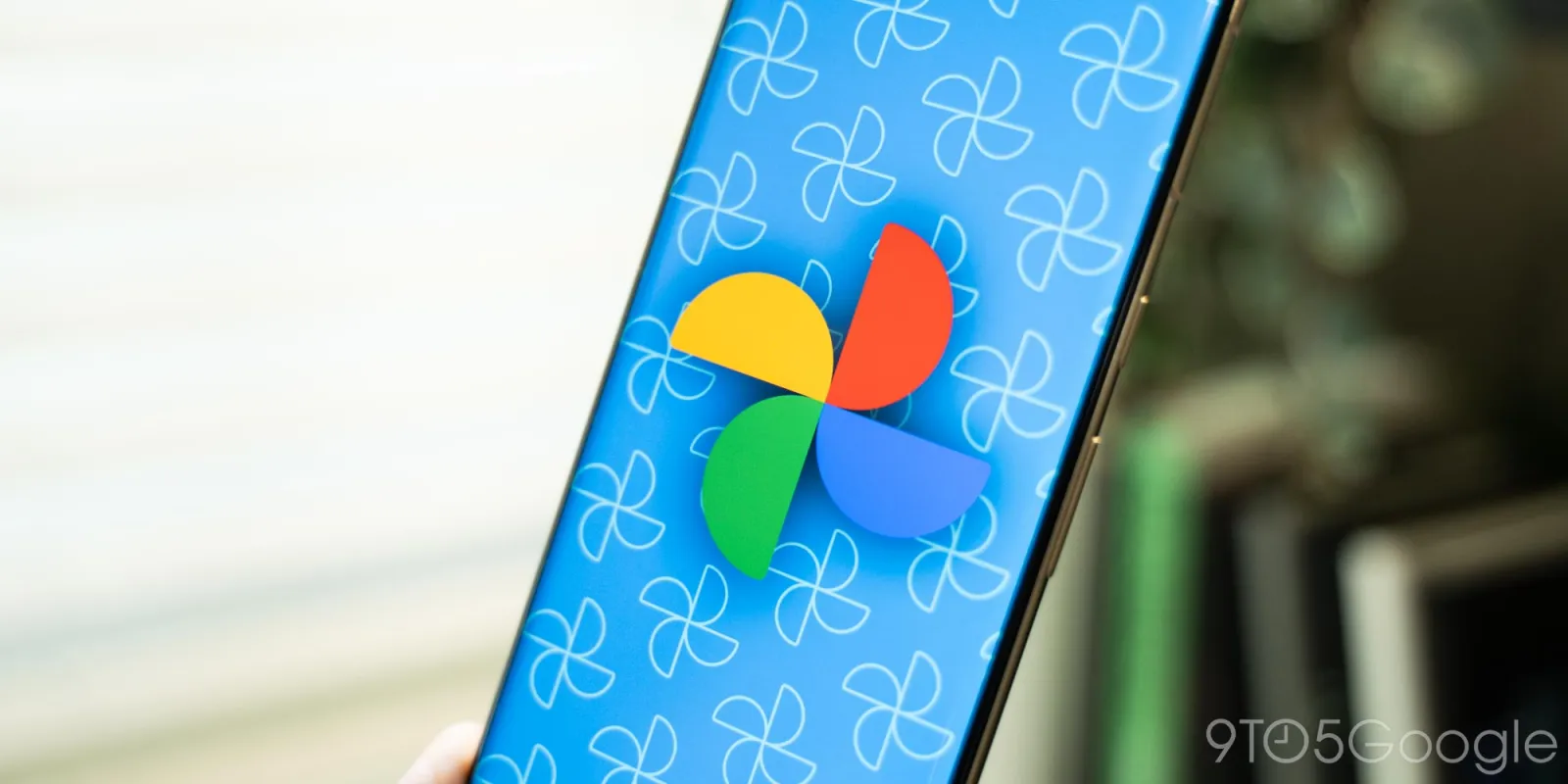
Google is officially rolling out support for Google Photos and other cloud backup apps in the Android photo picker.
Expand Expanding CloseAndroid photo picker with Google Photos support rolling out via February System Update


Send tips/talk to abner@9to5mac.com or @technacity (open DMs).
Abner Li has worked at 9to5Google since 2015 and in late 2020 took on the role of editor-in-chief. He is keenly focused on tracking what happens at Google, and is often the first to spot new features in Google’s ever-growing family of applications that are updated on a daily basis, including Search, Assistant, Maps, Workspace, Android, Chrome/OS, Wear OS, and YouTube Music.
To him, what Google does greatly impacts the technology space and modern life. Inside the company, he is particularly interested in the key products mentioned above, as well as services like Google Podcasts and Google Lens. Each are massive platforms that can be unwieldy to grasp, with Abner keenly bent on understanding their philosophy and future direction. He is most excited about Google’s plans for augmented reality glasses.
Abner spearheads the APK Insight program at 9to5Google to chronicle all changes in the company’s Android apps, often finding new features before they are officially announced. This includes redesigns and revamps, launches, and new products.
A big area of interest is Google’s hardware division, including Pixel, Fitbit, and Nest. He detailed all of the Pixel 3’s camera features before launch and scooped the 2nd-generation Nest Hub’s Soli-powered Sleep Sensing capability, including how it would integrate with Google Fit.
Recently, Abner detailed the Pixel Watch’s specs in full before launch, including bands and pricing. He also got wind of the Pixel Tablet’s ultimate form factor.
Google is officially rolling out support for Google Photos and other cloud backup apps in the Android photo picker.
Expand Expanding Close
Google Safe Browsing throws up a bright red warning before letting you visit a nefarious page. Google is updating how Safe Browsing works in Chrome so that it’s less disruptive and more efficient “without a degradation in security posture.”
Expand Expanding Close

Google’s latest initiative to promote the Pixel brand is a multi-year partnership with the National Women’s Soccer League (NWSL).
Expand Expanding Close
The “Send feedback” tool found in every Google mobile app recently received a redesign to provide a more step-by-step experience that’s somewhat conversational.
Expand Expanding Close

For last week’s Gemini launch, Google focused on the smartphone form factor. It left Assistant in place on Smart Displays, speakers, TVs, cars, and Wear OS, though the “Gemini mobile app is coming to headphones.”
Expand Expanding Close

Originally introduced for the web and Nest Hub Max, Google is now bringing its second screen “Companion Mode” to the Meet app on Android and iOS.
Expand Expanding Close
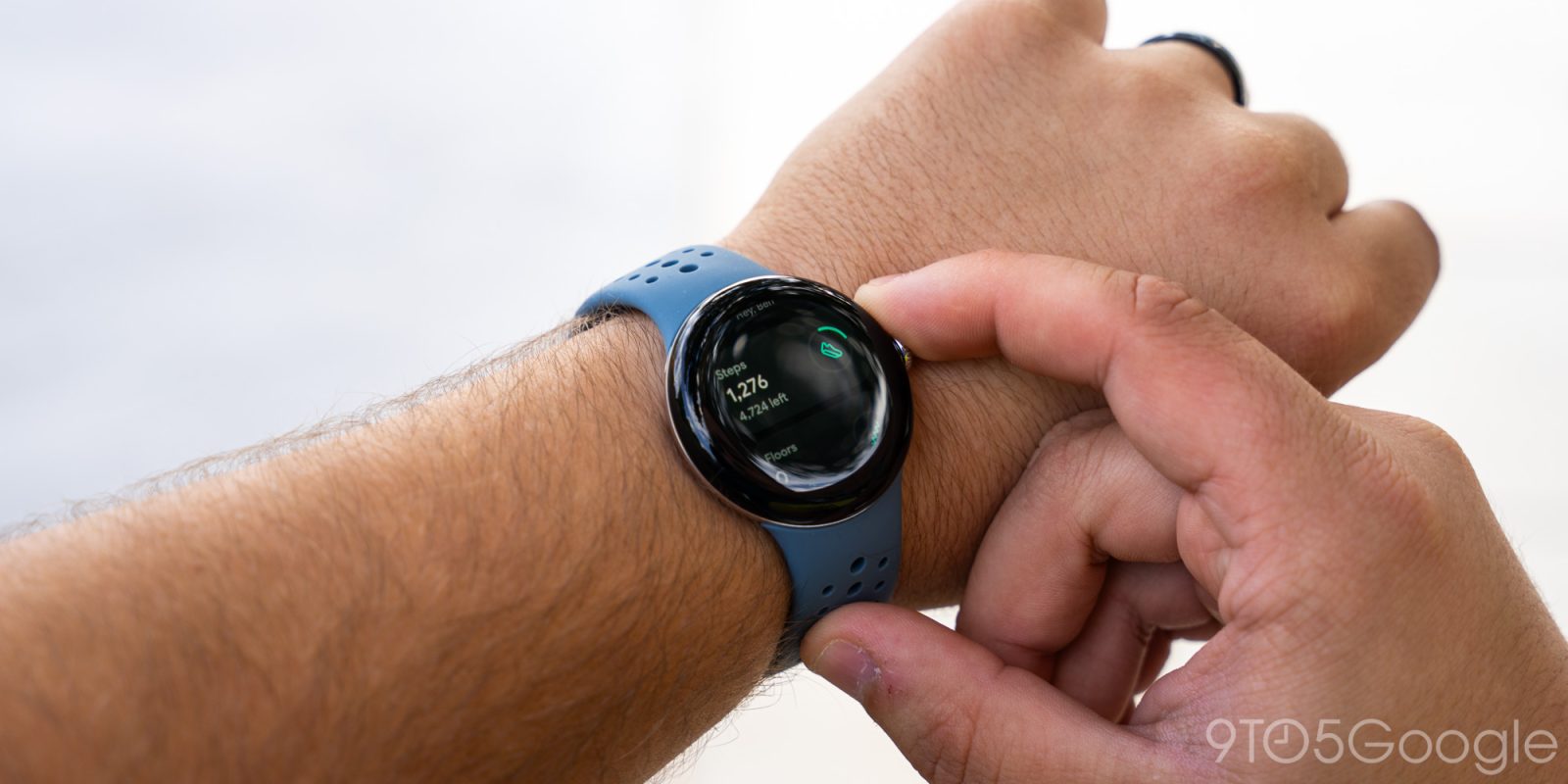
Wearables aren’t too repairable, with Google just offering outright replacements as a result. Google now says “you may be able to purchase a replacement” for your Pixel Watch at a discount if it’s “out of warranty or your claim isn’t covered.”
Expand Expanding Close
Following the wide rollout of Photomoji a few weeks ago, Google Messages is readying a small change wherein you double tap to react.
Expand Expanding Close

In writing about how Gemini is not ready to replace Google Assistant on Android, I’m struck by déjà vu. All the features that Gemini needs to be a good phone assistant is something that another Google product already figured out.
Expand Expanding Close

Yesterday evening, an autonomous Waymo car was set on a fire in San Francisco. The moment was captured and recorded on social media by several bystanders.
Expand Expanding Close

Gemini is not yet ready to replace Google Assistant on Android. That’s the user sentiment that has emerged in recent days and Google is fortunately aware of that, as well as other Gemini “things to fix.”
Expand Expanding Close

One of the most annoying aspects of using the Gemini Android app as a Google Assistant replacement on day one was having to manually send/submit voice commands. Google has fortunately fixed that behavior.
Expand Expanding Close
After introducing emoji reactions and tweaking the search bar, a bigger Gmail update introduces a chat-style reply UI on Android.
Expand Expanding Close

In addition to a revamped overflow menu, YouTube Music is testing a redesign of the Cast UI on Android that makes use of a bottom sheet.
Expand Expanding Close

Google renamed “Bard” to “Gemini” as part of launching mobile apps and an Advanced tier. While I was never a fan of the Bard name, Google might be pigeonholing itself by calling everything Gemini.
Expand Expanding Close
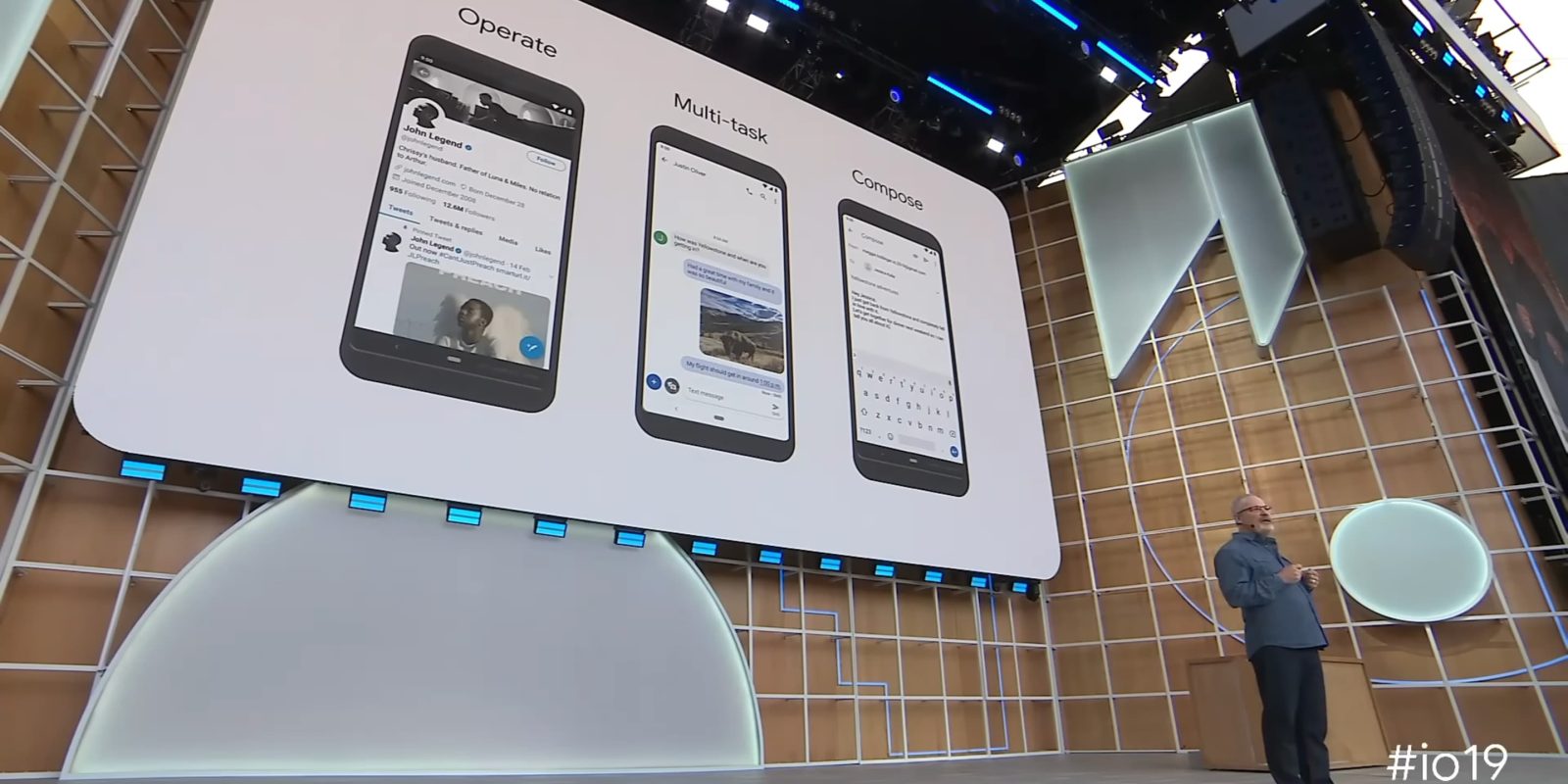
As of late, there’s been increased chatter about AI agents that take a command and physically perform the task, including the needed taps and swipes, on your phone. This talk of building an AI agent reminds me a great deal of the “new Google Assistant” that was announced with the Pixel 4 in 2019.
Expand Expanding Close

After teasing the milestone last week, Google One now has 100 million subscribers, with Sundar Pichai saying how the AI Premium Plan will drive future growth.
Expand Expanding Close

The Pixel 8 camera ad will be joined by another from YouTube TV on Sunday just before the Super Bowl kicks off.
Expand Expanding Close
Google has widely rolled out the latest Google Play system update (January 2024) for Pixel devices.
Expand Expanding Close

At launch, Gemini on Android can perform some key Google Assistant features — by essentially routing the command — but it’s far from a complete list.
Expand Expanding Close

Announced back in June, Google News on Android is rolling out a redesigned Following feed that provides the “latest updates from the topics, sources and locations you select to follow.”
Expand Expanding Close
The US Google Store currently has Black Friday/holiday-level discounts on the Pixel 8 and is now launching a referral program with a $50 coupon code.
Expand Expanding Close
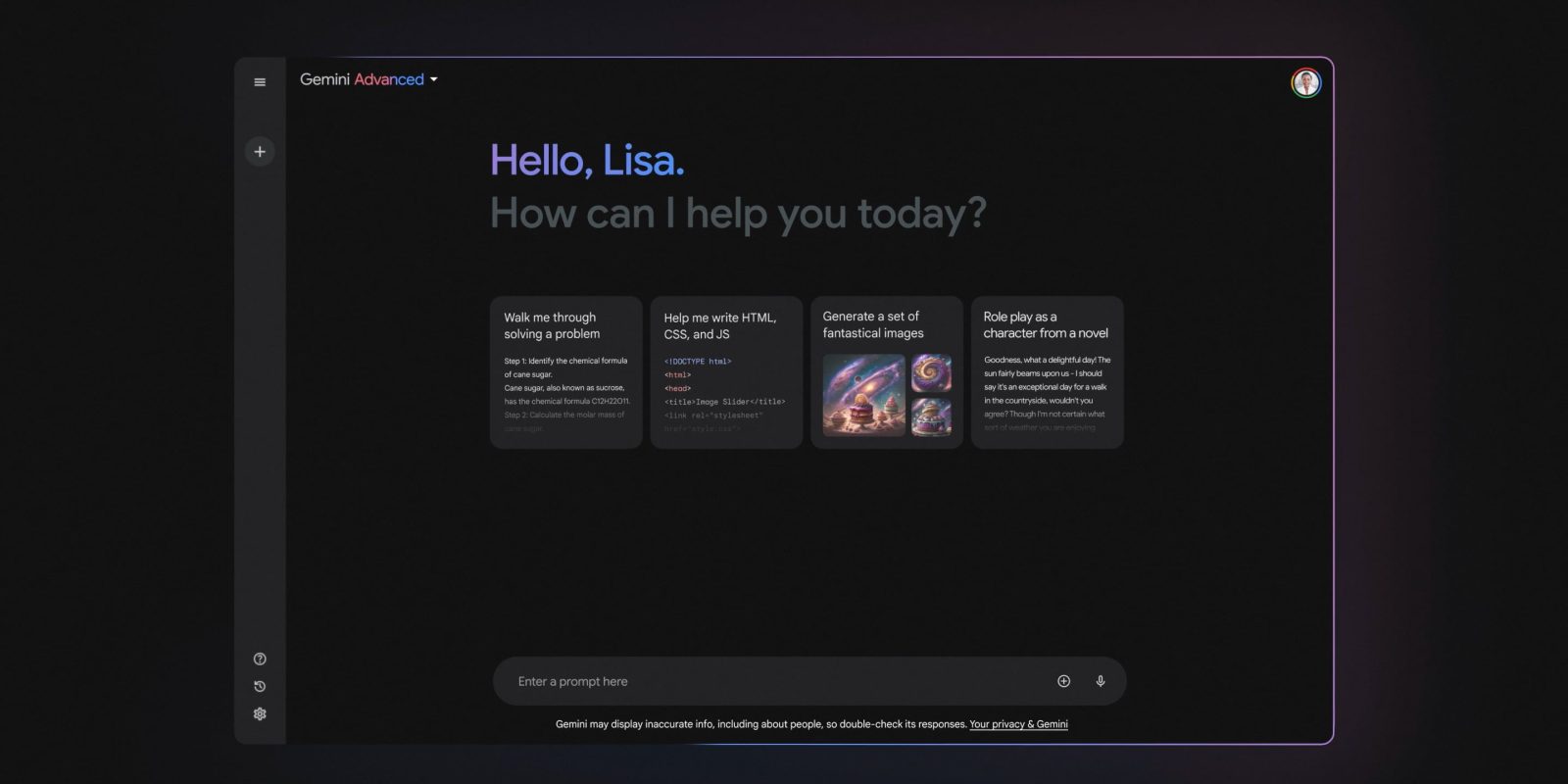
Sundar Pichai announced last week that Google One is about to cross 100 million subscribers. Google One is now getting a new AI Premium plan that costs $19.99.
Expand Expanding Close
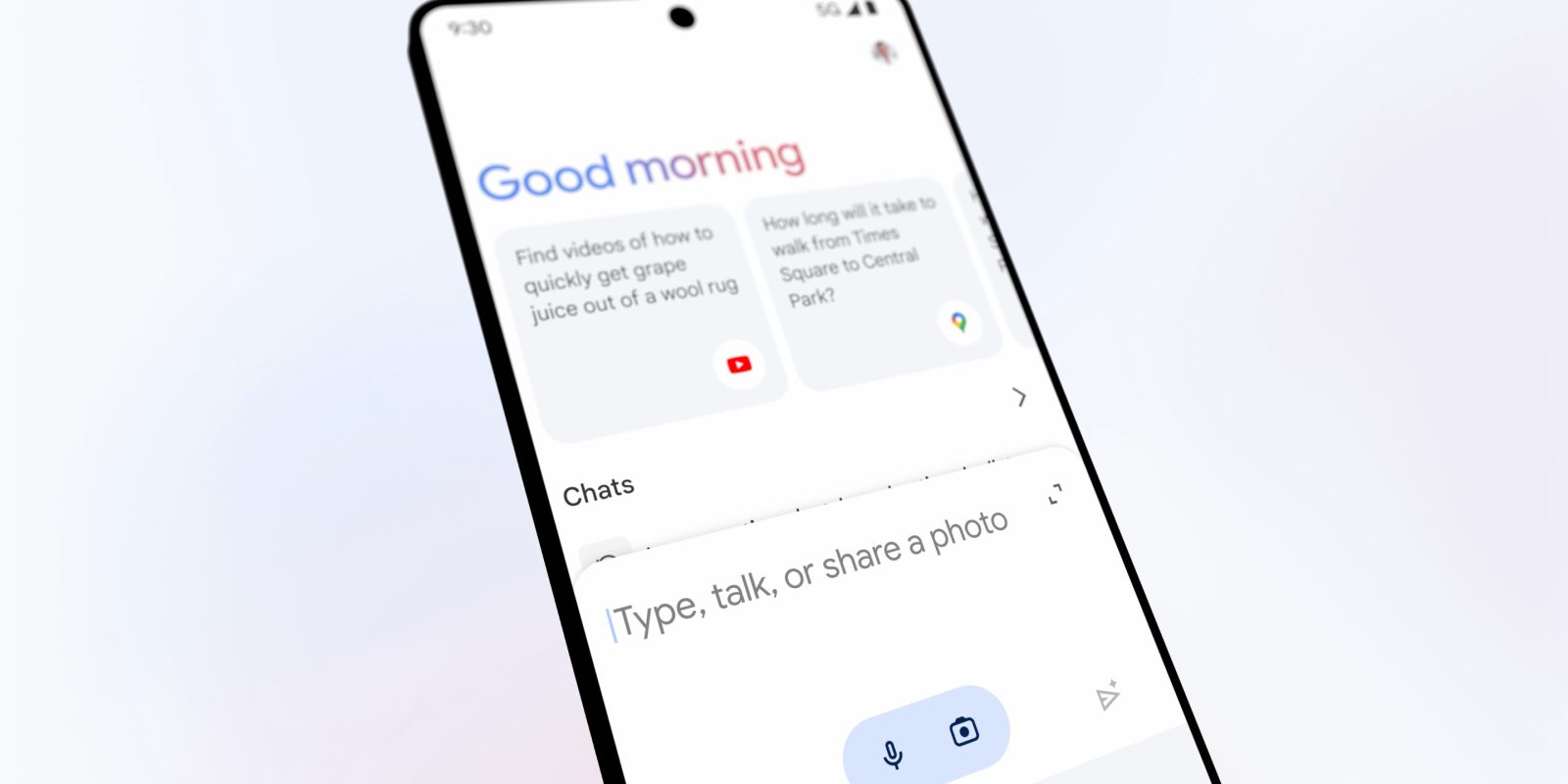
Announced as Assistant with Bard alongside the Pixel 8 and 8 Pro last October, Google today is rolling out Gemini to provide an optimized mobile experience that integrates with Android, while it’s now part of the Google app on iOS.
Expand Expanding Close