Android

See All Stories

Breaking news for Android. Get the latest on apps, carriers, devices, and more!
Android is Google’s mobile operating system, launched in September 2008, although its history technically began with the release of the Android alpha in November 2007. To this day, Android powers the majority of the world’s smartphones and comes in several different flavors across many phone makers.

What is Android?

Android Inc.

Android, before it was Android, was a company called Android Inc. That company was founded in Palo Alto, California, in 2003 by a crew of four: Andy Rubin, Rich Miner, Nick Sears, and Chris White. The company and its project was acquired by Google in 2005 for a sum of more than $50 million, although the exact number is unknown. The company’s founders joined Google as part of the deal.

In its infancy, Android was an operating system built not for touch screen smartphones like the iPhone, but rather BlackBerry-like devices with physical keyboards. It’s well documented that after Apple shocked the world with the iPhone, ahead of its nearest competition by at least a couple years, Google and Android Inc. had to go back to the drawing board to build something competitive.

Adoption by third-party makers

It didn’t take long after the launch of the iPhone for various manufacturers to enter the market with their alternatives — and Google’s Android immediately became the obvious platform of choice for just about everyone except Microsoft. HTC was the first manufacturer on board, and introduced the T-Mobile G1 running Android in September 2008. Soon after, HTC, Motorola, Samsung, and carriers like Sprint and T-Mobile jumped on board to form the Open Handset Alliance.

Android makers across the world

Iconic Android handsets

There have been thousands of Android phones released since Android’s inception, but some have been more important to the platform’s history than others. There was the original T-Mobile G1, as mentioned, but there was also the HTC One Google Play Edition, Moto G, Samsung Galaxy S4, and others. Some of the most iconic Android handsets include:

  • HTC G1
  • HTC Nexus One
  • Samsung Galaxy S, S2, S3, S4, and their successors
  • HTC Incredible S
  • Samsung Nexus S
  • Samsung Galaxy Nexus
  • Samsung Galaxy Note
  • Nokia 8
  • BlackBerry KeyOne
  • Google Pixel and its successors

In more modern times, there are several Android smartphones makers that popped up across various niches and in several international markets. Huawei is a dominant Android maker in China and many European markets, while Samsung is by far the most popular maker in the United States by far — effectively creating a duopoly with Apple. Today, there are dozens of major device makers contributing to the Android ecosystem.

Full list of Android OEMs

History of major Android versions

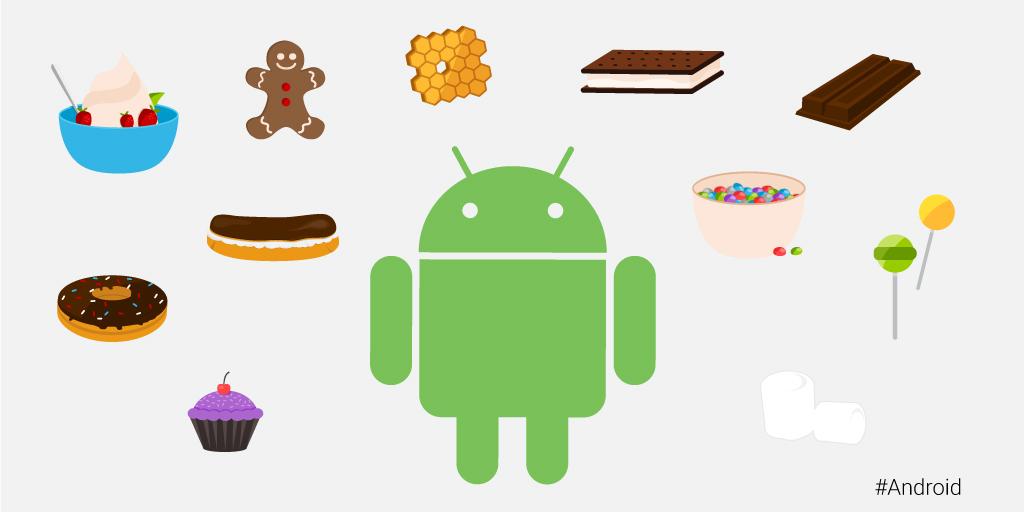
Android has seen countless software revisions over the course of its life, but in modern times the OS usually sees a major release on an annual cadence. In the earlier days, Google famously gave its major software releases dessert-themed codenames, but retired that practice in 2019 with the release of Android 10.

VersionNameReleaseDevices
2.3GingerbreadFebruary 9, 2011Nexus S
4.0Ice Cream SandwichOctober 19, 2011Galaxy Nexus
4.1Jelly BeanJuly 9, 2012Nexus 7
4.2Jelly BeanNovember 13, 2012Nexus 4, 10
4.3Jelly BeanJuly 24, 2013Nexus 7 (2013)
4.4KitKatOctober 31, 2013Nexus 5
5.0LollipopNovember 3, 2014Nexus 6, 9
5.1LollipopMarch 9, 2015Android One
6.0MarshmallowOctober 5, 2015Nexus 5X, 6P
7.0NougatAugust 22, 2016Nexus 5X, 6P
7.1NougatOctober 4, 2016Pixel, Pixel XL
8.0OreoAugust 21, 2017Pixel, Pixel XL
8.1OreoDecember 5, 2017Pixel, Pixel XL
9PieAugust 6, 2018Pixel 2, Pixel 2 XL
1010September 3, 2019Pixel 3, 3a
1111September 8, 2020Pixel 4

List of major Android OS platforms

While Android proper is certainly the most widespread of Google’s Android operating systems, the company has also launched many offshoots of the main OS over the years. There’s Android Auto, Android Wear (now Wear OS), Android TV (now rebranded to Google TV), as well as versions of Android built for tablets and Android Things (now defunct).
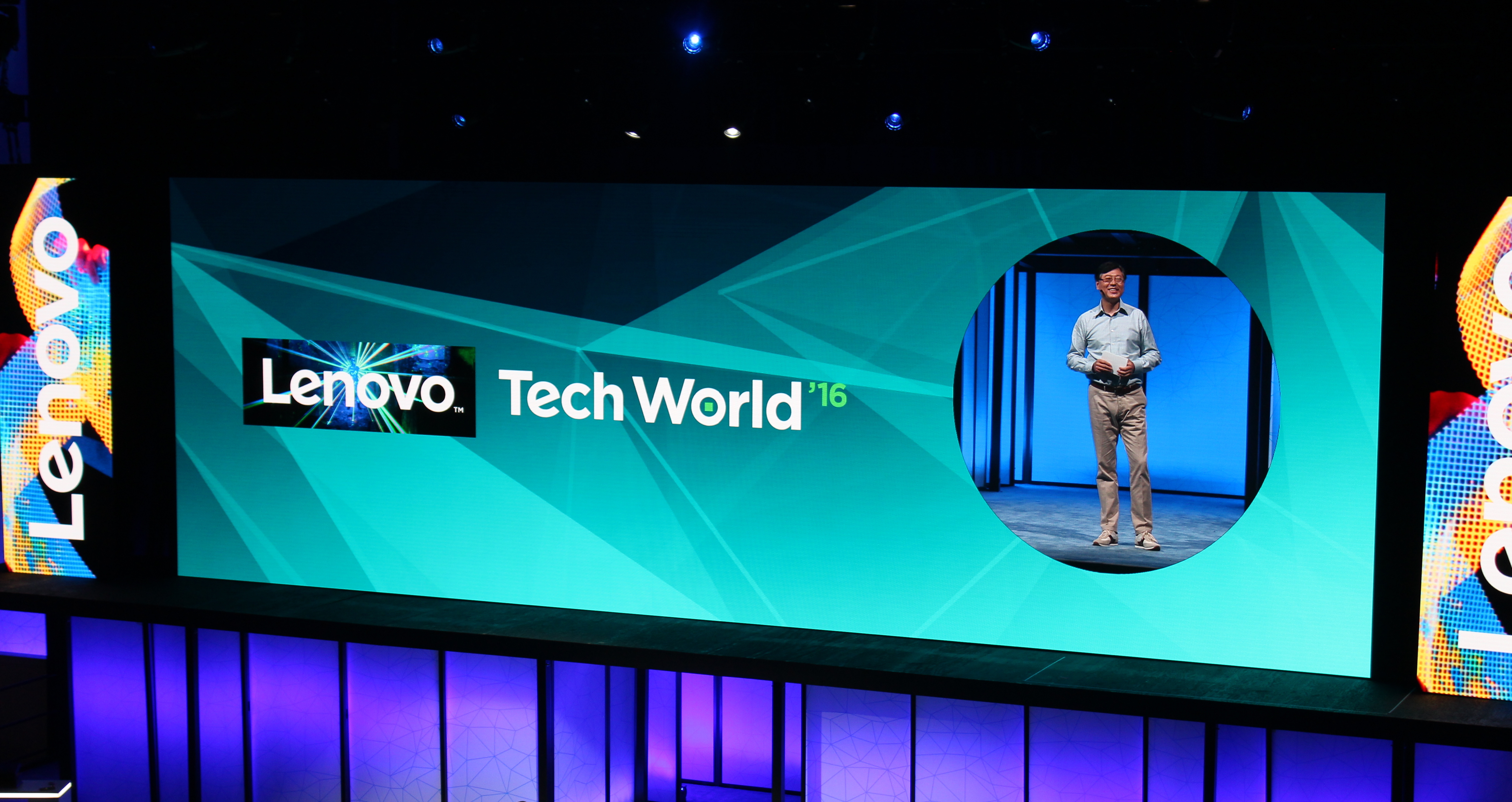
Lenovo’s new flexible phone prototype can be worn like a smartwatch

Framed as a way to reduce the number of devices a person needs to carry, Lenovo showed off a pair of devices with foldable and flexible screens at Tech World 2016. The first is a phone that bends into a wearable bracelet and the second is a tablet that folds in half and converts into a phone. Both devices were functioning, and it seems the tablet runs Android.

Expand
Expanding
Close

Moto Z DROID Edition will come with 2 years of free original quality Google Photos storage

The Moto Z and Moto Z Force are now official but there’s still a lot about these phones that Lenovo didn’t announce on stage. One thing we know from the event, however, is that Verizon will be getting exclusive rights to sell the phone for a few weeks starting this Summer prior to the unlocked launch in September. The “DROID Edition” isn’t too much different from the standard model, but it seems like it will be coming with an extra perk over the standard model.


Expand
Expanding
Close

Amazon reportedly planning standalone subscription streaming music service for later this year

Reuters reports that Amazon is preparing to take on Google, Apple, Spotify and the other music streaming services with a similar, full-fledged competitive subscription music service. That would be a step up from the limited catalog of music it currently offers to subscribers of its Prime shipping service that bundles perks for various Amazon services for a monthly or yearly fee.


Expand
Expanding
Close

Hands-on with Moto Mods: JBL speaker, Incipio Power Pack, Moto Insta-Share projector [Video]

Yesterday we got our hands on Lenovo’s just-announced Moto Z and Phab2 Pro, but one of the most important new features of the former — the company’s true flagship this year — is support for new modular backplates called Moto Mods. Lenovo announced a slew of them yesterday, including speakers from JBL, a camera module from Hasselblad, a pico projector called the Moto Insta-Share, an Incopio battery pack, and more.

Let’s take a look…


Expand
Expanding
Close

Hands-on with Lenovo’s super-thin flagship Moto Z w/ backplate modules [Video]

IMG_2688 (2)

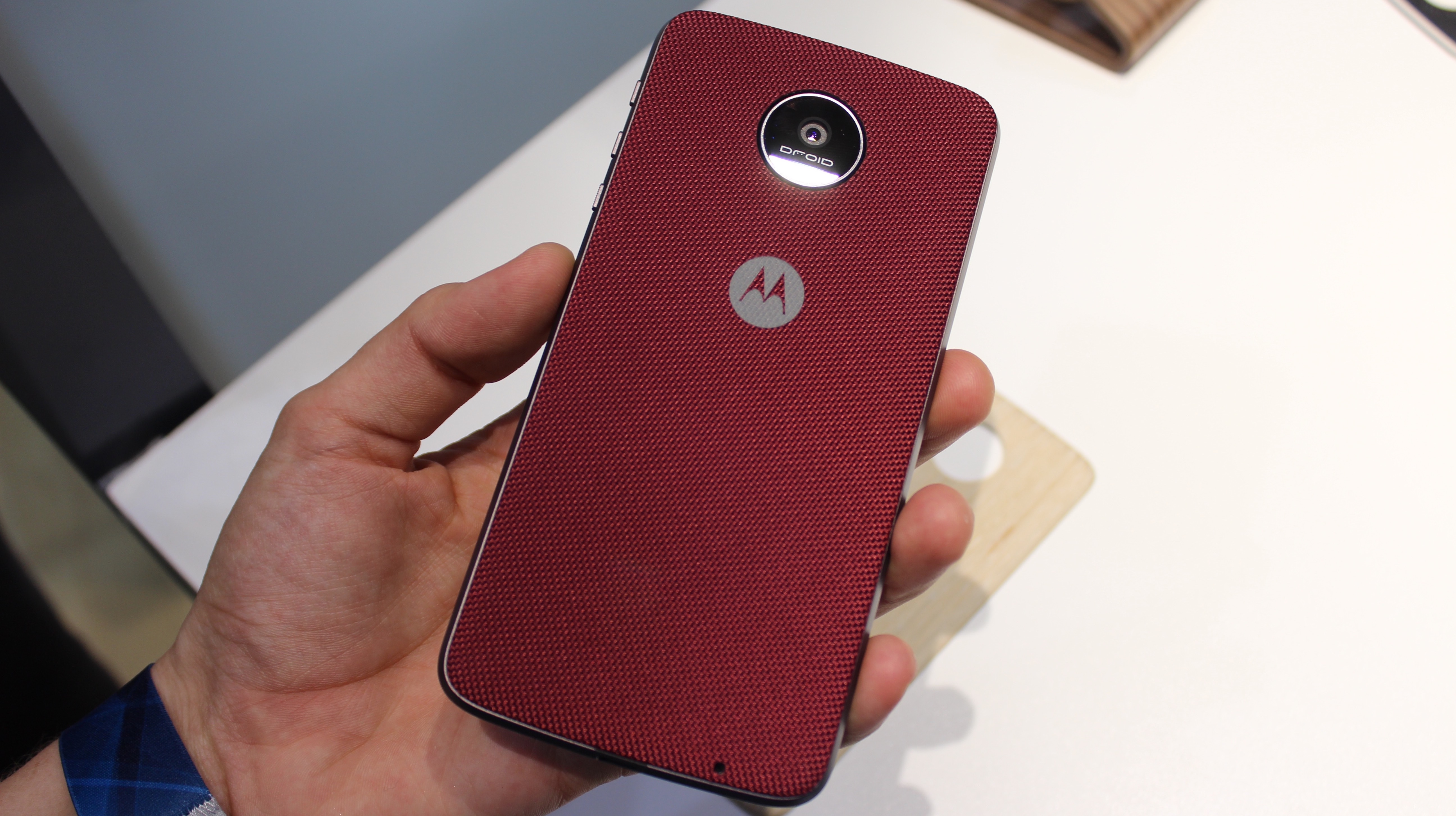
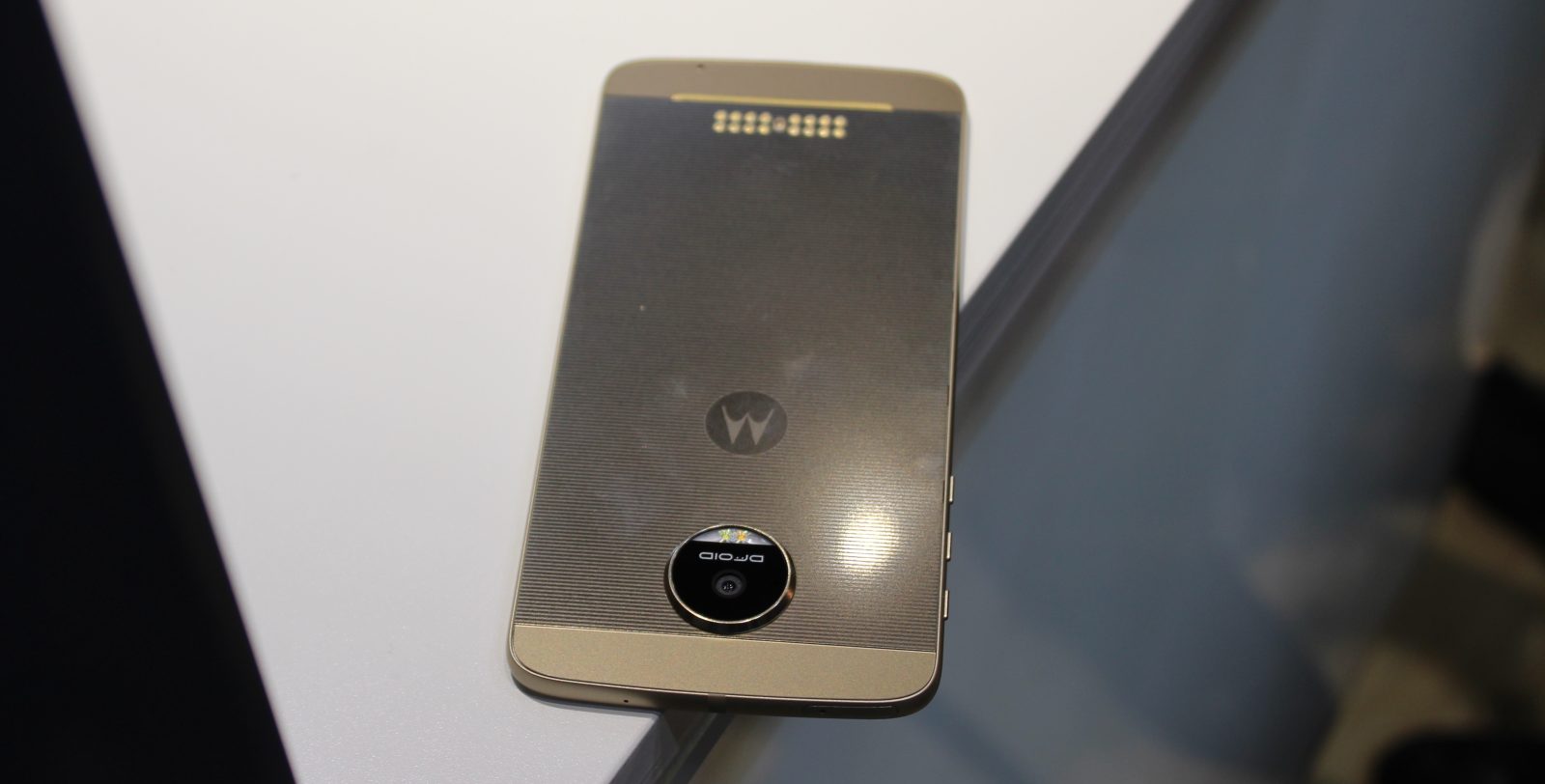
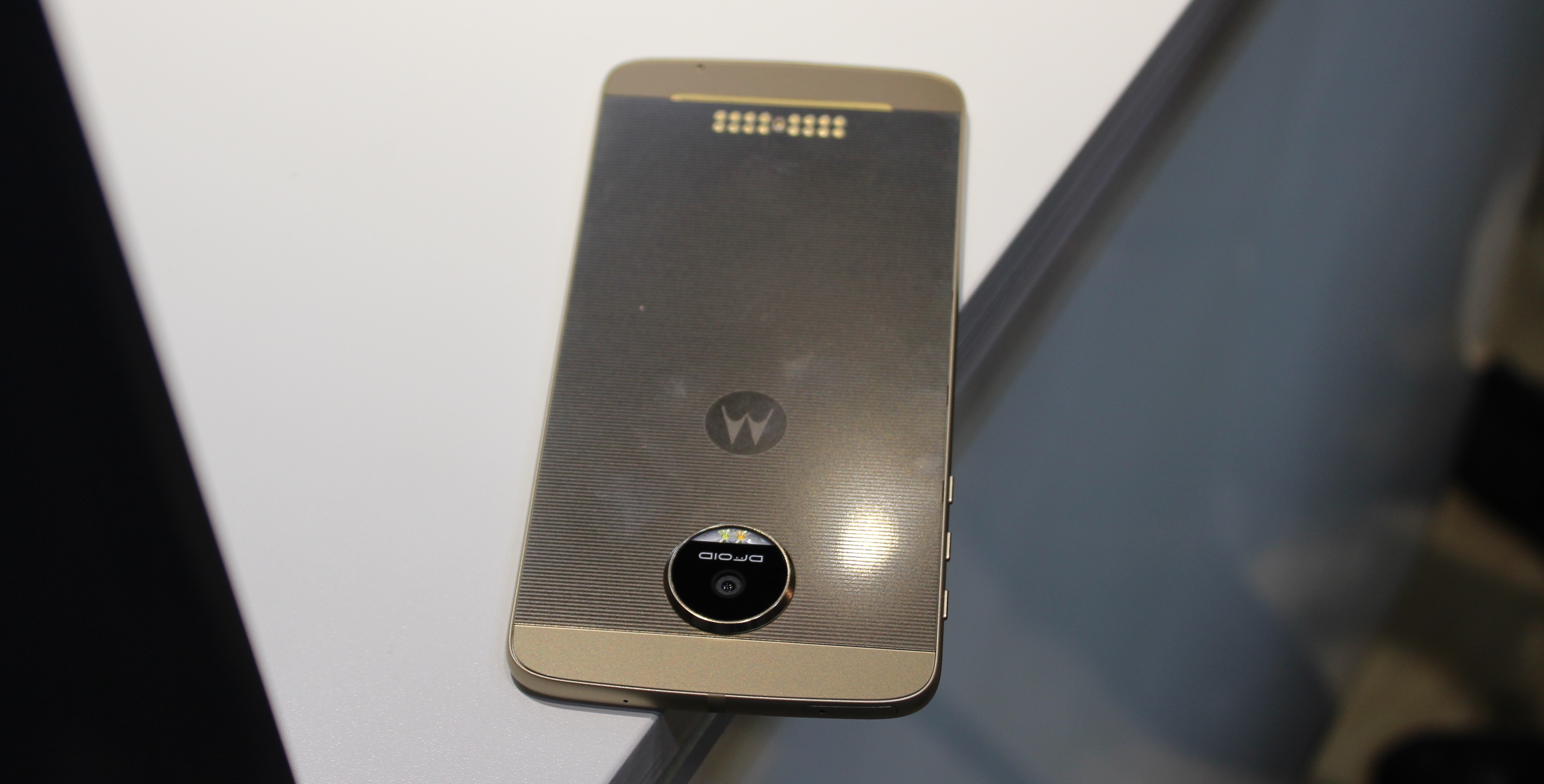
Lenovo announced the first line of Moto phones since its acquisition of Motorola today, and there was not a single mention of the company from which the new devices got their namesake. The Moto X is gone replaced by the Moto Z and the Moto Z Force — the former being the true flagship with a super-thin build and the latter being a more rugged version with a better camera, a little more thickness, and a shatterproof screen.

Let’s take a look at the regular Moto Z, which in my opinion is the nicest phone Lenovo announced today…

Expand Expanding Close

Rumor claims iMessage for Android to be announced at Apple’s upcoming Worldwide Developers Conference

Site default logo image

According to a report from MacDailyNews, Apple will announce that iMessage is coming to Android at Monday’s upcoming WWDC 2016 keynote.

Such an announcement, which MacDailyNews claims to have obtained from “a source familiar with the company’s thinking,” would go a long way towards making it simpler for users to shift between the two competing platforms. But what would be Apple’s motivation for making such a change?
Expand
Expanding
Close

Hands-on with the Lenovo Phab2 Pro phablet w/ Project Tango inside [Video]

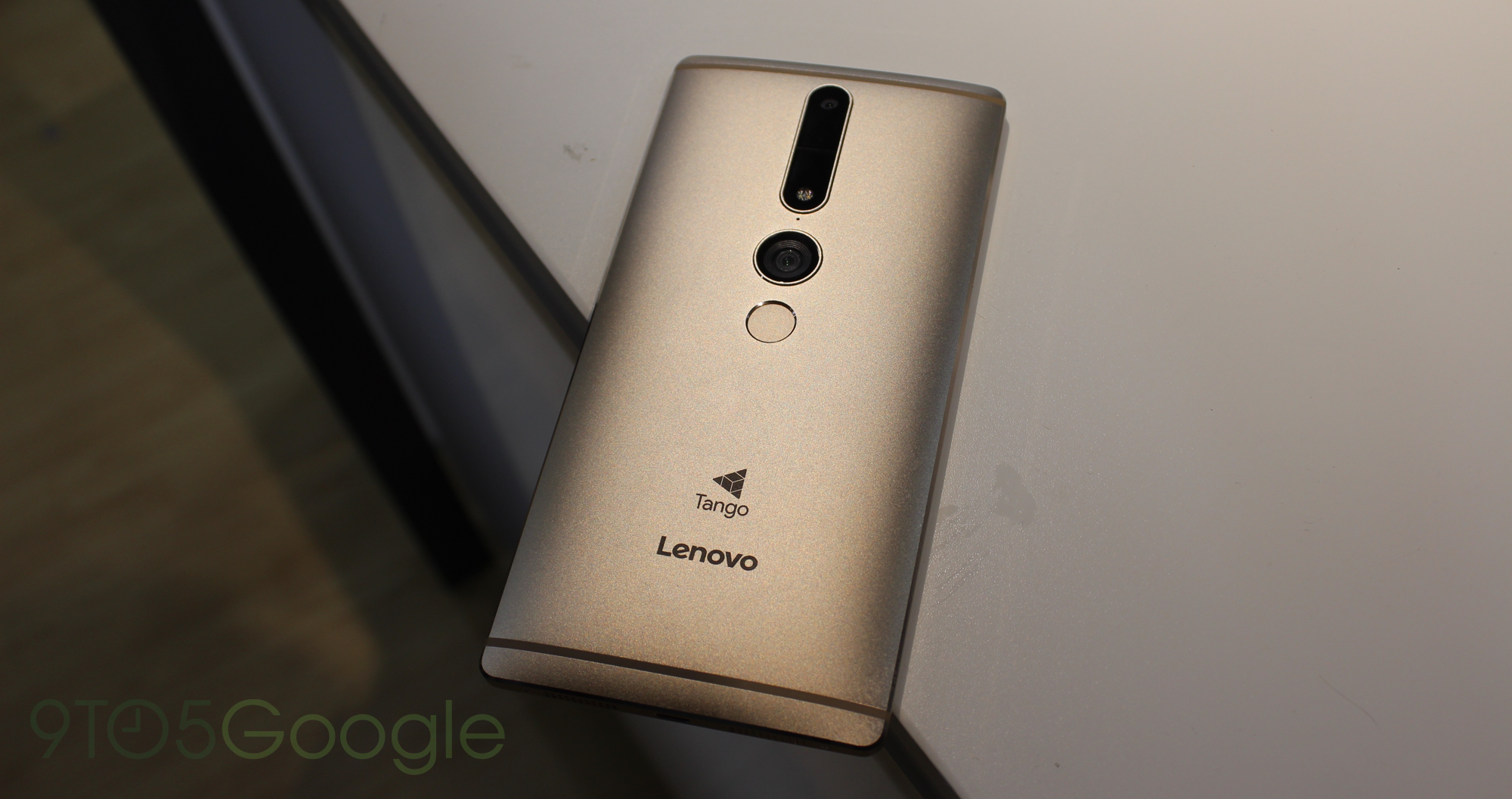
Lenovo today took the wraps off its Phab2 Pro (or phab 2 PRO, or PHAB 2 Pro, depending on which version you want to go with), and I managed to get my hands on it just after the keynote.

Let me make this clear, because the press releases, stock imagery, and even the device we saw on stage today, do not really show the “phone” for what it is. This is not really a phone. It’s a hilariously huge phablet — and even that is borderline. Really, in my eyes, this thing is a tablet.

But I guess that’s subjective.


Expand
Expanding
Close

Lenovo’s Moto Z doesn’t have a headphone jack, but includes a 3.5mm-to-USB C adapter

The new Moto Z is officially the world’s thinnest smartphone at just 5.2mm, but to achieve that they’ve had to make some sacrifices. The battery is quite a bit smaller than most phones at just 2,600 mAh, and another issue with the razor thin design is that you won’t have a 3.5mm headphone jack.


Expand
Expanding
Close

Lenovo opens up a developer program for MotoMods, offers up to $1 million in prizes

Along with their announcement of the Moto Z, Lenovo today announced MotoMods, a collection of special attachments to the phone which can expand the capabilities of the phone. The first three MotoMods that will hit the market include the ‘Insta-share projector’, JBL SoundBoost speaker, and the offGRID power pack from Incipio. However Lenovo is learning from the mistakes that LG made with the G5 by opening up a developer program to encourage development of more new modules.


Expand
Expanding
Close

Lenovo announces the Moto Z and Z Force with MotoMods backplate modules

While technically not the first Lenovo-made Moto device, the Moto Z is the most important. After dropping Motorola for just Moto and replacing long time head Rick Osterloh, Lenovo is finally fleshing out its 2014 acquisition from Google. The Moto Z lineup consists of two devices with nearly identical designs and compatibility with backplate modules that add extra functionality and styling.


Expand
Expanding
Close

Google rolling out Nearby to Android, allows third-party apps to talk to smart beacons

One of Google’s approaches to the Internet of Things involves placing low-energy Bluetooth beacons that can communicate with devices. Google is announcing new partners today who have updated Android apps that can talk to beacons placed in stores, museums, and airports.


Expand
Expanding
Close

Lenovo Tech World 2016 kicks off at 10AM PT, watch the keynote here [Livestream]

Site default logo image

Lenovo is kicking off its Tech World 2016 event this morning in downtown San Francisco, one of the first big Lenovo events — thanks to the company’s acquisition of Motorola earlier this year — that Android fans have ever really been truly excited for. We’re on the ground here in San Francisco, but since you’re probably not, the company has lovingly provided a livestream so you can watch along…


Expand
Expanding
Close

Paranoid Android is back with new ‘all new features’, ‘new team members’ and more

Following the acquisition by OnePlus back in February 2015, most of the team working on the Paranoid Android ROM fled to the Chinese company’s shore to work on the Oxygen OS, which eventually made its way to the OnePlus 2 and its sibling smartphones.

There was no indication that the team would make a comeback, but as per a post released today, it looks like death previsions were everything but right…


Expand
Expanding
Close

Father’s Day Gift Guide Hub: One Place with all the best deals

Canary-Home-Hero

There are a ton of deals on tech and more right now in the lead up to Father’s Day. Together with 9to5Toys & Canary, we’re keeping track of all the best deals and we’ve collected all the handy links in the hub below.

Bookmark this page and keep checking back for more as we add the latest from 9to5Toys ahead of Father’s Day on June 19.


Expand
Expanding
Close

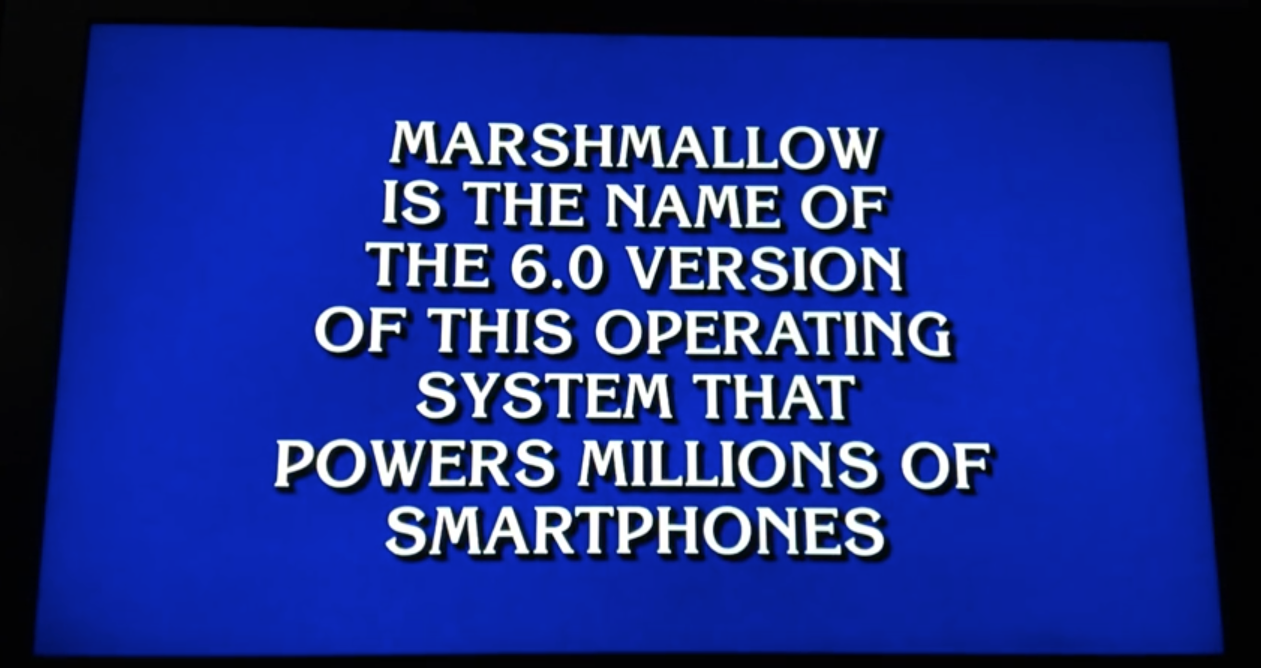
These Jeopardy contestants think that Marshmallow is a version of iOS [Video]

We know that Android has an updates problem. In the most recent Android distribution report yesterday, we learned that Android Marshmallow has just barely edged past 10% adoption 8 months after it first started rolling out to devices.

But apparently, despite all the people-friendly marketing that Google does with its mobile OS software updates (and more recently, the Nexus phones), there’s this persistent complete ignorance about Android in general. How can Google motivate people to update to Android Marshmallow — much less care about what it offers — if they don’t even know what the OS is called?

Of course they could (or not) go the Apple route and create a situation with complete control over the entire ecosystem, but Google’s tactic of trying to make OS updates familiar and friendly is about as much as it can do for now. Apparently it’s not working, and this is perfectly illustrated in a recent round of Jeopardy! where two contestants both thought that Marshmallow is the name of iOS 6.0…


Expand
Expanding
Close

We’ll get the official name for Android N in ‘a few weeks’

We’ve had the Android N developer preview for a few weeks now, but we still don’t know what the nickname for the new version will be. Speculation has been going on for months and Google even allowed users to submit their suggestions for what the name should be. Now, Google has confirmed on Twitter that we’ll be getting that name within the next few weeks.


Expand
Expanding
Close

Samsung rumored to move to a 4K UHD display for the Galaxy S8

There certainly is a lot happening in Samsung‘s hardware department. Following a general slowdown of the immense growth smartphones have enjoyed over the past lustrum in particular, OEMs are preparing for a new wave of next-generation devices.

Amid the numerous experimental projects the company is working on, however, we can expect that a more ‘safe’ Galaxy S8 will hit the market some time in the first half of 2017, and rumor has it that its display will move to a jaw-dropping 4K resolution (via KoreaHerald) …


Expand
Expanding
Close

Android distribution numbers for June 2016 put Marshmallow at over 10% adoption

Site default logo image

android-versions

It’s no secret that Google has struggled to get people to upgrade the software on its phones (but perhaps more accurately, the software on other companies’ phones). It’s one of the most blatant examples of an area that Google and its OEMs are just so far behind, especially compared to the adoption rates of iOS on Apple’s devices. And with every passing month, it just doesn’t seem to be getting any better.

It’s been about 8 months since its release, and the latest Android distribution numbers reveal that the newest version of Google’s mobile OS, Marshmallow, has just now passed 10% adoption. Google’s most popular version of Android at this point, Lollipop, lost 0.2 percentage points this month and KitKat, which was announced in 2013, still holds more than a 30% share…


Expand
Expanding
Close