Stay up to date on news from Google headquarters. Be the first to learn about plans for Android, Google Plus, Google Apps, and more!
Stay up to date on news from Google headquarters. Be the first to learn about plans for Android, Google Plus, Google Apps, and more!

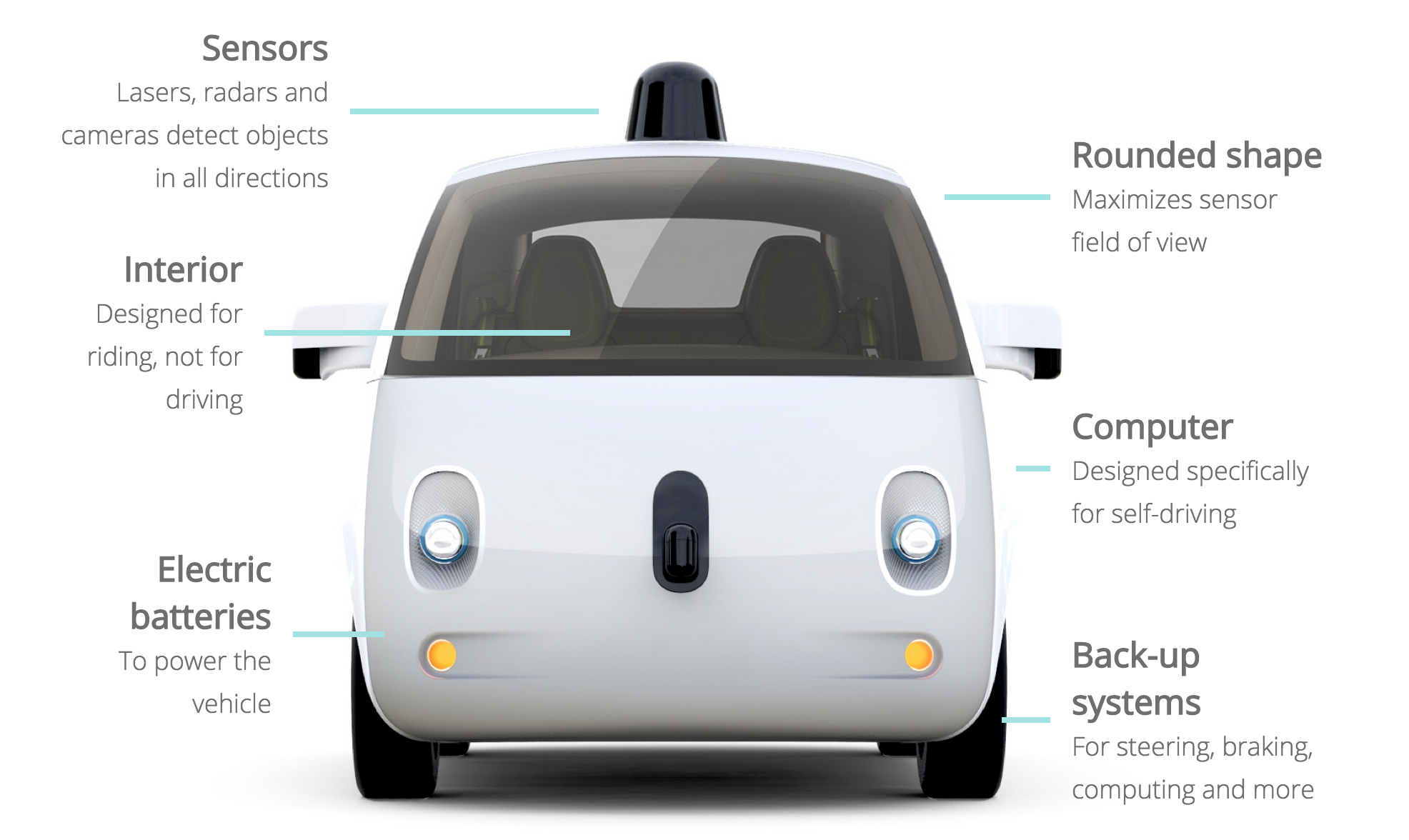
Google has launched a new website that will offer monthly updates on its driverless car project including reporting accidents the vehicles have been involved in.
Expand
Expanding
Close

Google has been facing legal heat in Europe for several users over how it handles and collects user data as well as its monopoly-like actions, but today the company finally admitted that it has made some mistakes. Google’s European chief executive Matt Brittin stated today to Politico that Google has failed to make its intentions well-known in Europe.

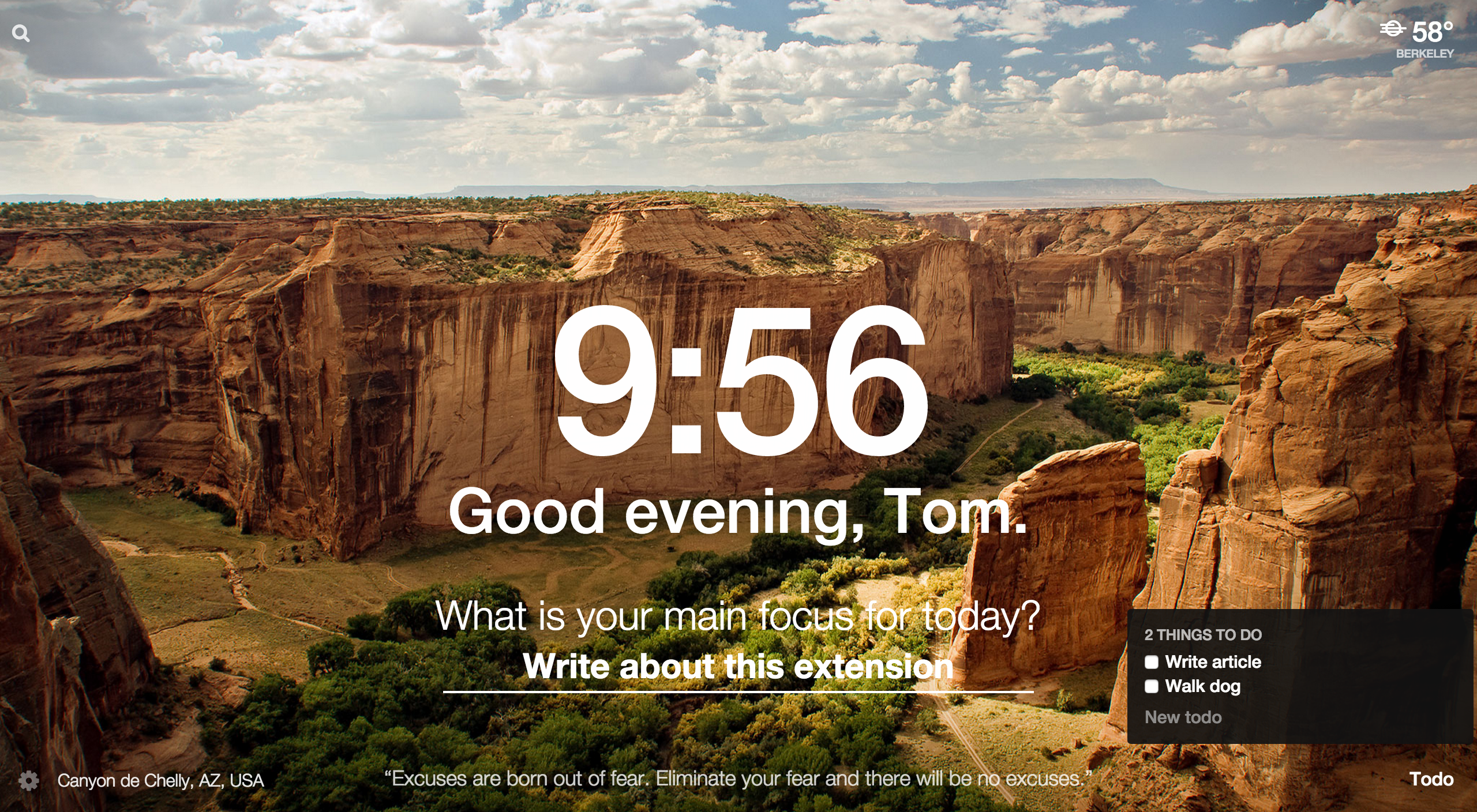
The Internet can be a double-edged sword – a window to the world’s knowledge at one end, and at the other a window to the world’s favorite cat pictures. And since on the web all sites are treated equally (save for the “deep” web, I guess) if we don’t have a strong, lasting motivation to get work done it can prove all too easy to get distracted browsing places that aren’t a valuable use of our time. While that lasting motivation must come from within, there are certain tricks and tools you can try that may just give you the boost you need to power through that next email or essay. The one I’d like to share with you today is an extension for Chrome called Momentum.
Momentum quite simply replaces the default New Tab page of Chrome with a “personal dashboard,” as the developer calls it, like the one you see above. For reference, here’s the New Tab page:
Expand
Expanding
Close

Google has been working with Adobe to improve battery life drain caused by Flash and today flipped the switch on a new Chrome feature that does exactly that. The new feature aims to detect Flash on a webpage that is actually important to the main content and “intelligently pause content” that isn’t as important. The result is to hopefully make the web experience with Flash more power efficient to improve battery life on your laptop. Here’s how it works:
Expand
Expanding
Close

Keep up with the best gear and deals on the web by signing up for the 9to5Toys Newsletter. Also, be sure to check us out on: Twitter, RSS Feed, Facebook, Google+ and Safari push notifications.

Okay, we know what you’re probably thinking – that of course he’d want Google to buy Twitter, as he’s a shareholder, and a particularly large one in Twitter, at that – and as such has a large financial interest in its success. But Chris Sacca, who has worked as the Head of Special Initiatives at Google, is a smart guy with early investments in a lot of now-successful companies including Uber, Instagram, Bitly, and many more. And he thinks that Twitter and Google would be mutually benefited if they were married together as one.
Google’s Opinion Rewards surveys are home to a variety of different types of questions, but Google+ user Hugo Seijas today received a question that was a bit puzzling. The question reads, “Do you have a Google monthly movie pass?,” even though Google offers no such thing as a monthly movie pass.
Tony Fadell, founder of Nest and current head of Google Glass, presented in March at TED2015 to share his thoughts and experience designing for Apple, Nest, and now Google. A few months after he first gave the talk, it has now been uploaded to YouTube and is open and viewable by everyone…
He doesn’t spend any time talking about Glass, unsurprisingly, but he does talk about now Google-owned Nest. He spends several minutes talking about how to notice things around you—things that have become daily pains—that have may be victim of habituation and worth finding a solution for.
It’s interesting and worth a watch:
Keep up with the best gear and deals on the web by signing up for the 9to5Toys Newsletter. Also, be sure to check us out on: Twitter, RSS Feed, Facebook, Google+ and Safari push notifications.
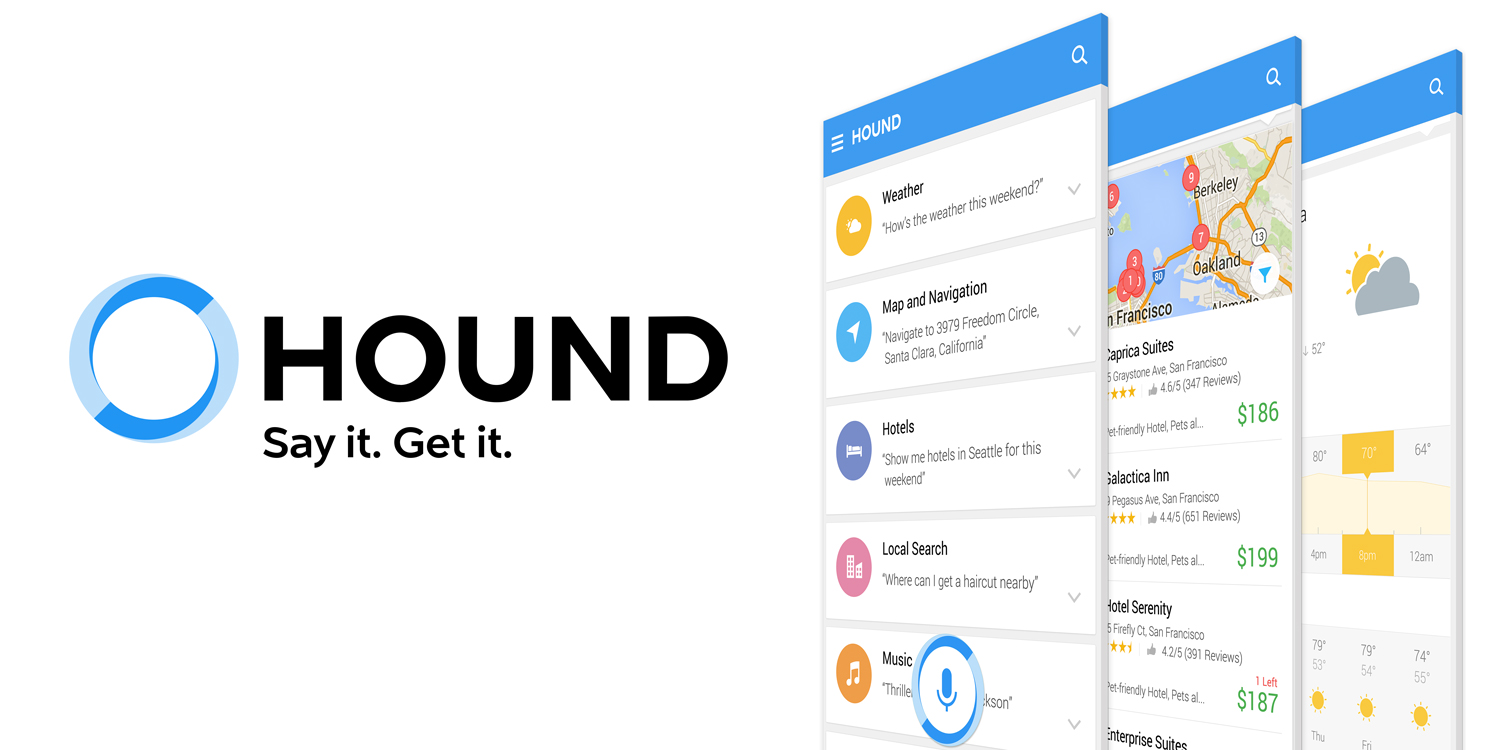
SoundHound’s first app is known as one of the best offerings when it comes to recognizing sounds. You could hum a song and the app could, fairly reliably, tell you which one you were humming. Now, the same company has released a new app, called Hound, which attempts to usurp the Google Now throne with some really impressive voice assistant technology…
Expand
Expanding
Close
Keep up with the best gear and deals on the web by signing up for the 9to5Toys Newsletter. Also, be sure to check us out on: Twitter, RSS Feed, Facebook, Google+ and Safari push notifications.

We first told you about the Blocks modular smartwatch earlier this year when we reported that the company had been in talks with Google about a potential partnership with the Ara team for cross-platofrm modules. A few months have passed since Blocks demoed their prototype at CES in January, and today they’re out to show the world the latest developments — and in just a few months, it looks like they’ve come a long way…
Expand
Expanding
Close
Google this evening has started rolling out an update to the stable channel of Chrome OS that bumps it to version 43.0.2357.81. The update brings a handful of new features that are certain to please Chrome OS users. First off, Chrome OS can now autofill credit card information from Google Wallet to browser fields that ask for such information. Other browsers, such as Safari on OS X, offer features similar to this.
More than a year ago, Google became one of the first tech companies to share data on the diversity of its workforce, and now it has released an updated version of the data. In a post on Google+, the company revealed some of the changes that it has made to improve diversity and the results of those changes. Last month, Google revealed plans to spend more than $150 million on diversity initiatives over the next year.
Keep up with the best gear and deals on the web by signing up for the 9to5Toys Newsletter. Also, be sure to check us out on: Twitter, RSS Feed, Facebook, Google+ and Safari push notifications.
Cue the “Google+ is dead” jokes, and the following “was Google+ ever alive?” remarks.
Google has today removed the link to users’ Google+ profile from the top its many web properties, most notably its front search page and Gmail web app. Previously, names appeared with a plus in front like “+Stephen” and would link to your Google+ profile. From today, it looks like Google is making the name label no longer a link, and moving the “+Stephen” Google+ link to the app drop-down menu…
Expand
Expanding
Close
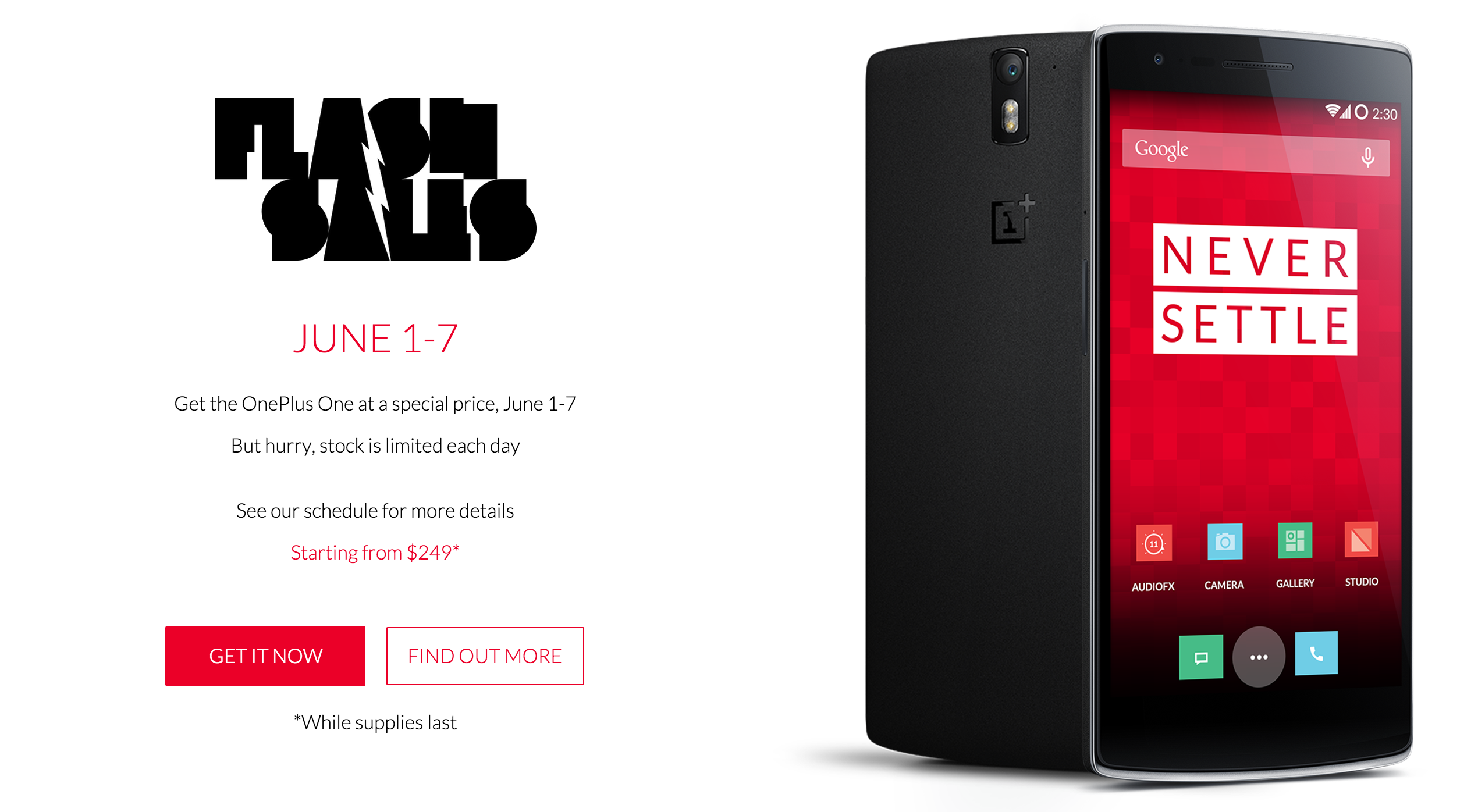
We can’t be sure whether or not this was what OnePlus meant when they said they’d “shake up the industry” on June 1st, but either way the company is holding flash sales on the OnePlus One at different times today through this Sunday, June 7th.
Here’s the full schedule of the next times the sale will go live:
June 2 – 2:00 GMT (10 pm EST -1 day)
June 3 – 12:00 GMT (8 am EST)
June 4 – 2:00 GMT (10 pm EST -1 day)
June 5 – 12:00 GMT (8 am EST)
June 6 – 2:00 GMT (10 pm EST -1 day)
June 7 – 12:00 GMT (8 am EST)
During the flash sales (devices may go fast, so you’ll have to be quick) OnePlus is offering the 16GB Silk White OnePlus One for $249 and the 64GB Sandstone Black model for $299. That’s a pretty good steal for a solid alternative to the Nexus 6, which was priced unusually higher than its Nexus predecessors.
OnePlus long ago confirmed that they were working on the OnePlus 2 and said it was slated for “sometime in 2015,” but that’s all we know about that device.
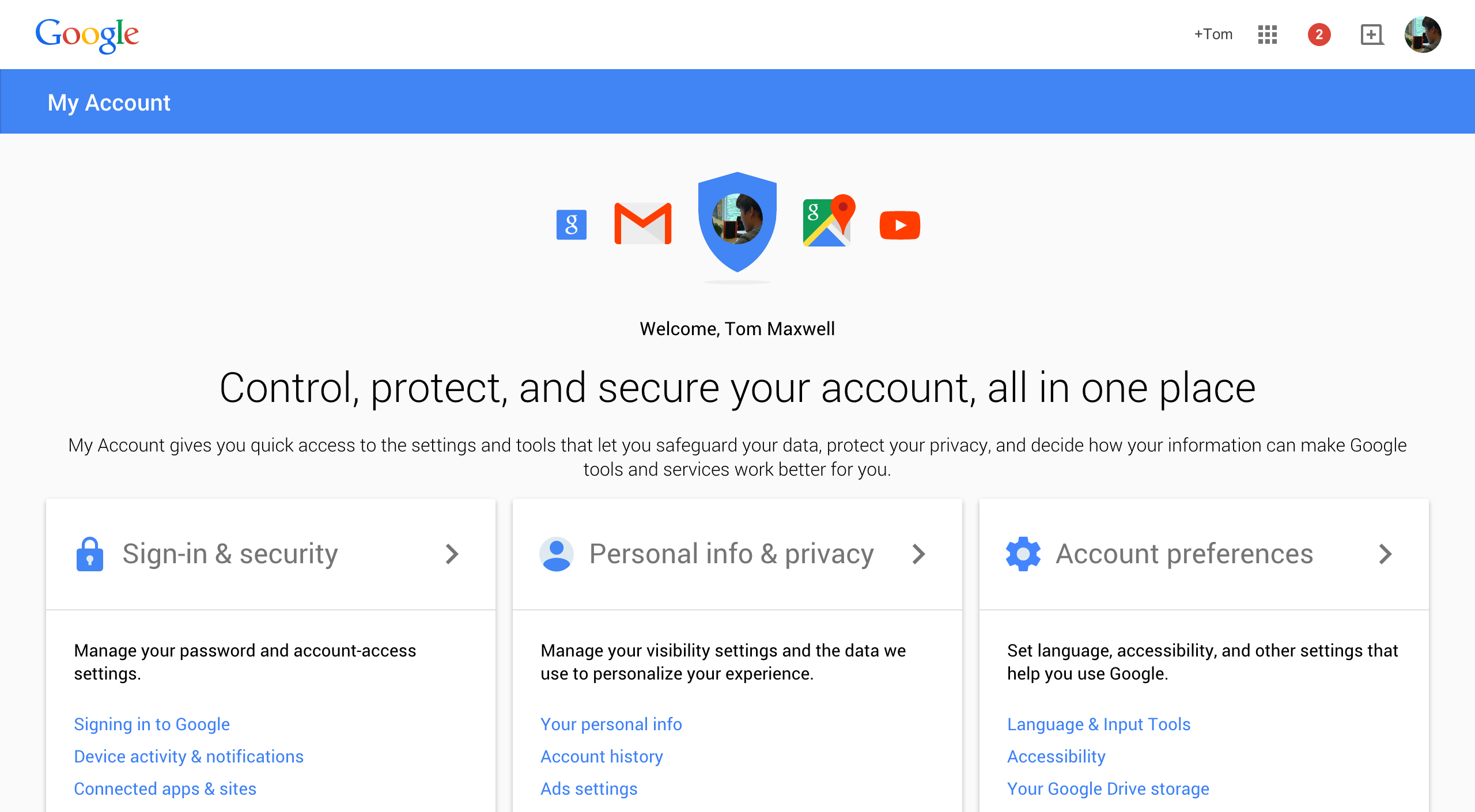
The last time we saw Google’s accounts settings page receive a fresh coat of paint was last December when the company brought it up to date with the new Material design language, and it seems they’ve gone ahead and updated it again recently.
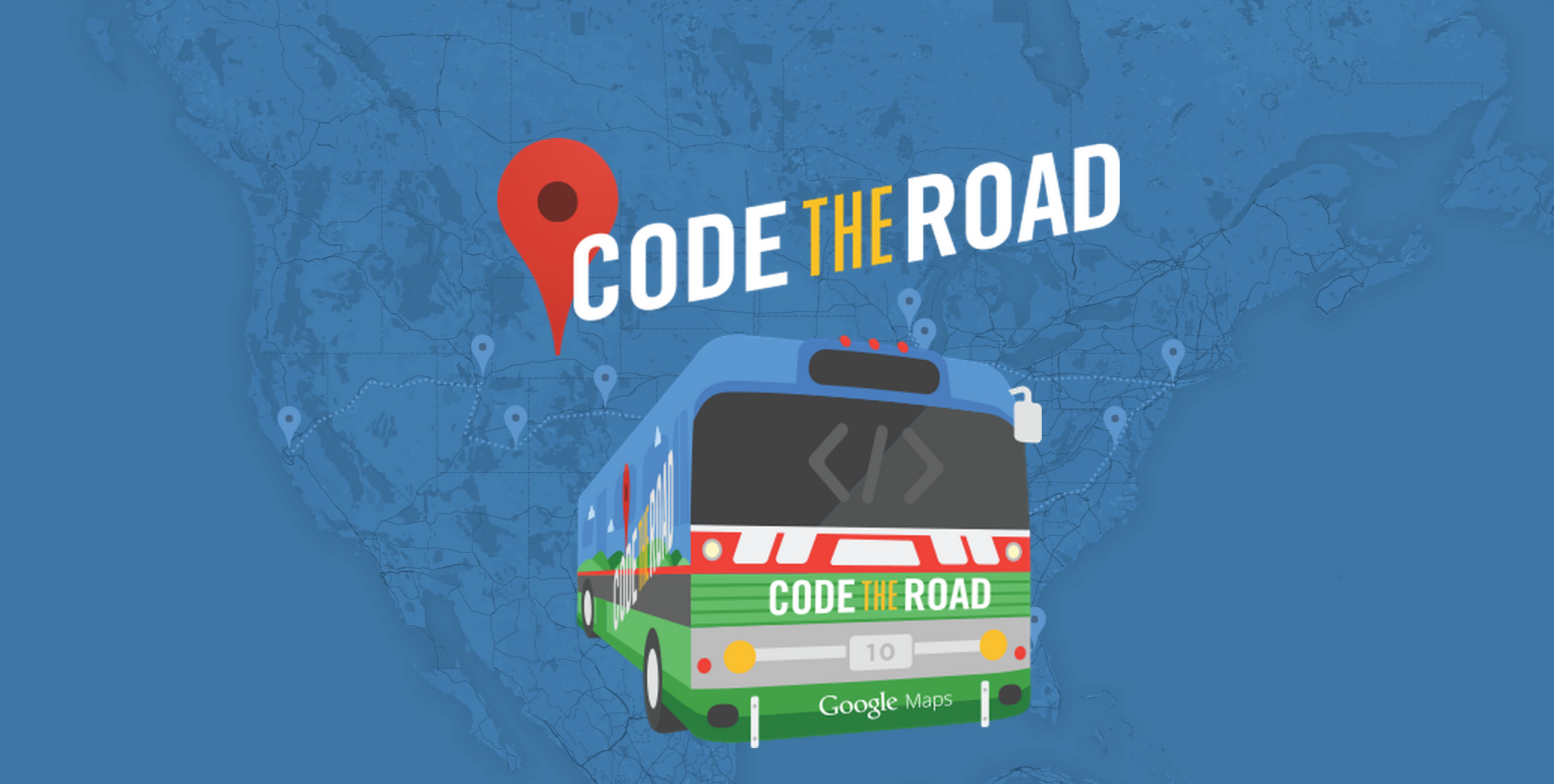
Google may have found itself in hot water recently over spam and offensive content finding its way into Google Maps, but the team behind the mapping service isn’t letting that stop them from celebrating its 10th birthday.
Starting yesterday at Google I/O and culminating in a final “celebration of coding” at Disney World on June 26th, the Maps team will be making its way across the country in a customized 1959 GM tour bus, stopping in 10 places along the way to hold developer meetups, show off apps built using the Maps API, and even make an appearance on Sesame Street. Stops will be in Utah, Colorado, Wisconsin, Illinois, New York, Virginia, Georgia and Florida.
If you’d like to check out the bus on one of its stops (anyone is welcome to), there’s a website up where you can find all the information you’ll need.

Google Photos was just announced this week, and—assuming you’re okay with Google having all of your photos on their servers—it’s a great new way to keep all of your life moments safely stored in one place. This isn’t just a redesigned mobile app. It’s a complete rethinking of how Google approaches its photo storage offerings, and it already has me convinced to just throw every picture I’ve ever taken to their cloud…
Expand
Expanding
Close
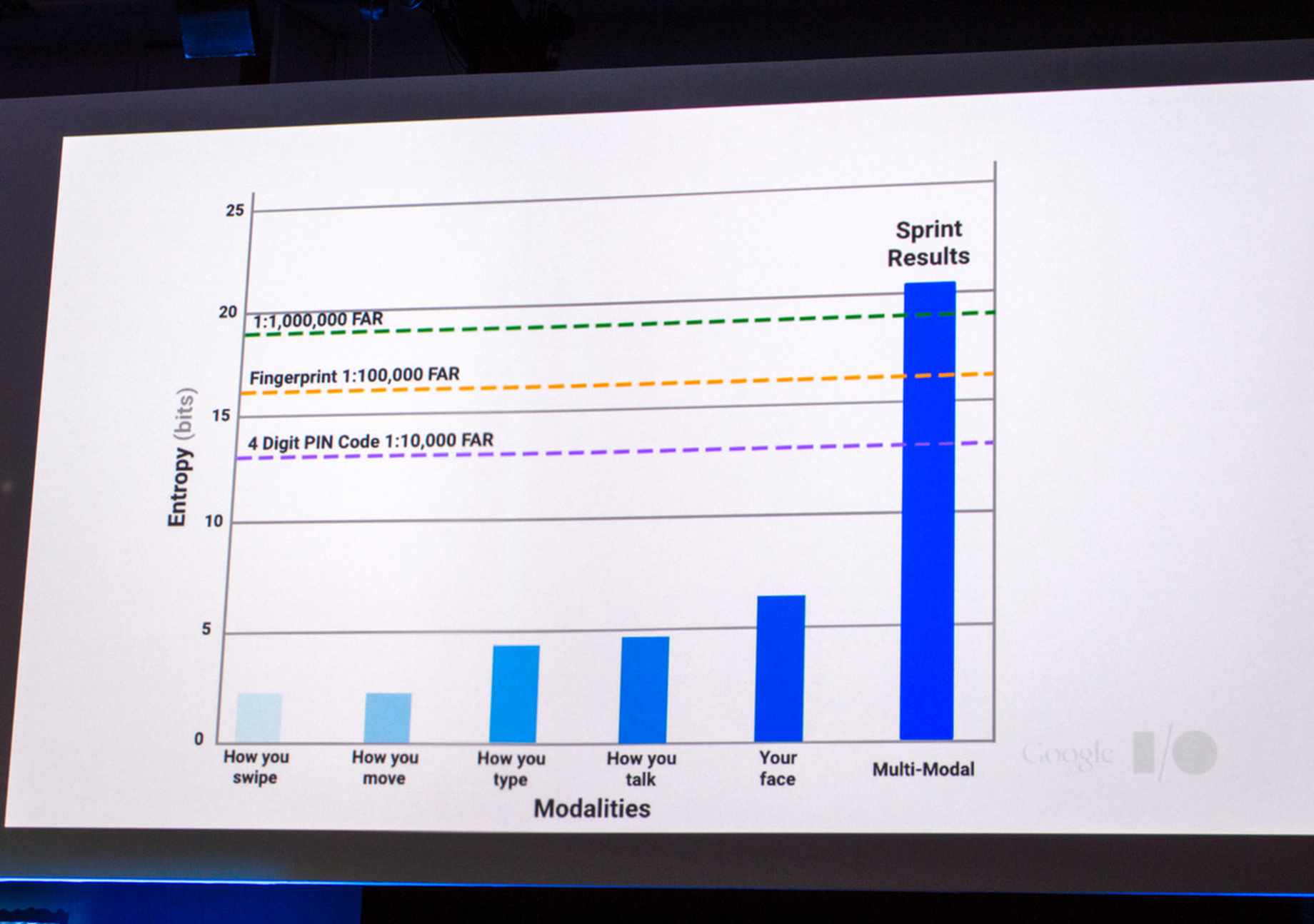
Google’s Advanced Technology and Projects (ATAP) group has been on a tear at I/O these past two days, demoing lots of new and interesting innovations that may one day hit production and make all of our lives much, much better. One of such projects is Project Abacus, which is seeking to all but eliminate the use of passwords for authentication.
Put simply, our smartphones can collect a lot of information about how we go about our day – how fast we walk, how well we type using our phone’s keyboard, how we talk – and the ATAP group thinks that using this data for authentication is 10x safer than fingerprints, and 100x safer than 4 digit PIN codes. They think that because, well, they’ve gathered lots of data on it – the company has been running trials of Project Abacus since last year in partnership with 33 universities and in total has collected 40 terabytes of data across 28 different states. They did not, however, say how much more secure they are than old-fashioned email and password combinations.
While Abacus runs in the background on your phone and collects data about you, it is constantly calculating a trust score that is basically a score of how confident it is that you are who you say you are, the owner of the phone. When you launch an app, take Netflix, if Abacus can successfully verify your identity, you’ll be logged in automatically. If it is unable to get a high trust score for you, Abacus will revert back to asking for a password. ATAP also says that different apps could theoretically require different trust scores – a banking app would most certainly want a higher trust score than that of a game.
Project Abacus doesn’t totally eliminate passwords but it’s one step closer, and makes total elimination of them a logical conclusion. And anything that will further mitigate the risk of intruders accessing my digital life is fine by me. When the world is putting this much energy into obfuscating away old-fashioned passwords (don’t forget Smart Lock Passwords) you know their time is up. A world that runs on these highly secure trust scores is on the horizon, I can feel it.

ATAP’s Project Soli and Project Jacquard are two of the more exciting announcements to come out of Google I/O, and while Soli didn’t have any impressive demos on the show floor, Google’s advanced technology and projects group had some touch-able fabric out for us to give Project Jacquard a test run. So we did, and we grabbed a quick video…
Expand
Expanding
Close

For one reason or another, roughly 4.4 billion people around the world are still without reliable, consistent access to an Internet signal. Google’s mission since its very founding has been to “organize the world’s knowledge,” but that isn’t so easy when vast amounts of information can’t even get online, which is one reason why its Project Loon balloons for spreading Internet by hot air balloons exists. The technology giant has made a lot of progress since announcing the project to the public in 2013, with recent tests seeing the balloons travel over 5,000 miles and provide hours of connectivity to locations that had otherwise never seen it before. Today Google is sharing two improvements that it has introduced to the project.
The first is that the team has created a 50-foot launcher called Autolauncher which cuts take-off time down to 15 minutes from 45 previously. The cube-shaped unit (pictured above) does this in a couple ways: it provides tall canvas sides to block winds up to 15 MPH (winds of 6 MPH or greater are prohibitive to take-off), it clamps down the balloon into place until take-off, and it provides a perch for the antenna which provides Internet so as to prevent it from swinging and setting the balloon off its trajectory.
The second improvement to Project Loon is that the balloons can now communicate with one another. Previously to beam Internet to the ground each balloon needed to be within 50 miles of the ground station of a telecommunications company that it would gain its LTE spectrum from. Now, however, the balloons can be anywhere from 250 to 500 miles from a station because balloons closer to a ground station can pass high-frequency signals between each other. This is the same idea as neighborhood mesh networks, where cheap routers can communicate with each other, share WiFi, and continue to communicate with each other even if the public Internet goes down. As a result, Google can now provide Internet to an entire region like West Africa with fewer expensive ground stations than before.
The hope now is to successfully provide a few days of continuous service at a time within its test areas (wind has proven to be a big challenge to doing this), and once it overcomes the challenges to accomplishing that it wants to roll out service to underserved markets such as Africa, Latin America, and Southeast Asia, ideally by the end of 2016.
Earlier this month, details regarding Google’s upcoming “hackable” headquarters in Mountain View emerged, suggesting that the building will be built partially by “crabots.” The crabots are a mash-up between cranes and robotic machinery and will be used extensively in designing the interior of the company’s new headquarters. The Sillicon Valley Business Journal now reports that Google has submitted plans at Mountain View City Hall for these headquarters. The translucent domed building is expected to be 595,0000-square-feet and located near the company’s existing headquarters.