This is every new feature in Android 17 [Video]


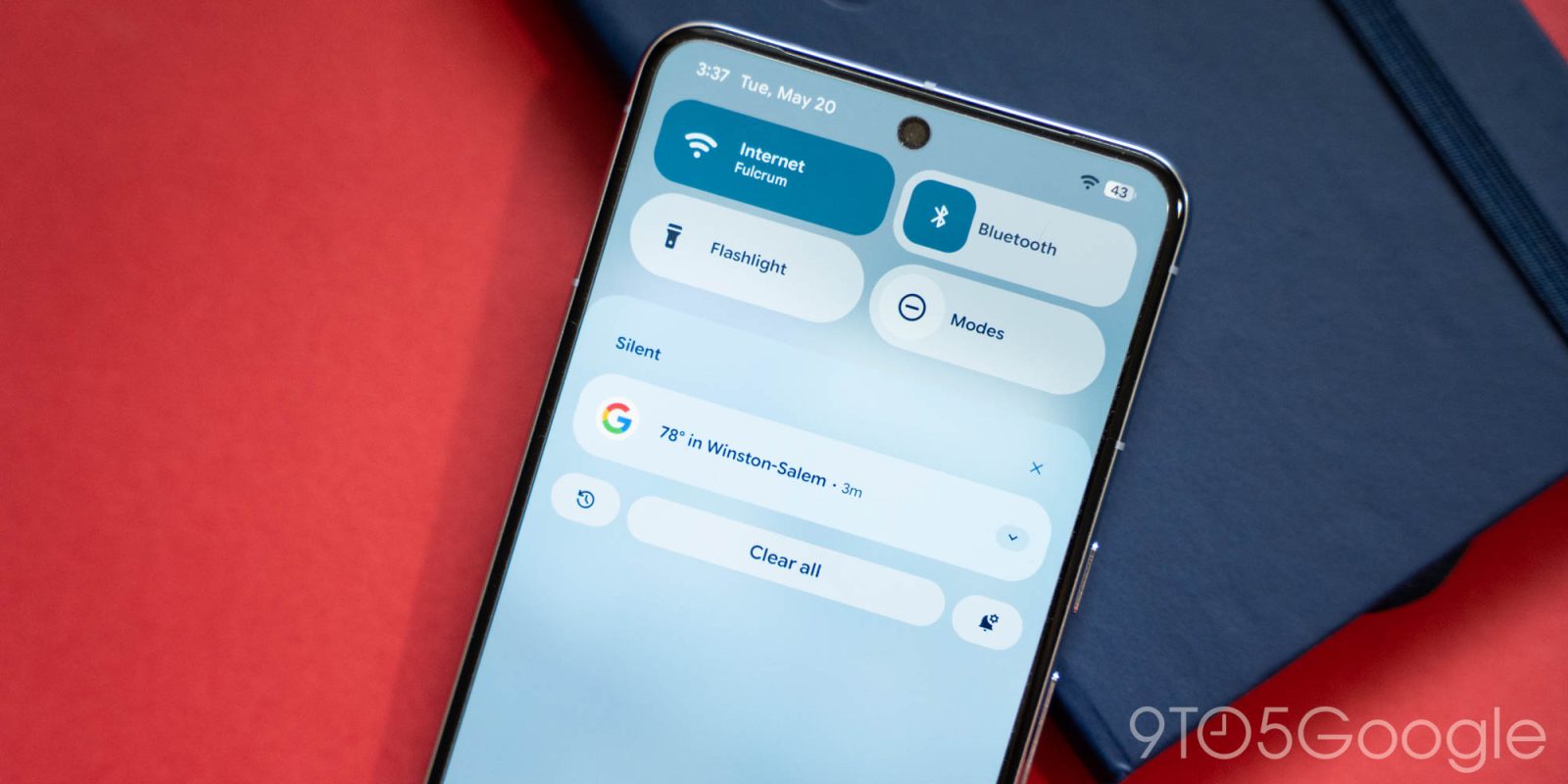
Among the many updates in Android 16 QPR1’s big redesign is a new look for notifications which includes more prominent shortcuts for settings, history, and also an updated lock screen layout too.
Expand Expanding Close

Google I/O meant a lot of changes for the Google Play Store and developers, though two small changes will mean users see more relevant information in apps and media with “Topics” and a Collections expansion.
Expand Expanding Close

At the basis of all Android 16 QPR1 design shifts, the Settings app carries the most colorful change. The new app gets new icon colors throughout, adding a little bit of life to the options haven.
Expand Expanding Close
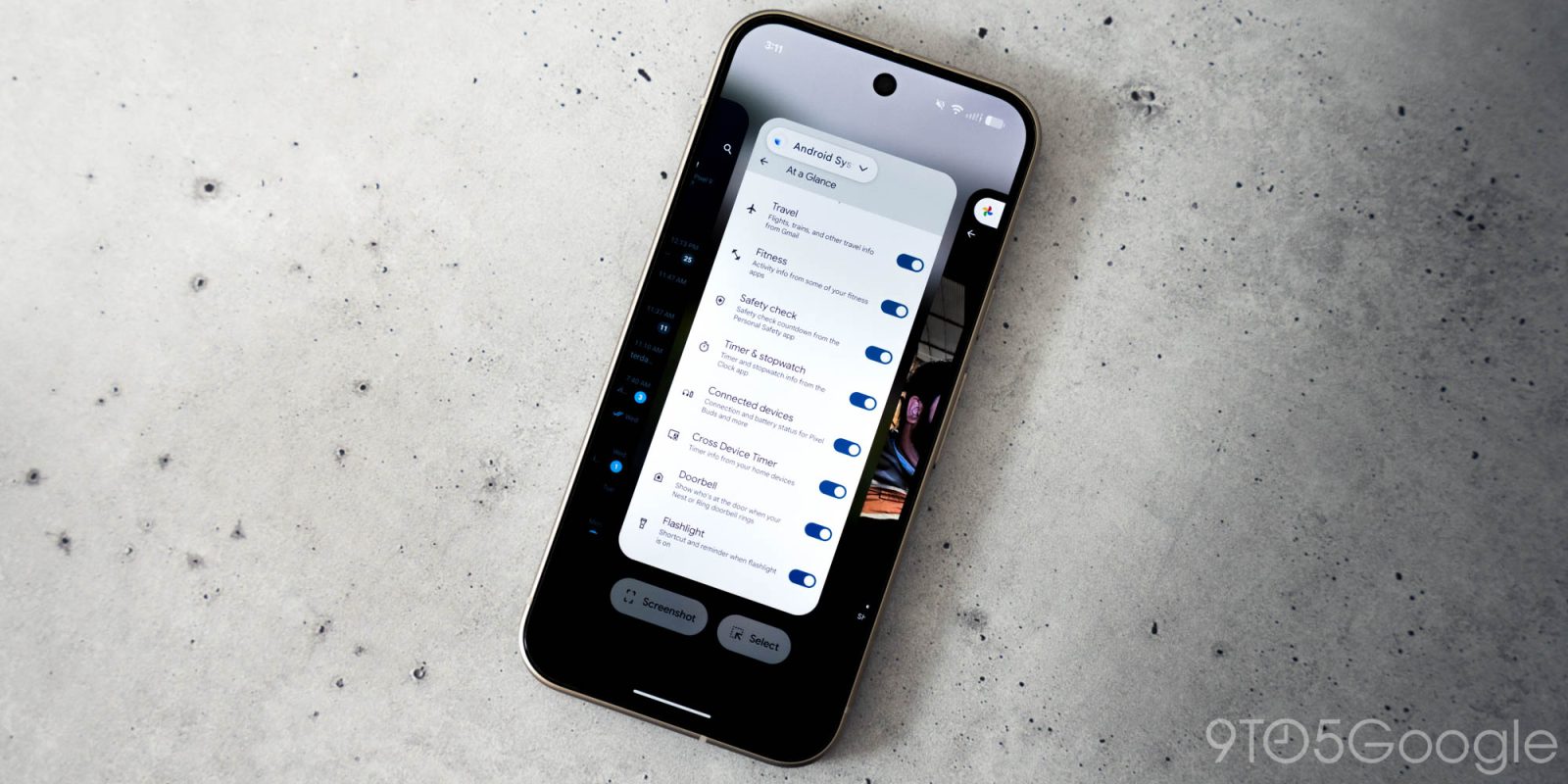
Android 16 QPR1 has launched, and the new redesign changes what the Recents menu looks like on all devices, with a new layout for larger displays and drop-down options.
Expand Expanding Close
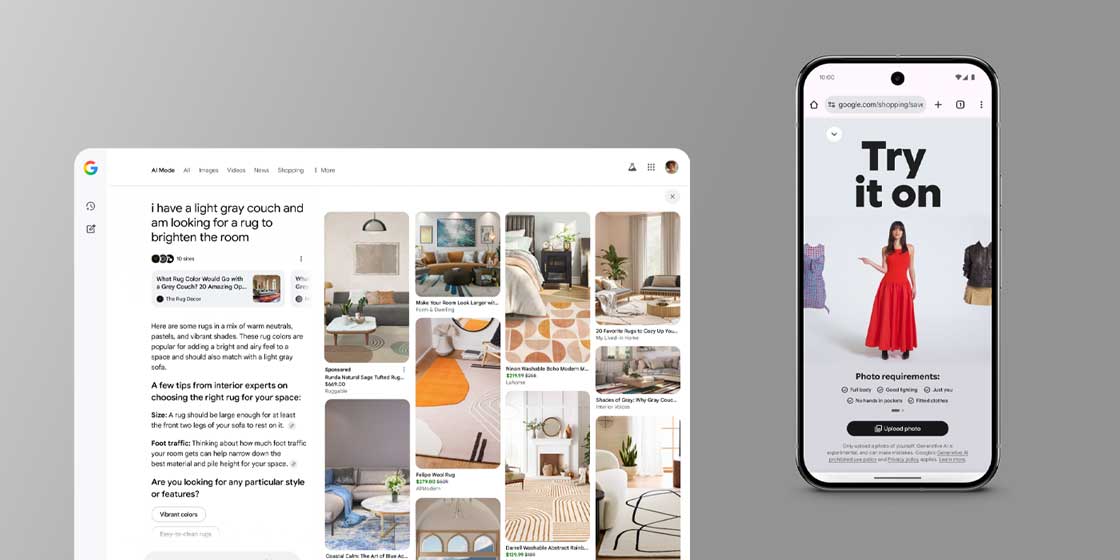
Google just announced a new AI mode for shopping with two big new features. The AI Mode will give users the option to try clothes on virtually, and if it’s a fit, the AI model will buy them for you.
Expand Expanding Close

Android 16 QPR1 launched during Google I/O 2025, and it brings some massive changes with Material 3 Expressive. The new design language completely redesigns Android 16’s lock screen customization options.
Expand Expanding Close
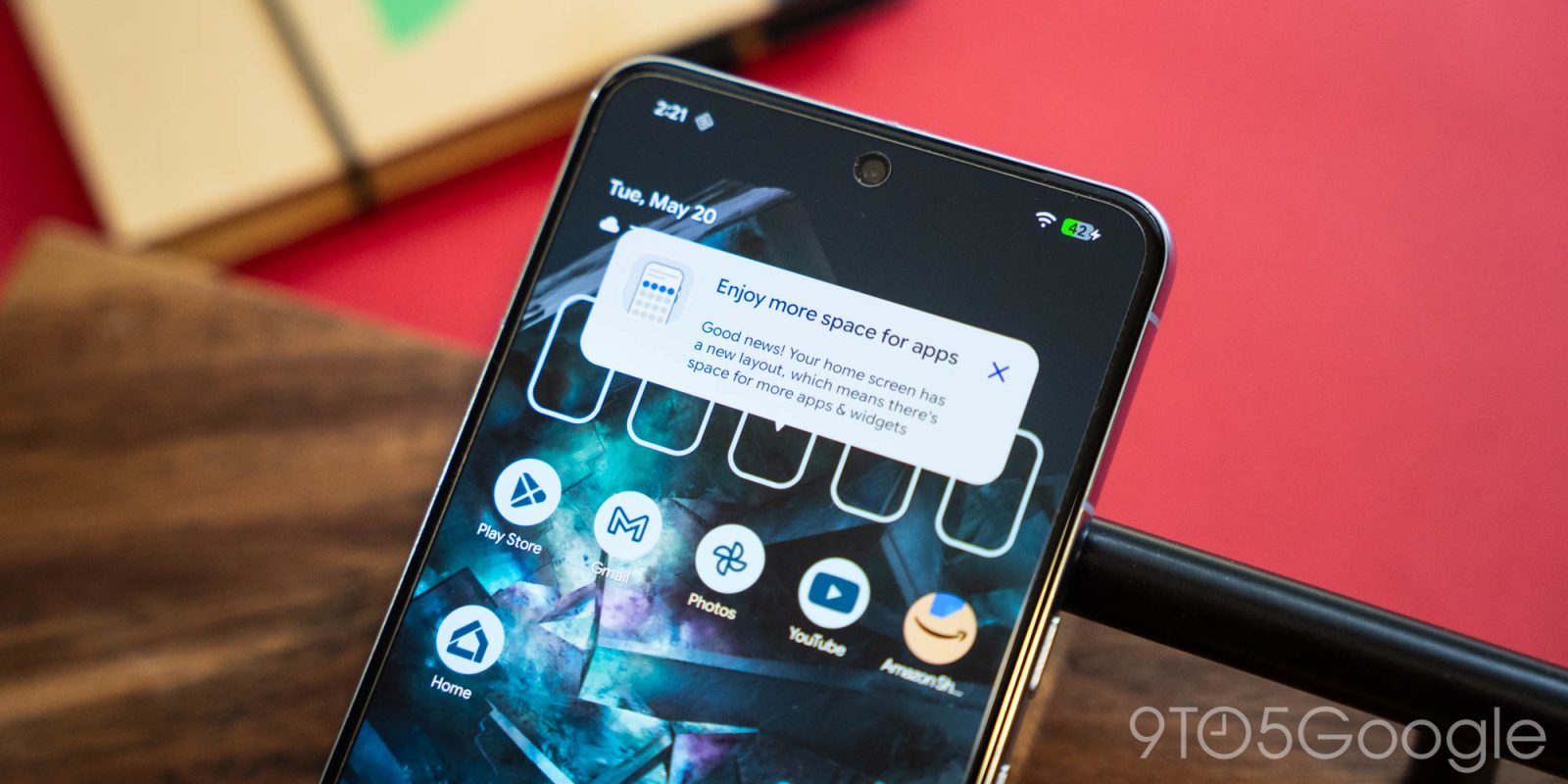
Google is finally delivering an update to the At a Glance widget on Pixel devices in Android 16 QPR1, making the widget smaller, but still not allowing it to be disabled completely.
Expand Expanding Close

At I/O 2025, Google provided a more thorough look at how you’ll use Android XR glasses in day-to-day life as work continues.
Expand Expanding Close
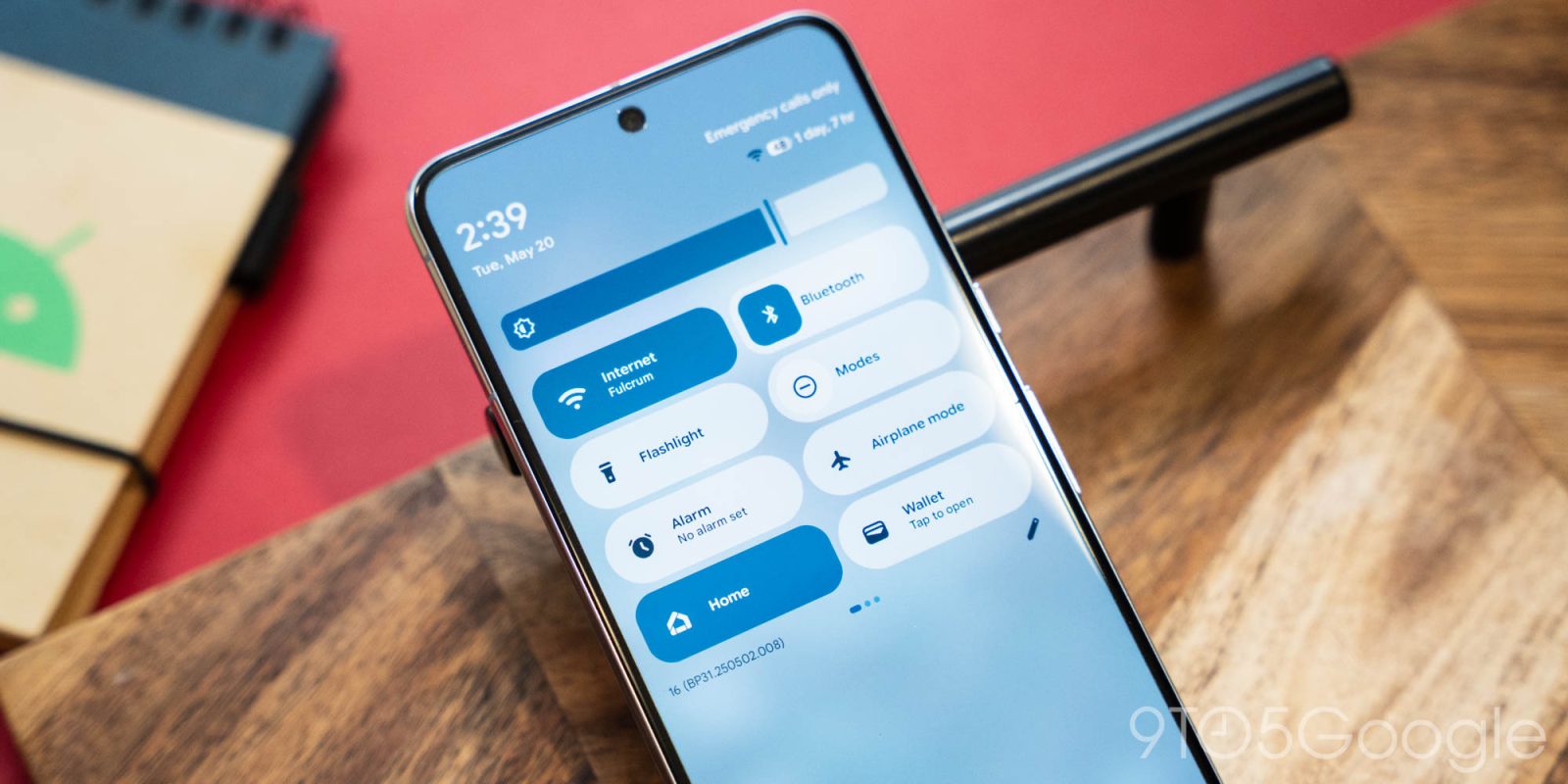
With Android 16 QPR1 Beta 1, Google is redesigning Quick Settings on Pixel with resizable tiles and a background blur.
Expand Expanding Close
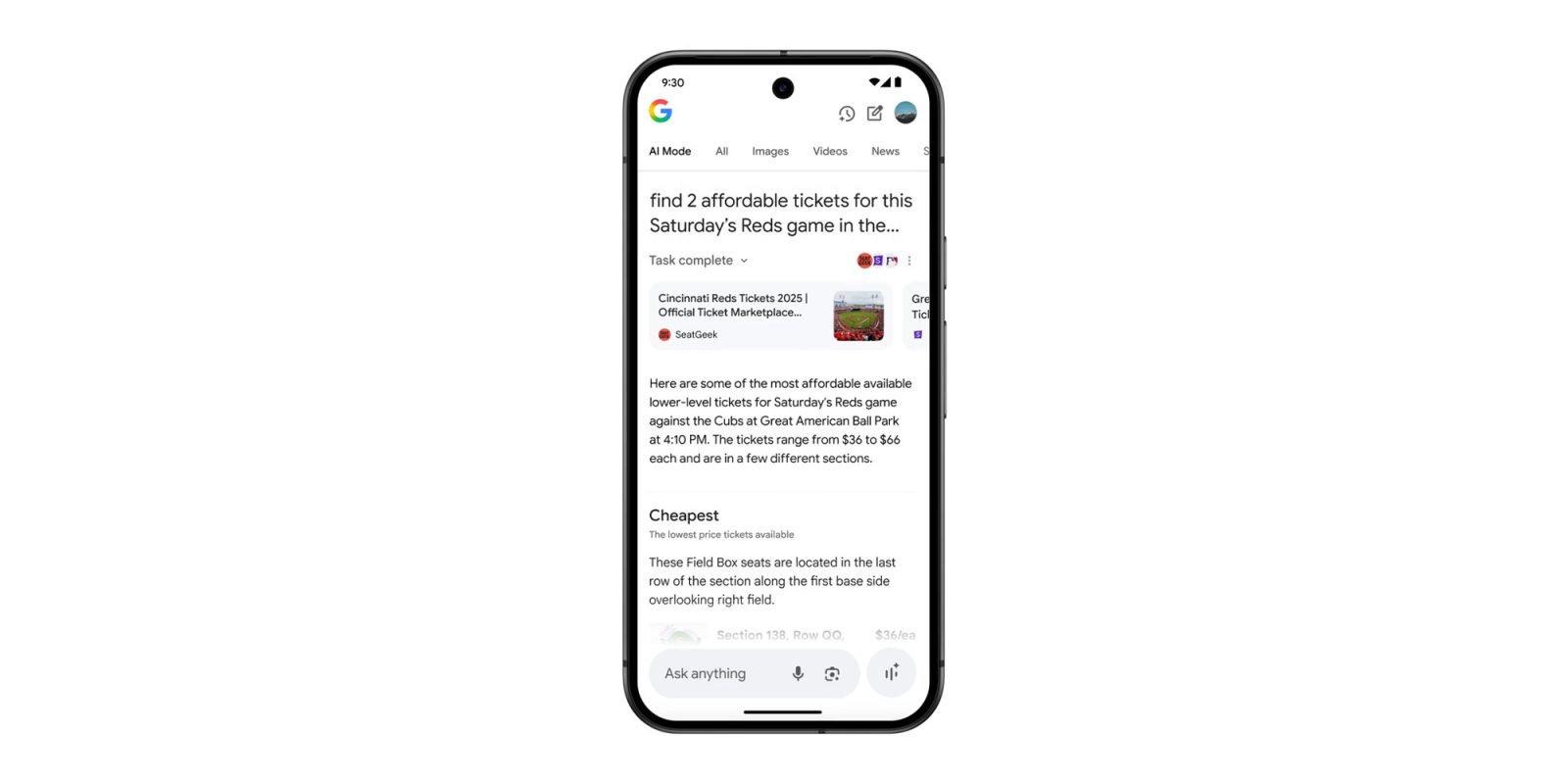
Google is teasing new features for AI Mode, including the ability for it to act as an agent of the web on your behalf, completing research in the background to save you time, and it looks pretty handy.
Expand Expanding Close
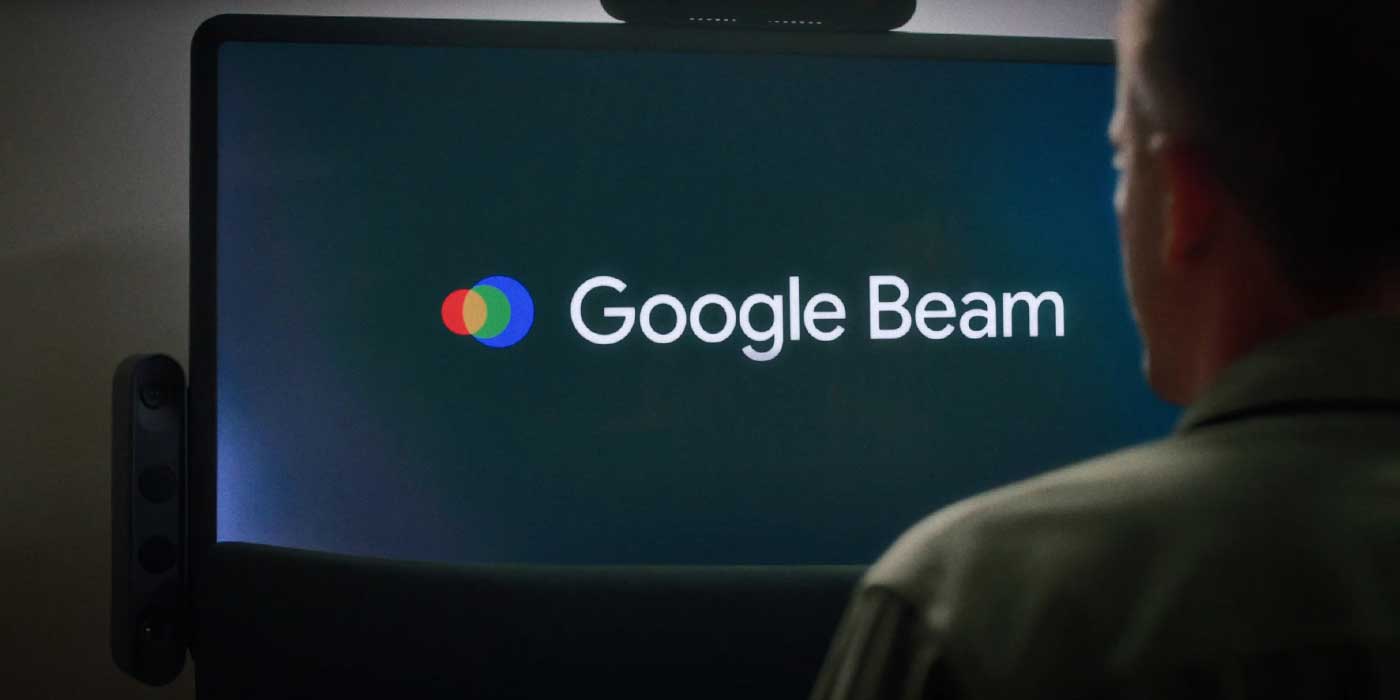
Google’s barrier-breaking Project Starline is stepping aside to make way for Google’s next phase – Google Beam. The new 3D communication platform is one step closer to becoming a real product, and will incorporate all of the tech Starline offered in addition to real-time translations using natural AI-generated language.
Expand Expanding Close
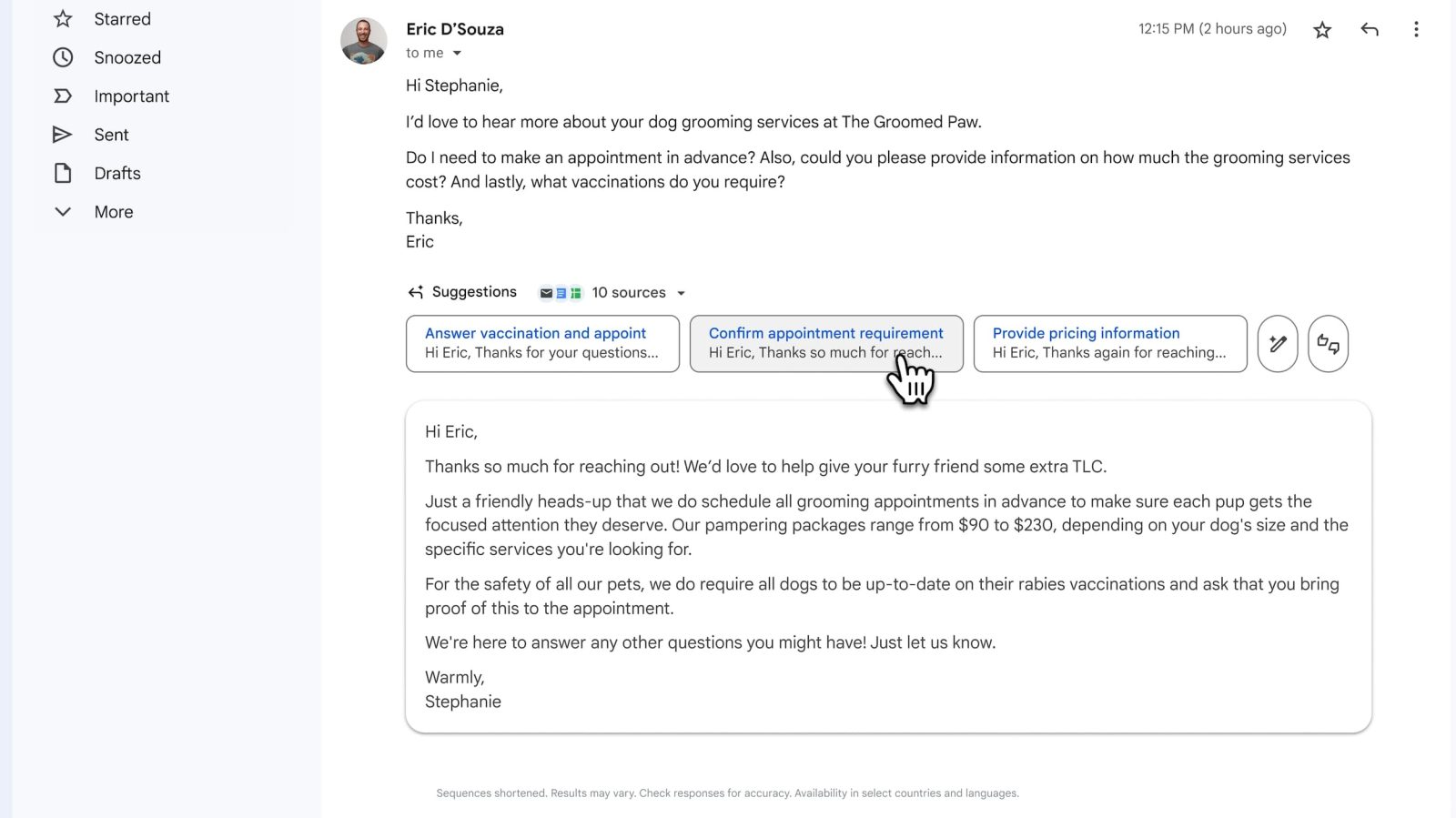
Besides Meet Speech Translation, Google announced a slew of new Workspace features at I/O 2025 across Gmail (like personalized smart replies), Docs, and Vids.
Expand Expanding Close

Google has entered the world of video editing packages with the launch of “Flow,” an AI editing suite launched at IO.
Expand Expanding Close

At I/O 2025, Google announced that Meet is getting real-time Speech Translation capability that’s like having an actual human interpreter in the call.
Expand Expanding Close

Google is bringing its new AI Mode in Search to all users in the United States, and bringing a ton of new features, including camera access, a custom version of Gemini under the hood, Gmail integration, and more.
Expand Expanding Close

As previewed in December, Project Mariner is Google DeepMind’s research prototype exploring the “future of human-agent interaction, starting with browsers.” Google AI Ultra subscribers now have access to Project Mariner, while the browser agent capabilities are coming to the Gemini app and Search.
Expand Expanding Close

Google is bringing Gemini and Gemini Live to Chrome for Mac and Windows. The initial launch lets you ask questions about a page, while future versions will be able to navigate the web and take other actions on your behalf.
Expand Expanding Close

At I/O 2025, Google announced a slew of updates for the Gemini app, including the launch of 2.5 Flash and Gemini Live camera and screen sharing for iOS.
Expand Expanding Close
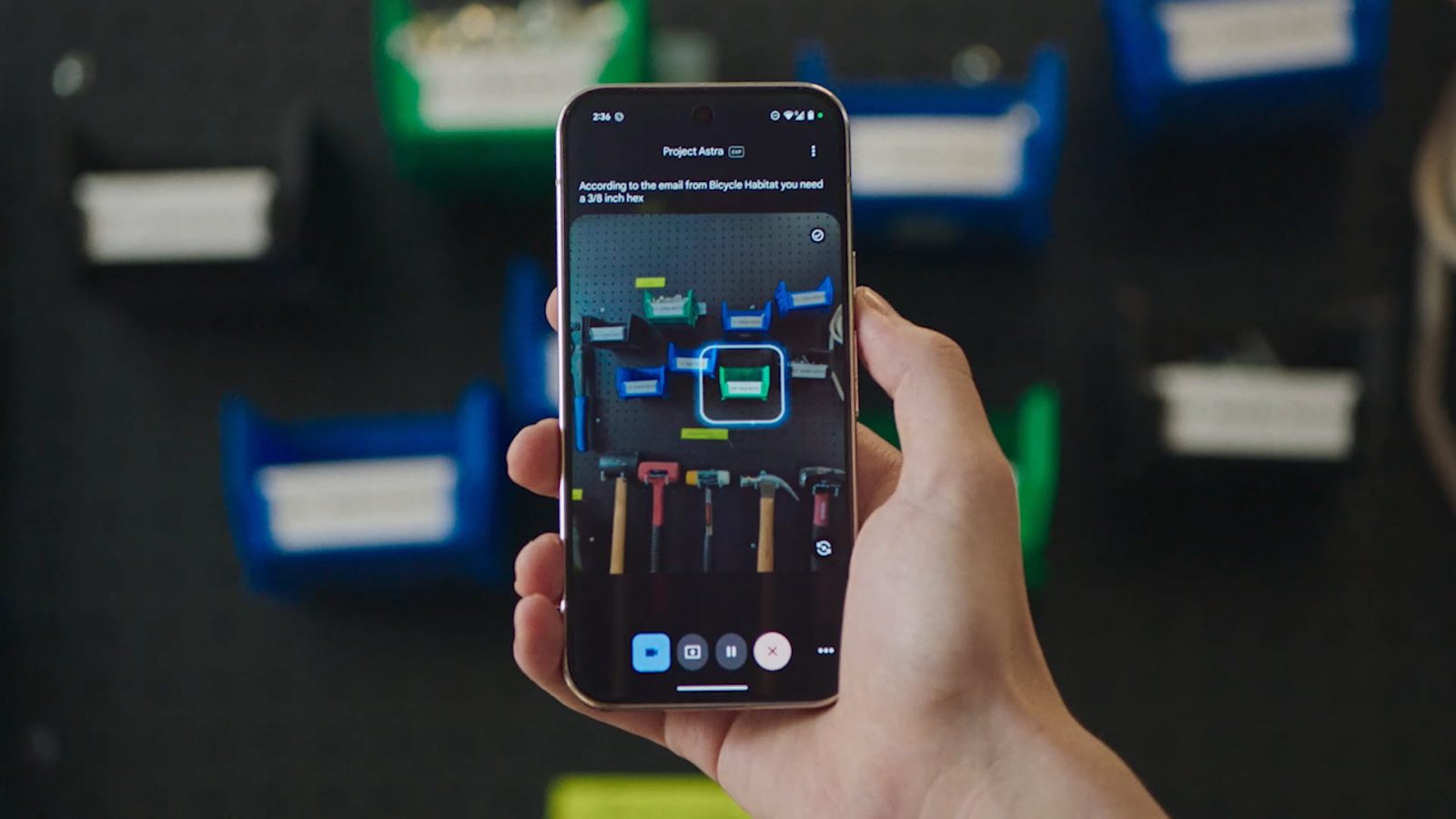
The technology powering Gemini Live’s camera and screen sharing is called Project Astra. It’s available as an Android app for trusted testers, and Google today unveiled agentic capabilities for Project Astra, including how it can control your Android phone.
Expand Expanding Close
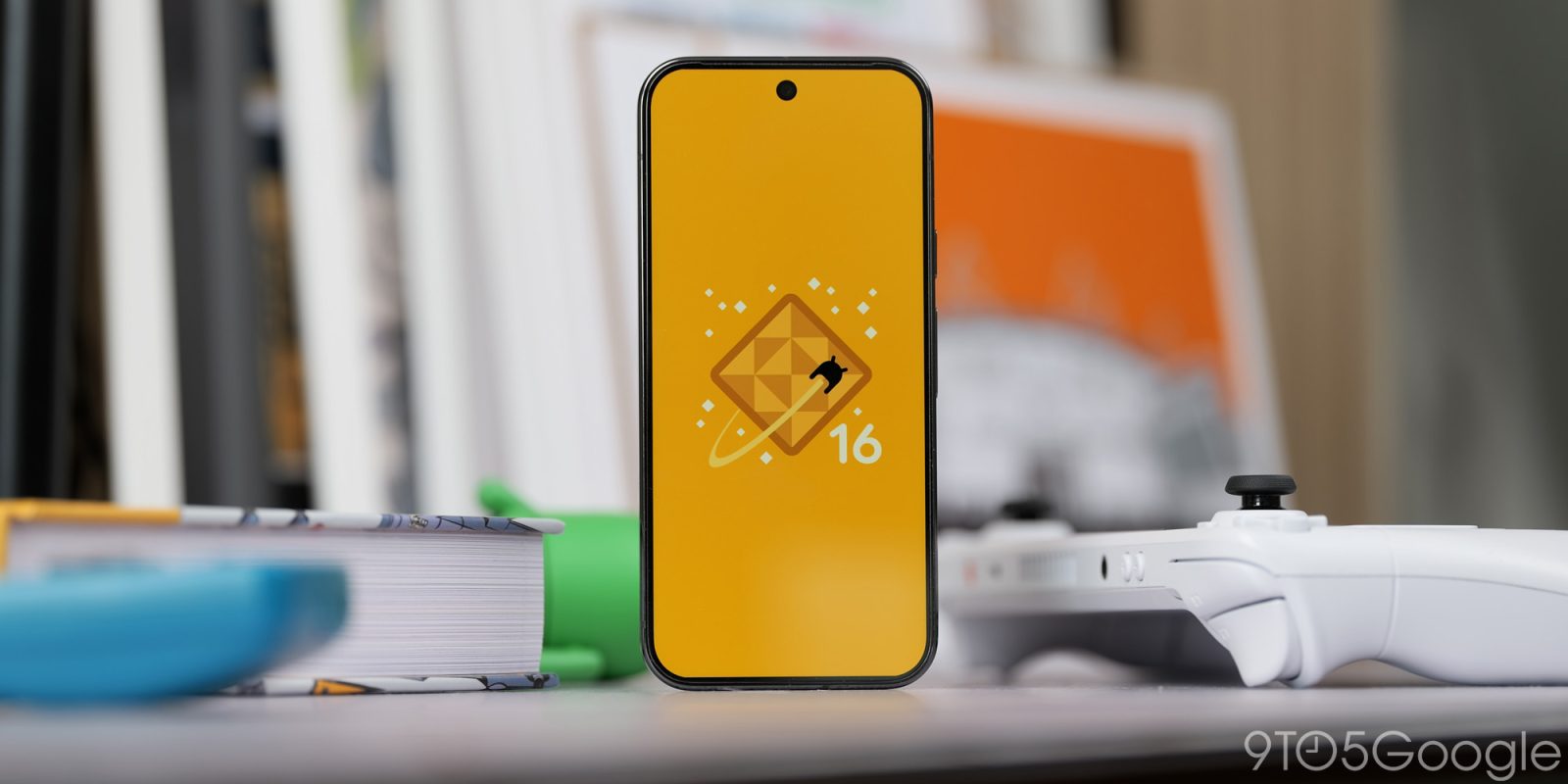
Ahead of Android 16’s stable release, Google today is rolling out QPR1 Beta 1 to Pixel devices with the Material 3 Expressive redesign.
Expand Expanding Close

To date, AI Premium is how you access the latest features from Google. At I/O 2025, that subscription tier is being renamed to “Google AI Pro,” while we’re getting “Google AI Ultra” for $249.99 per month.
Expand Expanding Close

At I/O 2025, Google announced an absolute torrent of new features, powered by Gemini and AI, across its biggest products and services that will soon be available to users. We’ve compiled all the consumer-facing announcements and notable developer developments made at the event below.

I/O 2025 kicks off today as Google’s biggest event of the year to showcase what’s new for end users and developers. Gemini and AI will undoubtedly be the big focus. Join us as we live blog the two-hour keynote.
Everything Google announced at I/O 2025: Gemini, Search, Android, and more
Expand Expanding Close

Right as it signs a deal with Qualcomm for the use of Snapdragon chips, Xiaomi has just confirmed that it will use its own XRING 01 chip in its next smartphone and tablet release.
Expand Expanding Close