Kyle Bradshaw joined 9to5Google in 2018 with a special interest in Google’s Fuchsia OS, rooted in his experience of being the first to offer a visual preview of the revolutionary design of the in-development operating system. Since then, his attention has broadened to include the secrets hidden within other areas of Google’s public codebases.
By reading the public Fuchsia code, Kyle was able to prove the existence of the Nest Mini and the Nest Hub Max months ahead of their respective announcements. With evidence from Chromium, he reported on Google’s since-canceled efforts to create an offshoot of Android designed for “touchless” feature phones.
In 2018, Kyle reported on three distinct Made by Google Chromebooks in development, the Pixel Slate, the Pixelbook Go — a full year before its release — and “Meowth,” the original version of the Pixel Slate that was canceled due to Intel’s delays that year. For ChromeOS itself, Kyle was the first to demonstrate the upcoming light theme redesign in action.
Looking at the early evidence of the Pixel 5’s specs, Kyle accurately predicted in February 2020 that the Pixel 5 might not be a traditional “flagship” phone. In 2021, he reported that Google’s next headset would be the “Pixel Buds A.”
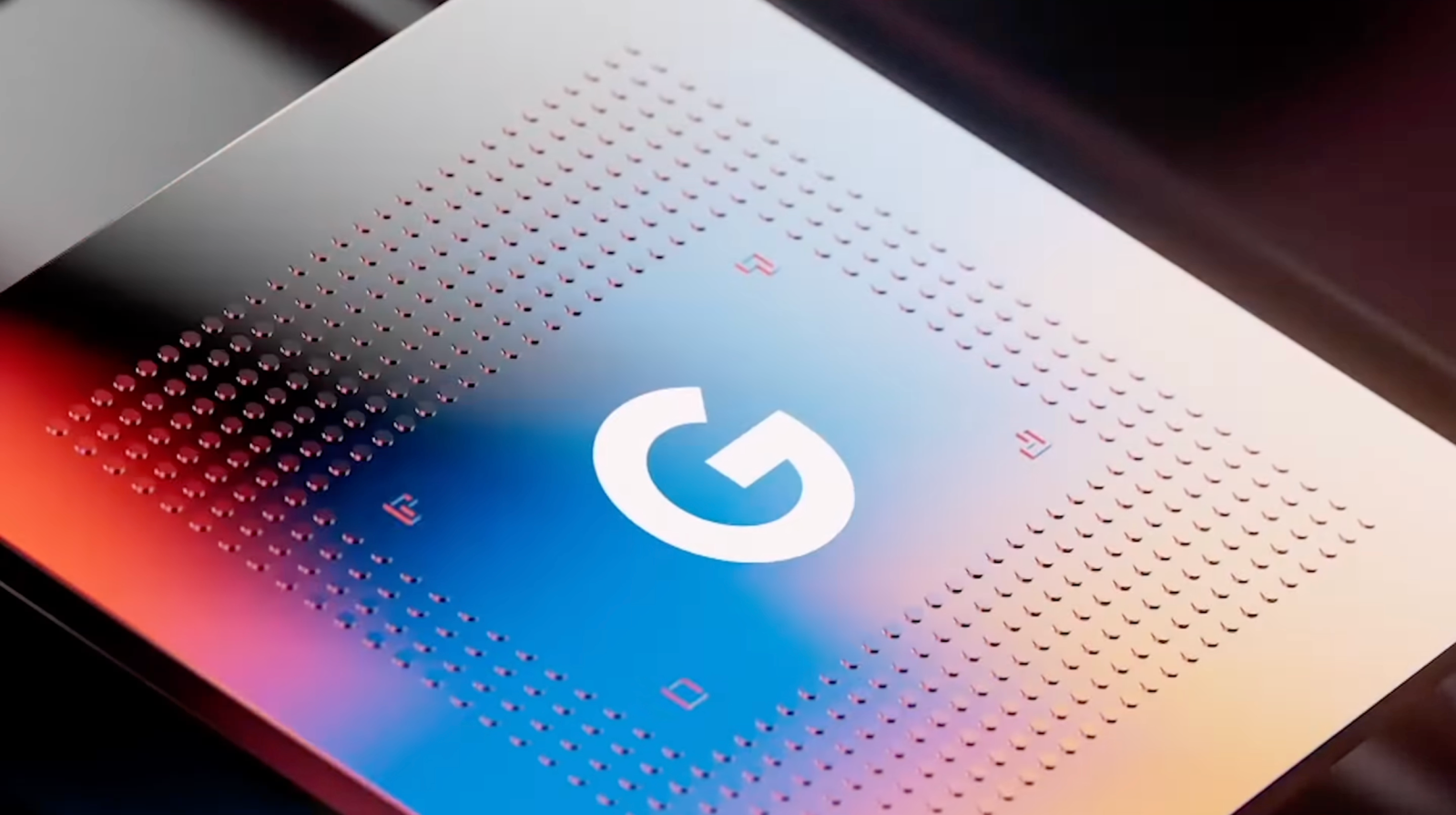
Kyle was the first to report that the Pixel 6 would mark the debut of Google’s in-house processors, later revealed to be the Tensor chips.
He can be reached for tips or just friendly chat by Threads, Mastodon, Bluesky, or email. If you’re looking for his other works or side projects, head over to Kyle’s personal portfolio.
Google’s upcoming flagship Android phones, the Pixel 6 and Pixel 6 Pro, have received approval by the Federal Communications Commission (FCC) in the United States, moving them one step closer to launch.
For over a year now, we’ve been watching with anticipation as Google develops its first foldable Pixel phone, codenamed “Passport.” Thanks to details in the upcoming Android 12.1, we’ve learned that Google has another foldable Pixel in the works, codenamed “Jumbojack.”
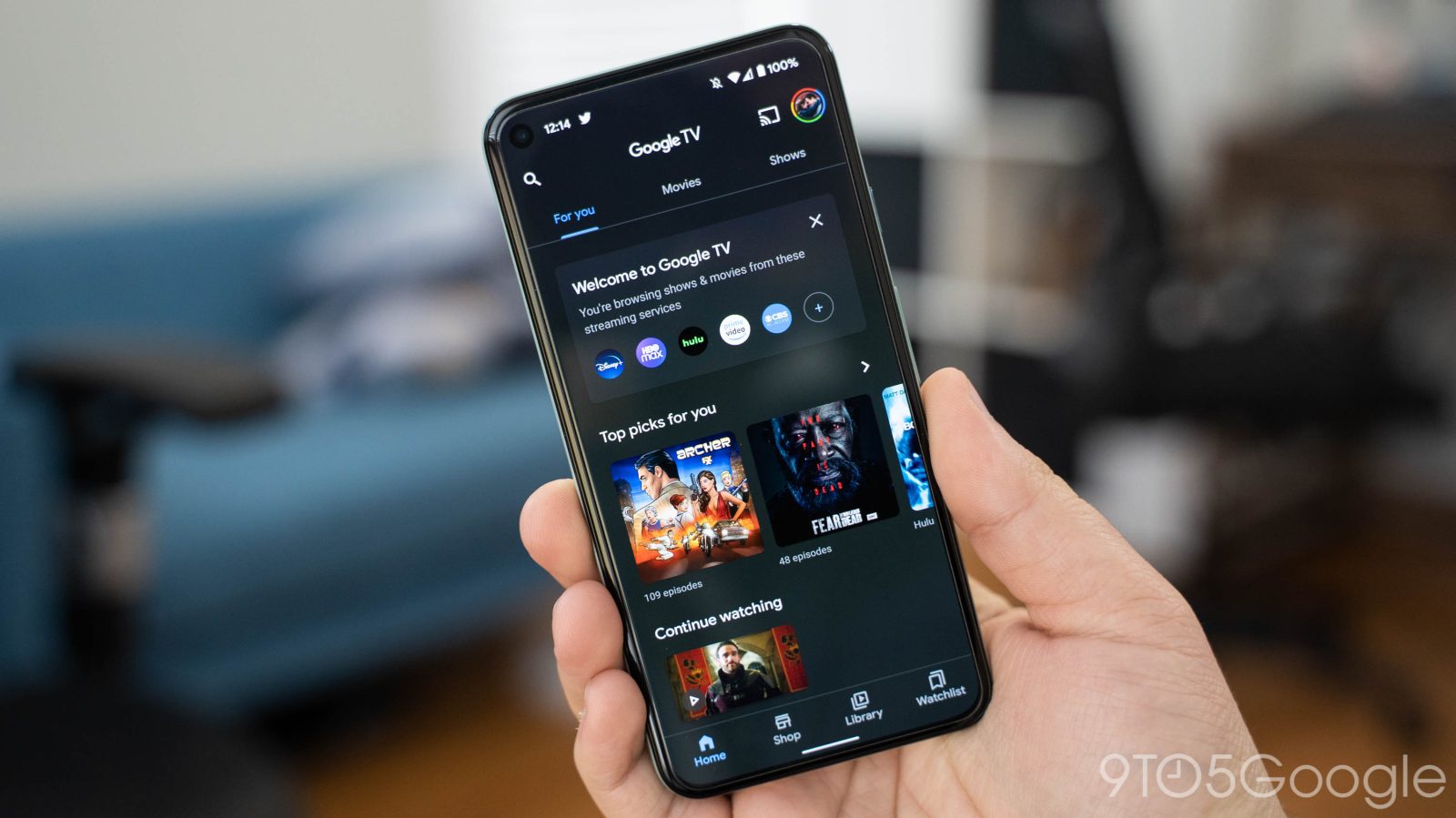
The latest update to the Google TV app, in many areas still known as Play Movies & TV, gives us our best look yet at the upcoming phone-based remote for Android TV devices.
Update: As of version 4.28, we’re now able to preview the Quick Settings tile for the Google TV app’s upcoming remote.
One of the biggest question marks about the Pixel 6 series is how its debut “Google Tensor” chip will perform compared to phones powered by Snapdragon processors. Thanks to newly shared benchmarks, we have a better idea of how the Pixel 6 Pro will perform compared to the Pixel 5 and Galaxy S21.
In honor of National Hispanic Heritage Month in the United States, Google is celebrating the life of Dr. Ildaura Murillo-Rohde, the founder of the National Association of Hispanic Nurses.
With the latest update to the Nintendo Switch, you can now pair Bluetooth headphones including Google Pixel Buds and Samsung Galaxy Buds. Here’s how to get started.
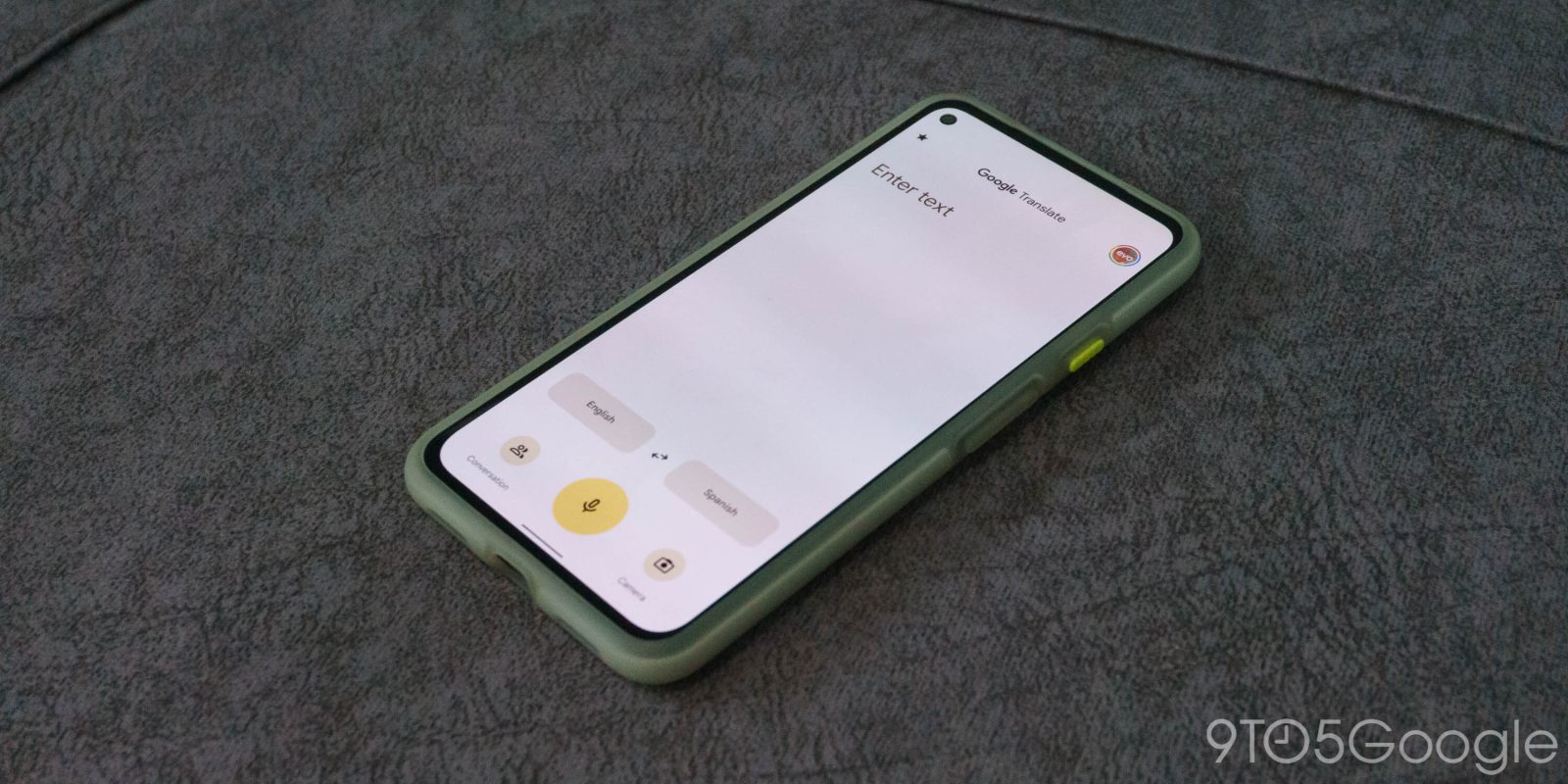
Ahead of Android 12’s launch later this year, our team has discovered that Google Translate has a Material You revamp in the works, it’s first major redesign in over five years — here’s an early look.
Breaking from the recent yearly release cadence, the next version of Android to release might be a mid-cycle bump — an “Android 12.1,” if you will — rather than Android 13.
The latest “Doodle” to grace the Google.com homepage is dedicated to Tim Bergling, the Swedish musician better known as Avicii, for what would’ve been his 32nd birthday.
Just a day after its first security update became available, Google’s latest affordable phone, the Pixel 5a, is now eligible to join the Android 12 Beta.
The latest update to Google’s Flutter SDK, version 2.5, includes better support for full-screen Android apps, Material You widgets, and more while the Dart programming language gains Apple Silicon support.
In this week’s top stories: Google sends out another wave of “Pixel Superfans” invites, Assistant readies a way to skip saying “Hey Google,” Messages rolls out a new attachments picker, and more.
Google is working with Antmicro on a “Human Presence Sensor” for upcoming Chromebooks, which could be used for face unlock or other long-awaited Chrome OS features.
In the midst of Hurricane Ida, I’ve found that RCS is not ready to be depended upon, while Google Messages has not thought out all the edge cases for the future.