Android

See All Stories

Breaking news for Android. Get the latest on apps, carriers, devices, and more!
Android is Google’s mobile operating system, launched in September 2008, although its history technically began with the release of the Android alpha in November 2007. To this day, Android powers the majority of the world’s smartphones and comes in several different flavors across many phone makers.

What is Android?

Android Inc.

Android, before it was Android, was a company called Android Inc. That company was founded in Palo Alto, California, in 2003 by a crew of four: Andy Rubin, Rich Miner, Nick Sears, and Chris White. The company and its project was acquired by Google in 2005 for a sum of more than $50 million, although the exact number is unknown. The company’s founders joined Google as part of the deal.

In its infancy, Android was an operating system built not for touch screen smartphones like the iPhone, but rather BlackBerry-like devices with physical keyboards. It’s well documented that after Apple shocked the world with the iPhone, ahead of its nearest competition by at least a couple years, Google and Android Inc. had to go back to the drawing board to build something competitive.

Adoption by third-party makers

It didn’t take long after the launch of the iPhone for various manufacturers to enter the market with their alternatives — and Google’s Android immediately became the obvious platform of choice for just about everyone except Microsoft. HTC was the first manufacturer on board, and introduced the T-Mobile G1 running Android in September 2008. Soon after, HTC, Motorola, Samsung, and carriers like Sprint and T-Mobile jumped on board to form the Open Handset Alliance.

Android makers across the world

Iconic Android handsets

There have been thousands of Android phones released since Android’s inception, but some have been more important to the platform’s history than others. There was the original T-Mobile G1, as mentioned, but there was also the HTC One Google Play Edition, Moto G, Samsung Galaxy S4, and others. Some of the most iconic Android handsets include:

  • HTC G1
  • HTC Nexus One
  • Samsung Galaxy S, S2, S3, S4, and their successors
  • HTC Incredible S
  • Samsung Nexus S
  • Samsung Galaxy Nexus
  • Samsung Galaxy Note
  • Nokia 8
  • BlackBerry KeyOne
  • Google Pixel and its successors

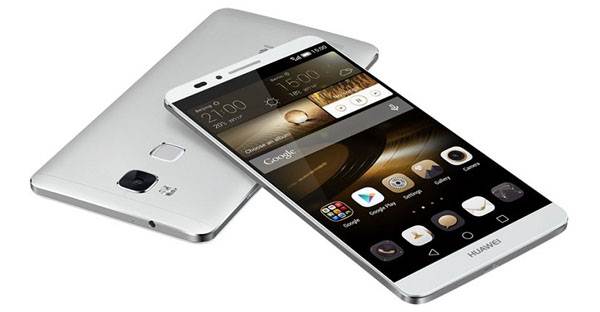
In more modern times, there are several Android smartphones makers that popped up across various niches and in several international markets. Huawei is a dominant Android maker in China and many European markets, while Samsung is by far the most popular maker in the United States by far — effectively creating a duopoly with Apple. Today, there are dozens of major device makers contributing to the Android ecosystem.

Full list of Android OEMs

History of major Android versions

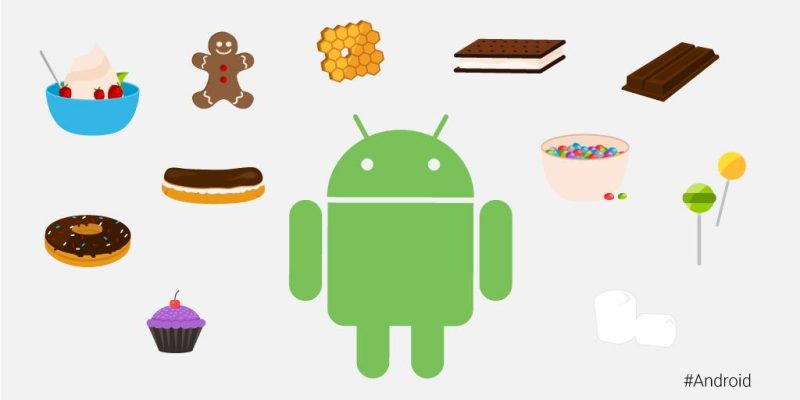
Android has seen countless software revisions over the course of its life, but in modern times the OS usually sees a major release on an annual cadence. In the earlier days, Google famously gave its major software releases dessert-themed codenames, but retired that practice in 2019 with the release of Android 10.

VersionNameReleaseDevices
2.3GingerbreadFebruary 9, 2011Nexus S
4.0Ice Cream SandwichOctober 19, 2011Galaxy Nexus
4.1Jelly BeanJuly 9, 2012Nexus 7
4.2Jelly BeanNovember 13, 2012Nexus 4, 10
4.3Jelly BeanJuly 24, 2013Nexus 7 (2013)
4.4KitKatOctober 31, 2013Nexus 5
5.0LollipopNovember 3, 2014Nexus 6, 9
5.1LollipopMarch 9, 2015Android One
6.0MarshmallowOctober 5, 2015Nexus 5X, 6P
7.0NougatAugust 22, 2016Nexus 5X, 6P
7.1NougatOctober 4, 2016Pixel, Pixel XL
8.0OreoAugust 21, 2017Pixel, Pixel XL
8.1OreoDecember 5, 2017Pixel, Pixel XL
9PieAugust 6, 2018Pixel 2, Pixel 2 XL
1010September 3, 2019Pixel 3, 3a
1111September 8, 2020Pixel 4

List of major Android OS platforms

While Android proper is certainly the most widespread of Google’s Android operating systems, the company has also launched many offshoots of the main OS over the years. There’s Android Auto, Android Wear (now Wear OS), Android TV (now rebranded to Google TV), as well as versions of Android built for tablets and Android Things (now defunct).

Samsung Galaxy Note 5 and S6 Edge+ leaked in new photos

Samsung’s Galaxy Note 5 and S6 Edge+ have been shown off in a bunch of new photographs. Early leaks and rumors pointed to both devices taking on design cues from the smaller Galaxy S6 and S6 Edge. For the most part, that’s what we seem to have in the leaked pics.

What’s interesting to note (pun not-intended) is that — although it has a S6-esque metal frame — the Note 5 still retains the style and shape of the Galaxy note series. Corners are much squarer than the Galaxy S series phones. In fact, from the front, it looks virtually identical to the Galaxy Note 4. The only real difference is the placement of sensors and front facing camera on the top. The two sensors near the earpiece have swapped over to the left side, while the camera is much further from the corner that it is on the current model.

As for the S6 Edge+, that just looks like a big version of the S6 Edge. Corners are much more rounded than the Note, and it has the iconic curved display edges on both sides. Like the current S6 and S6 Edge, it also seems to have a reflective, pearlescent finish.

Both the Galaxy Note 5 and Galaxy S6 Edge+ are widely expected to launch at an event in August. If most recent rumors are to be believed, the event will take place in New York City on August 13th with a retail launch in the following weeks.

Gameplay recording platform Kamcord brings live game streams to mobile apps

Site default logo image

Kamcord, a popular platform that lets game developers add gameplay recording features to their mobile apps, is today taking its first step into live streaming. The move is a notable one as competitors such as live game streaming service Twitch, now owned by Amazon, move into the mobile space and live streaming apps like Periscope and Meerkat begin to gain traction among users.
Expand
Expanding
Close

Moto G (2015) Moto Maker customization options revealed

We read rumors a while back that Motorola would be adding this year’s upcoming Moto G to its popular Moto Maker customization service. Like the Moto X, you’ll be able to order the Moto G with your choice of front or back color, as well as various metallic accent hues.

Thanks to a recent leak that made its way to Reddit, we now have a better idea of all the options available. First, you’ll be able to choose either white or black on the front housing. There will be a total of ten rear housing colors to choose from, including cherry, cabernet, blue, raspberry, turquoise, black, gold yellow, white, lime and navy. Metallic accent options will also include ten colors. These will presumably be on the front speaker/earpiece, and metal camera housing on the back.

Unlike the Moto X, there doesn’t seem to be an option to add a luxury material like wood or leather. However, it does appear that we’ll get a choice between an 8GB or 16GB model. The latter will also have 2GB RAM. There’s also going to be five FlipShell cases, costing just under $20 and a number of wallpapers to have pre-loaded on the home screen. You can see the leak in all it’s glory below:

The entire Motorola lineup is expected to get something of a design refresh this year. Although the general shape and look of the phones will largely be the same, the camera and Moto ‘dimple’ housing on the back will be changed. While the design between the Moto G and Moto X is likely going to be similar, as it usually is, this will be the first time that both have been available on Moto Maker.

Although we can’t take any leaks or rumors as being concrete evidence, there’s perhaps enough here to start piecing together what Motorola might announce at its event on July 28.

Xiaomi partners with Uber to deliver smartphones “within minutes” to Singapore, Malaysia buyers

While Amazon is experimenting with shipping products by drone and offering two-hour deliveries, Xiaomi is taking a novel approach to delivering its own wares in Singapore and Malaysia. In partnership with Uber, the company will now let customers order their brand new Mi Note smartphone, and have it delivered within a few minutes.

Xiaomi’s chief, Hugo Barra announced the partnership on his Facebook page just a short while ago.

“Ordering a Mi Note follows the exact same process as calling for an Uber — you simply open the Uber app, use the slider at the bottom to select “Xiaomi” (which shows Xiaomi-orange colored Uber cars on the map equipped to deliver the new smartphone), and hit request. Payment will be charged directly to the credit card tied to your Uber account and a Mi Note will be delivered to you within a few minutes.”

It’s hard to think of anything more convenient than being able to place an order for a smartphone with a few taps of your finger, and have it land on your doorstep in the same hour.

OnePlus co-founder Carl Pei has no degree, lives in AirBnB homes and “wants to change the world”

There’s no getting away from OnePlus‘ effect on the market. From the very beginning it planned to be disruptive and offer consumers what they really wanted: A flagship phone at a low price. Despite controversies and frustrations over its marketing and invite-based purchases, OnePlus has gone on to sell over 1.3 million units of its first smartphone. That may not seem like much in a market where companies sell millions of phones. But this is just one phone, made by one small company that most consumers still haven’t heard of.


Expand
Expanding
Close

Pebble Time gets backlight, font, and vibration settings, updated Android app

Pebble has announced today an update to the firmware of the company’s smartwatch, bringing several features that the community has oft-requested. Most notably, the new firmware brings settings for adjusting font size, backlight, and vibration. Pebble also released an updated version of the Pebble Time’s Android app counterpart, bumping it to version 3.2.0, which brings a new search bar, preserved notification preferences, and other minor changes…
Expand
Expanding
Close

New leaked images likely show the upcoming 2015 Moto X in the flesh [Gallery]

Update: We now have a really attractive new render showing the device in white and gold, too…

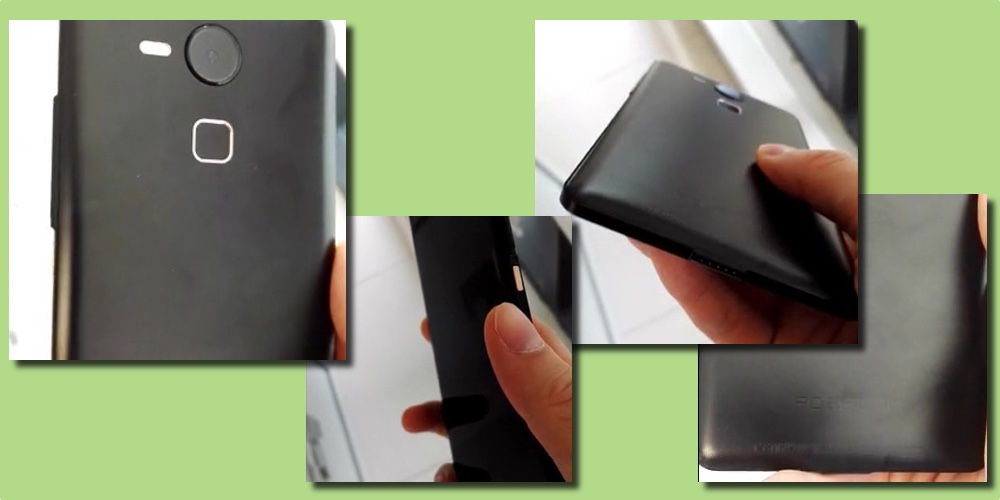
Motorola has not had any success keeping its handsets a secret this year. We’ve seen half a dozen leaks of the company’s upcoming 2015 Moto G, and now — thanks to Android Peru on Facebook — we have yet another look at a device that purports to be the company’s upcoming Moto X. Previous leaks have been very sketchy, but these appear to be as legit as it gets. In fact, we had our hands on a prototype Nexus 6 last year, and it had identifying barcodes and labels almost identical to the ones seen in these pictures…
Expand
Expanding
Close

Qualcomm to make $1.4 billion in cuts, restructure board after disappointing year

Qualcomm, the company behind the all-conquering Snapdragon processors, said today that it will cut $1.4 billion in costs and restructure its board after being pressured by an activist investor to make changes. The move could see the chip-maker cut thousands of jobs as it seeks to streamline its operations. Qualcomm’s revenue is significantly lower than it was 12 months ago, and its chip business isn’t the powerhouse it used to be.


Expand
Expanding
Close

Site default logo image

9to5Toys Lunch Break: MEElectronics headphones $35, Jabra SOLEMATE $60, Sony SmartWatch 3 $148, more

Keep up with the best gear and deals on the web by signing up for the 9to5Toys Newsletter. Also, be sure to check us out on: TwitterRSS FeedFacebookGoogle+ and Safari push notifications.

Today’s can’t miss deals:

Amazon Gold Box – MEElectronics Air Fi Runaway Bluetooth Headphones in multiple colors: $35 Prime shipped (Reg. $60)

Beats by Dr. Dre Studio Wireless On-Ear Headphones in Titanium: $209 shipped (Orig. $380)


Jabra SOLEMATE Wireless Portable Bluetooth Speaker in black $60 shipped (Reg. $90+), more

Bluetooth speakers: Urge Basics Soundbrick $18 shipped, Liger waterproof shower speaker $10 shipped, more

Sony Mobile Sony SmartWatch 3 SWR50: $148 shipped (Reg. $160+) | Amazon

Refurbished Acer White 11.6″ CB3-111-C8UB Chromebook: $130 shipped (Reg. $140)

LG ChromeBase 22-Inch All-in-One Cloud Desktop: $284 shipped (Reg. $325) | Amazon

Acer’s LiquidLeap+ wearable now available: $80 (Reg. $100)

Review: Bang & Olufsen Beolit 15 Bluetooth speaker

Review: DODOcase Apple Watch Charging Stand

Review: SanDisk Connect Wireless Stick

Giveaway: Grain Audio OEHP.01 Over-Ear Headphones are an ideal daily set of cans, $199 value

More new gear from today:

VIZIO 43-inch 4K 120Hz Smart LED UHDTV: $500 shipped (Reg. $600)

More deals still alive:

ASUS ZenWatch now just $130 from the Google Store (Reg. $200)

New products & more:

Cusby adapters work like LEGO to let you build a custom USB-C hub

Chrome 44 for iOS brings beacon-powered Physical Web closer to reality, new gestures

The Physical Web is an open source web specification from Google released last year with the aim to make interacting with smart devices in the real world as easy as clicking a link, just as we do on the web. Now with the company having released its Eddystone beacon technology and APIs for making this communication between devices in the same proximity easier, it’s integrating Physical Web directly into Chrome for iOS.


Expand
Expanding
Close

Site default logo image

Four new budget Android devices now available from T-Mobile online & in-stores

Grand Prime

As previously announced, T-Mobile today is releasing a handful of new mid-range smartphones today. Hot on the heels of unveiling its new Advanced Messaging platform, the carrier also confirmed that five new Android devices are coming. Those devices are: the Samsung Galaxy Grand Prime, the Kyocera Hyrdro WAVE, the Alcatel Onetouch Pixi 7 tablet, the HTC Desire 626s, and the Samsung Galaxy Core Prime.


Expand
Expanding
Close

Amazon Shopping v5.7 for Android brings ability to sign up with a phone number

As more and more Internet usage shifts towards mobile, particularly to smartphones, app developers are recognizing the phone number as an ideal identifier for new users. Snapchat, WhatsApp, Facebook Messenger are just three examples of hugely popular apps which support signing up using your phone number in lieu of an email address, and which can also use the contact list to build up a network of connections within their apps. Now Amazon is jumping into the fold.

In the newest version of Amazon Shopping for Android, the company’s main mobile experience through which customers can purchase items and track orders, the onboarding flow for new customers has been updated to support signing up using just a name, phone number, and password. New customers who’d prefer to use an email address can click “Use your email instead.” The update hasn’t fully propagated in the Play Store just yet, but can be downloaded right now through APKMirror (click here). For that to work you need to visit Settings > Security on your device and toggle on “Unknown sources.”

This shift to phone number-based identification for apps makes total sense. Phone numbers are a native feature on smartphones – I like to call them an “atomic unit.” SMS and phone calls work right out of the box, whereas with email you have to launch an email app and then sign up and/or authenticate with a third-party provider, just to begin receiving messages. At the very least, by allowing onboarding with phone numbers, app developers make the onboarding process much faster, tremendously reducing the friction and bounce rate (users who download an app but leave before signing up). That’s what Amazon has done here.

Android Lollipop 5.1 for Sony Xperia Z3 and Z2 now rolling out

Sony confirmed in a blog post that its Android 5.1 update for the Xperia Z3 and Xperia Z2 device family is rolling out now. Devices including the Xperia Z3, Z3 Compact, Z3 Tablet Compact, Xperia Z2, and Z2 Tablet are part of this current wave of software releases.

As always, if you have a carrier device you may have to wait a few weeks or months for your network operator to give its approval to the software. If you have the unlocked model, however, you could see the update any day now. Be sure to keep checking for updates in your settings menu if you haven’t already received a notification to download the OTA.

Included in the Android 5.1 Lollipop update are the following new features:

  • Increased customisation options – so you have even more control over the way volume, silent modes and your alerts function
  • Brand new LinkedIn integration – be more productive with intuitive contact synchronisation in your Calendar
  • Camera improvements – with faster, more accurate Superior Auto Mode focus for great images, regardless of conditions
  • Enhanced enterprise support – with our latest Xperia in Business features for work
  • SmartWear integration – selfie snapping made that bit easier, with SmartWatch 3 as a remote shutter button

Older Xperia products will be getting the update “over the coming weeks”, according to Sony. Devices like the Z1, Z1 Compact and Xperia Z Ultra will be first in line before the T2 Ultra, Xperia C3 and original Xperia Z are updated a little while later.

Site default logo image

Huawei smartphone shipments up 39% year-on-year, to 48.2M in first half of 2015

Huawei shared some of its financial results on Monday, showing a strong first half of 2015, and it has now shared one additional key piece of data: smartphone sales. Huawei told Reuters that it had shipped 48.2M smartphones globally in the first half of the year, up 39% year-on-year.

Our usual caution should be noted: shipments does not necessarily indicate sales. There’s no telling what percentage of those devices are sitting on warehouse shelves or in retail stores. But assuming there is some reasonable correlation between the two, it does lend weight to the earlier suggestion that the company is on-track for its target of 100M sales by the end of the year, as sales should increase significantly during the holiday season.

Huawei has had a rather troubled history in the U.S. thanks to unproven allegations of involvement in state-sponsored spying, exiting the country in 2013 (bar white-label products for other brands) before returning in 2014 with the Ascend Mate2.

Report: Samsung Galaxy Note 5 to get August 13 unveiling in New York City


For some time now it’s been predicted that Samsung will skip the noise of IFA in September and choose to launch the Galaxy Note 5 in August. We had heard previously that Sammy was planning an event for its flagship phablet on August 12th. Business Korea, however, stepped in this morning with its own information claiming the Note 5 is being launched just a little later than that.

According to the publication’s sources, Samsung will host an unveiling event in New York City on August 13, during which it will announce both the Galaxy Note 5 and Galaxy S6 Edge Plus.


Expand
Expanding
Close

YouTube updates Android app to address Vertical Video Syndrome

Site default logo image

[youtube=https://www.youtube.com/watch?v=Bt9zSfinwFA]

Update: Google has now officially announced the update, bringing three new tabs on top of vertical video support.

We all have friends who’ve done it: fail to recognize that shooting video is different from taking a photo, and end up shooting vertical video. YouTube has for some time tried to lessen their embarrassment with a pseudo horizontal view, but the latest update to the Android app takes things a stage further by acting like they didn’t do anything dumb in the first place … 
Expand
Expanding
Close

OnePlus 2 revealed in TENAA images, shows physical “home” button and more

The OnePlus 2 looks to have been outed by the Chinese certification body, TENAA. These images appear to show front, back and side profiles of the next-generation OnePlus smartphone, which looks like it’ll include a physical home button similar to the Samsung Galaxy S6 – presumably where the built-in fingerprint sensor will be housed … 
Expand
Expanding
Close

Maps for Android updated w/ “Your timeline” feature to track your location history, more

Site default logo image

Google today has started rolling out an update to its Maps application on Android that brings about several new features and changes. Most notably, version 9.12 of the app adds a new interface called “Your timeline.” On this screen, which is accessible via the slide-out navigation drawer, you can see all of the places to which you’ve been, in a comprehensive timeline-like interface.


Expand
Expanding
Close

Google acquires Pixate, makes its mobile app prototyping app free

Pixate has been acquired by Google, according to an announcement on Pixate’s blog. The company, which made software for prototyping and designing mobile applications, has also decided to make Pixate Studio completely free — and is reducing the cost of its Pixate cloud service.

Here’s the full announcement from Pixate:

Today, I am very proud to announce that Pixate has joined Google’s design team.

Pixate was started three years ago with the goal to make designing and prototyping native mobile applications easy and more accessible. Our early adopters helped guide us along the path of making tools and services that best fit the needs of designers struggling to turn their ideas into reality. Today, we have companies of all sizes, from single-person startups to global corporations, using Pixate to bring their app ideas to life.

We don’t want to stop there. Our small team at Pixate has some really big ideas, and with the help of Google we’ll be able to bring those ideas to the design community at scale. We’ve become an essential part of the workflow for tens of thousands of designers, and are excited about expanding our mission at Google to reach millions of product teams worldwide.

Starting today we’re making Pixate Studio free and dramatically reducing the cost of the Pixate cloud service. You can read all about that in our FAQ. I sincerely want to thank all of you for your invaluable feedback and the endlessly inspiring prototypes you’ve created with Pixate. The landscape of design tooling is changing rapidly, and Pixate is committed to staying at the forefront.

9to5Toys Lunch Break: Sony SmartWatch 3 $148, Acer 11-inch Chromebook $130, ASUS ZenWatch $130, more

Keep up with the best gear and deals on the web by signing up for the 9to5Toys Newsletter. Also, be sure to check us out on: TwitterRSS FeedFacebookGoogle+ and Safari push notifications.

Today’s can’t miss deals:

Sony Mobile Sony SmartWatch 3 SWR50: $148 shipped (Reg. $160+) | Amazon

Refurbished Acer White 11.6″ CB3-111-C8UB Chromebook: $130 shipped (Reg. $140)

ASUS ZenWatch now just $130 from the Google Store (Reg. $200)

LG ChromeBase 22-Inch All-in-One Cloud Desktop: $284 shipped (Reg. $325) | Amazon

Acer’s LiquidLeap+ wearable now available: $80 (Reg. $100)

Amazon Gold Box – up to 60% off Logitech gear: M320 wireless mouse $10 Prime shipped, UE MINI BOOM $55 shipped, more

Giveaway: Grain Audio OEHP.01 Over-Ear Headphones are an ideal daily set of cans, $199 value

More new gear from today:

Complete this Chipotle trivia game & receive a buy one, get one free coupon

More deals still alive:

Kmashi 10,000mAh Dual-USB Power Bank: $9.39 Prime shipped (Orig. $50)

New products & more:

A-Bike Electric has powered assistance in the “lightest” package in the world

How to mirror or stream content from your Android device to Mac or Windows PC [Video]

Apple and Google products don’t always play together nicely, but when they do, it’s normally because a third party has created an application or two to get them talking to each other. That’s exactly what Reflector 2 for Mac does (among many other things). If you’ve been wondering how you can get content from your Android smartphone or tablet mirrored or streamed to your Mac (and Windows PC, if you’re into that kinda thing), this is one really easy way.


Expand
Expanding
Close

As Chrome ‘Reader Mode’ approaches launch-ready status, design changes continue

As we reported back in late June, the Chromium team – which creates a public, open-source browser that was forked to create the popular Chrome browser from Google, and who’s updates are regularly merged into Chrome – is working hard on a “Reader Mode” for the Android version of the browser. This mode would recognize articles and pages with lots of text, display a “Make page mobile-friendly” button and, when tapped, strip a page of all extraneous content, leaving just the page’s body text, title, and images. The feature is getting ever-closer to completion, so we’re taking another look at what has changed recently.


Expand
Expanding
Close