Kyle Bradshaw joined 9to5Google in 2018 with a special interest in Google’s Fuchsia OS, rooted in his experience of being the first to offer a visual preview of the revolutionary design of the in-development operating system. Since then, his attention has broadened to include the secrets hidden within other areas of Google’s public codebases.
By reading the public Fuchsia code, Kyle was able to prove the existence of the Nest Mini and the Nest Hub Max months ahead of their respective announcements. With evidence from Chromium, he reported on Google’s since-canceled efforts to create an offshoot of Android designed for “touchless” feature phones.
In 2018, Kyle reported on three distinct Made by Google Chromebooks in development, the Pixel Slate, the Pixelbook Go — a full year before its release — and “Meowth,” the original version of the Pixel Slate that was canceled due to Intel’s delays that year. For ChromeOS itself, Kyle was the first to demonstrate the upcoming light theme redesign in action.
Looking at the early evidence of the Pixel 5’s specs, Kyle accurately predicted in February 2020 that the Pixel 5 might not be a traditional “flagship” phone. In 2021, he reported that Google’s next headset would be the “Pixel Buds A.”
Kyle was the first to report that the Pixel 6 would mark the debut of Google’s in-house processors, later revealed to be the Tensor chips.
He can be reached for tips or just friendly chat by Threads, Mastodon, Bluesky, or email. If you’re looking for his other works or side projects, head over to Kyle’s personal portfolio.
Google is working to cut down on the number of unwanted Chrome notifications you receive by blocking notifications from websites that the company deems to be “disruptive.”
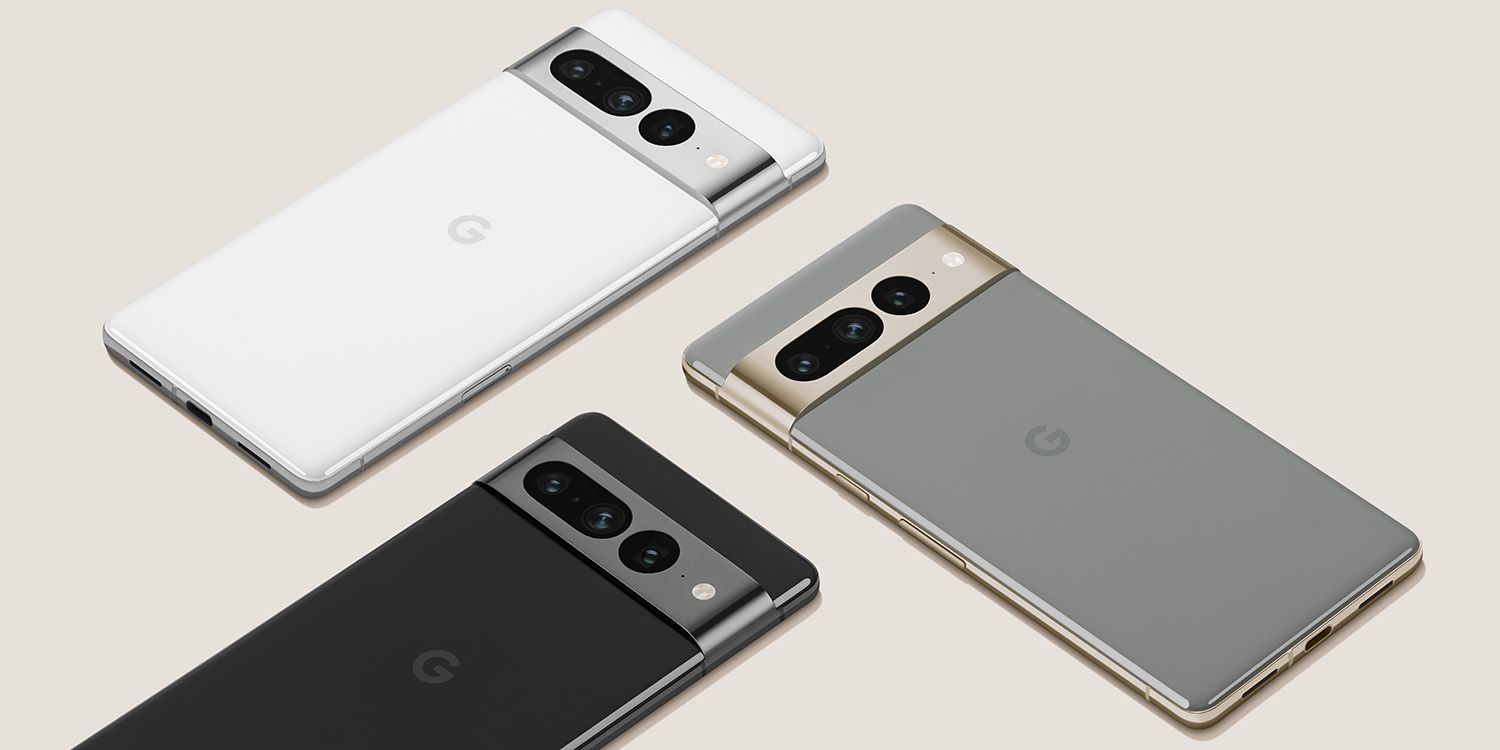
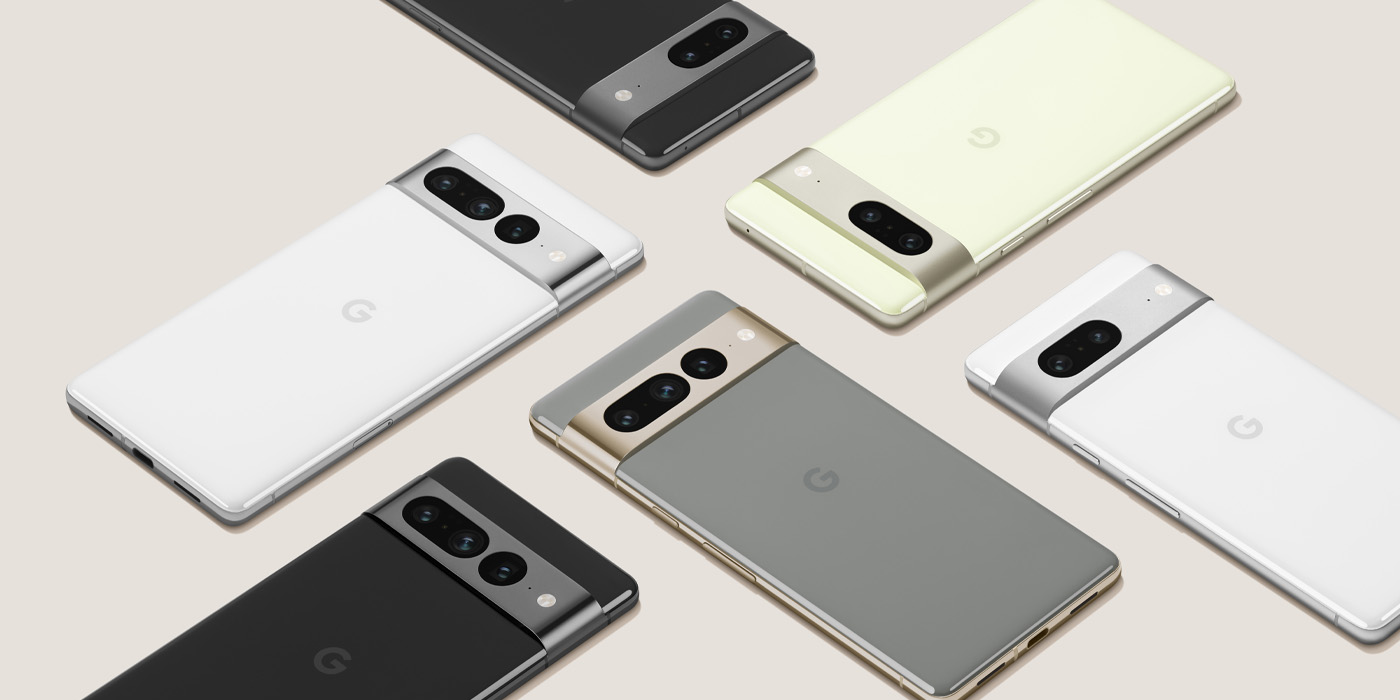
In a surprising turn of events, someone claims to have used the unreleased Pixel 7 Pro for three weeks without noticing it wasn’t the Pixel 6 Pro, and they have pictures to prove it.
In the latest pre-release version of the mobile app, Twitter is preparing a way to get notifications about new tweets that match a particular search term.
According to the latest data on wearables, Samsung’s market share has grown significantly since switching the Galaxy watch series to Wear OS. Meanwhile, Fitbit has seen a dip since being acquired by Google.
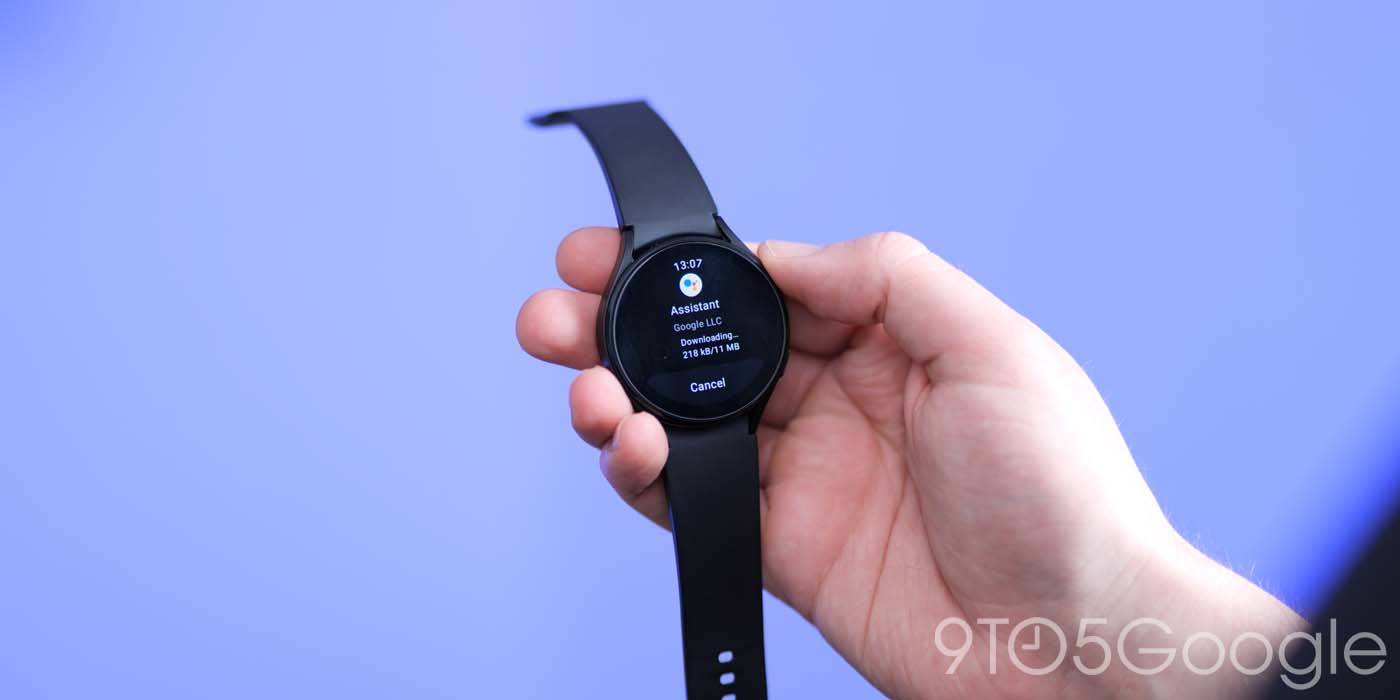
In this week’s top stories: Google Assistant arrives for Galaxy Watch 4 owners, “Imagen” turns text into surprisingly realistic photos, Pixel Watch set to use a USB-C charging cable, and more.
According to newly uncovered specs for the Pixel 7 and Pixel 7 Pro, the upcoming flagship phones poised to use the same displays as found in the Pixel 6 series but with a few tweaks.
AT&T is continuing their use of Google’s Immersive Stream, built on Stadia tech, by giving customers free access to the game Control, complete with mobile gameplay.
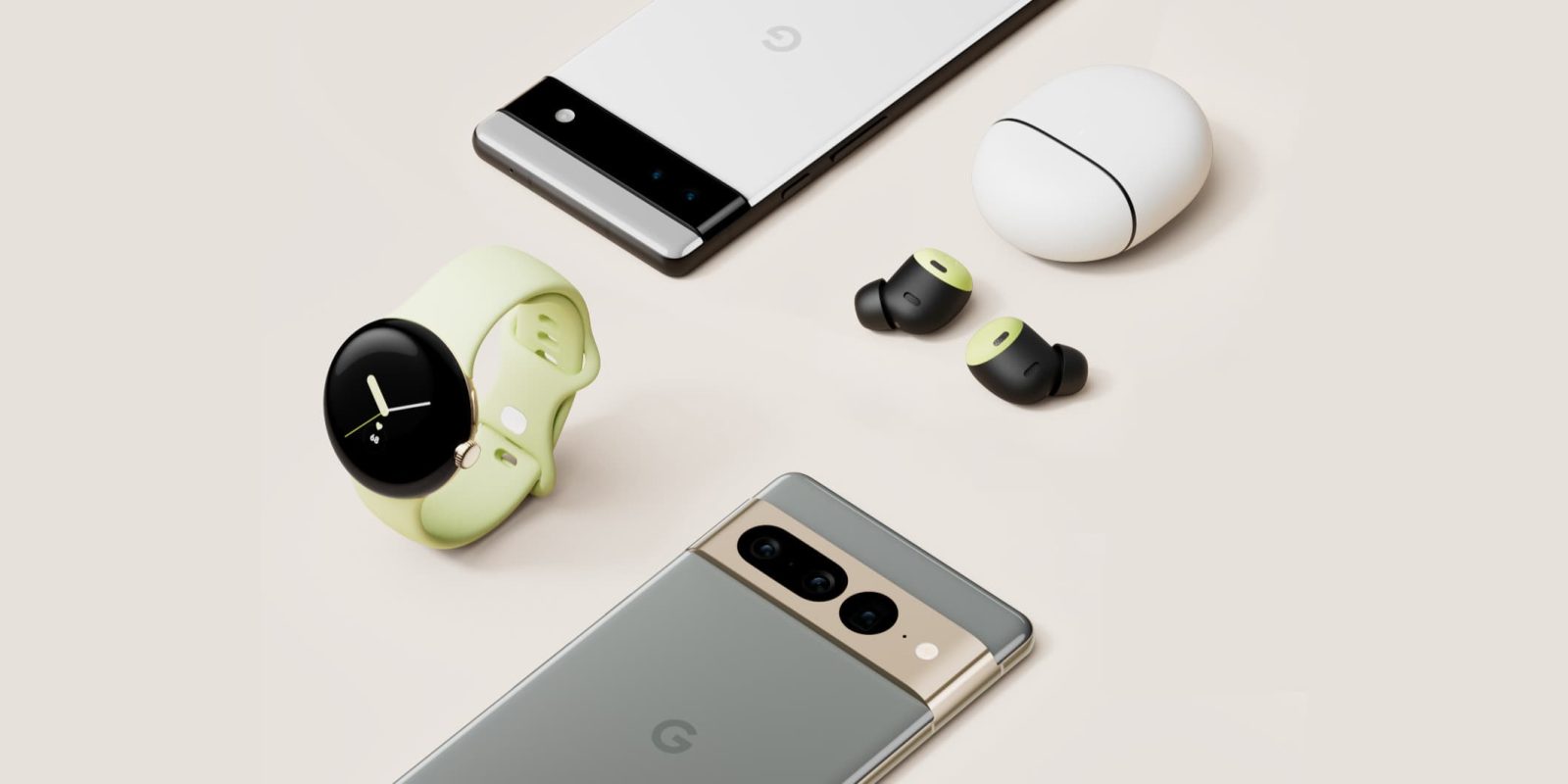
In this week’s top stories: we exclusively report some exciting new specs for the Pixel Watch, Google creates ‘no-cost Legacy G Suite’ tier for existing customers, Chromecasts and Smart Displays ditch bandwidth conservation, and more.
Xiaomi, one of the biggest phone manufacturers in China, wants to prevent APKs from being extracted from Android devices, but thankfully Google disagrees with the idea.
Google has updated its chart showing the percentage of Android devices running various versions of the OS, but there are still no details about Android 12’s adoption rate.