Stay up to date on news from Google headquarters. Be the first to learn about plans for Android, Google Plus, Google Apps, and more!
Stay up to date on news from Google headquarters. Be the first to learn about plans for Android, Google Plus, Google Apps, and more!

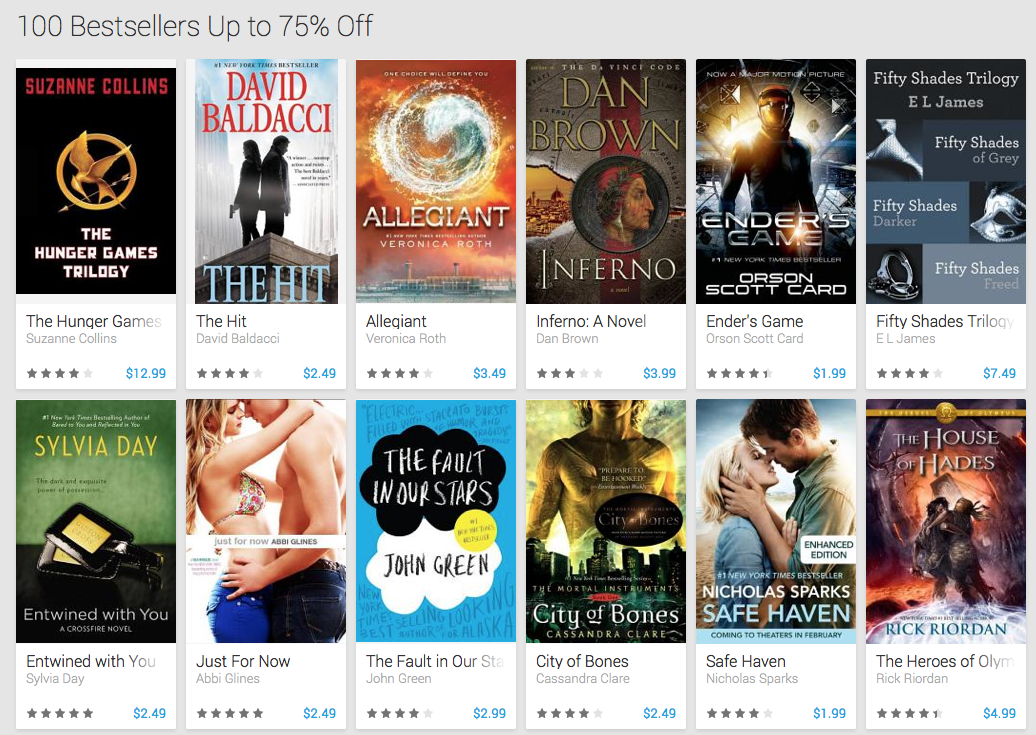
If you’ve been looking for a good book these days, Google just made selecting your next novel a little easier with a special Google Books sale. The Cyber Monday deal is good on over 100 bestselling books, with discounts up to 75% off the cover price.

We’ve already had a glimpse at Google’s Cyber Weekend extravaganza with deals on games, books, music, gadgets, magazines and TV series. However, even with our Cyber Weekend announce post earlier today, a new post with a broken down list of ALL the deals Google is hosting over the weekend was in order. Below you’ll find a list of all the hardware, software, subscription, music and game deals you will find from Goog this weekend. Credit goes to The Verge for compiling the full list but hit the Google Play link below to get your shopping groove on.

Google’s Play Store Cyber Weekend deals are now live with some excellent savings on games, movies, bestselling books, TV seasons, movie deals and in-game discounts!


During a talk at the LISA ’13 conference in Washington D.C earlier this month, a couple members from Google’s Macintosh Operations team explained how the company has been forced to develop its own set of tools to manage its fleet of roughly 43,000 Macs. The reason, according to Google engineers Clay Caviness and Edward Eigerman, is that Apple isn’t doing a great job at supporting its enterprise management tools. As the first slide of the presentation (pictured above) puts it, “While Apple won’t do much for you, there are tools out there you can use to keep your machines secure, up to date and useful.”
“We don’t use any of Apple’s tools to manage the Macs. Apple arguably produces two tools, Mac OS X server… and Apple Remote Desktop. It kinda breaks down when you get it over 50, 100, 200 machines that you’re managing… we’ve sort of lost their attention as far as enterprise management tools.”
During one slide (pictured above, right), Google uses the red line to represent the release of the iPhone while noting Apple’s remote desktop “hasn’t had a major revision to it since 2006.” To avoid using Apple’s management tools, Google has either developed its own tools or is using open source tools for everything from configuration, to package management, monitoring system levels and more. Google announced during the talk that one of the imaging tools it developed, CanHazImage, will soon be hitting open source. 
While Google mentioned during the presentation that it supports four desktop OS platforms (OS X, Windows, Linux, and Chrome OS) internally, it also said these days employees that want to use a platform other than Mac OS X “have to make a business case” to do so. Compare that roughly 40k monthly actives from Macs reported during the presentation to the 42,162 full-time employees at the company (not including Motorola). The Googlers also noted that the company managed to update from 10.7 to 10.8 for 99.5% of its fleet in 8 weeks and it’s currently trying to accomplish the same for 10.9 Mavericks.
You can watch or download the full presentation here.
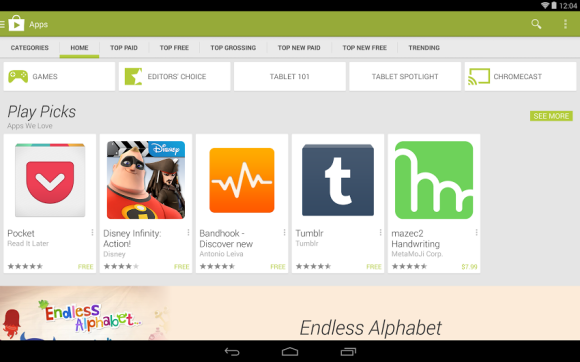
Google’s support for Chromecast is still fairly limited even as the promise of more apps continues to be on the horizon. Thankfully, the apps that do support Chromecast are some of the most notable and widely used across the web: YouTube, Google Play Music, Google Play Movies, Netflix, Pandora, Hulu Plus, and as of the last week, HBO Go.
Google has been adding a ton of new features to its new Google Maps preview on the desktop ahead of a broader roll out. It recently added real-time incident reporting from Waze in new countries and also added a new 3D Earth Tours alongside a revamped StreetView. However, up until now, we’ve still had to deal with the old Google Maps embed that allows us to interact with small embedded Maps on websites and elsewhere. Good news: Today Google announced it’s rolling out a brand new Google Maps embed that users can embed via an HTML snippet from the new Google Maps preview.
Expand
Expanding
Close
[youtube=http://www.youtube.com/watch?v=VunSqD1MOjE&w=560&h=420]
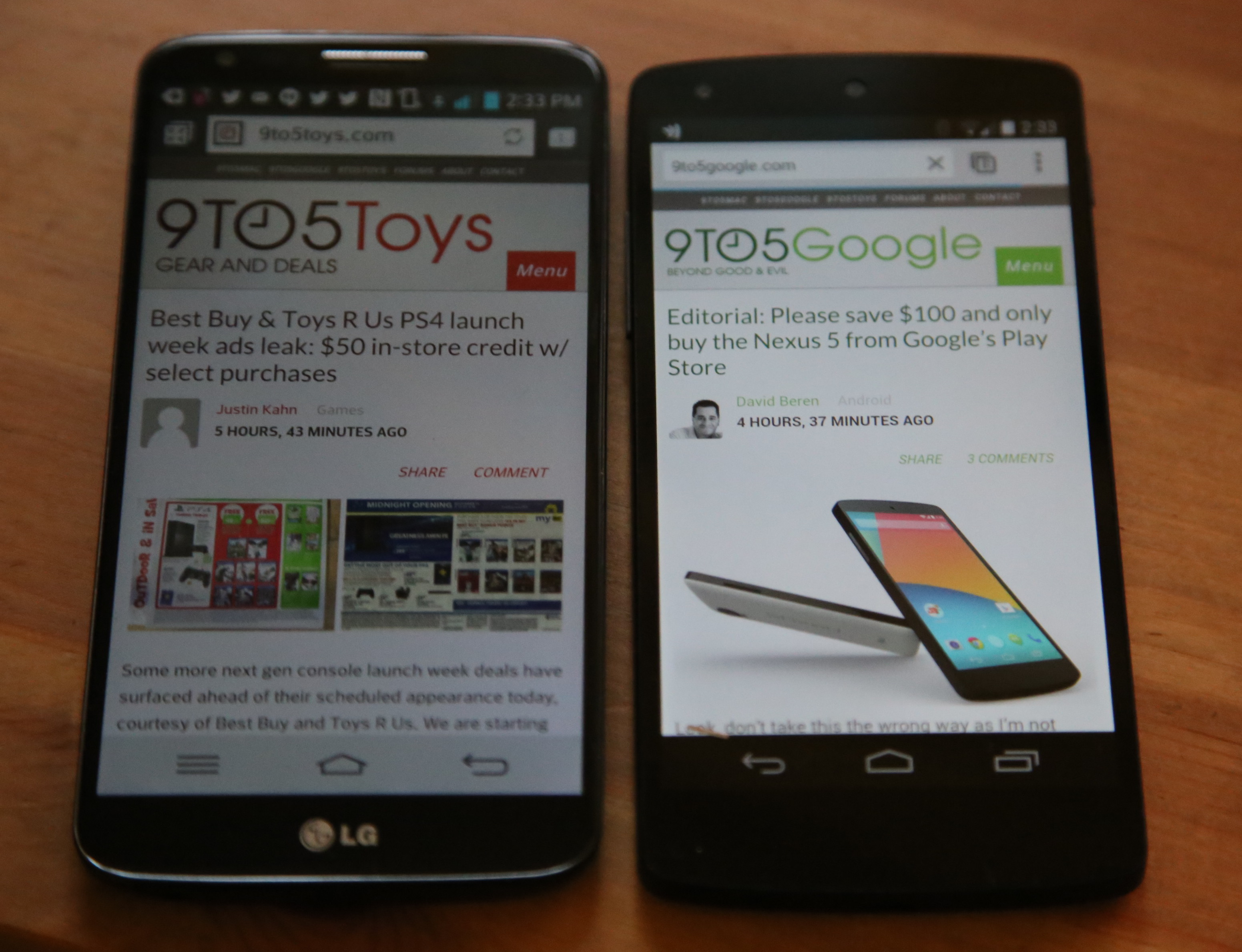
There are a hundred different ways to tackle the question of what Motorola’s goals are for releasing a sub $200 smartphone into the wild. Motorola stated at their Moto G launch in Brazil that they wish to introduce a “premium experience at less than 1/3 the price of high-end phones.” In that regard and judging by the tech blogosphere first thoughts, Motorola has certainly accomplished what they set out to do.
A new report courtesy of the folks at ReadWrite is shining light on the steps and process Google’s engineers undertook to optimize Android 4.4 KitKat before its introduction to the world.
As Google’s engineers believed they reached a “feature parity” point, they turned their attention to performance and optimization, something that began with Android 4.1 Jelly Bean and “Project Butter.” The hope was that Android would be faster, more reliable and devoid of the crashes that plagued many Android users.

On its Official Apps blog, Google has just announced that within the next few months, it will be revamping the sign-in page for Google Apps accounts. The interface will now be consistent between all Apps services, including Gmail, Calendar, Drive, and any other tools. Google says that it is doing this to improve security and make it easier for users to switch accounts.
Early next year, the sign-in page for all Google Apps customers will be updated to be consistent across all Google Apps services. In other words, the sign-in page for Gmail will now be identical to the sign-in page for Google Calendar, Google Drive, or any other Google Apps service. This change will improve security and make it easier for users to switch between accounts.
Details are scarce at this point, but Google says more information will come in the next few months.
Acer has just announced its new C720P Chromebook, a touchscreen variant of the C720 model that it introduced earlier this month. The C720P will be available in early December from Amazon, Best Buy, and the Acer Store for $299.99.
This is Acer’s first touchscreen Chromebook and is capable of all the normal multi-touch features, such as pinch-to-zoom. As far as specs go, the device is packing an 11.6-inch LED “ComfyView” display with a 1366 x 768 resolution. Acer touts that the device will give up to 7 and a half hours of battery life and boot upon just 7 seconds, thanks in large part to the 32GB SSD. Powering the laptop is an Intel Celeron 2955U, which is based off of the Haswell architecture, as well as 2GB of DDR3 RAM. As you would expect, it supports 802.11a/b/g/n wifi as well.
Along the sides of the laptop, you’ll find USB 2.0 and USB 3.0 ports and an HDMI connection. The laptop weighs in at 2.98 pounds and is just .78 inches thick.
Finally, Google is offering 100GB of free cloud storage with Google Drive for 2 years and 12 free Gogo wifi passes to anyone who purchases the C720P.
At $299.99, the C720P is a very compelling option for users who want a touchscreen Chromebook and don’t want to shell out the money for a Pixel. I could very well see this being one of the most popular gifts this holiday season.
Google announced today on Twitter that it’s giving away $25 in Google Play store credit & free shipping to everyone that purchases the Nexus 7 through the Play store. That brings the cost down to around the same amount as the $199 deals we’ve seen on 9to5Toys through Walmart, Amazon and others in recent weeks. The deal is only available for those purchasing the Nexus 7 through the Google Play store online in the US and Canada, and the credit will be emailed at the time the device ships.
Holiday Special: $25 Google Play credit and free shipping.*
For a limited time, you will receive a $25 Google Play credit when you purchase a Nexus 7 from the Play Store. Your Google Play credit will be emailed when your Nexus 7 ships.
Also on offer is a free HD movie rental from Google Play with the purchase of Google’s $35 Chromecast.
You’ll be able to find the Nexus 7 for $199 this Black Friday through a number of retailers. Stay tuned to 9to5Toys for all the latest deals.
[tweet https://twitter.com/GooglePlay/status/405408020298874880]
YouTube has been getting a lot of backlash since introducing its new Google+ powered comment system earlier this month. Despite some very vocal users not exactly liking the change, Google provided an update on the new comment system last night and confirmed it’s here to stay. In a post on its YouTube Creators Blog, the company explains that it’s working to combat spam in comments and will soon introduce new bulk moderation tools for creators.
Since we launched the new comments experience on YouTube two weeks ago, we’ve received a lot of feedback from creators on the increase in comment spam. While the new system dealt with many spam issues that had plagued YouTube comments in the past, it also introduced new opportunities for abuse and shortly after the launch, we saw some users taking advantage of them.
To combat the users “taking advantage” of the new system, YouTube is implementing the following updates to help with spam:
Expand
Expanding
Close
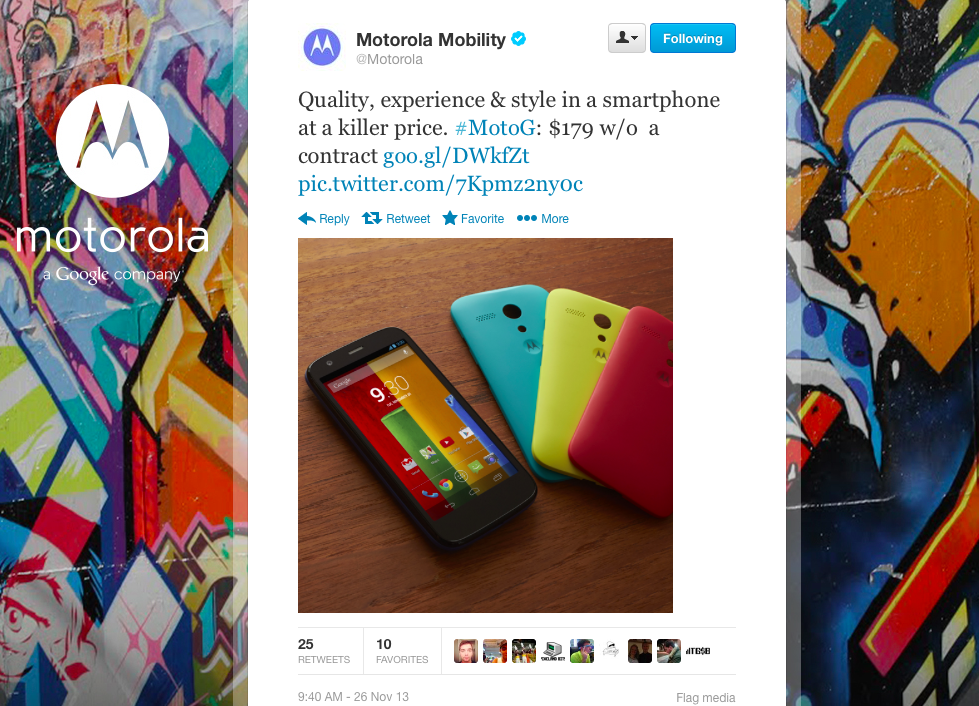
I love good news in the morning and that’s why the opportunity to purchase the Moto G direct from Motorola’s website well before January has us smiling. Our very own Seth Weintraub was able to successfully purchase the device and receive a shipping order for two days. It’s a great surprise from Motorola, especially when the company originally indicated the US would be a part of “Wave 2” and ship sometime after Christmas.

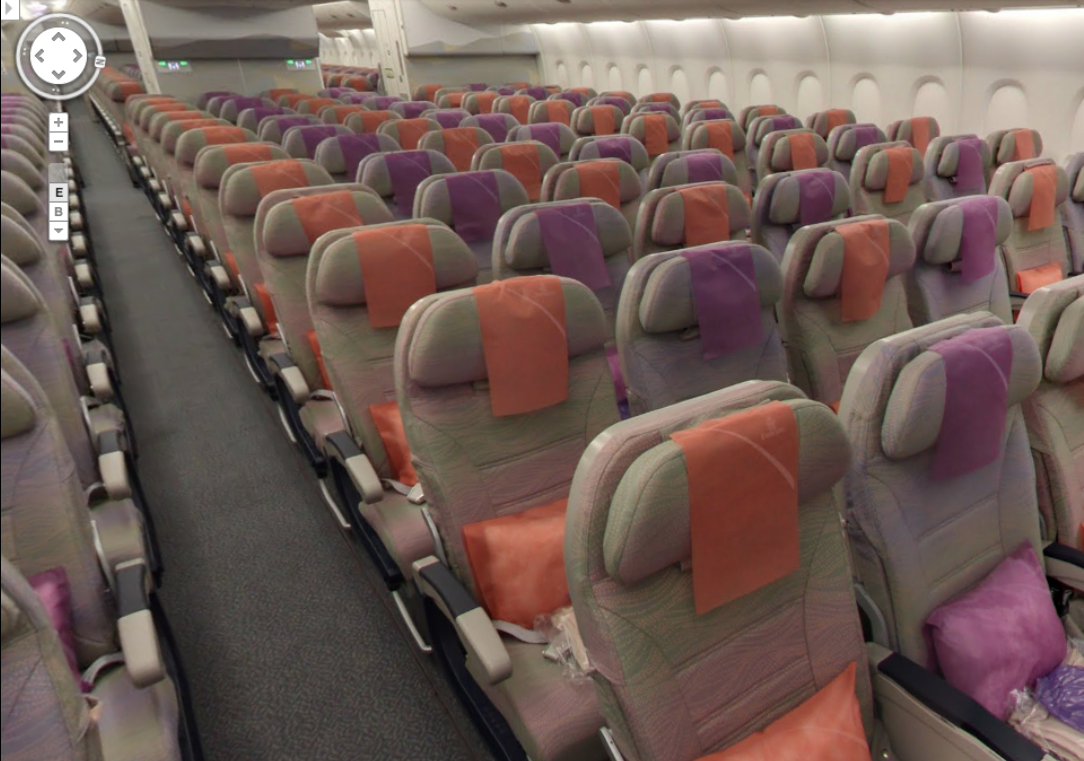
Shortly after a Street View tour of London’s Gatwick Airport, Google has expanded its transit program to encompass 15 other airports, more than 50 train & metro stations – and even allows your virtual trips to take you right onto an airliner at Dubhai.
Google’s blog shows off a small selection of the new locations, including check-in at Madrid airport, arrivals at Tokyo airport, a walk though London’s Waterloo train station and locating your seat on board an Emirates A380 airliner.
The split view, showing both terminal map and Street View walk-thru, is particularly helpful for familiarising yourself with a transit airport in advance of a tight connection …
Expand
Expanding
Close
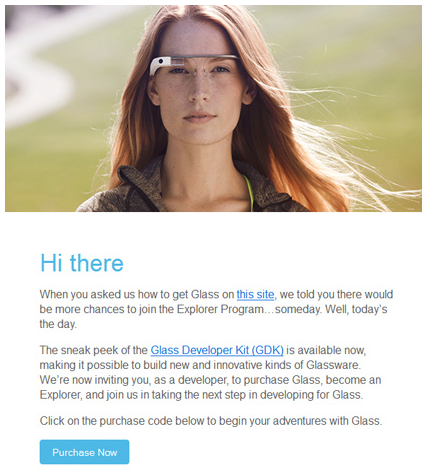
Engadget reports that some developers who had registered their interest in the Glass Explorers program are now receiving emailed invitations from Google.
Although third-party developers have been able to develop Glass apps using a cloud-based API, this approached imposed limitations on what those apps could do. Google recently removed these limitations by offering developers an SDK, or in this case a GDK (Glass Development Kit), previewed here …
Expand
Expanding
Close
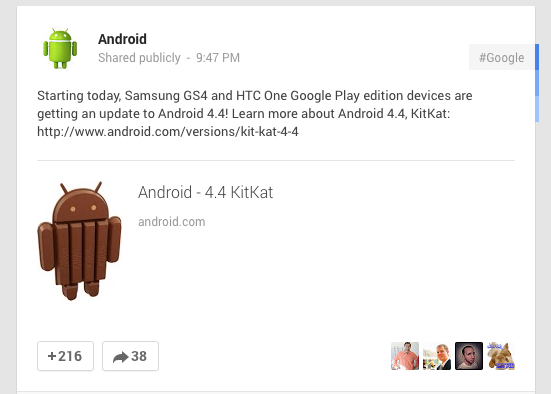
Oh Google, you’re so good sometimes when you let the world know that the HTC One Google Play edition isn’t the only device receiving KitKat today. According to the +Android page on Google+, the Samsung Galaxy S 4 Google Play edition is also beginning its Android 4.4 KitKat rollout.
Google has released three new commercials for its Nexus 5 today, all of which highlight a specific camera feature (via Android Central). The first one shows off the HDR+ feature of the device’s camera, while the other two show Photo Sphere and Auto Awesome. The ads are all short, coming in at roughly 15 seconds a piece.
Google is heavily touting the Nexus 5’s camera, though many reviewers said that it was somewhat disappointing. In our own poll, however, people voted the device’s camera just a tad worse than the iPhone 5S shooter, which is arguably one of the best out there.
You can see the ad highlighting Photo Sphere above, while the other two are just after the break.
Expand
Expanding
Close
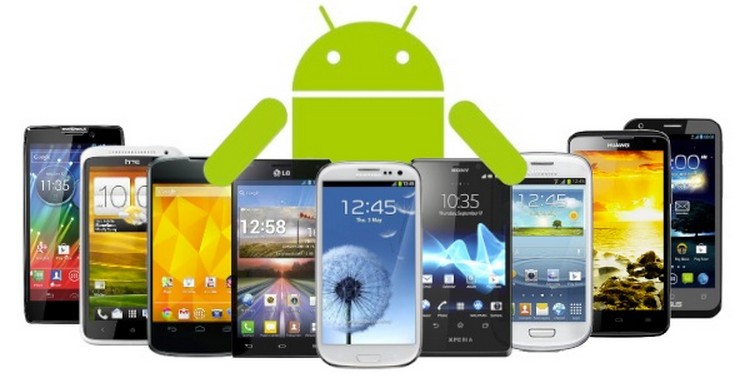
I’ve been thinking about this a lot lately as I recognize that when it comes to smartphone buying, I’m stuck in a crossroads about my next device. Yes, it’s true that my position as a tech blogger affords me the opportunity to try the latest and greatest, often at the same time. However, with a 10 month old my primary methodology for selecting a smartphone lately comes down to camera, camera and camera.
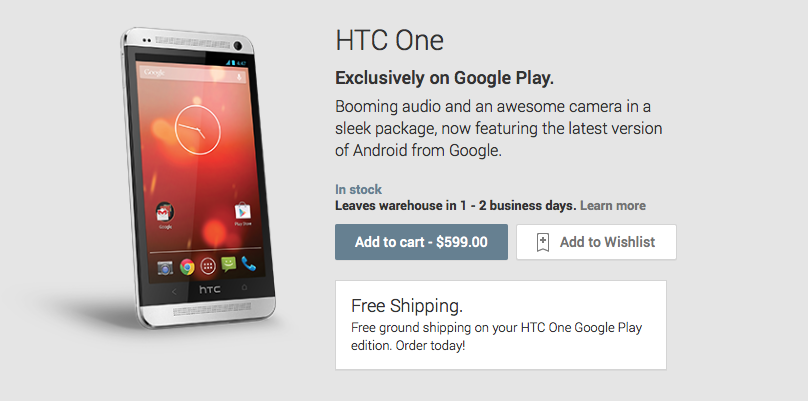
ZOMG, it’s happening! Google Play edition HTC One owners should be on the lookout for an over-the-air update to Android 4.4 KitKat. The update weighs in at 320MB and according to Android Central, is arriving automatically on some handsets already.
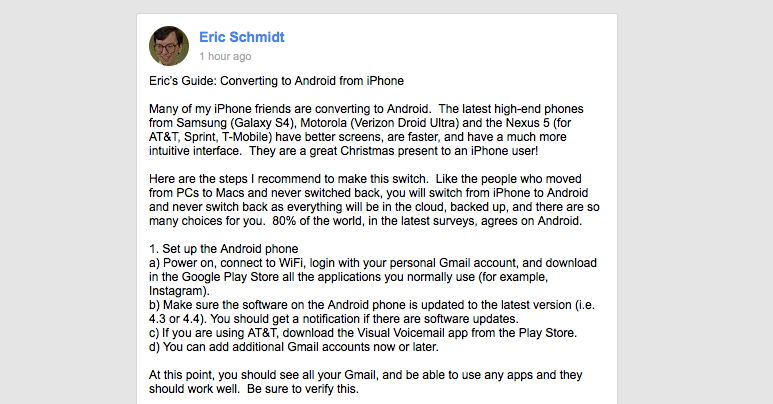
I think we all deserve to give Google Chairman Eric Schmidt a round of applause for his recently posted Google+ message telling the world how to ditch the iPhone. In a fairly lengthy write-up, Schmidt describes in detail how to set up an Android device, move contacts over to Gmail from iCloud and a quick reminder that ditching Safari for Chrome is the new hotness.
Just yesterday, Motorola began rolling out Android 4.4 KitKat to the T-Mobile variant of the Moto X, which was preceded by the Verizon model earlier this week. Today, the company has announced that the AT&T variant of its flagship will be the next device to receive the update.
Motorola says that the update will begin rolling out to Moto X users on AT&T today. The update will take the device to version number 140.44.5.ghost and includes all the features expected from KitKat, including the new design and much more.
We’re still waiting for a plethora of other devices to receive the update, including the Google Edition HTC One and Nexus 10. Motorola, however, finally appears to be on top of its game, and that’s certainly a good thing.

Zee Aero, a low-profile company based in Mountain View very close to Google X, the company’s research lab, has registered a patent for what appears to be a flying car, reports SFGate (via Gizmodo). And from two photos uncovered by the paper, it looks like the company has already got as far as either a prototype or large mockup.
The patent illustrations look all but identical to an aircraft spotted from a helicopter at an abandoned Naval base on Alameda just under a year ago. If the photo looks a little odd it’s because Greg Espiritu used a camcorder to zoom in and then took this photo of the LCD display.
Here’s one of the patent illustrations:
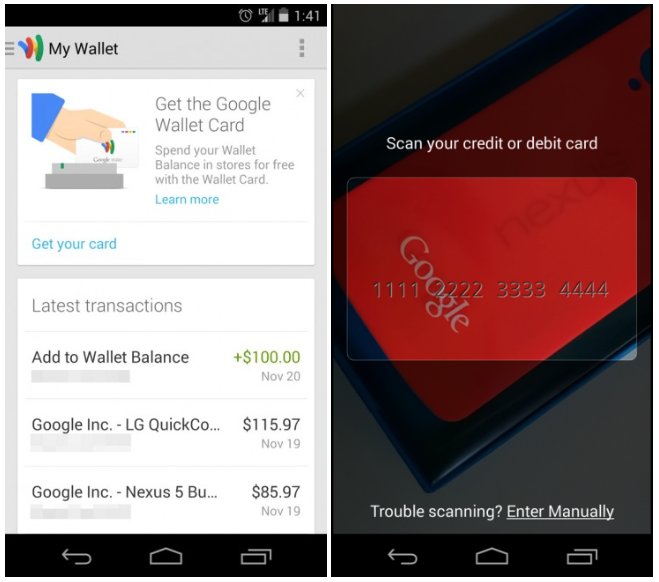
Just a day after Google launched a physical card to allow you to more easily withdraw cash and spend your Google Wallet balance, the company has released an update to the Android app allowing you to add additional cards just by photographing them.
Add a credit/debit card just by taking a picture. Both the number and expiration date will be captured automatically …
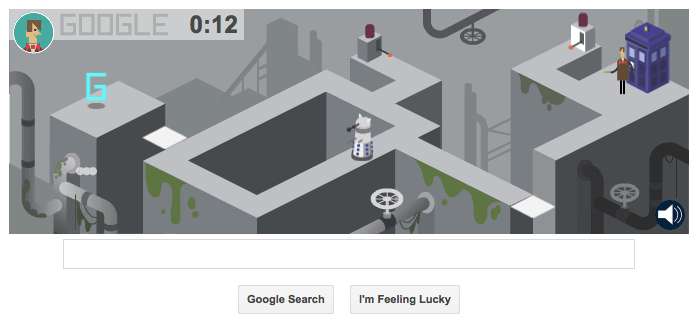
In one of the coolest doodles yet, Google is celebrating the 50th anniversary of the British TV series Doctor Who? with a multi-level game in which you can play any of the eleven doctors.
This particular doodle delivers rather more than Google’s description of them as “10 seconds of homepage happiness.”
Clearly Google’s staff are fans of the series, as Street View includes the ability to enter the Doctor’s TARDIS.