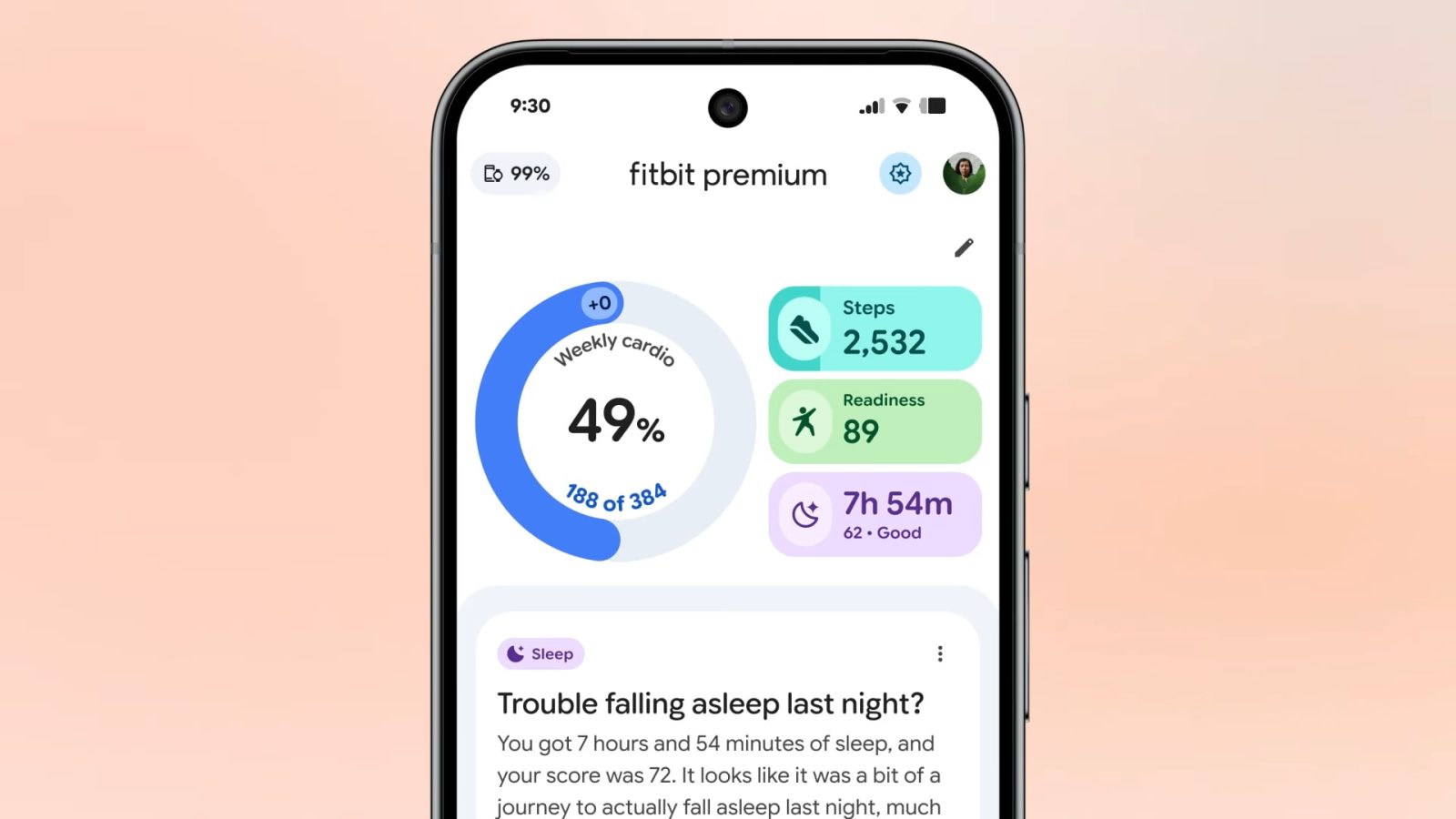
Fitbit Public Preview adds food & water logging, more as app redesign comes to free users



Back in 2017, courts in the EU slapped Google with an unprecedented multi-billion euro fine over anti-competitive practices. After years of appeals, Google has officially lost in that case.
Expand Expanding Close
Following up on the Digital Markets Act, the European Union is launching a “non-compliance investigation” into Alphabet, specifically centered around Google Search and specific rules in the Play Store.
Expand Expanding Close

As part of complying with the European Union’s Digital Markets Act (DMA), Google Play is getting an opt-in “external offers” program for Android apps and games across phones, tablets, Wear OS, ChromeOS, and Android TV.
Expand Expanding Close
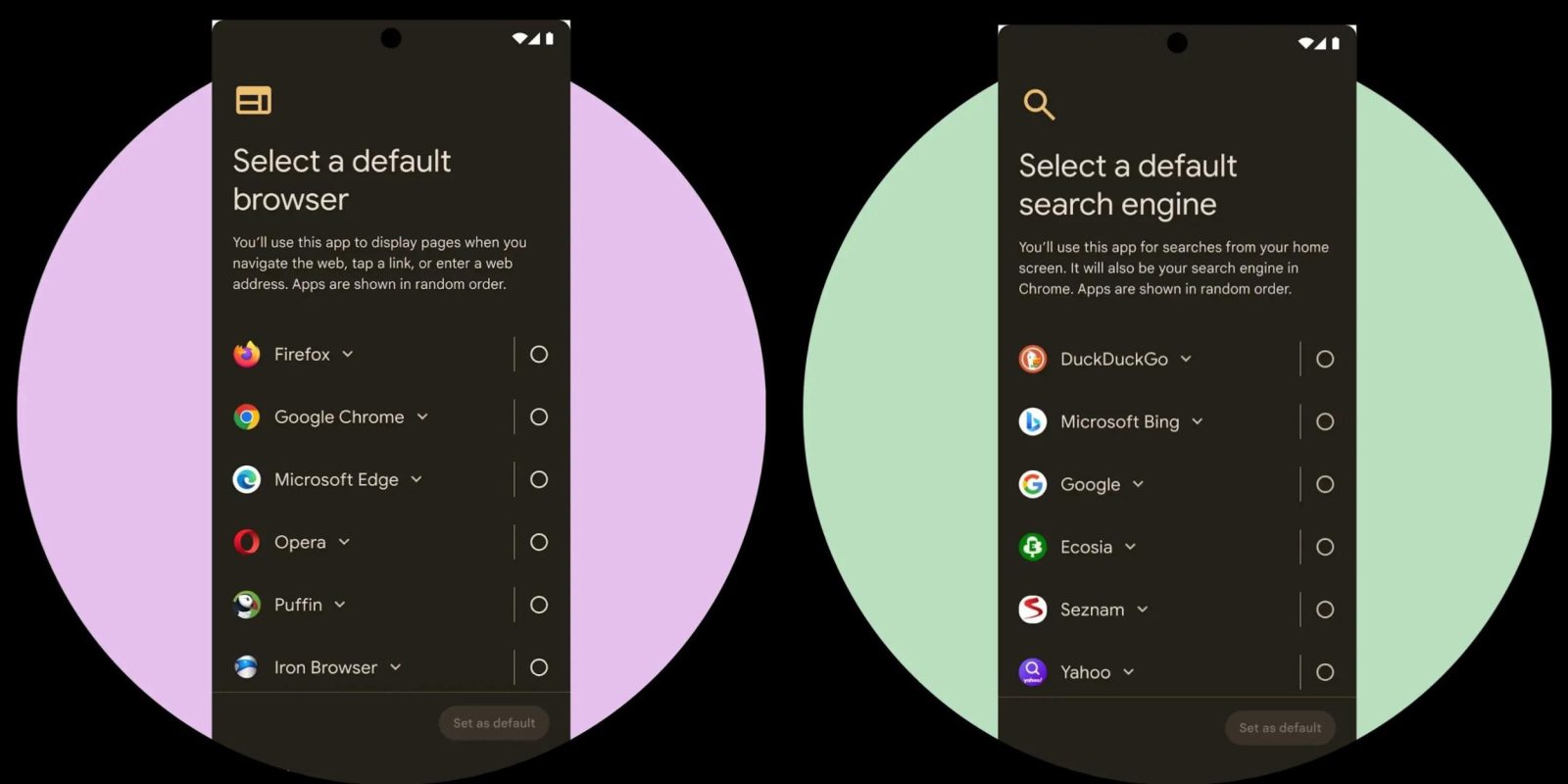
To comply with the European Union’s Digital Markets Act (DMA), Google is making a number of changes to Android, Chrome, and Search.
Expand Expanding Close
Google’s dominance over the online ad market has been scrutinized time and time again, and this week the European Union is expressing its concerns that Google has breached the EU’s antitrust laws, and that the company should break up its ad business.
Expand Expanding Close
In 2018, the European Union ruled that Google’s app bundling with Android, essentially forcing its partners to include a long list of Google apps with their phones, was illegal. Google appealed that ruling, but the EU has just announced that it will uphold the decision, despite lowering the fine.
Expand Expanding Close

While the Android ecosystem as a whole has been getting better about long-term support and the speed of updates, EU lawmakers are now pushing for a set standard for Android updates that just so happens to mirror what Google offers on the Pixel 6.
Expand Expanding Close

While the US and other regions are shining more of a spotlight on Google and the Play Store, the EU has already issued a 2018 ruling that imposed Google with a $5 billion fine over anticompetitive practices on Android. Google is fighting that fine, and slamming EU regulators over turning a blind eye to Apple.
Expand Expanding Close
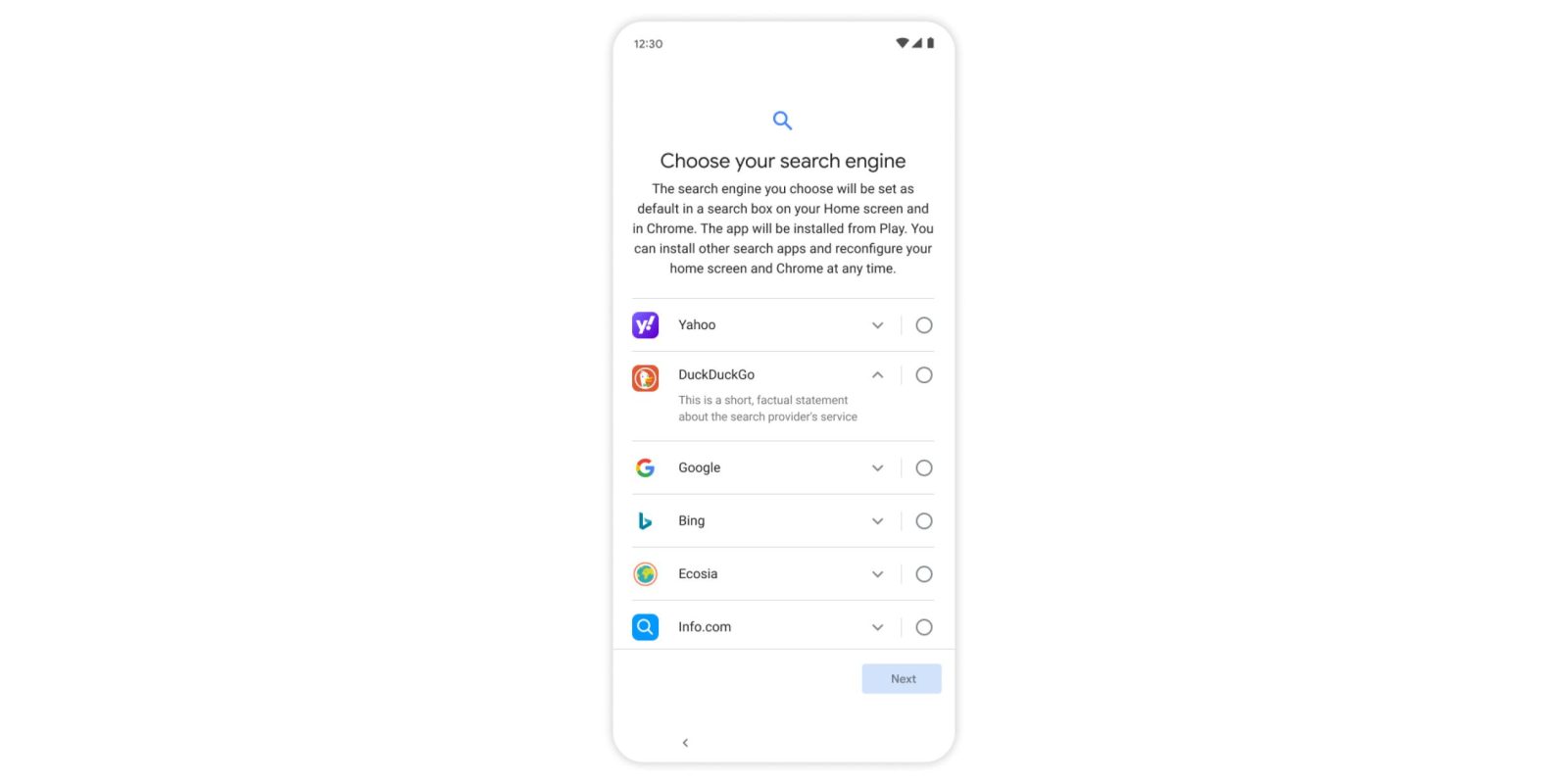
Last year, Google started showing a search engine “choice screen” to those setting up Android devices in Europe following an antitrust ruling. Google is now updating it to include more providers and make “participation free.”
Expand Expanding Close
As Google tests out its replacement for third-party cookies, the Federated Learning of Cohorts, the company has faced a lot of scrutinies for the initiative. Now, some regulators in the EU are raising concerns about FLoC as well that could spell trouble for the future of Google’s initiative.
Expand Expanding Close
Google announced late last year that it planned to purchase Fitbit to bolster its wearable portfolio, but the deal has been under scrutiny from the EU since day one. Several months later, it’s now looking like Google’s Fitbit deal will undergo a full investigation from the European Union.
Expand Expanding Close
At the start of this month, it emerged that Europe could approve the sale of Fitbit if Google pledged not to use data for ads. Last week, Google committed to that, but Europe’s regulators reportedly have new demands concerning Fitbit data and Search.
Expand Expanding Close
While other events may have started to overshadow the coronavirus pandemic, the virus is still very much a big deal around the globe. Now, in order with a request from the European Union, US tech giants including Google are going to produce regular reports regarding misinformation online about the coronavirus.
GDPR has had a huge effect on how internet services work in the European Union, but following Brexit, Google may make some changes to how UK data is handled. A report from Reuters reveals that Google is preparing to shift data from UK users to be under US jurisdiction.
Last year, Google announced that it had plans to acquire the popular wearable maker Fitbit, something that’s raised both hope and concern from users. This week, the European Data Protection Board is raising flags regarding Google’s Fitbit acquisition, calling it a privacy risk.

After announcing the biggest corporate renewable energy purchase yesterday, Google today detailed more infrastructure spending. Over the next two years, Google will invest €3 billion to expand its European data centers.
The Federal Trade Commission and New York Attorney General announced today that Google will pay $170 million over alleged children’s privacy violations on YouTube. In response, the video service will be implementing a number of changes related to kids.
To comply with the European Commission’s Android antitrust ruling, Google now prompts EEA users to download alternate browsers and search engines. Google in early 2020 will open up Android’s homescreen search widget to other companies during the setup process.
Ahead of I/O 2019, Google announced a redesign of the in-car Android Auto experience, and later that week revealed how the phone app was being replaced by Assistant’s new driving mode. The company is now facing an antitrust probe by Italy over the lack of third-party mapping applications on the car platform.
In March, Google announced that Android would prompt new and existing users in Europe to select a default web browser and search app. Earlier this month, we saw signs that this “choice” would be handled by Google Play. Google today officially detailed the Play Store interface and it’s availability over the coming weeks.
Google last month announced that it would prompt European users about other web browsers and search engines available on Android to further comply with the continent’s antitrust ruling. Behind the scenes, this “choice” will be handled by the Google Play Store.


Google has been fined $1.69 billion after EU regulators claimed that the tech company abused its own search system to essentially force third-party sites to use the AdSense network over other rival online ad serving companies.
Google announced a handful of Android changes in October to comply with Europe’s antitrust ruling. In the coming months, Google will prompt new and existing mobile users to select a default internet browser and search engine.


