Abner Li has worked at 9to5Google since 2015 and in late 2020 took on the role of editor-in-chief. He is keenly focused on tracking what happens at Google, and is often the first to spot new features in Google’s ever-growing family of applications that are updated on a daily basis, including Search, Assistant, Maps, Workspace, Android, Chrome/OS, Wear OS, and YouTube Music.
To him, what Google does greatly impacts the technology space and modern life. Inside the company, he is particularly interested in the key products mentioned above, as well as services like Google Podcasts and Google Lens. Each are massive platforms that can be unwieldy to grasp, with Abner keenly bent on understanding their philosophy and future direction. He is most excited about Google’s plans for augmented reality glasses.
Abner spearheads the APK Insight program at 9to5Google to chronicle all changes in the company’s Android apps, often finding new features before they are officially announced. This includes redesigns and revamps, launches, and new products.
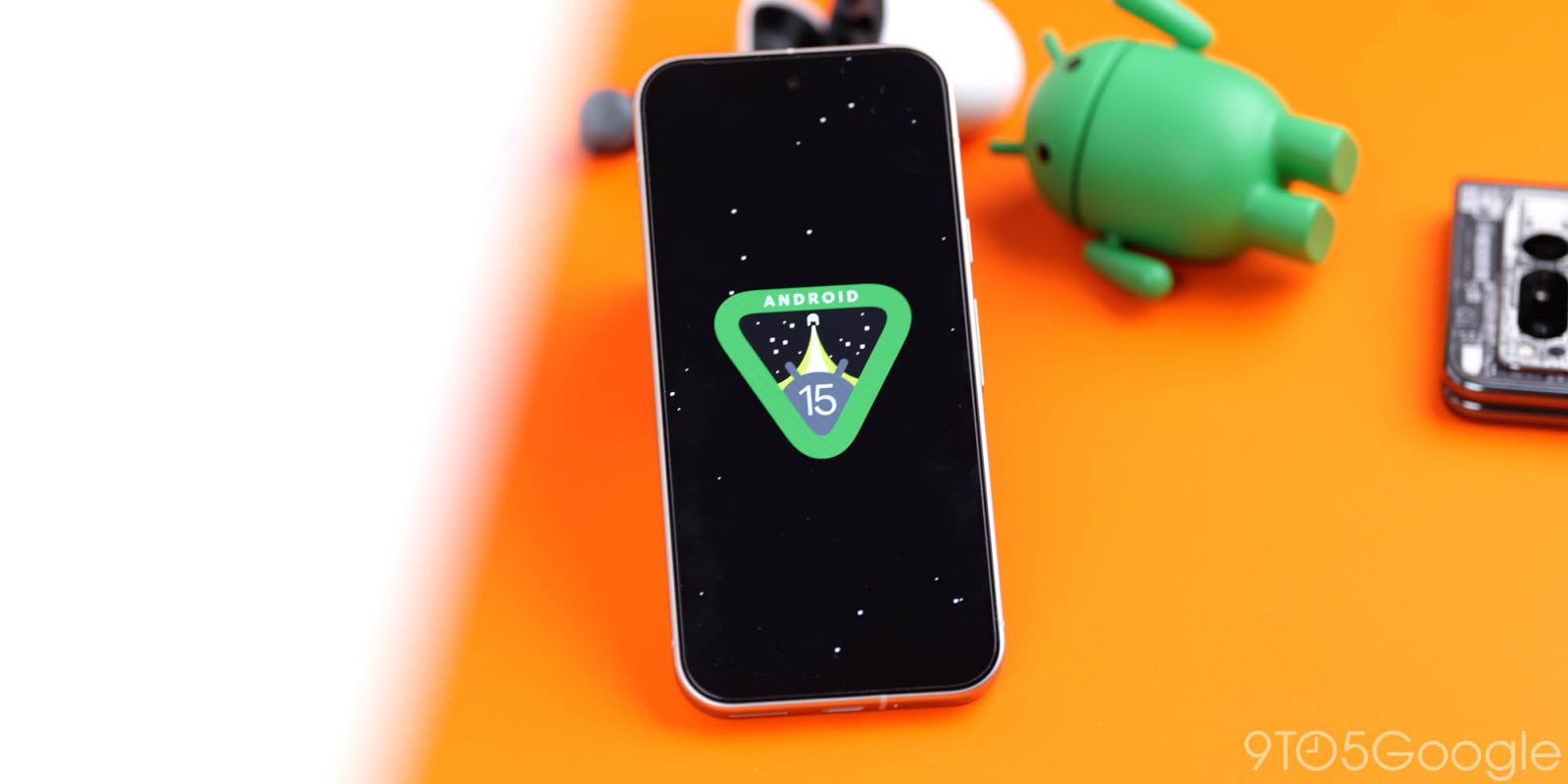
With Android 15 QPR2 Beta 1, VPN by Google was pre-installed on the Pixel Tablet. Pixel Tablet owners on the stable Android 15 release can now download Google’s VPN via the Play Store.
For its biggest services, I don’t see Google deviating from four-color logos anytime soon. To that end, we have a knockout tournament to find out what you think is Google’s best four-color app icon.
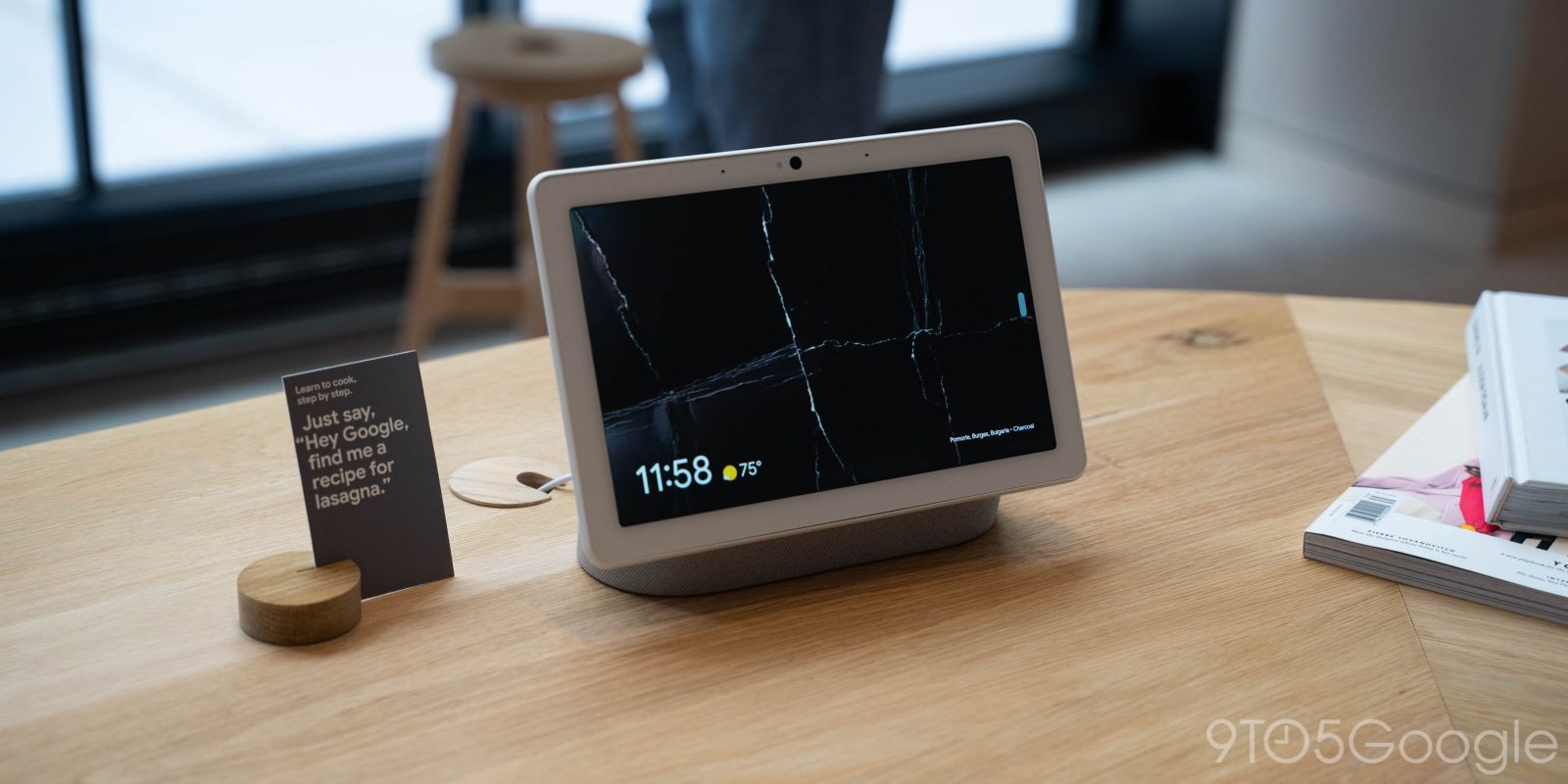
Last week, Google announced that the Nest Cam in the Nest Hub Max will soon be available in the Home app. This requires a Nest Hub Max firmware update, with version F22 rolling out now.
The monthly “Google System Release Notes” primarily detail what’s new in Play services, Play Store, and Play system update across Android phones/tablets, Wear OS, Google/Android TV, Auto, and PC. Some features apply to end users, while others are aimed at developers.
The “Google Developer Program” was announced in May at I/O 2024 to offer “tools and resources to help you on your development journey.” The company is now adding a paid tier to this Google Cloud-centric program.
About a year after the last update, Fossil Gen 6 watches are getting a new Wear OS patch. Fossil announced this January that it was done making Wear OS (and hybrid) smartwatches.
Pixel Camera 9.6 started rolling out in mid-October with a handful of additions introduced with that month’s Feature Drop. This version should now be more widely available via the Google Play Store.
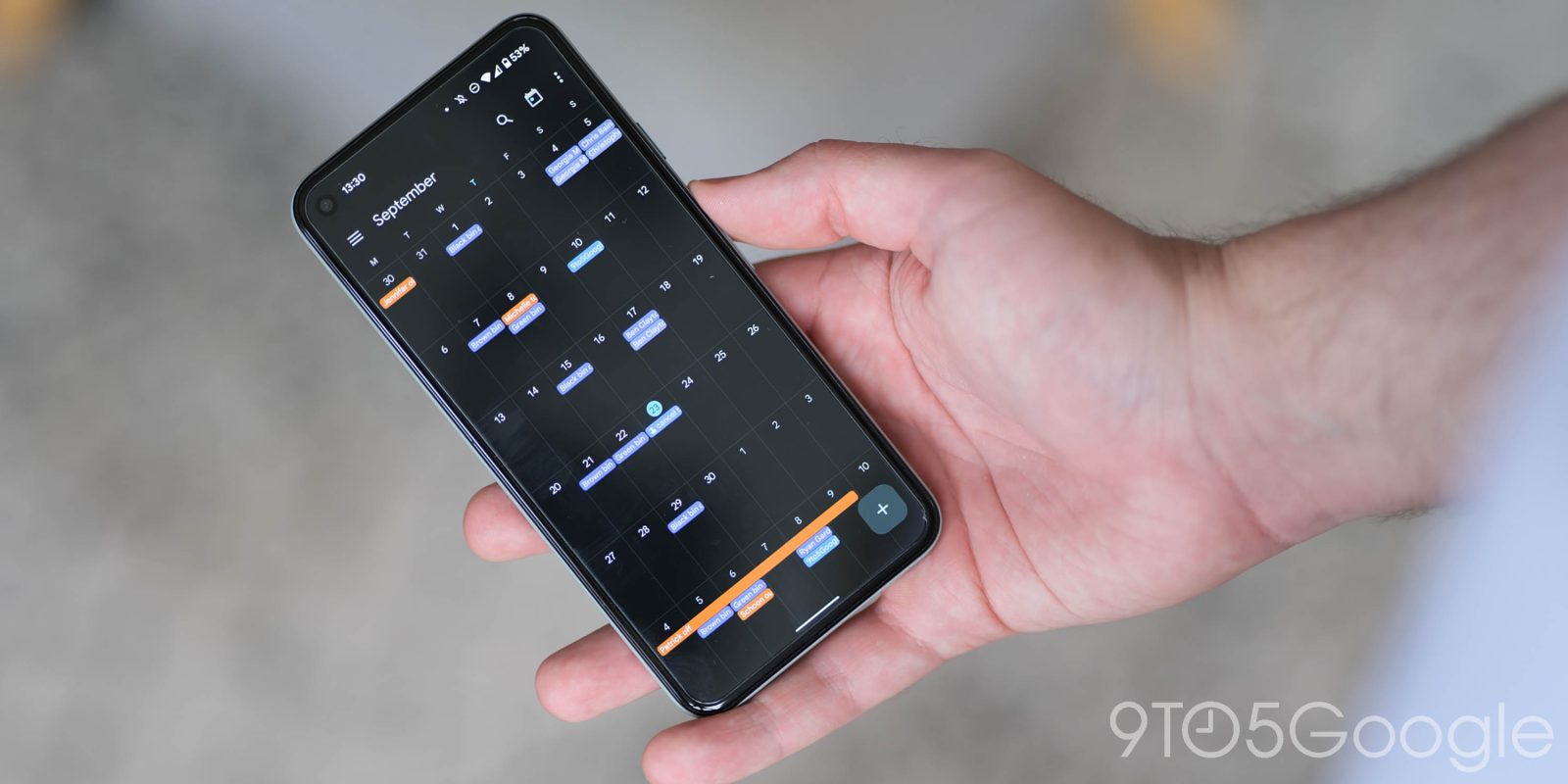
Google Calendar on Android is getting a more full-featured Google Tasks experience to make it “easier for users to stay on top of and organize their tasks.”
While Android 15 is already on QPR2 Beta 1, Google this afternoon released QPR1 Beta 3.1 for Pixel devices. This is a “minor update” with several bug fixes that comes almost a month after the last major release.
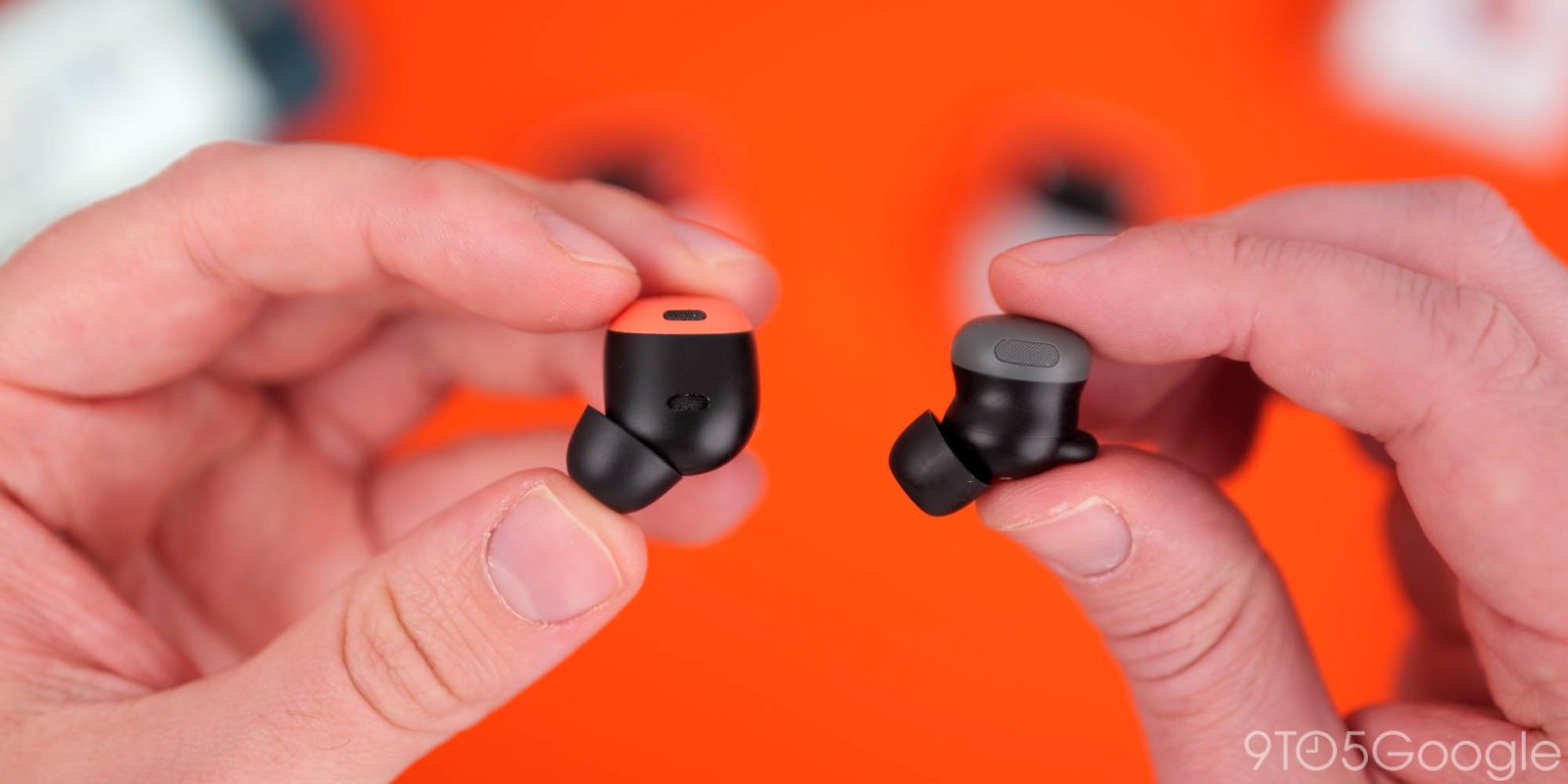
One of the more unexpected aspects of Pixel Buds Pro 2 is the use of a custom Tensor-branded A1 chip, with Google sharing a bit more on why it went that route today.
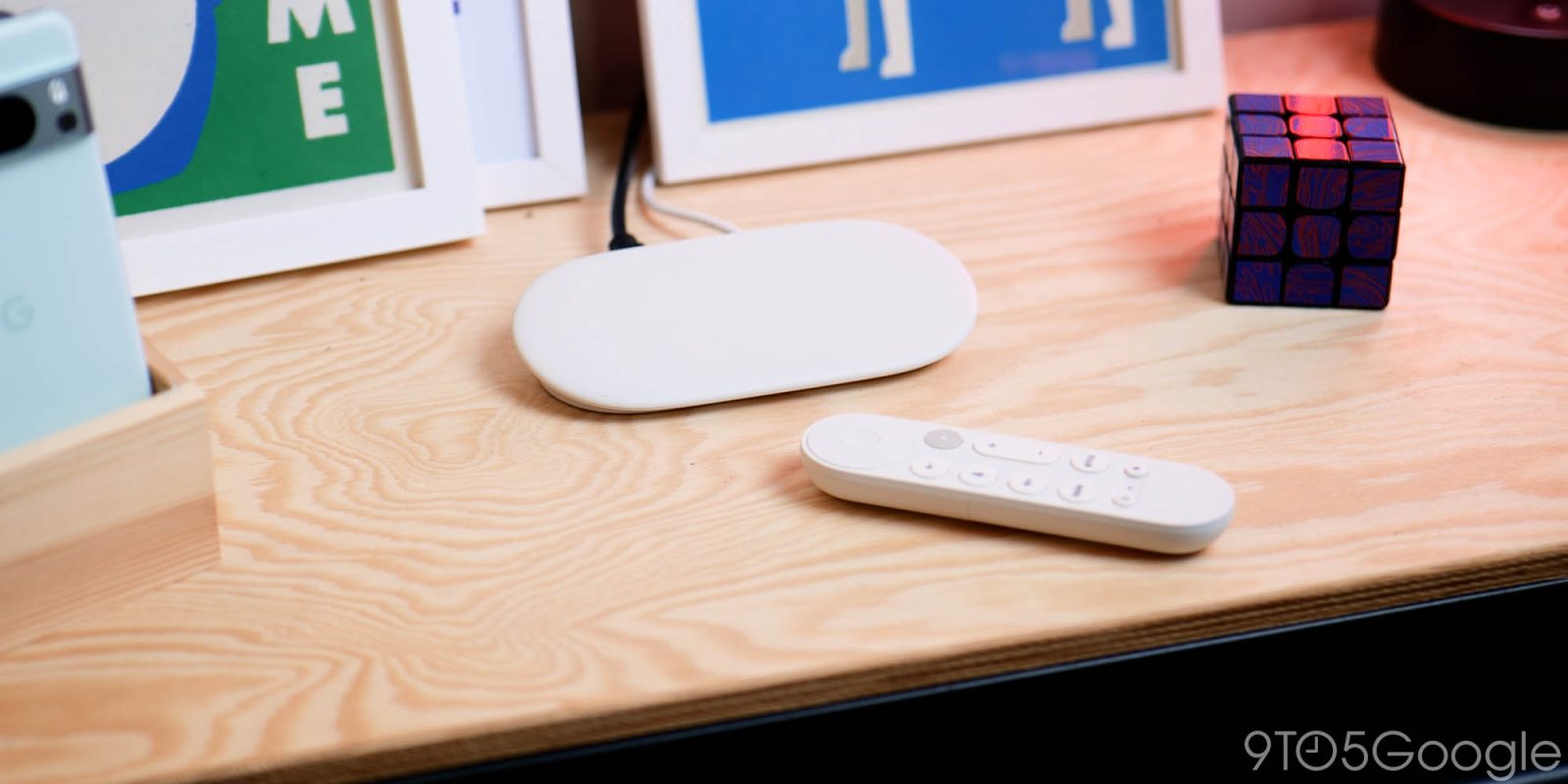
Like with the Pixel Buds Pro 2 this hardware cycle, Google is emailing some owners a feedback survey about their experience with the Google TV Streamer (4K).
The latest update to Google Chat lets you create “custom sections” in the sidebar to organize conversations as part of a “complete revamp of the left navigation experience” on the web.