Wear OS

See All Stories

Wear OS is Google's wearable platform which is designed to run on watches. It's based on a modified version of Android, designed by Google, and used on many third-party smartwatches.
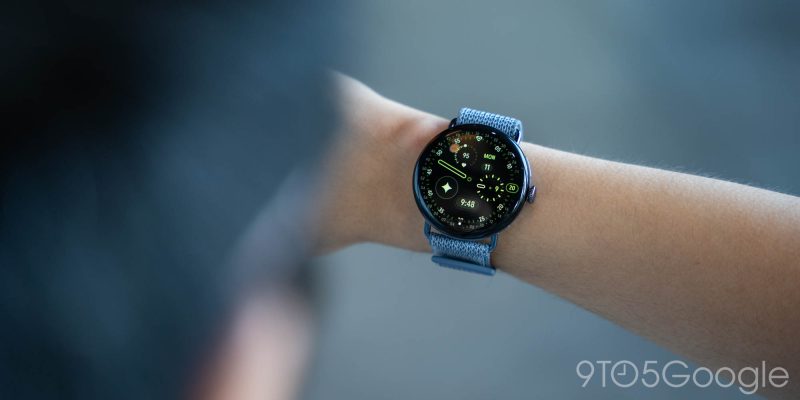
Wear OS is Google’s wearable platform which is designed to run on watches. It’s based on a modified version of Android, designed by Google, and used on smartwatches such as Pixel Watch, Galaxy Watch, and more.

The platform was first introduced in 2014 as “Android Wear,” before being modified until it became “Wear OS” in 2018.

As you’d expect, Wear OS is designed to be an extension of your smartphone. Notifications are mirrored to your wrist while condensed apps can be installed, both with their own independent functionality or as an extension of the smartphone app.

Where Wear OS was once found across a variety of smartwatch brands, the market has condensed in recent years. Names such as Fossil, Mobvoi, and others faded away in favor of first-party smartwatches from Google and Samsung, as other names in Android such as OnePlus, Oppo, Xiaomi, and more.

A few key Wear OS smartwatches include:

Google’s Pixel Watch is the poster child of Wear OS, with a heavy focus on Fitbit features and Gemini integration.
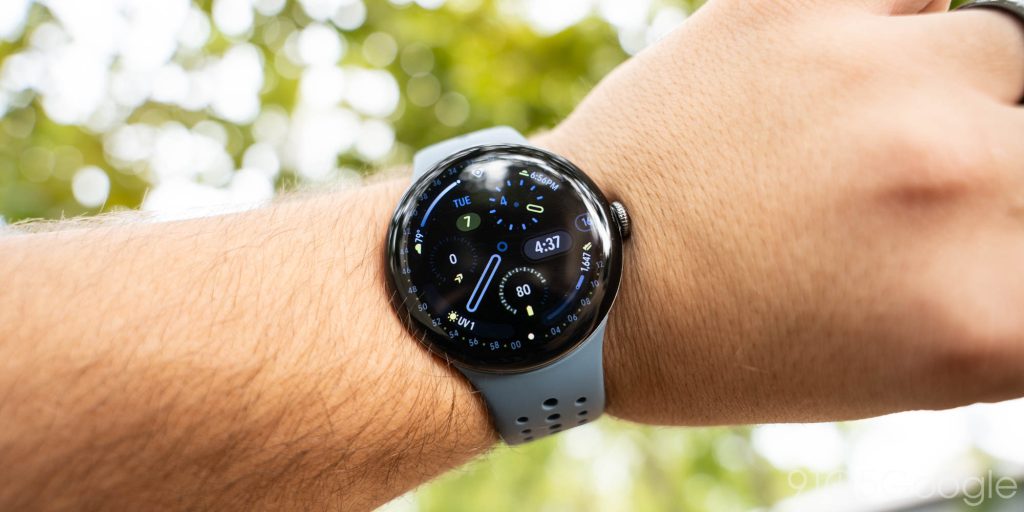
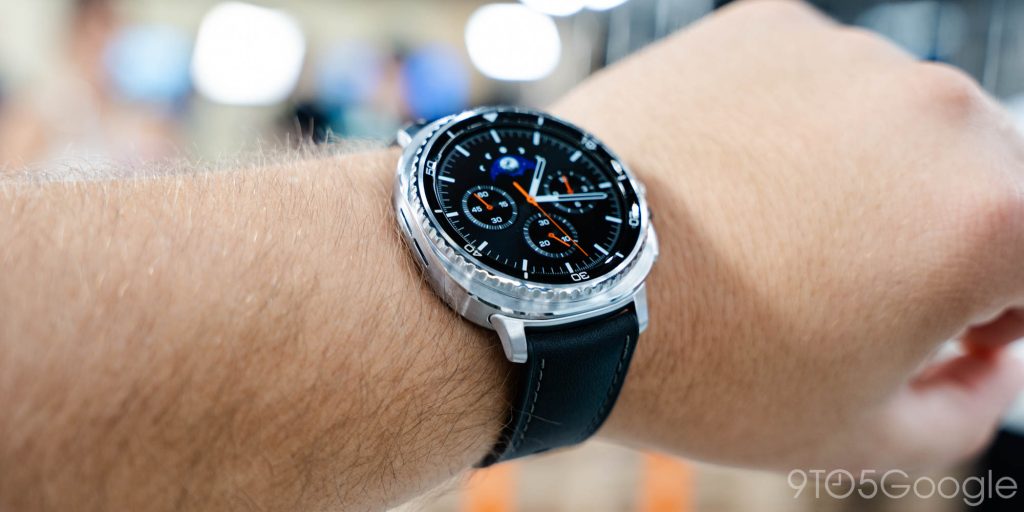
You can read the latest news about the platform and its apps below.
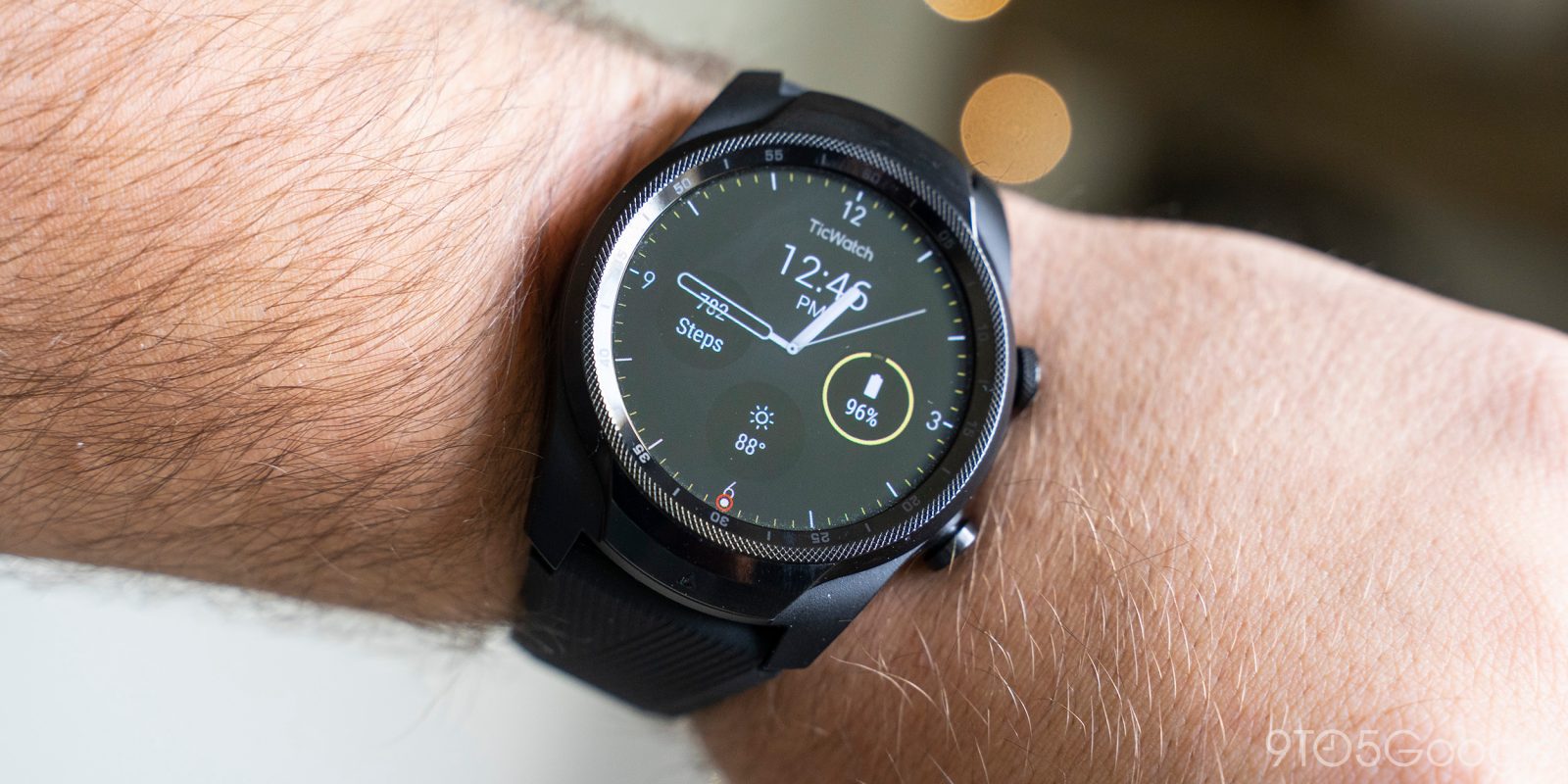
Hands-on: TicWatch Pro 4G is the best performing Wear OS watch you can actually afford

ticwatch pro 4g

While there are plenty of valid reasons why Wear OS is not all that great, I think it’s a solid platform overall. My main problem using it is simply that it’s incredibly slow on most hardware. Lately, though, I’ve had one of the best Wear OS experiences I’ve ever had with the new TicWatch Pro 4G from Mobvoi, and I think a lot of that comes down to the fact that it has killer performance.

Expand Expanding Close

Qualcomm readying new Snapdragon Wear ‘429’ chip w/ more efficient design for Wear OS

fossil sport wear os

One of the biggest problems that Google’s Wear OS faces is the hardware it’s running on. Essentially since its debut in 2014, almost every smartwatch has run on old hardware. Even the Snapdragon Wear 3100 released just last year reused the same core design from a 2013 chip. Now, though, Qualcomm appears to be preparing a new Snapdragon Wear chip, possibly called the “429” for future Wear OS hardware.


Expand
Expanding
Close

fossil sport wear os

Wear OS hardware w/ Snapdragon Wear 3100 ‘Sports Mode’ is ‘still on track’

Wear OS as a platform is, at least in my eyes, pretty decent. What holds it back is battery life and slow hardware. Back when the Snapdragon Wear 3100 launched, Qualcomm said it would deliver a “Sports Mode” which would deliver up to 15 hours of battery during athletic tracking on Wear OS. Apparently, that’s still coming… eventually.


Expand
Expanding
Close

Wear OS’ biggest player drops market share in Q1 2019 as Huawei Watch GT makes smashing debut

fossil sport wear os

The smartwatch market in 2019 is mainly the Apple Watch, with everyone else competing for scraps. While Apple’s popular wearable grew in market share year-over-year, the biggest player in Wear OS saw a loss. According to a new report, Fossil Group’s smartwatch efforts saw them lose share in the market.


Expand
Expanding
Close

Wear OS 2.24 preps in-app eSIM manager, reveals more about ‘Tiles’ [APK Insight]

Wear OS 2.4

The last major system-level update to Wear OS introduced Android 9 Pie, with more watches seeing the update since the start of 2019. Brands are still releasing devices, but the Snapdragon Wear 3100 has yet to see wide adoption. An update to the Wear OS companion today reveals that future devices might feature eSIM.


Expand
Expanding
Close