Fitbit Public Preview adds food & water logging, more as app redesign comes to free users


Google Chrome has supported some virtual reality headsets like Oculus Rift on Windows for almost a year now, through Google’s WebVR program, but Windows Mixed Reality headsets were notably incompatible. This is soon to change, as a new flag coming to Chrome will enable early testing of Windows Mixed Reality headsets with WebVR.
Announced as a “secret project” last year, Google today unveiled a high-resolution OLED display that more than triples the pixels per inch (PPI) count of current consumer headsets from HTC and Oculus. Created in partnership with LG, this screen has a 1443 PPI, wide field-of-view, and is optimized for mobile augmented and virtual reality.

Chrome 66 rolled out earlier this week with a new password export feature and restrictions to when media can autoplay. On Windows, this update also adds support to view web-based virtual reality apps through an Oculus VR headset.

YouTube is one of the best places to find content, and that includes virtual reality media. 360-degree content is all over Google’s platform, and now, those with VR headsets connected to PCs will be able to access that properly.
One of the frequently cited uses for virtual reality is building empathy by immersing users in the viewpoint of others. Google today is doubling down on that VR use with Daydream Impact — a training program that provides equipment to various organizations.
Back at Google I/O, the company announced partnerships with HTC and Lenovo to debut a new collection of Daydream-powered headsets that would run independently of a smartphone. It’s an excellent idea, but we never got any concrete details on when they would debut. Now, HTC has revealed more information — it’s no longer making one.
Web browsing is slowly making its way to virtual reality, and Google is pushing for developers to support the new “WebVR” platform. However, not everyone supports it just yet. Previously, that meant those websites couldn’t be viewed in a VR headset, but now, they can.
Google’s mobile VR platform Daydream has grown a lot over the past year, but the hardware hasn’t changed at all. Google’s Daydream View has been the only option, and it’s definitely not perfect. Now, it looks like Google is planning to refresh it at the upcoming October 4th event.


The possibilities with virtual reality are endless, but even since the days of Google Cardboard, Google Earth has been one of the highlights for newcomers to the VR platform. Yesterday, Google announced that its Google Earth VR app is being updated to support Street View images.
Google’s Daydream VR platform is arguably the best mobile VR option, but it only works on a small portion of the vast Android ecosystem. Devices like the Pixel, Moto Z, and ZTE Axon 7 are all supported, but there’s not much outside of that. Yesterday on Google’s earnings call, CEO (and recently appointed Alphabet board member) Sundar Pichai revealed that quite a few more compatible devices are incoming.
Virtual reality is incredibly important and YouTube has been doubling down over the past year to ensure that it is the premier platform for the format. The latest update for creators adds heatmaps to see how viewers are interacting with 360-degree and VR videos.

One of the main issues with mobile VR such as Daydream or Samsung’s Gear VR is that even the top of the line smartphones just don’t have the processing power required to smoothly render graphically intense visuals. To help with this, Google has created Seurat, a tool that takes full 3D environments and turns them into scenes that can be viewed on mobile VR, all without losing huge amounts of quality…
During a keynote focused on VR and AR at day 2 of I/O 2017, Google announced Daydream 2.0, a major update slated for later this year. Codenamed Euphrates, there is a focus on easier sharing, improved interface, and Chrome.
What I/O 2017 set to kickoff in less than 24 hours, Google might showcase a standalone virtual reality headset at the event. Rumored for over a year, it will not require a smartphone or a PC and possibly use inside-out positional tracking.
Back in June of 2016, it was revealed that Google was working on a way to make virtual reality accessible from every web browser, dubbed WebVR. Then, with the release of Chrome 56 Beta, Google started to allow developers to begin testing their WebVR projects on the web. Today, Google has published 12 WebVR experiments for users to test out not only with Daydream headsets but also those with Cardboard…

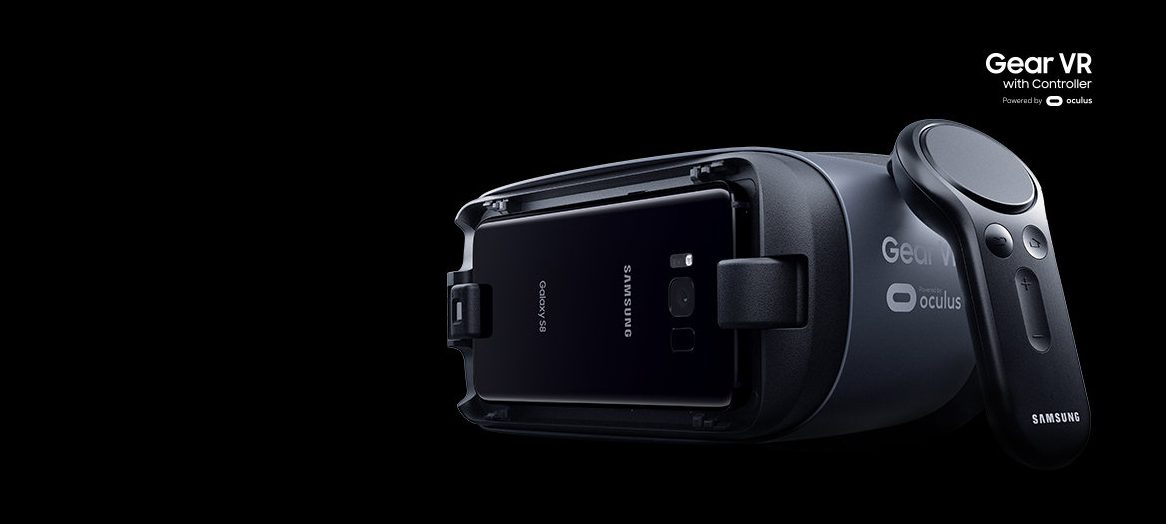
Just like Harman (and, more specifically, AKG) are helping Samsung to step up its audio game, Oculus is the firm’s partner of choice when it comes to VR.
Together, they are today announcing a “renewed” version of the Gear VR headset, which comes with a cool new controller…


Samsung’s Galaxy S8 event is kicking off in less than an hour, and we’re standing in line here at the Lincoln Center in New York City. If you want to know what it’s like to stand in one of these (extremely long) lines, just pull out your Cardboard (or Daydream!), and tap on the Facebook embed below.
Alternatively, you can just head directly over to our Facebook page (and like/follow it!) and check out the pano over there. If you turn your device sideways, the pano should load right up and you’ll be able to tilt and turn your head around to see the Unpacked 2017 line as we wait for the event.
Be sure to tune in live to watch Samsung announce the Galaxy S8 and S8+.
[protected-iframe id=”51c8fd4dada66a3f446ae9720cb73f2a-22427743-37434152″ info=”https://www.facebook.com/plugins/post.php?href=https%3A%2F%2Fwww.facebook.com%2F9to5Google%2Fposts%2F1486371721387255%3A0&width=500″ width=”500″ height=”608″ frameborder=”0″ style=”border:none;overflow:hidden” scrolling=”no”]
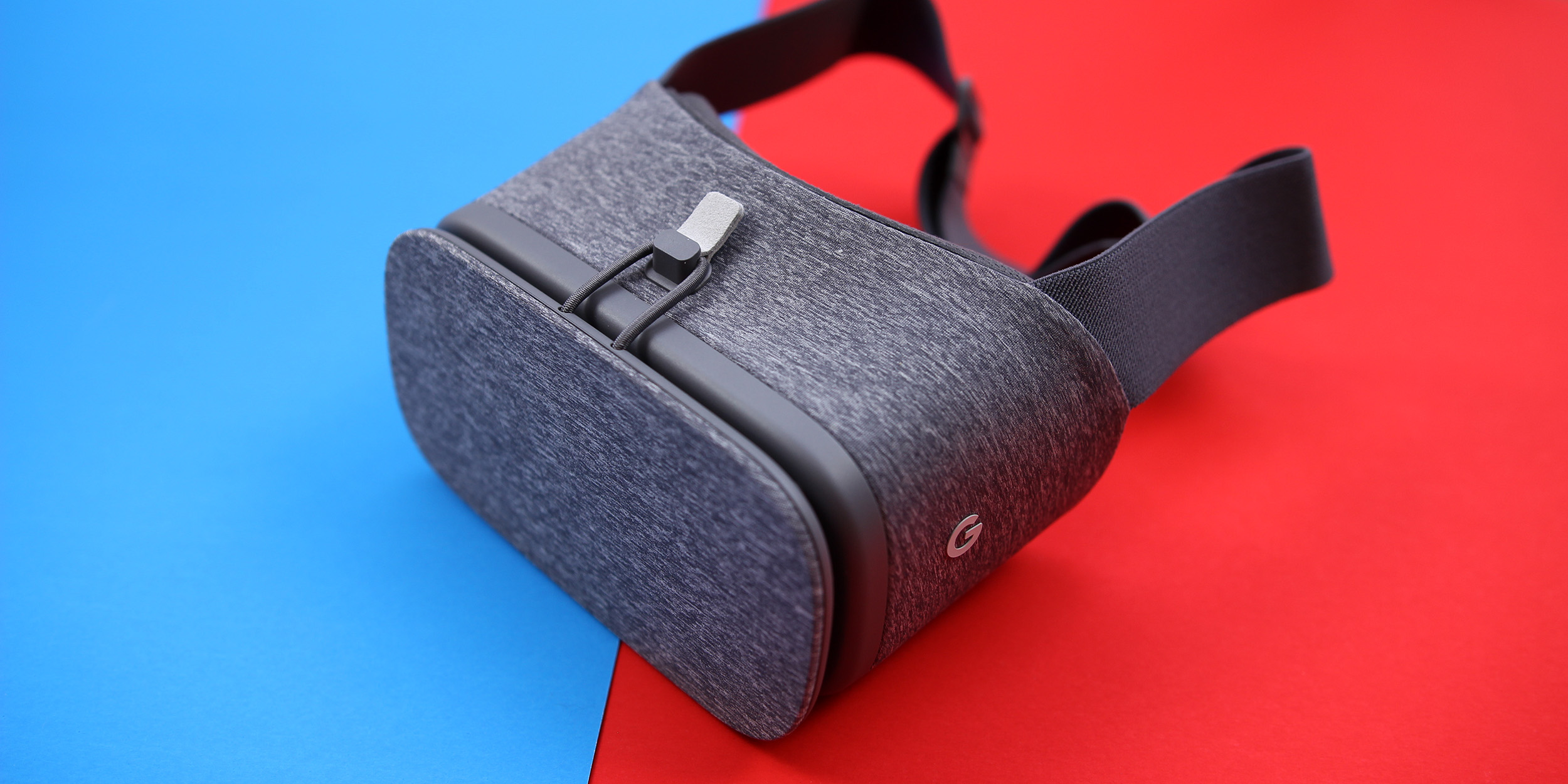
Google’s efforts in VR have been fairly extensive, but I wouldn’t call any of them particularly impressive. Google Cardboard is widespread and simple, while Daydream VR is intuitive, comfortable, and provides one of the best VR experiences on mobile. New job listings, though, might point to Google having something else up its sleeve…
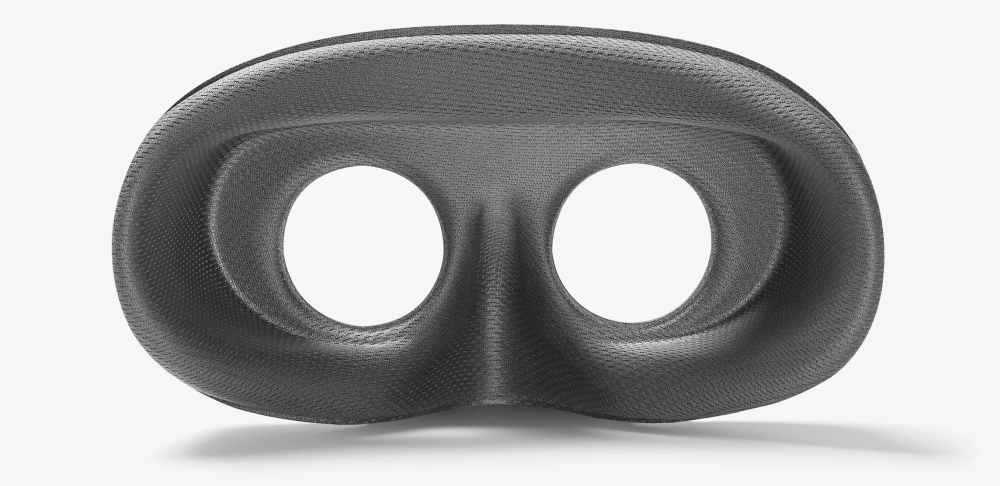
Google has today made some replacement facepads available for its Daydream View VR headset. You can pick them up right now on the Google Store for $15.
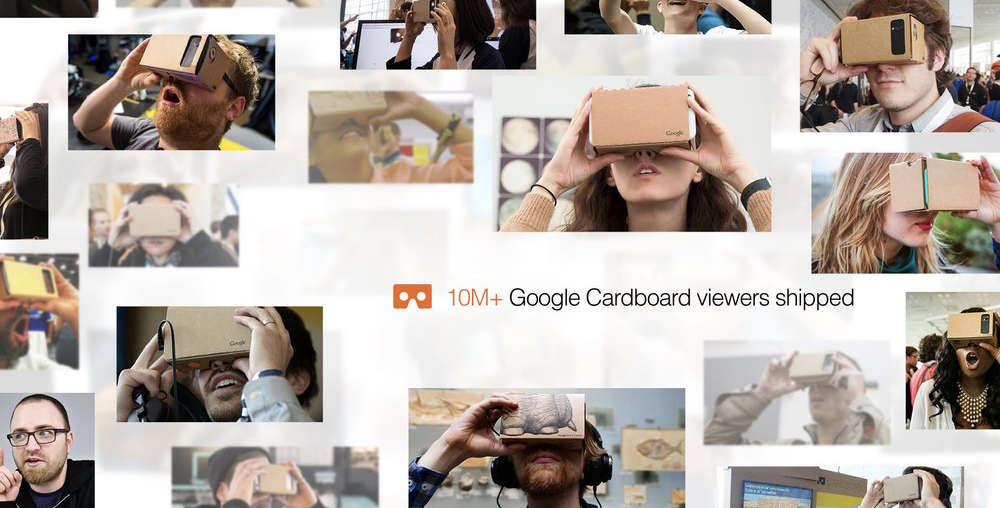
Google has a lot invested in VR, specifically in mobile VR. Its Daydream platform has been the star of the show for the past several months, but before that came Google Cardboard, an affordable VR experience for every phone. Believe it or not, that system debuted almost three years ago, and today Google is announcing that it has shipped over 10 million Cardboard headsets.
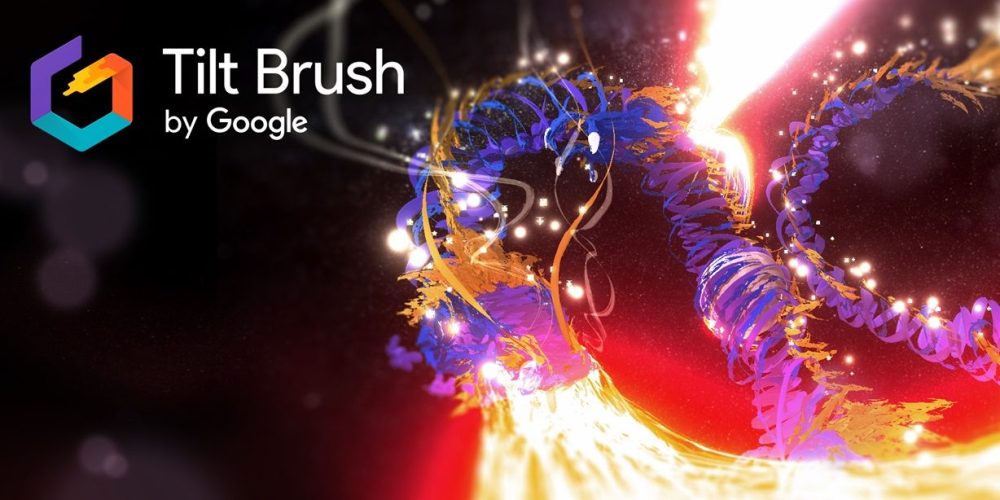
In addition to mobile and desktop software, Google also creates software for dedicated virtual reality platforms. Launched last year, Tilt Brush and Google Earth are impressive VR experiences for the HTC Vive. Nearly a year later, the former app is now available for the competing Oculus Rift.
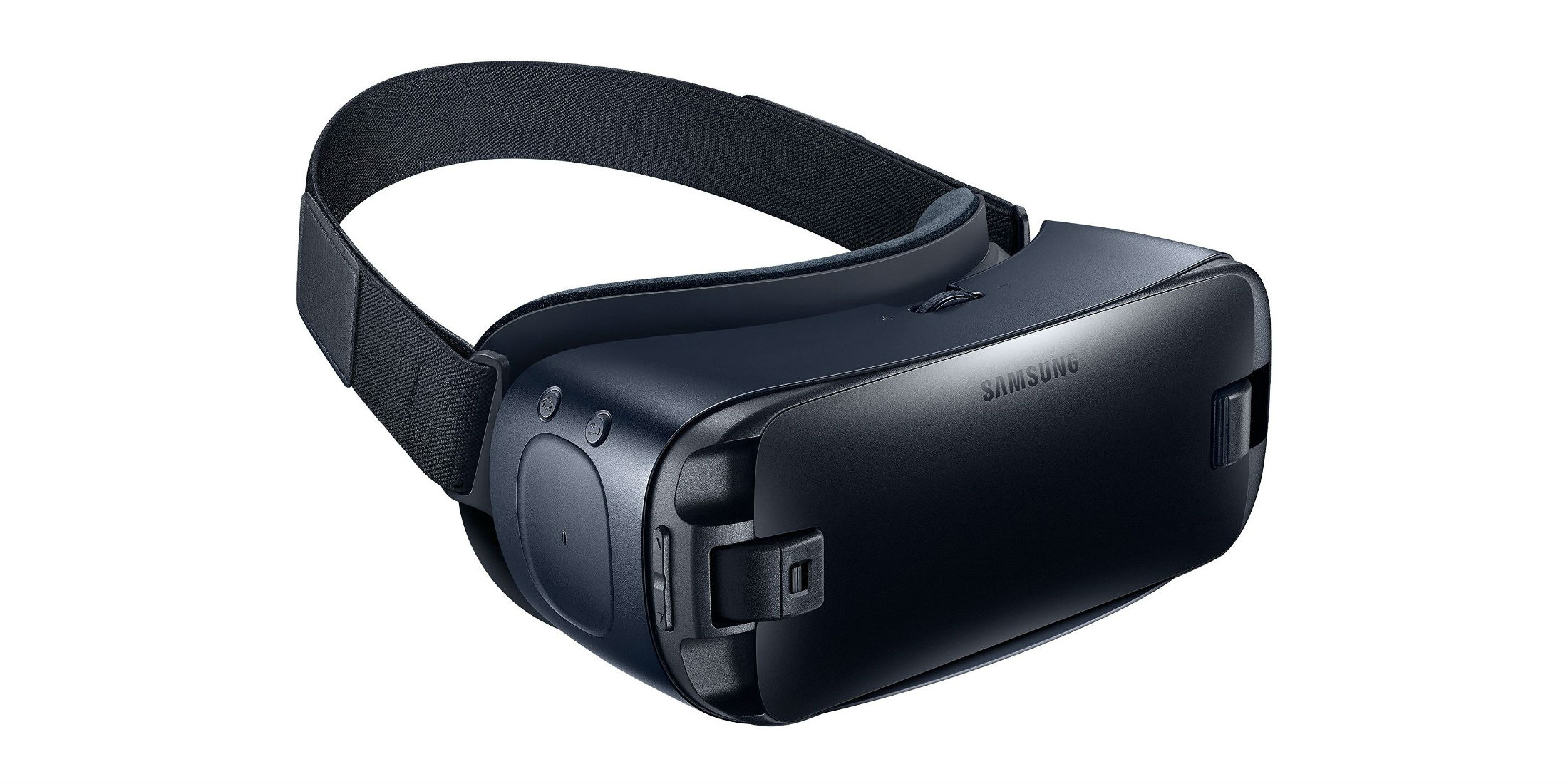
Samsung helped usher in the premium mobile VR experience a couple of years ago with the debut of the Gear VR headset. In the time since, that headset has evolved slightly to offer better viewing angles, improved comfort, and of course, to accommodate new devices from the company. As we approach the release of the Galaxy S8, it seems like Samsung is getting ready to bring a new headset to the table, this time with a dedicated controller.
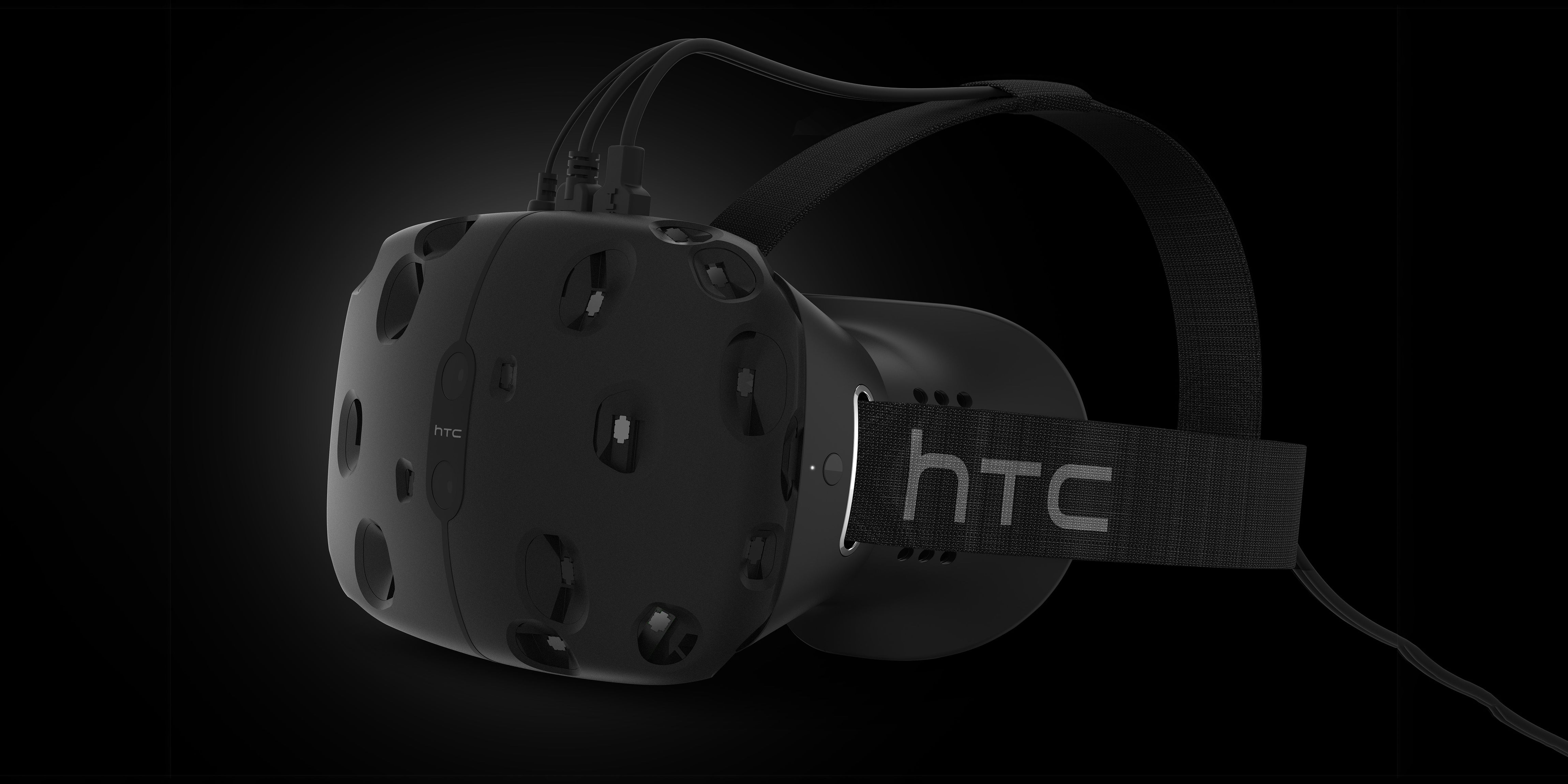
These are not the best days for HTC. The Taiwanese company has been stumbling for quite a while, both financially and in the eye of critics and consumers. One thing seems to have paid off, however: its VR efforts. That’s why, as per a CNET interview, the company is looking forward to progressively shifting its core business to that…


