Android

See All Stories

Breaking news for Android. Get the latest on apps, carriers, devices, and more!
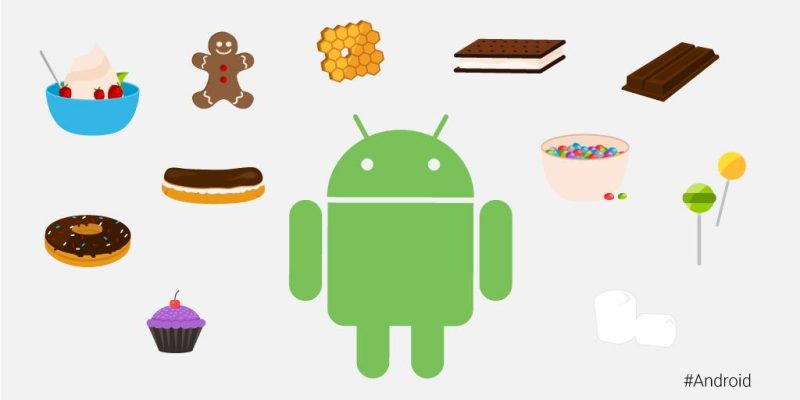
Android is Google’s mobile operating system, launched in September 2008, although its history technically began with the release of the Android alpha in November 2007. To this day, Android powers the majority of the world’s smartphones and comes in several different flavors across many phone makers.

What is Android?

Android Inc.

Android, before it was Android, was a company called Android Inc. That company was founded in Palo Alto, California, in 2003 by a crew of four: Andy Rubin, Rich Miner, Nick Sears, and Chris White. The company and its project was acquired by Google in 2005 for a sum of more than $50 million, although the exact number is unknown. The company’s founders joined Google as part of the deal.

In its infancy, Android was an operating system built not for touch screen smartphones like the iPhone, but rather BlackBerry-like devices with physical keyboards. It’s well documented that after Apple shocked the world with the iPhone, ahead of its nearest competition by at least a couple years, Google and Android Inc. had to go back to the drawing board to build something competitive.

Adoption by third-party makers

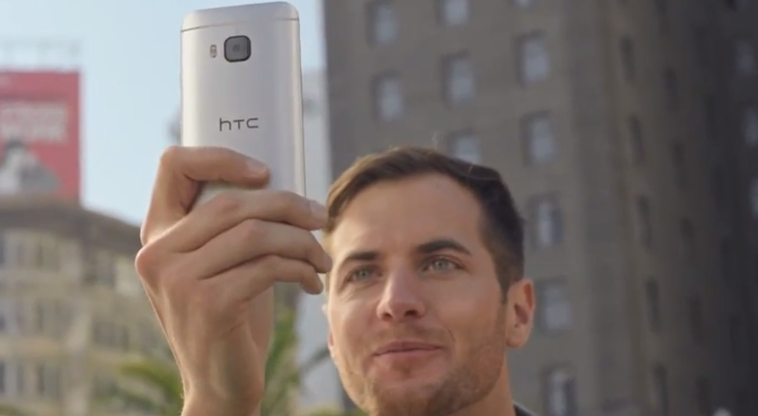
It didn’t take long after the launch of the iPhone for various manufacturers to enter the market with their alternatives — and Google’s Android immediately became the obvious platform of choice for just about everyone except Microsoft. HTC was the first manufacturer on board, and introduced the T-Mobile G1 running Android in September 2008. Soon after, HTC, Motorola, Samsung, and carriers like Sprint and T-Mobile jumped on board to form the Open Handset Alliance.

Android makers across the world

Iconic Android handsets

There have been thousands of Android phones released since Android’s inception, but some have been more important to the platform’s history than others. There was the original T-Mobile G1, as mentioned, but there was also the HTC One Google Play Edition, Moto G, Samsung Galaxy S4, and others. Some of the most iconic Android handsets include:

  • HTC G1
  • HTC Nexus One
  • Samsung Galaxy S, S2, S3, S4, and their successors
  • HTC Incredible S
  • Samsung Nexus S
  • Samsung Galaxy Nexus
  • Samsung Galaxy Note
  • Nokia 8
  • BlackBerry KeyOne
  • Google Pixel and its successors

In more modern times, there are several Android smartphones makers that popped up across various niches and in several international markets. Huawei is a dominant Android maker in China and many European markets, while Samsung is by far the most popular maker in the United States by far — effectively creating a duopoly with Apple. Today, there are dozens of major device makers contributing to the Android ecosystem.

Full list of Android OEMs

History of major Android versions

Android has seen countless software revisions over the course of its life, but in modern times the OS usually sees a major release on an annual cadence. In the earlier days, Google famously gave its major software releases dessert-themed codenames, but retired that practice in 2019 with the release of Android 10.

VersionNameReleaseDevices
2.3GingerbreadFebruary 9, 2011Nexus S
4.0Ice Cream SandwichOctober 19, 2011Galaxy Nexus
4.1Jelly BeanJuly 9, 2012Nexus 7
4.2Jelly BeanNovember 13, 2012Nexus 4, 10
4.3Jelly BeanJuly 24, 2013Nexus 7 (2013)
4.4KitKatOctober 31, 2013Nexus 5
5.0LollipopNovember 3, 2014Nexus 6, 9
5.1LollipopMarch 9, 2015Android One
6.0MarshmallowOctober 5, 2015Nexus 5X, 6P
7.0NougatAugust 22, 2016Nexus 5X, 6P
7.1NougatOctober 4, 2016Pixel, Pixel XL
8.0OreoAugust 21, 2017Pixel, Pixel XL
8.1OreoDecember 5, 2017Pixel, Pixel XL
9PieAugust 6, 2018Pixel 2, Pixel 2 XL
1010September 3, 2019Pixel 3, 3a
1111September 8, 2020Pixel 4

List of major Android OS platforms

While Android proper is certainly the most widespread of Google’s Android operating systems, the company has also launched many offshoots of the main OS over the years. There’s Android Auto, Android Wear (now Wear OS), Android TV (now rebranded to Google TV), as well as versions of Android built for tablets and Android Things (now defunct).

Invitation to Samsung’s ‘what’s next’ Unpacked event on March 1st appears online

Update 2: Samsung has now officially sent out the above invitations.

Update: It appears the invitations, while possibly real, haven’t yet been officially released by Samsung.

Samsung has apparently let out some invites to its first “Unpacked” event of the year, this one happening next month at the Mobile World Congress in Barcelona, Spain. The event, as noted on the invite, is apparently scheduled for March 1st. The invite first appeared via Vietnamese site tinhte.vn.


Expand
Expanding
Close

Review: Sprint’s ZTE LivePro Portable Projector/Hotspot/Battery is a breakthrough idea with mediocre execution

Site default logo image

I’ve been using the Sprint LivePro Android Projector/Hotspot since its release in July and have been a huge fan of the feature set, particularly the DLP Projector. The LivePro is a simple idea: Take an Android 4.2 phone and with the click of a button, mirror a powerful DLP LED beam projector out of it.

That idea may sound familiar with the Samsung Galaxy Beam (or Beam 2) being the most popular of a small subset of phones that included a projector over the past few years.  The problem with the Beam and other similar phones is that 15 lumen lo-fi projectors only work well in the dark and even then, the battery only lasts about 20-30 mins while projecting. That’s after outfitting it with a super-sized battery which made the phone comically thick.

ZTE said to hell with the phone idea and added an even more massive 5000mAh battery and made the projector 100 lumens strong which gives it the ability to become a whole new type of product while keeping its Android 4.2.2 OS. The new form factor is a 4.7-inch square with a form factor similar to a current Apple TV but about 40% bigger in every direction…
Expand
Expanding
Close

Project Tango moving on from Advanced Technology and Projects group

Site default logo image

Google has announced that Project Tango, the 3D mapping tech currently formerly in development in the company’s Advanced Technology and Projects division is moving on to a home of its own.

The Google+ post announcing the change didn’t provide specifics about where exactly the Tango tech will be moving, but it seems the company is pleased with the progress it’s made so far and is willing to invest some additional resources to continue the work.


Expand
Expanding
Close

Site default logo image

Google finally posts Android Lollipop factory images for cellular Nexus 7 models

It’s been a long time coming, but Google has finally decided to post the Lollipop factory images for the LTE Nexus 7 (2013) and the ‘Mobile’ Nexus 7 (2012). The image, specifically, is a build of Android 5.0.2. As per usual, the OTA update should start hitting these devices soon, and we’ll let you know when these OTA downloads are available.

You can download the factory images over at Google’s developer page.  If you’d like to install one or any of these factory images without waiting for the over-the-air update to hit your device, check out our comprehensive guide.

Google Now adds cards for notifications from 40 Android apps

Site default logo image

Google announced today that it’s adding new cards to Google Now, those context-aware notifications that pop up in the Google app for Android, using information sourced from other Android apps. That means rather than opening various apps to check out the latest updates in each, you’ll be able to view updates directly in the Google Now feed.
Expand
Expanding
Close

My Nexus 6 logo/letters peeled off and here’s how I fixed it (Video)

When the Nexus 6 was first released, I was just as excited as everyone else. What’s not to like about a Nexus device with a massive high resolution display, right? That excitement continued over the weeks, but after about a month or two of everyday active use, I noticed a very annoying defect in the build quality of the Nexus 6…


Expand
Expanding
Close

Watch Super Bowl XLIX live streams online on your Android device, Chromecast or computer

Site default logo image

Super Bowl XLIX with the Seahawks vs. the Patriots kicks off this weekend on February 1st and we’re already getting prepared with a handy list of links for watching on all your Android and Chrome devices.

Head below for details on how to watch the game from your Android smartphone, tablet, or in your browser on the desktop:
Expand
Expanding
Close

Android hits historic sales landmark: one billion smartphones shipped last year

Site default logo image

We noted 18 months ago that Android could be on track to ship a billion devices in 2014, tablets included, and Strategy Analytics has just revealed that the tablets weren’t needed: more than a billion Android smartphones were sold last year.

Android shipped 1.0 billion smartphones worldwide in 2014, rising from 0.8 billion units in 2013. Android has become the first ever smartphone operating system to ship more than 1 billion units in a single year. Android accounted for a huge 81 percent share of all smartphones shipped globally in 2014.

Putting the number at 1.0427B handsets, the research company said that emerging markets like China were key to the growth. The figures show that the Android smartphone market has doubled in size since 2012 … 
Expand
Expanding
Close

Site default logo image

Nexus Player coming to Japan by end of February, its first market out of North America

Earlier this month, Google’s Nexus Player became available from a variety of new online retailers and big-box stores, and now the company revealed the first market outside of North America in which the device will be available. In a post on its Asia Pacific Blog, Google has revealed that the Nexus Player will be available in Japan by the end of February.


Expand
Expanding
Close

OnePlus teases its custom OxygenOS ROM, will reveal more on February 12

Site default logo image

The tensions between CyanogenMod and OnePlus have been well documented over the recent months, with OnePlus even going as far as removing Cyanogen branding from its most recent shipments of phones. This morning, OnePlus teased an upcoming announcement with the tagline “Back to Basics” and now the company has revealed its own custom ROM. In a post on the OnePlus forums, the company has revealed that it is developing its own ROM that it will call Oxygen OS.


Expand
Expanding
Close

Google: Users have casted content 1 billion times, Chromecast most popular streaming device in U.S.

Site default logo image

Google’s Chief Business Officer Omid Kordenstani gave several updates on the status of the company’s $35 Chromecast streaming device during the this evening’s Q4 2014 earnings call. Kordenstani first stated that users have “casted” content to their television more than one billion times. The company says that this is a huge milestone for the streaming stick and the implementation of the Cast functionality in a variety of different apps.


Expand
Expanding
Close

Google CFO admits the company has been unable to keep up with Nexus 6 demand

Site default logo image

During the company’s Q4 2014 earnings call, Google Chief Financial Officer Patrick Pichette addressed a few of the reasons for the company’s slower than expected quarter. Pichette said that one issue Google had was keeping up with demand the demand for the Nexus 6. Pichette noted that while the device was well received, the company simply couldn’t get the inventory to keep up with consumer demand.


Expand
Expanding
Close

Microsoft to invest in Cyanogen—which hopes to take Android away from Google

Update: A previous version of this article stated that Microsoft was investing $70 million, but it seems more likely that the company is only part of that total number. It’s not known how much Microsoft is investing. Feel free to read WSJ’s ambiguous wording below…

The Wall Street Journal reports today that Microsoft plans to take part in a $70 million investment round in Cyanogen, a company that was once just a group of modders working on a variant of Android. Now, Cyanogen has bigger ambitions. “We’re going to take Android away from Google,” said on the record recently by Kirt McMaster, Cyanogen’s CEO.


Expand
Expanding
Close

OnePlus teases ‘Back to Basics’ announcement following removal of Cyanogen branding from the One

OnePlus is today teasing an announcement for tomorrow with the tagline “Back to Basics,” but no one really has any idea what the company plans to tell us about. Interestingly, the teaser image that OnePlus posted across its social media profiles (seen above) definitely makes reference to the Breaking Bad title screen, but it’s not clear yet what it might mean.

Also, updated models of the OnePlus One without Cyanogen branding on their back covers have begun shipping…


Expand
Expanding
Close

Samsung reportedly rushing to dismantle TouchWiz as it feels heat from Apple in Q4

TouchWiz has long been known as being far too full of bloat and unnecessary software, but the real problem with Samsung’s version of Android is that these added features come with a hard hit on performance. According to a report this morning from SamMobile, the Korean company might be going as far as to remove all features from the OS that can possibly be downloaded—and this just so happens to coincide with today’s market share numbers showing that Apple and Samsung were neck-and-neck in Q4.


Expand
Expanding
Close

Rolling Stone magazine archives coming to Google Play Newsstand tomorrow, initially free

Site default logo image

Rolling Stone magazine is making some of its archived issues available in the Google Play Newsstand app, with three or four major stories from each issue available for free. The move is being made in partnership with Google as a means of promoting the app, reports Fast Company.

Google Play’s global head of marketing Brian Irving says he views the Rolling Stone partnership as a way to demonstrate the possibilities of Google Play’s Newsstand, which he argues is better suited for content discovery than Apple’s Newsstand, due to features like customizable themes and key word searches.

Gus Wenner, son of Rolling Stone founder Jann Wenner, said there was enormous interest in archived stories when properly promoted … 
Expand
Expanding
Close

Site default logo image

China accused of protectionism through new cybersecurity rules aimed at western tech companies

The NY Times reports that the Chinese government has adopted a set of supposed cybersecurity regulations on western companies selling technology to banks. These requirements are so absurd that it would be impossible for companies like smartphone manufacturers to comply.

The Chinese government has adopted new regulations requiring companies that sell computer equipment to Chinese banks to turn over secret source code, submit to invasive audits and build so-called back doors into hardware and software, according to a copy of the rules obtained by foreign technology companies that do billions of dollars’ worth of business in China.

The paper reports that while the regulations are so far limited to sales to Chinese banks, they are merely the first in a series of new cybersecurity policies expected to be introduced in the coming months, and businesses fear that they are designed to protect local manufacturers from foreign companies.

One theory raised in the NY Times piece is that the moves may be retaliation for an effective US ban on Huawei servers and networking products following concerns that they contained backdoor access for use by the Chinese government.

LG posts 78% smartphone growth in US holiday quarter over last year

Site default logo image

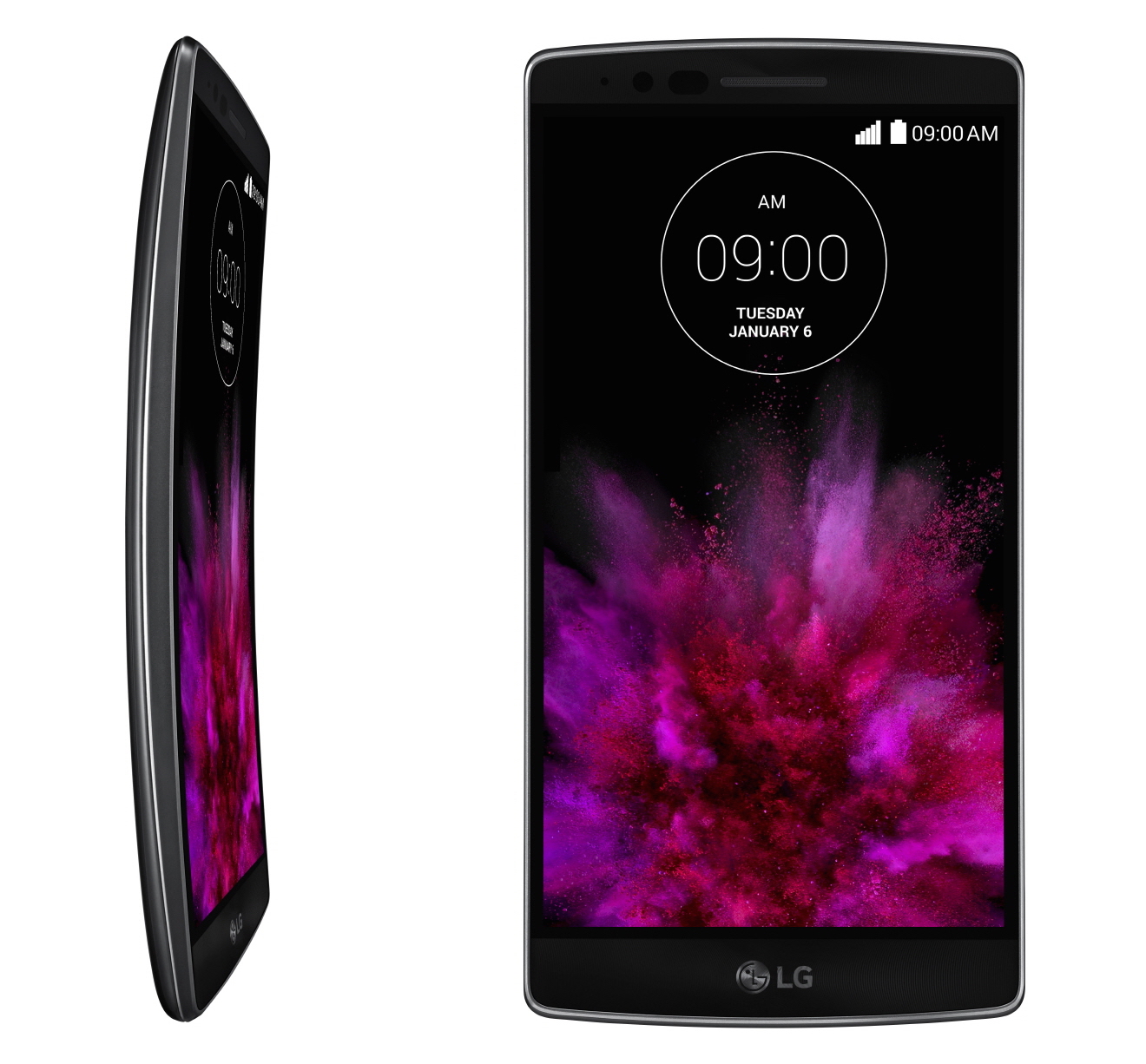
LG posted its quarterly earnings numbers today and boasted  impressive numbers in its smartphone group. Globally, Smartphone sales were up 24% but in the US alone, smartphones shipments were up 78% for the quarter year over year. LG ended the year having moved 59.1 million smartphones, bolstered by its popular G3 flagship. Those aren’t Apple numbers by any stretch but still very solid.

LG also posted growth in its home entertainment sector but a net loss overall for the quarter mostly due to charges related to shutting down its Plasma business.

SEOUL, Jan. 29, 2015 ― LG Electronics Inc. (LG) today announced net profit of KRW 501.40 billion (USD 474.81million) for full-year 2014, an increase of 125 percent over 2013 net profit. Operating profit increased significantly in 2014 to KRW 1.83 trillion (USD 1.73 billion) from KRW 1.25 trillion (USD 1.14 billion) in 2013, an increase of 46 percent. Full-year consolidated revenue of KRW 59.04 trillion (USD 55.91 billion) was mainly boosted by a 24 percent increase in smartphone shipments.

The LG Mobile Communications Company reported a 16 percent increase in annual revenue to KRW 15.06 trillion (USD 14.26 billion) with help from North America, where shipments increased 78 percent during the fourth quarter of 2014 from the previous year. Fourth-quarter revenue of 3.78 trillion (USD 3.48 billion) was 5 percent higher than the same period in 2013. A total of 59.1 million smartphones were shipped in 2014, an increase of 24 percent from the previous year, among 78.2 million mobile handsets sold last year. Expecting a challenging year ahead with greater competition globally from various manufacturers, LG will concentrate on improving its brand power, operating more efficiently, and focusing on selective key markets.

Site default logo image

Chrome Beta for Android updated w/ pull-to-refresh, performance improvements

Google announced this evening in a blog post that Chrome 41 Beta for Android is now available. The update is rolling out to users via the Play Store now, according to the company, and bumps the app to version 41.0.2272.34.

While relatively minor, the update does add the ability to pull-to-refresh “most” webpages, a feature that will make the web browsing experience a bit more seamless and similar what users are used to in other apps.


Expand
Expanding
Close

Qualcomm says Snapdragon 810 chip has been dropped from an upcoming flagship, likely the Galaxy S6

Site default logo image

Rumors regarding overheating issues with Qualcomm’s Snapdragon 810 processor have plagued the chip since it was introduced last year. A report back in December claimed that the issues of the Snapdragon 810 could cause delays to the Galaxy S6, LG G4, and Sony Xperia Z4. In its earnings report today, Qualcomm has seemingly confirmed issues with the processor, adding that it has lowered its outlook for the second half of 2015 because of the problems.


Expand
Expanding
Close