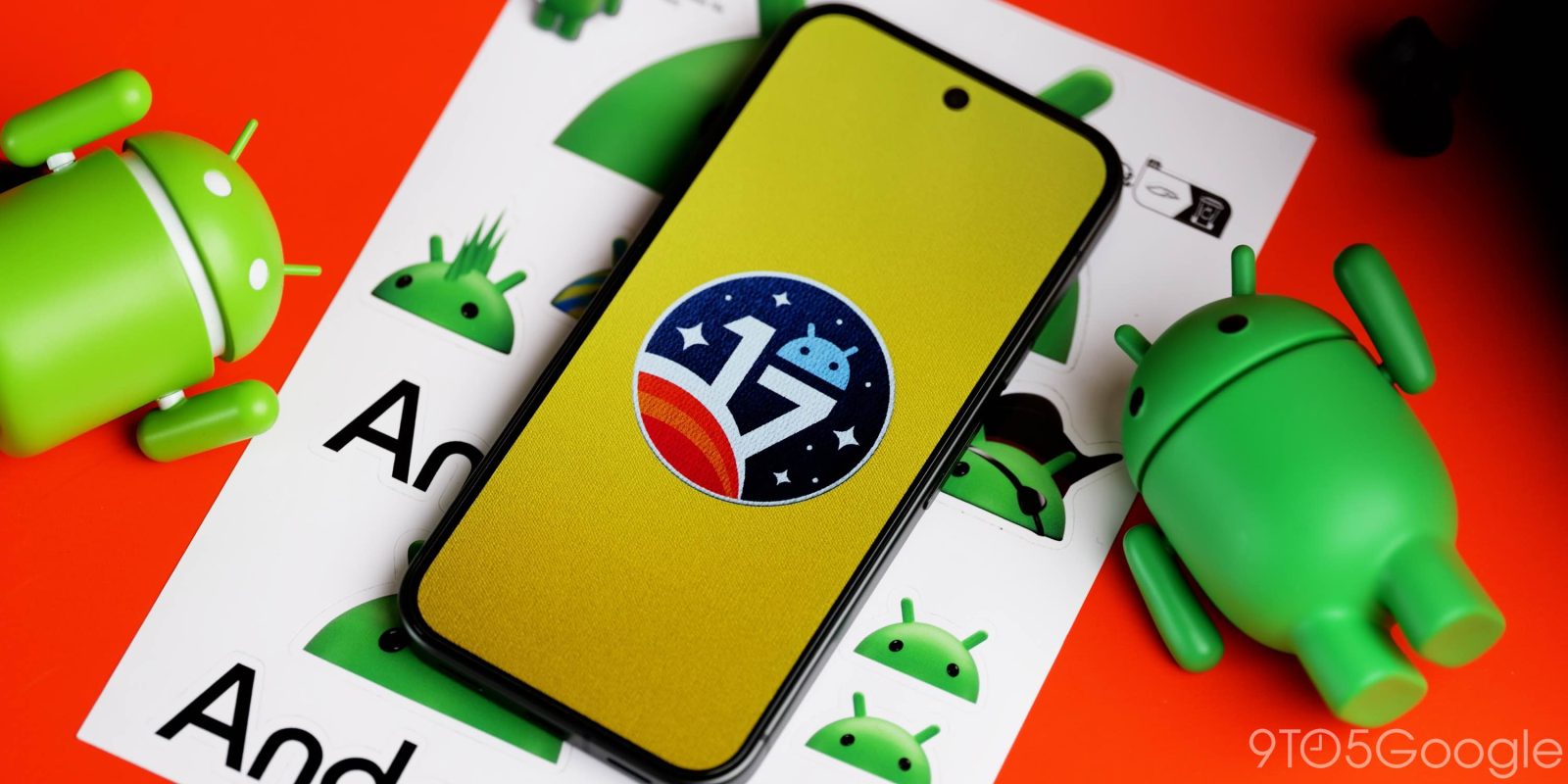
Is your Pixel running smoother after updating to Android 17? [Poll]


As announced at The Android Show: I/O Edition last week, Google is more widely rolling out the “Find Hub” update that rebrands “Find My Device.”
Expand Expanding Close
The Tab Search tool in Google Chrome – frequented by users with way too much RAM – is getting a new dedicated button. The tool lets Chrome users search open and closed tabs by keyword, making for an easier time sifting through active pages.
Expand Expanding Close

OnePlus is teasing the upcoming launch of the OnePlus Pad 3 which is said to come with some software updates such as a new Open Canvas upgrade and some form of iOS integration.
Expand Expanding Close

Following a prompt bar redesign, as well as model picker simplification, on Android and iOS over the weekend, the Gemini app is beginning to roll out chat search.
Expand Expanding Close

Qualcomm has confirmed that its next big event to launch the second-generation Snapdragon 8 Elite and other new products will be happening in late September, ahead of schedule yet again.
Expand Expanding Close
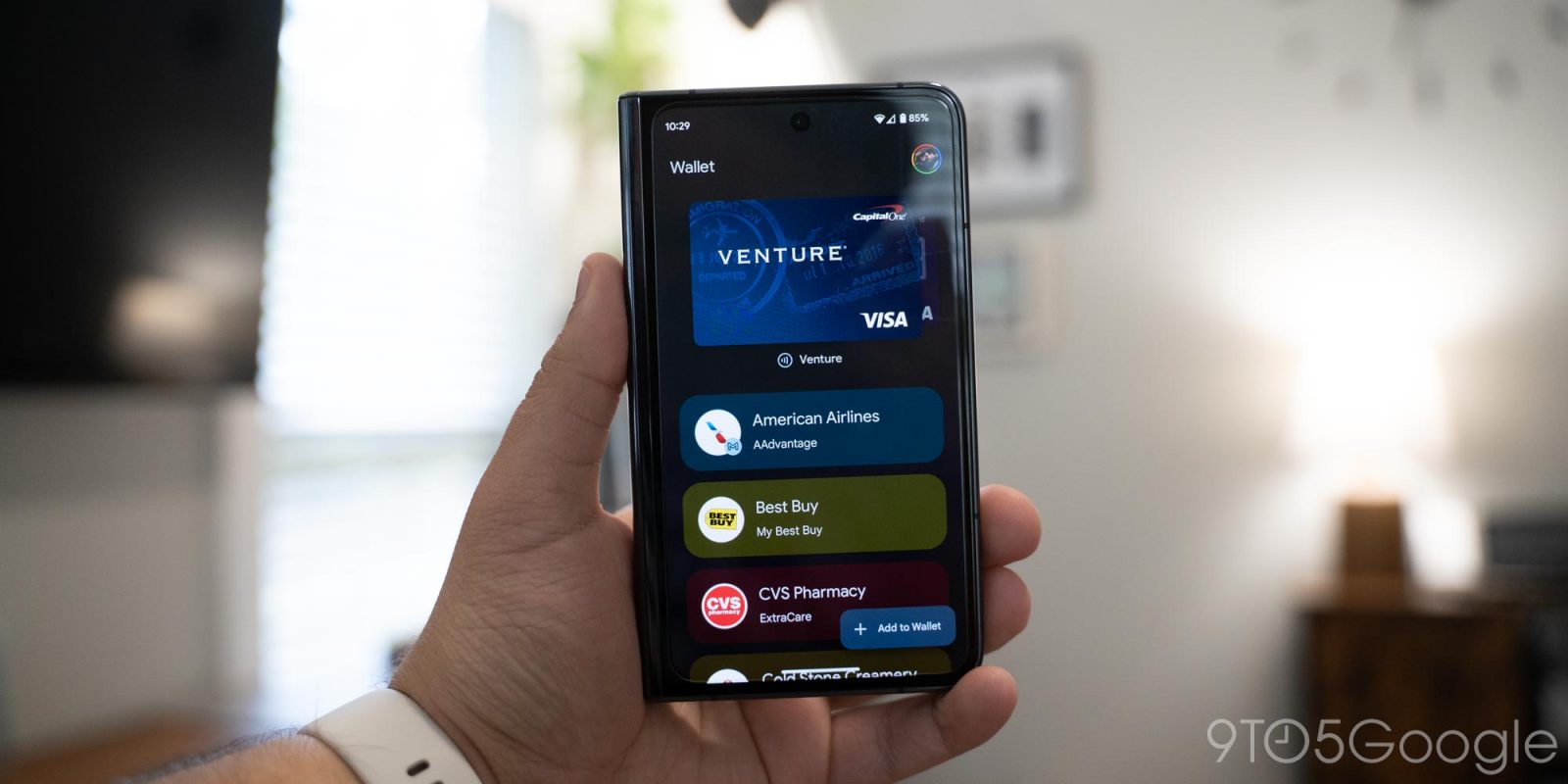
In 2024, Google Wallet introduced a “verify it’s you” requirement a few minutes after phone unlock, and now appears to be extending that beyond payments to opening the entire Android app.
Expand Expanding Close

The “Find My Device” network has suffered from bad branding long enough. That’s why I was glad to see the transition over to “Find Hub” this week, but I think Google still has one more pillar to take care of, and that’s offering better AirTag competitors for Android users.
Expand Expanding Close
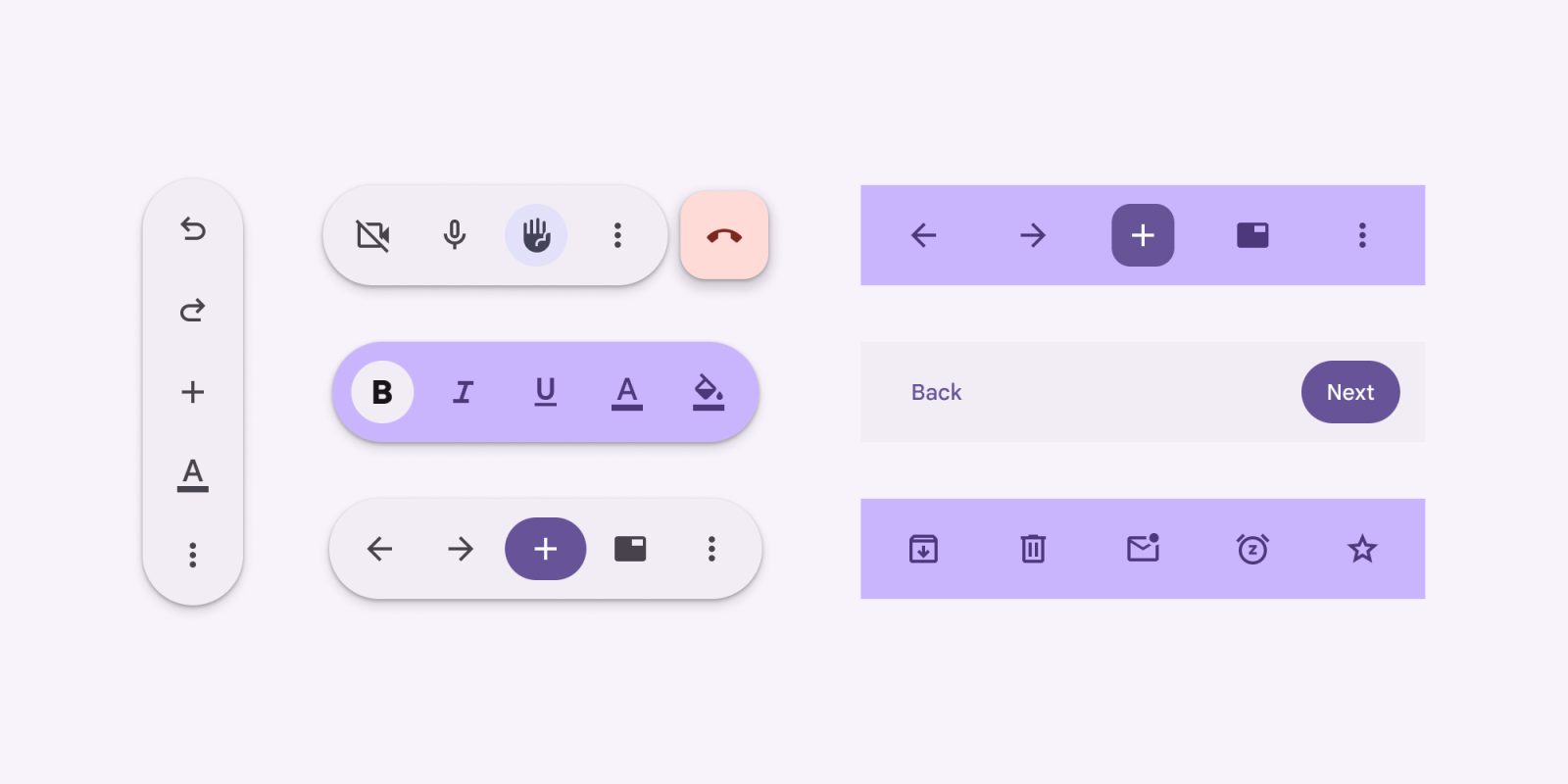
With Material 3 Expressive, Google is making a push for bottom controls in apps with toolbars. This new component displays “frequently used actions relevant to the current page.”
Expand Expanding Close
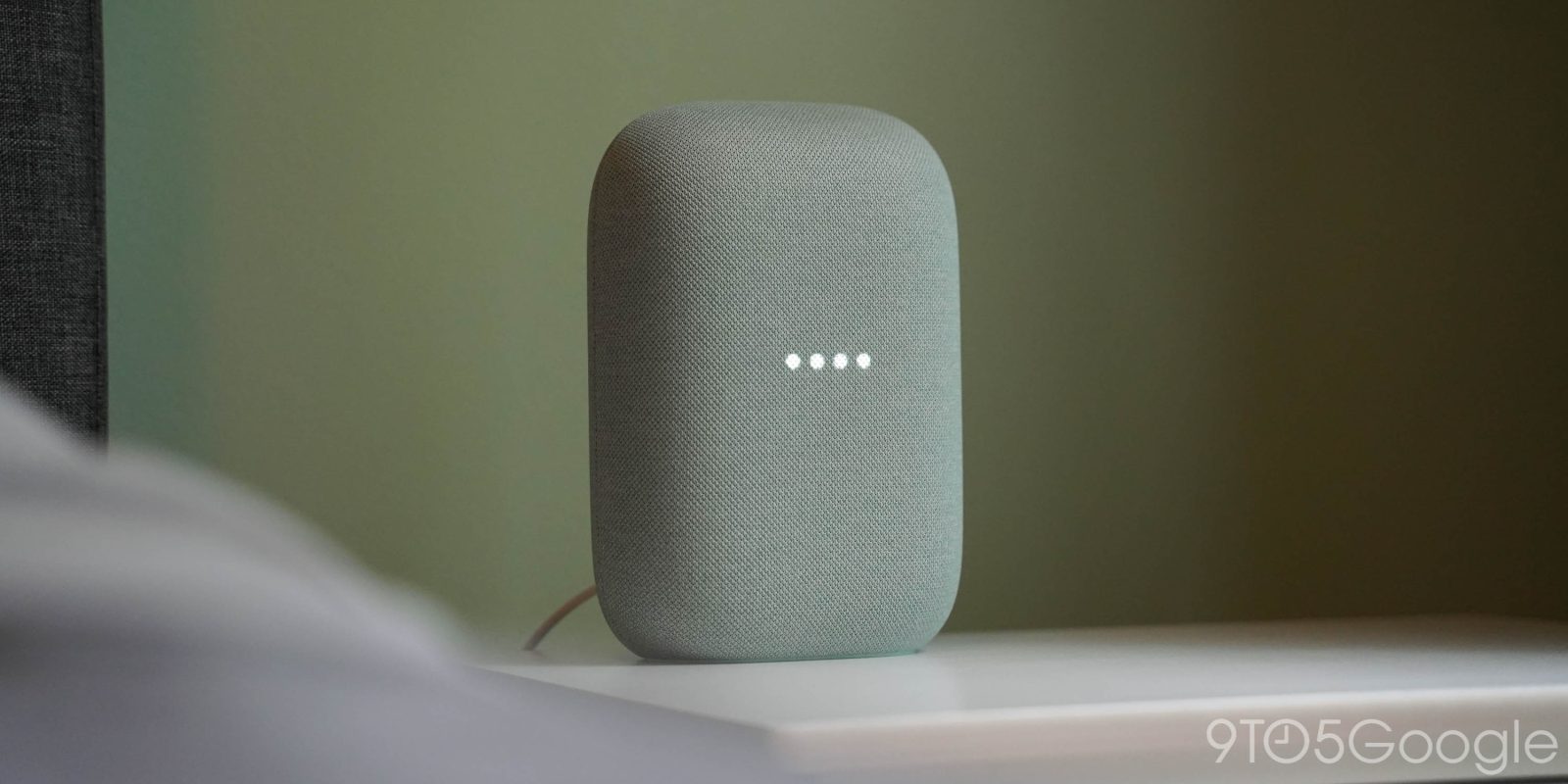
Since December, Google has been testing a Gemini-powered upgrade for Assistant on some Nest speakers. The Nest Audio is now using the Gemini colors, which raises some interesting branding questions.
Expand Expanding Close
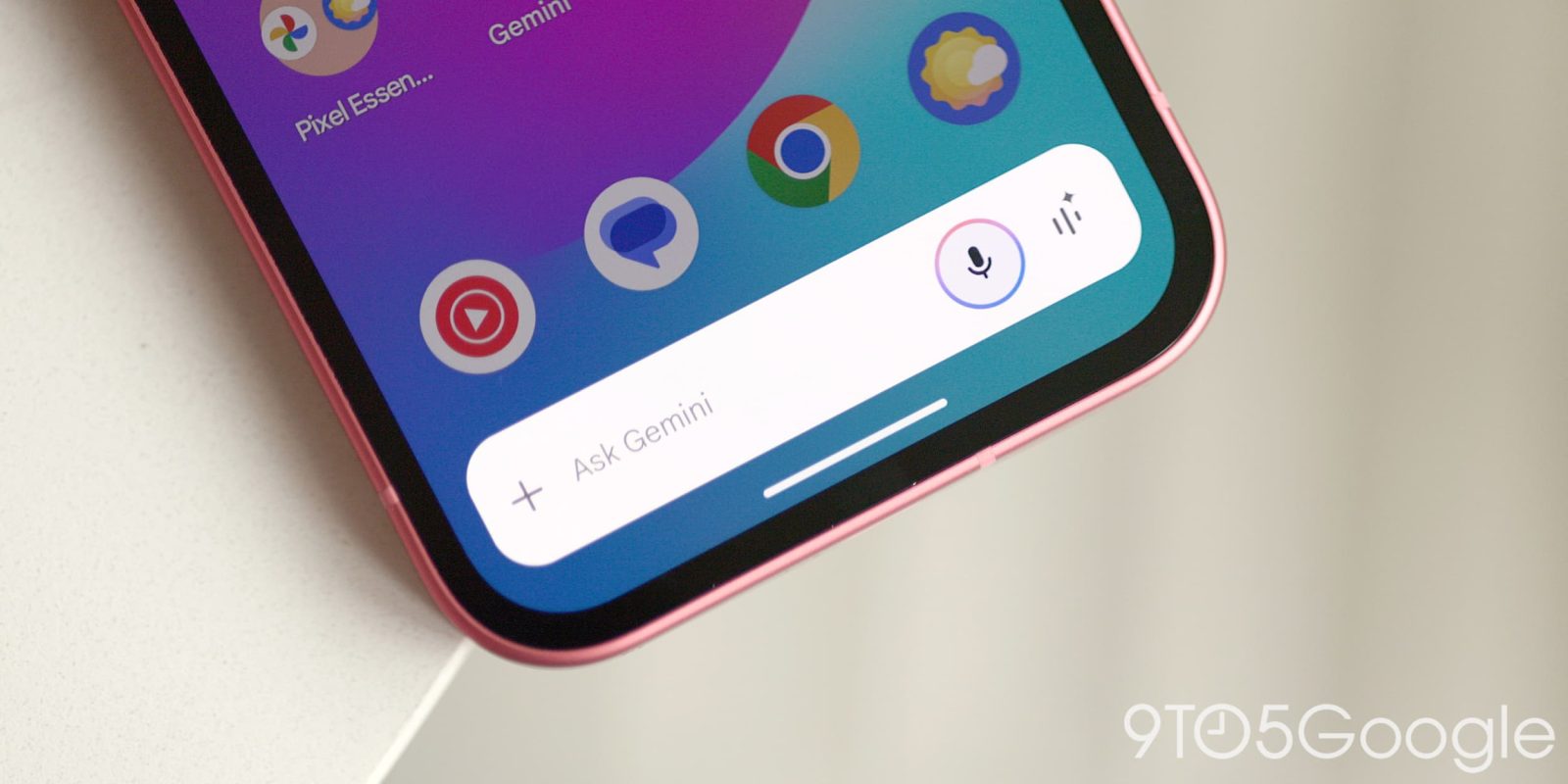
Following the web redesign and other changes, Google is introducing a new prompt bar for the Gemini app on Android and iOS.
Expand Expanding Close

The video introducing Google’s new design language starts with a pull-to-refresh animation that turns “Material 3” into “Material 3 Expressive,” with the sequence introducing the new loading indicator.
Expand Expanding Close

In a change to how Google Photos shares images, a new “Quick Edit” page appears before sharing options appear. Here’s how to disable that page for quicker sharing.
Expand Expanding Close

With all users stateside able to test, the shortcut for launching AI Mode is now in the Google app’s Search bar on Android and iOS.
Expand Expanding Close

One of the annoying limitations of Matter is that, often, you’re giving up features if you use a device in something like the Google Home app over another Matter app. But with Aqara’s Advanced Matter Bridging, that doesn’t have to be the case.
Expand Expanding Close

Welcome to episode 54 of Pixelated, a podcast by 9to5Google. This week, we talk about The Android Show, Android 16, Wear OS 6, and more.
As previewed last month, YouTube TV is now beginning to let subscribers build custom Multiviews for non-live sports content.
Expand Expanding Close
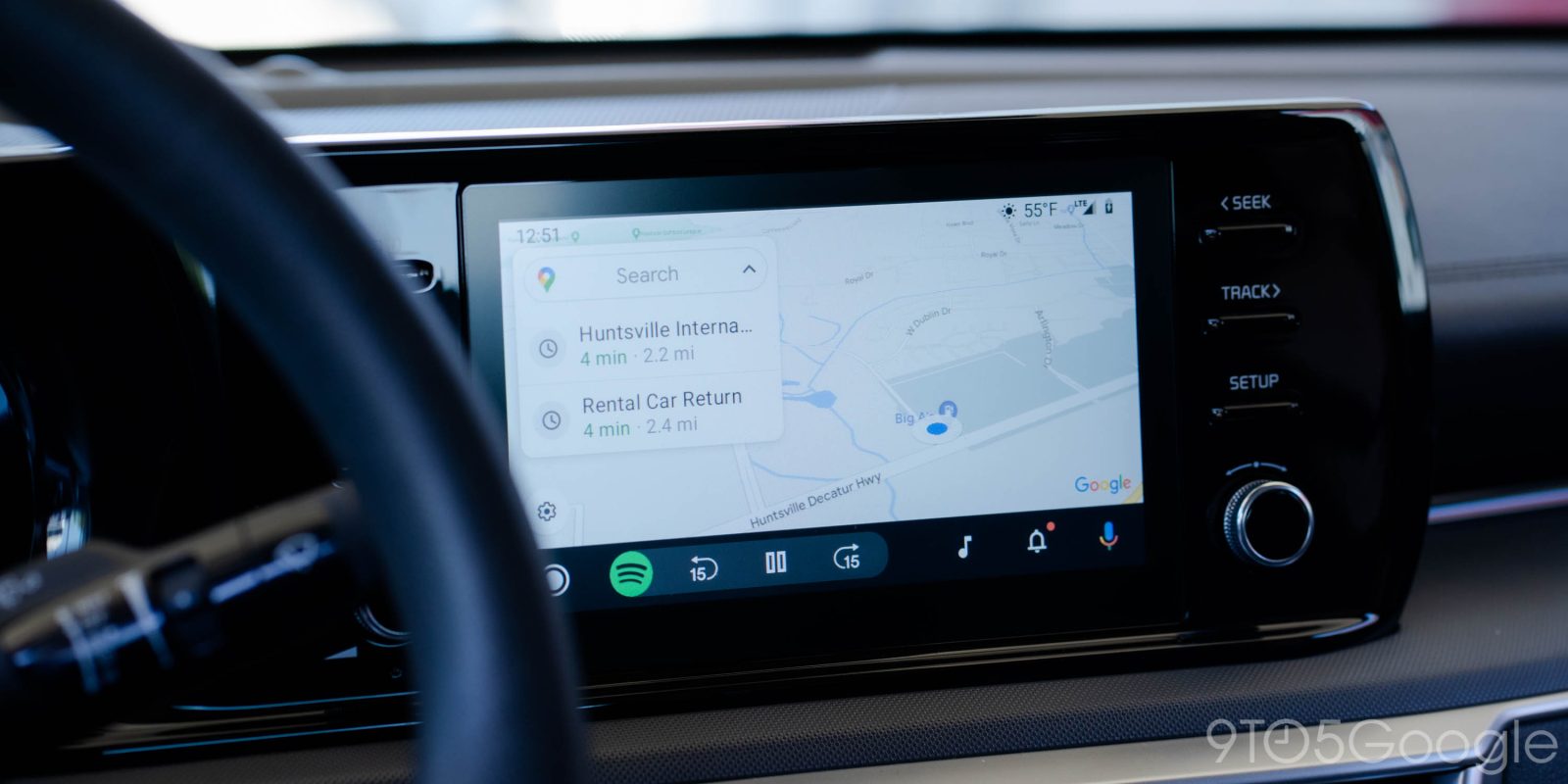
An issue with Google Maps as of late has left users without the ability to see alternate routes on the mobile app and car platforms such as Android Auto.
Expand Expanding Close

Friday afternoon’s lineup of the best Android game and app deals is now ready and waiting down below. Alongside the launch of the new Sony WH-1000XM6 headphones and ongoing pre-order deals on the new Samsung Galaxy S25 Edge, we also have notable price drops on Sharge’s 30W 10,000mAh Pouch Mini power bank as well as the Hisense 2025 frame-style 144Hz Google smart TV at $900 off, but for now it’s on to the apps, and everything awaits below.
Read More
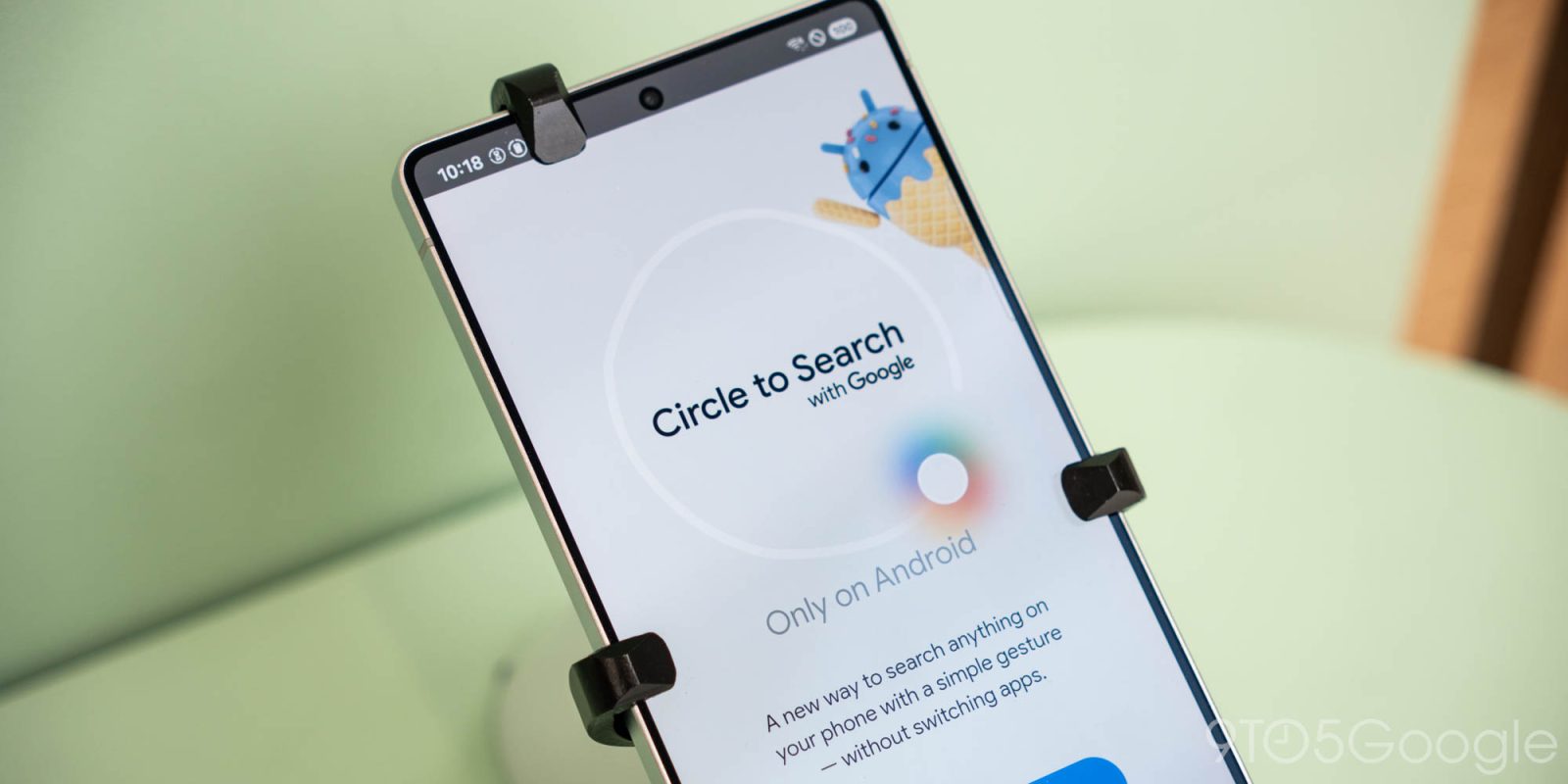
The “search box” in Circle to Search in Android will now use your whole screen to “generate suggestions and results.”
Expand Expanding Close

The Nothing Phone (3) is coming soon and new rumors swirling around the device suggest we’ll get better cameras, a bigger battery, and more.
Expand Expanding Close
Google is rolling out the latest Android Auto update widely, with version 14.3 now available through the Play Store.
Expand Expanding Close

After introducing on iOS earlier this week, the Google app for Android is now widely getting the new ‘G’ icon with an update today.
Expand Expanding Close
The new Sony XM6 have finally launched – here’s our hands-on review – but for now we are on to Friday’s best deals. Amazon has now launched its early Memorial Day sale with thousands of price drops across just about every product category, and you can scope those out right here, but we are first highlighting some of those sweet OnePlus Sharge chargers – the 30W 10,000mAh Pouch Mini is at a new $32 low and the 55W 10,000mAh 3-in-1 Pouch charger is at the $50 Amazon all-time low. Next, we have the best price to date on the Hisense 2025 frame-style 144Hz Google smart TV at $900 off the launch price, ASUS’ 2025 Snapdragon X Plus Vivobook 16 at $150 off, microSD cards, smart doorbells, SSDs, and more.
Expand Expanding Close

Anticipation was high for Samsung’s One UI 7, and even when all of the delays and original issues with the new OS are ignored, it’s still pretty clear that some portions of Samsung’s software are lacking. The Now Bar might be one of Samsung’s biggest disappointments, not because of what it could have been, but because it fell far too short.
Expand Expanding Close