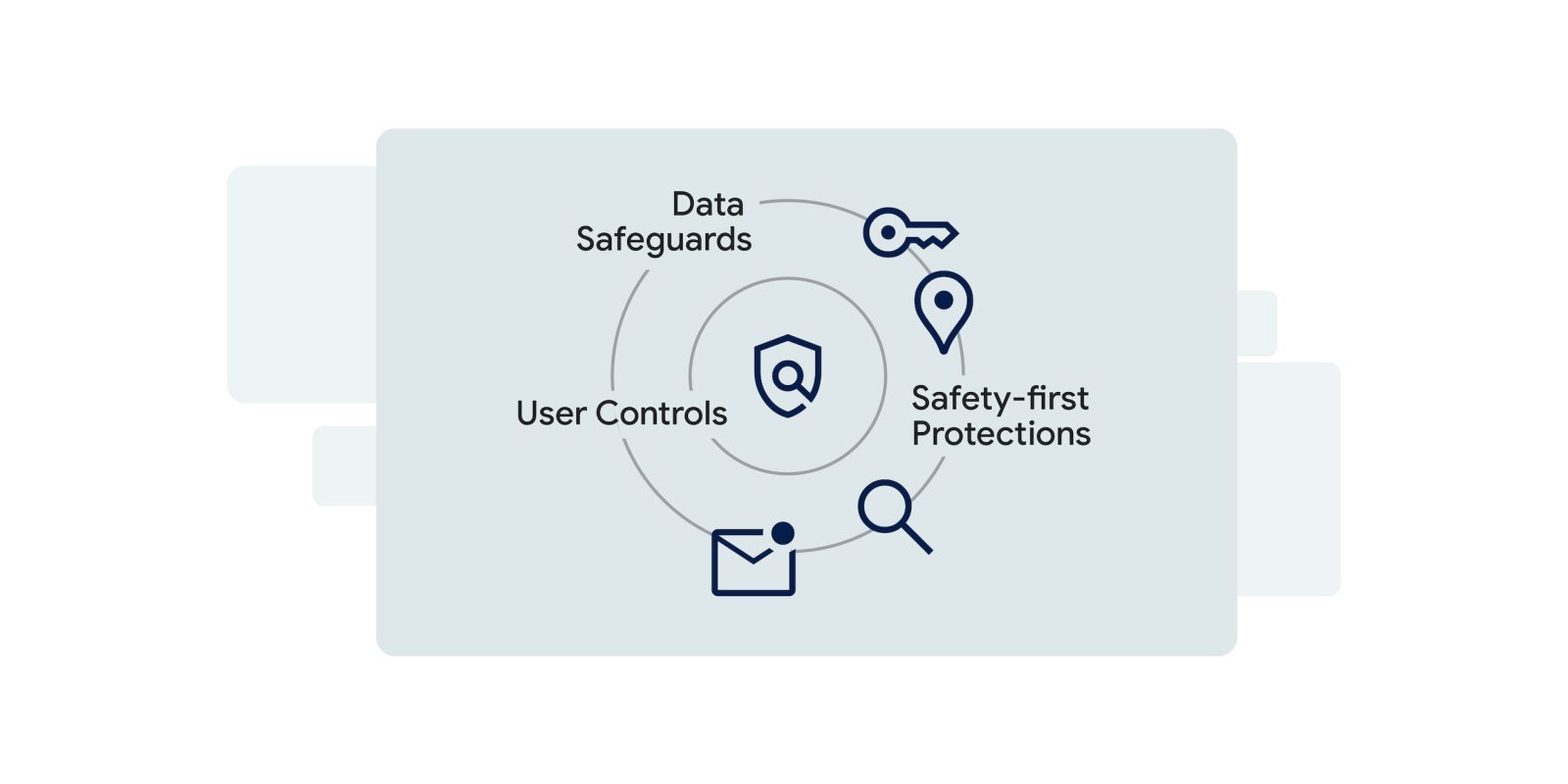
With the launch of the Find My Device network, Google today detailed the user and privacy protections in place.
Expand Expanding CloseGoogle on the Find My Device network’s privacy protections


Send tips/talk to abner@9to5mac.com or @technacity (open DMs).
Abner Li has worked at 9to5Google since 2015 and in late 2020 took on the role of editor-in-chief. He is keenly focused on tracking what happens at Google, and is often the first to spot new features in Google’s ever-growing family of applications that are updated on a daily basis, including Search, Assistant, Maps, Workspace, Android, Chrome/OS, Wear OS, and YouTube Music.
To him, what Google does greatly impacts the technology space and modern life. Inside the company, he is particularly interested in the key products mentioned above, as well as services like Google Podcasts and Google Lens. Each are massive platforms that can be unwieldy to grasp, with Abner keenly bent on understanding their philosophy and future direction. He is most excited about Google’s plans for augmented reality glasses.
Abner spearheads the APK Insight program at 9to5Google to chronicle all changes in the company’s Android apps, often finding new features before they are officially announced. This includes redesigns and revamps, launches, and new products.
A big area of interest is Google’s hardware division, including Pixel, Fitbit, and Nest. He detailed all of the Pixel 3’s camera features before launch and scooped the 2nd-generation Nest Hub’s Soli-powered Sleep Sensing capability, including how it would integrate with Google Fit.
Recently, Abner detailed the Pixel Watch’s specs in full before launch, including bands and pricing. He also got wind of the Pixel Tablet’s ultimate form factor.
With the launch of the Find My Device network, Google today detailed the user and privacy protections in place.
Expand Expanding Close

The new Find My Device network lets you find Android phones and tablets even if they’re offline and not connected to the internet, while the Pixel 8 and 8 Pro lets you take things further.
Expand Expanding Close
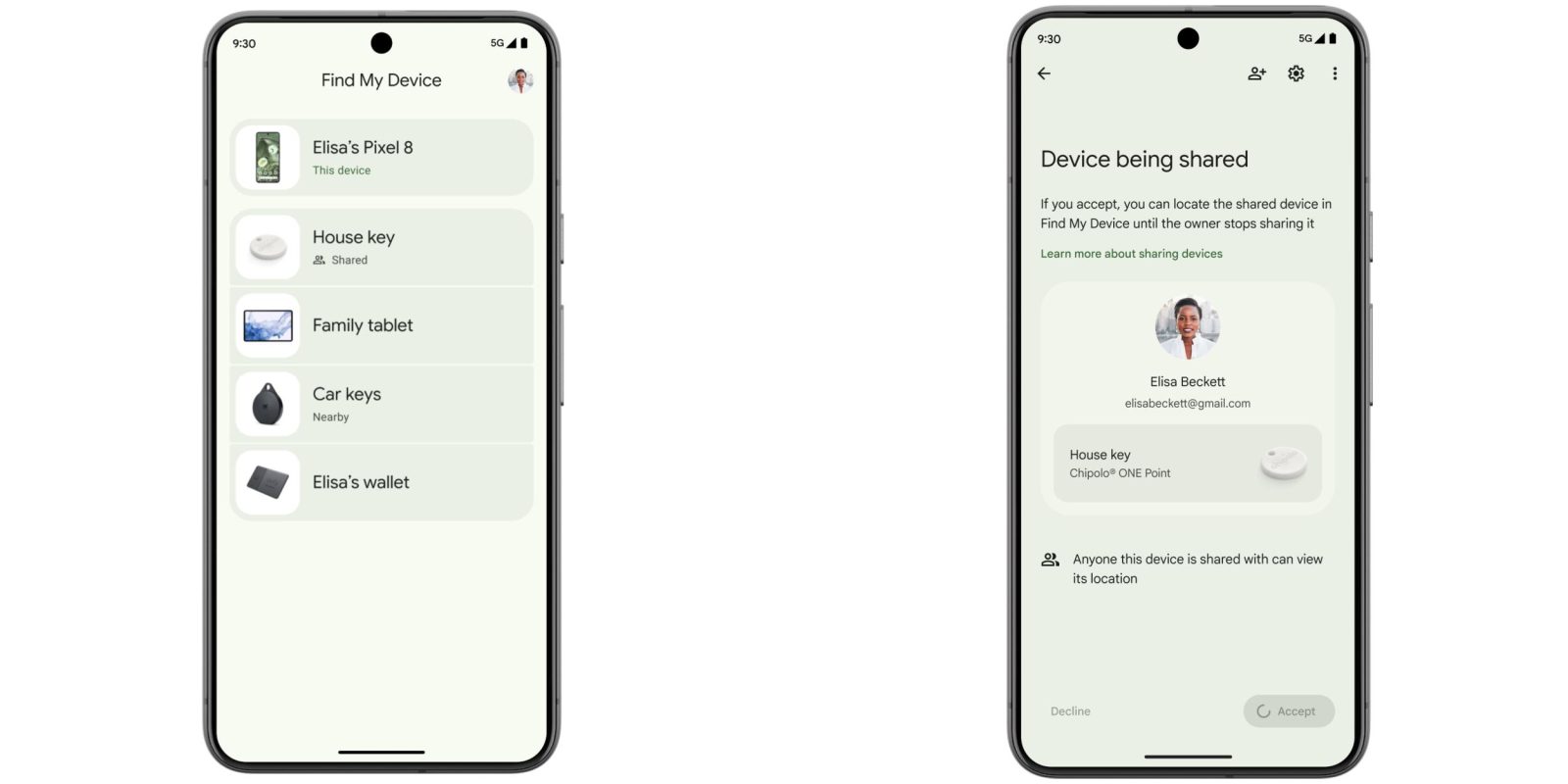
Google is launching its new Find My Device (FMD) network in the US and Canada starting today. It will initially find lost Android phones and tablets, with headphones coming soon after. Support for third-party Find My Device Bluetooth tags are coming in May.
Expand Expanding Close
Despite last week’s US shutdown, the Google Podcasts app is still sending out notifications for new episodes.
Expand Expanding Close
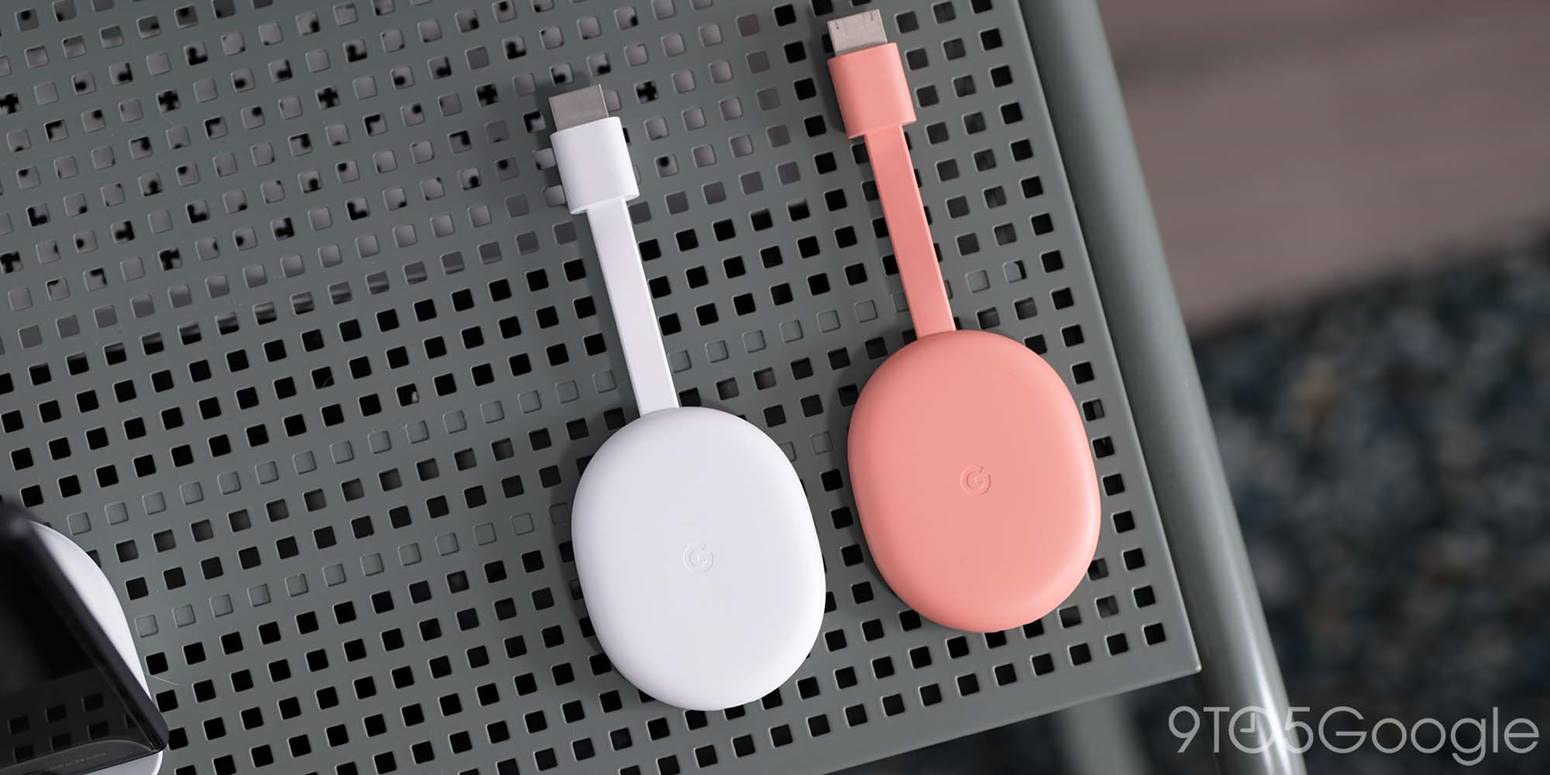
Following the addition of Fast Pair and the Audio output switcher at the end of February, a new Chromecast with Google TV update with the March 2024 security patch is now rolling out.
Expand Expanding Close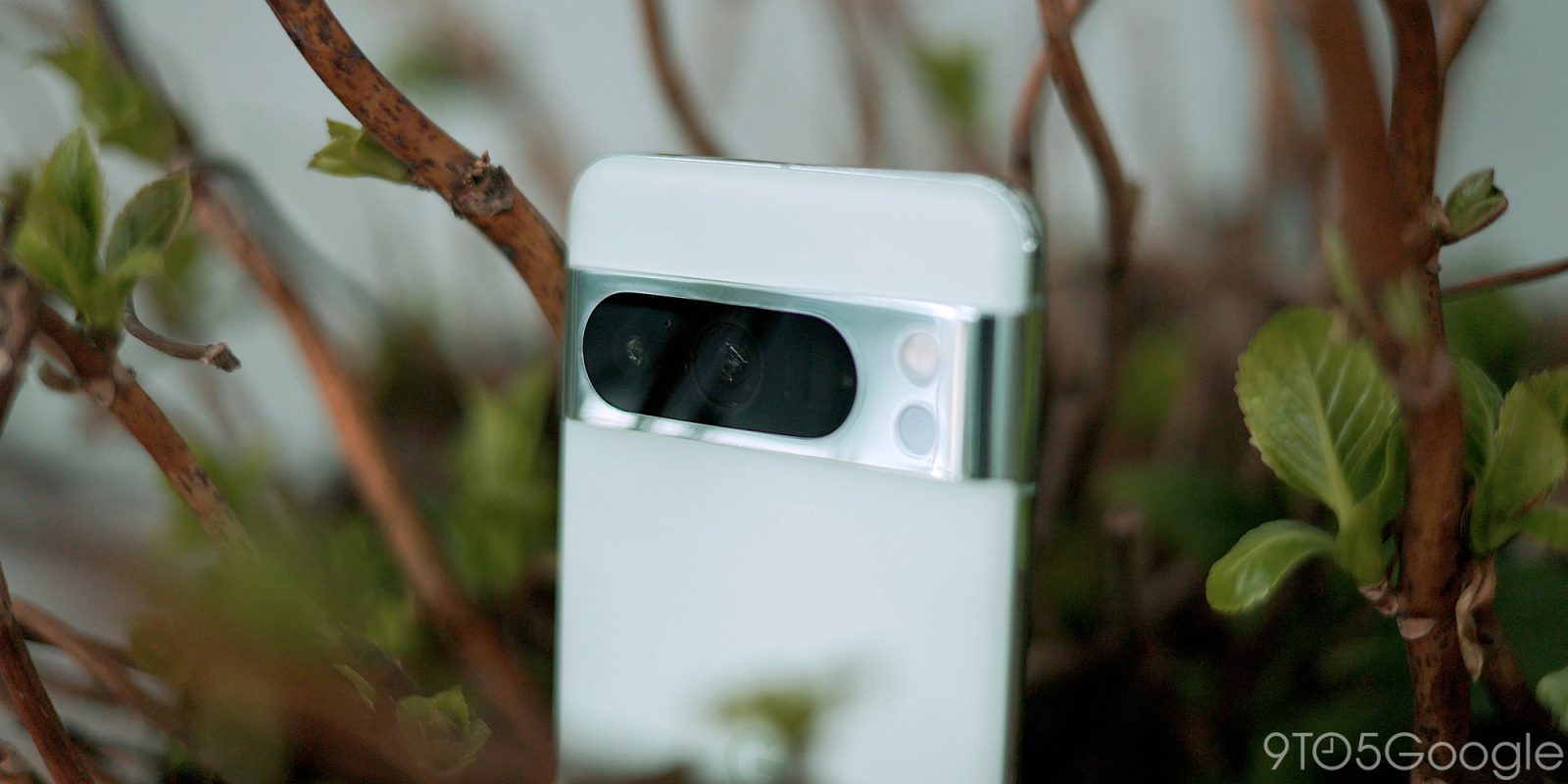
Ahead of Monday’s total solar eclipse, the wide consensus is that “you’ll need to use a special solar filter to protect your camera” (via NASA) even on phones.
Expand Expanding Close
The first time we saw a bottom search bar for the Google app was in 2021, while we enabled a modernized version in late 2023. Google is now testing a Material 3 bottom bar redesign with an integrated search field.
Expand Expanding Close

Now Playing on the Pixel is my favorite example of ambient computing that we have right now. Dating back to the Pixel 2 and 2 XL in 2017, it shows what song is playing on the always-on display, lockscreen and notification shade without requiring you to do anything. It’s “better than instant.”
Expand Expanding Close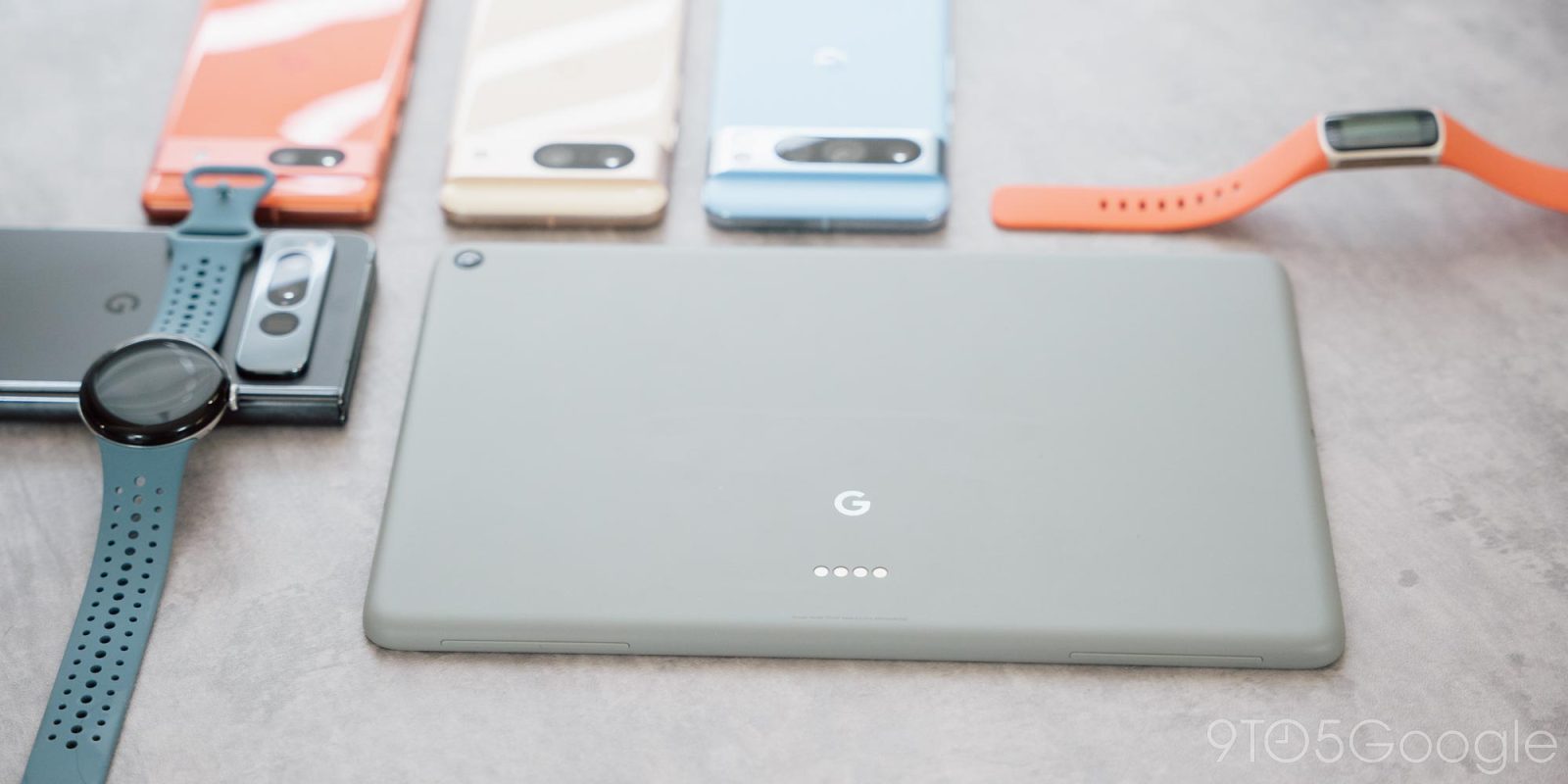
YouTube TV has a history of sending free Chromecasts to subscribers, and the cord-cutting service is now offering a 25% discount on the Pixel Tablet.
Expand Expanding Close

Welcome to the fourth episode of Pixelated, a podcast by 9to5Google. We talk a lot about the death of Google Podcasts and do a quick recap of the week in Pixel.
Last week, Google Play Points kicked off the chance to win a Super Weekly Prize. This giveaway features many Pixel devices and will run for a total of five weeks.
Expand Expanding Close
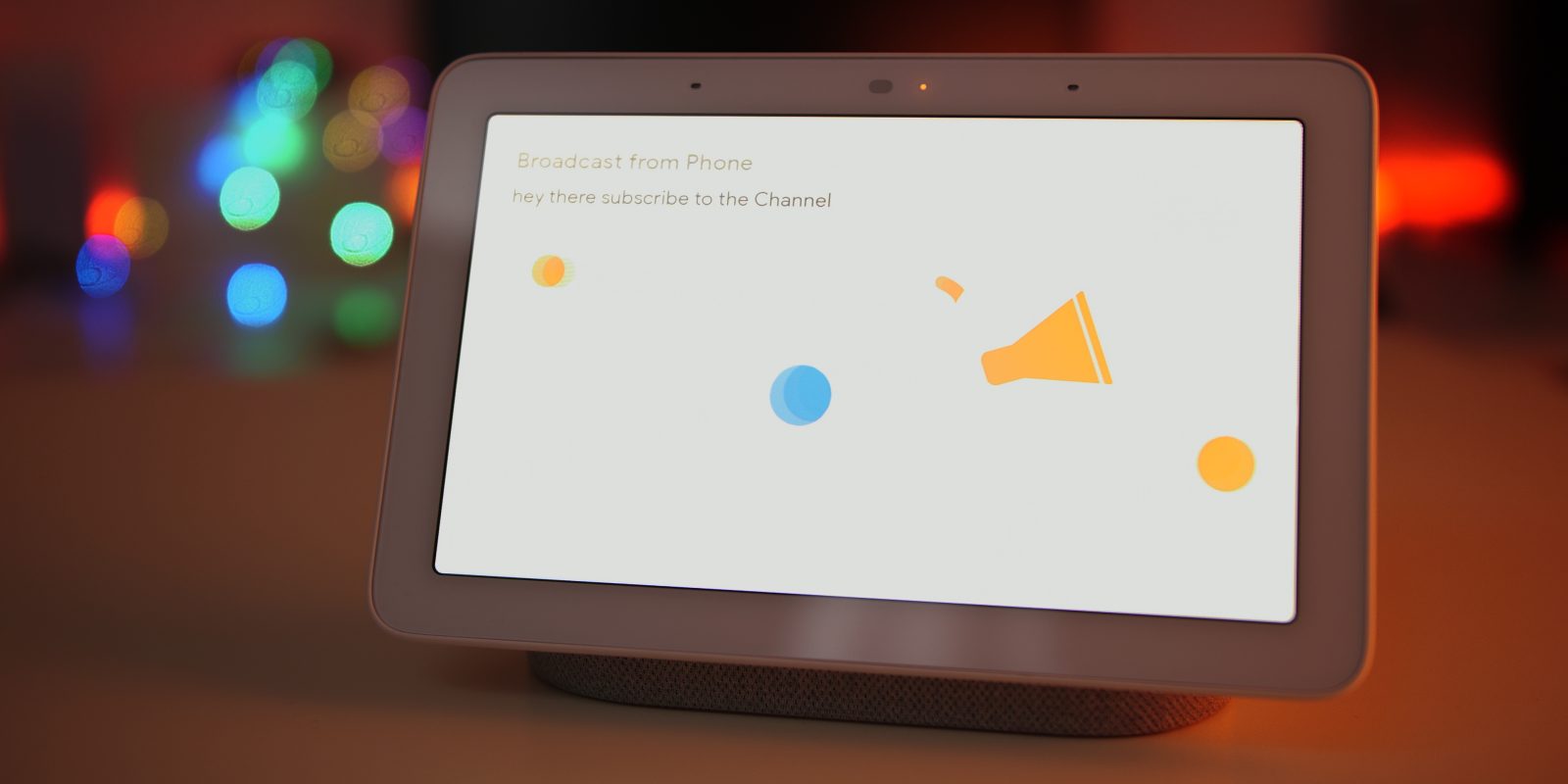
Broadcasts are a beloved Google Assistant capability that gives you an impromptu intercom system. Recently, Google made a change that slows the process down a bit.
Expand Expanding Close
In recent weeks, Google Wallet has rolled out two changes related to unlocking your phone for payment verification and the Android app is now explaining what’s new.
Expand Expanding Close
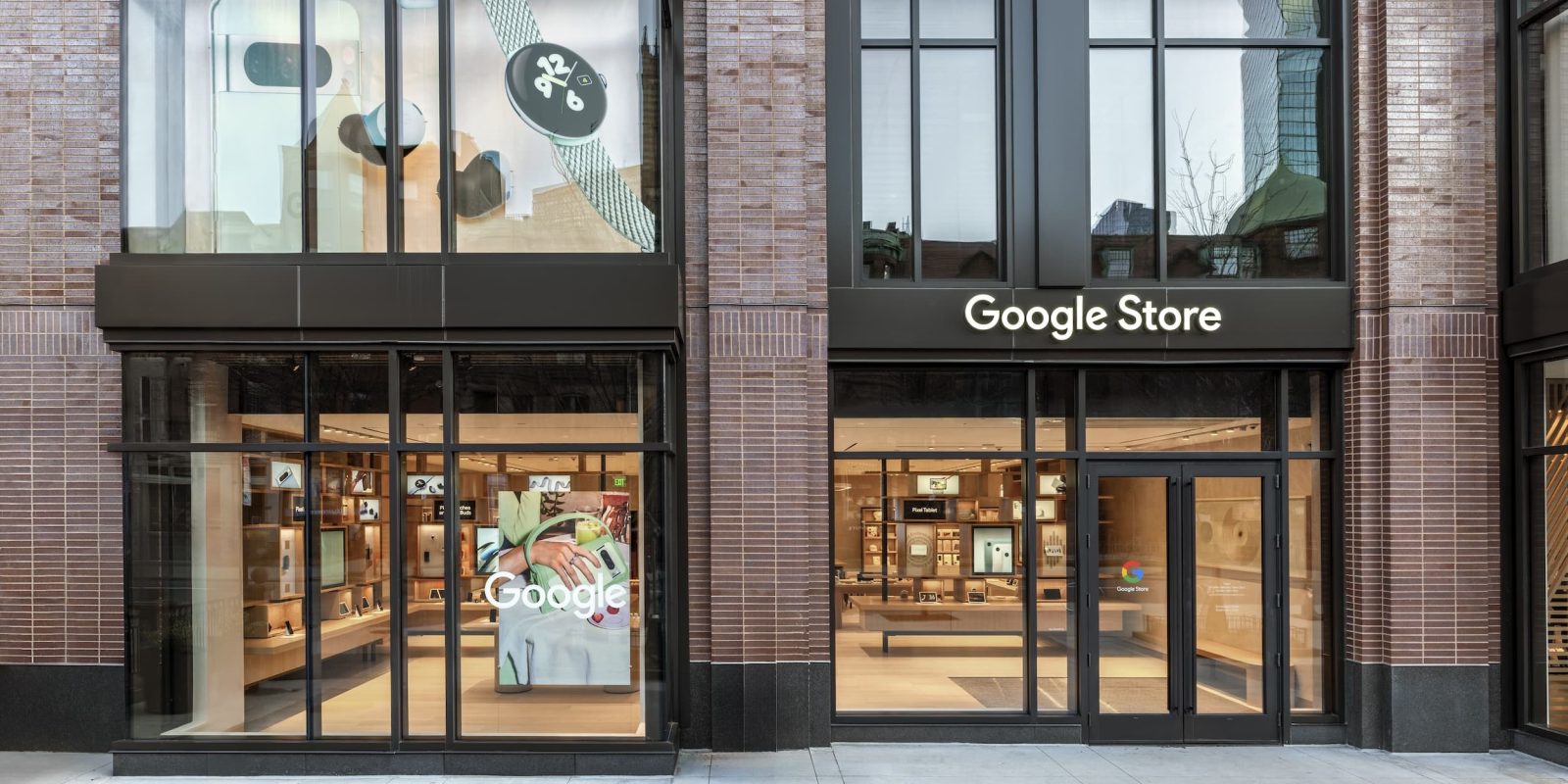
Google Store Newbury Street in Boston is opening on Friday and will be the company’s fourth retail location for hardware products.
Expand Expanding Close
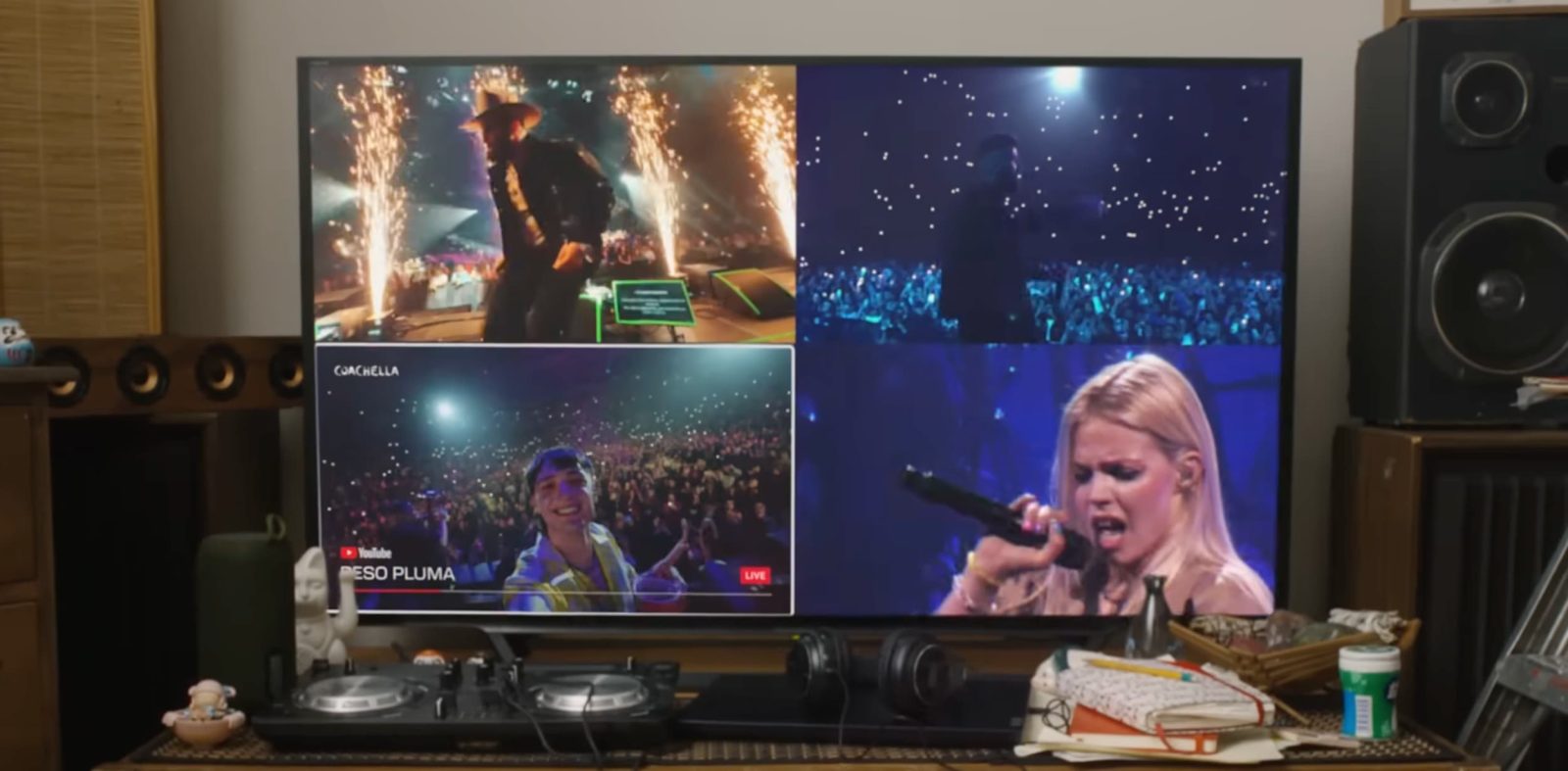
YouTube’s Coachella streaming partnership continues in 2024 with a new multiview experience “so that viewers everywhere can watch up to 4 of the live stream stages on their TVs at once.”
Expand Expanding Close
Google is getting in on the total solar eclipse excitement ahead of April 8 with some Pixel Camera tips.
Expand Expanding Close

Google Podcasts launched in 2018 and has now shut down in the US as YouTube Music becomes the company’s main podcasting solution.
Expand Expanding Close
Going to “Safety & emergency” settings on your Pixel phone today reveals a weird “Test Google” entry.
Expand Expanding Close

As the Search Generative Experience (SGE) nears its one-year anniversary, Google is reportedly considering making it a paid feature, but is not considering an ad-free offering.
Expand Expanding Close
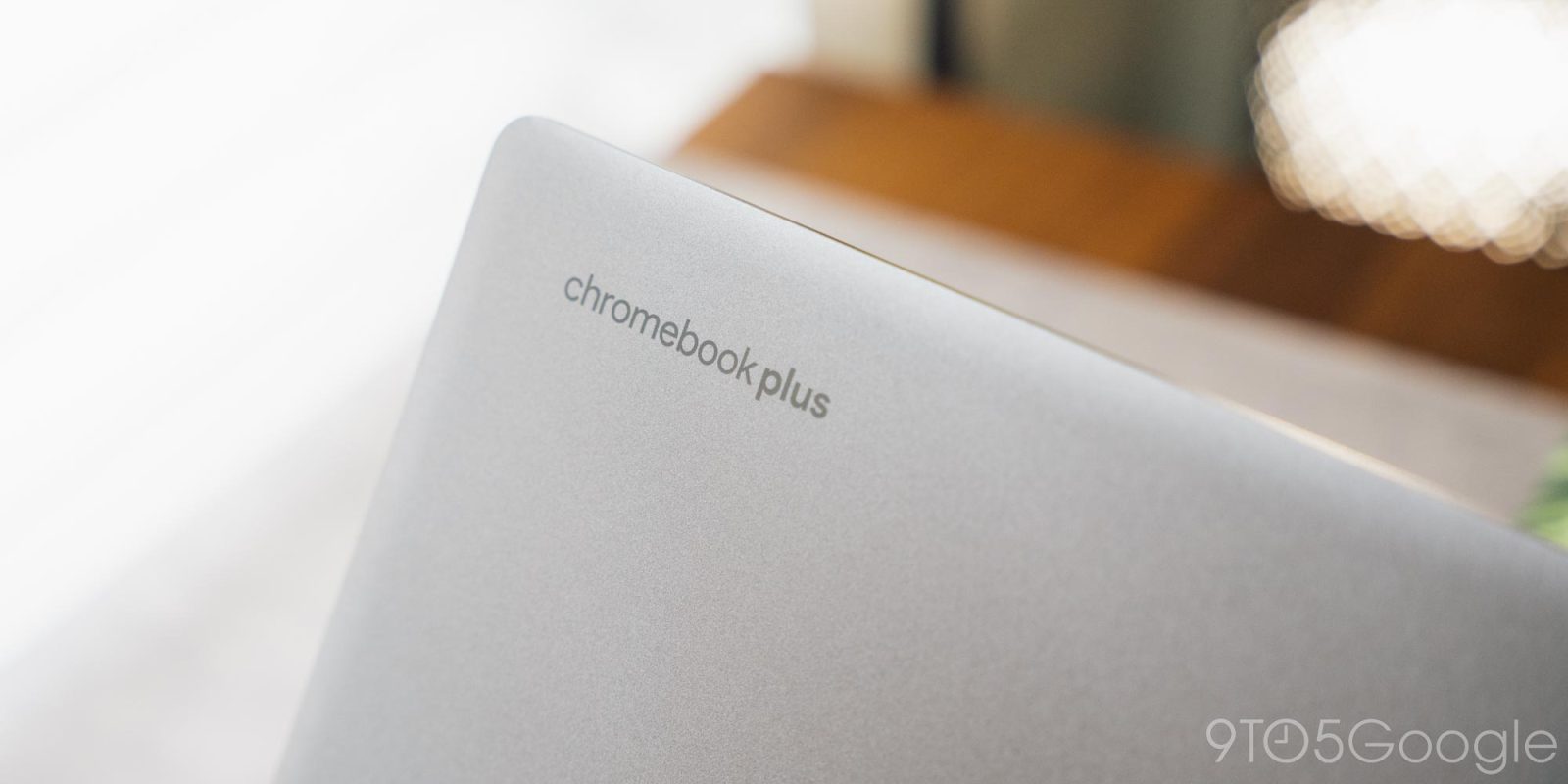
ChromeOS 124 is currently in beta, and it introduces a Settings app redesign that leverages Material You and looks a lot like the Android Settings app on tablets.
Expand Expanding Close
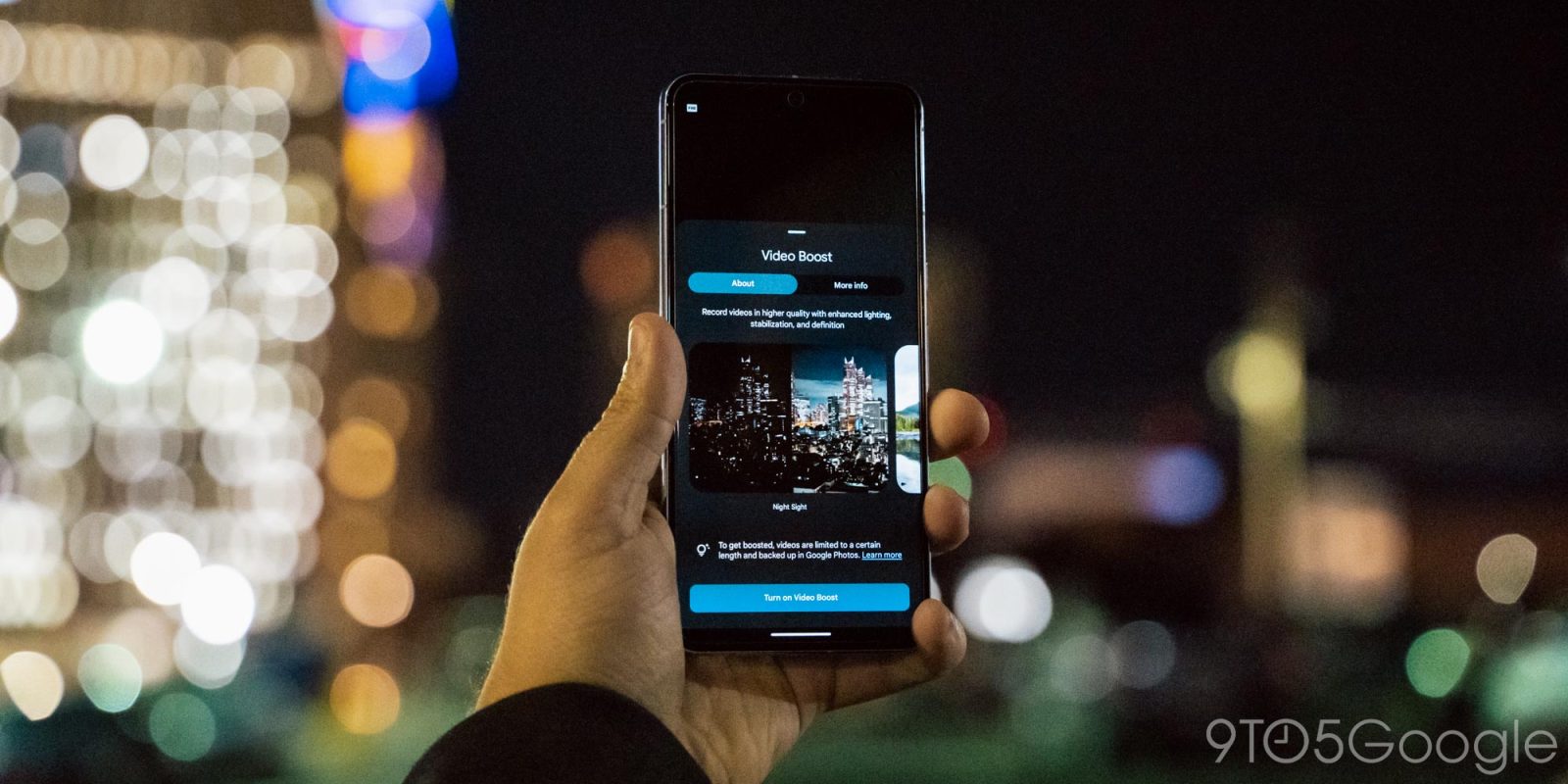
The latest Made by Google Podcast episode talks about the Video Boost and Night Sight Video feature introduced with the Pixel 8 Pro in December.
Expand Expanding Close
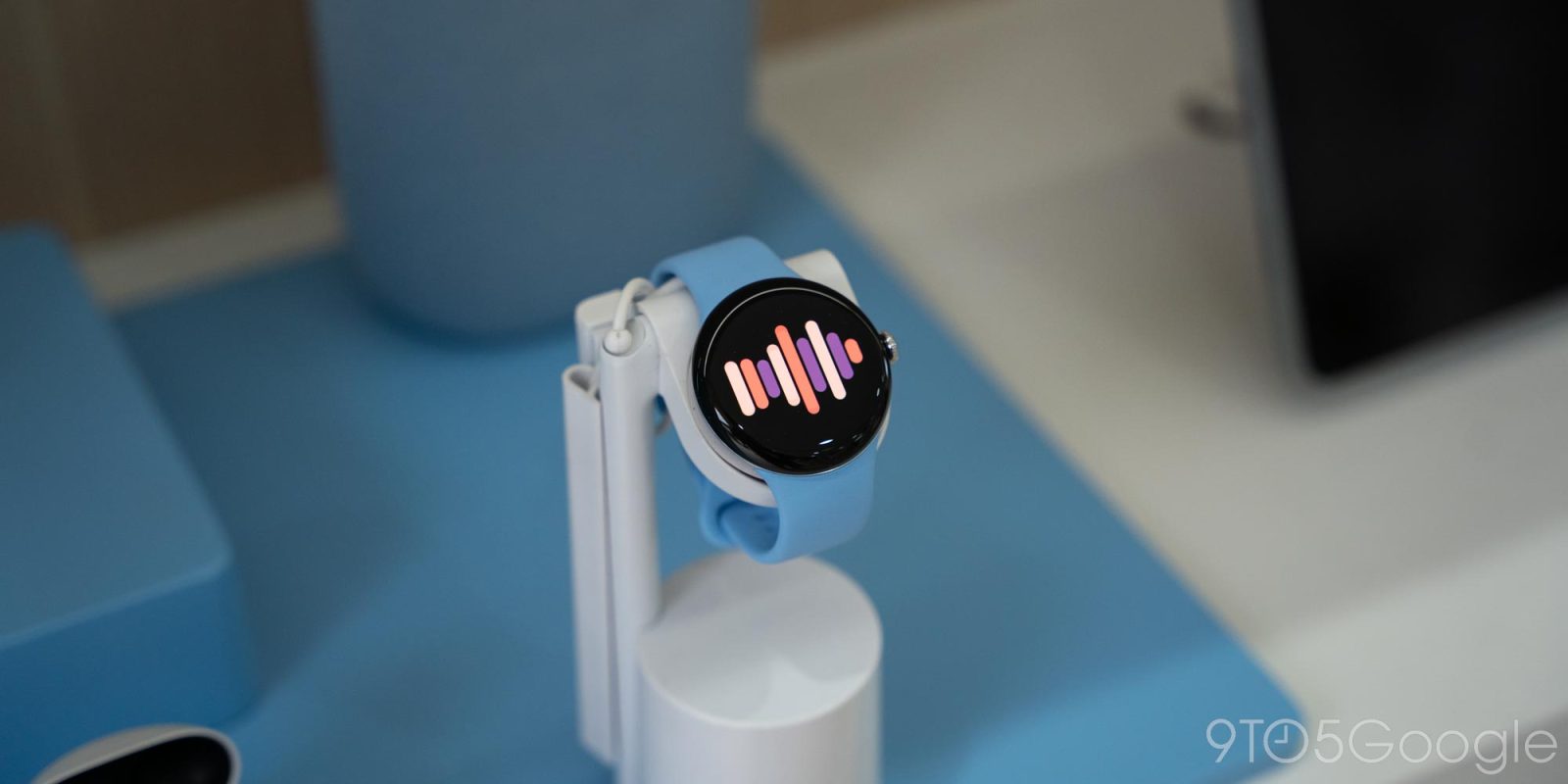
While we just had a Feature Drop last month, the Pixel Watch April 2024 update brings a new “Vibration watch” feature to both wearable generations.
Expand Expanding Close
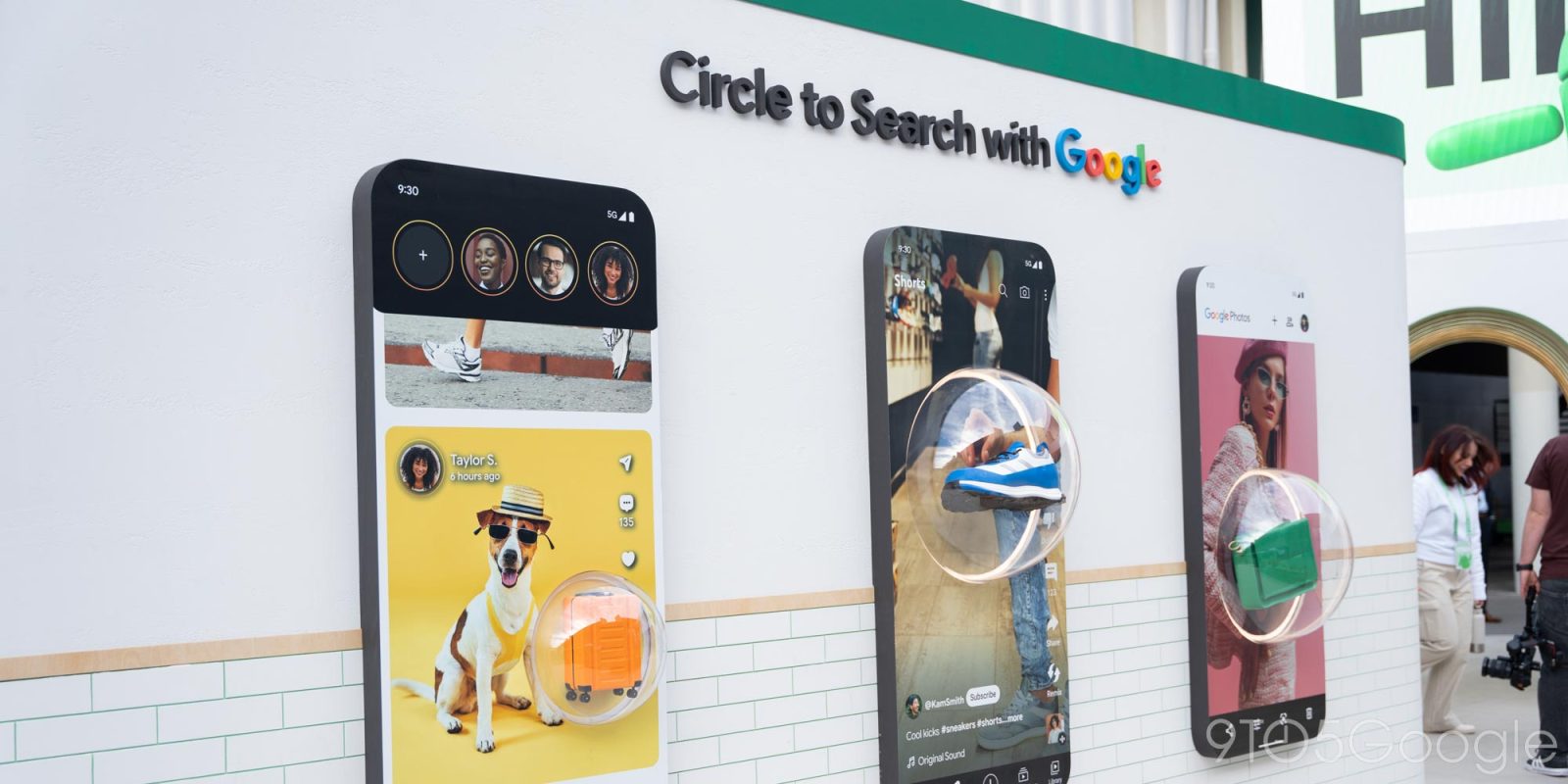
Following last week’s announcement, Circle to Search is already rolling out to the Pixel Fold.
Expand Expanding Close
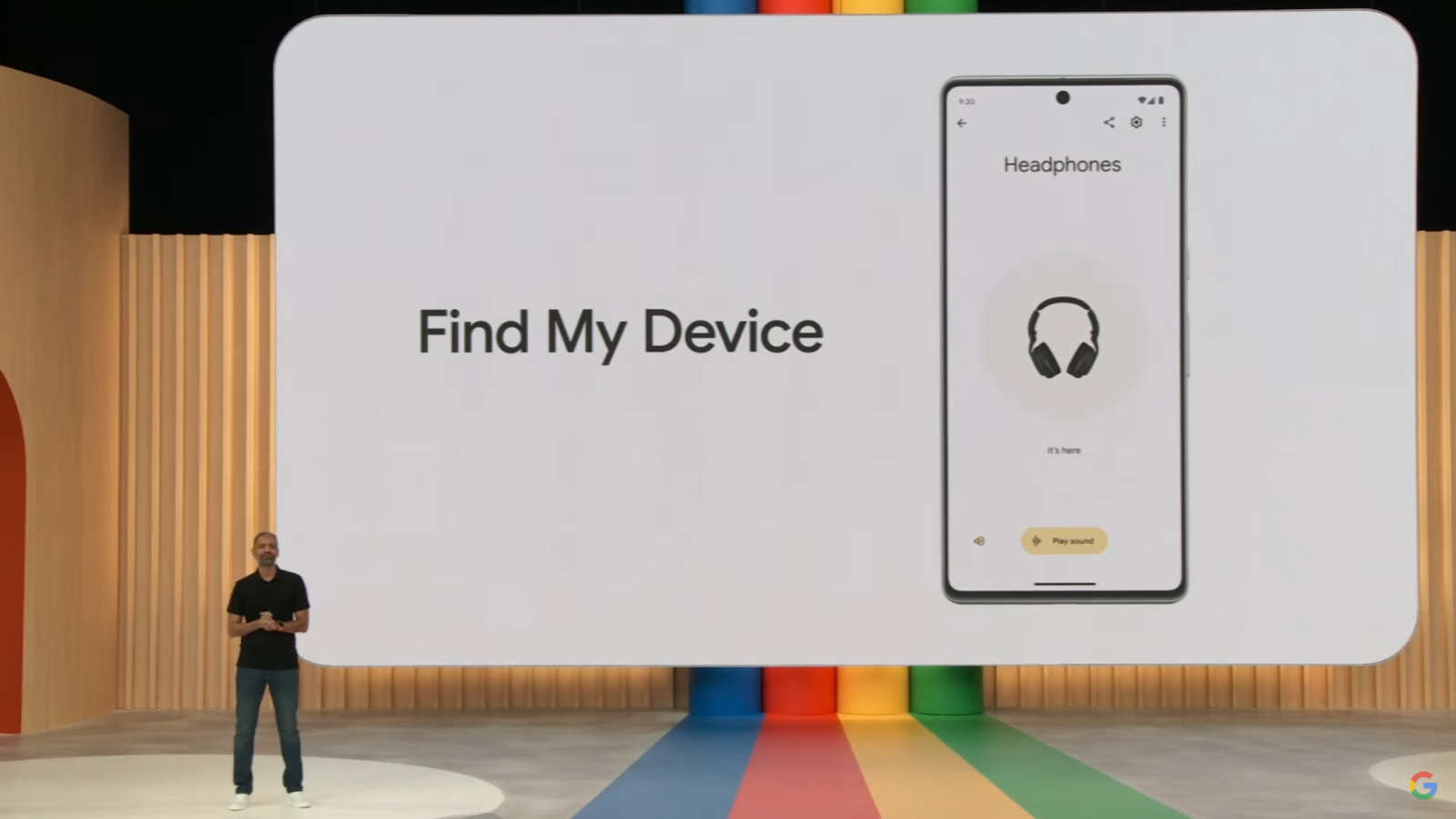
Google’s Find My Device (FMD) network was originally supposed to launch in the summer of 2023, but it was delayed until Apple implements unknown tracker alerts. The upcoming iOS 17.5 update is adding that support.
Expand Expanding Close