Abner Li has worked at 9to5Google since 2015 and in late 2020 took on the role of editor-in-chief. He is keenly focused on tracking what happens at Google, and is often the first to spot new features in Google’s ever-growing family of applications that are updated on a daily basis, including Search, Assistant, Maps, Workspace, Android, Chrome/OS, Wear OS, and YouTube Music.
To him, what Google does greatly impacts the technology space and modern life. Inside the company, he is particularly interested in the key products mentioned above, as well as services like Google Podcasts and Google Lens. Each are massive platforms that can be unwieldy to grasp, with Abner keenly bent on understanding their philosophy and future direction. He is most excited about Google’s plans for augmented reality glasses.
Abner spearheads the APK Insight program at 9to5Google to chronicle all changes in the company’s Android apps, often finding new features before they are officially announced. This includes redesigns and revamps, launches, and new products.
Back in October, the main YouTube rolled out a slew of mobile updates like stable volume and a hum to search capability. Song search is now rolling out to YouTube Music.
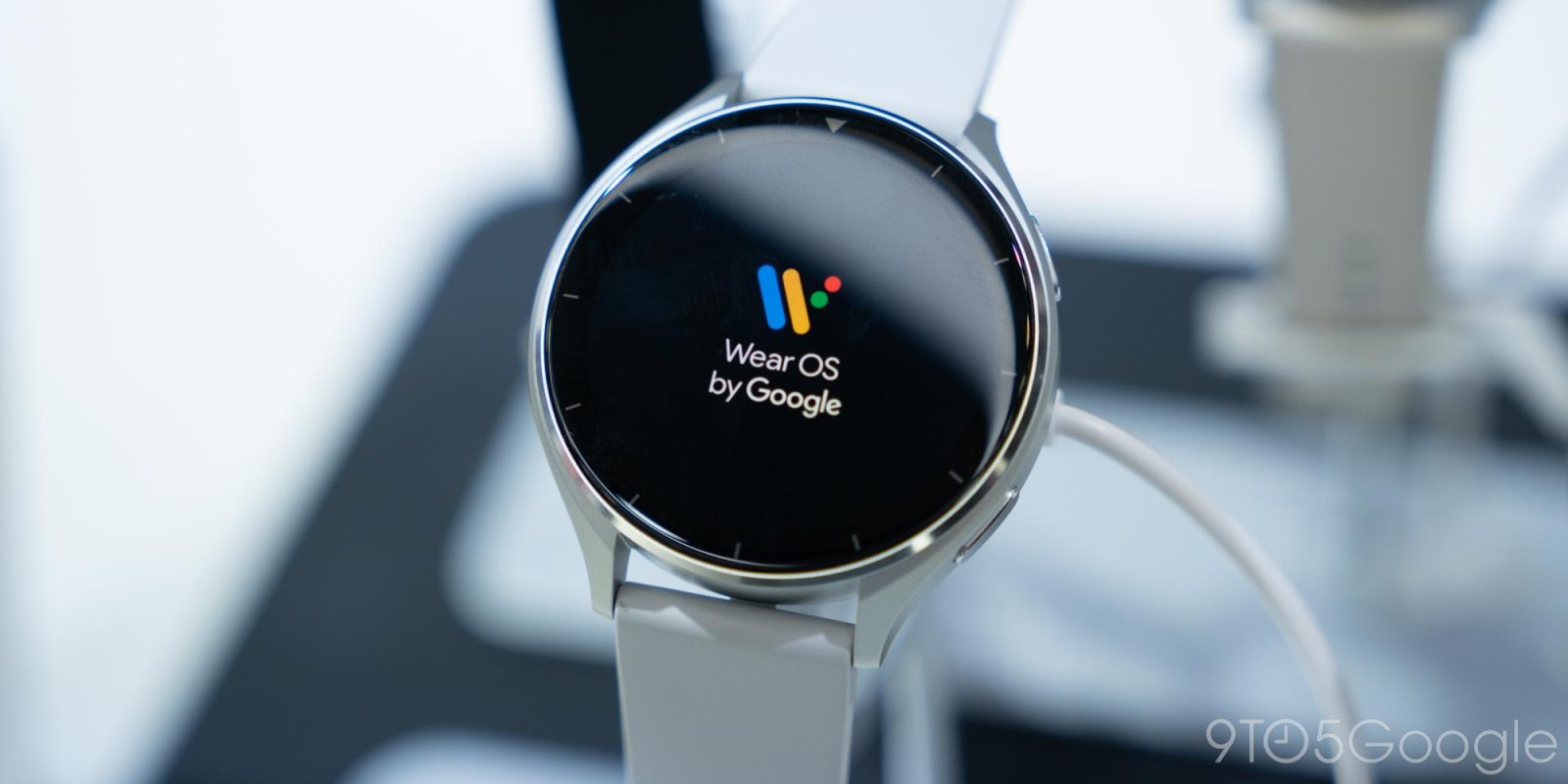
Welcome to the second episode of Pixelated, a podcast by 9to5Google. We talk all about Wear OS this week — its recent past, pretty good present, and promising future.
As a platform and ecosystem, Wear OS is in a good place right now. That wasn’t the case three years ago before the Samsung partnership. Wear OS 3 reinvigorated the operating system with the Galaxy Watch 4 serving as the flagship device until the Pixel Watch over a year later. The next hardware milestone was the Snapdragon W5 in mid-2022 giving manufacturers a more capable chip to work with. Also, keep in mind how Google and Qualcomm are working on a RISC-V chip for Wear OS.
Back in November, Google Photos introduced better document sorting and another update to the capability adds labels to screenshots, notes, etc., as well as a manual categorization option.
When Google announced Android 14 QPR2 with the March Feature Drop last week, the US rollout was set to begin on March 11. This started happening for some users today.
In mid-2020, Google introduced an Area 120 project called Keen that was a take on Pinterest but with ML recommendations. It’s now shutting down this month.
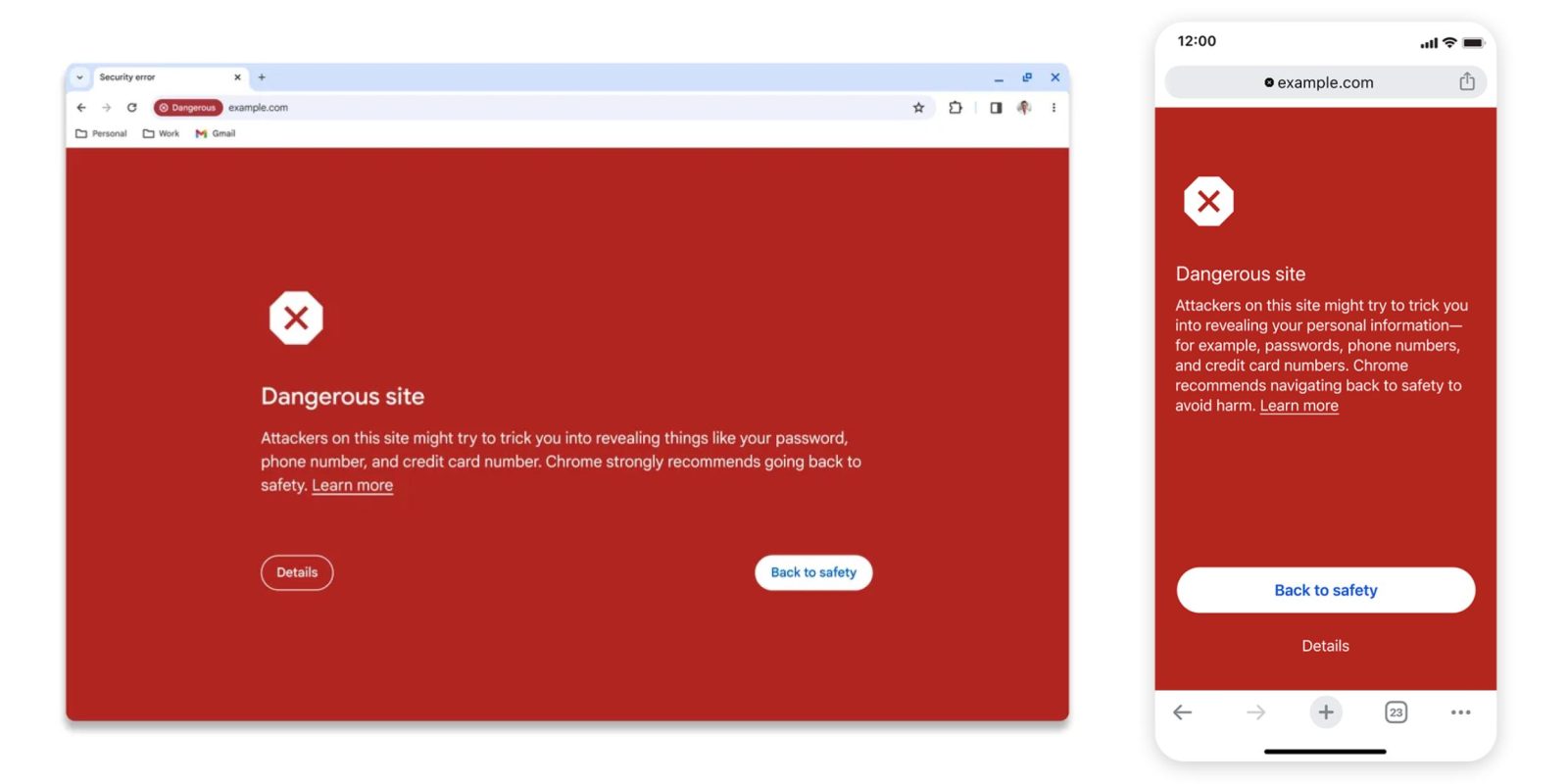
For those that want the most secure tier of Google Safe Browsing, Chrome offers “Enhanced protection.” The “Standard protection” in place for all other Chrome Safe Browsing users is now getting a real-time upgrade.
To date, YouTube on televisions has been a leanback experience focused on displaying fullscreen content. An upcoming redesign of YouTube video player for TVs adds more interactivity.
Google is at the Games Develop Summit (GDC) this week and has a number of Android-related announcements, including progress about Play Pass and Play Points.
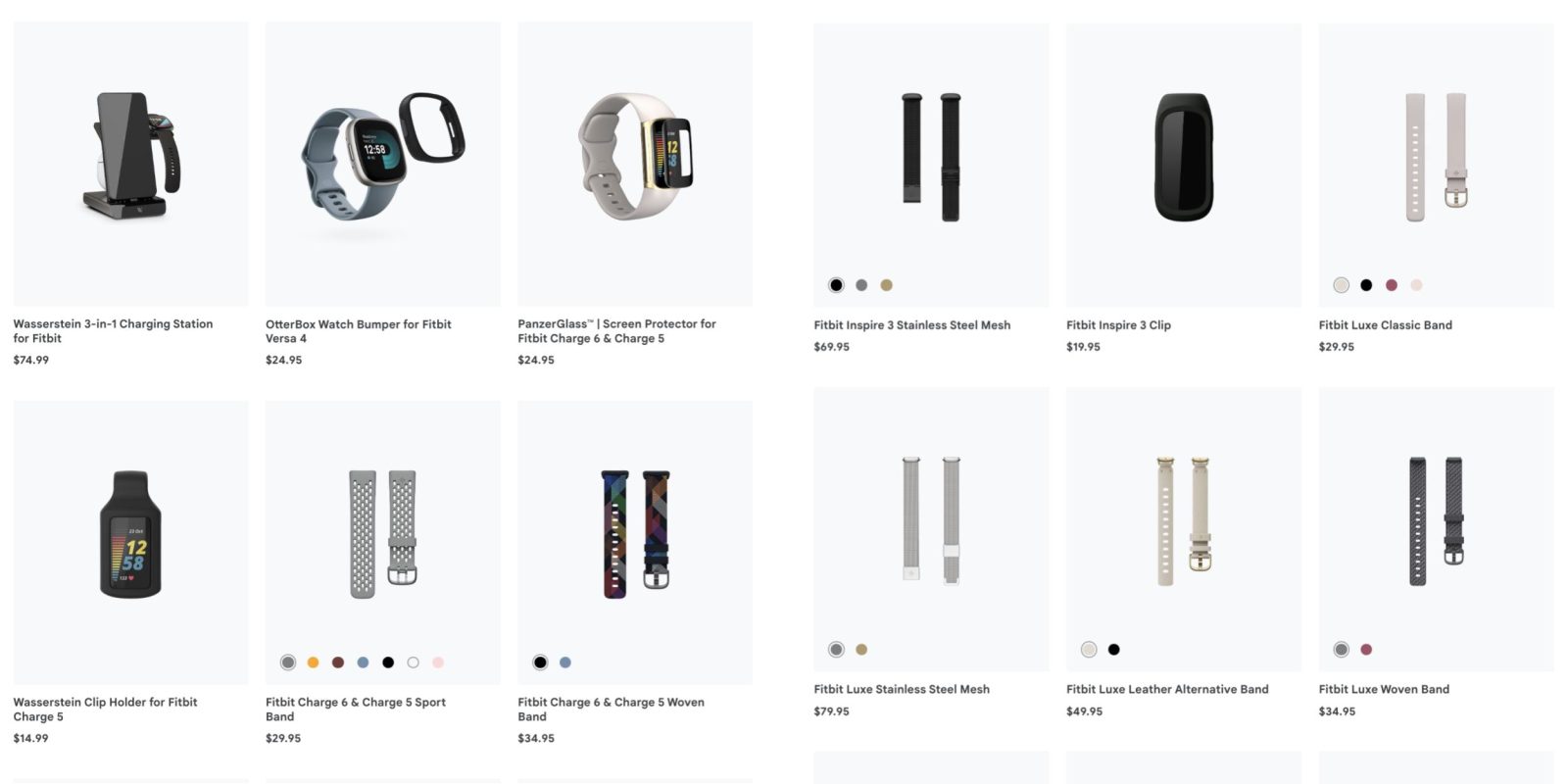
Google’s assimilation of Fitbit continues with the Google Store now selling Fitbit accessories. This is live in the US, Canada, and Asian-Pacific markets today.