As GM brings Android Automotive to more of its vehicles, the company is going to stop supporting Android Auto and CarPlay in electric cars.
Expand Expanding CloseGM EVs dropping Android Auto (and CarPlay) in full Android Automotive embrace


Send tips/talk to abner@9to5mac.com or @technacity (open DMs).
Abner Li has worked at 9to5Google since 2015 and in late 2020 took on the role of editor-in-chief. He is keenly focused on tracking what happens at Google, and is often the first to spot new features in Google’s ever-growing family of applications that are updated on a daily basis, including Search, Assistant, Maps, Workspace, Android, Chrome/OS, Wear OS, and YouTube Music.
To him, what Google does greatly impacts the technology space and modern life. Inside the company, he is particularly interested in the key products mentioned above, as well as services like Google Podcasts and Google Lens. Each are massive platforms that can be unwieldy to grasp, with Abner keenly bent on understanding their philosophy and future direction. He is most excited about Google’s plans for augmented reality glasses.
Abner spearheads the APK Insight program at 9to5Google to chronicle all changes in the company’s Android apps, often finding new features before they are officially announced. This includes redesigns and revamps, launches, and new products.
A big area of interest is Google’s hardware division, including Pixel, Fitbit, and Nest. He detailed all of the Pixel 3’s camera features before launch and scooped the 2nd-generation Nest Hub’s Soli-powered Sleep Sensing capability, including how it would integrate with Google Fit.
Recently, Abner detailed the Pixel Watch’s specs in full before launch, including bands and pricing. He also got wind of the Pixel Tablet’s ultimate form factor.
As GM brings Android Automotive to more of its vehicles, the company is going to stop supporting Android Auto and CarPlay in electric cars.
Expand Expanding Close
In 2016, Google Assistant was announced as “your own personal Google,” and Sundar Pichai believes it has the AI “technology to actually do those things now.” The Google CEO was interviewed by the New York Times on Bard and the broader state of AI.
Expand Expanding Close
To date, Bard has used LaMDA (Language Model for Dialogue Applications), which is focused on conversational dialogue, and Google is now incorporating PaLM (Pathways Language Model) for improved math and logic capabilities, with “coding coming soon.”
Expand Expanding Close
Reviews, pictures, and other user-generated content play a big role in Google Maps. Google today detailed how it combated fake contributions to Maps in 2022.
Expand Expanding Close
With the Material You redesign rolled out, Google Drive is now adding search chips that let you filter by file type, owner, and last modified date anywhere in the web app.
Expand Expanding Close
The latest update to Google Camera brings faster Night Sight to the Pixel 6 and 6 Pro, but version 8.8 is not yet widely available.
Expand Expanding Close
Google gave an overview of what generative AI features are coming to Workspace apps two weeks ago and is now beginning public testing in Gmail and Docs.
Expand Expanding Close

Following the announcement last month, podcasts are beginning to appear in YouTube Music. Some users today are encountering them on Android and the web.
Expand Expanding Close
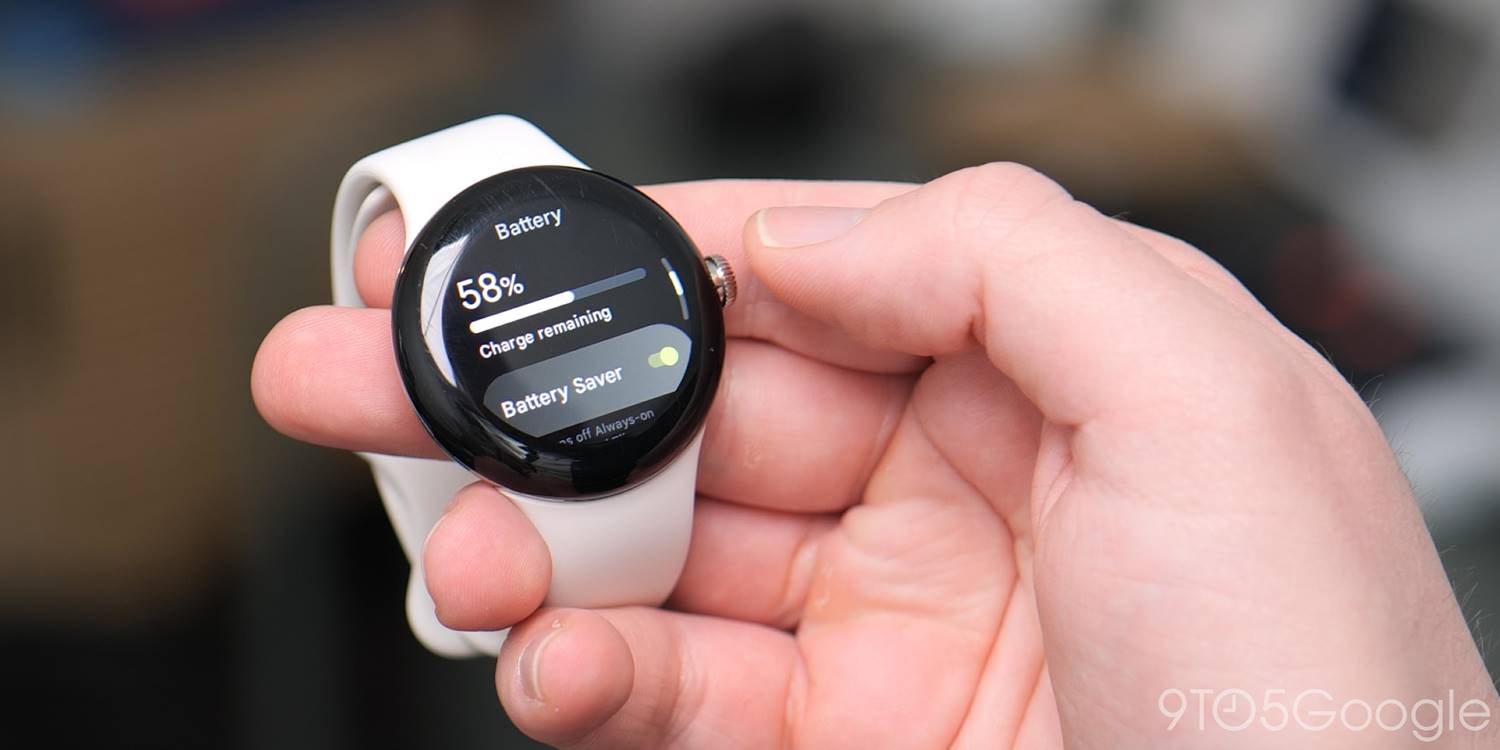
While the Pixel Watch’s March 2023 update became widely available last week, the ability to quickly turn on/off Battery Saver was a separate rollout that’s now finally happening.
Expand Expanding Close
While Voice is not a Google Workspace app, it’s sold as an “add-on” to the suite and managed by that team. Google Voice for Android is now getting a Material You redesign.
Expand Expanding Close
Following the launch of iOS 16.4 on Monday, Google Fi today officially announced that 5G service is now available on the iPhone.
Expand Expanding Close
Android 13 QPR3 Beta 2 is rolling out today much sooner than anticipated ahead of the June stable release.
Expand Expanding Close
Just two weeks after the initial preview release, Google is rolling out Android 13 QPR3 Beta 2 to Pixel phones.
Expand Expanding Close
Google Fi is running an aggressive trade-in promotion wherein you effectively get the Pixel 7 for free after 24 monthly bill credits. This deal looks to be aimed at those new to the Google MVNO, with the old trade-in offer applying to existing customers.
Expand Expanding Close
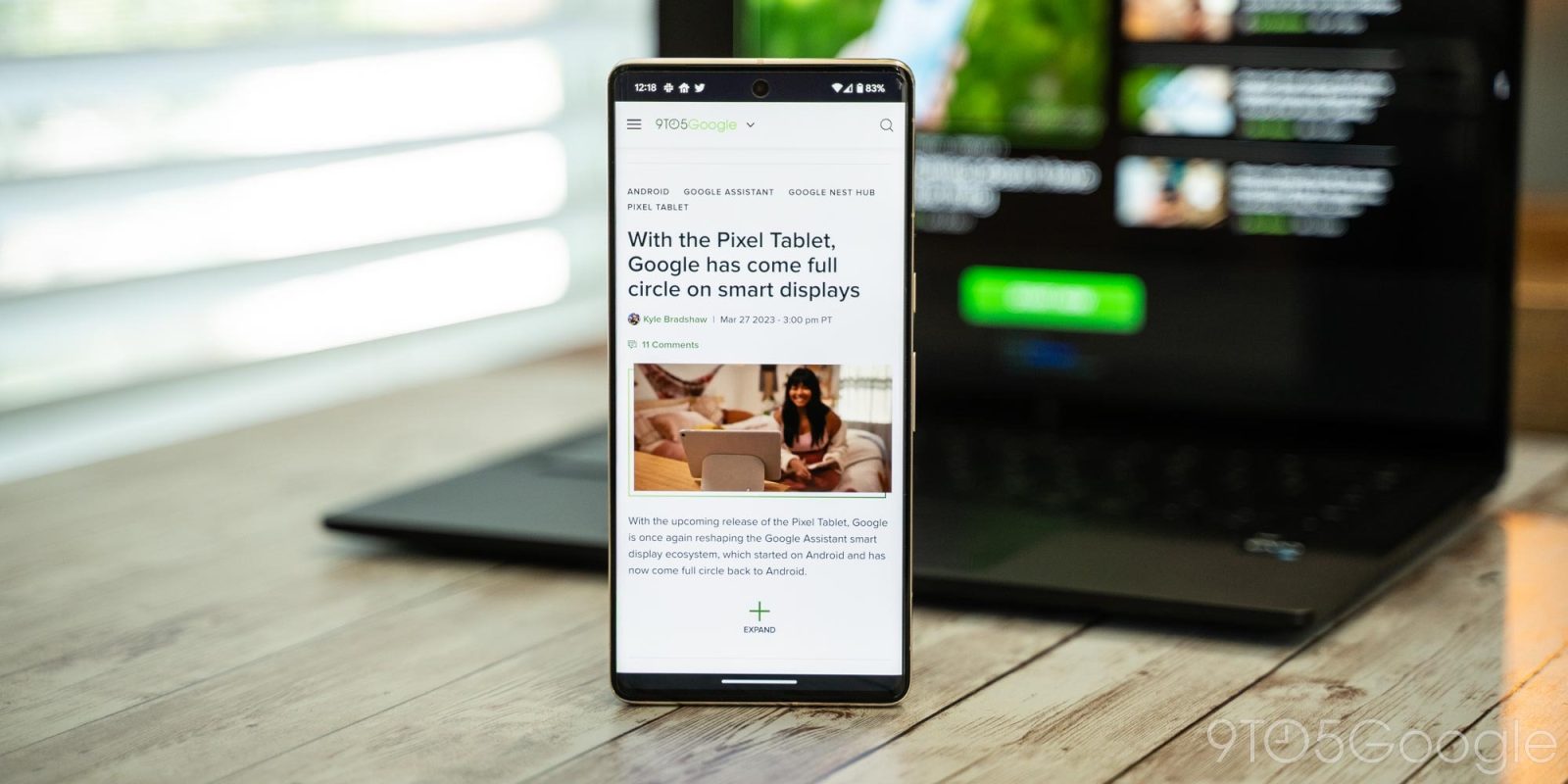
Welcome to the redesigned 9to5Google! Since we’re in the habit of breaking news rather than making it, let’s jump straight to the changelog:
Expand Expanding Close
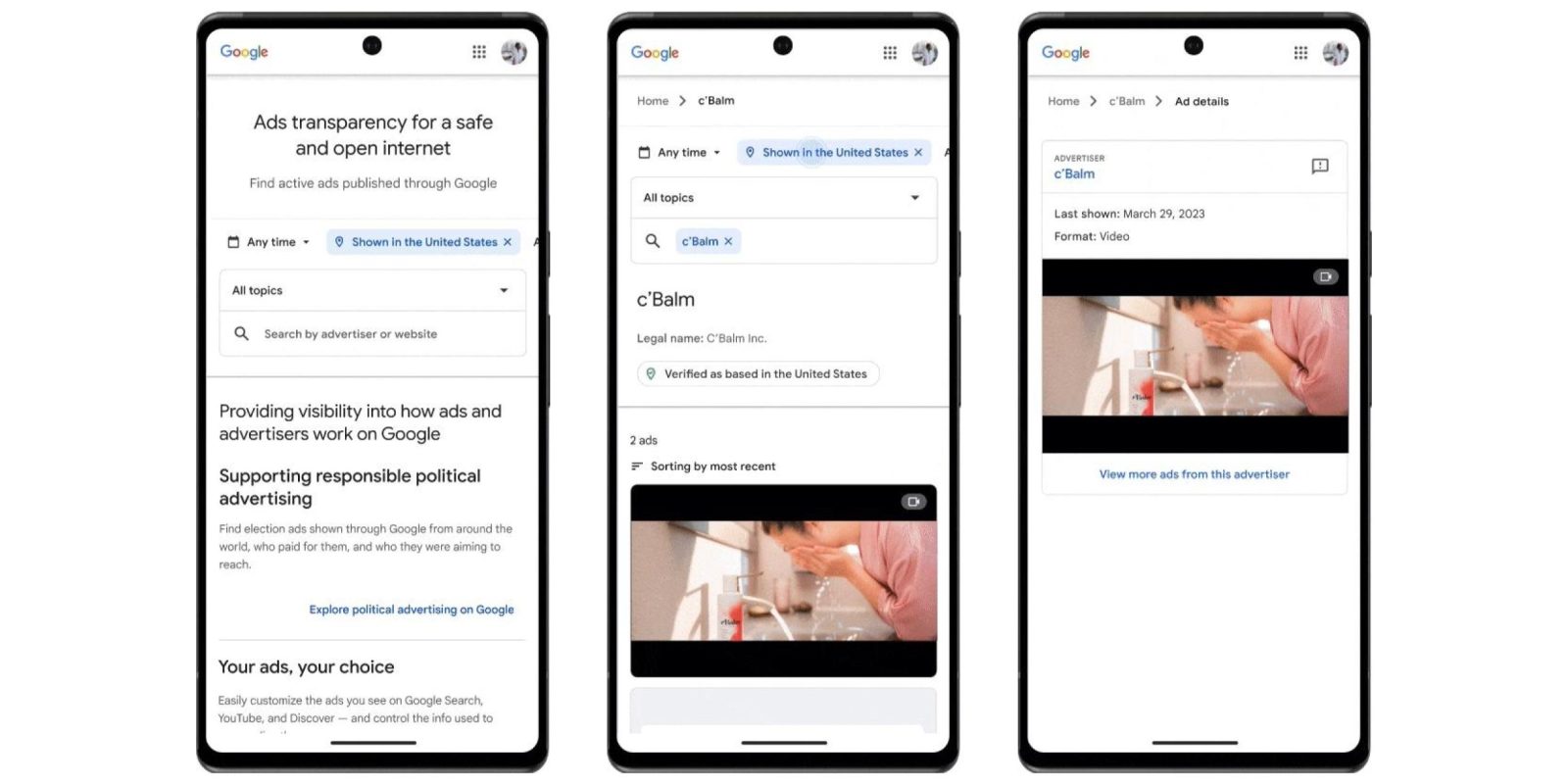
After launching My Ad Center last fall, Google is now introducing the Ads Transparency Center as a “searchable hub of all ads served from verified advertisers.”
Expand Expanding Close
Google Wallet was announced last May at I/O and arrived a few weeks later. There was one “coming soon” exception, but Google Wallet is now rolling out in Japan.
Expand Expanding Close

9to5Google has a rebooted newsletter that highlights the biggest Google stories with added commentary and other tidbits. Sign up to get it early in your inbox, or continue reading 9to5Google Log Out below:
Expand Expanding Close
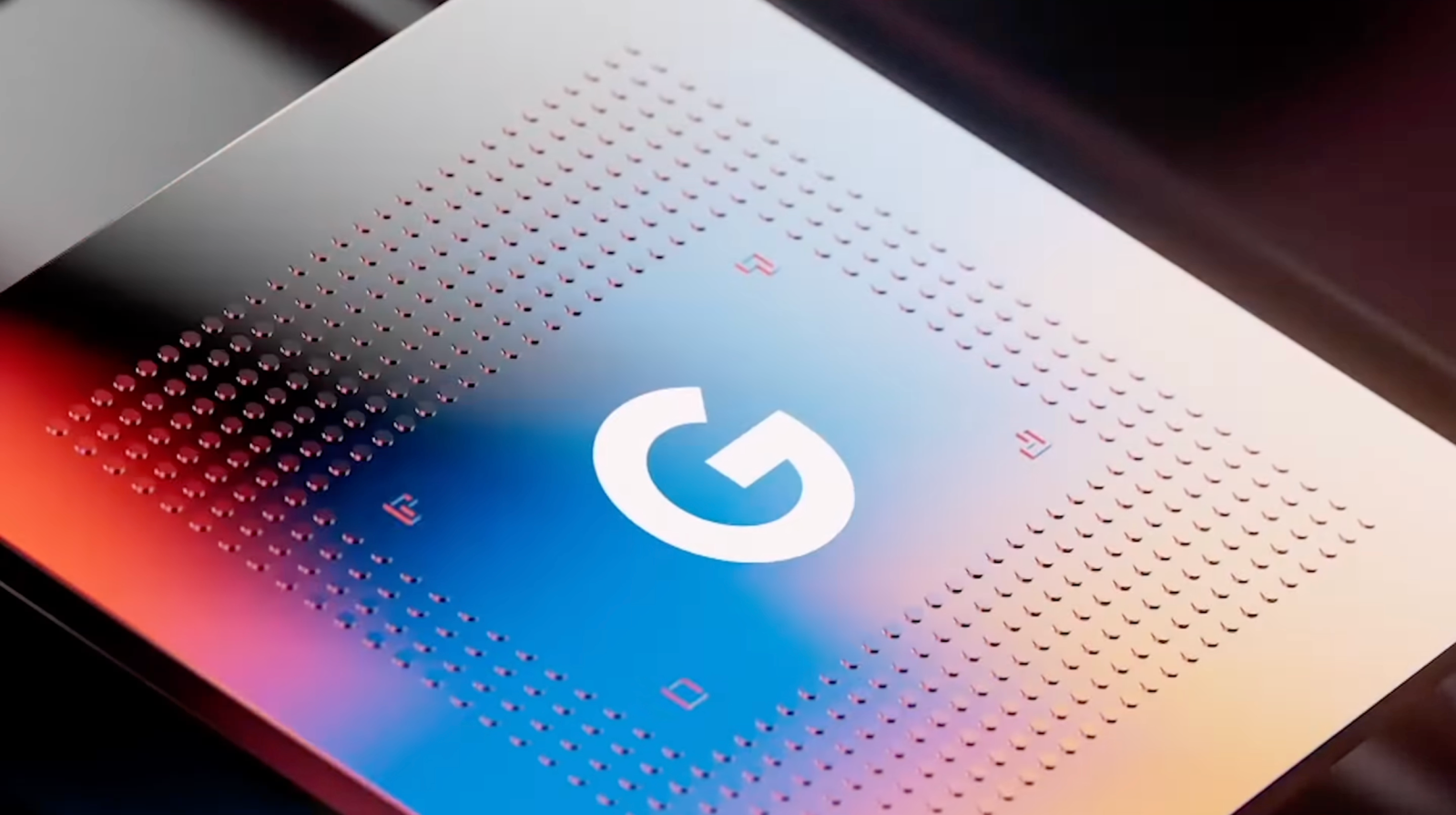
Besides the Tensor SoC on Pixel phones, Google has developed other custom chips, with all silicon design now occurring in the cloud.
Expand Expanding Close

Ahead of International Fact-Checking Day (April 2), Google Search is launching a number of information literacy features, including Perspectives.
Expand Expanding Close
At BETT 2023, Google previewed a handful of education features coming to Chromebooks this year. Notably, ChromeOS and the Chrome desktop browser are getting a Reading Mode.
Expand Expanding Close
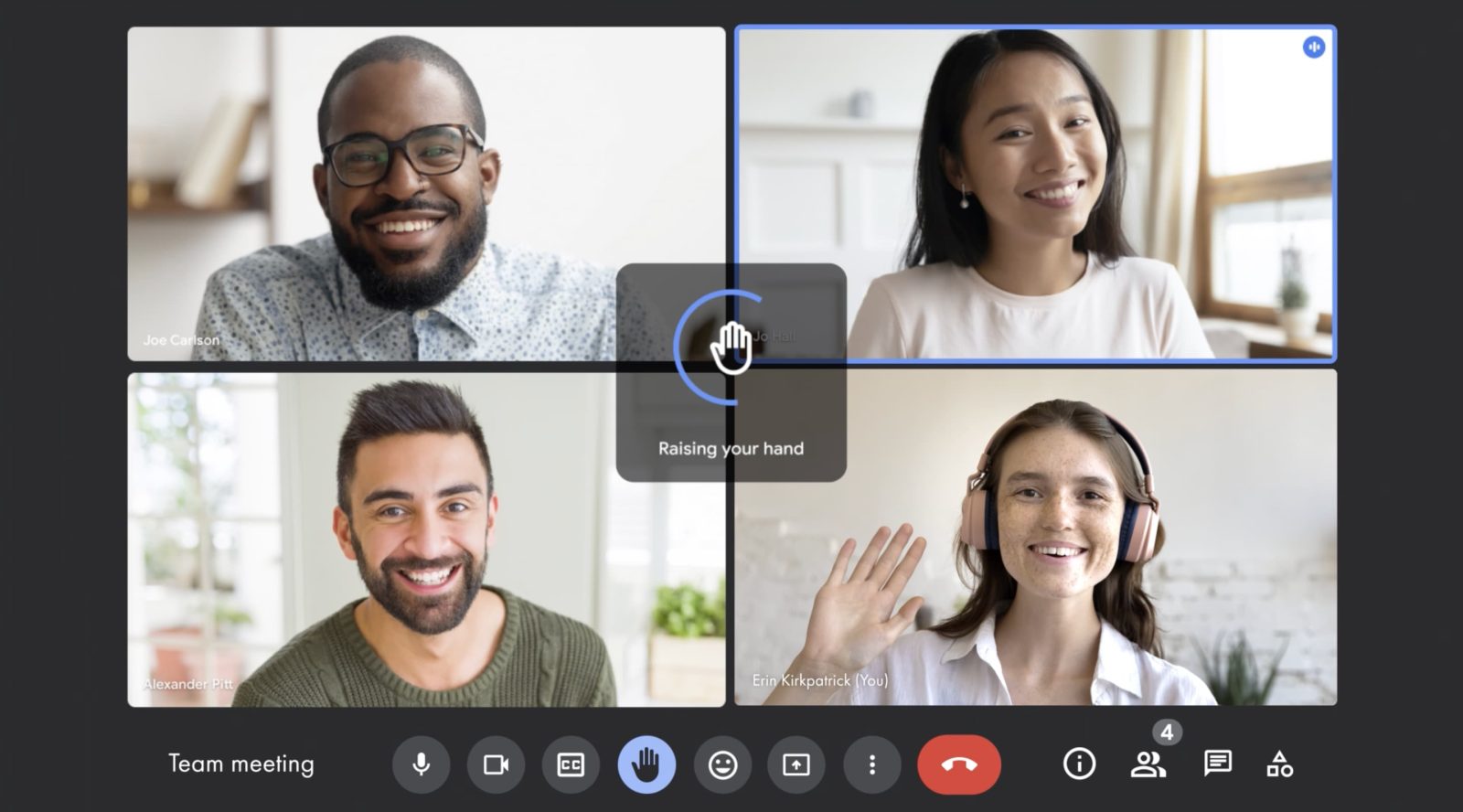
Besides Chrome updates at BETT 2023, Google shared upcoming Workspace features for education customers across Docs, Slides, and Classroom, while Meet is getting AI-powered hand raise detection.
Expand Expanding Close
The latest version of the Google Home app (2.66) is rolling out as a smaller update with a pair of visual tweaks for the Preview redesign.
Expand Expanding Close
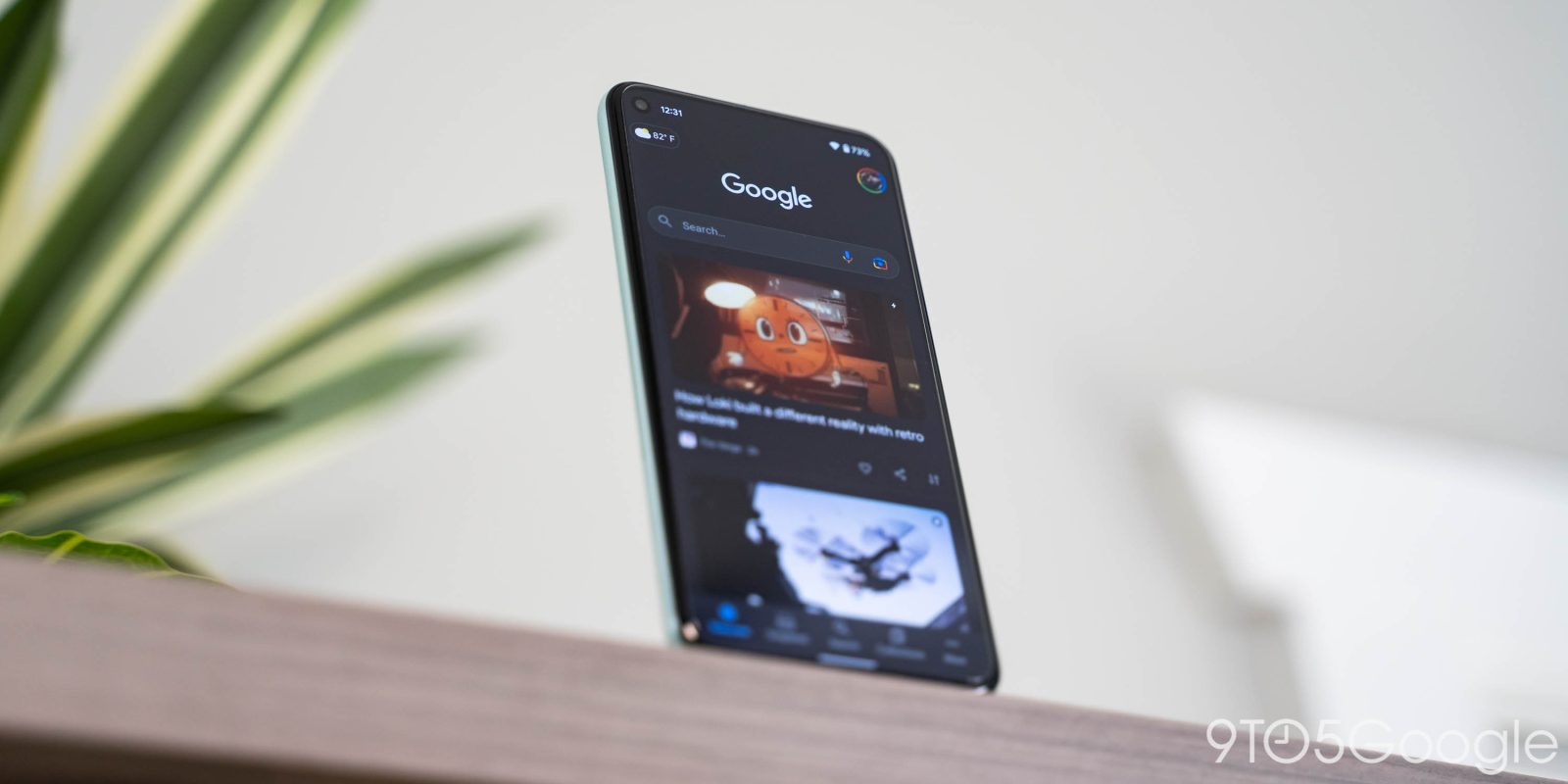
The Google app on Android is overdue for a Material You redesign, but until then, it now has a comically large Search bar.
Expand Expanding Close