Abner Li has worked at 9to5Google since 2015 and in late 2020 took on the role of editor-in-chief. He is keenly focused on tracking what happens at Google, and is often the first to spot new features in Google’s ever-growing family of applications that are updated on a daily basis, including Search, Assistant, Maps, Workspace, Android, Chrome/OS, Wear OS, and YouTube Music.
To him, what Google does greatly impacts the technology space and modern life. Inside the company, he is particularly interested in the key products mentioned above, as well as services like Google Podcasts and Google Lens. Each are massive platforms that can be unwieldy to grasp, with Abner keenly bent on understanding their philosophy and future direction. He is most excited about Google’s plans for augmented reality glasses.
Abner spearheads the APK Insight program at 9to5Google to chronicle all changes in the company’s Android apps, often finding new features before they are officially announced. This includes redesigns and revamps, launches, and new products.
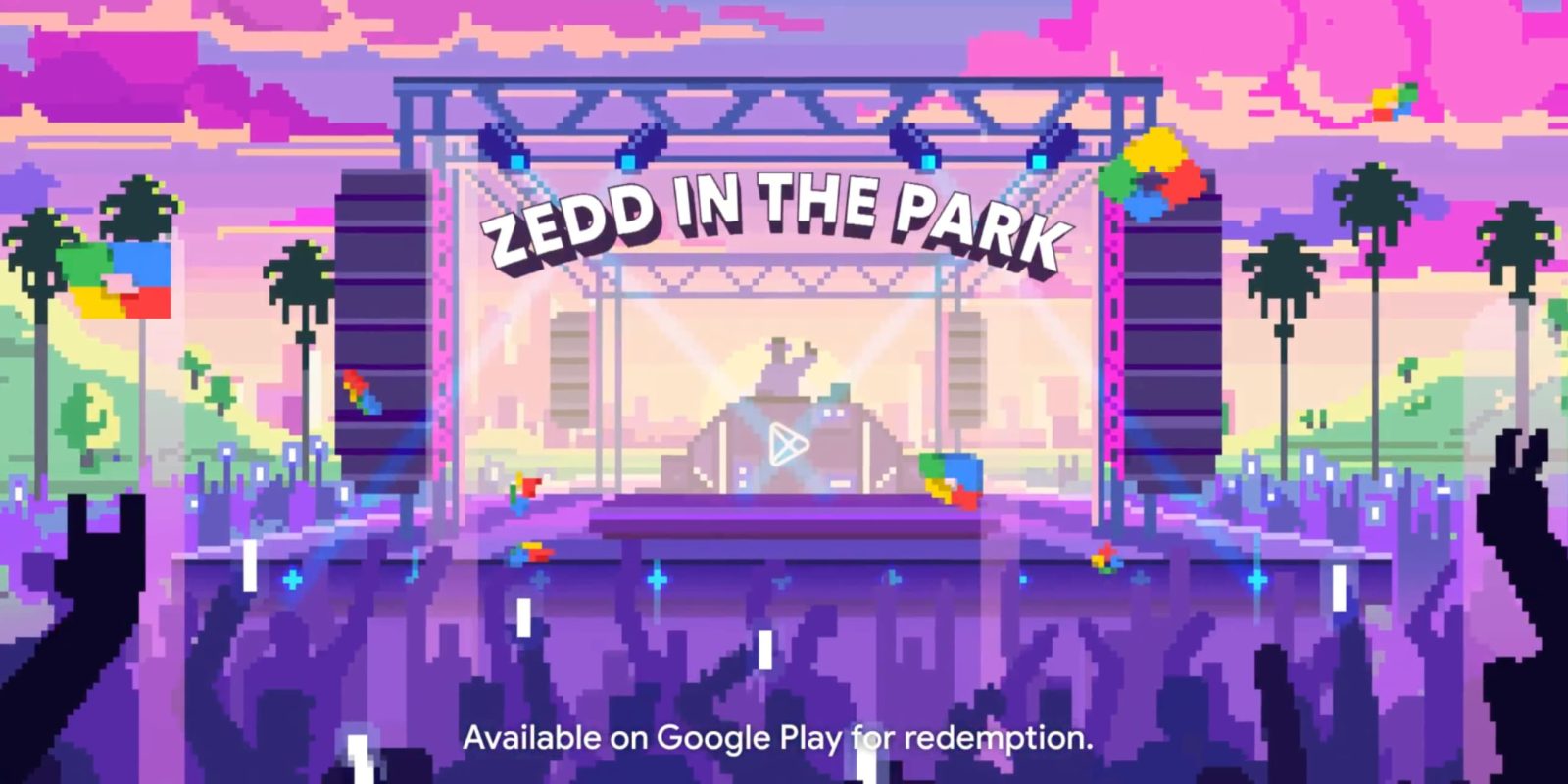
For the past few months, Google Play has been heavily promoting its Play Points loyalty program, with the latest example being at Zedd In The Park and with Playground.
After redesigning its Android widgets earlier this year, Pocket Casts is getting transcripts and the ability to create and share an interesting section of a podcast as a video/audio clip.
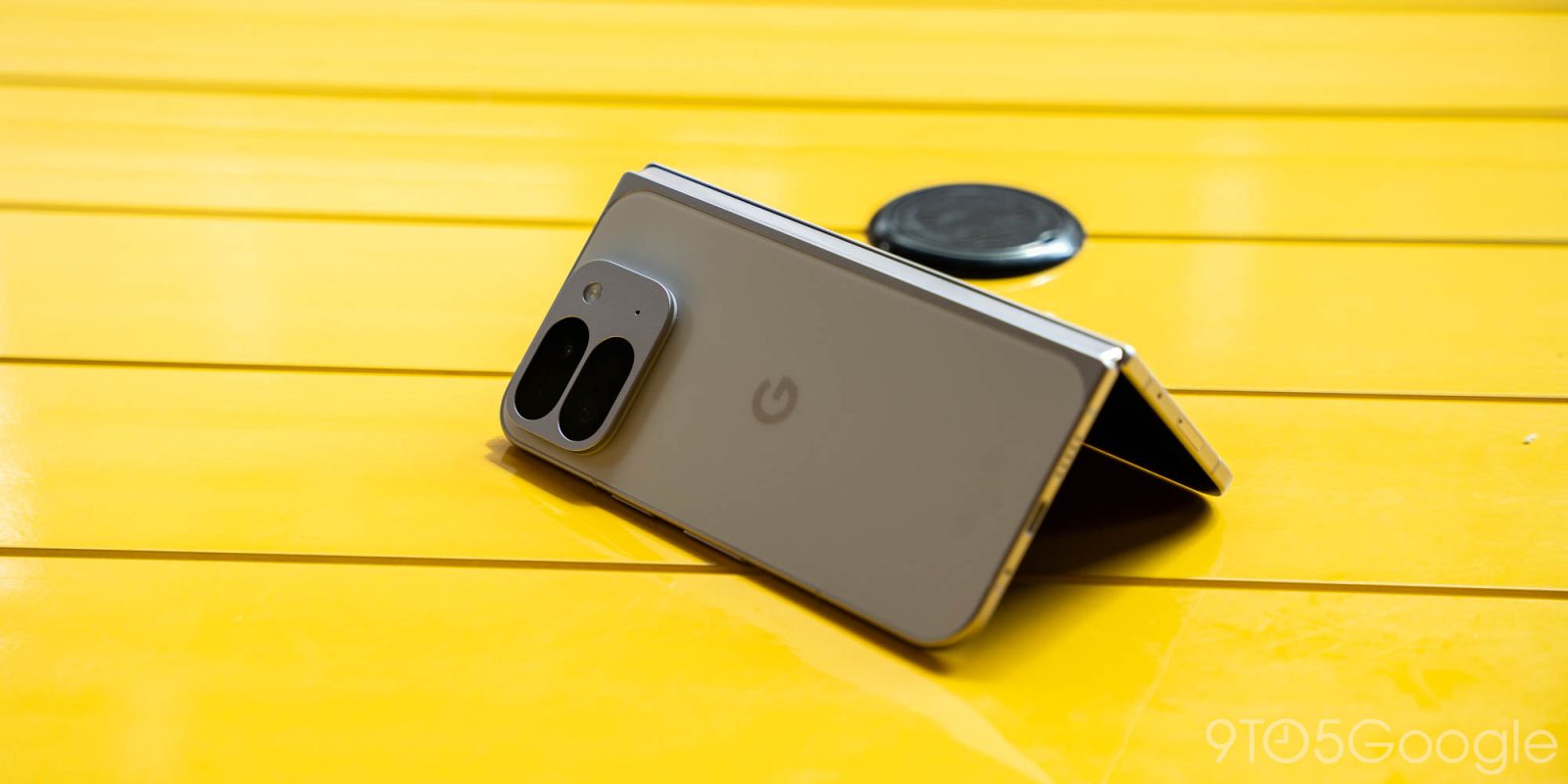
With the Pixel 9 Pro Fold, Google’s design team is particularly proud of how thin it is compared to last year’s model, and the use of “custom” components is credited.
YouTube is adding a Family Center that will let parents see “insights into their teens’ channel activity,” like the number of uploads, subscriptions and comments.
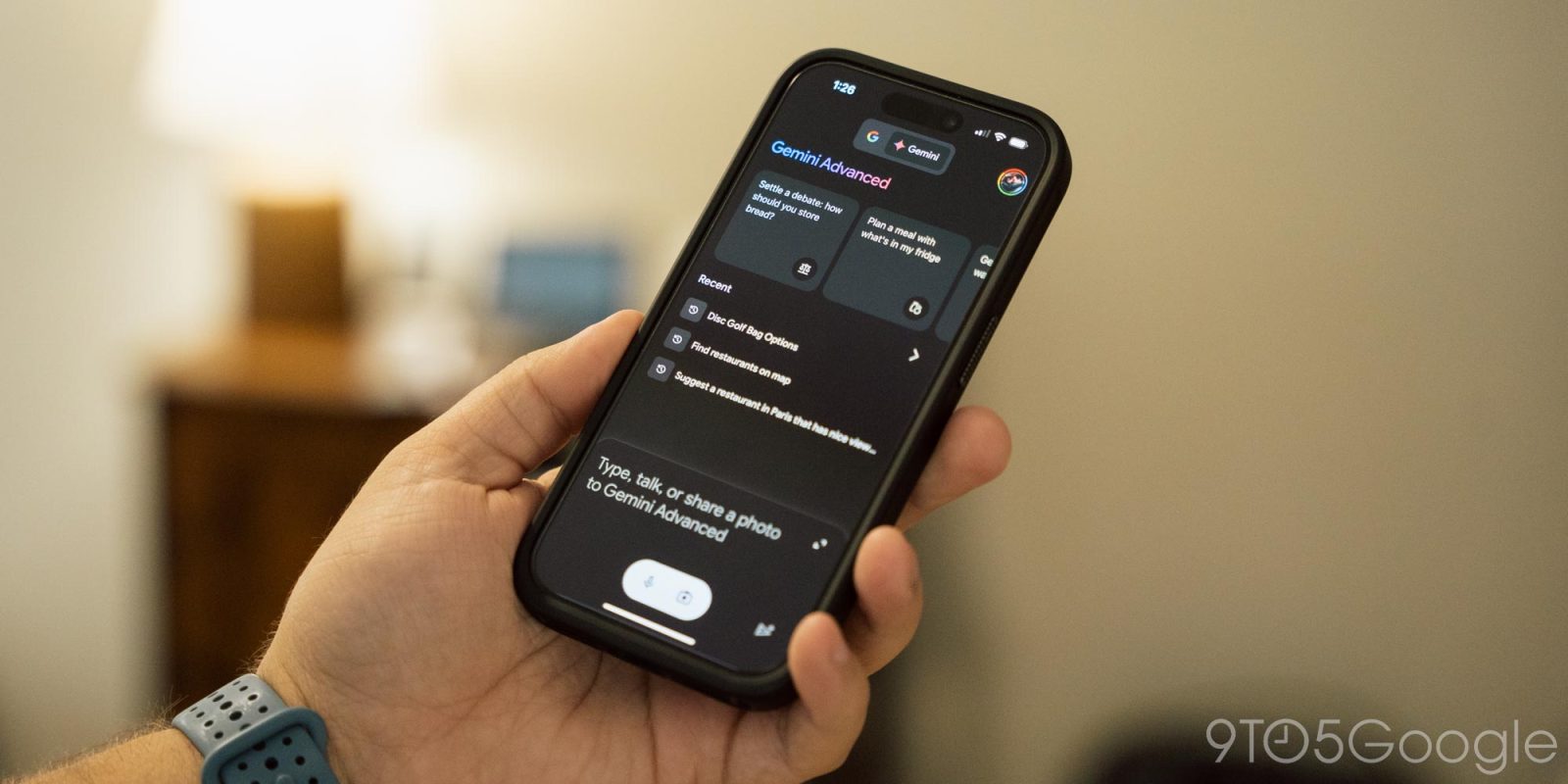
Following Live and more Extensions, the Gemini mobile app is rolling out support for file uploads instead of having to use gemini.google.com. This requires Gemini Advanced.
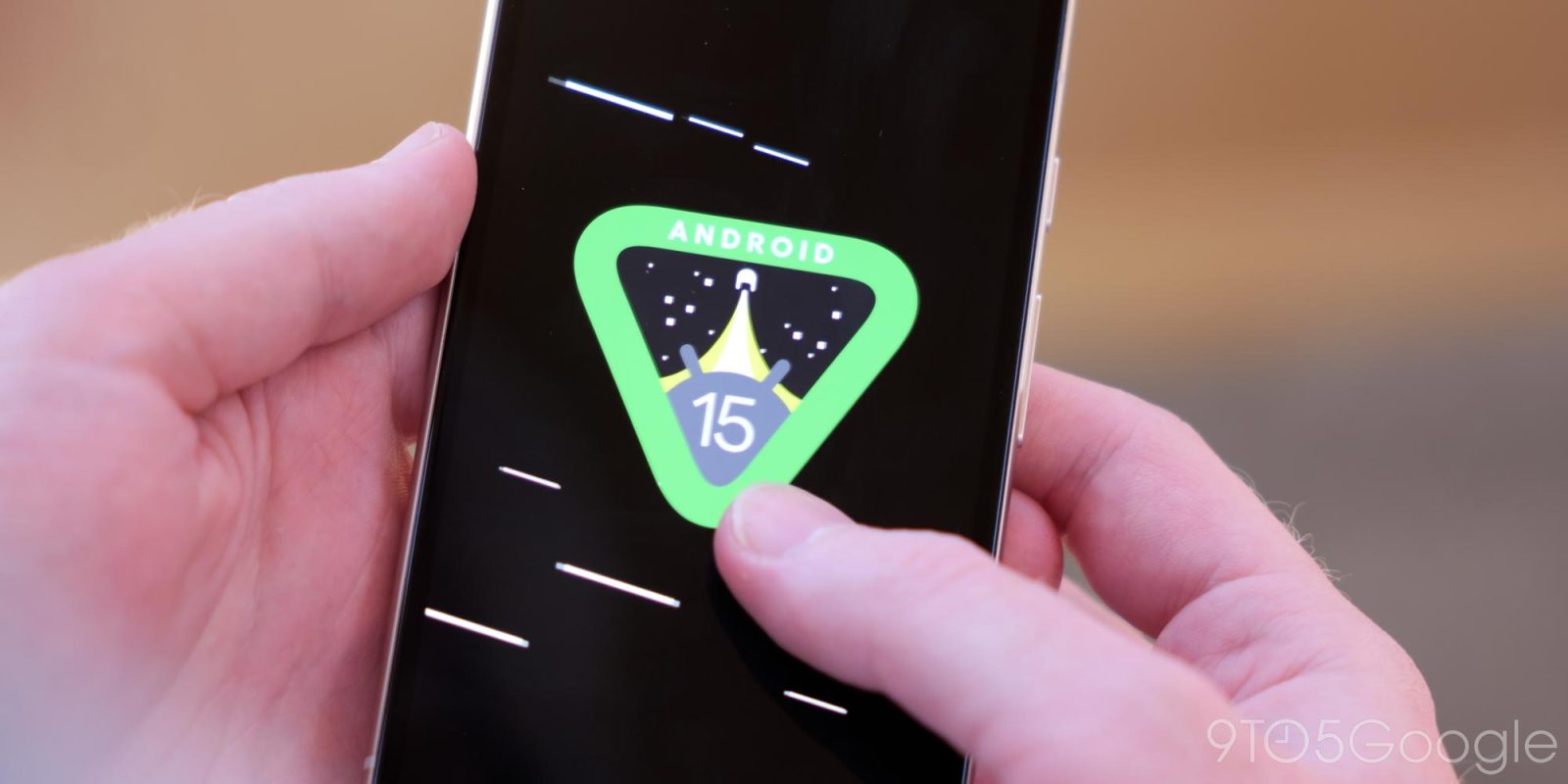
With Android 15 not launching until next month, the Android 14 September security patch is rolling out today for the 6, 6 Pro, 6a, 7, 7 Pro, 7a, Tablet, Fold, 8, 8 Pro, 8a, 9, 9 Pro, 9 Pro XL, and 9 Pro Fold.
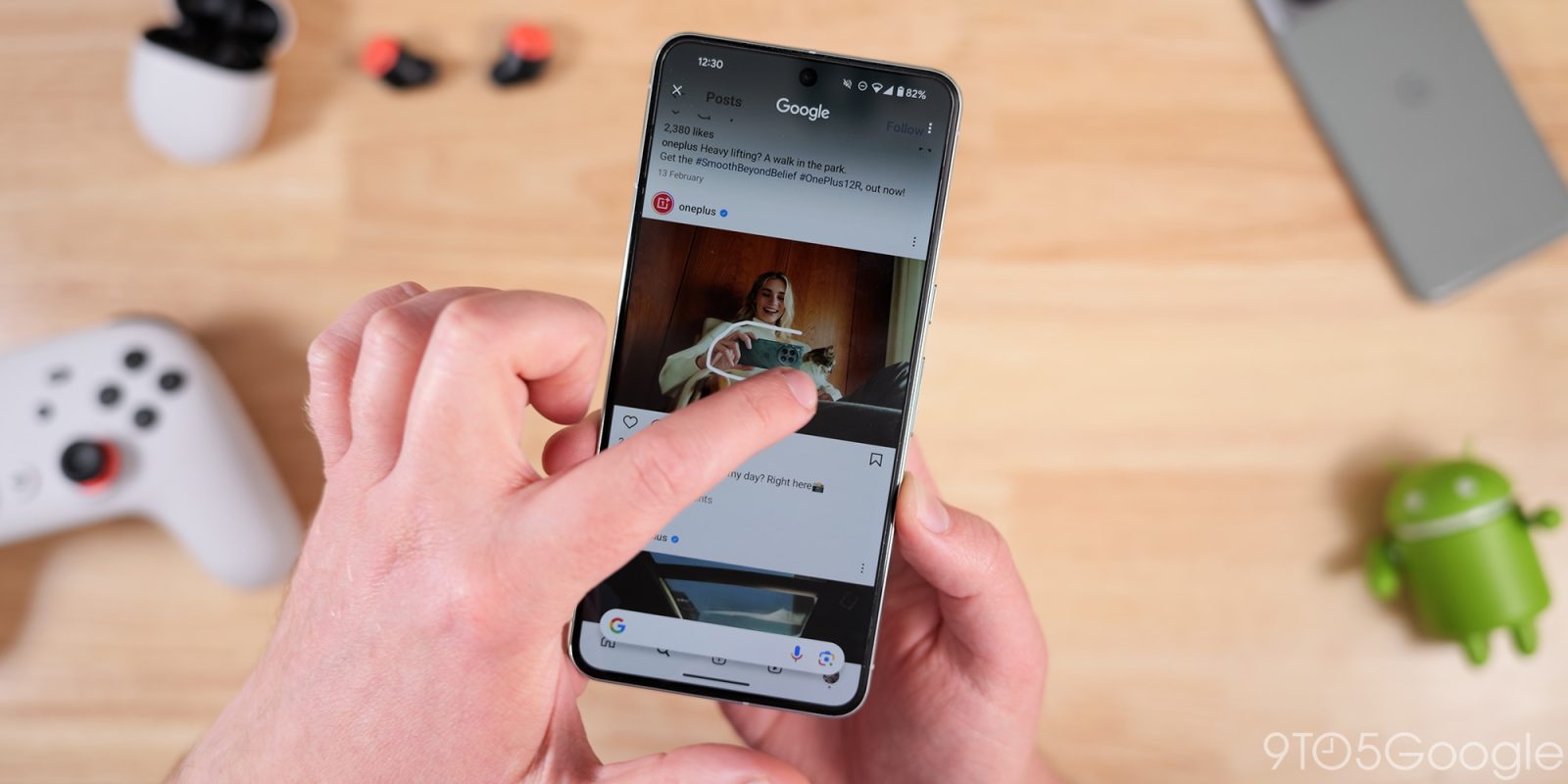
Ahead of the fall, Google is highlighting the latest Android features, including the ability to find songs with Circle to Search and TalkBack powered by Gemini models.
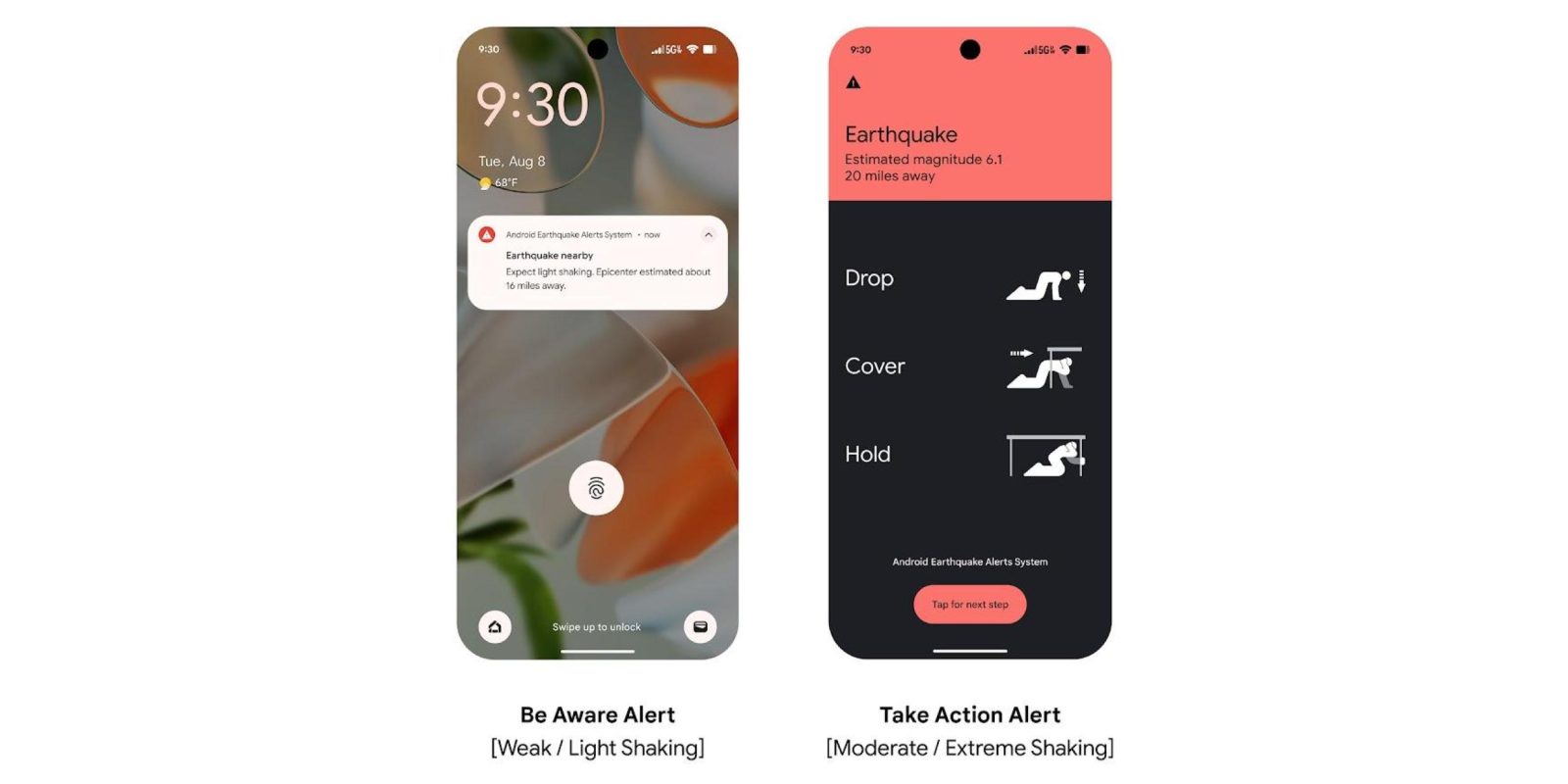
In 2020, Google announced the Android Earthquake Alerts system that basically turns your phone into a seismometer. This seconds-long warning will soon be available in all 50 US states and six territories.