Abner Li has worked at 9to5Google since 2015 and in late 2020 took on the role of editor-in-chief. He is keenly focused on tracking what happens at Google, and is often the first to spot new features in Google’s ever-growing family of applications that are updated on a daily basis, including Search, Assistant, Maps, Workspace, Android, Chrome/OS, Wear OS, and YouTube Music.
To him, what Google does greatly impacts the technology space and modern life. Inside the company, he is particularly interested in the key products mentioned above, as well as services like Google Podcasts and Google Lens. Each are massive platforms that can be unwieldy to grasp, with Abner keenly bent on understanding their philosophy and future direction. He is most excited about Google’s plans for augmented reality glasses.
Abner spearheads the APK Insight program at 9to5Google to chronicle all changes in the company’s Android apps, often finding new features before they are officially announced. This includes redesigns and revamps, launches, and new products.
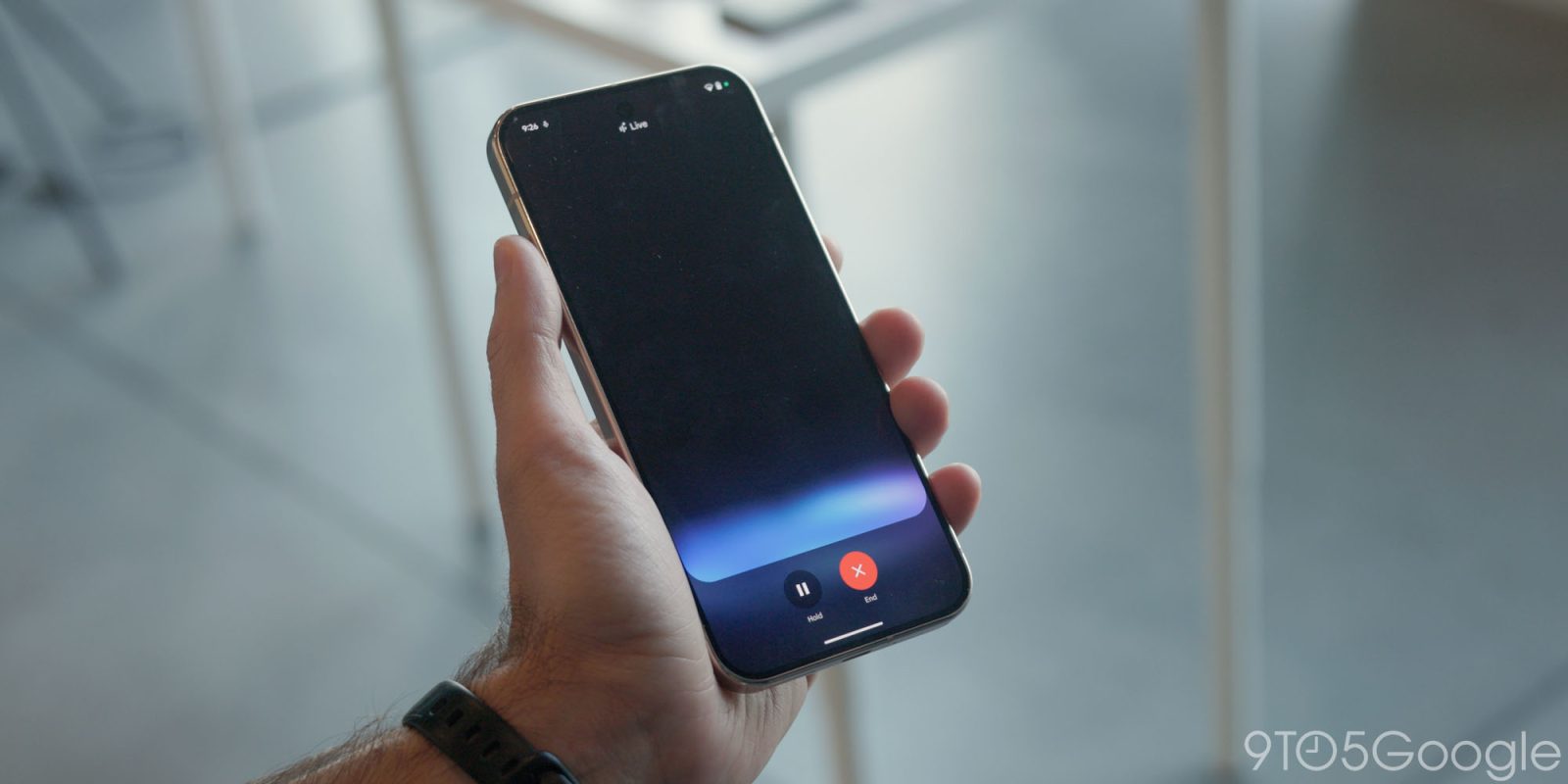
Google showed off Project Astra at I/O 2024 in May and said it was coming to Gemini Live “later this year.” CEO Sundar Pichai briefly talked about Project Astra, and the Pixel 9, during Alphabet’s Q3 2024 earnings call.
After introducing for the latest Samsung foldables earlier this year, the Gemini overlay now has a shortcut that lets you quickly enter split-screen multitasking on large-screen Android devices.
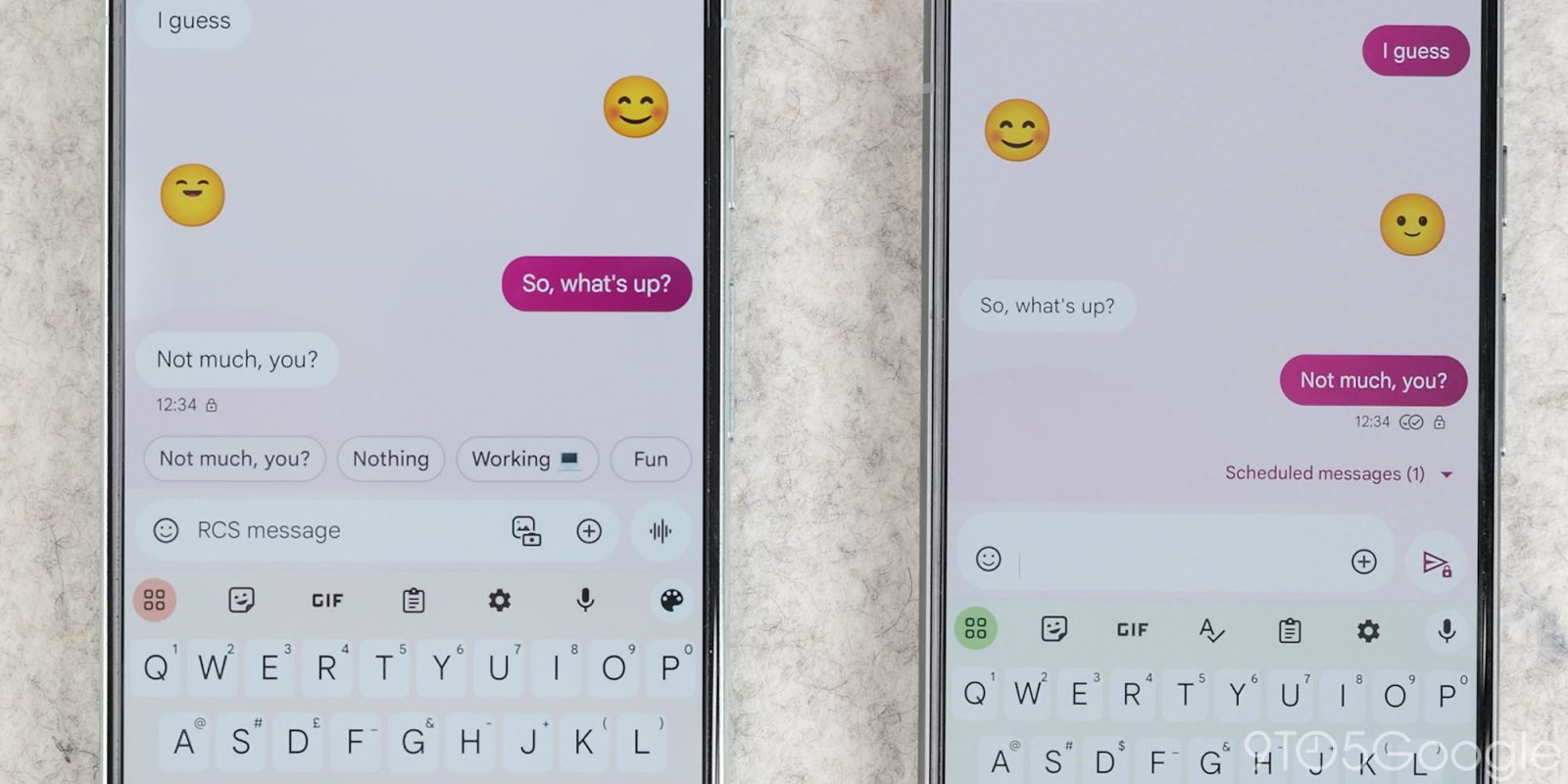
The themes in Gboard for Android haven’t changed in quite a bit — save for a splash, but Google is now testing a redesign of the existing Dynamic Color light and dark themes.
The monthly “Google System Release Notes” primarily detail what’s new in Play services, Play Store, and Play system update across Android phones/tablets, Wear OS, Google/Android TV, Auto, and PC. Some features apply to end users, while others are aimed at developers.
The Google Store’s Refurbished section has been empty for a few years now, but that’s changing today with a “Certified Refurbished Phone program” for the Pixel 6 and newer in the US.
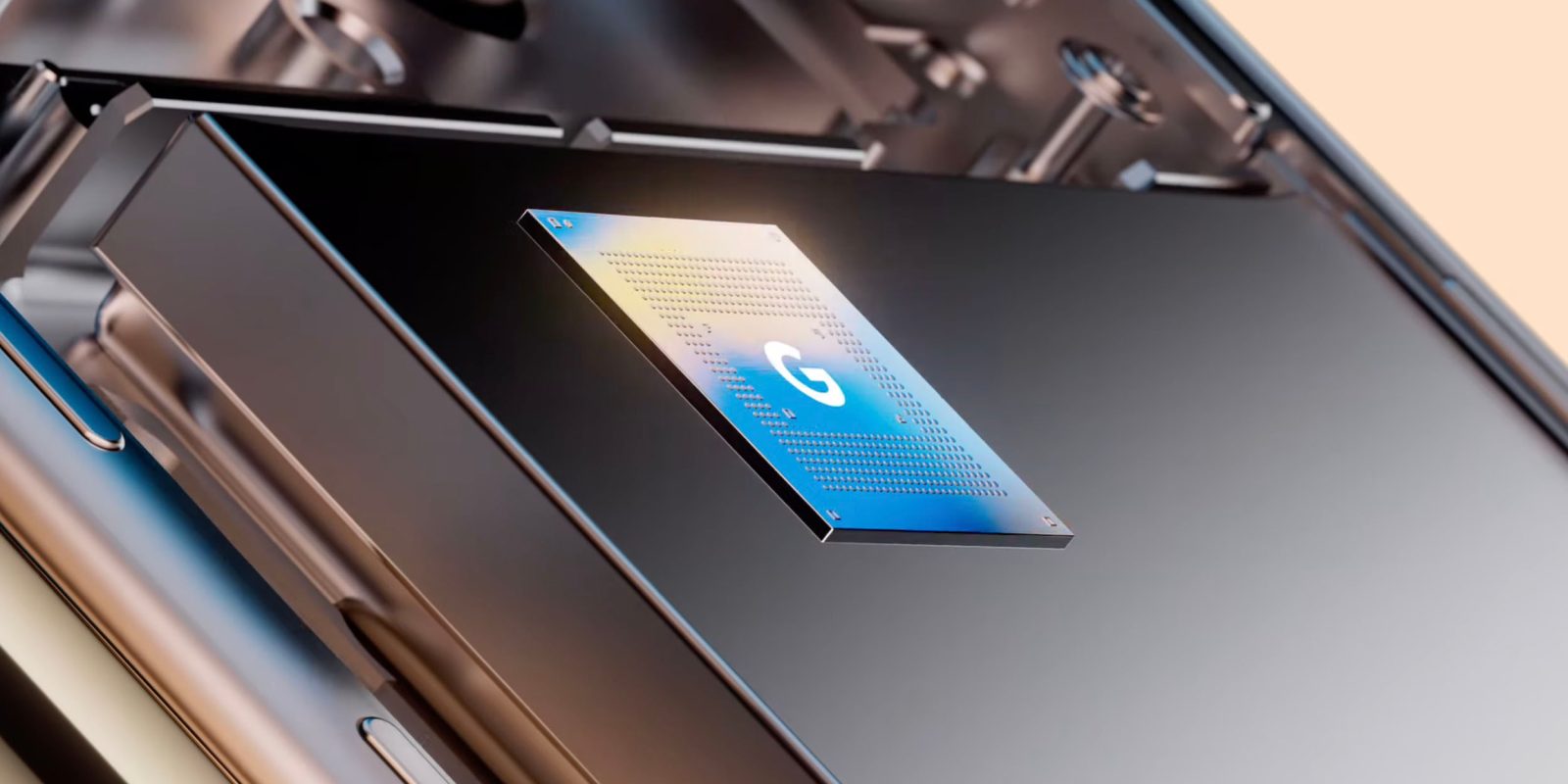
We already have an idea of what specs the Tensor G5 and Tensor G6 might have, but the latest leak reveals what camera and video features could be made possible on the Pixel 10 and 11.
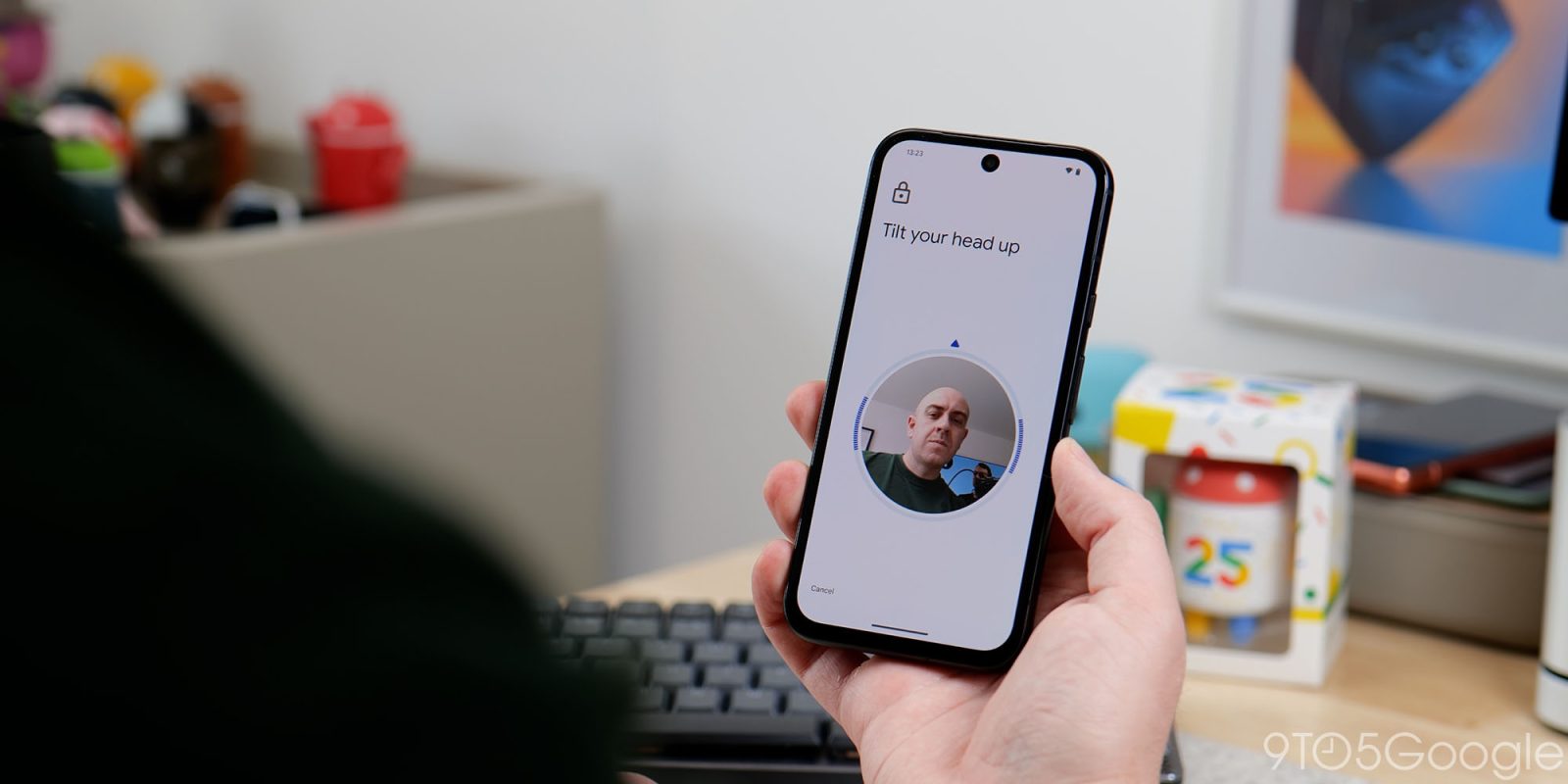
The biggest limitation of Google’s camera-based face unlock is that it doesn’t work in the dark or other low-light conditions, and the Pixel 11 with Tensor G6 might address that with a dedicated system.
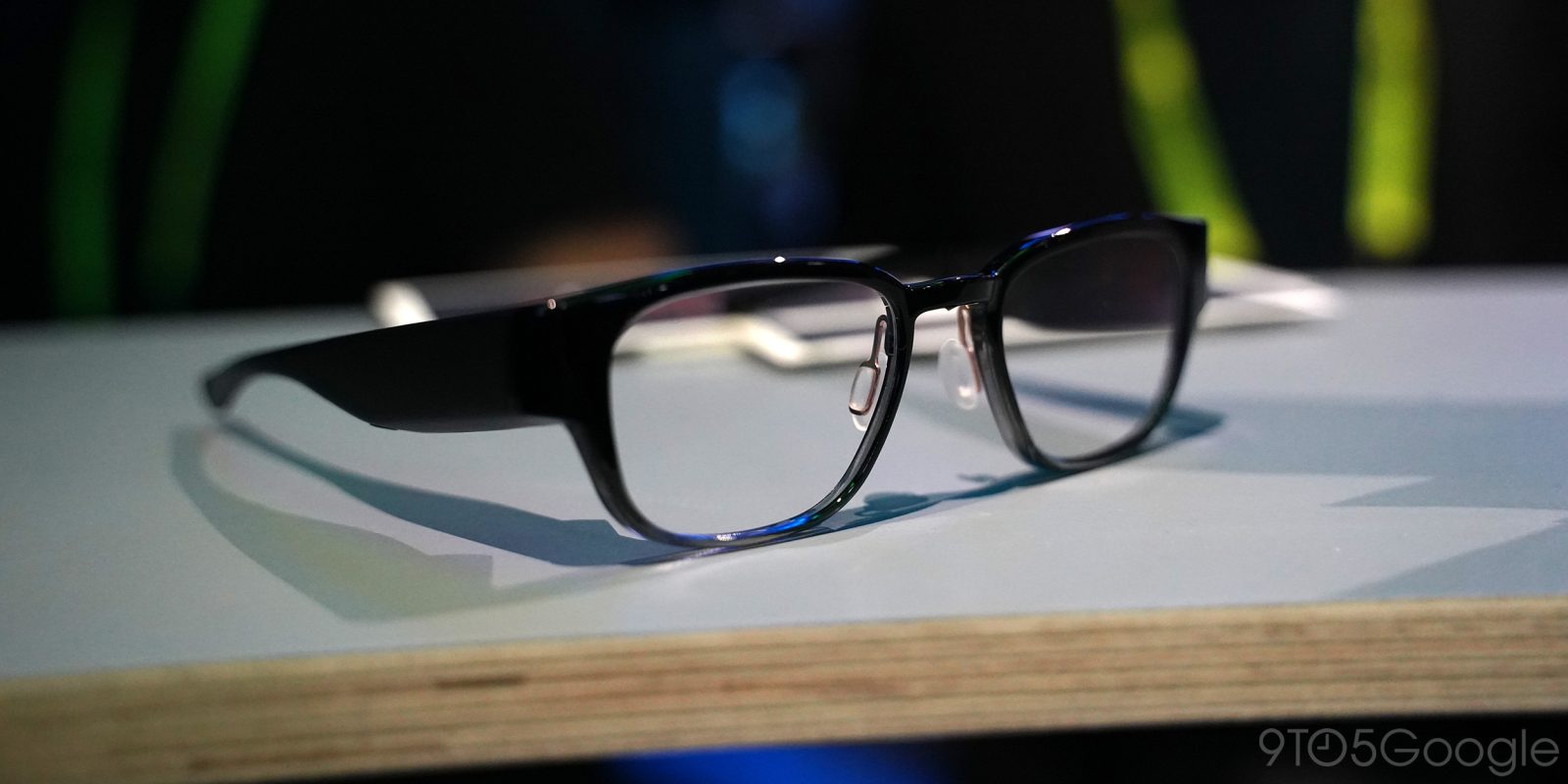
According to the latest rumors, Google is not making consumer XR hardware, including headsets or glasses, and instead opting for an OEM model where it just develops the Android OS and services, presumably partnering with Samsung. That should be fine for the first few generations until the underlying display technology is miniaturized and perfected. However, I do hope that Google is making its own display-less glasses that feature a camera and headphones for Gemini.
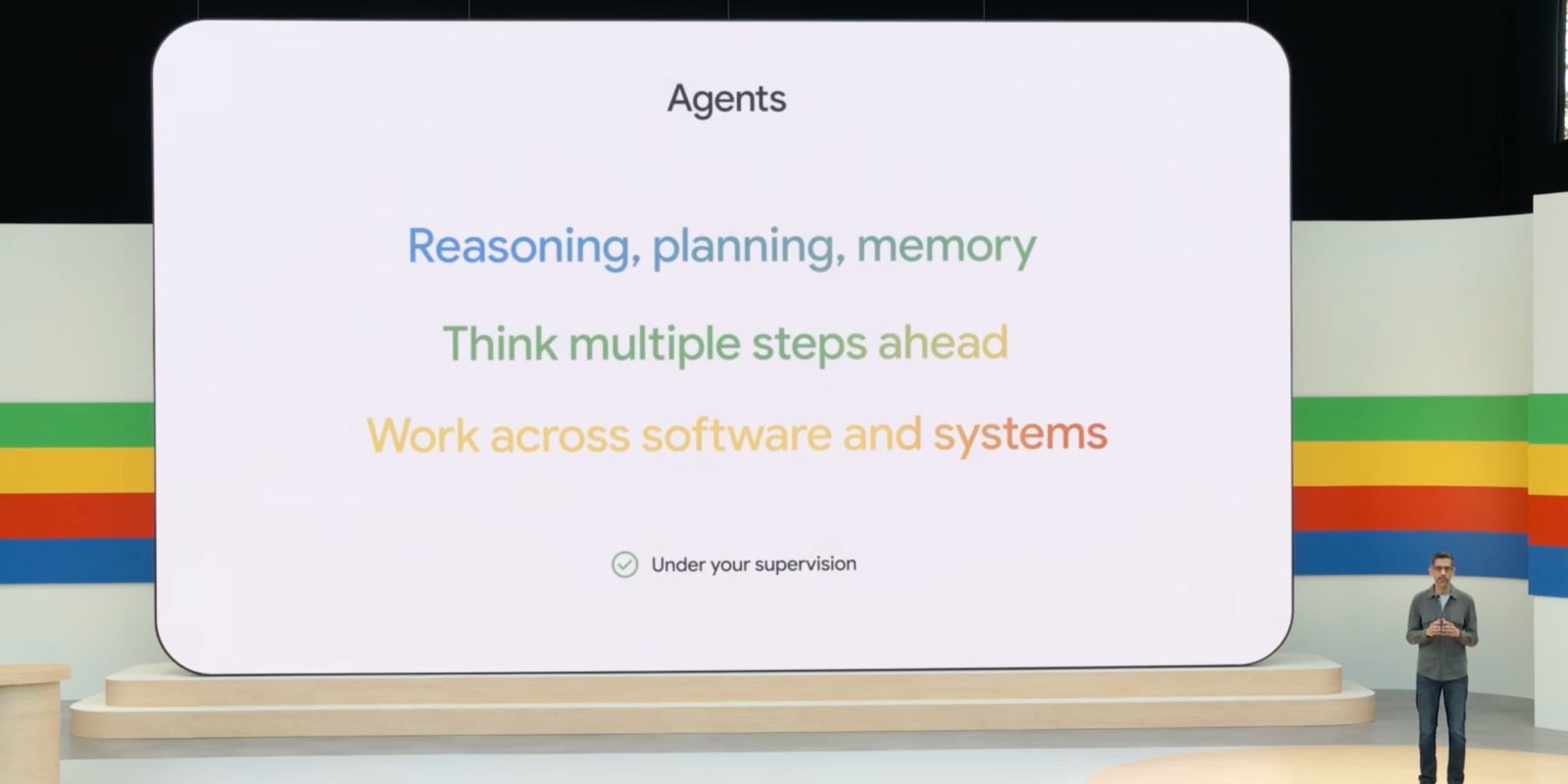
At I/O 2024 in May, Google gave two examples of agentive experiences that you’d access through Gemini. Google might be ready to share more about agents that work in Chrome and are powered by Gemini 2.0 this December with Project Jarvis.
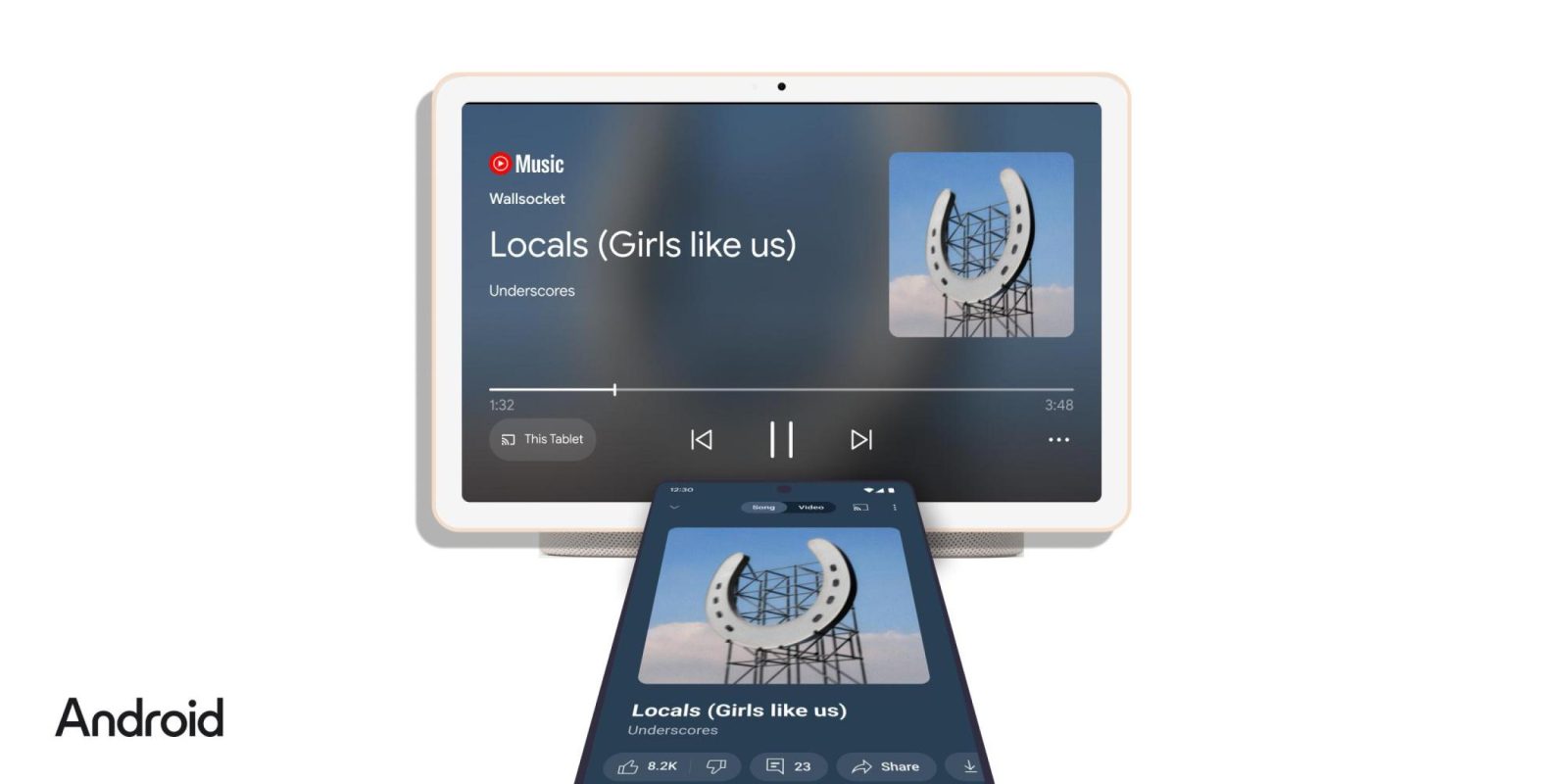
As announced with the October Pixel (Feature) Drop last week, Google is rolling out “Hold close to cast,” or tap to cast, between Pixel Pro phones and the Pixel Tablet.
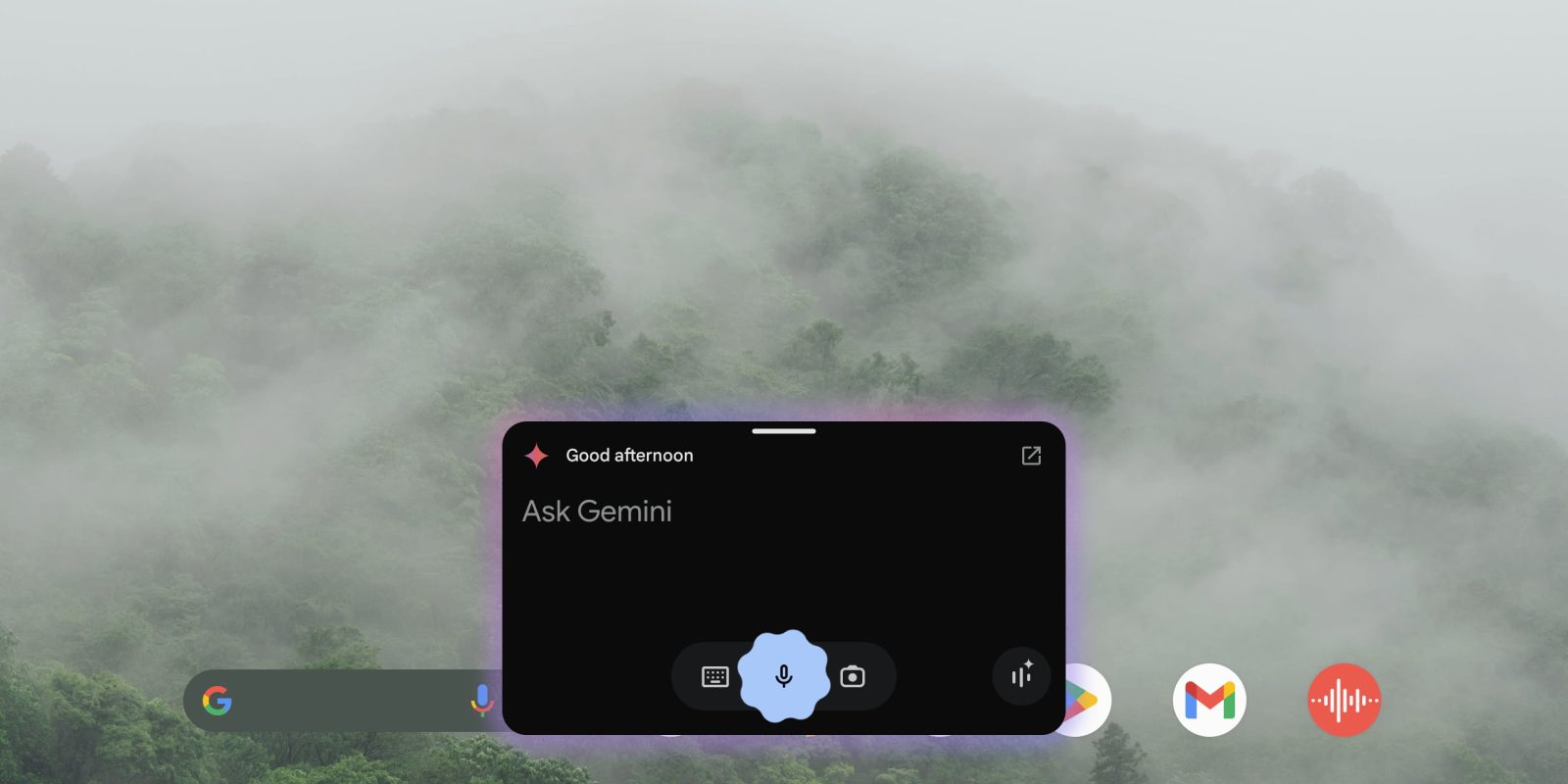
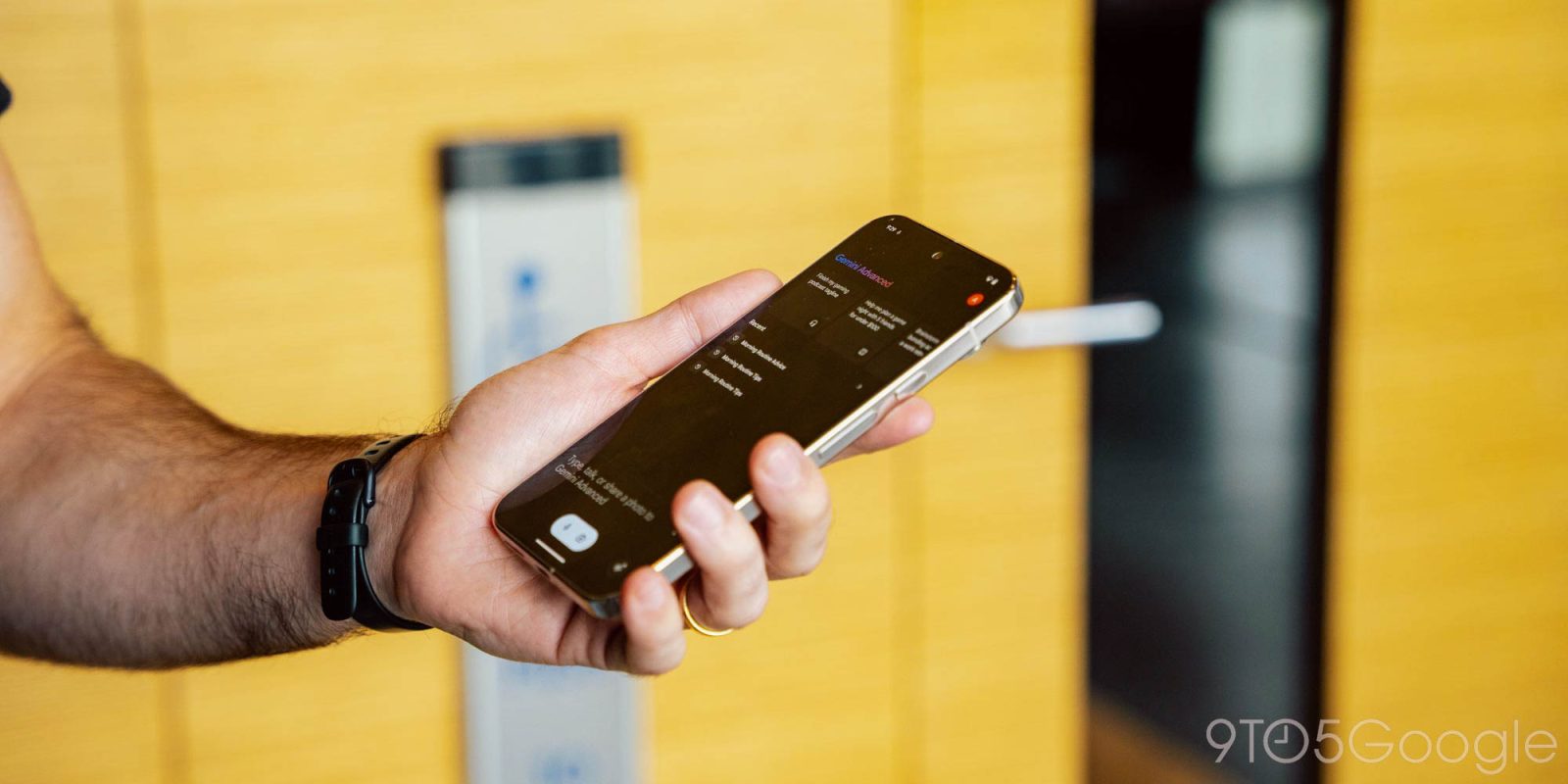
After switching to an “Ask Gemini” prompt at the start of this week, Google is making even more tweaks to Gemini on Android that make the app look better in dark theme.
While Google Contacts is otherwise a good example of a modern Material You app, my one design quibble has been the blocky scroll bar. This has finally been addressed as part of a broader tweak to the main Contacts tab.