Abner Li has worked at 9to5Google since 2015 and in late 2020 took on the role of editor-in-chief. He is keenly focused on tracking what happens at Google, and is often the first to spot new features in Google’s ever-growing family of applications that are updated on a daily basis, including Search, Assistant, Maps, Workspace, Android, Chrome/OS, Wear OS, and YouTube Music.
To him, what Google does greatly impacts the technology space and modern life. Inside the company, he is particularly interested in the key products mentioned above, as well as services like Google Podcasts and Google Lens. Each are massive platforms that can be unwieldy to grasp, with Abner keenly bent on understanding their philosophy and future direction. He is most excited about Google’s plans for augmented reality glasses.
Abner spearheads the APK Insight program at 9to5Google to chronicle all changes in the company’s Android apps, often finding new features before they are officially announced. This includes redesigns and revamps, launches, and new products.
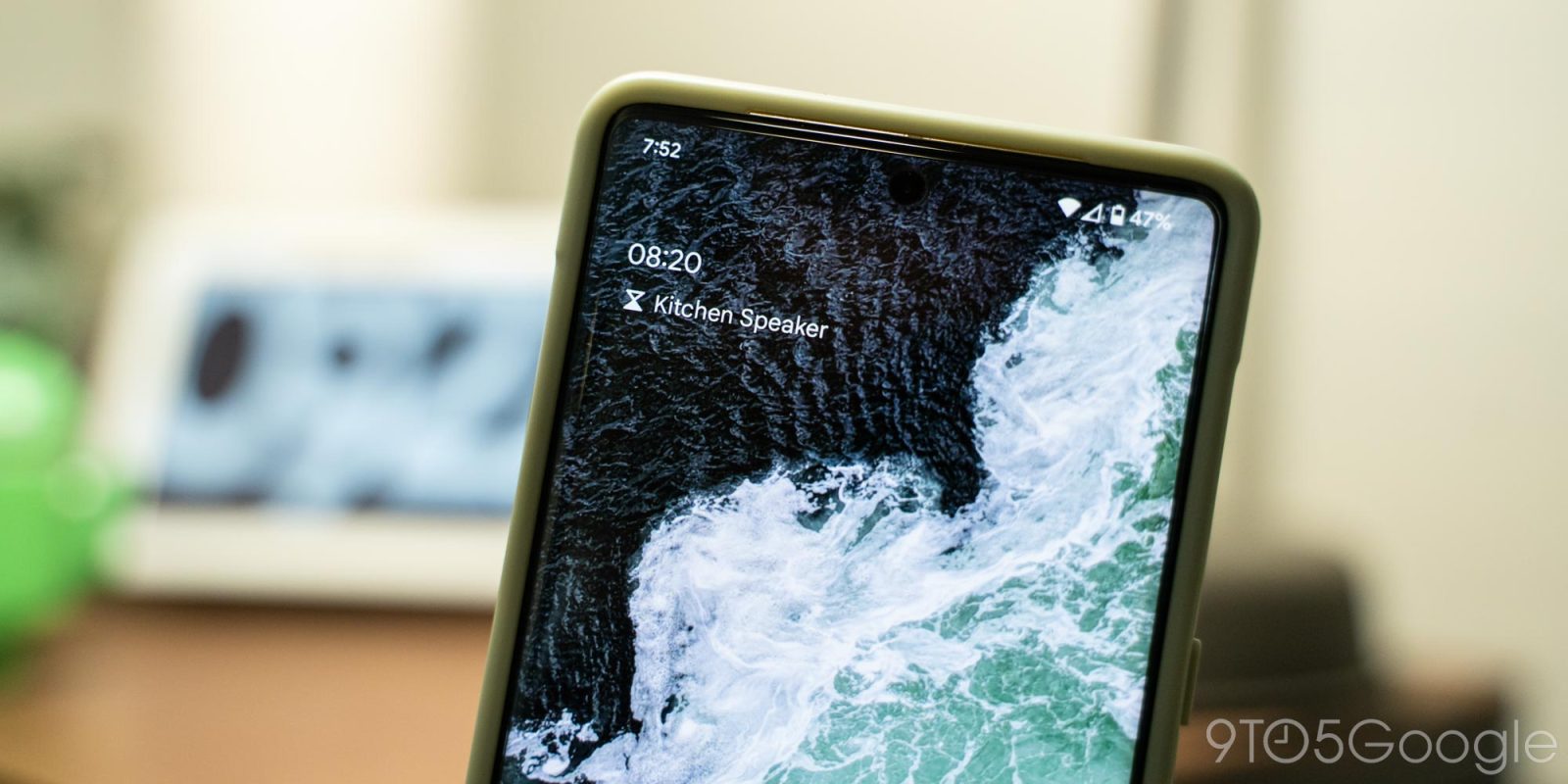
With this month’s March Feature Drop, Google finally rolled out Cross Device Timers on Pixel phones. At a Glance is now readying a pair of location proximity features when you’re near an airport or transit station.
9to5Google has a rebooted newsletter that highlights the biggest Google stories with added commentary and other tidbits. Sign up to get it early in your inbox, or continue reading 9to5Google Log Out below:
Almost a month before Ant-Man and the Wasp: Quantumania hit theaters, a Google Doc appeared on Reddit with what appeared to be the full dialogue of the film. Marvel has now subpoenaed Google and Reddit to help find the leaker.
The Google Home app Public Preview is set to get a number of features before it more widely launches. The ability to reorder devices in Google Home’s Favorites tab is now starting to roll out for those in the beta program.
We’re still waiting for the stable release of Android 13 QPR2, but ahead of that, Google provided an update today on how to leave the Beta Program without needing to wipe your device. The company today also shared that the Android 13 QPR3 Beta is starting next week.
9to5Google has a rebooted newsletter that highlights the biggest Google stories with added commentary and other tidbits. Sign up to get it early in your inbox, or continue reading 9to5Google Log Out below:
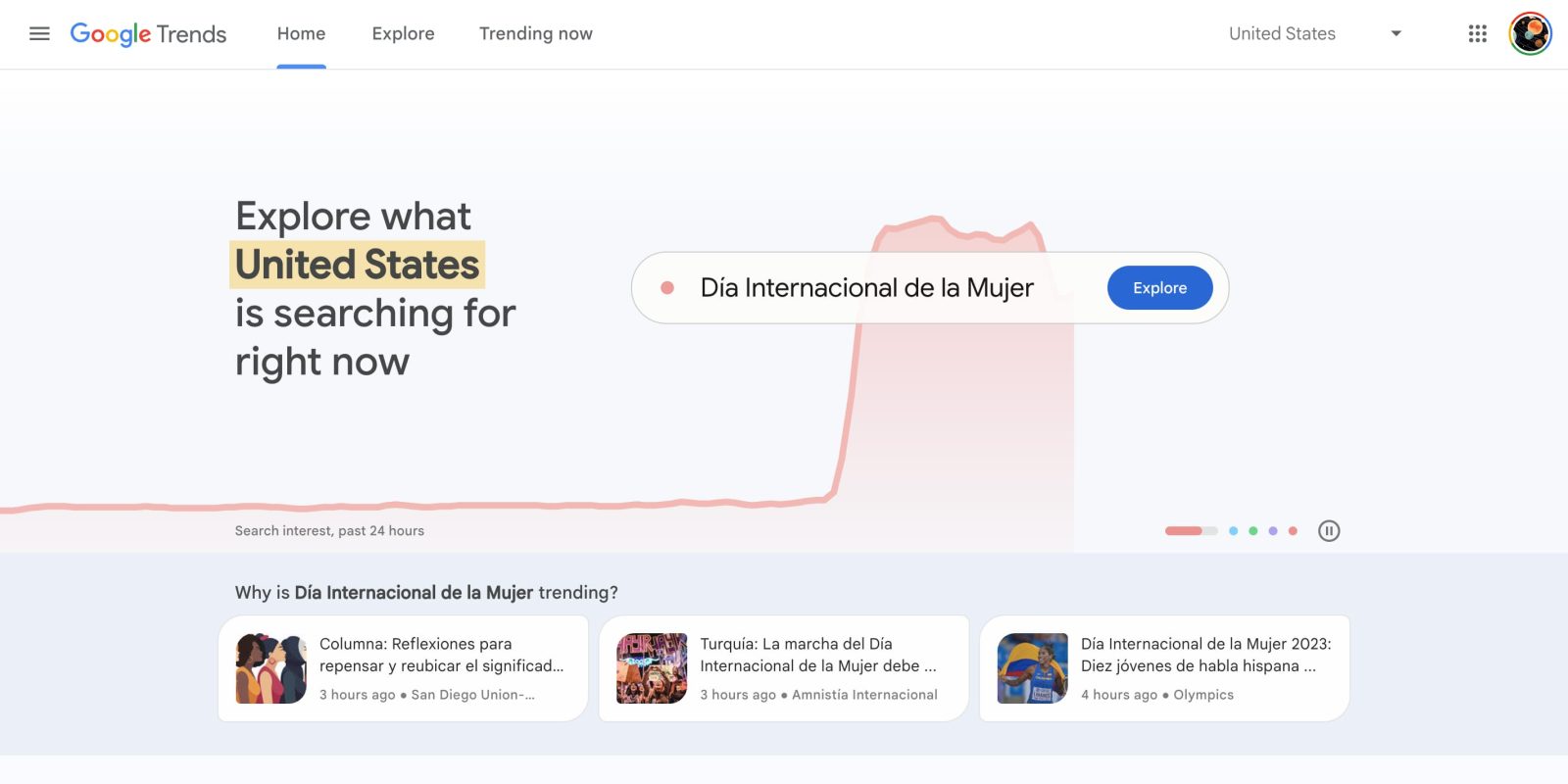
Last June, Google News got a desktop redesign, and the “Your topics” feature has now added 60 new topics for you to choose from and customize your homepage with.
In 2015, Google introduced a Cleanup Tool designed to find and delete unwanted software (UwS) that might impact your browsing experience. Google is now removing the Chrome Cleanup Tool.
Google phones have literally been spotted on planes, trains, and automobiles ahead of their official unveiling. The latest example of this are blurry shots of what’s possibly a Pixel Fold, thus making this the first live leak.
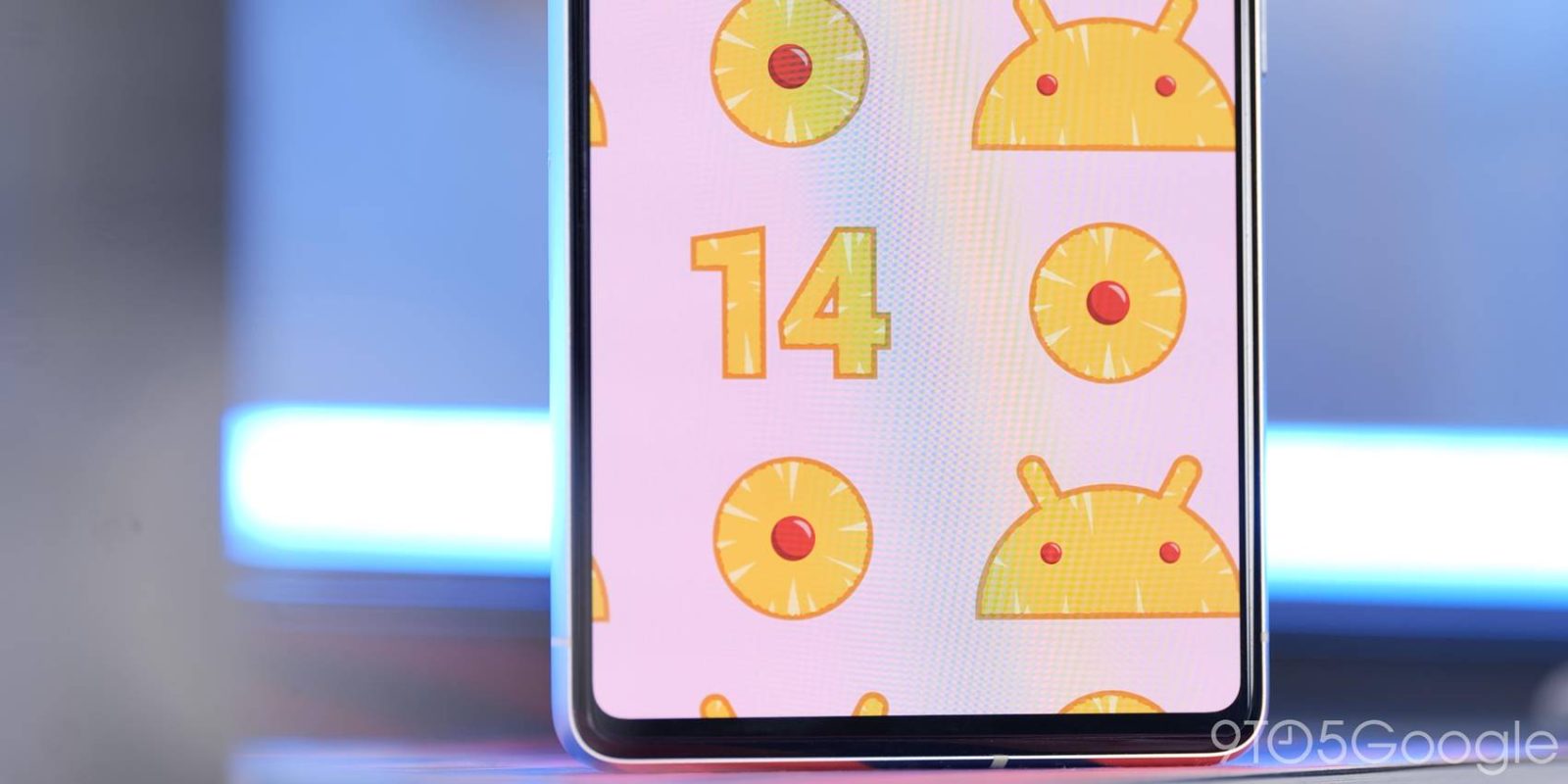
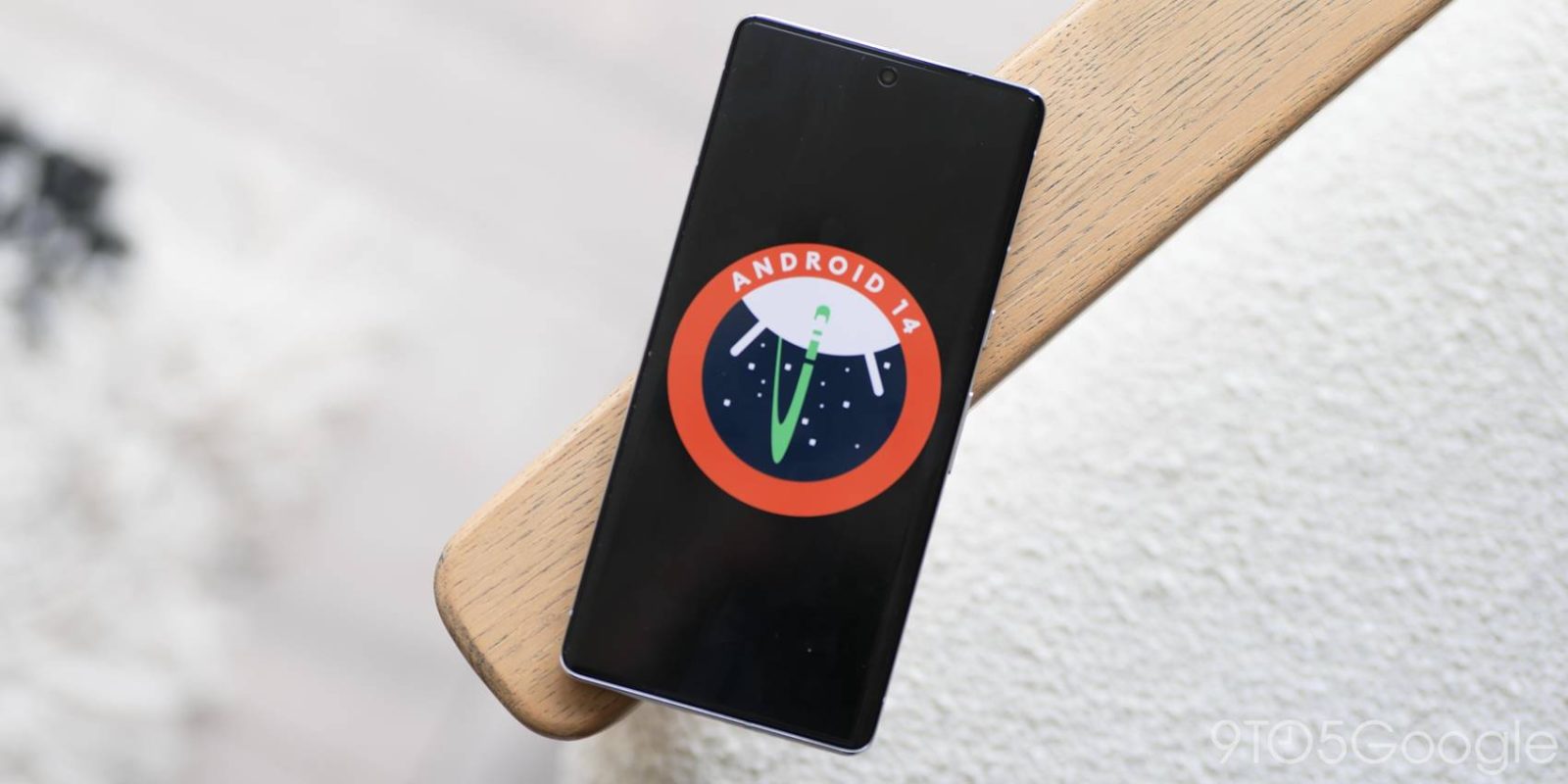
Android 14 Developer Preview 2 is rolling out now ahead of next month’s first beta. It continues work on a number of tentpoles with more capabilities taking shape in this release.
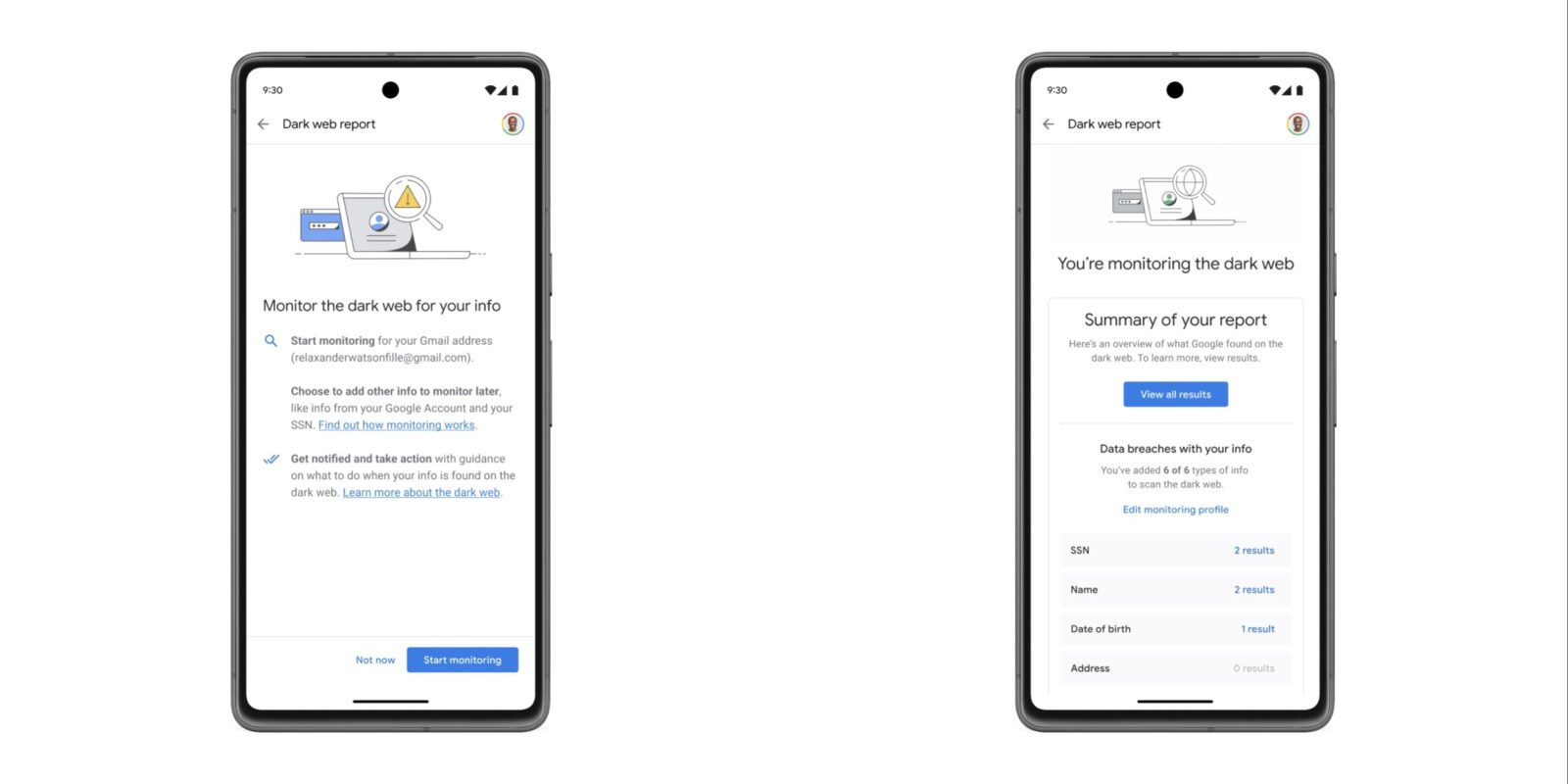
After adding Magic Eraser last month, Google One is significantly expanding the availability of its VPN and introducing dark web monitoring for stolen information.