Following the launch of the April security patch to stable Pixel users, Android 12 QPR3 Beta 2 is now available.
Expand Expanding CloseGoogle rolls out Android 12 QPR3 Beta 2 for Pixel


Send tips/talk to abner@9to5mac.com or @technacity (open DMs).
Abner Li has worked at 9to5Google since 2015 and in late 2020 took on the role of editor-in-chief. He is keenly focused on tracking what happens at Google, and is often the first to spot new features in Google’s ever-growing family of applications that are updated on a daily basis, including Search, Assistant, Maps, Workspace, Android, Chrome/OS, Wear OS, and YouTube Music.
To him, what Google does greatly impacts the technology space and modern life. Inside the company, he is particularly interested in the key products mentioned above, as well as services like Google Podcasts and Google Lens. Each are massive platforms that can be unwieldy to grasp, with Abner keenly bent on understanding their philosophy and future direction. He is most excited about Google’s plans for augmented reality glasses.
Abner spearheads the APK Insight program at 9to5Google to chronicle all changes in the company’s Android apps, often finding new features before they are officially announced. This includes redesigns and revamps, launches, and new products.
A big area of interest is Google’s hardware division, including Pixel, Fitbit, and Nest. He detailed all of the Pixel 3’s camera features before launch and scooped the 2nd-generation Nest Hub’s Soli-powered Sleep Sensing capability, including how it would integrate with Google Fit.
Recently, Abner detailed the Pixel Watch’s specs in full before launch, including bands and pricing. He also got wind of the Pixel Tablet’s ultimate form factor.
Following the launch of the April security patch to stable Pixel users, Android 12 QPR3 Beta 2 is now available.
Expand Expanding Close
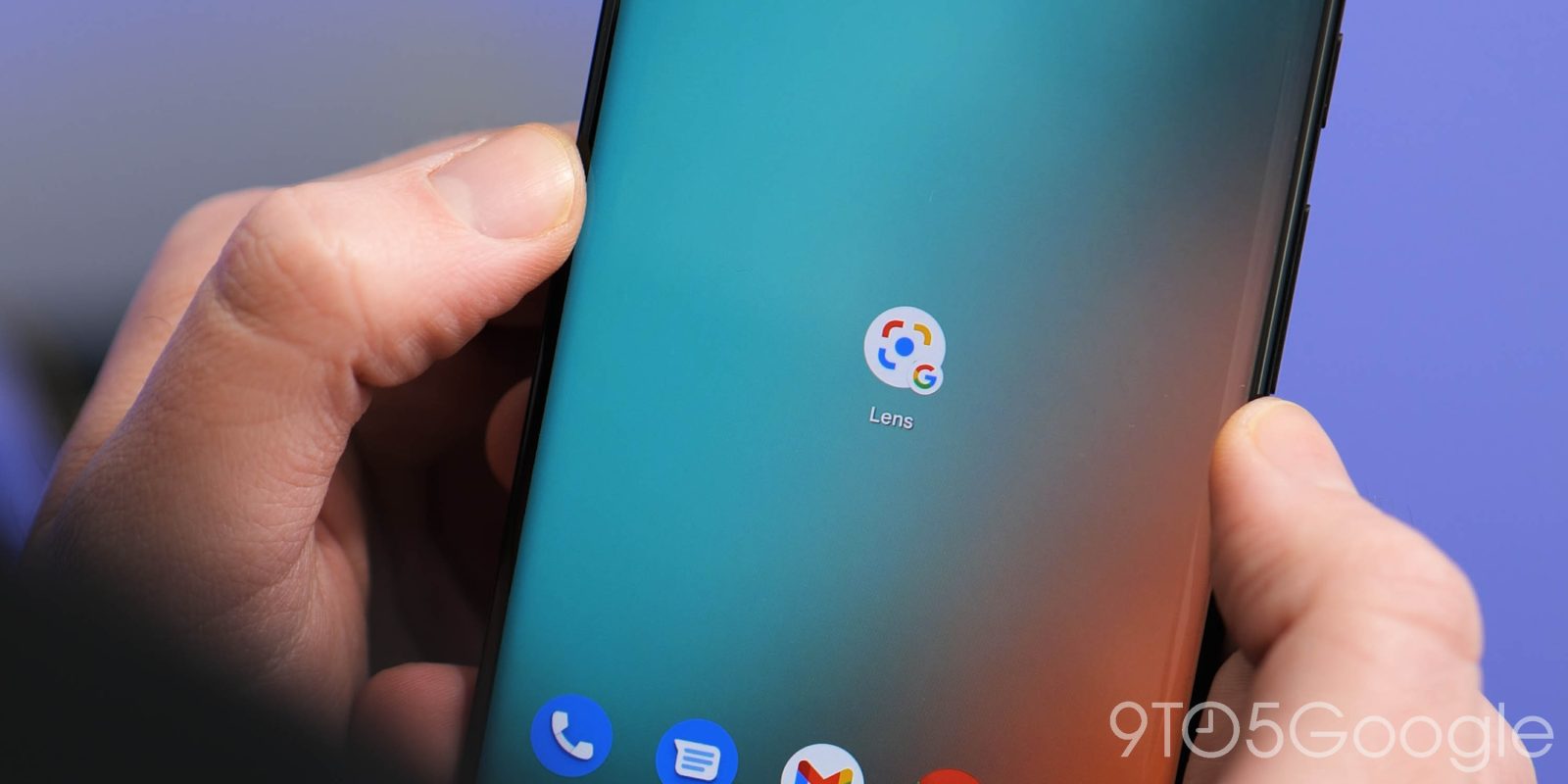
One of the most interesting announcements at Google’s Search-focused keynote in September was a big upgrade to Lens that lets you take a photo and ask questions about it. “Multisearch” in Google Lens is now available to beta test on Android and iOS.
Expand Expanding Close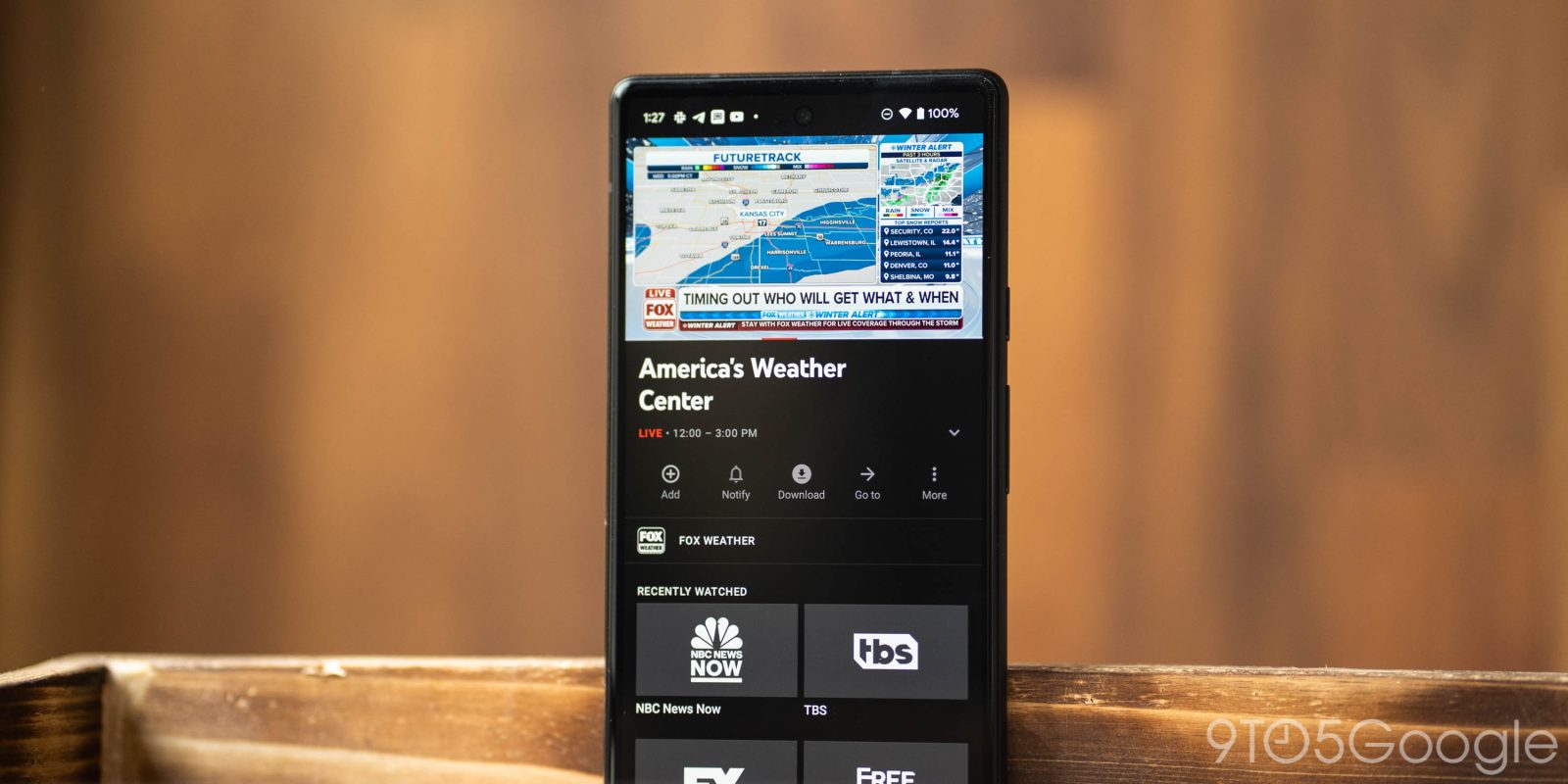
Besides rolling out picture-in-picture to iOS, YouTube TV happens to be marking its fifth birthday by adding an equal number of new channels, with G4TV and The Weather Channel being the most notable.
Expand Expanding Close

With every release, Android introduces new system-level security and privacy features that more times than not requires support from third-party apps. Google Play will soon hide older apps for new users to encourage developers to support the latest Android functionality.
Expand Expanding Close
Desktop Chrome is getting a “step-by-step guided tour of some existing privacy and security controls” called Privacy Guide.
Expand Expanding Close
Google announced in January that “G Suite legacy free edition” accounts would have to start paying for Workspace this year, but that’s now being slightly delayed. Meanwhile, those opting for the no-cost option will soon have to join a waiting list to avoid payments.
Expand Expanding Close
When editing another person’s document, Google today lets you leave a comment or suggest edits. Google Docs on the web will soon support emoji reactions as a “less formal alternative to comments to express your opinions.”
Expand Expanding Close
The TiVo Stream 4K, which Google sent out to more than a few subscribers last year, is getting deep integration with YouTube TV to boost its live offering.
Expand Expanding Close
Following the Google for Games Dev Summit, April 2022 brings five four games to Stadia Pro in a slight decrease from the previous drop.
Google Maps is rolling out a trio of big updates over the coming weeks that add toll estimates and improve the navigation experience with a new map, while the iOS app is getting a series of additional integrations.
Expand Expanding Close
Last year, Google introduced a new Bug Hunters platform to encompass all its Vulnerability Reward Programs. An expanded “Android and Google Devices Security Reward Program” now brings Nest and Fitbit into the fold with Pixel.
Expand Expanding Close
Similar to last year, the April collection of “Curated Culture” wallpapers for Google Pixel celebrate Earth Day. Their availability coincides with the April security patch, but the actual day comes much later in the month.
Expand Expanding Close
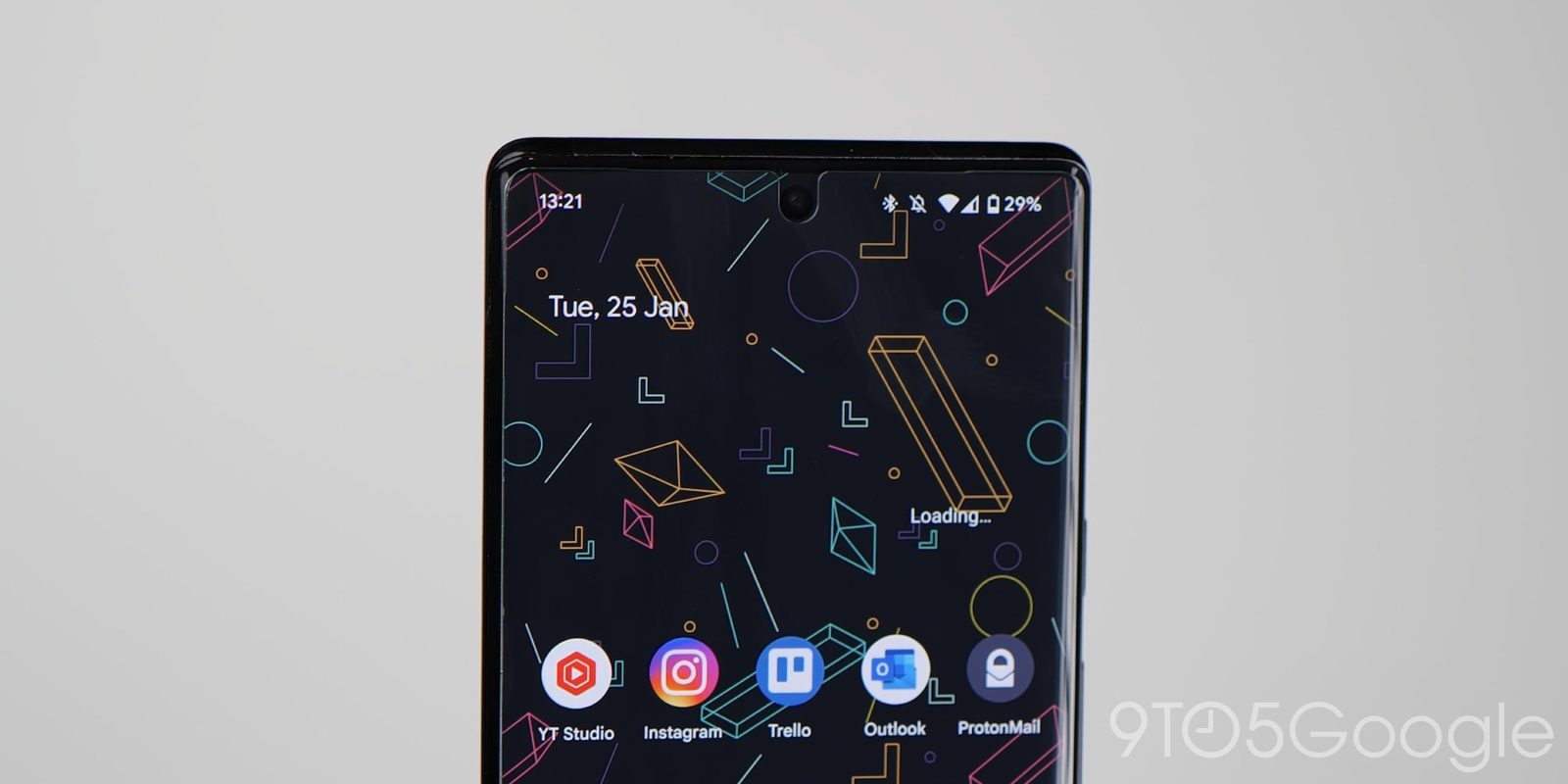
Last Thursday, the first users started to see “Connected devices” info for Bluetooth headphones appear at the top of the Pixel Launcher and on the lockscreen. Google is now rolling out an “Earthquake alert” warning to At a Glance.
Expand Expanding Close
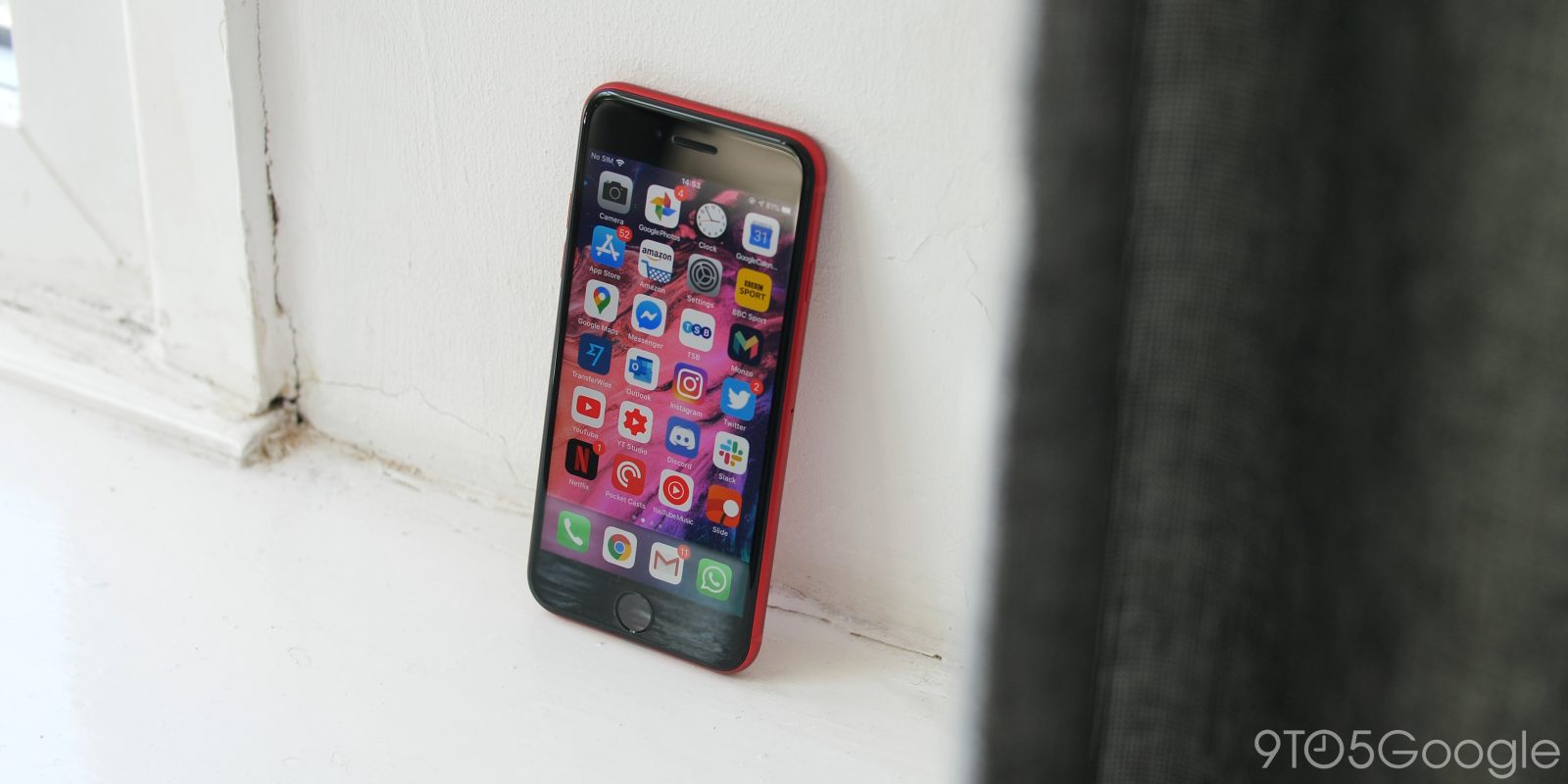
Following the ongoing removal of Assistant Snapshot on Android, the Google for iOS app looks to be adding a “Notifications” tab.
Expand Expanding Close

Google Fiber has long made use of “Fiber Spaces” to let potential customers experience gigabit speeds before subscribing. The ISP is now turning to Google Fiber Kiosks located in malls to let customers “take care of business quickly.”
Expand Expanding Close
Following last month’s two-week gap, the April’s security update is rolling out for the Pixel 6 on the same day as all other supported Google devices.
Expand Expanding Close
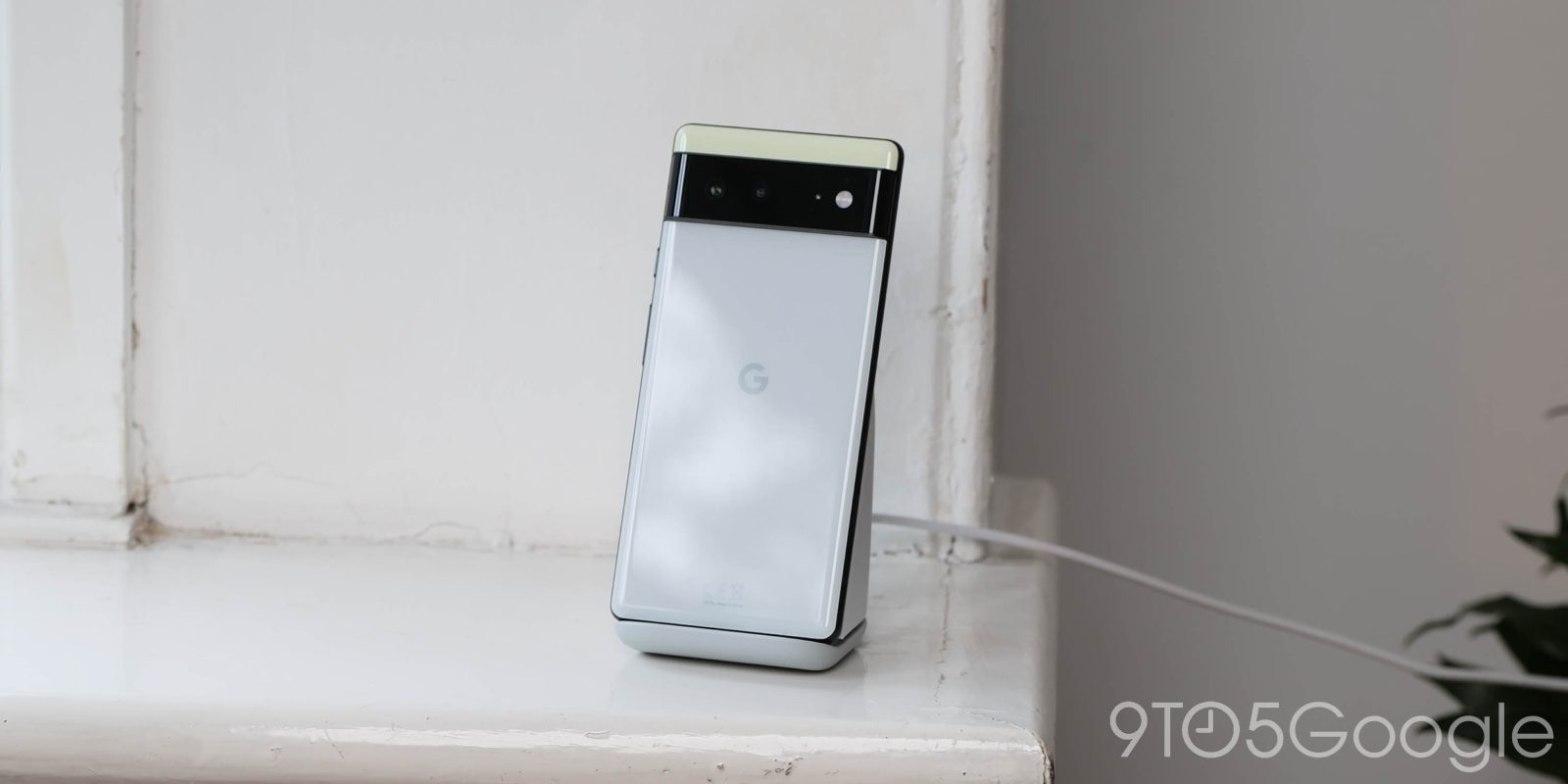
Following last month’s launch of 12L, Android 12’s April security patch is rolling out to the Pixel 3a, Pixel 4, Pixel 4a, Pixel 4a 5G, Pixel 5, Pixel 5a, Pixel 6, and Pixel 6 Pro today. It comes as Android 12 QPR3 is in beta and Android 13 is set to follow this month.
Expand Expanding Close
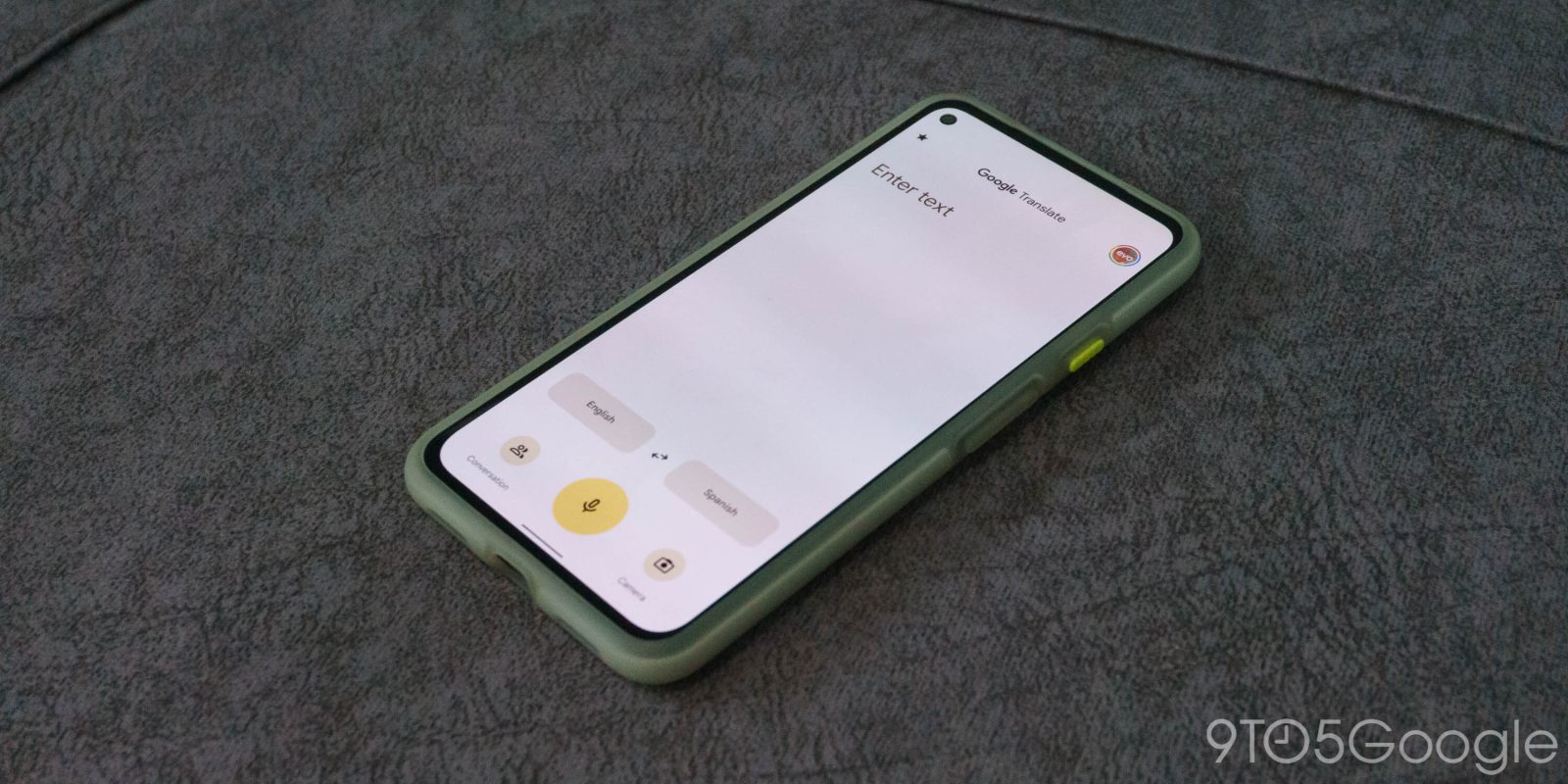
Google Translate has been updated with a very neat quality-of-life improvement on Android that sees Gboard automatically update languages to improve text entry.
Expand Expanding Close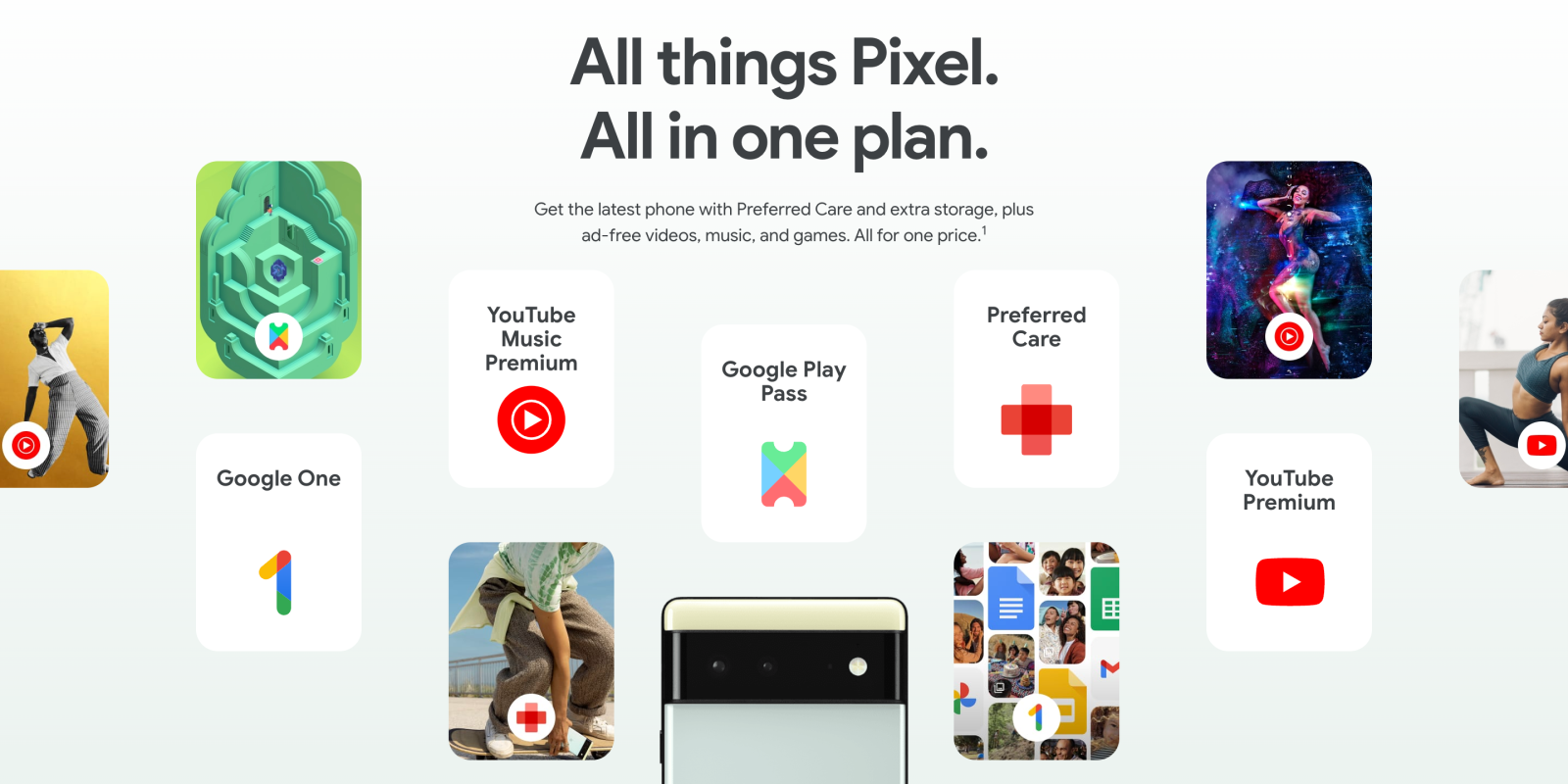
Google’s hardware storefront is rarely updated outside of product launches and the holiday season at year’s end. In the US, the Google Store is now being used to prominently advertise Pixel Pass.
Expand Expanding Close
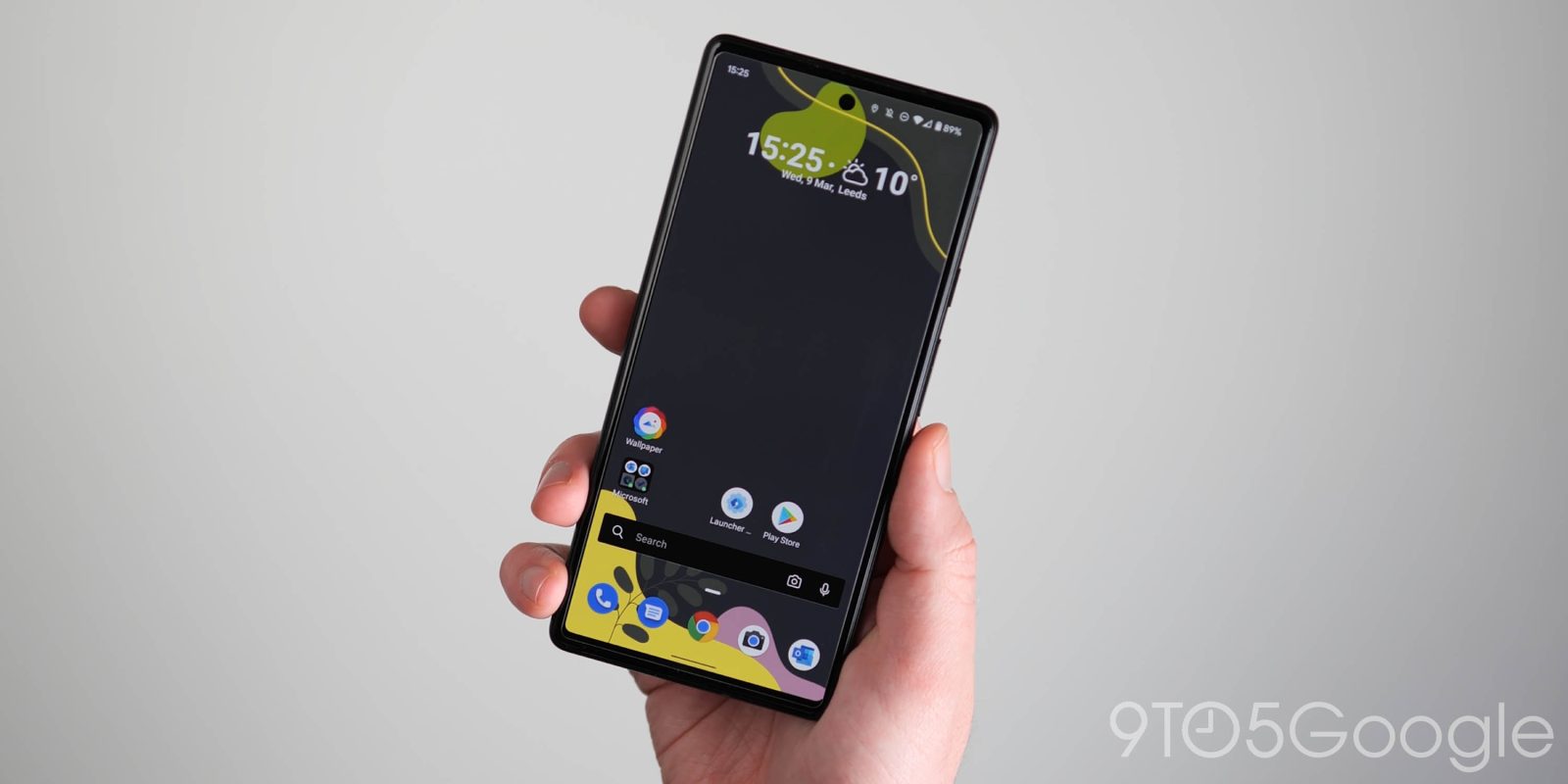
Given its lack of a first-party mobile OS, Microsoft is firmly invested in offering its services on Android, while also being an OEM with the Surface Duo. The company has now created a dedicated Android division internally.
Expand Expanding Close
With the March Feature Drop, Google announced that your Pixel’s home and lockscreen would start showing more contextual information. As the month comes to an end, At a Glance is only now beginning to roll out the “Connected devices” Bluetooth integration.
Expand Expanding Close
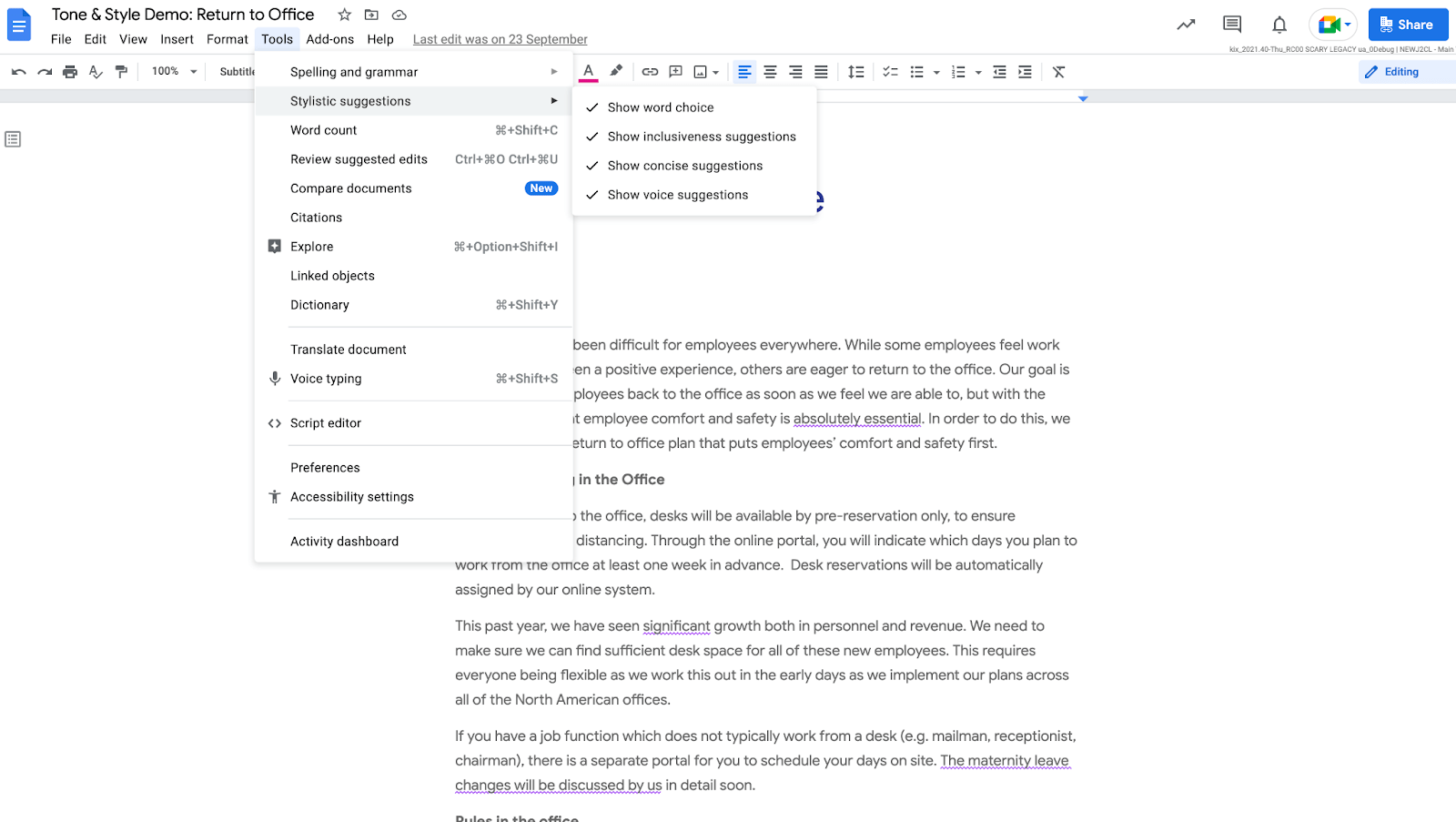
In addition to Smart Compose, grammar corrections, and spelling autocorrect, Google Docs is now rolling out writing suggestions that feature a purple underline to help with tone, style, and word choice.
Expand Expanding Close
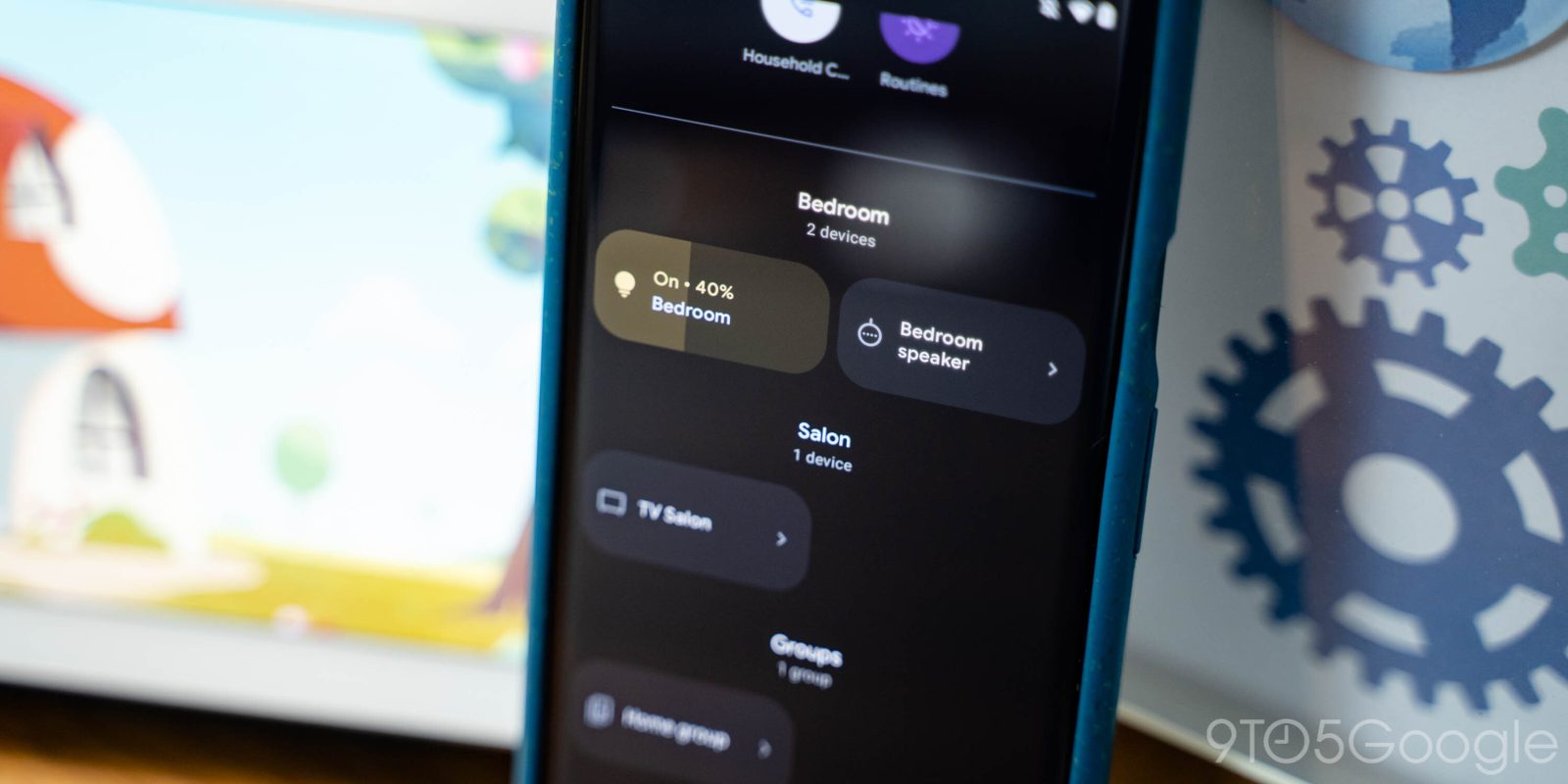
The Google Home app is getting a rather sizable redesign of the device grid that makes it faster to control smart gadgets right from the main tab. This is more or less similar to the Device controls page on Android 11+.
Expand Expanding Close
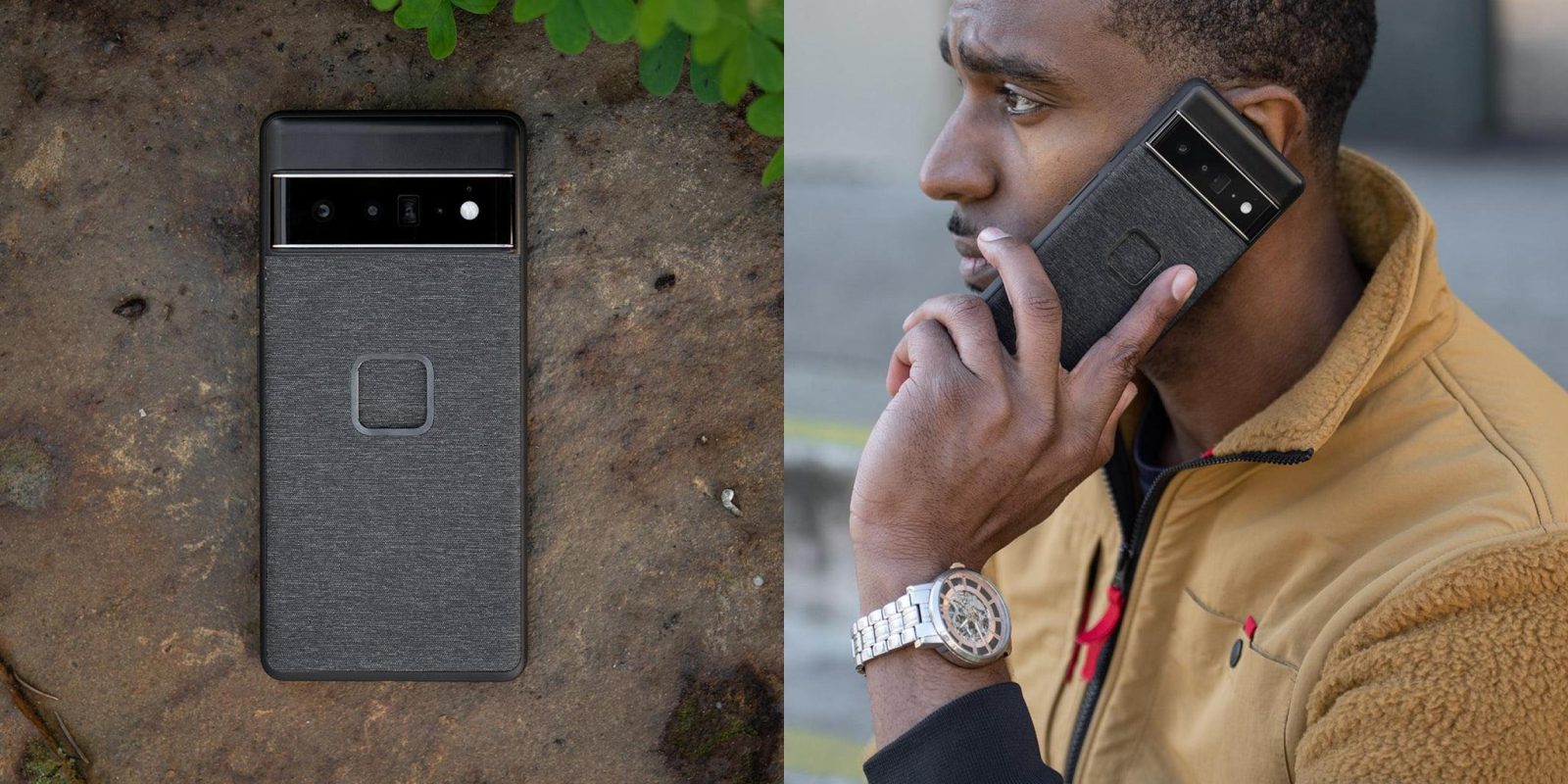
In what’s turning out to be a big week for Pixel 6 accessories, Peak Design has released its “Everyday Case” for Google’s flagship phones.
Expand Expanding Close