Kyle Bradshaw joined 9to5Google in 2018 with a special interest in Google’s Fuchsia OS, rooted in his experience of being the first to offer a visual preview of the revolutionary design of the in-development operating system. Since then, his attention has broadened to include the secrets hidden within other areas of Google’s public codebases.
By reading the public Fuchsia code, Kyle was able to prove the existence of the Nest Mini and the Nest Hub Max months ahead of their respective announcements. With evidence from Chromium, he reported on Google’s since-canceled efforts to create an offshoot of Android designed for “touchless” feature phones.
In 2018, Kyle reported on three distinct Made by Google Chromebooks in development, the Pixel Slate, the Pixelbook Go — a full year before its release — and “Meowth,” the original version of the Pixel Slate that was canceled due to Intel’s delays that year. For ChromeOS itself, Kyle was the first to demonstrate the upcoming light theme redesign in action.
Looking at the early evidence of the Pixel 5’s specs, Kyle accurately predicted in February 2020 that the Pixel 5 might not be a traditional “flagship” phone. In 2021, he reported that Google’s next headset would be the “Pixel Buds A.”
Kyle was the first to report that the Pixel 6 would mark the debut of Google’s in-house processors, later revealed to be the Tensor chips.
He can be reached for tips or just friendly chat by Threads, Mastodon, Bluesky, or email. If you’re looking for his other works or side projects, head over to Kyle’s personal portfolio.
This year has marked a fantastic step forward for Chromebooks of all budgets, and just in time for the holiday season, we’ve rounded up the best Chromebooks that you can buy for yourself or give to others.
Over the years, the Google Store has offered refurbished models of some of its best hardware, such as the 2017 Pixelbook. Today, the Google Store has added a new batch of refurbished hardware, including 2018’s Pixel 3.
During the Chrome Dev Summit, Google has formally included Manifest V3 in Chrome 88 Beta, allowing extension developers to test the changes to ad blocking, performance, and privacy.
For the past five years, Google has been developing a new operating system, Fuchsia, from the ground up. Starting today, Google’s Fuchsia OS is now being developed more openly, including accepting contributions from the public.
Earlier this year, at Google Search On, the Google Assistant gained “Hum to Search,” the ability to match songs based solely on your humming. In collaboration with Google, Billboard has released the top 100 songs that people have hummed to the Google Assistant.
Since its launch, Stadia, Google’s premier game streaming service, has only been available in 14 countries worldwide. Today, that’s changing, as Stadia is now available in eight more European countries, including Poland and Switzerland.
In this week’s top stories: the Google Play Store showcases the best apps and games of 2020, Fossil’s Wear OS watches get an update, Qualcomm unveils the Snapdragon 888, and more.
Earlier this year, Google Stadia Games and Entertainment announced partnerships with a handful of studios, including Uppercut Games, the developers of Submerged. The result is Submerged: Hidden Depths, a sequel to the 2015 original and a Stadia exclusive.
Earlier this year, Baldur’s Gate 3 launched into Early Access on PC and Stadia as the latest official Dungeons and Dragons video game. As an unfortunate consequence of the game being Early Access, Stadia players of Baldur’s Gate 3 are about to lose their game saves with the next update.
The latest exclusive game from Stadia Games and Entertainment is Outcasters, a fantastically fun top-down shooter with a lot of personality. More importantly, Outcasters keeps you (and your shots) hooked and coming back for more.
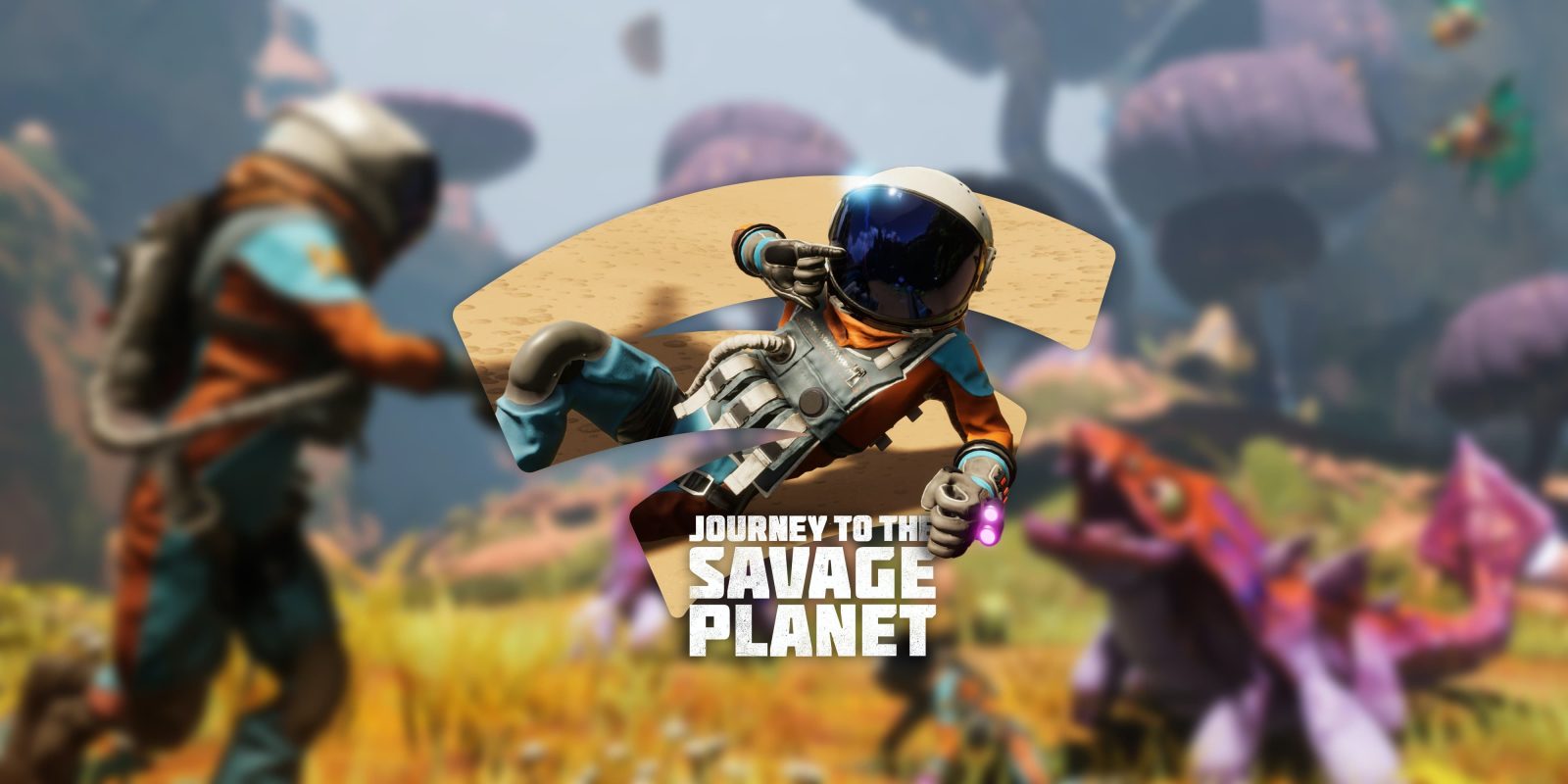
The wacky space adventure game Journey to the Savage Planet is coming soon to Google Stadia with some exclusive content, nearly a year after arriving on other platforms.
As part of Stadia’s Holiday Live Hangout stream, two new exclusive games have launched on the streaming service, exploration adventure game Submerged: Hidden Depths and the hotly anticipated arcade shooter Outcasters.
Earlier this year, Google began “cooking” up stickers in Gboard that mix emojis into wild combinations. Gboard’s “emoji kitchen” and its expanded collection of over 14,000 stickers is rolling out for all Android users.
Last month, Stadia entered new territory by making the base game of Destiny 2 entirely free to play. Today, Super Bomberman R Online is becoming Stadia’s second free-to-play game, making the battle royale action available for all.
In honor of Billie Eilish’s “Bad Guy” music video reaching 1 billion views on YouTube, as well as the song’s cultural impact, YouTube and Google Creative Lab have crafted “Infinite Bad Guy” as “the world’s first infinite music video.”
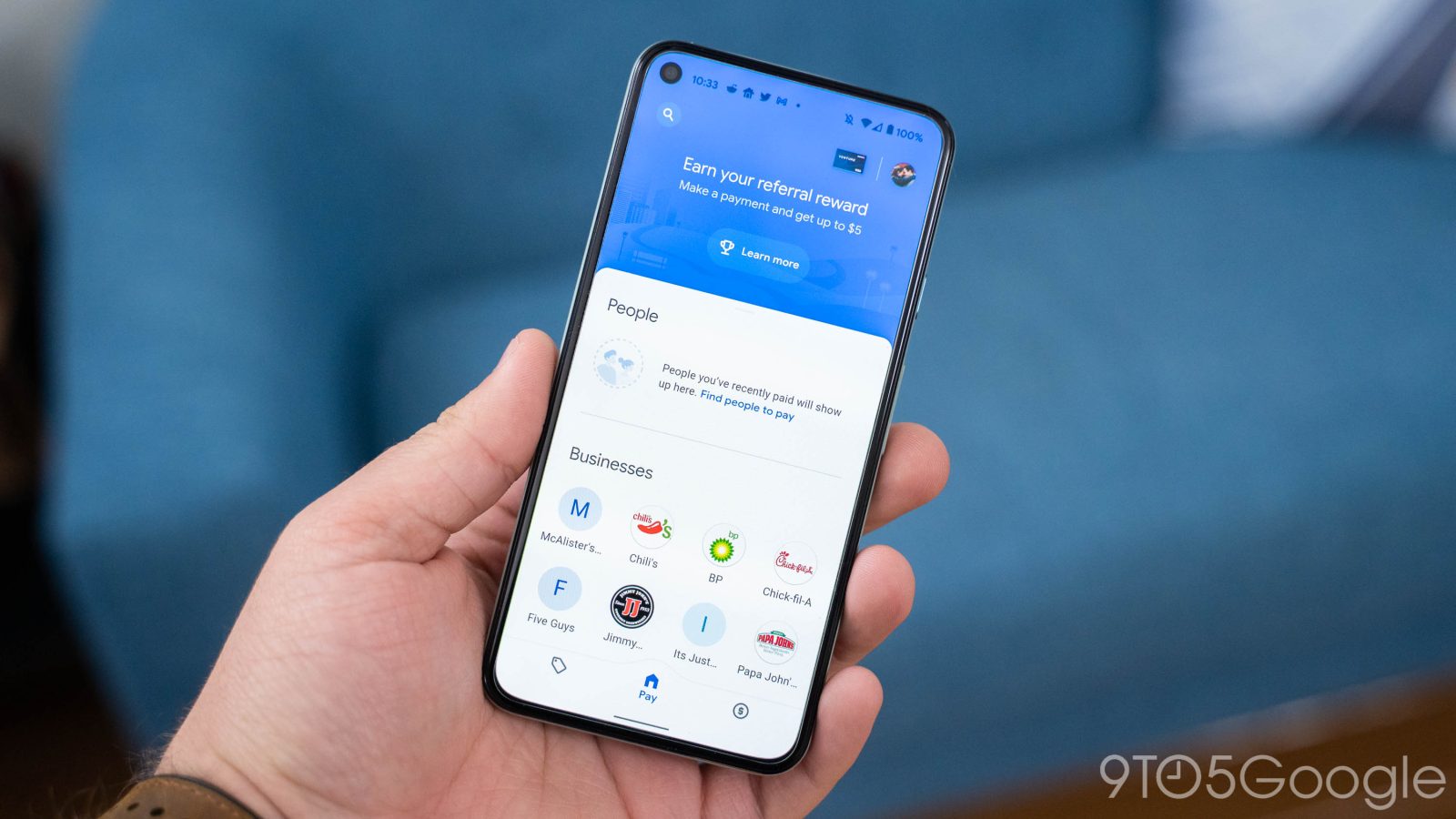
In this week’s top stories: Google Pay gets a massive overhaul and a new app, Android TV unofficially arrives in a way that’s perfect for older Windows PCs, Nvidia Shield TV gets an update, and more.
All this week, folks have been celebrating the one-year anniversary of Google Stadia — which was officially yesterday. Yesterday, we looked at the realities of playing on Stadia for the past year, as well as a variety of announcements for the future. Today, let’s instead look at alternate timelines for Stadia, with scrapped logos courtesy of one of Stadia branding designers, Jean-Lou Renoux.
Last month, Amazon opened up their game streaming service Luna to its first early access customers. Today, Amazon has sent out a second wave of Luna invites to eager players.