Abner Li has worked at 9to5Google since 2015 and in late 2020 took on the role of editor-in-chief. He is keenly focused on tracking what happens at Google, and is often the first to spot new features in Google’s ever-growing family of applications that are updated on a daily basis, including Search, Assistant, Maps, Workspace, Android, Chrome/OS, Wear OS, and YouTube Music.
To him, what Google does greatly impacts the technology space and modern life. Inside the company, he is particularly interested in the key products mentioned above, as well as services like Google Podcasts and Google Lens. Each are massive platforms that can be unwieldy to grasp, with Abner keenly bent on understanding their philosophy and future direction. He is most excited about Google’s plans for augmented reality glasses.
Abner spearheads the APK Insight program at 9to5Google to chronicle all changes in the company’s Android apps, often finding new features before they are officially announced. This includes redesigns and revamps, launches, and new products.
While we wait for the next major version of Google’s mobile OS to hit stable, the Android 13 July update for the Pixel 4a, 4a 5G, 5, 5a, 6, 6 Pro, 6a, 7, 7 Pro, 7a, and Tablet is rolling out today.
For most people, a lot of the apps they use on their Android phones are made directly by Google. Here’s an informal look at how Android users rate the top Google apps, with the highest-rated apps being somewhat surprising.
As we reported yesterday, Meta’s Twitter competitor is launching on Thursday, July 6. Instagram is gearing up for that with a delightful little easter egg to advertise Threads.
At the start of last month, Google Workspace announced that it would start public testing of Duet AI image generation in Slides, and it’s now more widely available.
9to5Google has a rebooted newsletter that highlights the biggest Google stories with added commentary and other tidbits. Sign up to get it early in your inbox, or continue reading 9to5Google Log Out below:
While Messages and RCS is how Google wants you to message friends, Google Chat also fits that role and the company today reminded people of that personal use case.
In 2019, Google announced a new brand identity for its mobile OS. Almost four years later, Android is updating its logo with a new wordmark and a 3D version of the iconic robot head.
Google Reader is often held up as one of the prime examples of Google killing a product that users love and consider to be good. It died on July 1, 2013, and 10 years later, a new report goes in-depth on why that happened.
This week on Alphabet Scoop, we talk about our Chromebook X scoop. We look at the current landscape and how this new initiative will fit in, especially as Android tablets see more institutional investment than ChromeOS-powered ones. The episode closes on whether we think Google will make another Pixelbook.
For some reason, YouTube now lets Premium subscribers earn badges that are based on usage. There does not appear to be any benefits to collecting them.
The launch of the Pixel Fold should have been a momentous event for Google, but instead, we’re seeing limited inventory, slipping ship dates, and other factors that are ruining the occasion.
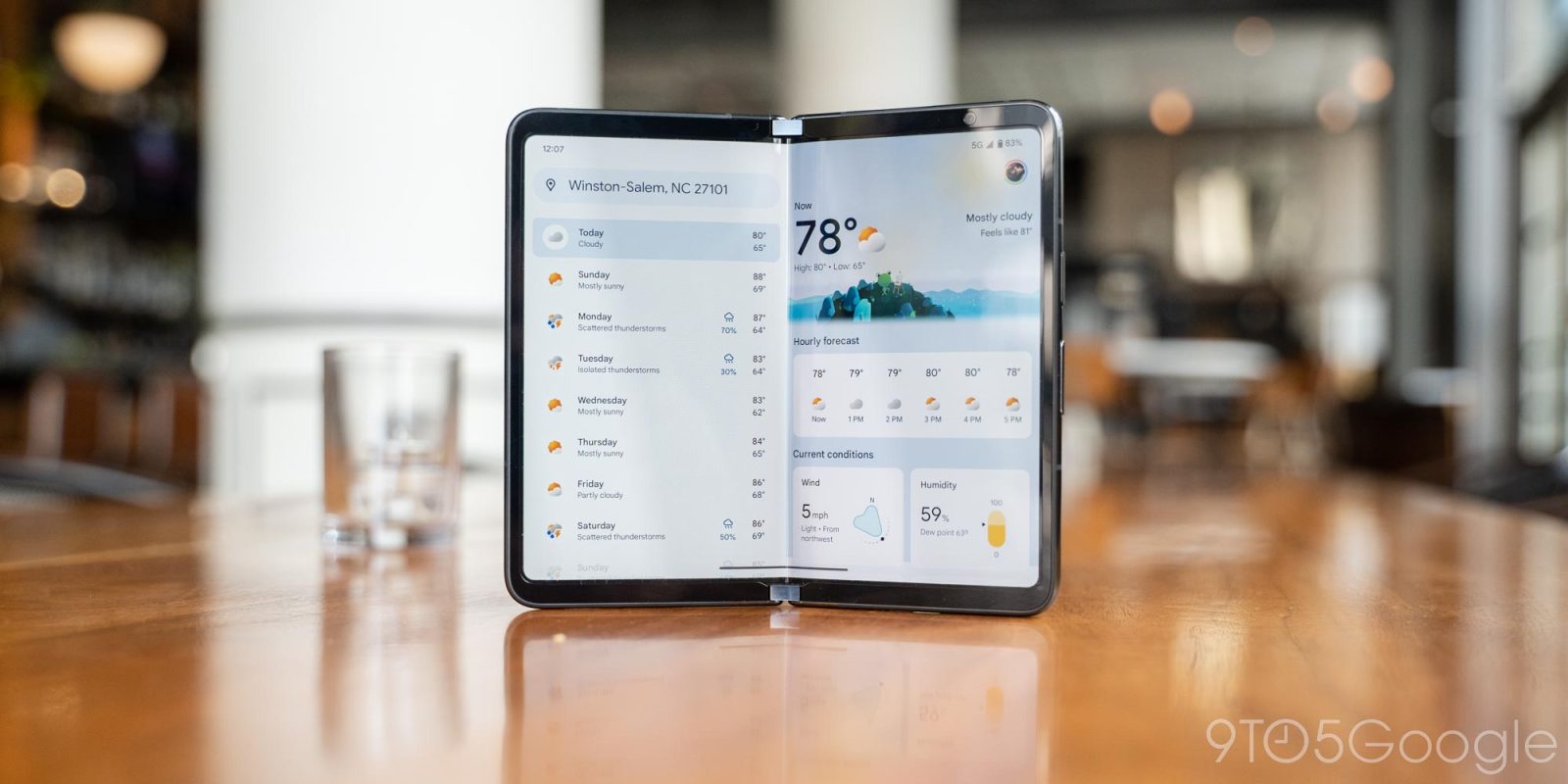
Google Weather is due for a big upgrade on Android that brings a Material You redesign and Nowcast. Until it drops Pixel Tablet and Fold exclusivity, Google is also updating other parts of the experience and crowdsourcing weather conditions.
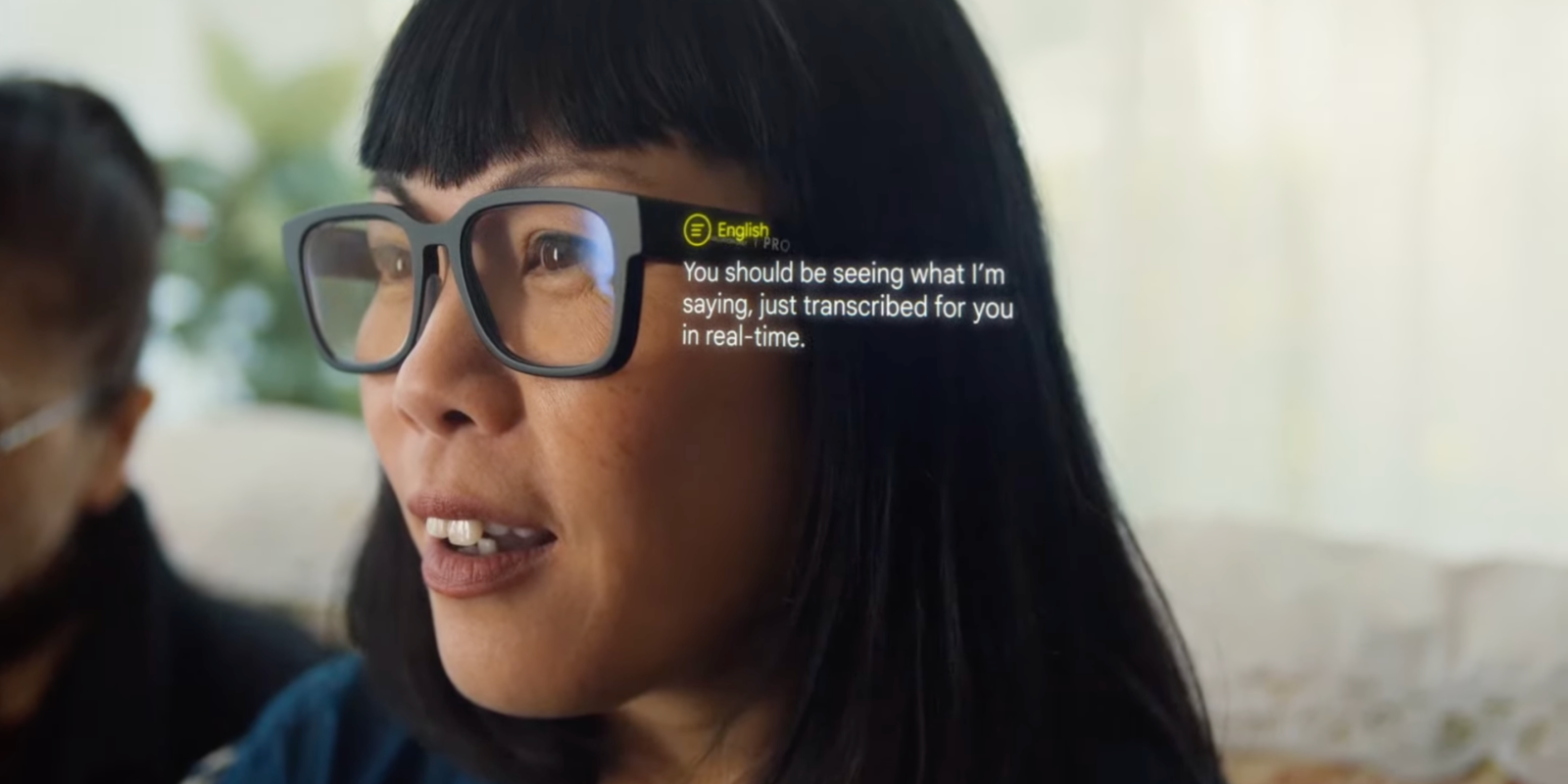
In 2022, it emerged that Google was working on an AR headset called “Project Iris.” A new report now says Iris was actually a plan to build smart glasses that has since been canceled.
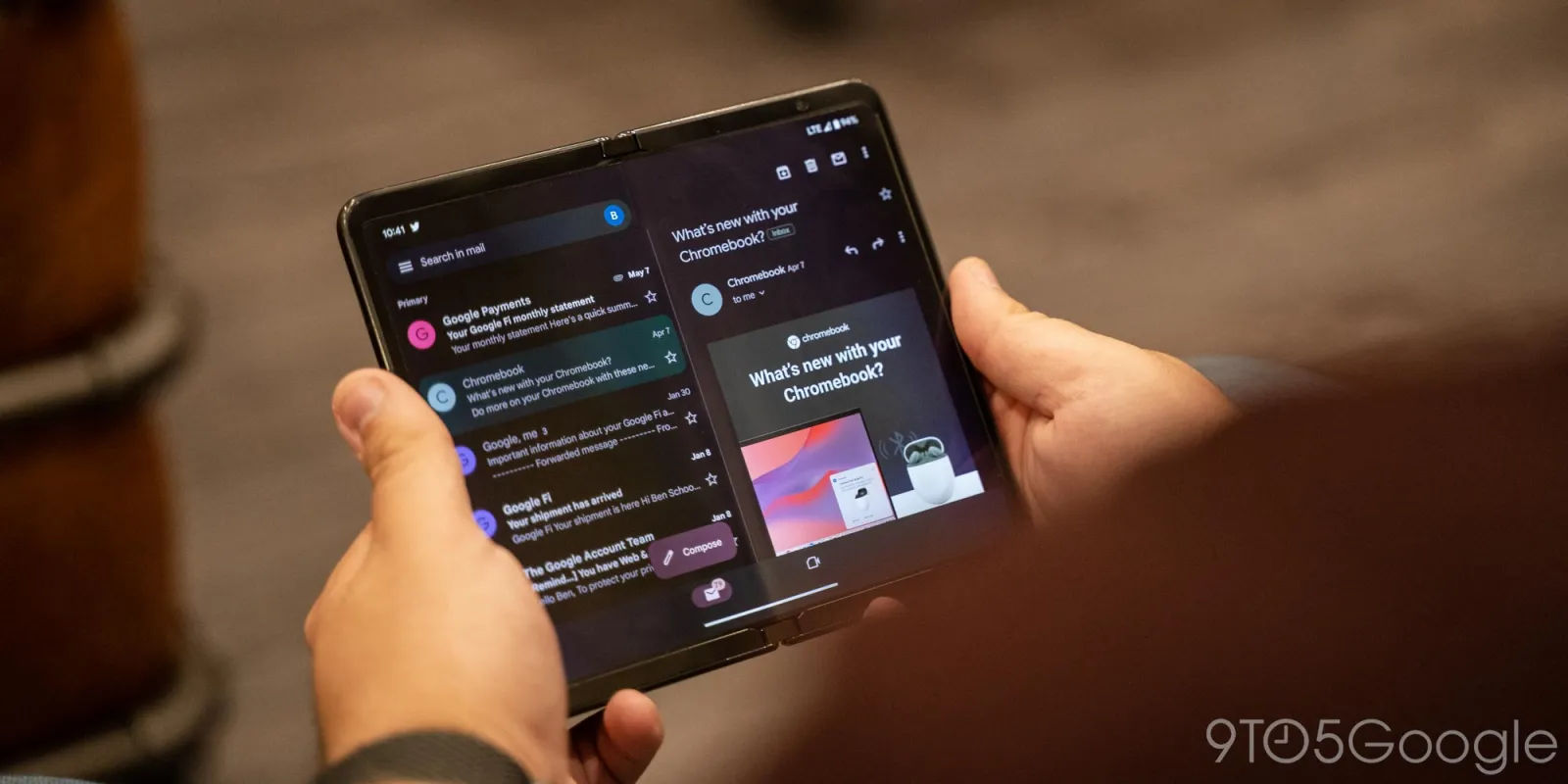
Google’s large-screen push that started with Android 12L culminates with the launch of the Pixel Tablet and Fold. Now that it’s on shipping hardware, I think the tablet benefited much more than the foldable, with another Android optimization drive needed for the unique hardware form factor.
Alongside the Pixel Feature Drop earlier this month, Google also announced a number of new features for existing smartwatches and trackers. As part of the Sense 2 and Versa 4 update, Fitbit added Dynamic GPS support.