Abner Li has worked at 9to5Google since 2015 and in late 2020 took on the role of editor-in-chief. He is keenly focused on tracking what happens at Google, and is often the first to spot new features in Google’s ever-growing family of applications that are updated on a daily basis, including Search, Assistant, Maps, Workspace, Android, Chrome/OS, Wear OS, and YouTube Music.
To him, what Google does greatly impacts the technology space and modern life. Inside the company, he is particularly interested in the key products mentioned above, as well as services like Google Podcasts and Google Lens. Each are massive platforms that can be unwieldy to grasp, with Abner keenly bent on understanding their philosophy and future direction. He is most excited about Google’s plans for augmented reality glasses.
Abner spearheads the APK Insight program at 9to5Google to chronicle all changes in the company’s Android apps, often finding new features before they are officially announced. This includes redesigns and revamps, launches, and new products.
Elon Musk started by tweeting out – if not demanding – Twitter feature requests/changes in a truly remarkable moment for technology and corporate governance. This led to a rejected board seat and this morning’s acquisition attempt, complete with “Plan B” if/when the board rejects. Decrees-by-tweet and hostile takeovers cannot be a sustainable way to run a product, and these events play into my long-held belief that Google should have bought Twitter years ago. It would have certainly been a more orthodox turn of events compared to what’s going to play out very publicly over the coming weeks.
After first being spotted a month ago, the Google Contacts bottom bar redesign is now widely rolled out as the Android app now notes the date you added an individual.
Last week, Google introduced Lens multisearch to let you ask questions about pictures on Android and iOS. The version of Google Lens included with desktop Chrome has now been updated to do more than just search for images.
Ambient Computing, or the idea that technology should always be available in the background to help, is Google’s long-term goal for its hardware. “Little Signals” is a new Google experiment that imagines what shape Ambient Computing devices could take in the future.
Last May, the original Nest Hub and Hub Max received an adorable new Photo Frame option. Google has now finally made the Weather Frog clock face available on the 2nd-gen Nest Hub.
As we reported at the start of this year, a tentatively named “Chromecast HD with Google TV” is in the works. It will presumably be cheaper than the existing $49.99 dongle and be closer in price to the $29.99 Chromecast. Once that new device launches, one interesting question is whether Google will still sell a streamer that is powered by its original Cast operating system?
With the March Feature Drop, Google announced that At a Glance on Pixel was getting a handful of new capabilities. After a slow rollout that did not start until the end of last month, the new features should be more widely available today.
As Google reportedly plans to release an AR headset in 2024, a new report reveals that Meta wants to release its first-generation augmented reality glasses that same year. One particularly surprising detail was how Meta’s AR glasses originally planned to use Fuchsia.
In what has been an annual occurrence for the past several years, Google today detailed its US investment plan for 2022 that covers office and data center expansions, as well as ongoing work towards previously announced new locations.
Google’s list of developments to YouTube Music in February and March is here and includes some notable additions (like to the radio algorithm) that weren’t already spotted.
In October of 2020, one Nest Hub Max user managed to get an early look at “Blue Steel.” This capability lets you just gaze at your compatible Smart Display to trigger Google Assistant, and a launch under the name “Look and Talk” might be coming soon.
As announced at the end of last month, Google Meet is now built into Docs, Sheets, and Slides with a prominent new button that’s rolling out from today.
Today (April 11) is the 10th anniversary of Pebble’s Kickstarter debut. To mark the occasion, founder Eric Migicovsky published an explainer on what went wrong over the startup’s 5.5-year history.
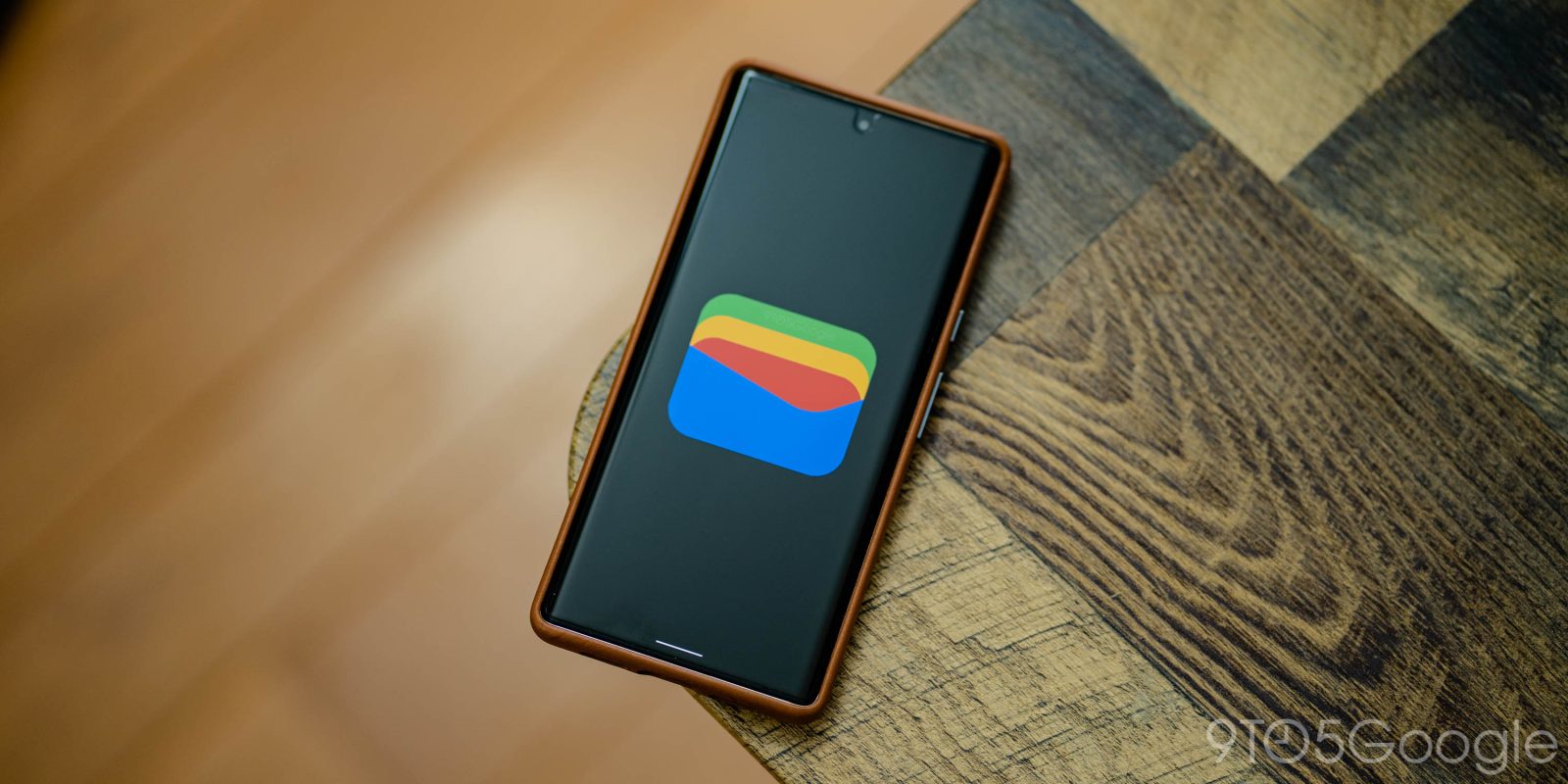
The “new” Google Pay was announced in November 2020 with two key tentpoles. Both have failed by all accounts, and the company said at the start of this year that Pay is next going to become a “comprehensive digital wallet.” That change has yet to materialize, but a new “Wallet” icon seen by 9to5Google could be the start of Google Pay’s future.
Following the last update two weeks ago, the Google Store this morning got another homepage refresh to “Celebrate Earth Day,” as well as deals on Nest thermostats.
Before the Pixel 6 was announced in October, two marketing leaks suggested the presence of Face Unlock. Such a feature has yet to launch, but we’ve previously reported that Google is still working on support. Meanwhile, a user that recently set up their Pixel 6 Pro spotted another reference to Face Unlock.
YouTube started officially rolling out Picture-in-Picture to the iOS app last June and it’s been a very slow process. Premium subscribers were given a workaround, but YouTube’s PiP test for iPhone and iPad has now ended.
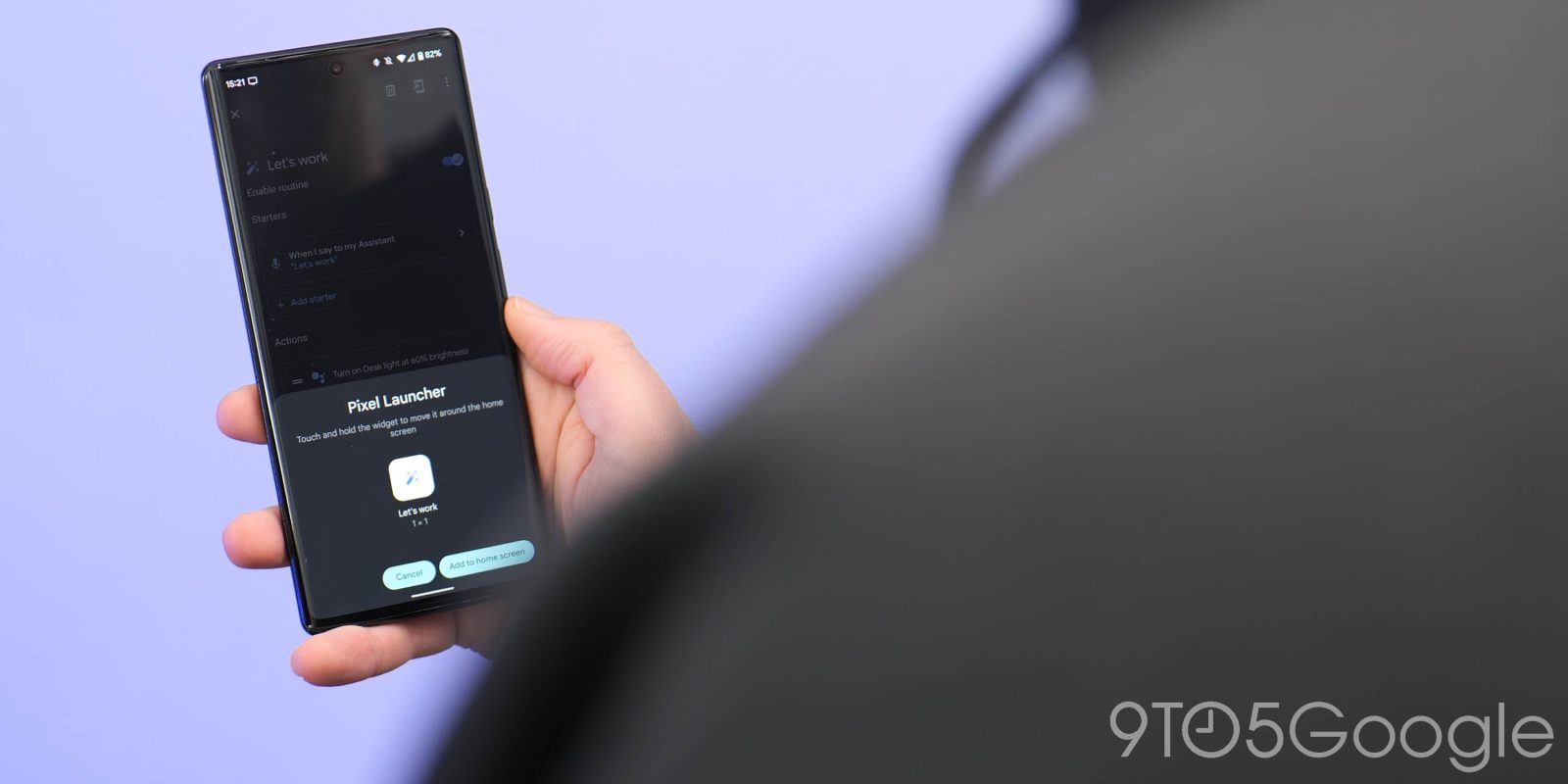
Following the ability to set seconds-long delayed starts, Google has made another tweak to Assistant Routines that lets you rename these macros to be different from their starters.
Google Fi is officially updating all three of its plans with some much-needed changes that make the service more competitive, with the two Unlimited offerings seeing the biggest improvements.
Following last week’s preview of what new Meet features are coming soon, Google today introduced two usability tweaks. Google Meet can automatically exit a call when nobody else is around, while host management controls are getting centralized.