Google Maps now lets you pay directly for street parking inside the app on Android and iOS. Leveraging Google Pay, the company partnered with Passport on this integration, which is first coming to Austin, Texas.
After adding a dedicated tab for Google Meet, Gmail for Android is now picking up a nifty shortcut for quickly adding recipients directly from the body of an email.
After rolling out last Tuesday to Mac, Windows, Linux, and Android, Chrome OS 85 will soon be available over the coming weeks. There are a number of usability improvements in this release.
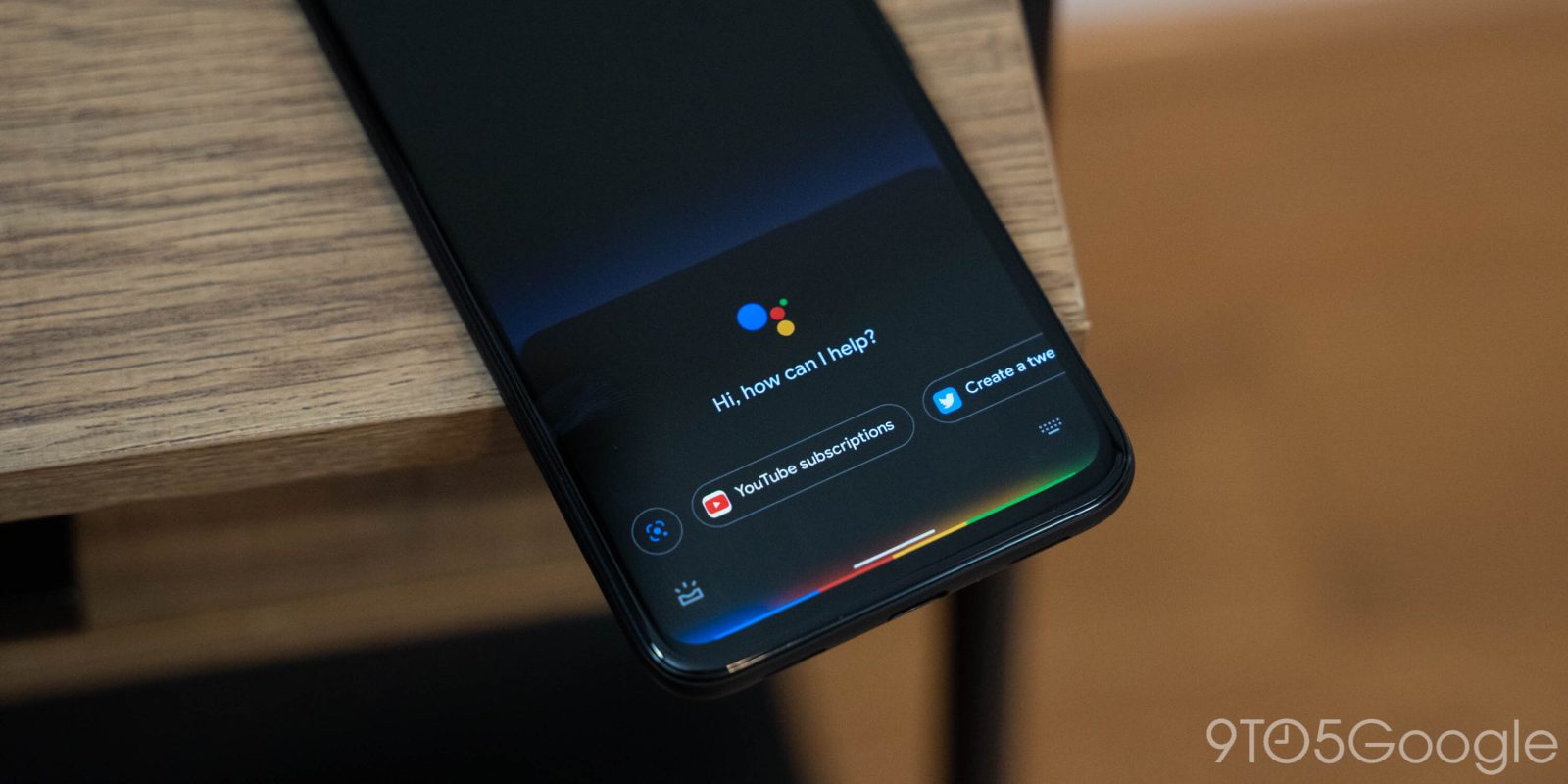
Last December, Google added “Food & drink” settings so that Smart Displays could recommend recipes that abide by your dietary restrictions. In a revamp, Google Assistant’s new “Food preferences” menu has a more friendly interface and fine-grained options.
Google is working on a redesigned image editing experience for Photos on Android. At the same time, the video editor in Google Photos for iOS now has access to a wider range of tools.
Google Voice is the latest first-party app to adopt a dark theme today. Following Gmail last month, the VOIP client is getting a standard night-friendly look on Android.
Update 10/1/19: We’ve been tracking development of a dark theme in Google Voice since early August. Like other apps, it adopts a gray background. The bottom bar and “Search Google Voice” field uses a somewhat lighter shade that’s also leveraged by the dialer interface.
The dark-green FAB in the bottom-right corner has also been tweaked to be distinctly brighter and more neon with a dark interior. Other colors throughout the interface have also been shifted. Google Voice’s homescreen widget already abides by the dark mode.
Unlike Messages last night, there will be an option within Google Voice preferences to set the look manually. The app is otherwise set to follow Android 10’s dark theme by default:
To change the theme specifically for the Google Voice app, go to Menu > Settings > Display Options > Theme and select “Dark.”
This dark theme will be available for all G Suite editions, and it begins gradually rolling out today with version 2019.40. It will be fully launched over the next 15 days to users. Following Messages and this update, Hangouts Chat is Google’s only remaining messaging service to not feature a night-friendly appearance.
Update 8/30: Nearly 11 months after launching on Android, Google Voice for iOS is picking up a dark theme. It is widely rolling out now with version 20.36, and it respects system settings. The release notes also highlight the ability to “see and access an on-going call while navigating the Voice app.”
Google Images is rolling out two features today aimed at “image creators, stock image providers, and digital content associations.” Eligible results in the visual search engine will feature a “licensable” badge, while you can now filter by “Usage Rights.”
By October, YouTube Music’s predecessor will stop working around the world. Ahead of that, the latest version of Google Play Music for Android introduces an “Export local playlists” capability.
The flurry of new features for YouTube Music continues with a possible change to “Your Mix.” Long a live mix, Google is thinking of turning it into a regular playlist that only updates daily.
With App Preview Messaging, the person you’re contacting doesn’t need to have that app installed to receive a message. Available on Android, Google leveraged Play Services and the capability saw a notable launch with Allo and Duo. Google earlier this month announced that it has “deprecated” APM.
Back in March, Google revamped the Assistant Snapshot feed and has since added new cards. Google today is making Assistant Snapshot easier to launch with a “Hey Google, show me my day” command.
In addition to Meet adding Chromecast support earlier this month, Google today briefly teased and detailed Google Duo for Android TV. It will let you make video calls from the biggest screen in your home.
As part of the big Maps redesign in February, Google prominently placed “Saved” in the bottom bar. Google Maps is now rolling out a redesigned “Saved” tab with some new features.
Back in March, Google Drive introduced “shortcuts” to simplify folder structure, sharing, and reduce the need for creating copies. Google today announced a trio of updates, while Drive is adding support for target audience sharing.
Thanks to default solutions and third-party alternatives, backing up pictures and videos from your phone is a solved problem. Google Photos is now bringing that convenience to Canon cameras with “easy Wi-Fi backup” and transfer.
In addition to a dark theme and bringing along the rest of your Nest media devices to Android 11’s power menu, Google Home 2.27 this morning can show all your Nest camera feeds on a unified page.
Following version 84’s release on Android, Mac, Windows, Linux, and Chrome OS, the next release of Google’s browser is rolling out today. Chrome 85 sees faster page loads, the ability to collapse/expand Tab Groups, and much more.
The latest version of Google’s browser is rolling out a whole slew of changes from faster page loading to collapsible Tab Groups. Chrome 85 for Android also sees a revamped share menu, while desktops add QR code sharing.
Earlier this month, the Nest Hub Max started appearing in the Android 11 power menu. The latest Google Home app now lets you add every Nest, Home, and Cast device for quick control on Android 11.
At this point, nearly all of Google’s first-party apps have dark modes. There are some glaring exceptions to this, but fortunately version 2.27 of Google Home today adds a dark theme.
TikTok has been or is in the process of being banned in some countries. This has resulted in new or existing services trying to replicate its success, while Google Discover is now directly highlighting “Short videos.”
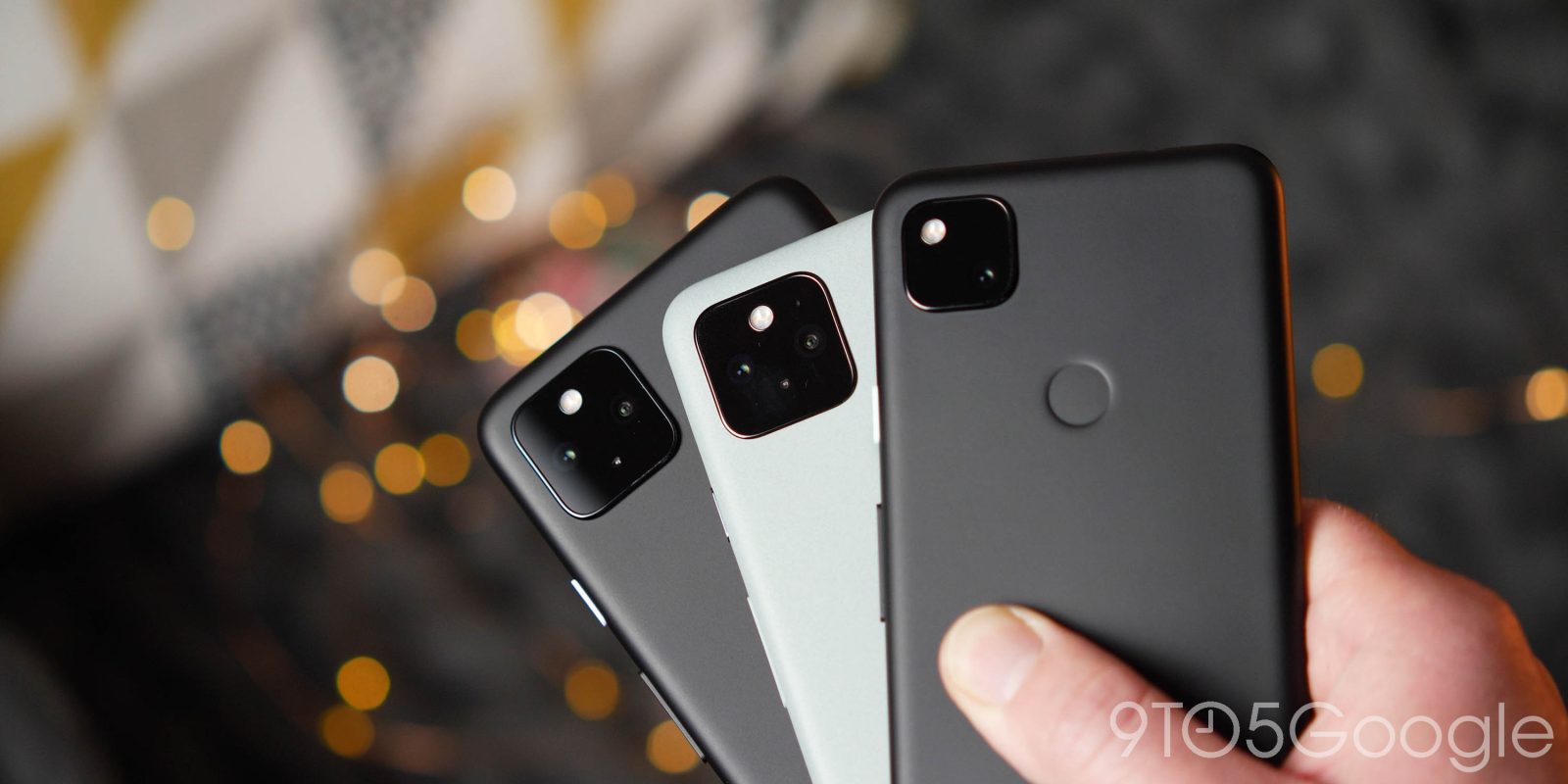
Since 2017, the Google Camera app has been home to fun AR stickers that let you liven up photos and videos. Later rebranded to Playground, Google is dropping support for these Playmoji characters on future Pixel devices, starting with the Pixel 4a.
It emerged this week that the latest Google Camera app introduces a new, simplified “PXL” file naming scheme. Google Camera 7.5 is also responsible for Pixel Portrait images no longer being stored in individual folders.