Abner Li has worked at 9to5Google since 2015 and in late 2020 took on the role of editor-in-chief. He is keenly focused on tracking what happens at Google, and is often the first to spot new features in Google’s ever-growing family of applications that are updated on a daily basis, including Search, Assistant, Maps, Workspace, Android, Chrome/OS, Wear OS, and YouTube Music.
To him, what Google does greatly impacts the technology space and modern life. Inside the company, he is particularly interested in the key products mentioned above, as well as services like Google Podcasts and Google Lens. Each are massive platforms that can be unwieldy to grasp, with Abner keenly bent on understanding their philosophy and future direction. He is most excited about Google’s plans for augmented reality glasses.
Abner spearheads the APK Insight program at 9to5Google to chronicle all changes in the company’s Android apps, often finding new features before they are officially announced. This includes redesigns and revamps, launches, and new products.
As the Google Home Public Preview continues, the company is rolling out a trio of features with a particular focus today on improving the camera experience.
9to5Google has a rebooted newsletter that highlights the biggest Google stories with added commentary and other tidbits. Sign up to get it early in your inbox, or continue reading 9to5Google Log Out below:
Chrome is currently set to phase out third-party cookies in 2024, and Google has been working on privacy-preserving alternatives for ads and publishers. Google Ads today shared the results of an experiment comparing the existing system to the upcoming replacement.
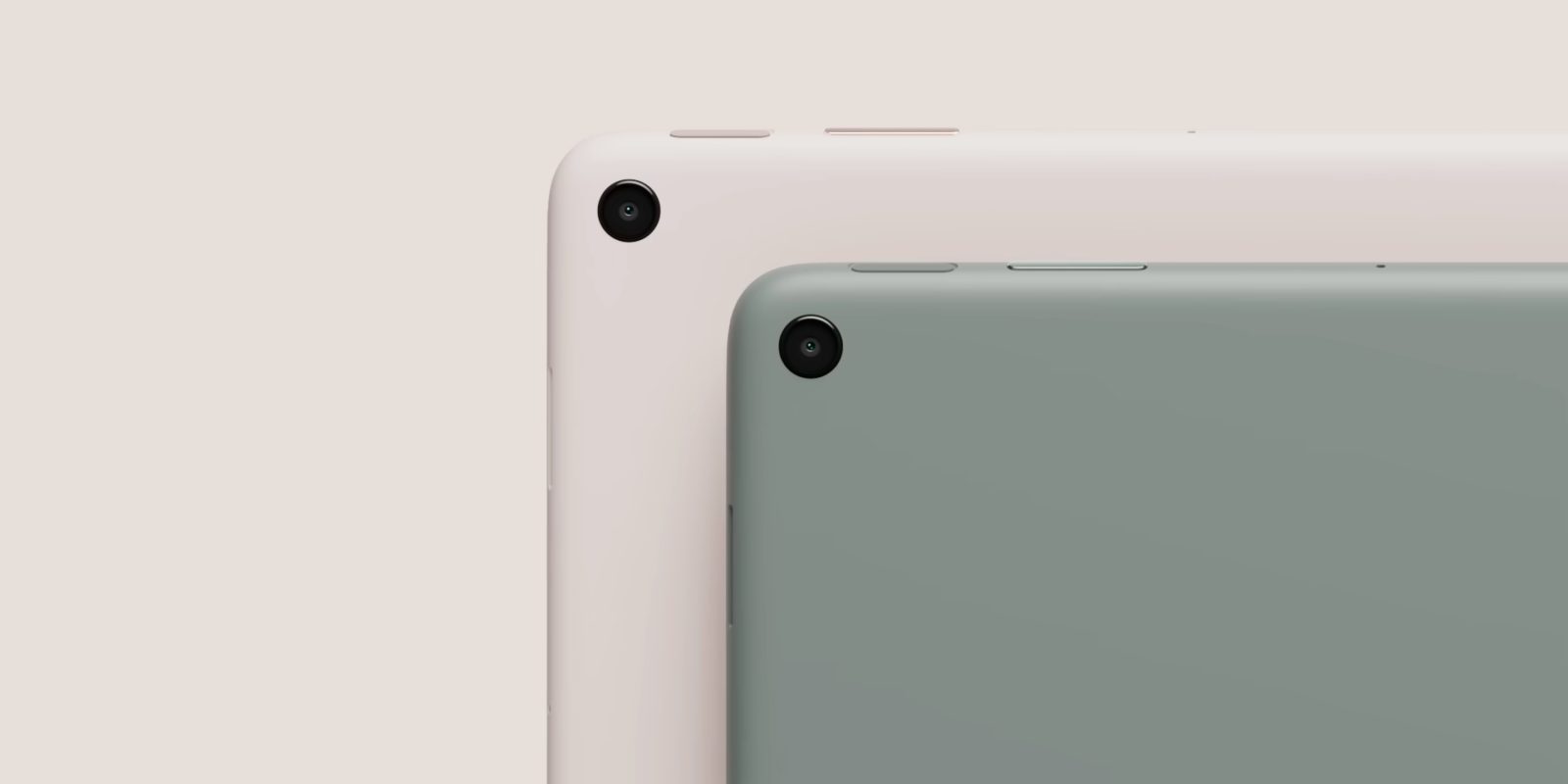
While Google has already discussed the Pixel Tablet at two events last year, key details are still unknown. We can now report several of those Pixel Tablet specs, including RAM, according to sources familiar with the matter.
Google is in the process of updating the account switcher on Android with Material You, and it’s now widely rolling out to the Google app and Play Store.
Besides Magi, a new report today details what other generative AI features Google is working on across Image Search and Chrome, including a browser chatbot.
Generative AI coming to Google Search is a given at this point, and a new report today details that it’s happening in two stages, with project “Magi” arriving imminently.
Alongside the Pixel Watch, it looked like Fitbit was going to update its Android and iOS apps last fall. Instead, Fitbit removed screenshots of the revamp, but an image of the “new app design” has now emerged.
9to5Google has a rebooted newsletter that highlights the biggest Google stories with added commentary and other tidbits. Sign up to get it early in your inbox, or continue reading 9to5Google Log Out below:
Last August, with the Pixel 7 series still a few months away, some Target stores wildly sold the Pixel 6 Pro for $270. Best Buy is now selling an AT&T Pixel 6 Pro for as low as $139.99.
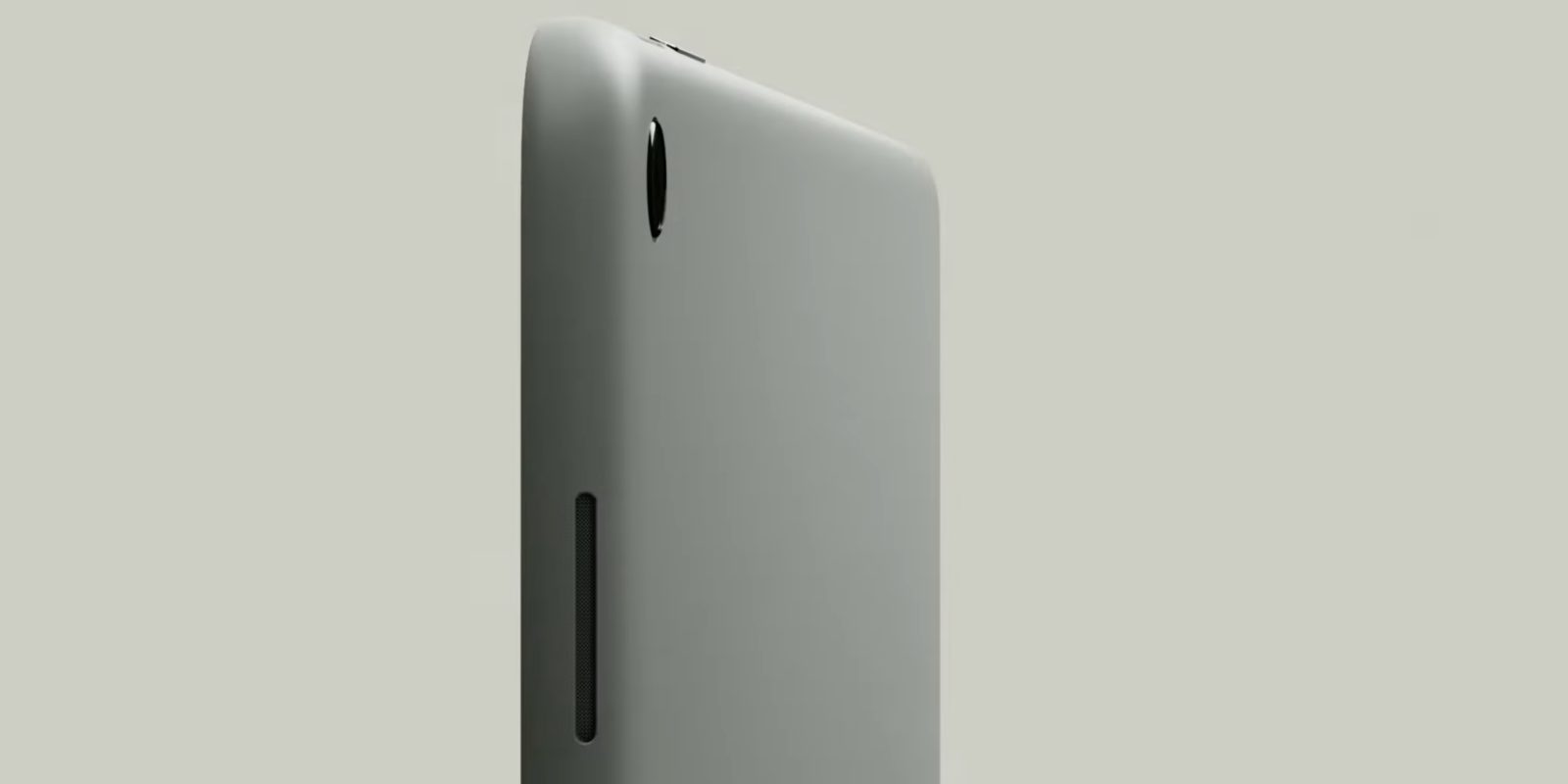
A new Pixel Tablet leak suggests that Google has added a privacy switch to the hardware since it was first teased last May at I/O 2022 and again at the Pixel 7 event in October.
Last month, Google made the new Messages read receipt icons official, and the company is now testing putting that status directly in your conversation list.
The Chromecast with Google TV 4K got its first update of the year in late January, and Google is now rolling out another one with a January 2023 security patch level.
Back in 2021, Samsung brought SmartThings to Android Auto. Google is now opening the door for more smart home/Internet of Things (IoT) apps on Android Auto and Automotive.
You’ve long been able to ask Google Assistant to play radio stations on all devices, but this integration is currently down amidst an outage. The company has not removed this capability.
With Android 14 launching into beta today, Google is making some changes to the Android Beta Program. Instead of there being two simultaneous tracks for 13 QPR3 and 14, there’s now just one OTA beta channel.
The latest Google Drive web update lets you “quickly and efficiently select a location to organize files and folders” with a redesigned “Move to” picker.
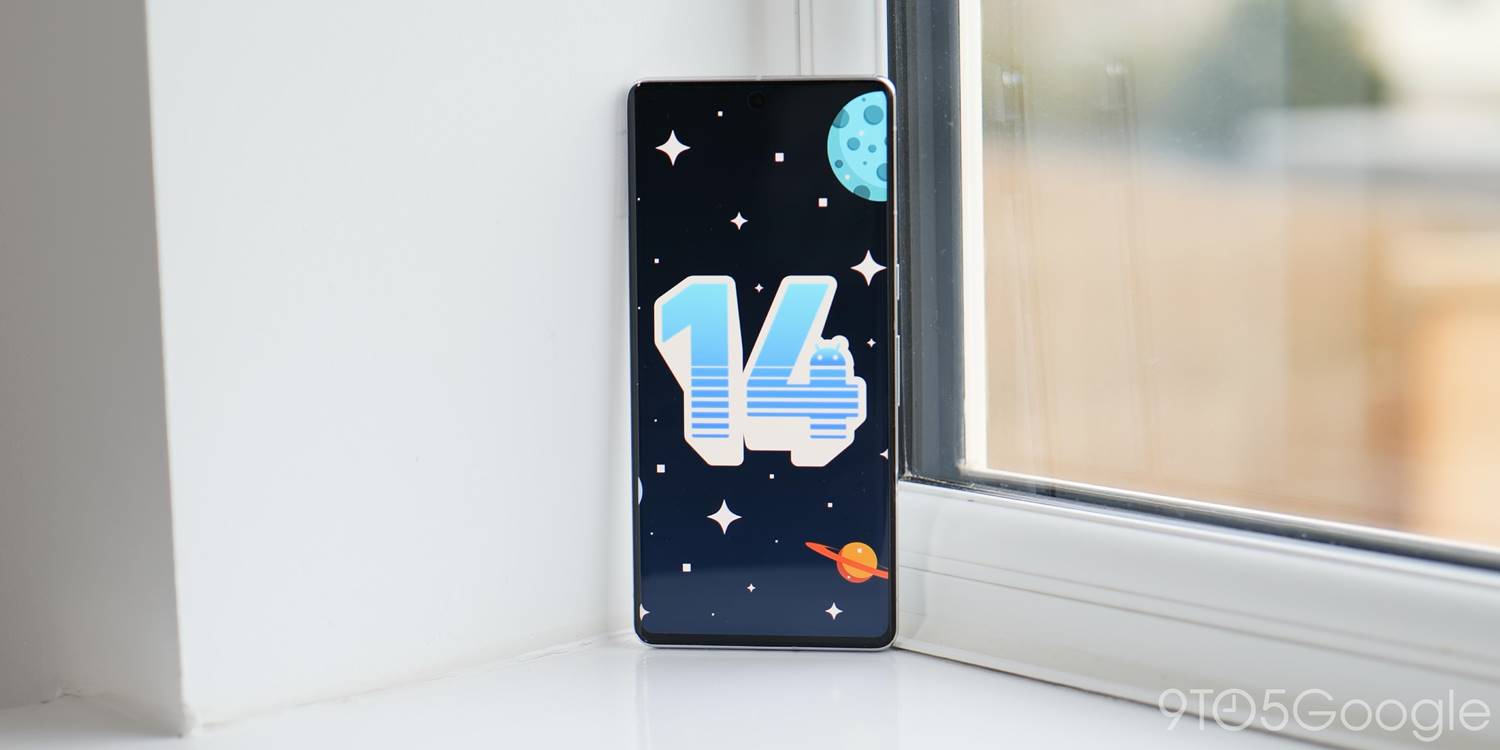
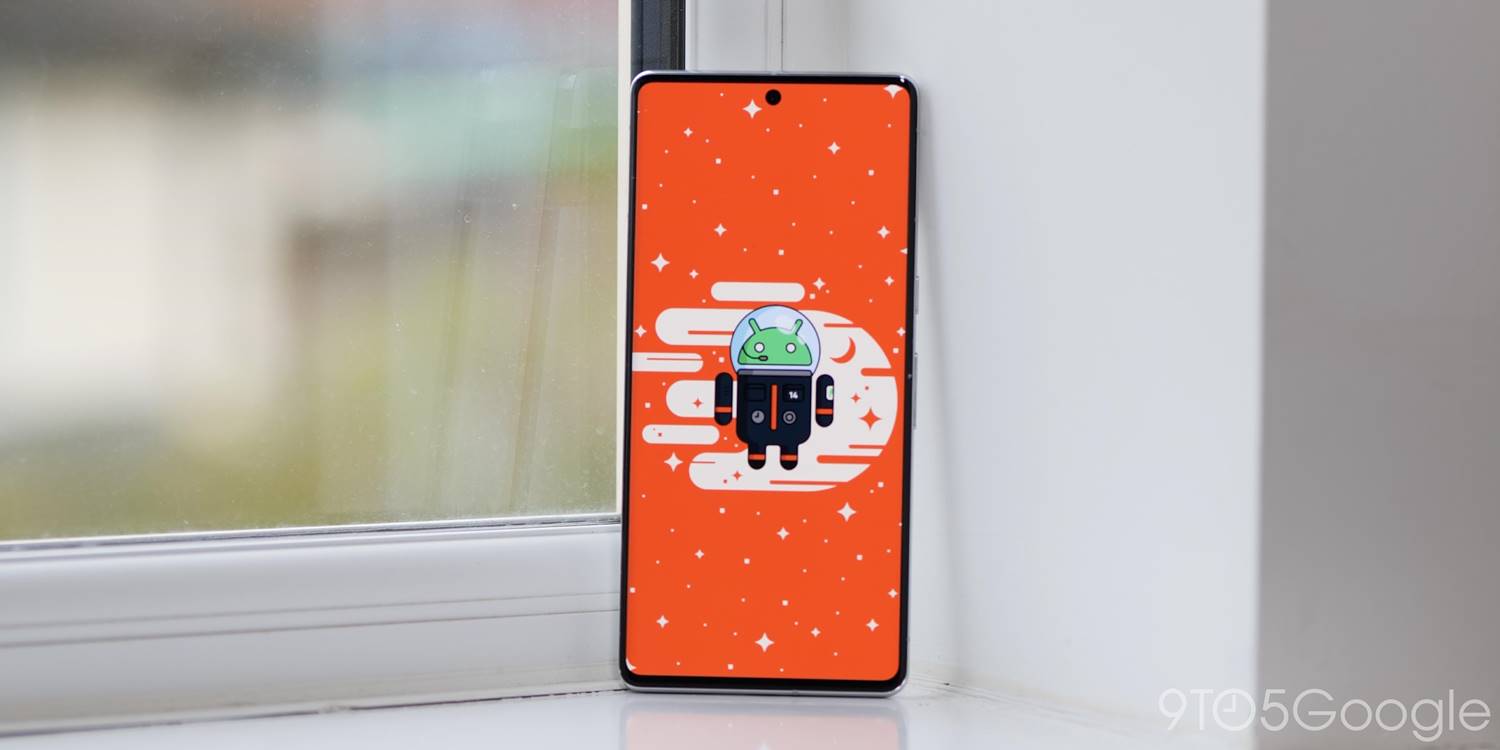
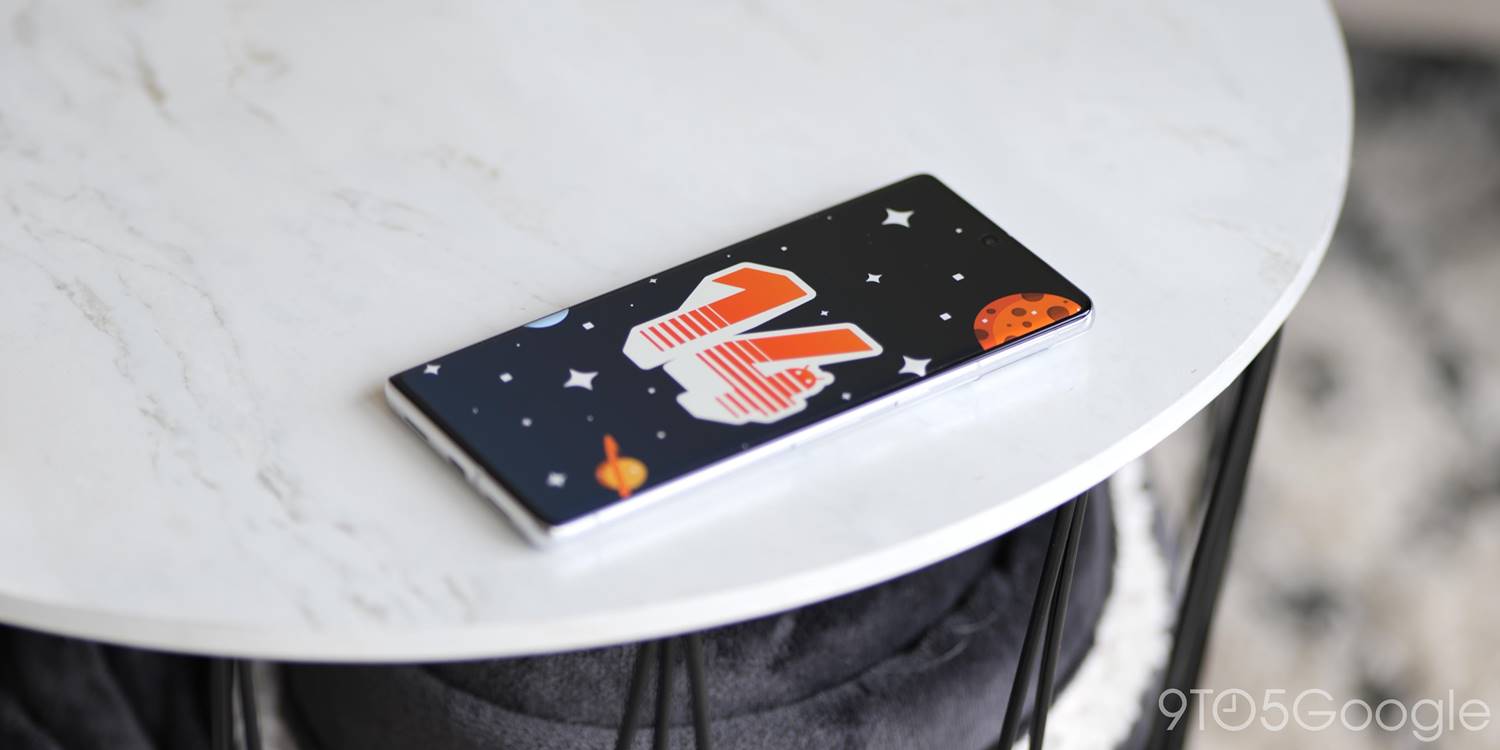
Like last year, the first beta of the next major version of Android is launching a month before Google I/O. Android 14 Beta 1 is rolling out to Pixel phones today.