Abner Li has worked at 9to5Google since 2015 and in late 2020 took on the role of editor-in-chief. He is keenly focused on tracking what happens at Google, and is often the first to spot new features in Google’s ever-growing family of applications that are updated on a daily basis, including Search, Assistant, Maps, Workspace, Android, Chrome/OS, Wear OS, and YouTube Music.
To him, what Google does greatly impacts the technology space and modern life. Inside the company, he is particularly interested in the key products mentioned above, as well as services like Google Podcasts and Google Lens. Each are massive platforms that can be unwieldy to grasp, with Abner keenly bent on understanding their philosophy and future direction. He is most excited about Google’s plans for augmented reality glasses.
Abner spearheads the APK Insight program at 9to5Google to chronicle all changes in the company’s Android apps, often finding new features before they are officially announced. This includes redesigns and revamps, launches, and new products.
Back in September, Google started testing an “Omnibox Modernize Visual Update” to revamp a core part of the mobile browser. Chrome for Android is now rolling out a Material You address bar redesign that adds more Dynamic Color.
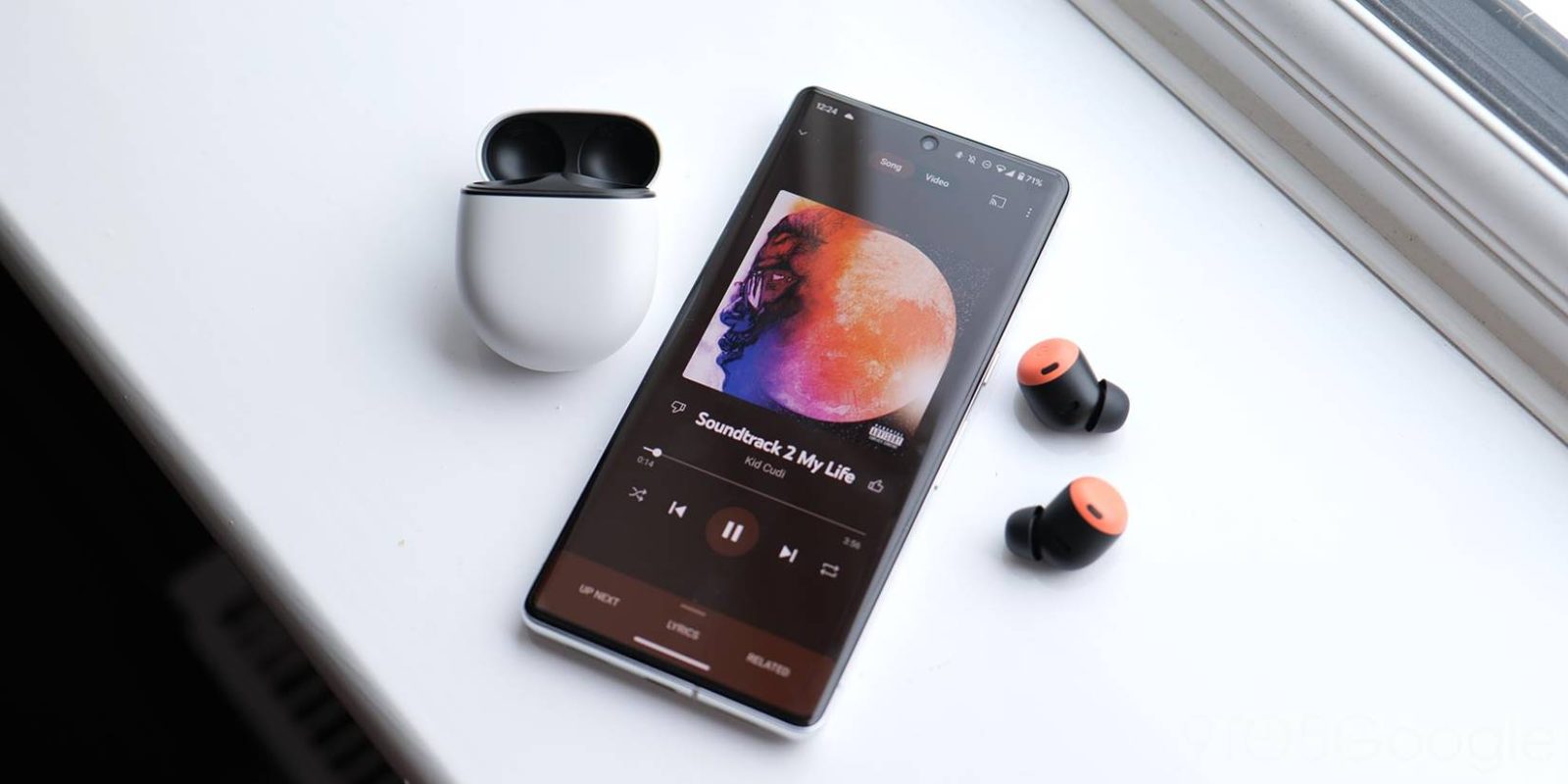
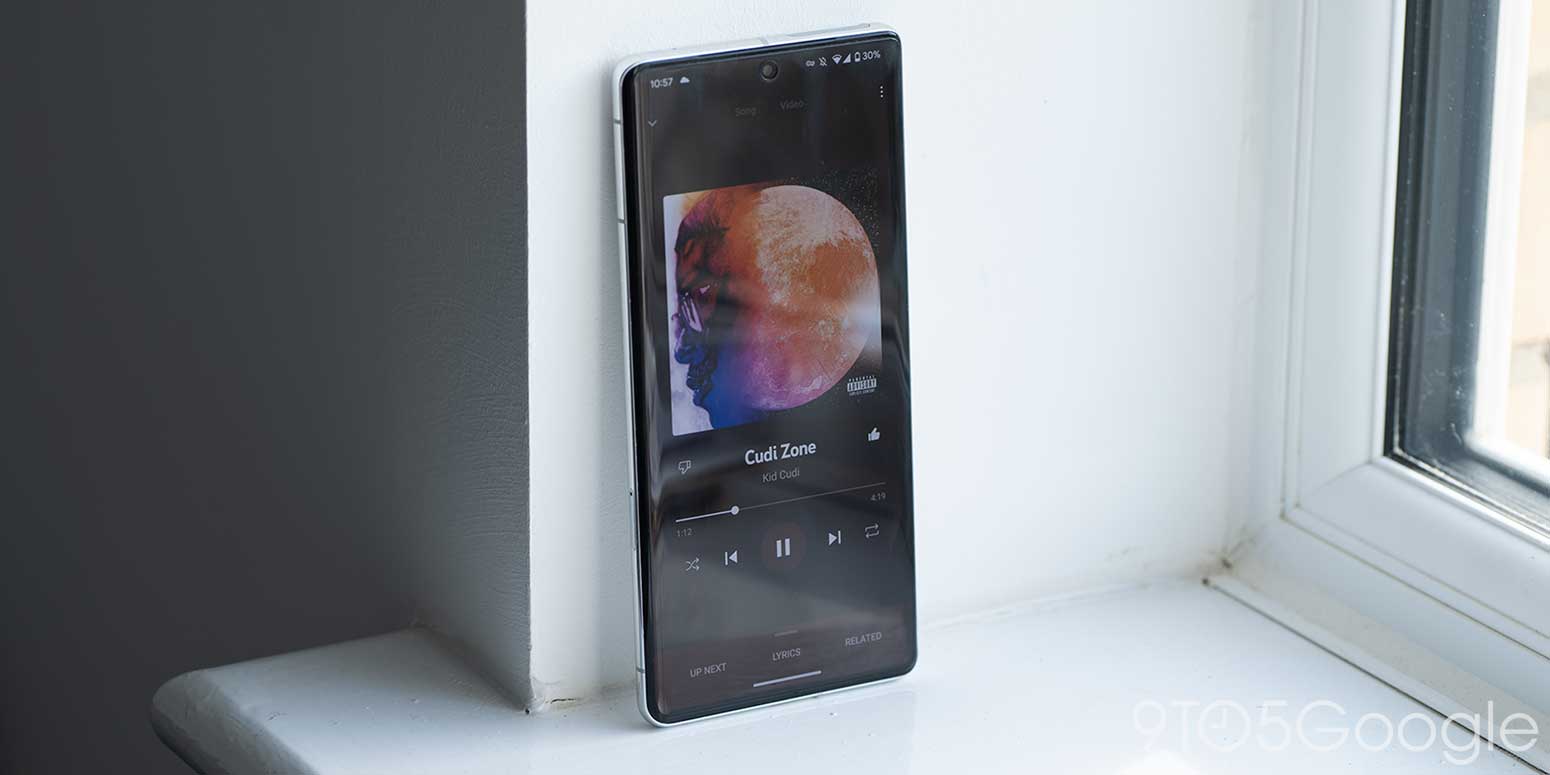
In mid-November, YouTube Music rolled out a redesigned Now Playing screen on Android that notably hid the dislike button, but has now disappeared and the old interface is back.
The US Department of Justice, along with eight other states, sued Google today, alleging antitrust practices in digital ads to “unwind Google’s monopolistic grip on the market.”
Some users of the Google Home app Public Preview have received a thorough survey asking them to rate the redesigned experience. Spanning 20+ pages, it appears as a card in the Activity tab.
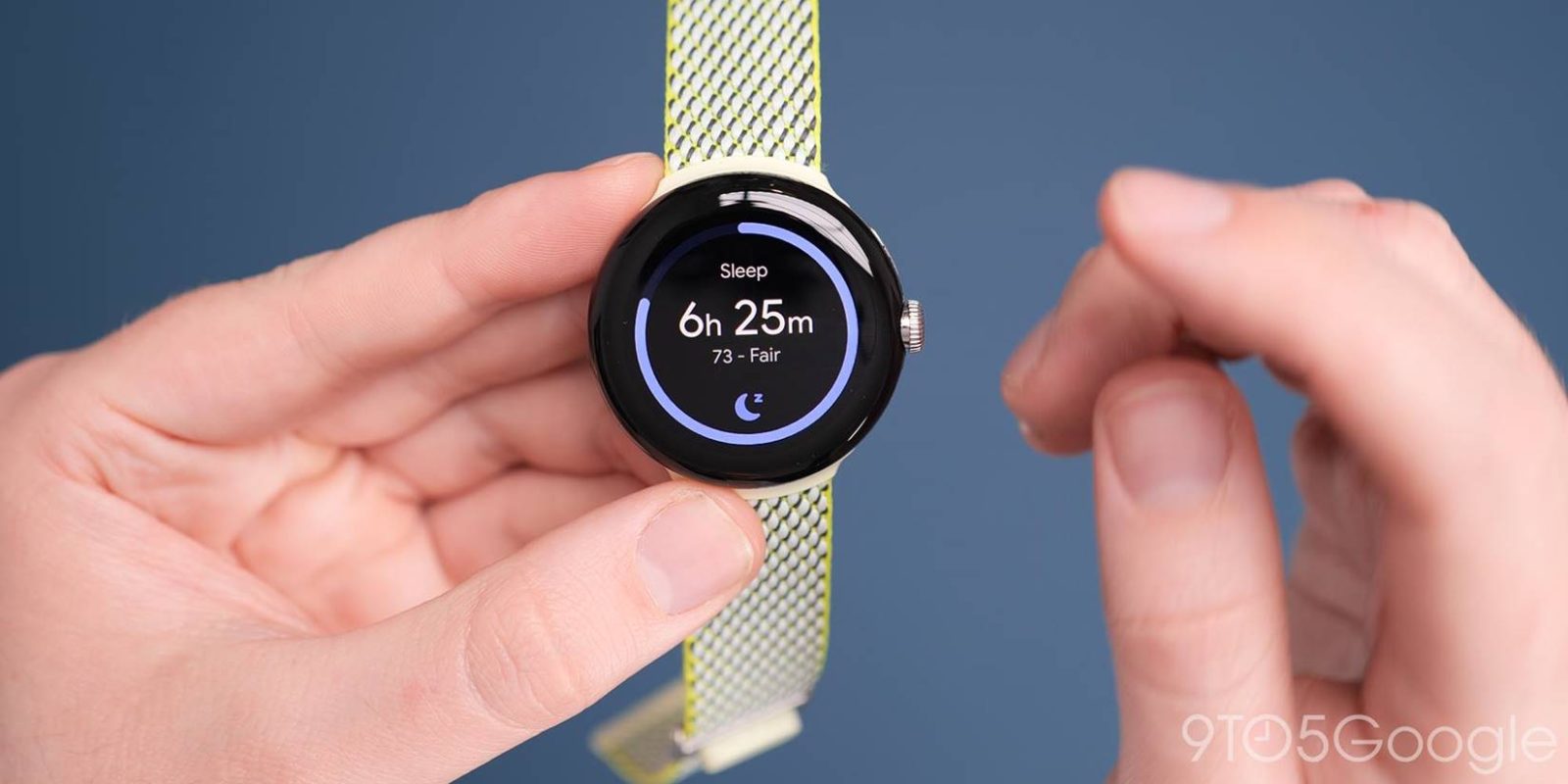
The Pixel Watch does not have the full complement of health features found on even an entry-level Fitbit tracker. Irregular Heart Rhythm Notifications are not officially supported on the Pixel Watch, but the functionality looks to be available for some people.
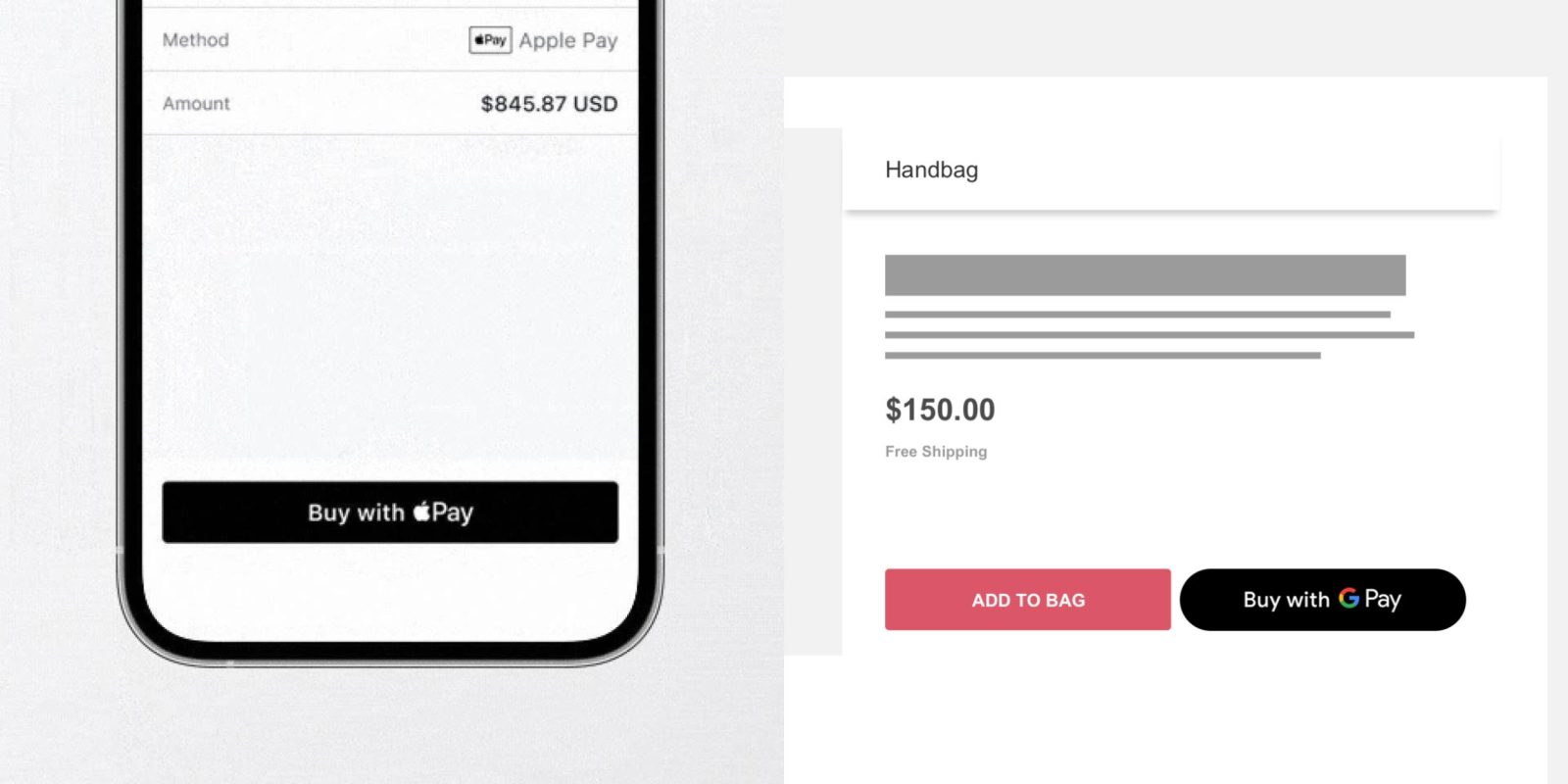
In the US, the biggest banks already work together on Zelle money transfers, and now they’re planning a digital wallet to compete with the likes of Apple, PayPal, and Google.
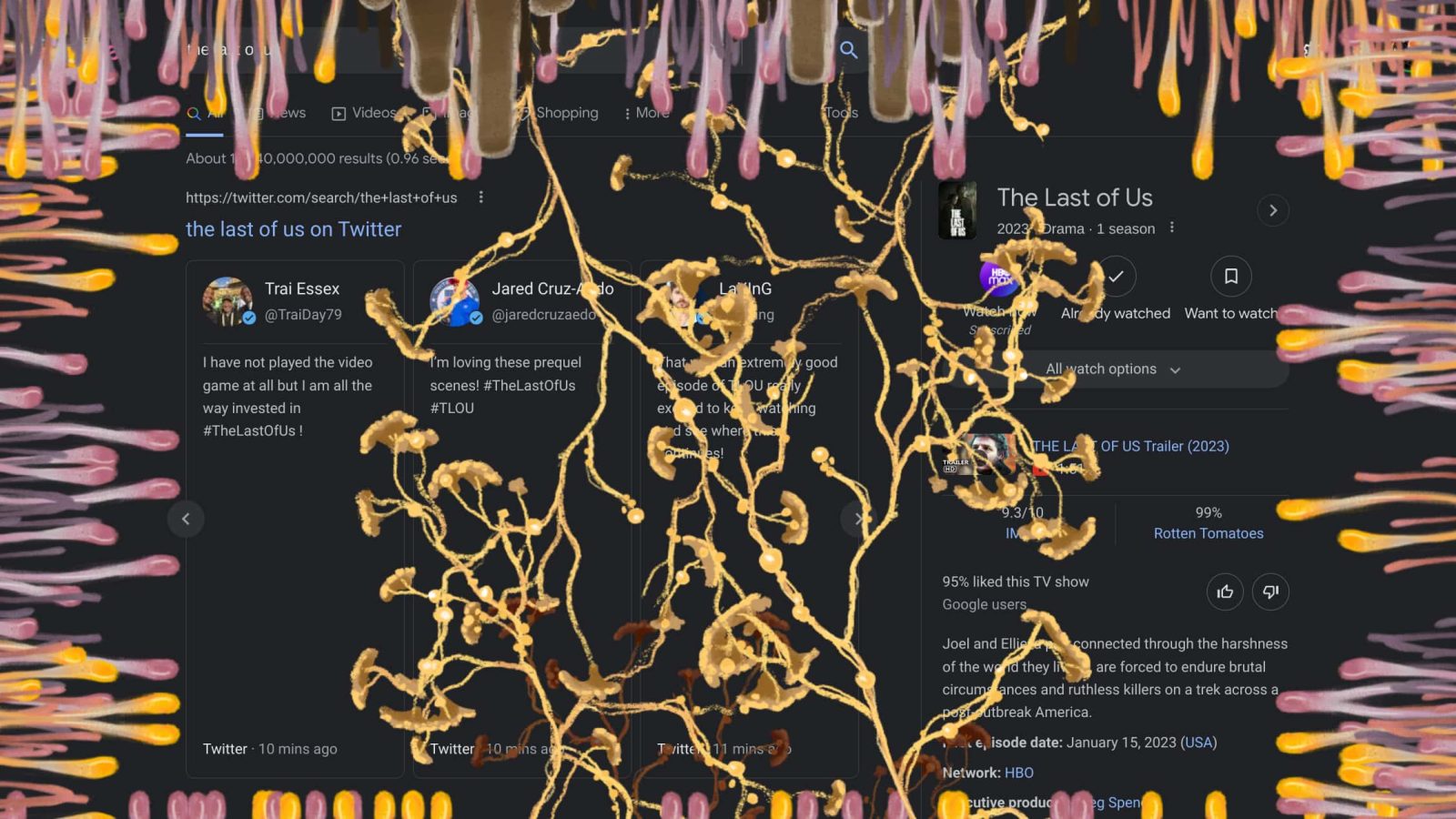
From Ingenuity to Twosday and Wordle (a year old as of yesterday), Google Search loves its easter eggs, and the latest – creepily – marks HBO’s excellent The Last of Us.
To “help shape the future of YTM,” the YouTube Music team is launching a “Listening Room” program to give selected users early access to features and provide feedback.
Google today announced it was laying off 12,000 employees, or just over 6% of its workforce. As of September 2022, Alphabet had 186,779 employees. The layoffs impacted many departments and roles within Google and Alphabet.
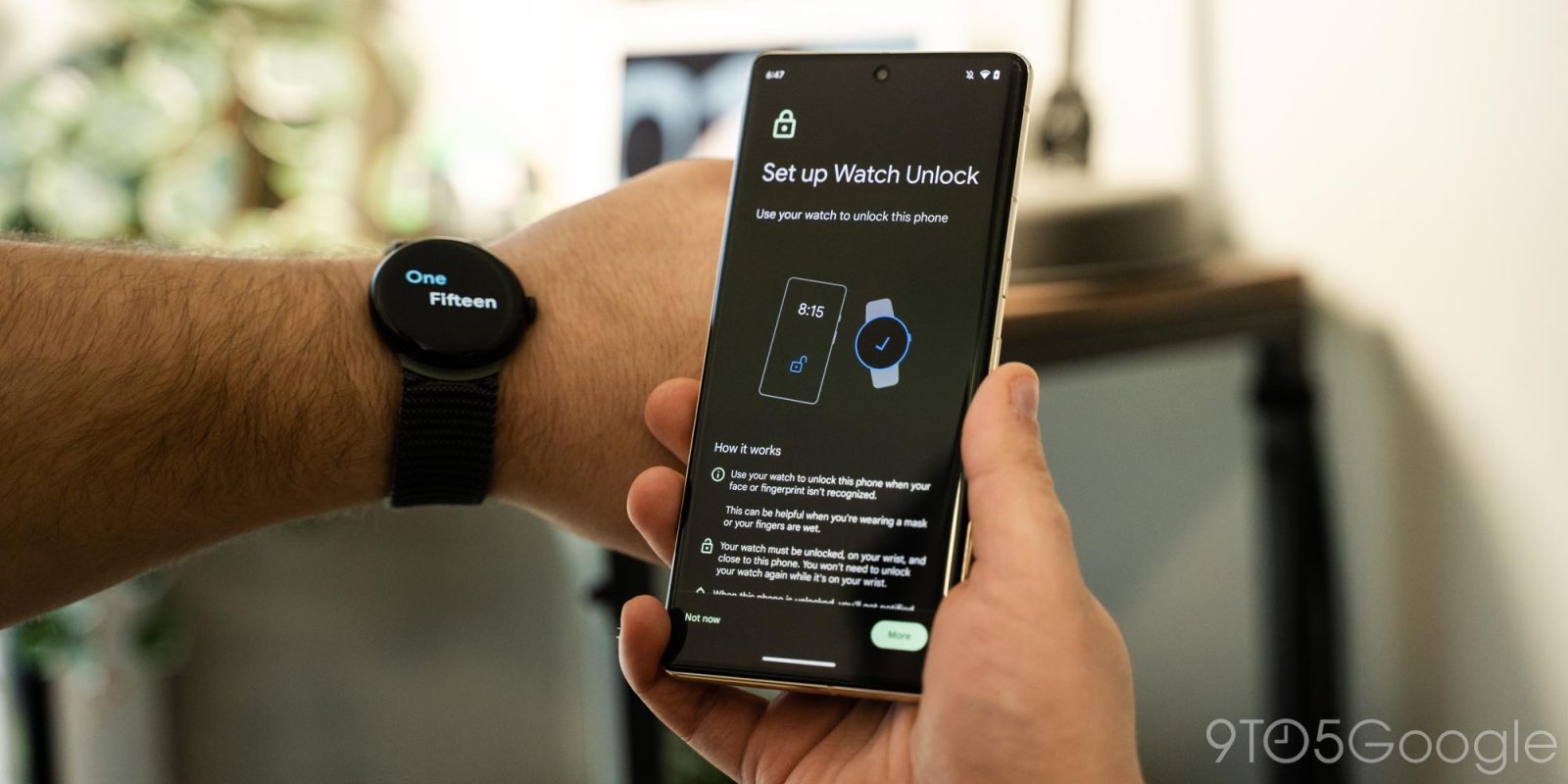
We’re still waiting for the ability to use Wear OS to unlock Android devices and Chromebooks. Watch Unlock was demoed earlier this year, and ongoing work reveals how Smart Lock will be sticking around as “Extend Unlock.”
In announcing layoffs, Sundar Pichai said Google is “getting ready to share some entirely new experiences for users, developers and businesses.” One report reveals what those Google AI-backed products are, and it includes a “wallpaper maker for the Pixel smartphone.”
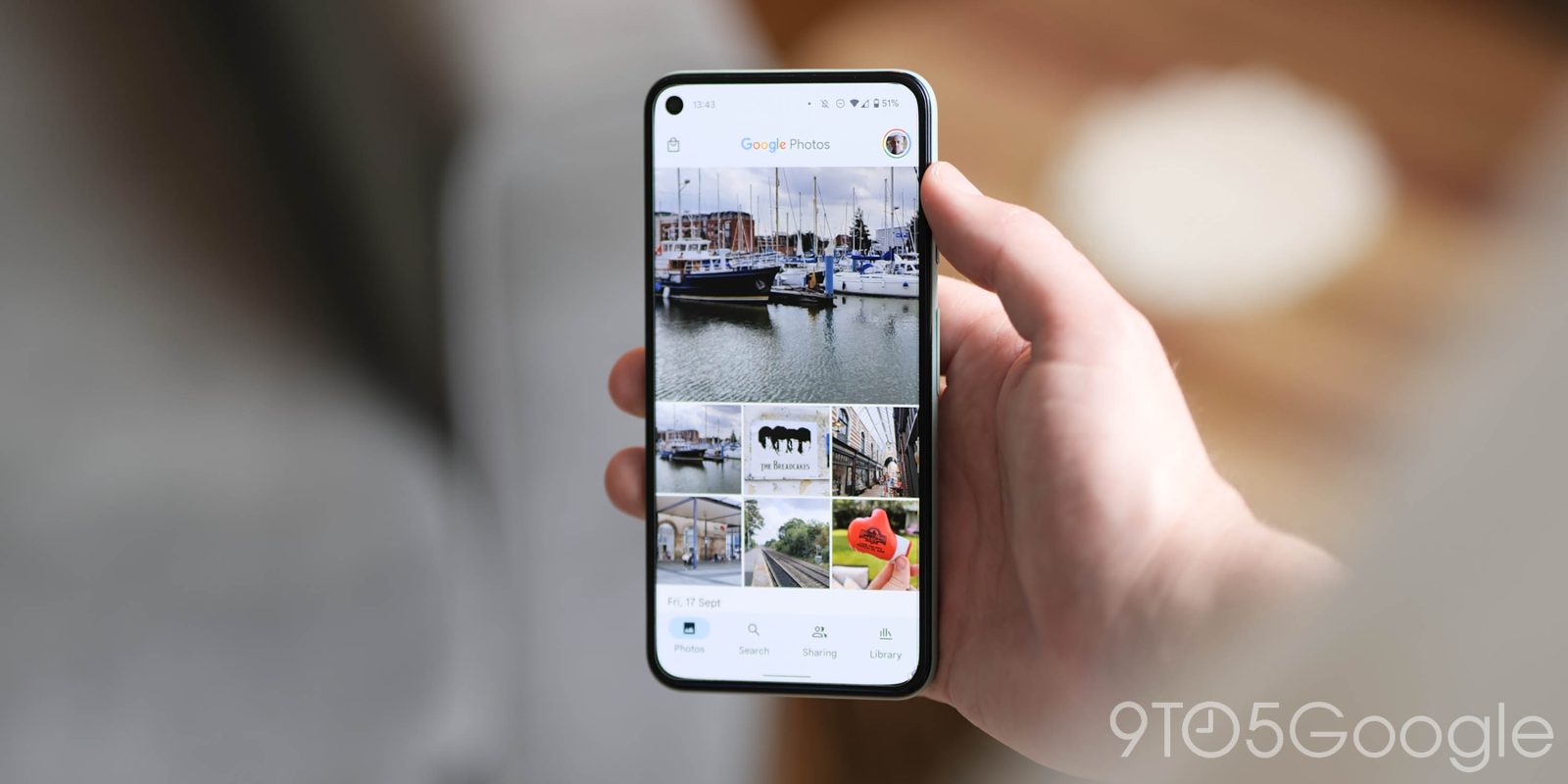
On Pixel phones, enabling the Camera app’s RAW+JPEG capture results in an on-device “Raw” folder. Google Photos might soon offer a more integrated experience for RAW images in the app.
After introducing the feature last February, Google Voice for Android and iOS have removed Smart Reply suggestions that appeared at the bottom of messages.
As part of the Wear OS 3 announcement at Google I/O 2021, Fitbit co-founder James Park said something that was widely interpreted to mean that a Fitbit-branded Wear OS watch is coming. That’s not the case, and that tease was only ever referring to the Pixel Watch.