Abner Li has worked at 9to5Google since 2015 and in late 2020 took on the role of editor-in-chief. He is keenly focused on tracking what happens at Google, and is often the first to spot new features in Google’s ever-growing family of applications that are updated on a daily basis, including Search, Assistant, Maps, Workspace, Android, Chrome/OS, Wear OS, and YouTube Music.
To him, what Google does greatly impacts the technology space and modern life. Inside the company, he is particularly interested in the key products mentioned above, as well as services like Google Podcasts and Google Lens. Each are massive platforms that can be unwieldy to grasp, with Abner keenly bent on understanding their philosophy and future direction. He is most excited about Google’s plans for augmented reality glasses.
Abner spearheads the APK Insight program at 9to5Google to chronicle all changes in the company’s Android apps, often finding new features before they are officially announced. This includes redesigns and revamps, launches, and new products.
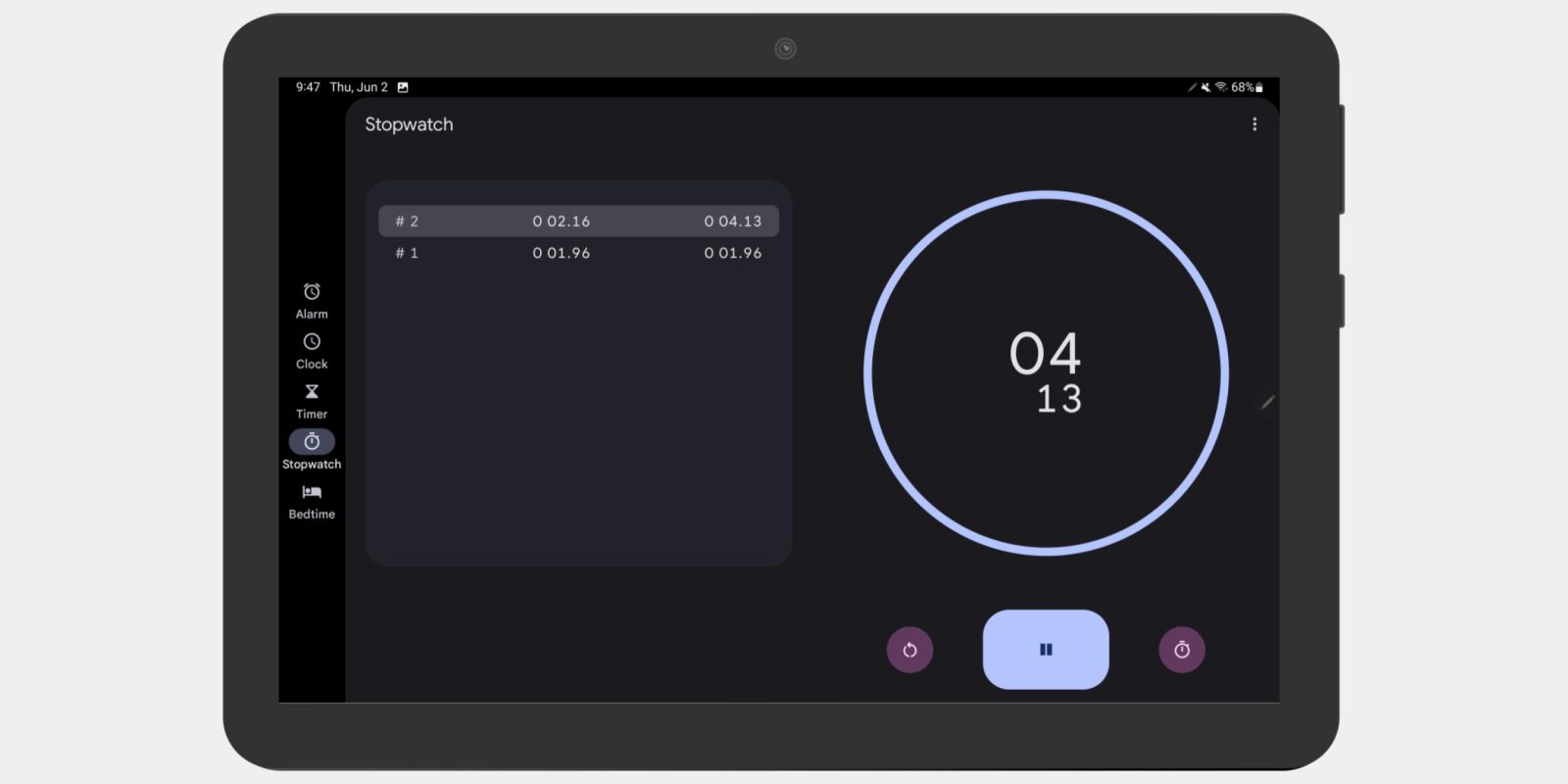
The latest first-party app to get an Android tablet-optimized redesign is Google Clock with version 7.2 today. This follows Google Lens and Calculator, which widely rolled out earlier this week.
Today marks the last guaranteed update for Google’s midrange phones from 2019 following its launch three years ago at I/O. However, similar to past generations, Google will be releasing one last update for the Pixel 3a and 3a XL.
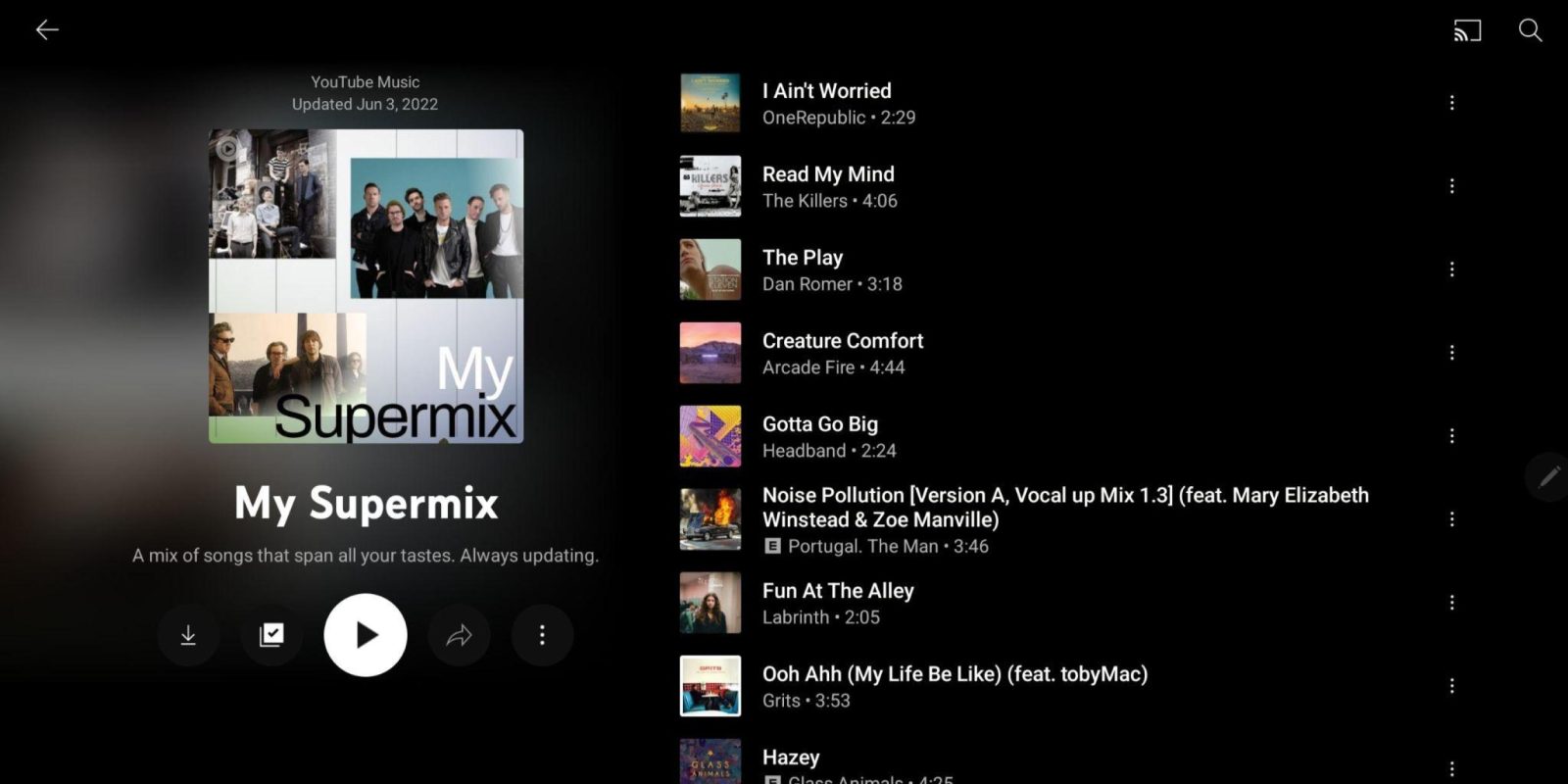
YouTube Music was one of the Android apps that Google said would get tablet optimizations at I/O 2022, and the redesigned playlist interface is now live.
As the current school year winds down, Google is getting ready for the next one with a number of education updates across Classroom, Workspace, and Chromebooks, like the Screencast app and Cast moderator on Google TV.
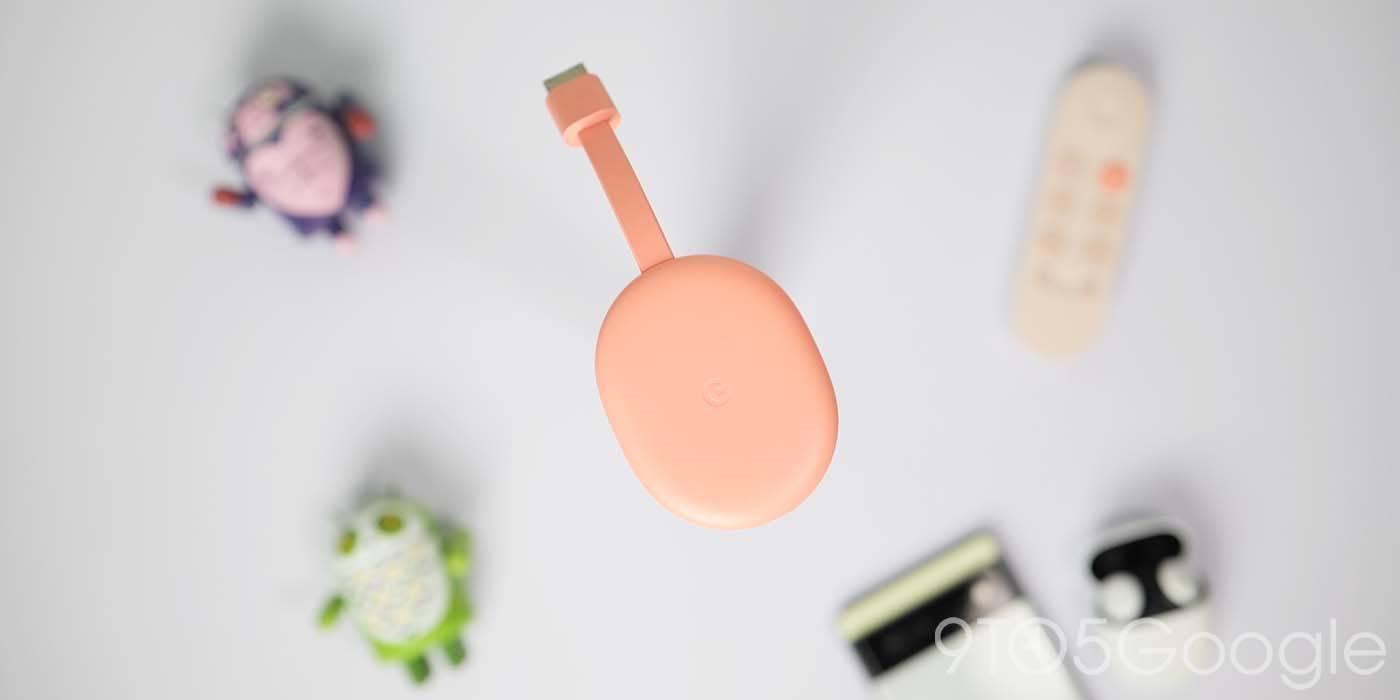
A so-called “Chromecast HD with Google TV” has been rumored since the start of this year and a “wireless device” matching that description has now arrived at the FCC for certification.
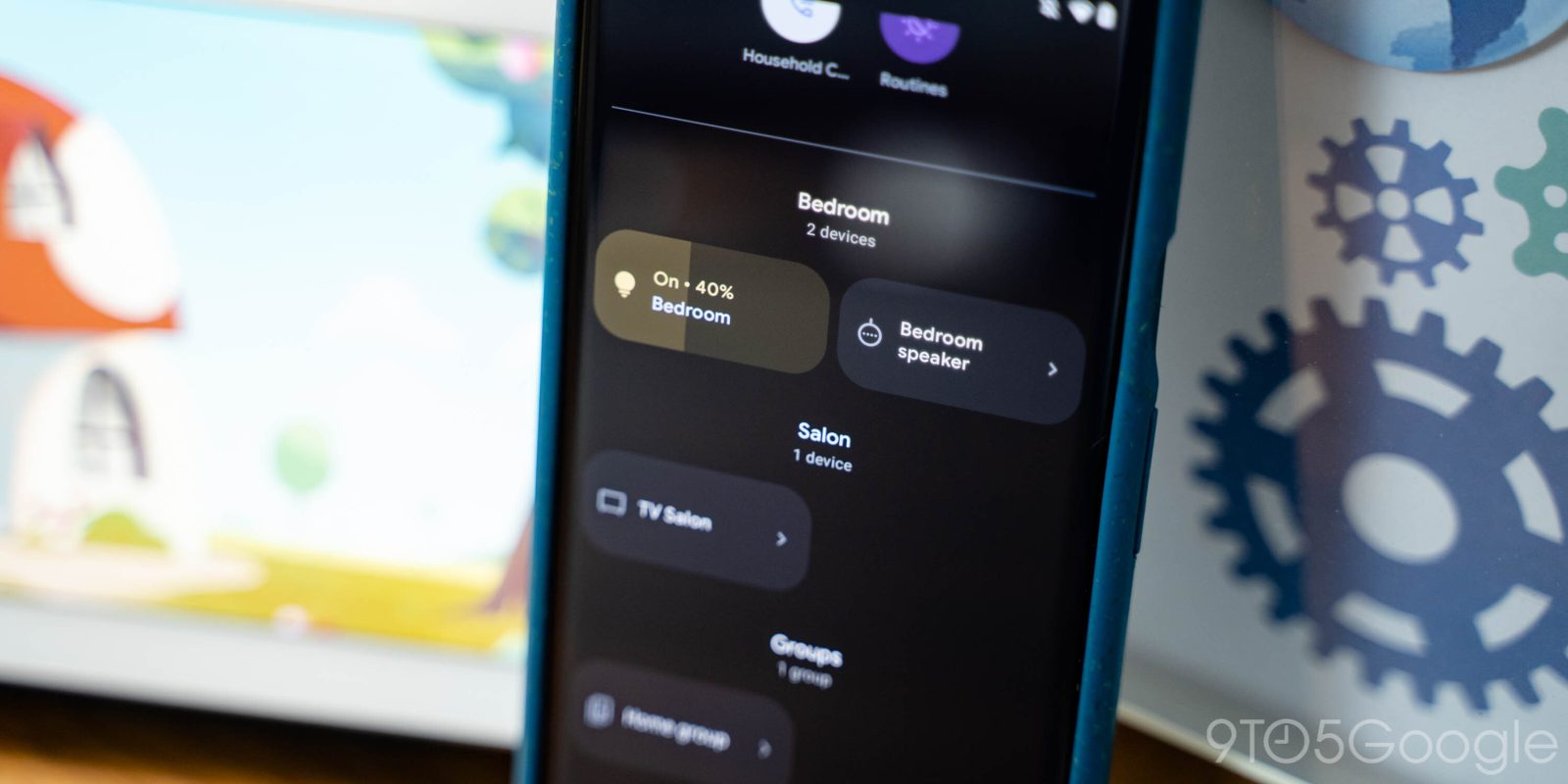
Back in January, Google had to make changes to Speaker Groups because of the US ITC ruling in favor of Sonos. Another “interruption caused by Sonos” is now responsible for some Pixel phones in the United States and Canada being unable to to set-up Google Home devices.
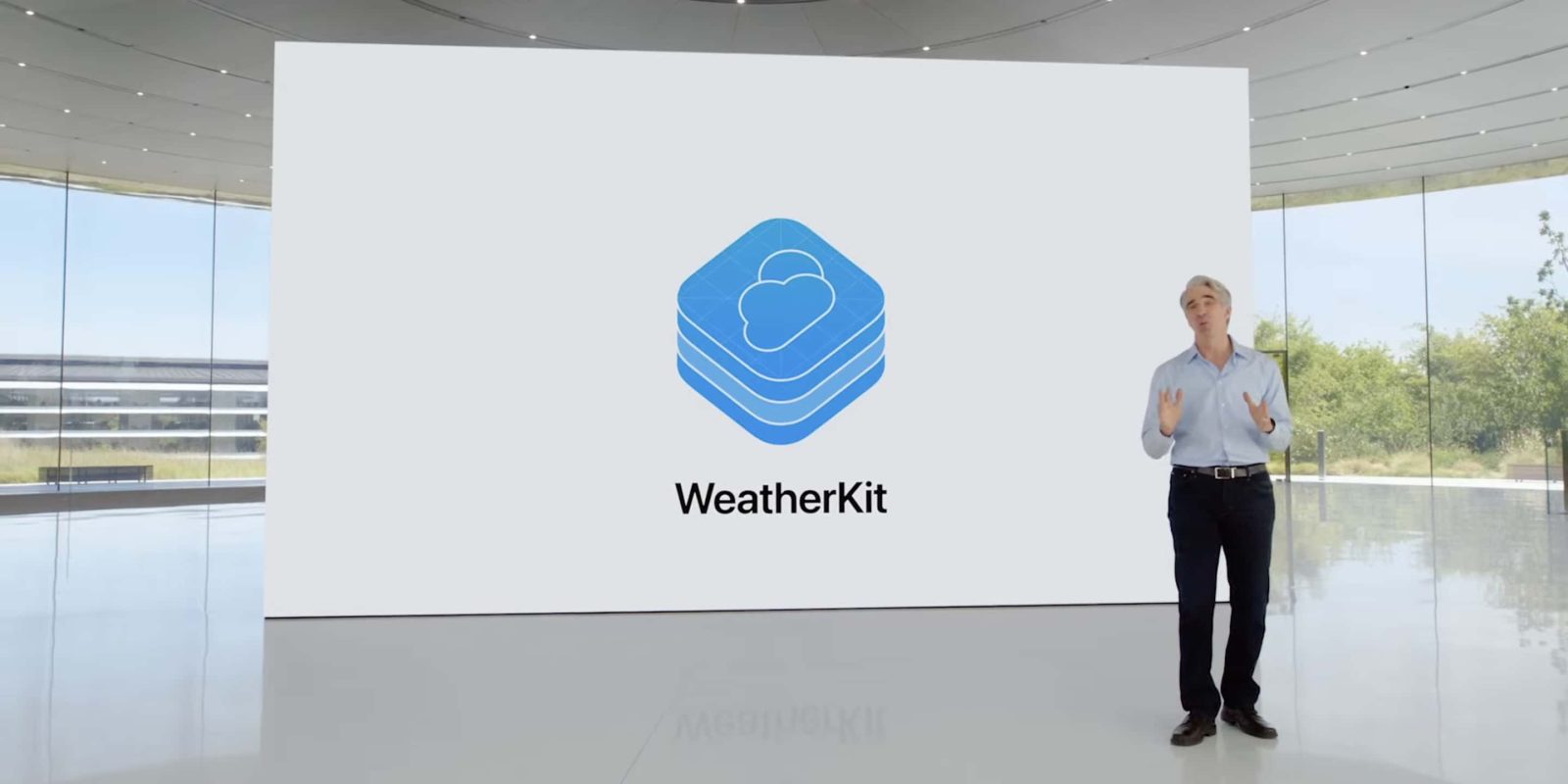
At WWDC 2022 today, Apple finally announced a Weather app for the iPad but, more importantly, a detailed WeatherKit to replace the Dark Sky API that was deprecated for Android in 2020. This new weather service will allow developers to create Android apps that use the same Dark Sky back end as before.
After threemonths of testing, Android 12 QPR3 with the June security patch is rolling out today for the Pixel 4/XL, Pixel 4a, Pixel 4a 5G, Pixel 5, Pixel 5a, Pixel 6, and Pixel 6 Pro.
Google is rolling out the Pixel’s eleventh Feature Drop this June with Android 12 QPR3. It’s available for the Pixel 4/XL, Pixel 4a, Pixel 4a 5G, Pixel 5, Pixel 5a, Pixel 6, and Pixel 6 Pro from today onwards.
Google is continuing its work to speed up Chrome with version 99 released last week. The company touts a handful of speed improvements, including with the Speedometer benchmark, on both Chrome for Mac and Android.
Compared to past generations, the Pixel 6 Pro has not seen many official discounts. The US Google Store is now discounting the Pixel 6 Pro by $100 to $799 for Father’s Day.
Given the very large user base, Google is often hesitant to make major changes to Chrome. The Android browser has been experimenting with different New Tab Page designs, and the latest sees Chrome adopt a carousel to show your recently visited sites.
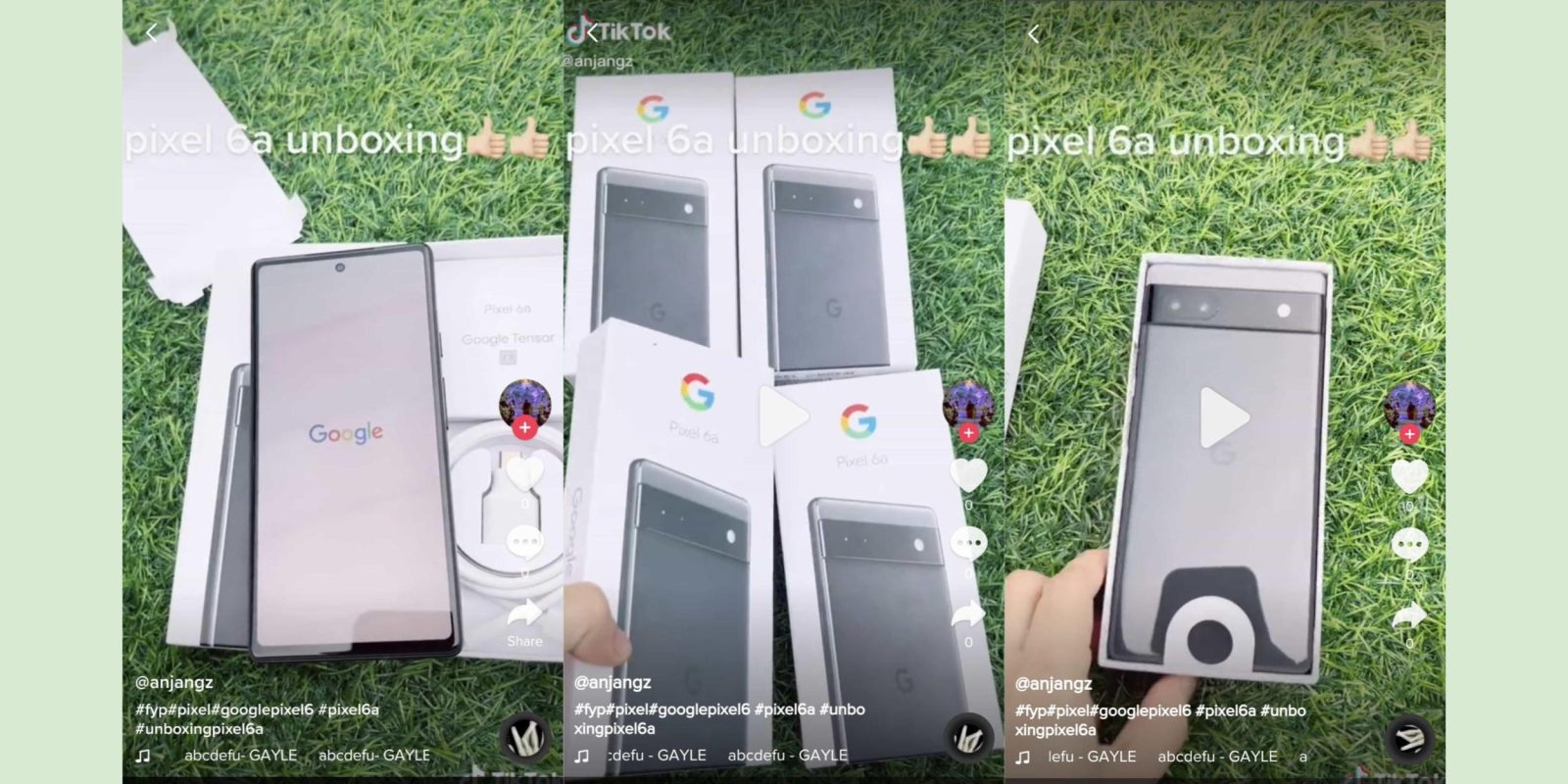
Google’s latest mid-ranger will not hit store shelves until July 28 with an over two-month gap from the I/O 2022 announcement. Until then, the Google Pixel 6a has gotten another unboxing with the phone clearly out there.
Back in September of 2020, Google’s internal Area 120 incubator introduced Orion Wifi to let public venues sell Wi-Fi capacity to cellular carriers. Google Fi is now using this approach to expand coverage and calling it the “W+ network.”
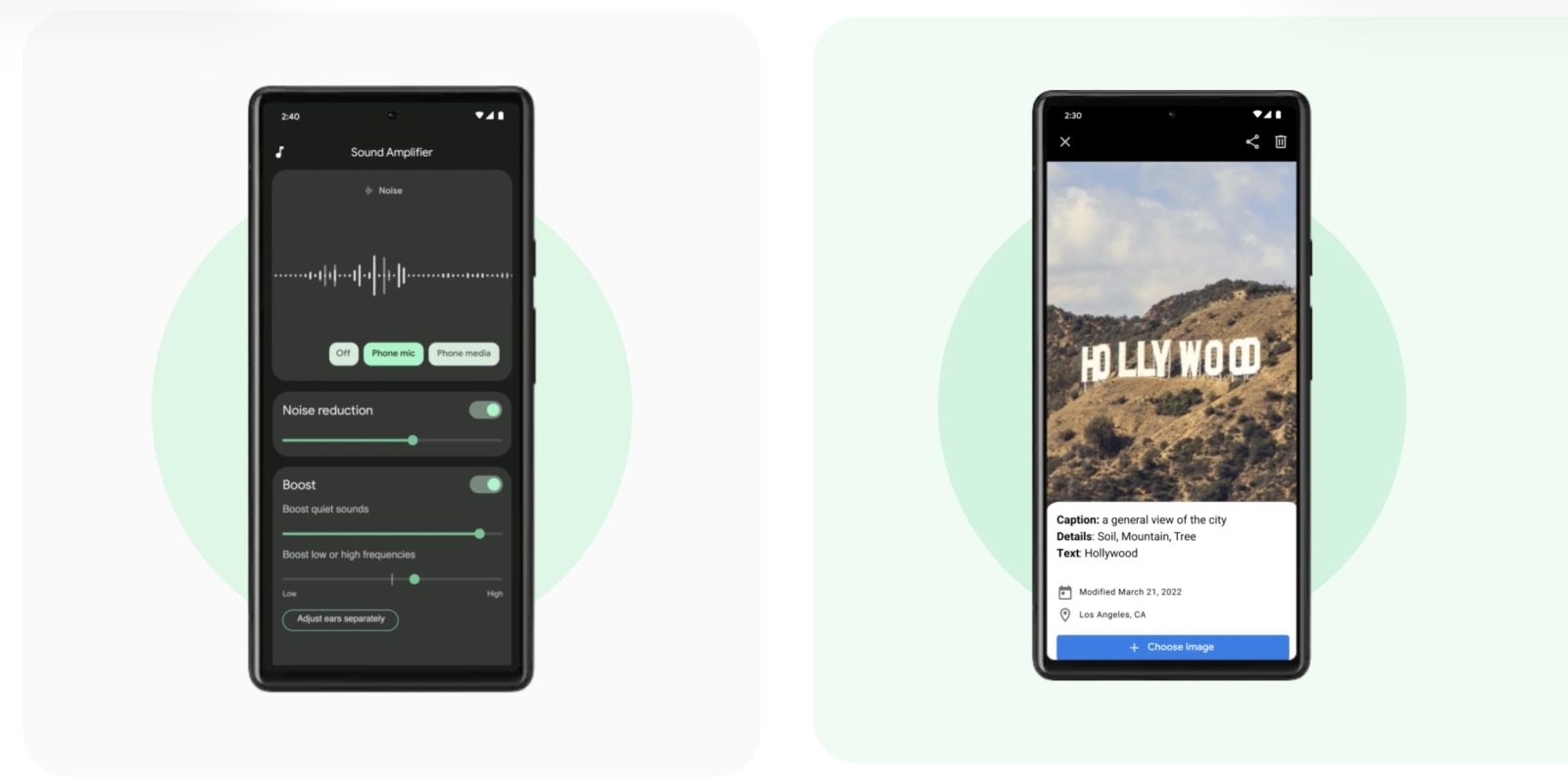
In addition to Gboard updates today, Google is updating two of its accessibility apps. Android’s Sound Amplifier gets a redesign and accuracy improvements, while Lookout now offers a new mode for analyzing images.
As part of Android’s quarterly drop of new features, Gboard is getting a pair of updates that expands the availability of custom text stickers, while the latest Emoji Kitchen additions are here.
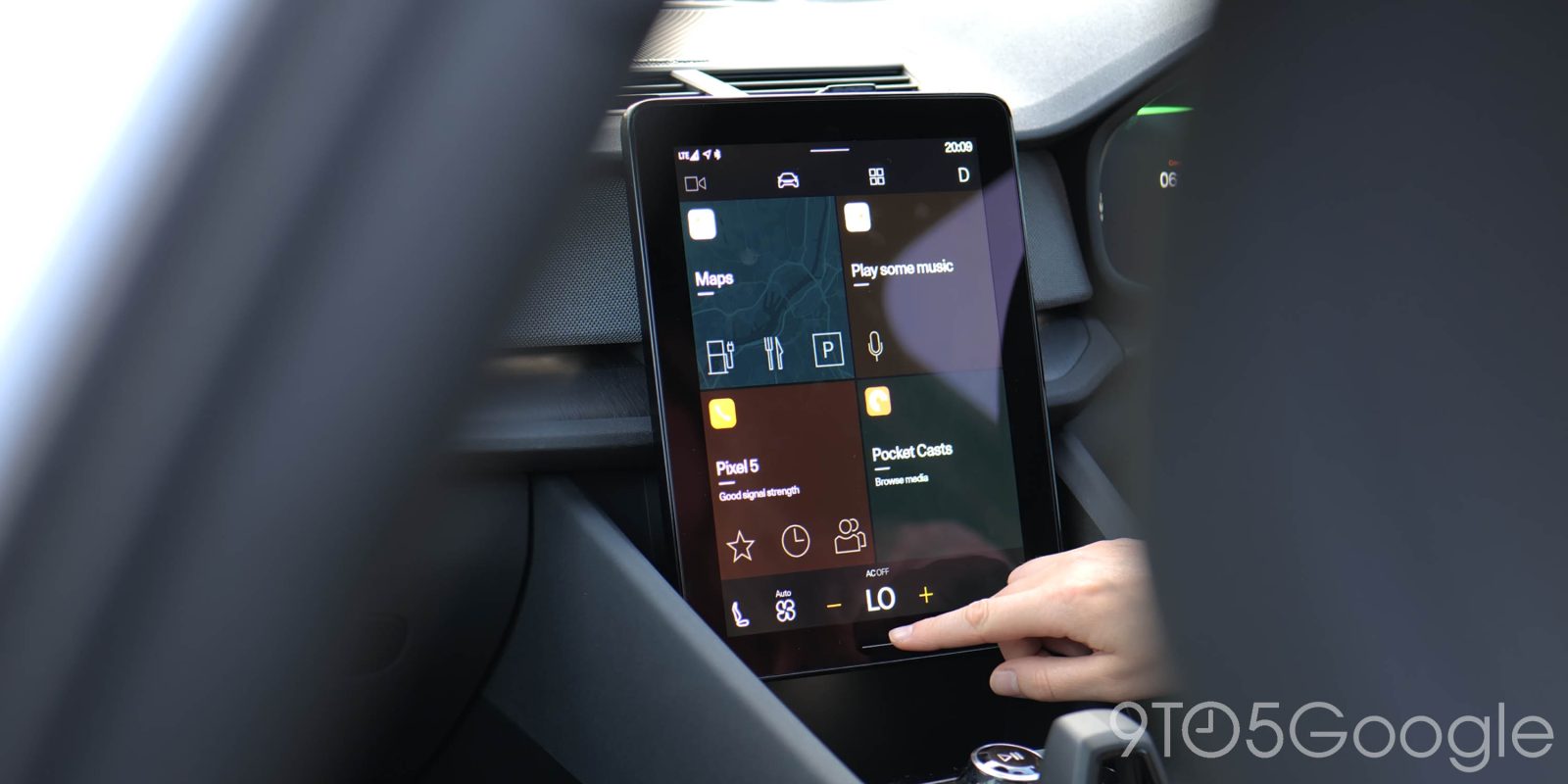
Besides tablets, Android 12L also brings a slew of features to Android Automotive OS as Google quietly detailed last month during I/O 2022, which mostly focused on the upcoming Android Auto redesign.