Abner Li has worked at 9to5Google since 2015 and in late 2020 took on the role of editor-in-chief. He is keenly focused on tracking what happens at Google, and is often the first to spot new features in Google’s ever-growing family of applications that are updated on a daily basis, including Search, Assistant, Maps, Workspace, Android, Chrome/OS, Wear OS, and YouTube Music.
To him, what Google does greatly impacts the technology space and modern life. Inside the company, he is particularly interested in the key products mentioned above, as well as services like Google Podcasts and Google Lens. Each are massive platforms that can be unwieldy to grasp, with Abner keenly bent on understanding their philosophy and future direction. He is most excited about Google’s plans for augmented reality glasses.
Abner spearheads the APK Insight program at 9to5Google to chronicle all changes in the company’s Android apps, often finding new features before they are officially announced. This includes redesigns and revamps, launches, and new products.
A big overhaul of Wear OS is underway, but the upgrade path for existing devices is unclear for now. Until then, current owners are impacted by a recent issue that sees them unable to set a timer with Google Assistant on Wear OS.
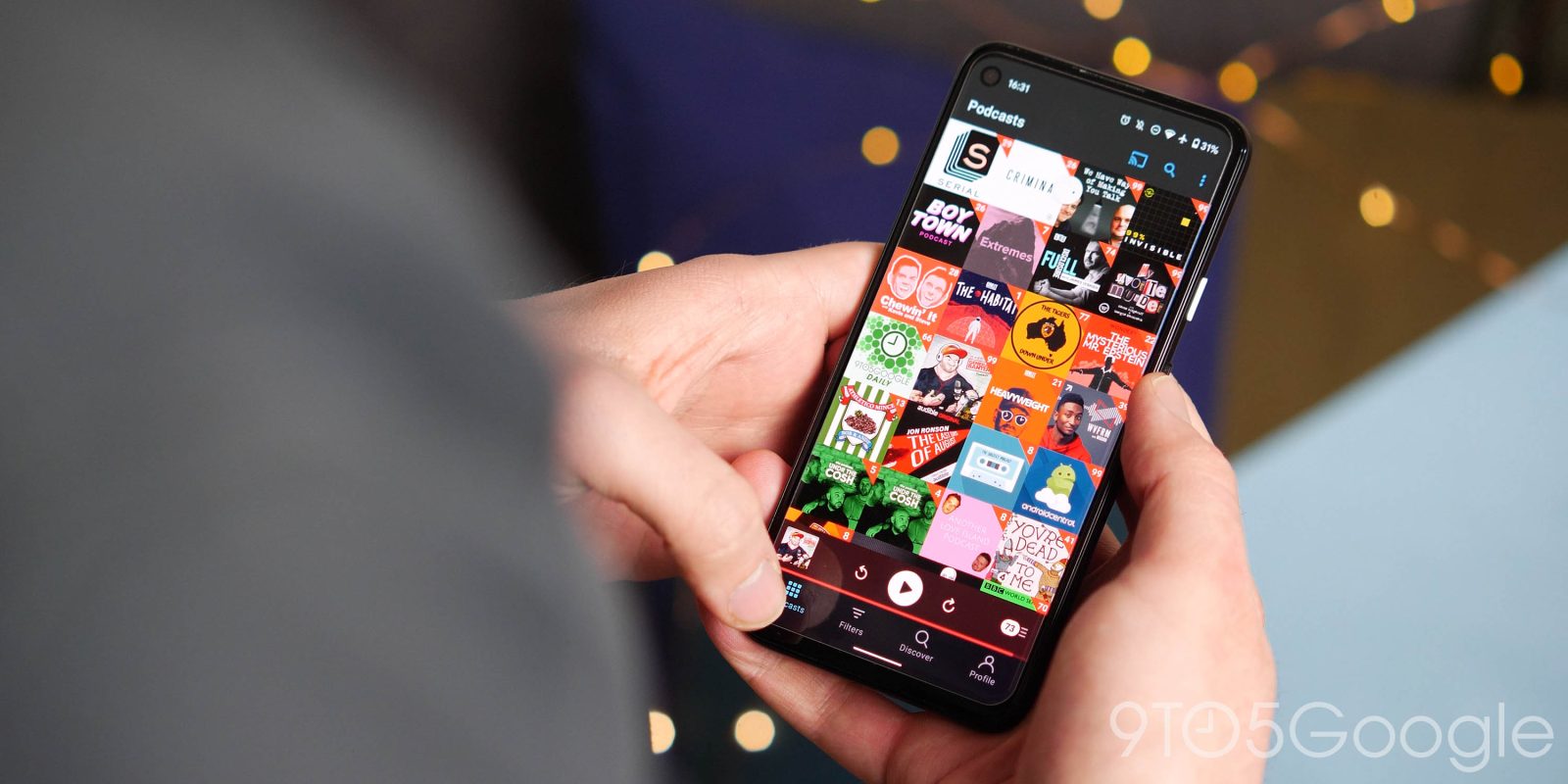
Back in January, it emerged that Pocket Casts was up for sale by its public radio consortium owners. Automattic, which is known for WordPress.com and bought Tumblr from Verizon in 2019, announced that its now acquiring Pocket Casts.
While Android 12 stability is improving with every release, it’s still in beta, and some users last night received a reminder of that status via an absolute slew of system “Foreground Service BG-Launch Restricted” notifications that were generated by Gboard.
Last September, Google announced that in one year’s time, all apps distributed through the Play Store would have to use Play Billing for in-app purchases. Following last week’s big antitrust lawsuit, the company announced today that it’s letting developers request an extension for adopting this policy change.
Ahead of World Emoji Day tomorrow, Google is sharing new designs for 992 emoji that it has revamped with a focus on “making them more universal, accessible, and authentic.” The company also provided a timeline for when they will be rolling out to its various platforms.
As seen during the NBA Finals, Google aggressively uses sporting events to advertise its cord-cutting service. YouTube TV today detailed its Tokyo 2020 Olympics coverage and is using it as an opportunity to highlight the new 4K add-on.
To complement existing auto-delete controls for Search history, Google at I/O 2021 announced a way to quickly delete your last 15 minutes of queries on the Android and iOS apps. This shortcut is rolling out now on the latter platform.
In addition to testing a “Library” filter, YouTube Music might be getting a “Downloads” tab in search that would address a big complaint about how the application handles content stored offline.
Back in October, Google announced that Meet video calling would be available on Glass Enterprise Edition 2. Following a closed beta that required sign-up, Meet on Glass is now available for any Google Workspace customer/account.
Following the first beta, Android 12 users immediately complained about how the ripple effect looked like a graphical bug. Google responded and promised updates, with Beta 3 today delivering a more subtle sparkle.
Google’s “Play” family of apps is now down to the Store, Games, and Books after the Google TV and YouTube Music revamps. An update to Google Play Books today adds the ability to create custom shelves for better content organization.
In addition to video backgrounds on the web, Google is rolling out the ability to change your background in Meet for Android today. This feature is initially limited to pre-selected defaults and first came to desktops last October.
The previous beta at the start of June continued rolling out many of the mobile operating system’s upcoming consumer-facing capabilities and changes. Over the coming hours, we will dive into today’s Android 12 Beta 3 release to chronicle all the new features.
Over the years, Chrome has been a bigproponent of increasing HTTPS adoption to improve privacy and security on the web. The latest Chrome steps include rolling out an HTTPS-First Mode and experimenting with a replacement for the lock icon in the address bar.
Compared to last year, Android 12 is pushing back the release candidate build by one version with Beta 3 rolling out today as another “incremental Beta-quality release.”
Since late May, Fuchsia has been rolling out to Google’s first-generation Assistant Smart Display. More Nest Hubs are receiving the Fuchsia OS update now, and some users are seeing their screens go purple, but there’s, fortunately, a quick fix.
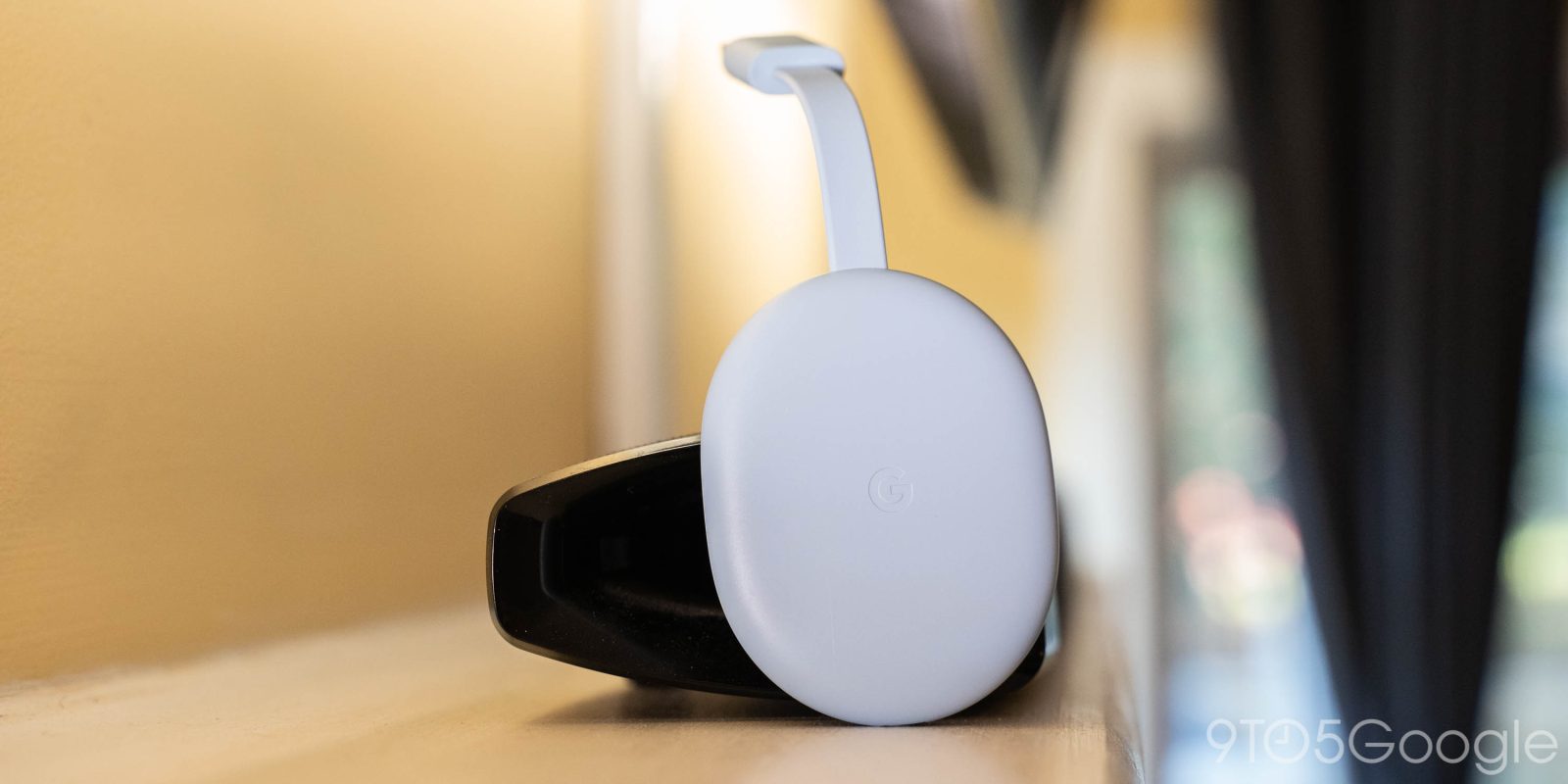
At the end of last month, Google announced a 4K Plus add-on for its cord-cutting service. YouTube TV is also planning to add 5.1 Dolby surround sound for all members free of charge, but it won’t be coming to the Chromecast with Google TV until “later this year.”
Outside of Assistant displays and speakers, as well as thermostats and Wi-Fi routers, Google’s smart home lineup is quite old and due for an overhaul. Google looks to be laying the groundwork for that by selling out of the Nest Detect and removing product listings for the Nest Cam IQ Indoor and Outdoor.
There are many ways to enter emoji and other expressive media, with most messaging apps offering their own experience. Google Messages is now redesigning its emoji and GIF picker while simplifying entry.
In light of COVID-19 driving all communication online, free Google Meet users with personal Gmail accounts could take advantage of group calls without a duration limit over the past year. That benefit ended at the start of this month and Google has detailed the new limitation.
Announced last month alongside Workspace becoming available “for everyone” (i.e., free personal accounts), Google said today that its “Individual” tier is now available in five countries for those with a small business or other “passion project.”
To improve user trust in emails, the industry created the Brand Indicators for Message Identification (BIMI) standard. Gmail will start rolling out the resulting verified company logos over the coming weeks.
At the start of this year, Google announced that it was revamping its desktop client strategy for Drive. The new “Google Drive for desktop” that replaces “Backup and Sync” by adding automatic Google Photos upload is now appearing for some users.