Abner Li has worked at 9to5Google since 2015 and in late 2020 took on the role of editor-in-chief. He is keenly focused on tracking what happens at Google, and is often the first to spot new features in Google’s ever-growing family of applications that are updated on a daily basis, including Search, Assistant, Maps, Workspace, Android, Chrome/OS, Wear OS, and YouTube Music.
To him, what Google does greatly impacts the technology space and modern life. Inside the company, he is particularly interested in the key products mentioned above, as well as services like Google Podcasts and Google Lens. Each are massive platforms that can be unwieldy to grasp, with Abner keenly bent on understanding their philosophy and future direction. He is most excited about Google’s plans for augmented reality glasses.
Abner spearheads the APK Insight program at 9to5Google to chronicle all changes in the company’s Android apps, often finding new features before they are officially announced. This includes redesigns and revamps, launches, and new products.
Area 120 is Google’s internal incubator for experiments, and its latest project is called Demand. This data analytics platform hopes to provide artists, venue managers, promoters, and others in the live music industry actionable insights.
The latest preview of Google’s Android keyboard briefly tested a new Assistant-powered voice typing experience last week. That has since disappeared, but Gboard is now asking beta users to screenshot their current screen to “help improve Autofill.”
Back in May, Google announced that it will soon factor page speed and other metrics that capture the end-user experience when ranking Search results. This change is now set to come into effect a year after plans were first detailed.
For users that have Location History enabled, the Timeline view in Google Maps provides a nice visualization of where they’ve been. The Timeline is soon coming to Google Photos, and will be augmented by a “Trips” view in Maps.
In 2018, Google launched a program to make it easier for companies to deploy Android devices. Samsung devices are now receiving Android Enterprise Recommended certification, while one-touch enrollment is coming to Android 9 and newer.
In addition to balloons, Alphabet’s X Moonshot Factory has investigated using beams of light to deliver internet connectivity. Project Taara is now getting its first commercial deployment in Kenya.
Compared to most other video players, Google is relatively unique for letting users set the specific playback resolution. YouTube is now testing “Video quality preferences” that simplify the selection.
Object, person, and pet recognition is one of Google Photos’ best features. Google is now inviting Android users to help improve the service’s machine learning technology through a built-in crowdsourcing tool.
With the Play Music deprecation underway, YouTube Music continues its onslaught of new features. YouTube Music today is rolling out high-level filters that let you customize the homepage, as well as six “My Mixes.”
YouTube’s Premium and Music Premium subscriptions continue to add more members, and the Google company now has an interesting “Your Premium benefits” page with stats to quantify your usage.
First announced in March, HMD Global is now bringing the Nokia 8.3 5G to the US. The phone is launching on Verizon as the Nokia 8 V 5G UW and will be available on November 12.
As the penultimate month of this year is fully underway, Google Play is preparing its Best of 2020 roundup. Users’ Choice voting starts today in four categories.
Back in September, Google Pay (Tez) received a Flutter rewrite that will serve as the service’s global foundation and expansion moving forward. Google is now introducing a new logo for the Pay app in India.
Earlier this year, Google quietly published a “Device Lock Controller” app to the Play Store. It’s a way for credit providers to curtail the functionality of a phone that’s being financed if payments are missed.
The Google Home app in recent months has seen a flurry of new features from a dark theme to full Wifi controls and Home/Away Routines just last week. Google is now testing a very welcome redesign of Nest Hub, Home, and other device settings.
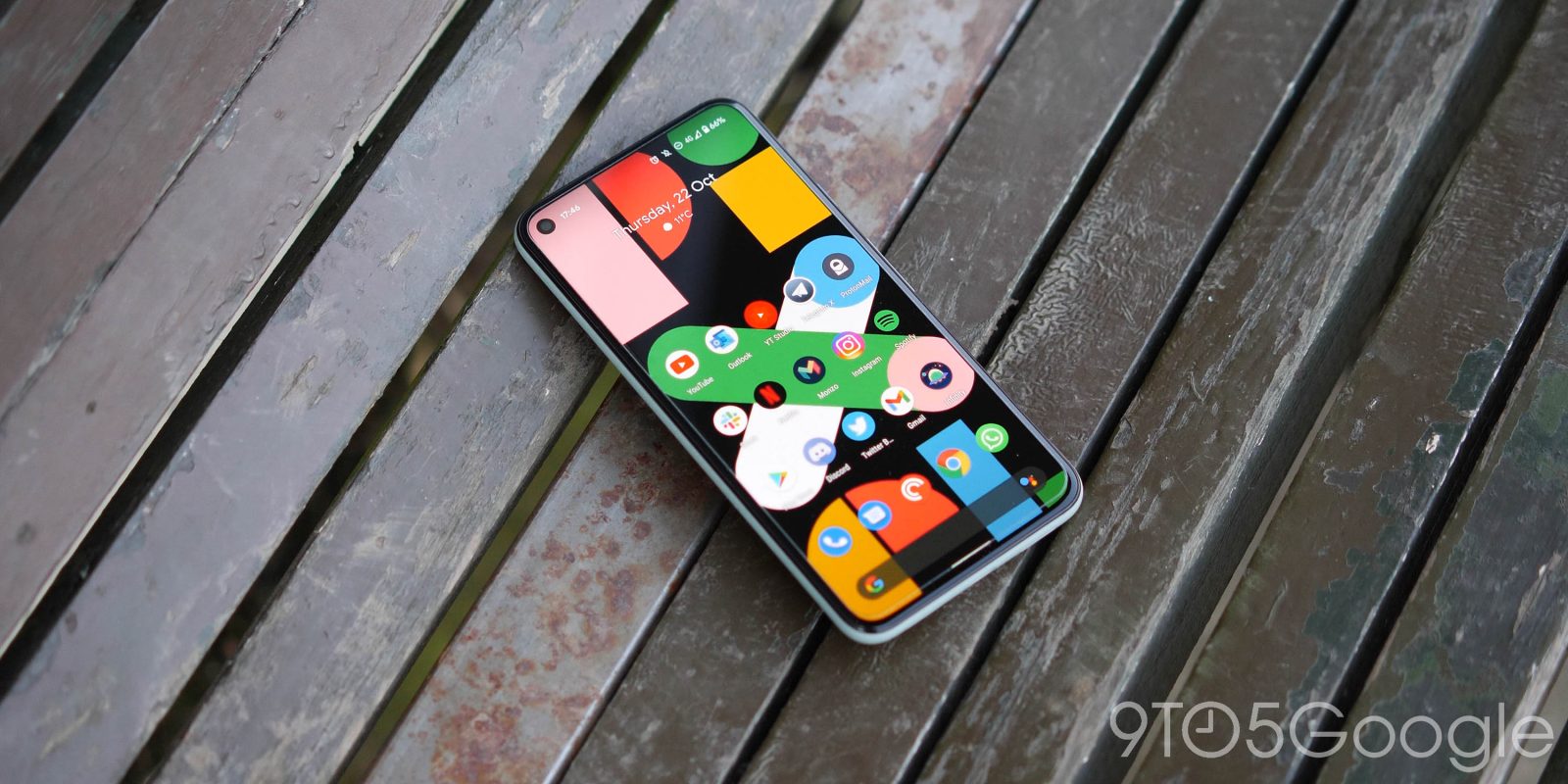
While the Pixel 5 is currently Google’s en vogue phone, its design was very much introduced with the Pixel 4a in August. A durability test today shows that the Pixel 4a’s plastic design is quite resilient, especially compared to other budget phones this year.
Since launch, rooms in Google Chat have had conversations grouped into threads. This approach made sense for some, but was a barrier to high-volume teams and contrasted with Slack. Google is now adding the ability to have unthreaded Chat rooms.
This week, we have extended Pixel 5 thoughts from the team and take a crack at the screen-body gap that Google says is normal. We then have impressions on the new Nest Thermostat, and then wrap up on other hardware happenings.
With the Pixel 5 officiallylaunching in the US and Canada today, the Google Store is rounding out its 2020 phone launches by making the Pixel 4a (5G) available for pre-order in the US.
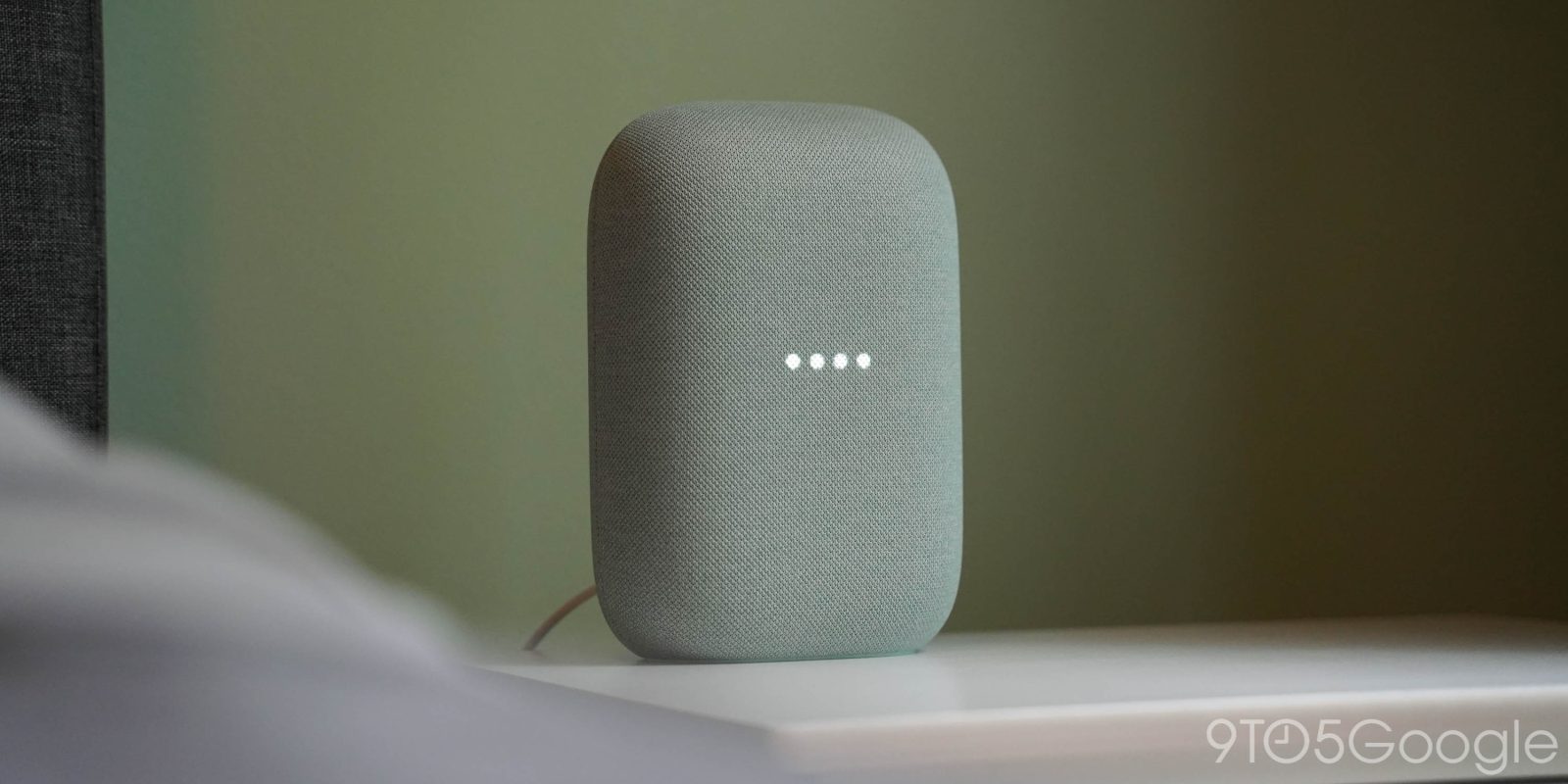
While Google’s latest smart speaker is priced affordably, it’s positioned to compete at a higher tier. With that comes the expectation of more features to offer a differentiation, and the Nest Audio might get the ability to be used as a “home theater sound system” for content playing on the Chromecast with Google TV.
While you’re primarily on YouTube for videos, some creators put a lot of additional information in the Description. YouTube is now testing a new fullscreen Descriptions interface on Android.
As customers started receiving the Pixel 5 in mid-October, some noticed a small gap between the display and frame. Google has investigated the issue and says this is a “normal part of the design” that will not impact water resistance.
For its 2020 phone lineup, Made by Google is leaning especially hard into “5G,” often referring to the two devices as “#Pixel5G” on Twitter. The company is now taking that a surprising step further with the Pixel 5 $5G sweepstakes.