Abner Li has worked at 9to5Google since 2015 and in late 2020 took on the role of editor-in-chief. He is keenly focused on tracking what happens at Google, and is often the first to spot new features in Google’s ever-growing family of applications that are updated on a daily basis, including Search, Assistant, Maps, Workspace, Android, Chrome/OS, Wear OS, and YouTube Music.
To him, what Google does greatly impacts the technology space and modern life. Inside the company, he is particularly interested in the key products mentioned above, as well as services like Google Podcasts and Google Lens. Each are massive platforms that can be unwieldy to grasp, with Abner keenly bent on understanding their philosophy and future direction. He is most excited about Google’s plans for augmented reality glasses.
Abner spearheads the APK Insight program at 9to5Google to chronicle all changes in the company’s Android apps, often finding new features before they are officially announced. This includes redesigns and revamps, launches, and new products.
Following QPR3 last month, the Android 14 July security patch is rolling out today for the Pixel 5a, 6, 6 Pro, 6a, 7, 7 Pro, 7a, Tablet, Fold, 8, 8 Pro, and 8a. Compared to the delays last month, it’s coming sooner, though the Pixel Watch update rolled out first on Monday.
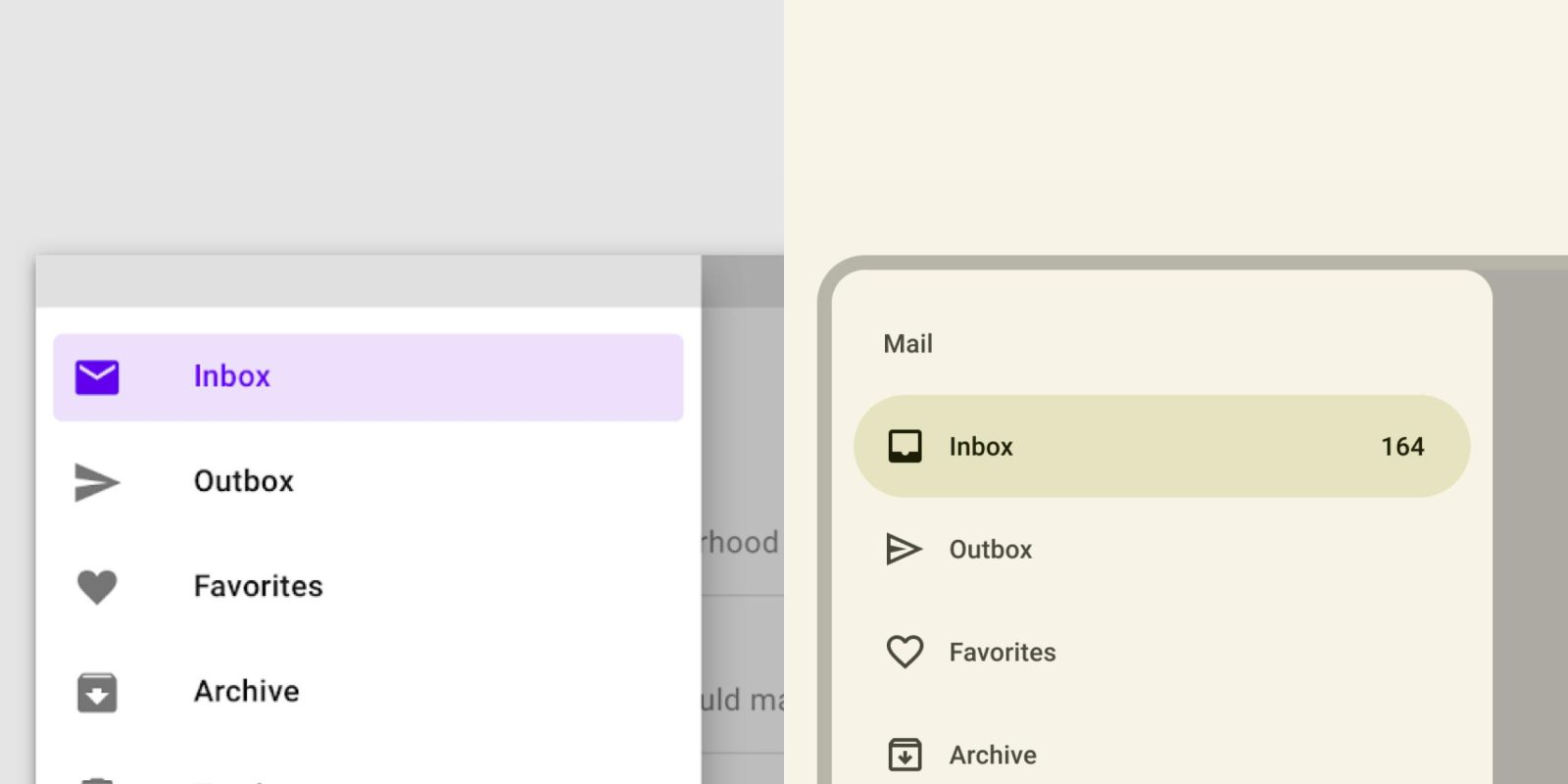
While Google has generally been moving away from navigation drawers on Android, they still exist in several big apps. Nav drawers definitely have their place, but I wish first-party applications implemented them in a much more consistent manner.
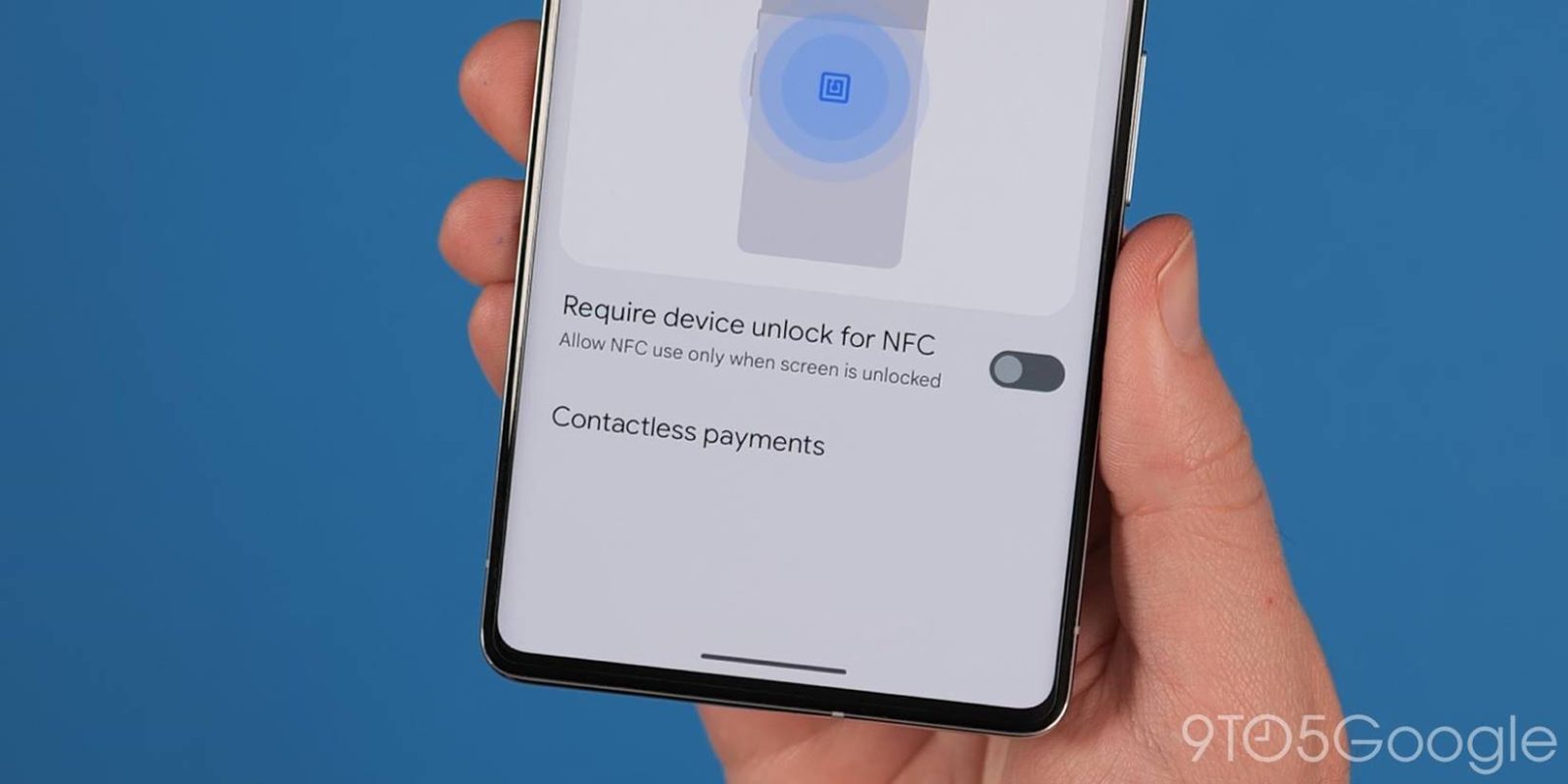
The NFC Forum is looking to advance the standard with a “multi-purpose tap” concept that combines payments with other common interactions. The idea is to make each transaction richer and faster.
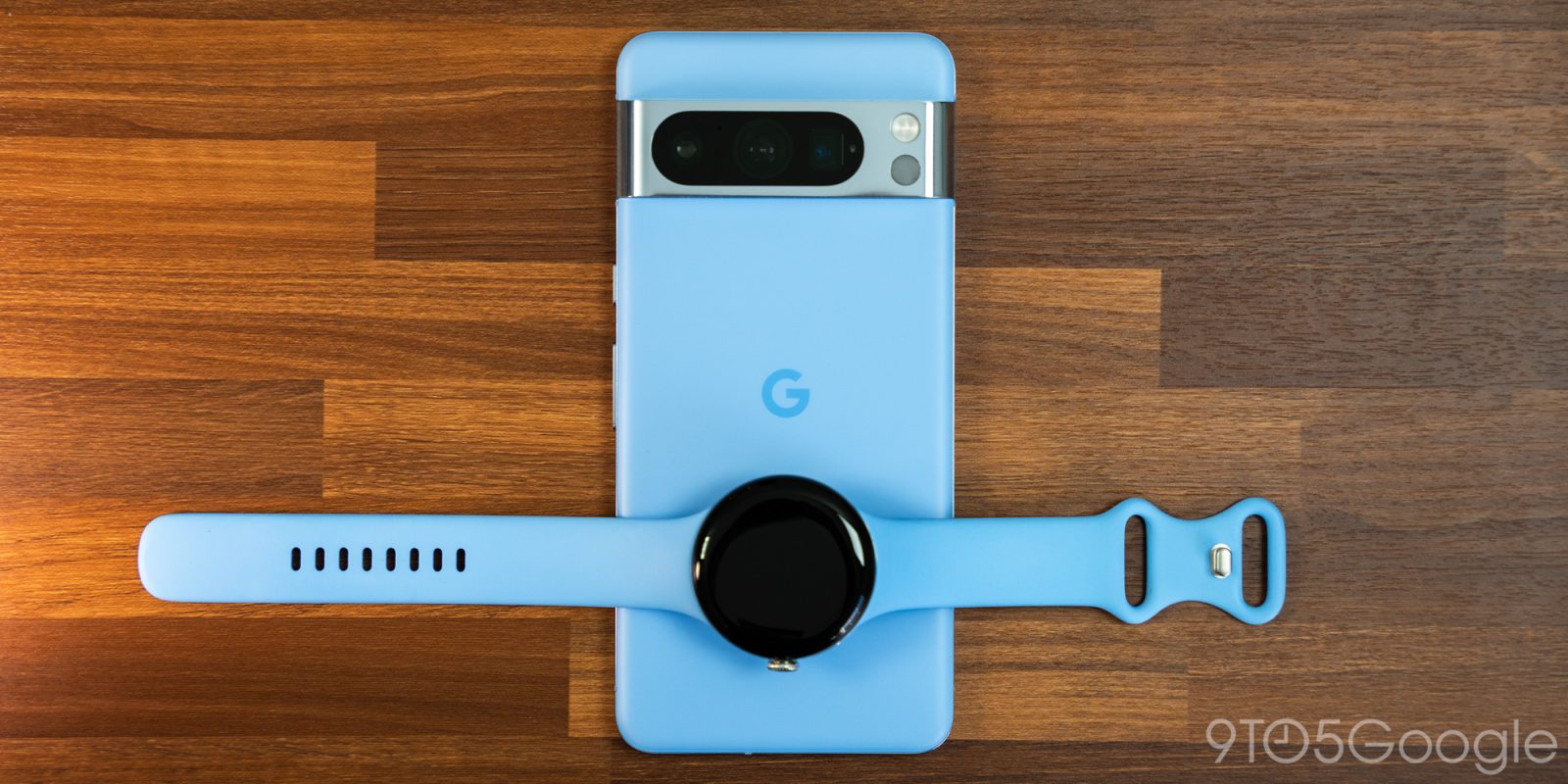
Google is rolling out the latest Pixel Watch and Pixel Watch 2 update with the July 2024 security patch today. It’s coming before the July update for Pixel phones.
Just under two weeks after the last major update, Android 15 Beta 3.1 is rolling out with a handful of fixes. Google has addressed the very annoying lockscreen issue.
In the past year or so, Google has previewed a number of Gemini-branded and other AI features across its consumer-facing apps. Here’s everything that’s been announced and when they might be available.
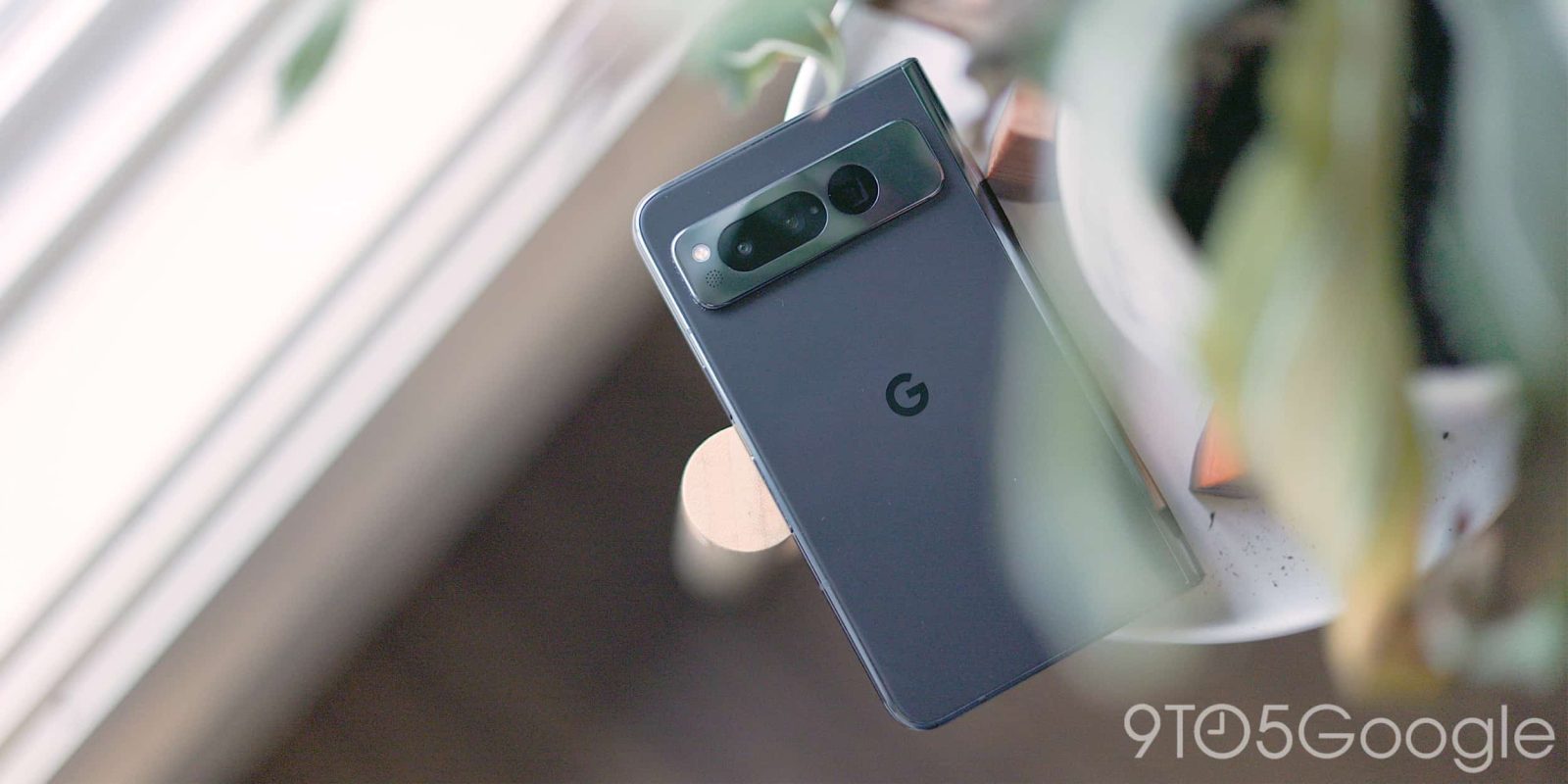
Before launching the Pixel Fold in June of 2023, Google had been working on foldables for quite some time. The iteration just before that has now leaked, with this Pixel Fold prototype featuring a distinctly Pixel 6-era design.
Welcome to the sixteenth episode of Pixelated, a podcast by 9to5Google. This week, we talk about how Made by Google 2024 is happening much earlier than expected.
The monthly “Google System Release Notes” primarily detail what’s new in Play services, Play Store, and Play system update across Android phones/tablets, Wear OS, Google/Android TV, Auto, and PC. Some features apply to end users, while others are aimed at developers.
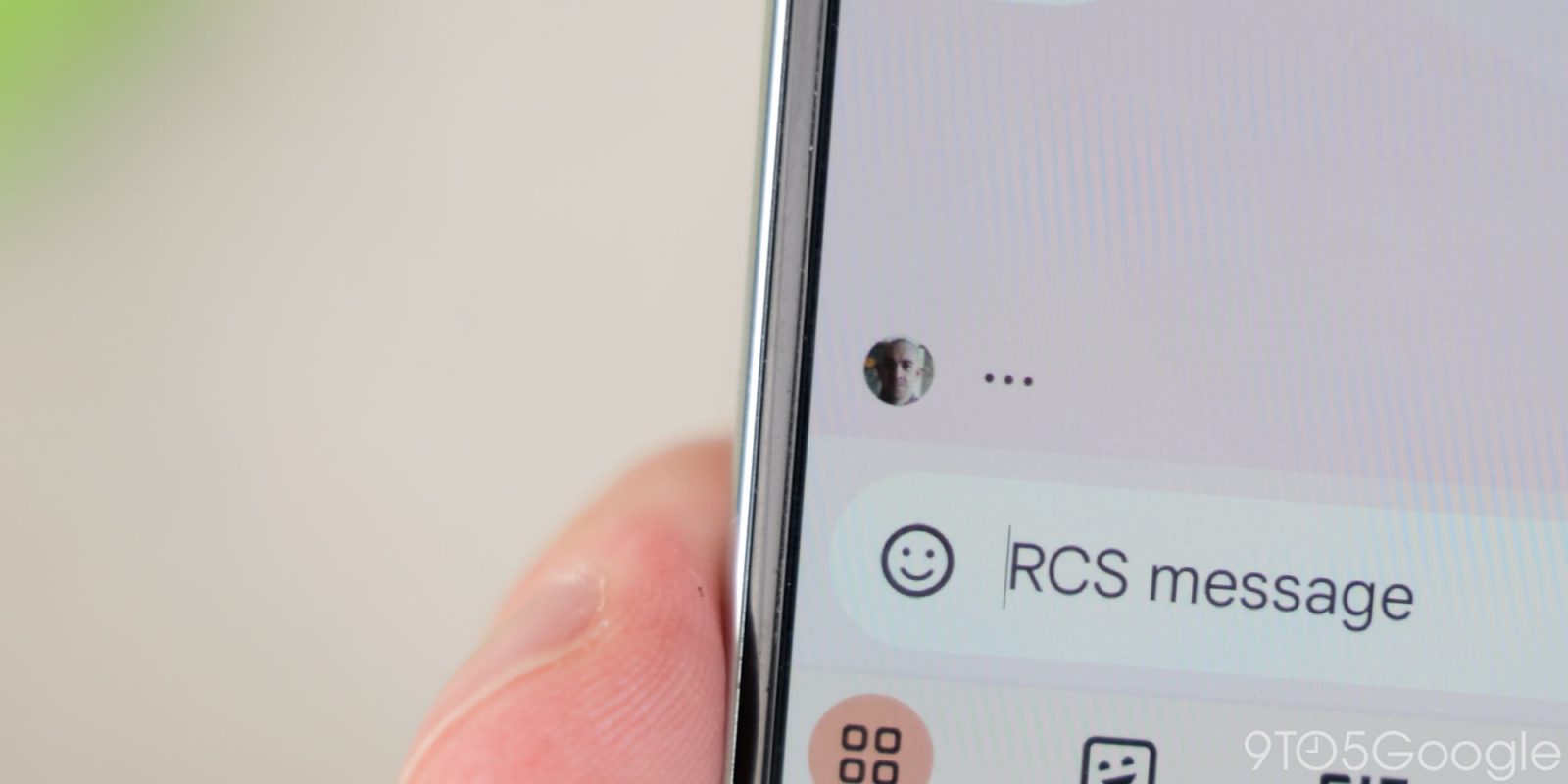
Earlier this week, Apple rolled out iOS 18 Beta 2 with support for Rich Communication Services (in the US). The experience of using Google Messages to talk to someone with an iPhone over RCS is pretty straightforward, though it’s clearly the first take.
A Certification Authority (CA) issues certificates that help guarantee you’re visiting a legitimate website. Over the years, Chrome has had to distrust some CAs, and the Google browser is about to do that again with certificates from Entrust.
Following education and Workspace news this week, Google has a number of Gemini announcements for developers, including a 2 million token context window for 1.5 Pro.
As previously spotted, Google Messages is now rolling out a “Show expressive animations” setting to disable Reaction Effects, Animated Emoji, and more.