Abner Li has worked at 9to5Google since 2015 and in late 2020 took on the role of editor-in-chief. He is keenly focused on tracking what happens at Google, and is often the first to spot new features in Google’s ever-growing family of applications that are updated on a daily basis, including Search, Assistant, Maps, Workspace, Android, Chrome/OS, Wear OS, and YouTube Music.
To him, what Google does greatly impacts the technology space and modern life. Inside the company, he is particularly interested in the key products mentioned above, as well as services like Google Podcasts and Google Lens. Each are massive platforms that can be unwieldy to grasp, with Abner keenly bent on understanding their philosophy and future direction. He is most excited about Google’s plans for augmented reality glasses.
Abner spearheads the APK Insight program at 9to5Google to chronicle all changes in the company’s Android apps, often finding new features before they are officially announced. This includes redesigns and revamps, launches, and new products.
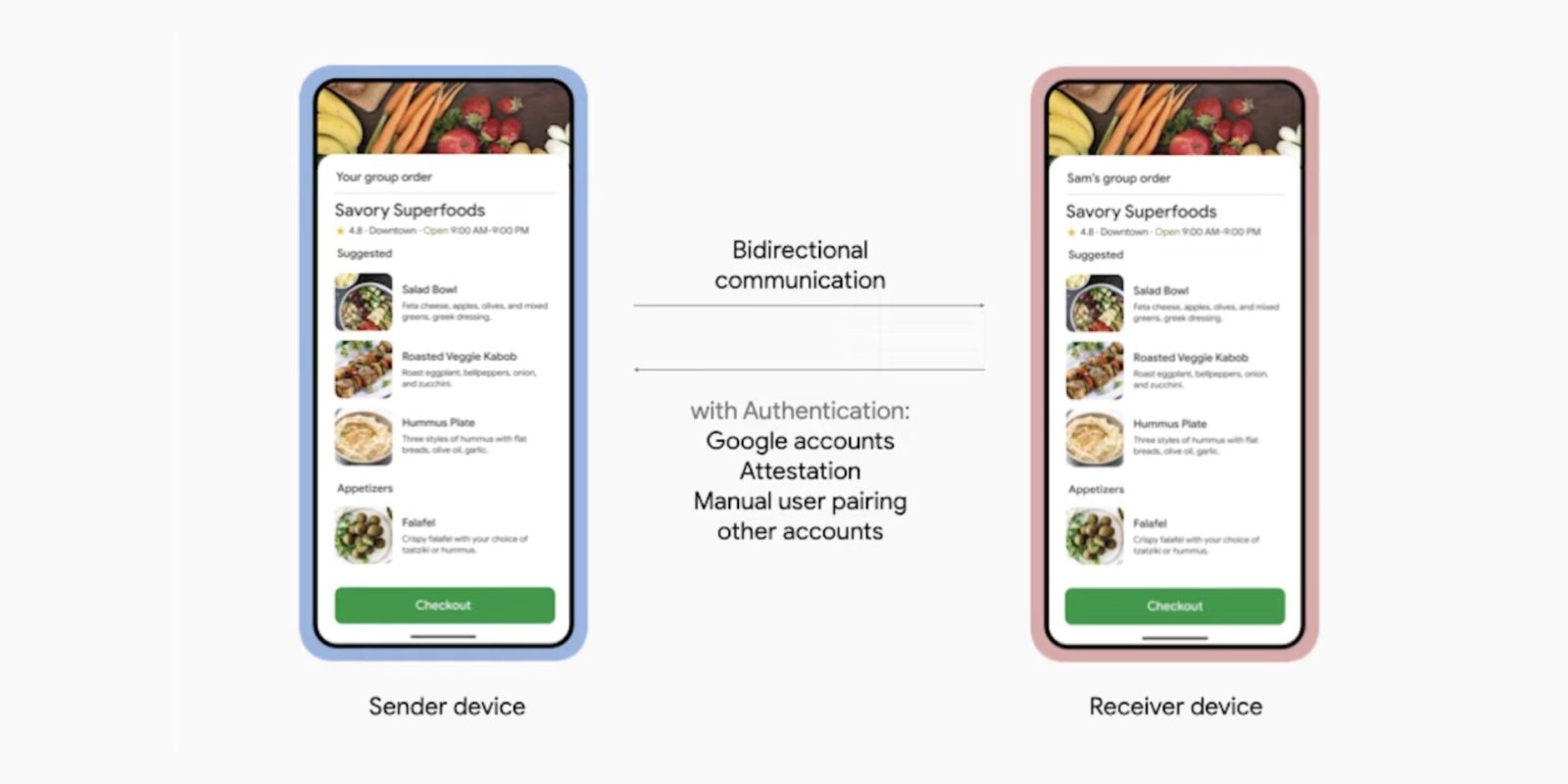
For the Android team, “Better Together” has been a persistent theme in announcements at CES and now I/O 2022. Besides cross-device experiences in its own products, Google wants to make it easy for third-party Android developers to build similar Nearby Share experiences in their apps.
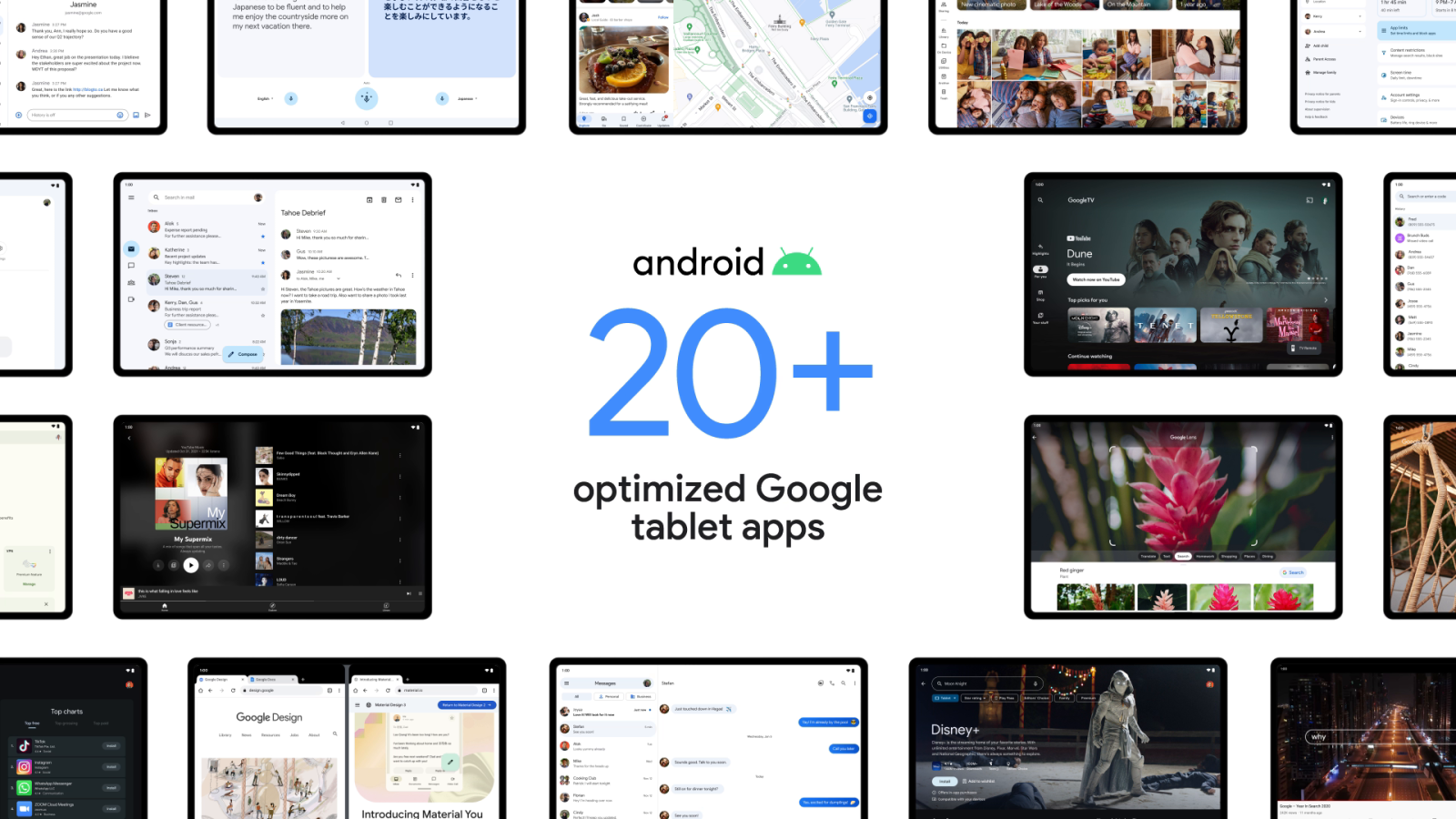
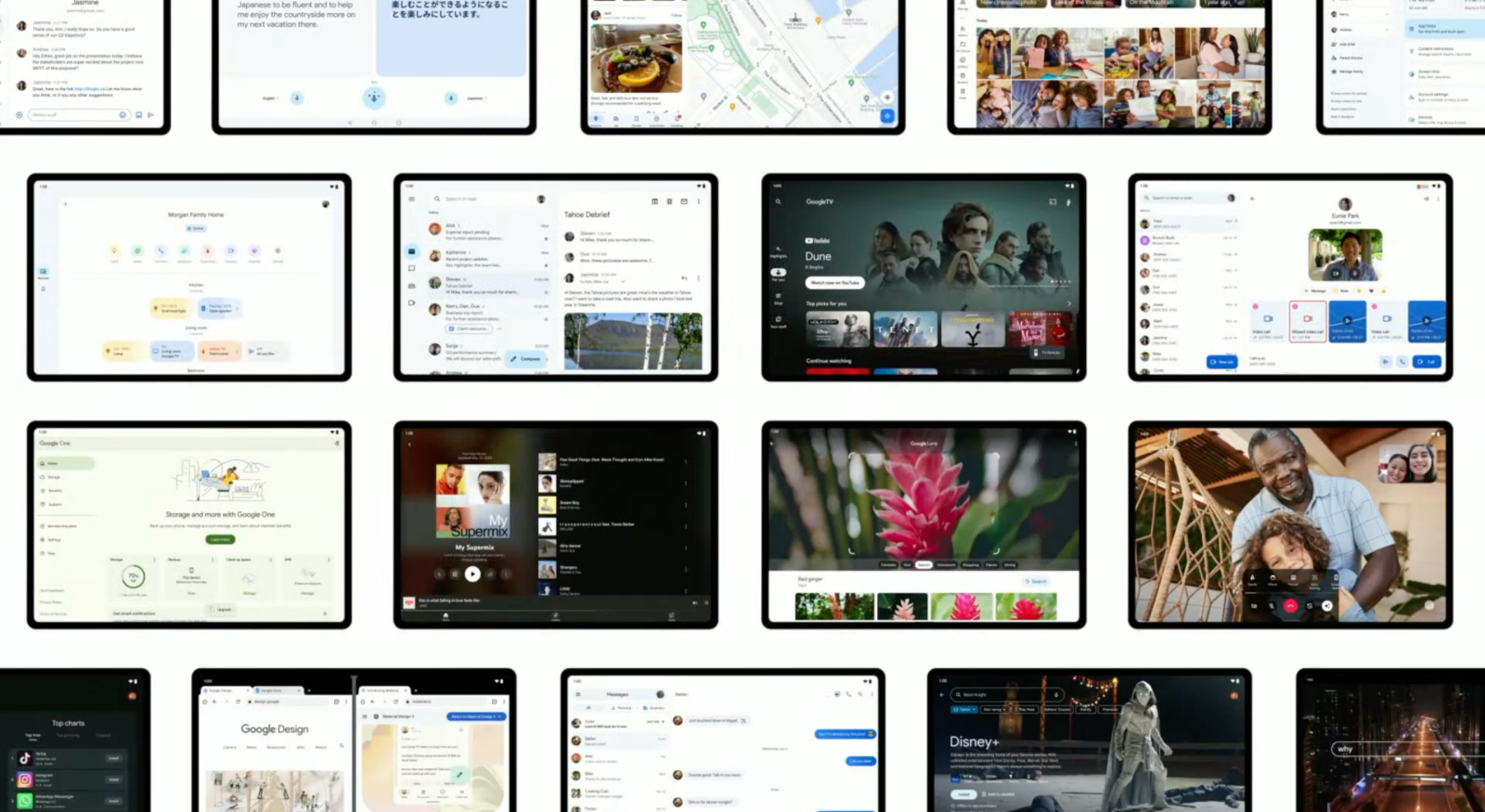
On stage at I/O 2022, Google announced that over 20 of its first-party apps will soon be optimized for large screens. Some were already previewed yesterday, and there’s now a look at how Google Clock and Calculator are being updated for their Android tablet redesigns.
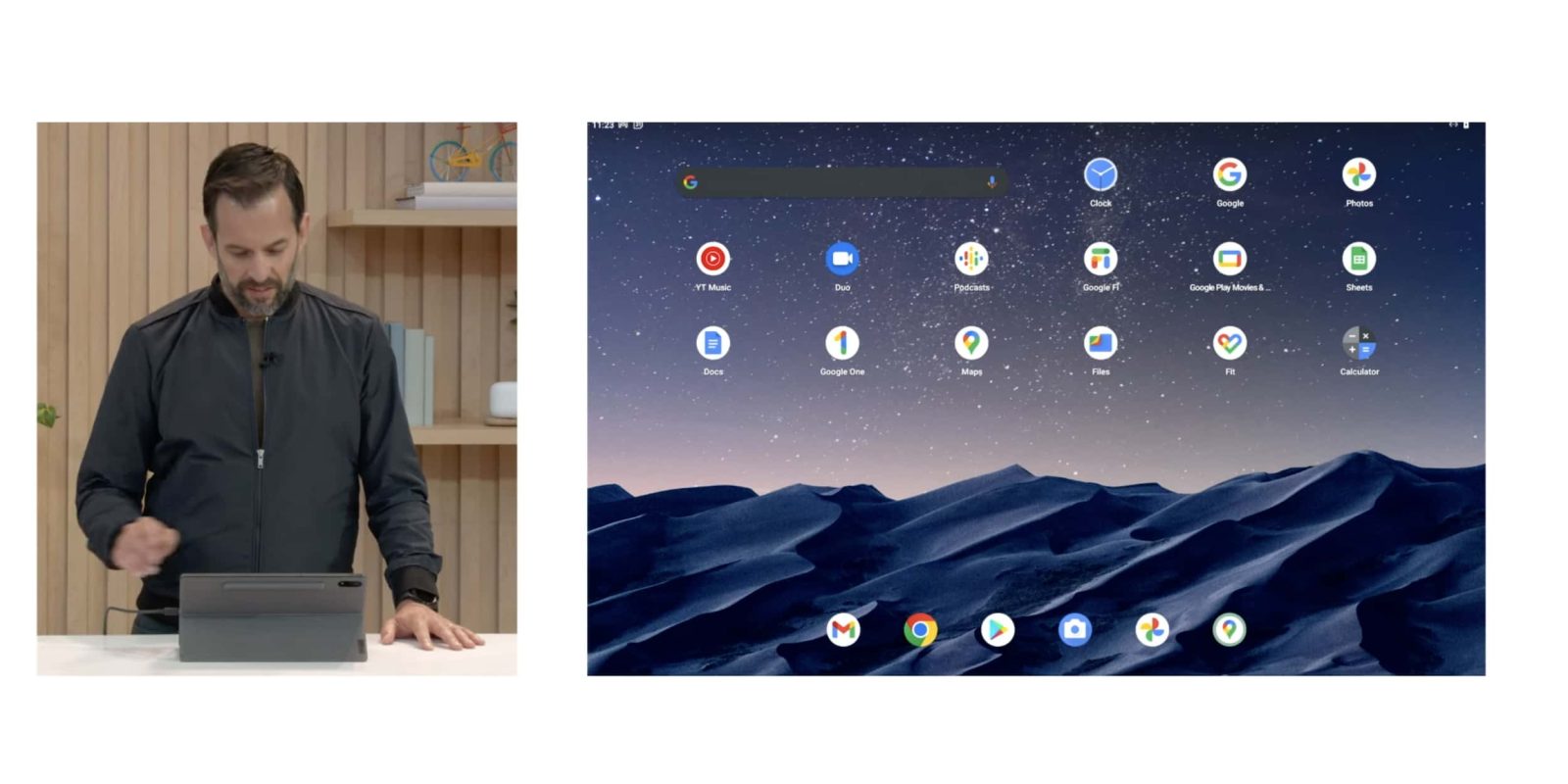
Like with 12L earlier this year, the Lenovo P12 Pro is now the first tablet to get Android 13 as part of a Developer Preview Program. That device, in its keyboard case, was used on stage by Google at I/O 2022 yesterday to demo large screen devices.
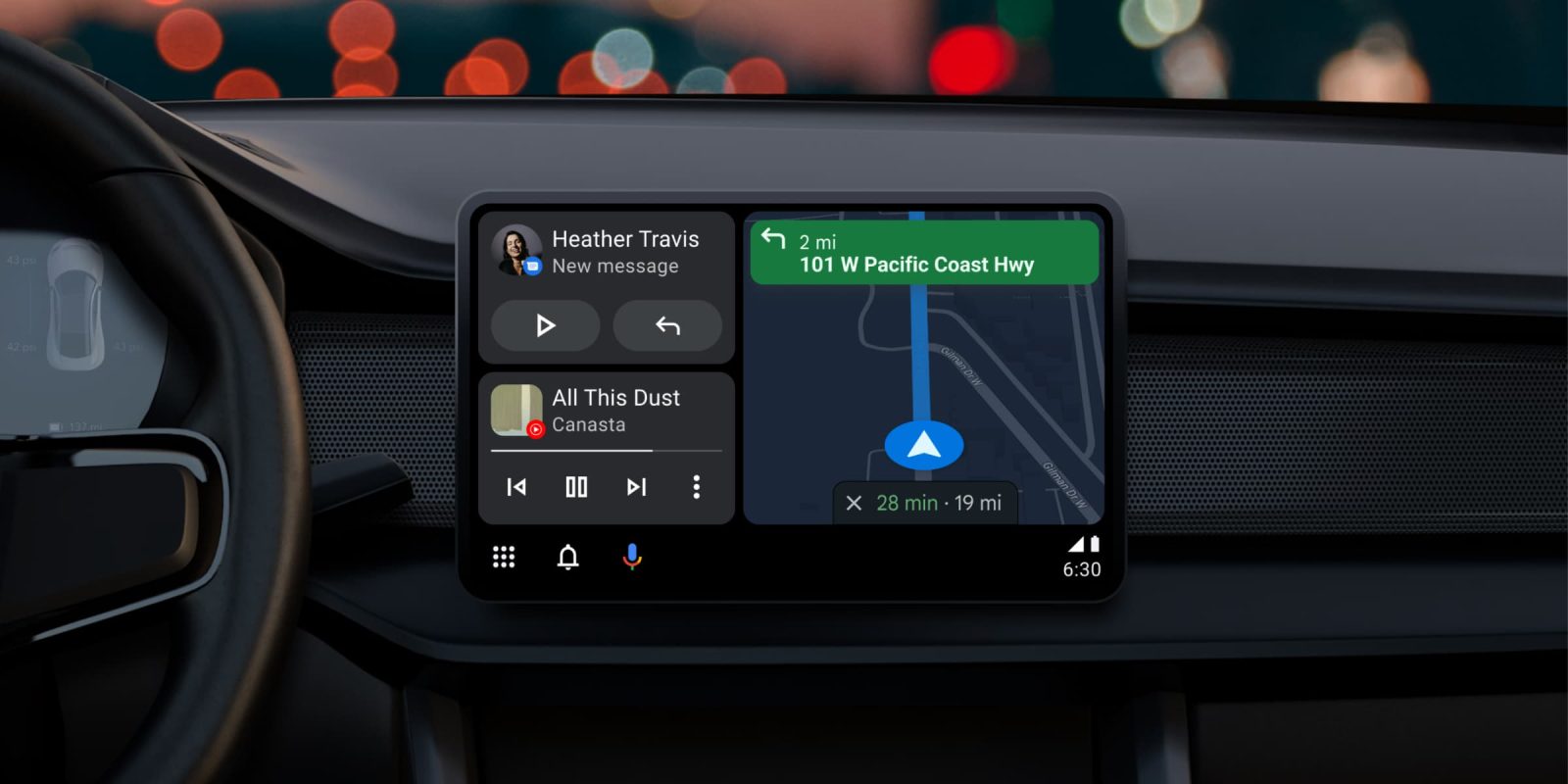
At Google I/O 2022, Android Auto is getting a split-screen mode that lets you always see navigation and media controls, while this redesign can adapt to any screen size and is particularly ideal for those with older cars that have smaller displays. It comes as Android Auto is now available on over 150 million cars worldwide.
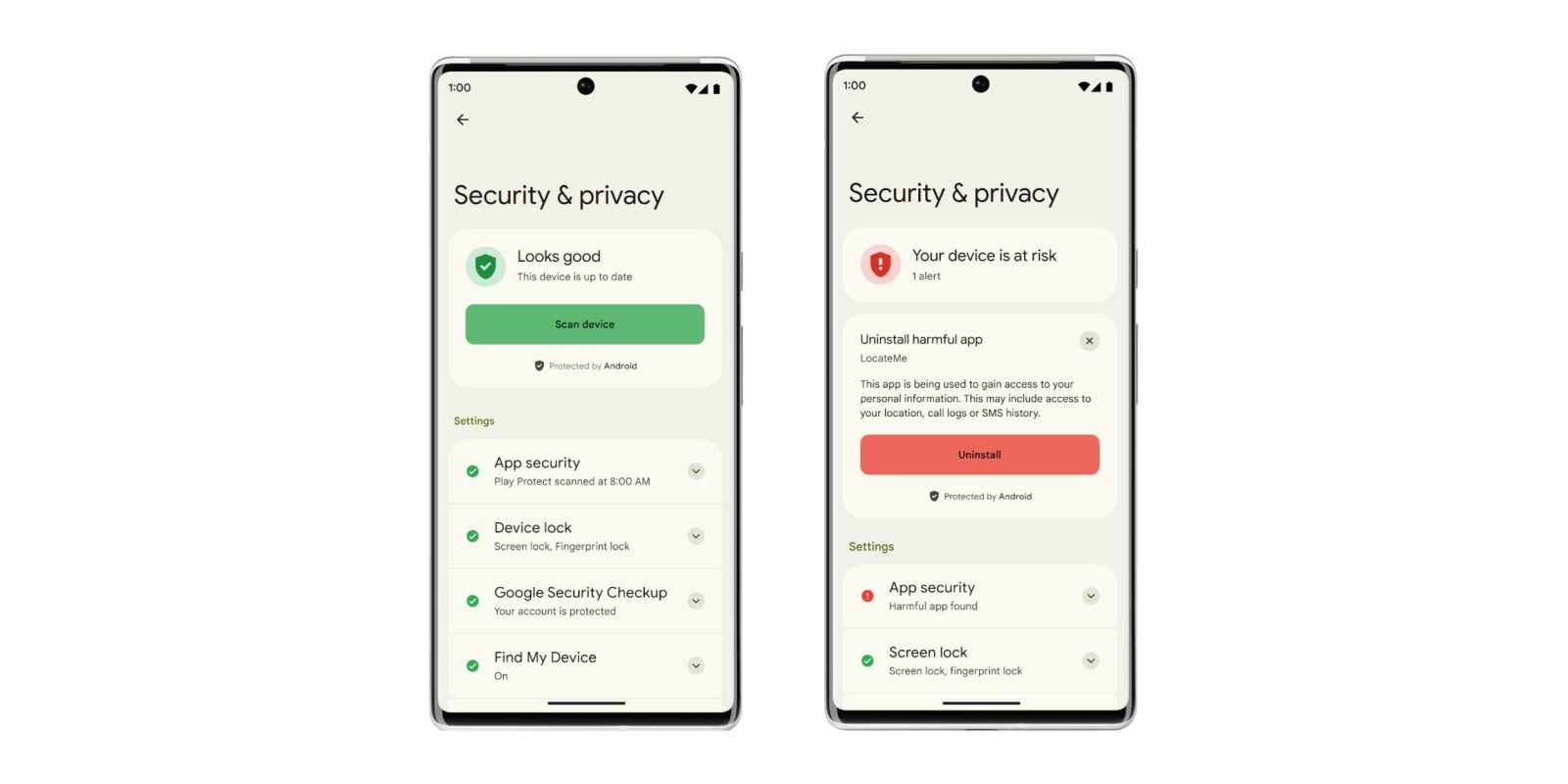
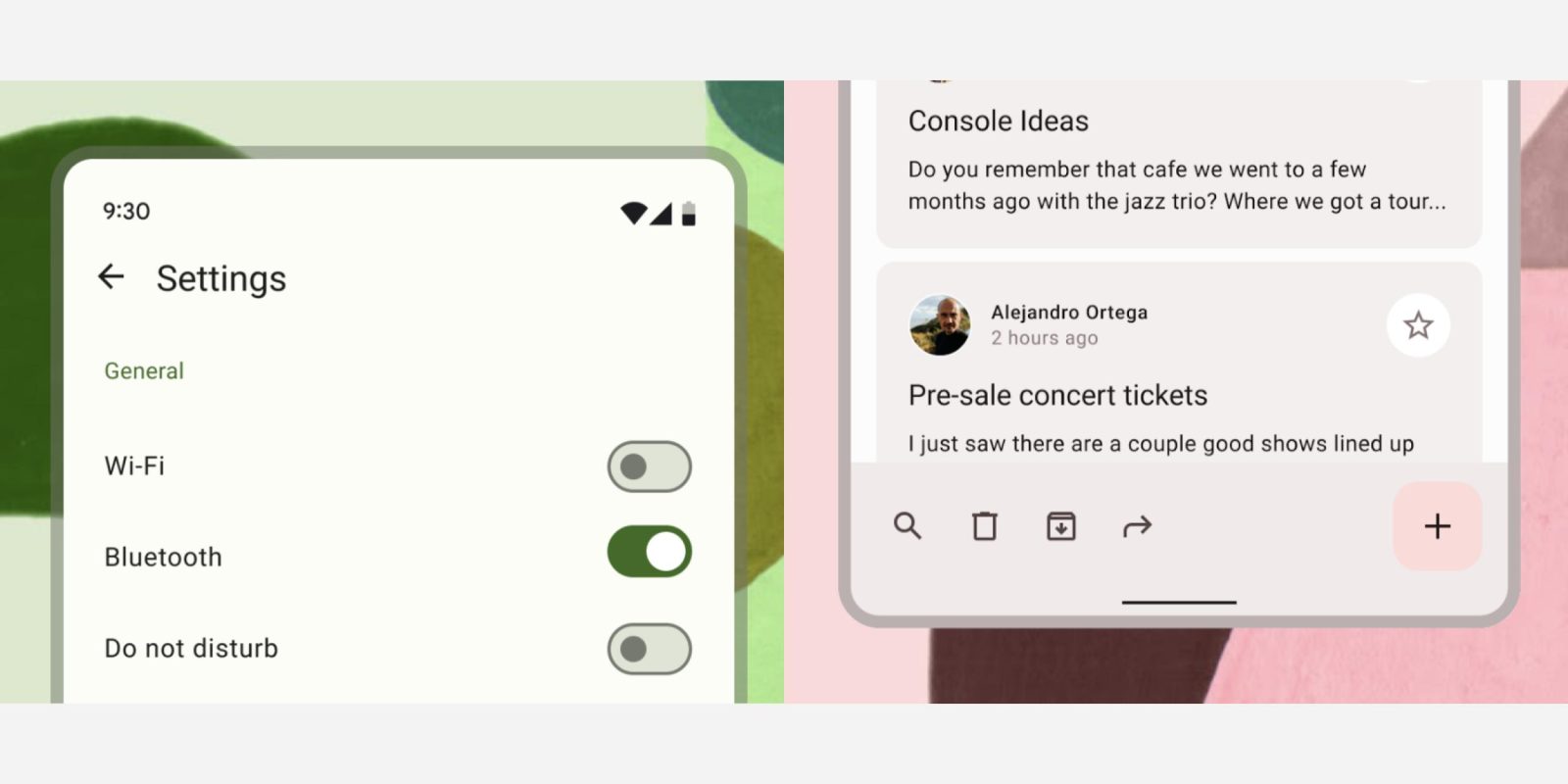
Google spent a portion of the Android 13 section at I/O 2022 talking about security and privacy, including how there will be a new consolidated settings page for just that.
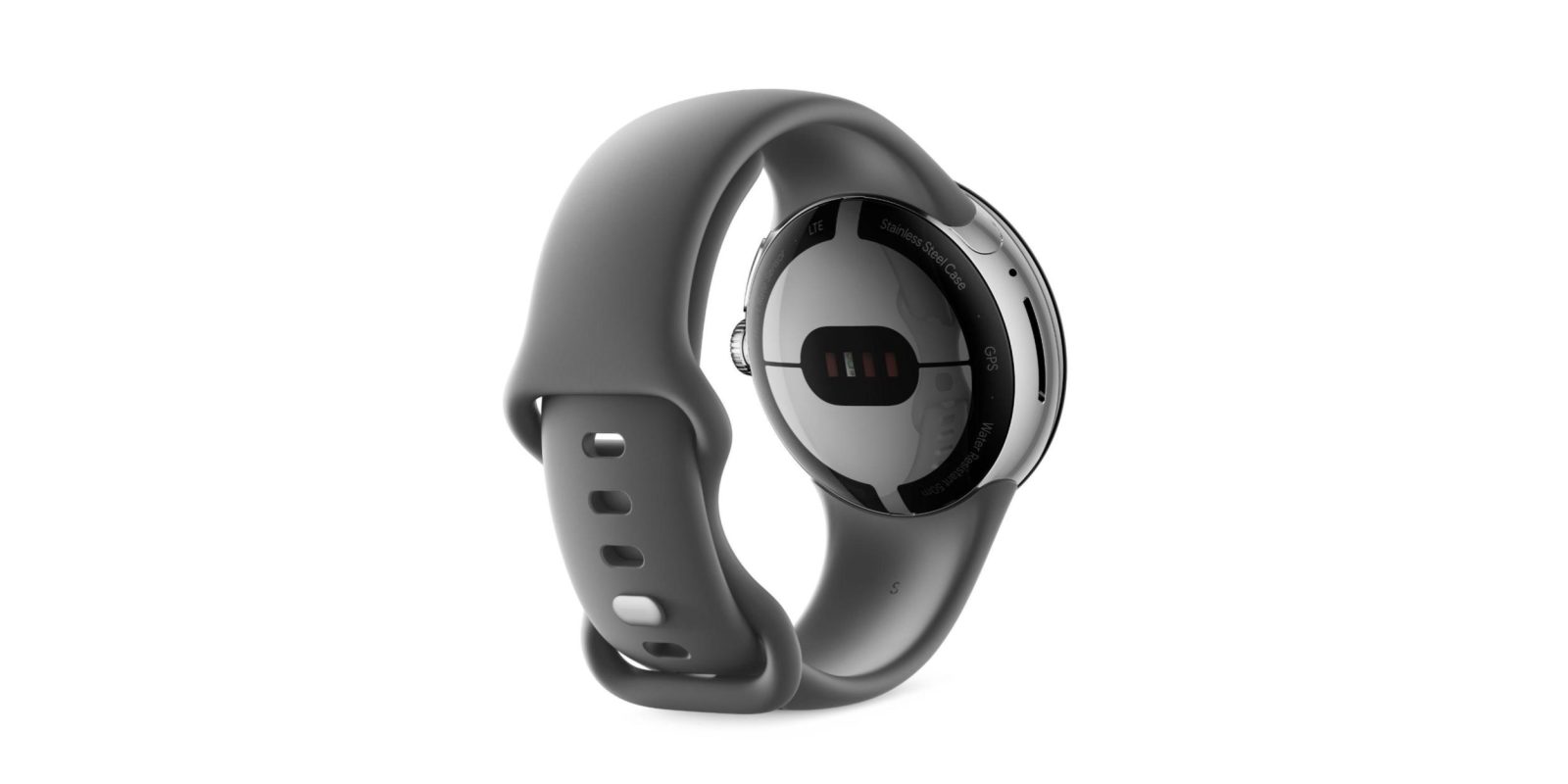
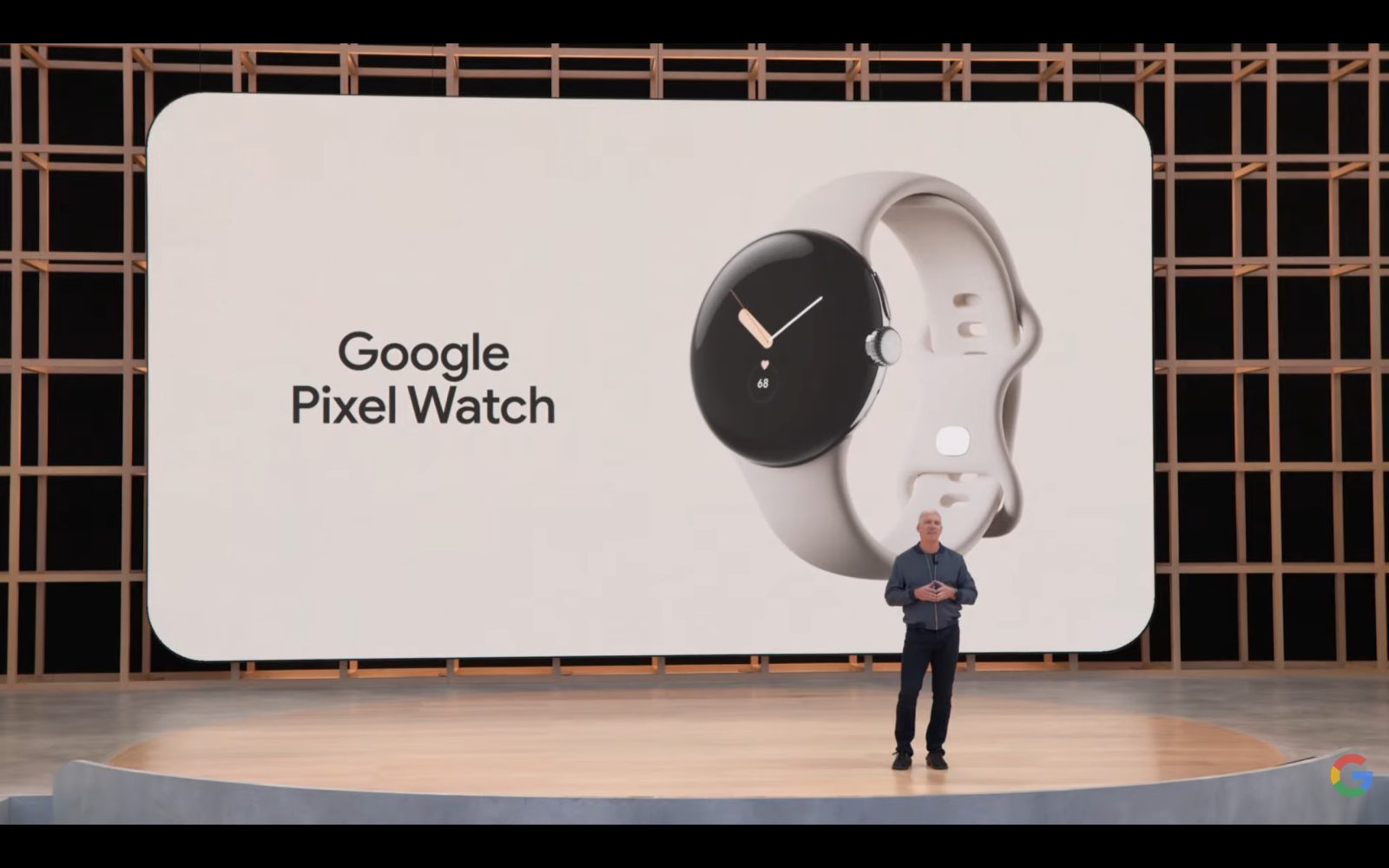
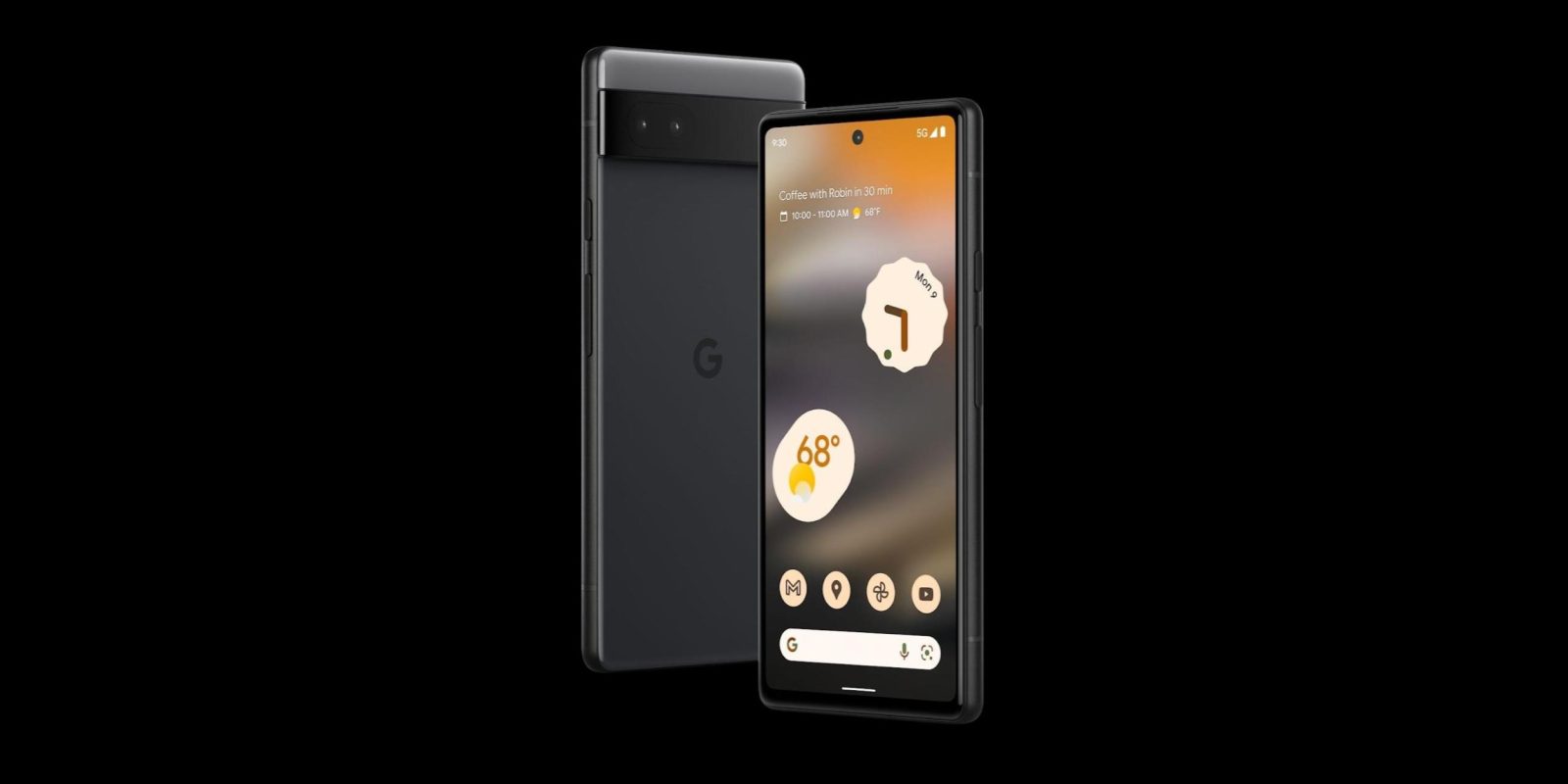
Google today previewed its first smartwatch ahead of a fall launch alongside the Pixel 7 and 7 Pro. In doing so, Google made note of how the Pixel Watch “requires an Android 8.0 or newer phone,” while foregoing any mention of iPhone support.
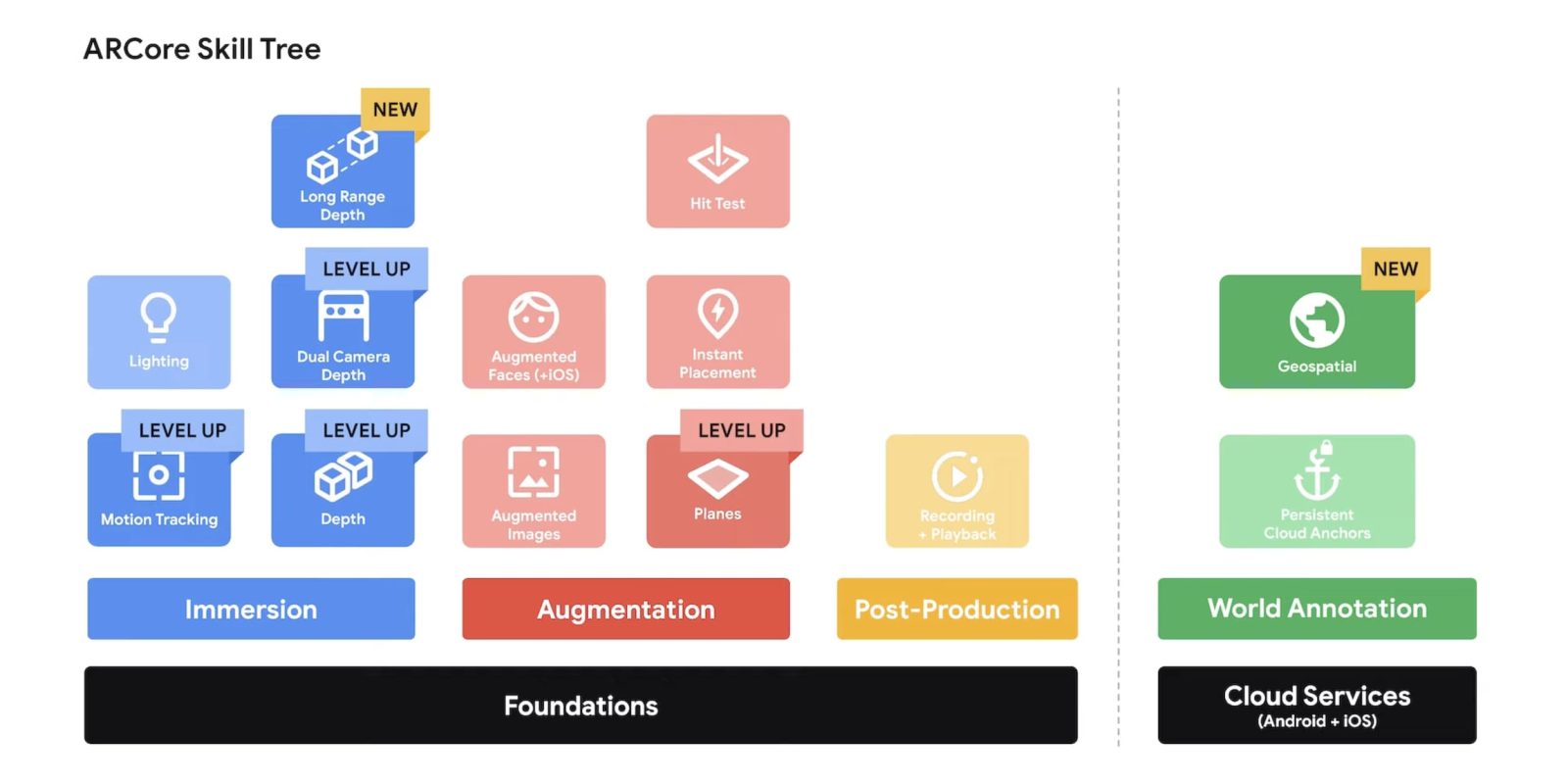
Google’s platform for mobile augmented reality is available on 1.2 billion Android devices today. At I/O 2022, ARCore is getting foundational improvements to make it work faster and more reliably on the Pixel 6 and in Google Maps Live View.
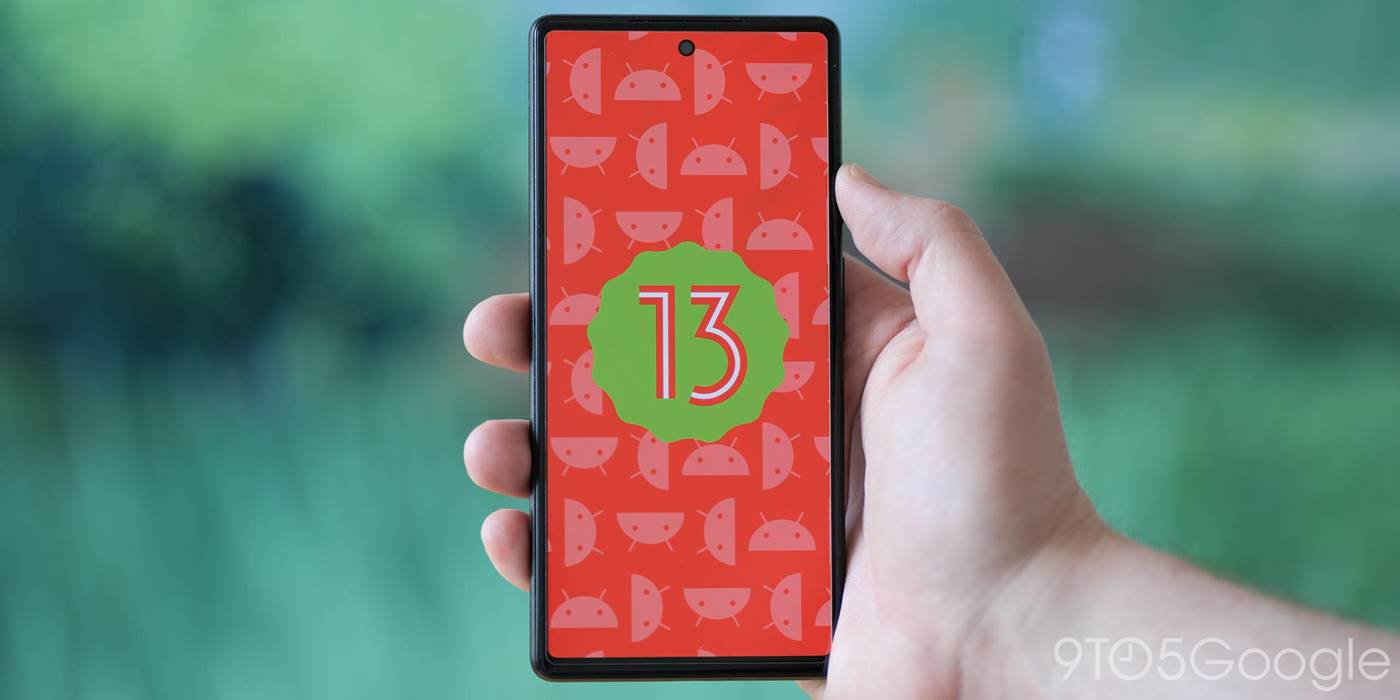
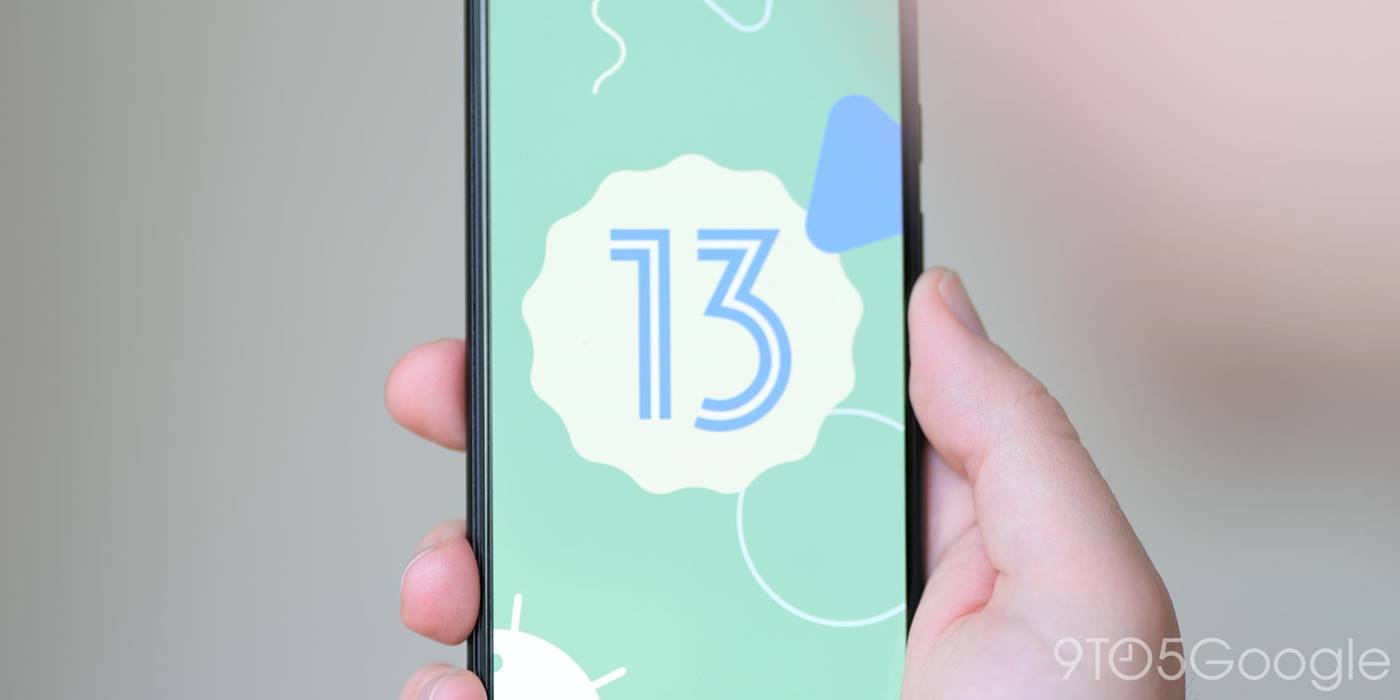
With the wider consumer preview starting earlier than usual this year, Android 13 Beta 2 is now here at I/O 2022 just over two weeks after the last update for Pixel phones.
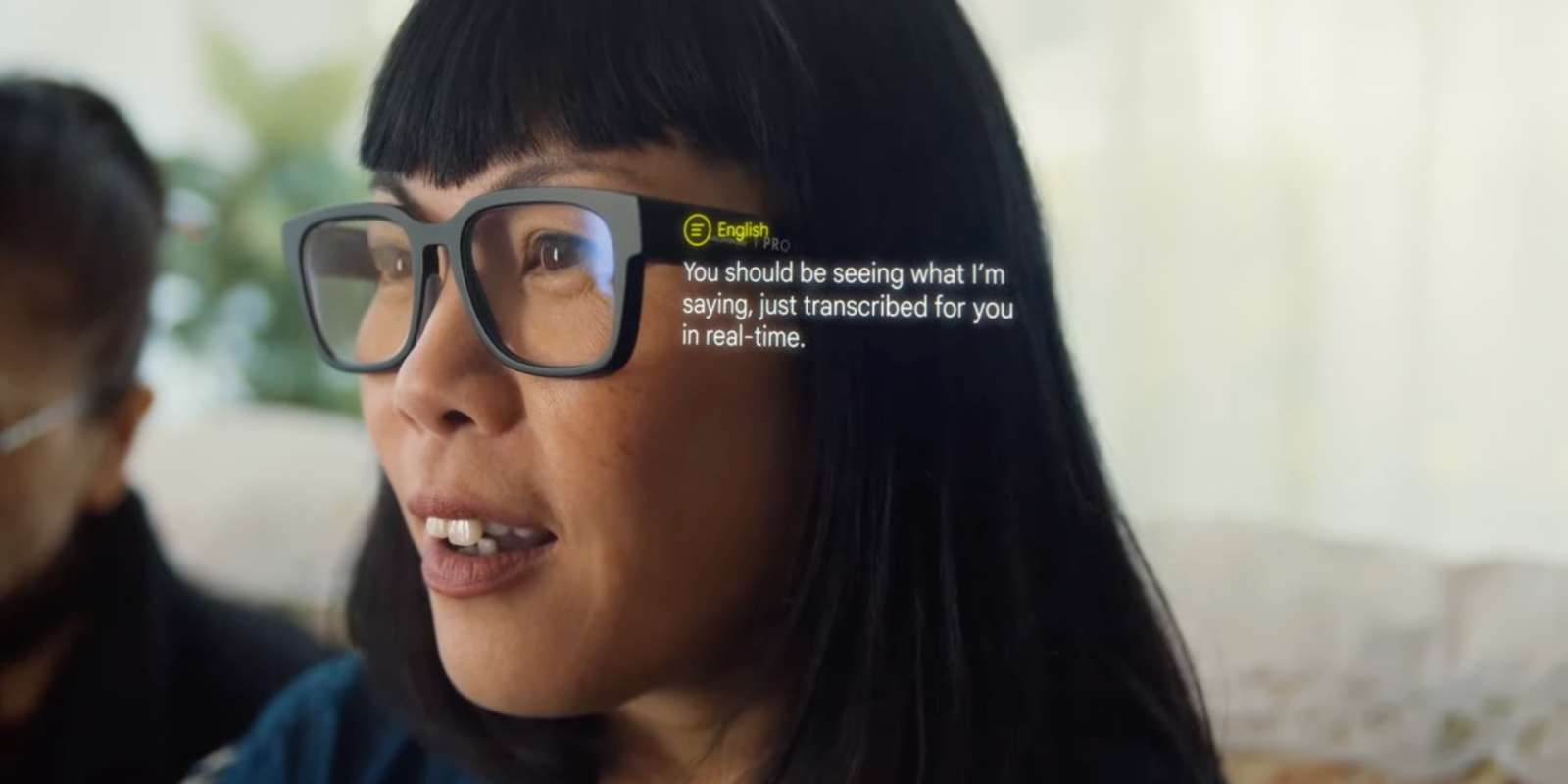
To close out I/O 2022, Sundar Pichai very surprisingly previewed Google’s upcoming augmented reality efforts for glasses, starting with AR language translation.
At I/O 2022, Google finally confirmed that it’s making the Pixel Watch. That said, we only got a teaser as it’s not coming until later this year with the Pixel 7.
To push tablets, Google said at I/O 2022 that it’s going to update many of its first-party apps for large screens. This includes YouTube Music, the Play Store, and Google TV.
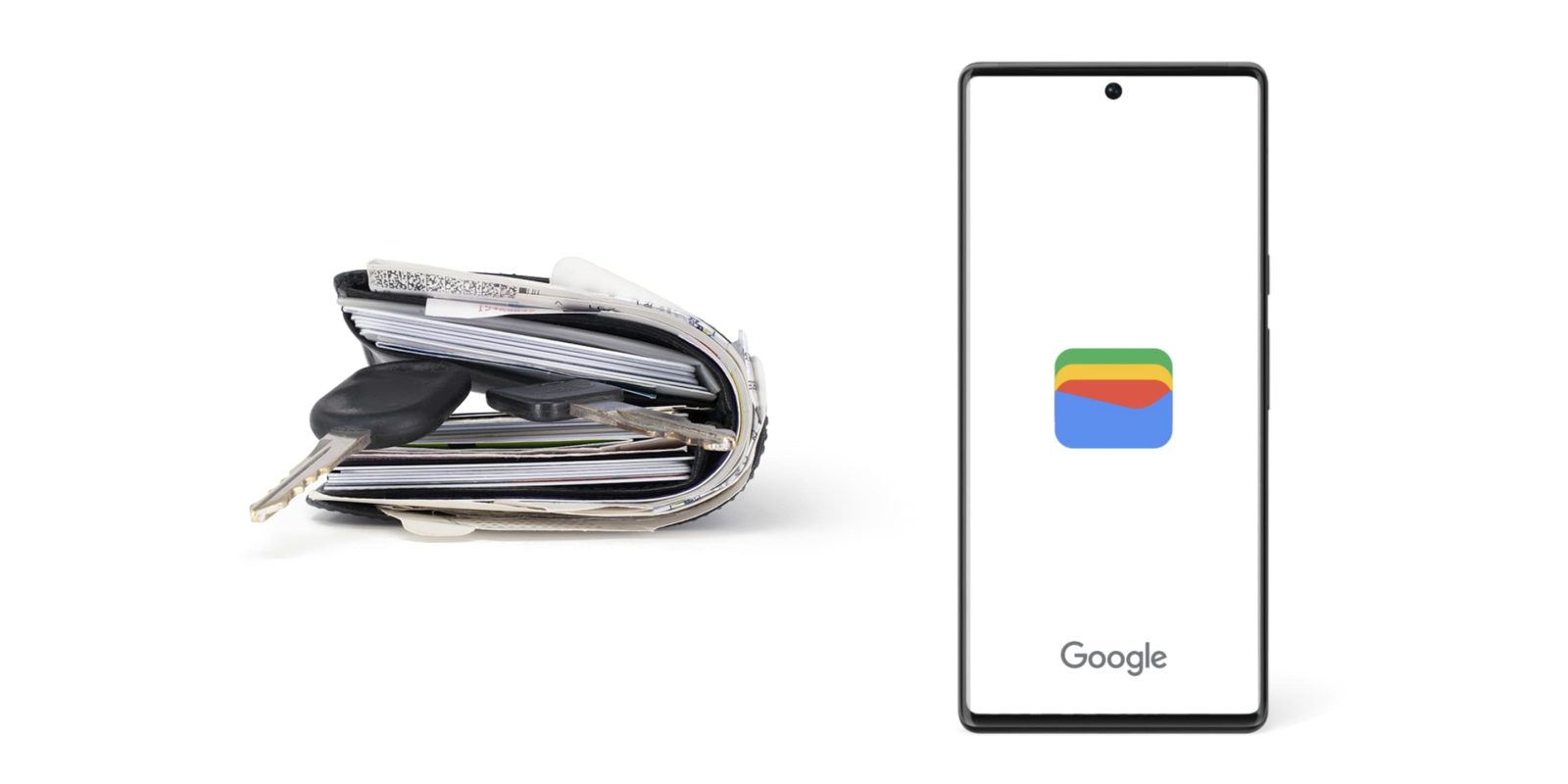
After its previous payments push (which involved modernizing banking and making it mobile-friendly) ended, Google is back with something a bit more straightforward but equally ambitious. Google Wallet will replace the old Google Pay app installed on your phone, and — if the company gets its way — your physical wallet, too.
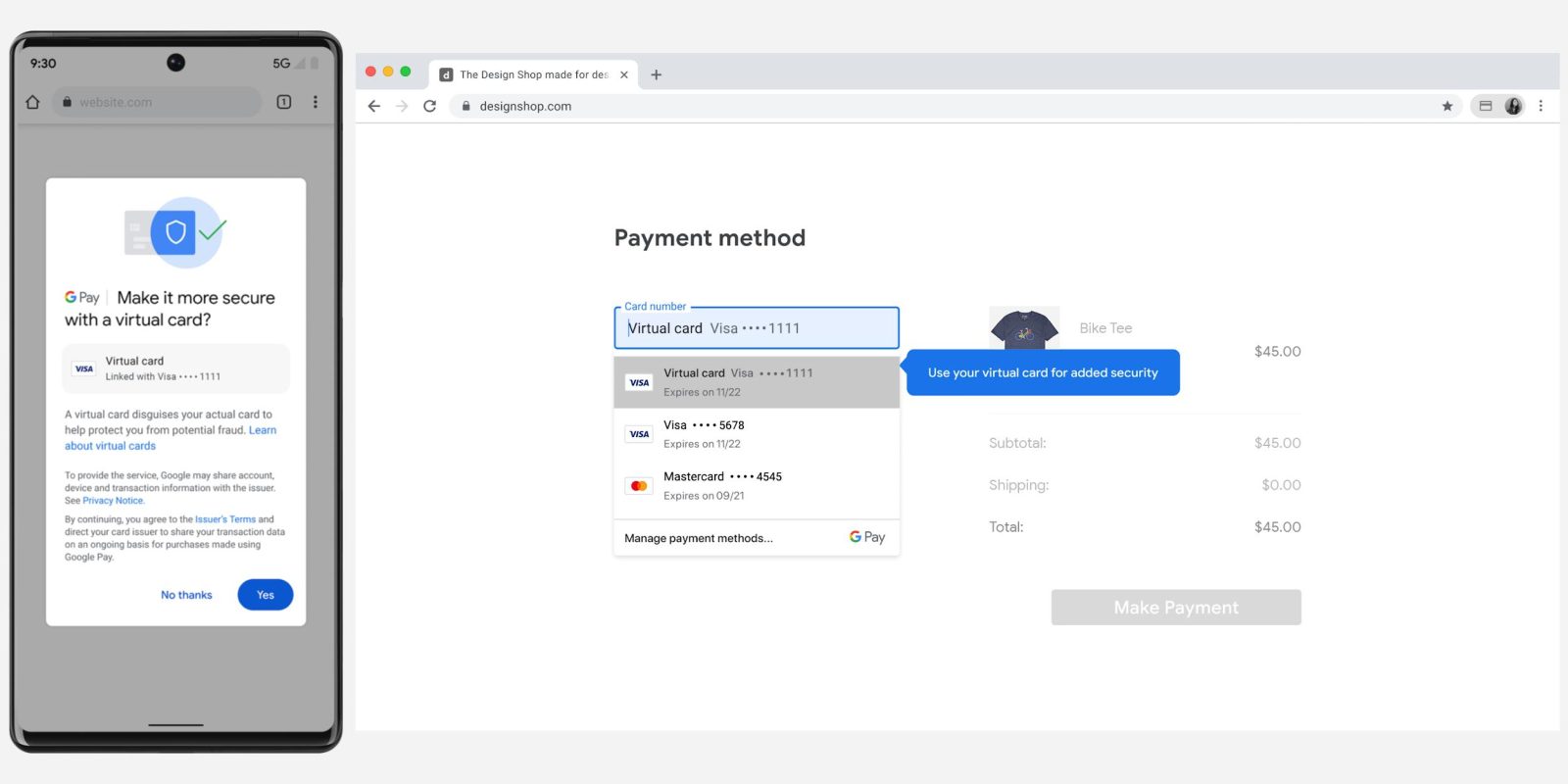
One of Google’s big payments and privacy announcements at I/O 2022 is a very convenient feature that masks your physical credit card with a virtual one when shopping online with Chrome.
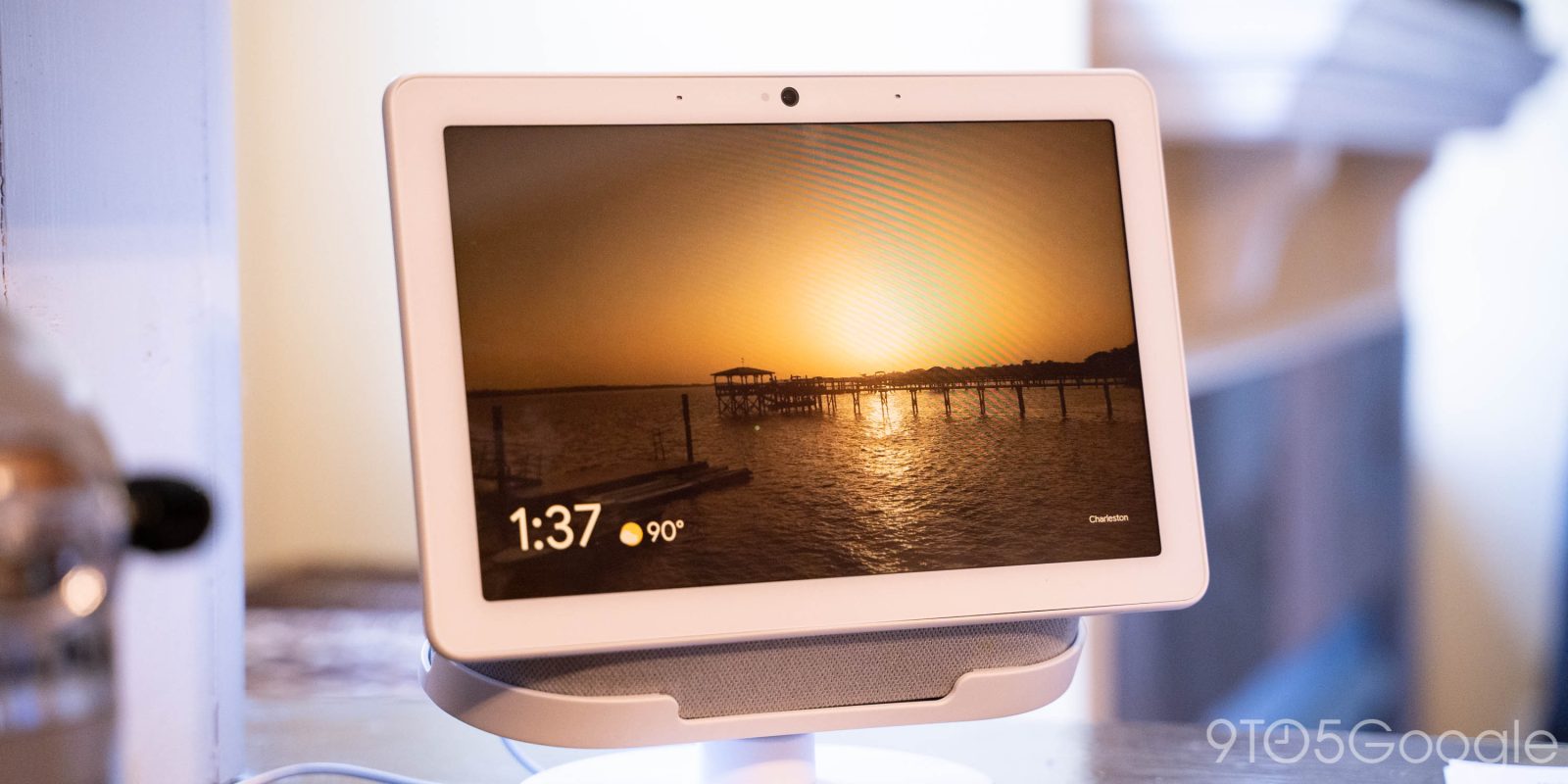
At I/O 2022, Google is giving a surprising amount of attention to the Assistant Smart Display that it announced three years ago on the very same stage. “Look and Talk” will let you activate Assistant by just gazing at your Nest Hub Max, while Quick Phrases is also coming to give you another way to skip “Hey Google.”
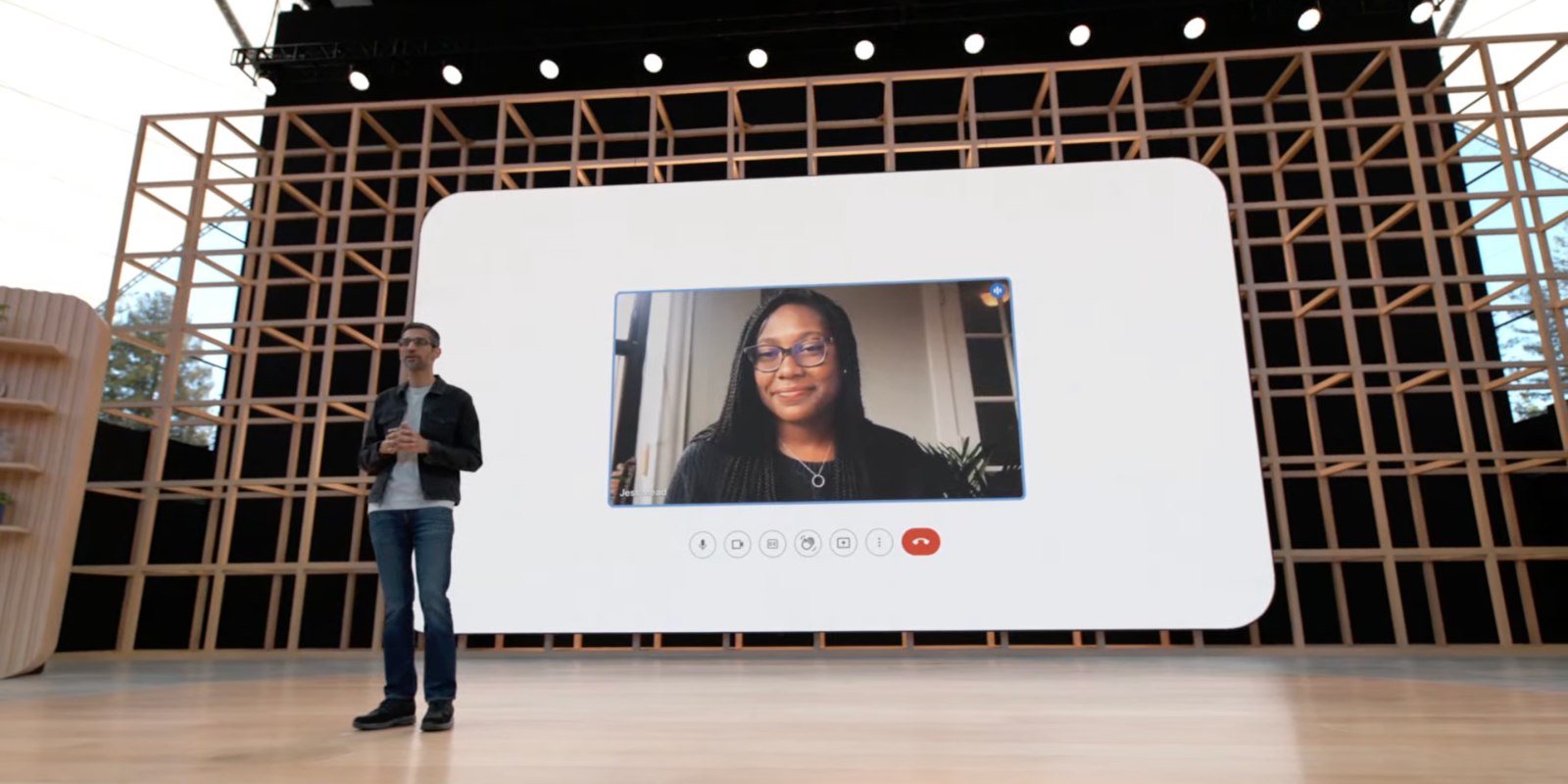
I/O 2022 kicks off today as Google’s biggest event of the year to highlight what’s new for both developers and end users. Expect feature announcements that will launch in the short term, as well as more future-facing capabilities that reflect the company’s AI vision. This year, Google returns to the Shoreline Amphitheater and a live audience of not just employees.
One of the ways Google Calendar supports hybrid work is by letting employees note their working locations, and an upcoming tweak will make that UI less obtrusive.
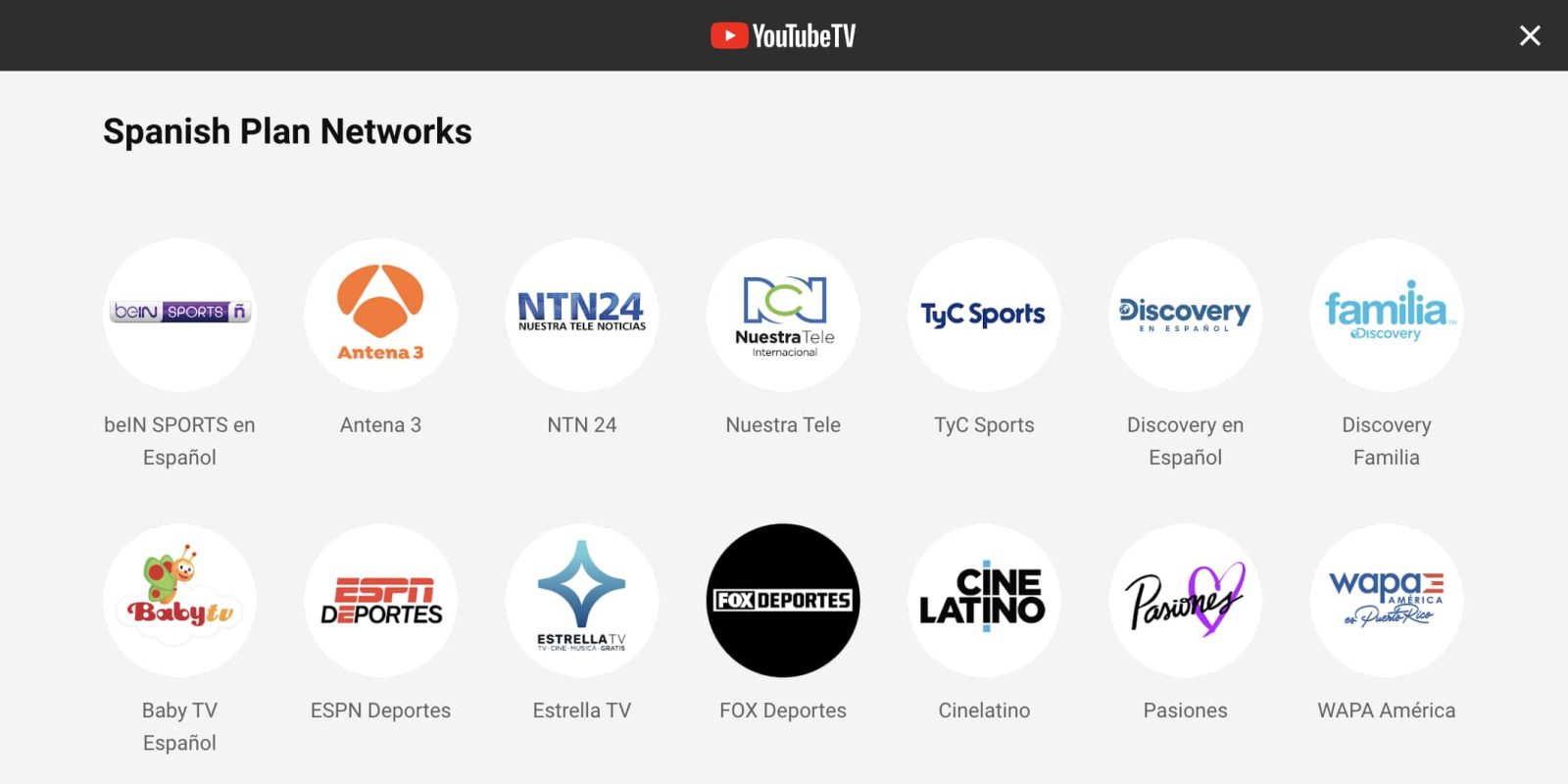
Historically, Google’s cord-cutting service has required that you subscribe to the ballooning — both in price and channels — “Base Plan.” That’s starting to change as YouTube TV now offers a separate “Spanish Plan.”
With I/O 2022 kicking off tomorrow, we’re taking a look at the state of Google products before the big event. The surprising takeaway is that many of Google’s consumer-facing apps and services have already seen major updates in recent months.