Abner Li has worked at 9to5Google since 2015 and in late 2020 took on the role of editor-in-chief. He is keenly focused on tracking what happens at Google, and is often the first to spot new features in Google’s ever-growing family of applications that are updated on a daily basis, including Search, Assistant, Maps, Workspace, Android, Chrome/OS, Wear OS, and YouTube Music.
To him, what Google does greatly impacts the technology space and modern life. Inside the company, he is particularly interested in the key products mentioned above, as well as services like Google Podcasts and Google Lens. Each are massive platforms that can be unwieldy to grasp, with Abner keenly bent on understanding their philosophy and future direction. He is most excited about Google’s plans for augmented reality glasses.
Abner spearheads the APK Insight program at 9to5Google to chronicle all changes in the company’s Android apps, often finding new features before they are officially announced. This includes redesigns and revamps, launches, and new products.
Most Chrome features these days are rolled out via server-side updates instead of browser updates. One such example of that is a small tweak to the autofill popup in desktop Chrome that greatly improves usability when filling out forms.
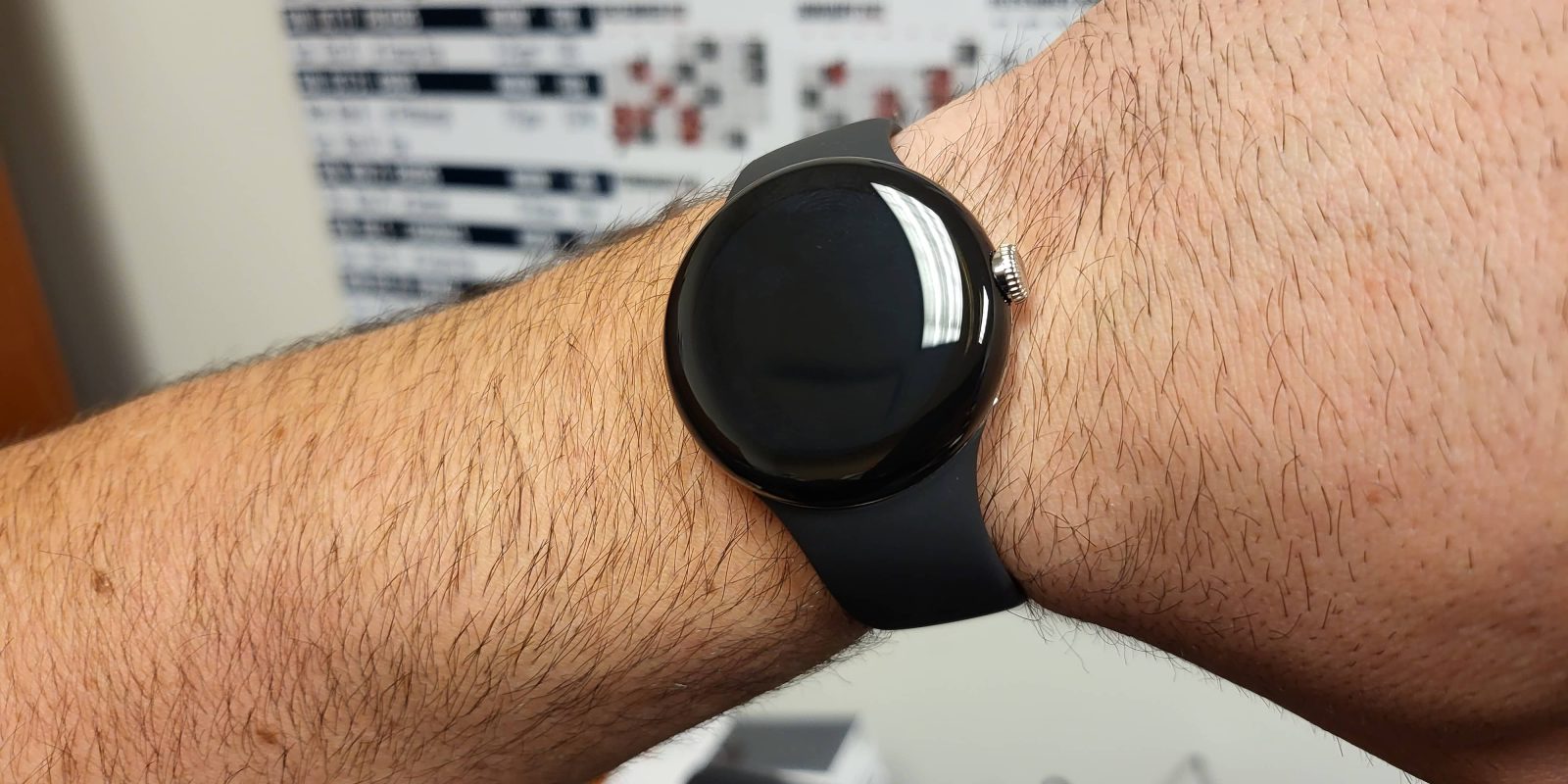
The last few days of Pixel Watch leaks have been solely focused on the pebble-shaped puck, but we now have a look at the Google-made band and several shots of the wearable actually being worn on a wrist.
After touting a “quarterly sales record” during the last earnings call, Sundar Pichai saidtoday that the Pixel 6 is the “fastest selling Pixel ever.” The Alphabet CEO also teased more hardware and Android announcements for I/O 2022.
Alphabet today announced Q1 2022 earnings with $68.01 billion in revenue. These numbers range from January to March, and kick off the company’s fiscal year.
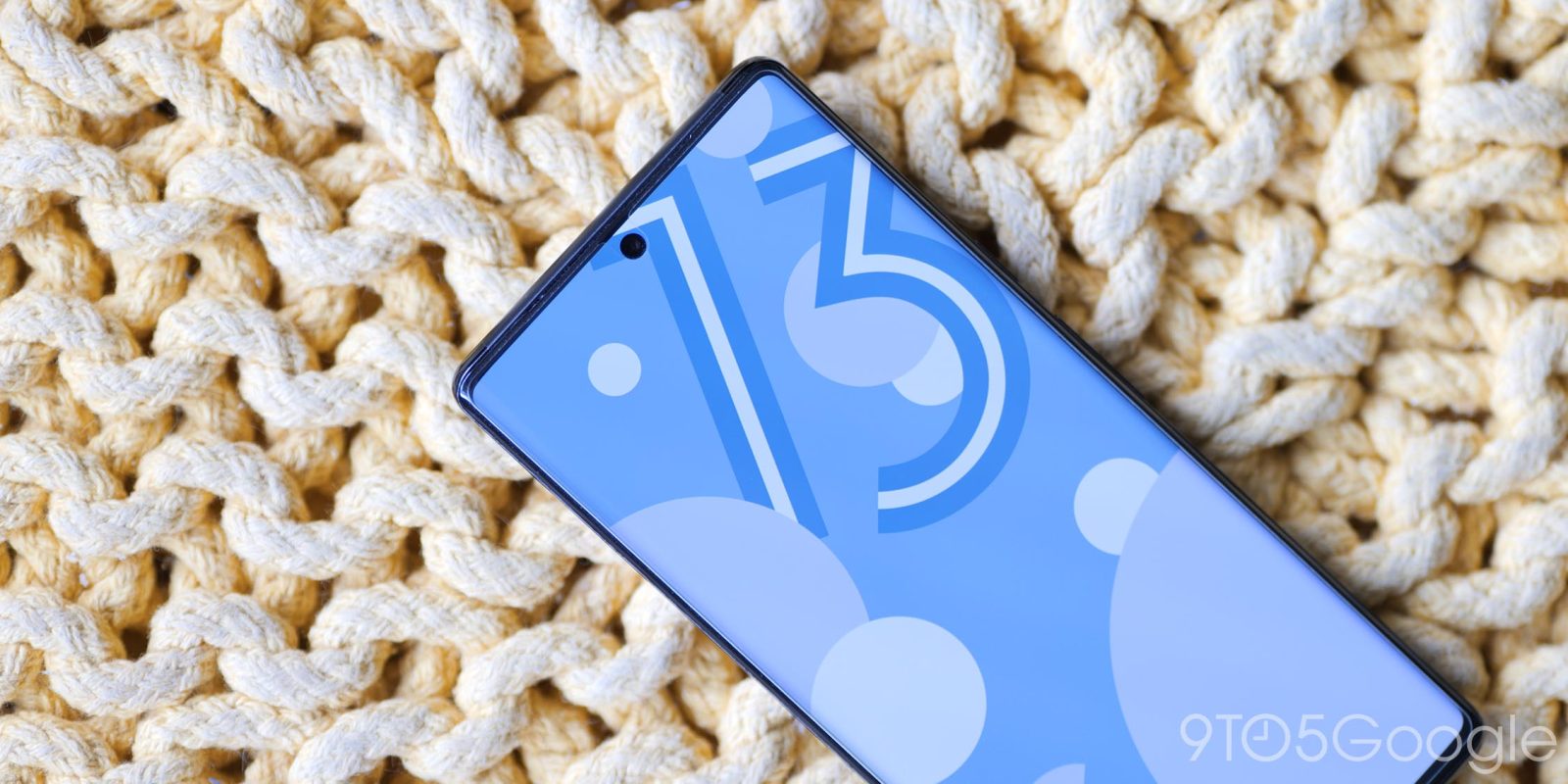
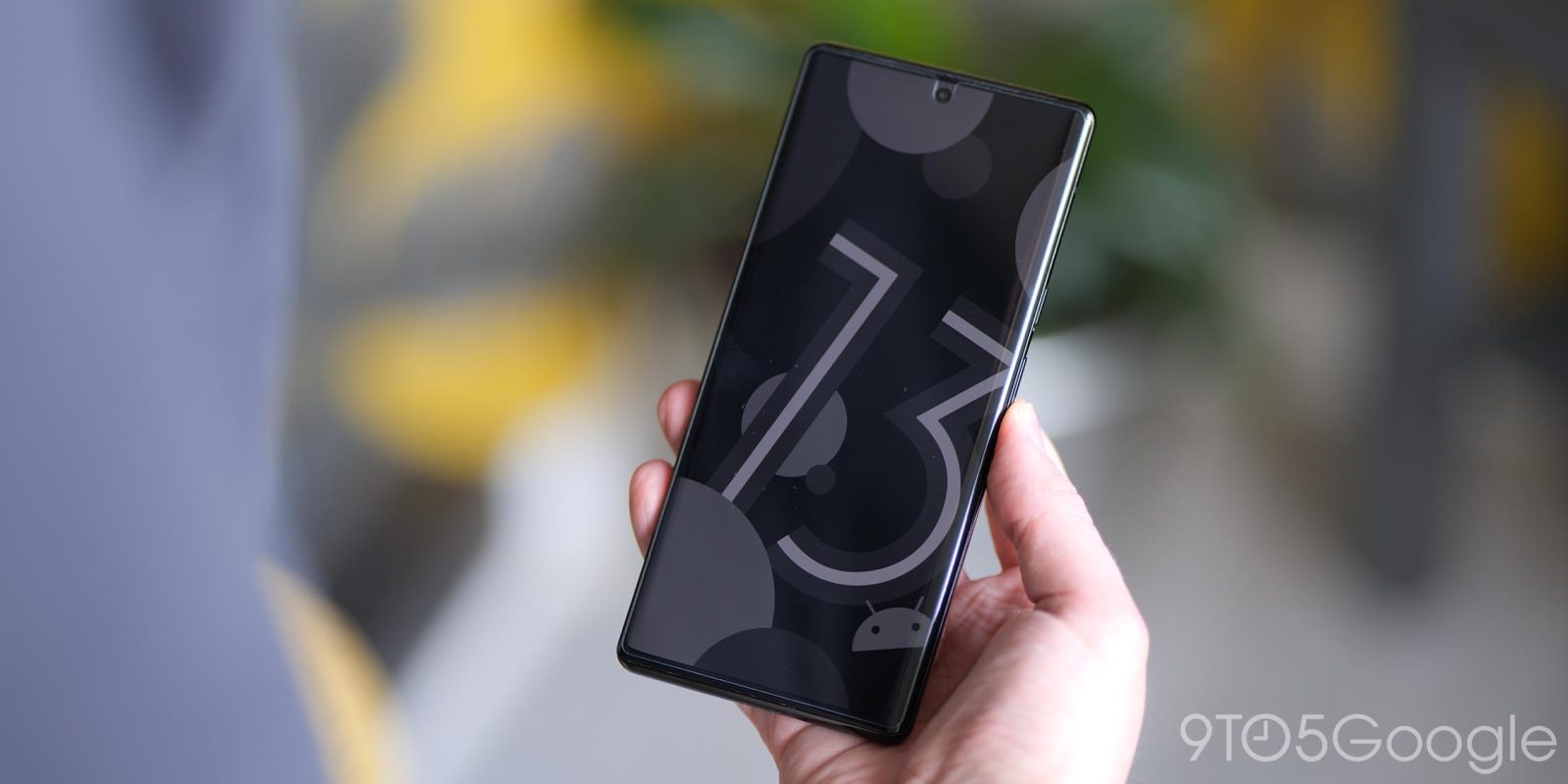
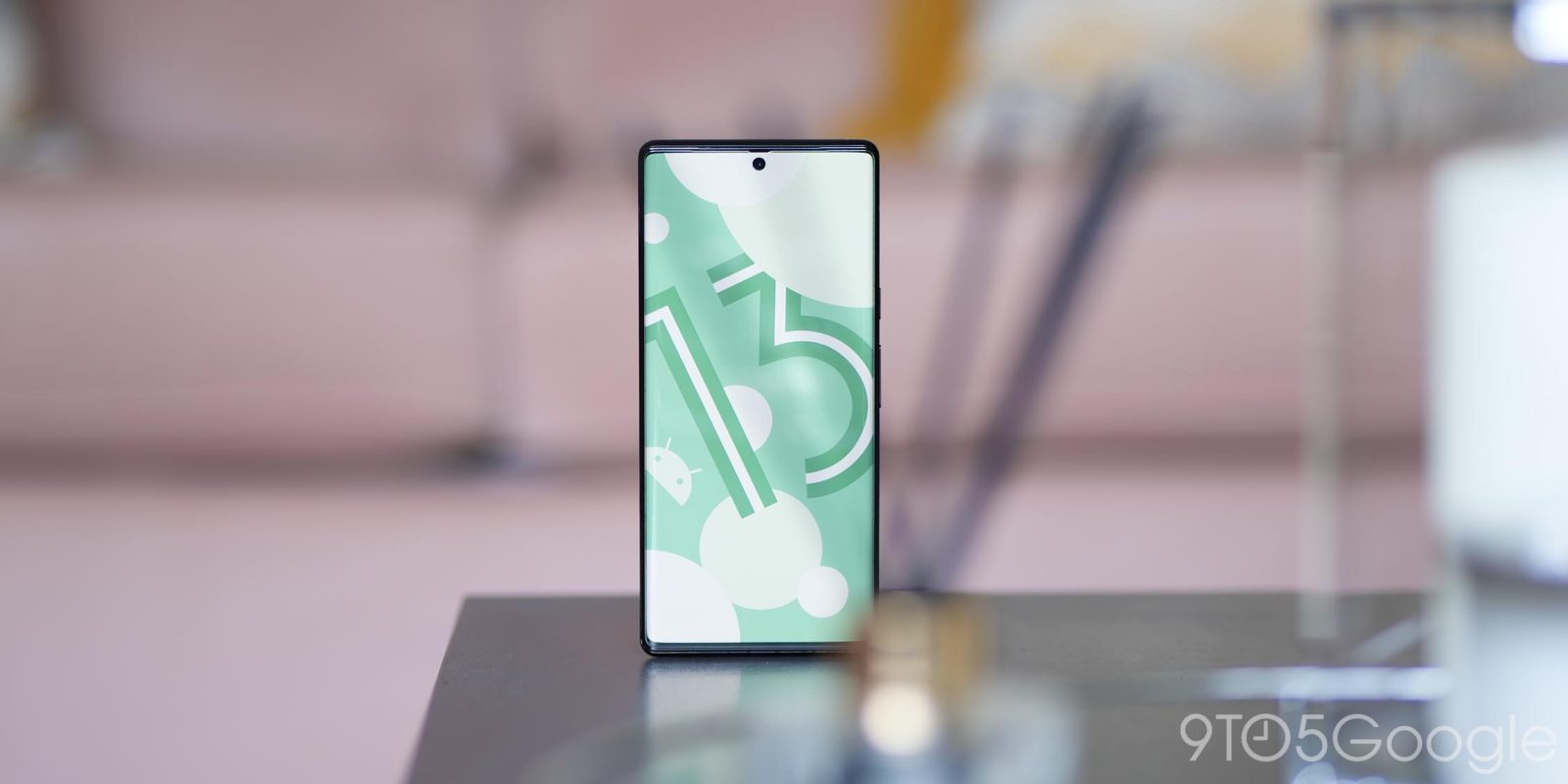
Beta 1 of Android 13 is available today and will be most people’s introduction to Google’s next major OS version. We’re diving into today’s release of Android 13 Beta 1 to find what new features have been added.
Today marks the first time that Google is running two Android Beta Programs simultaneously. Those running Android 12 QPR3 Beta 2 on their Pixel do not have to wipe their device to get Android 13 Beta 1.
Google usually launches the first beta of the next major version of Android at I/O in May. The cycle this year has been accelerated and Android 13 Beta 1 is rolling out earlier than normal for Pixel phones today. The install process is now just a simple opt-in, but there’s one thing existing QPR3 Beta users should watch out for to avoid wiping their device.
Just over a year ago, Google and T-Mobile (in the US) announced that they were working together on Pixel, RCS, and YouTube TV. Google One is also part of the partnership and T-Mobile customers will soon be able to pay $15 per month for Unlimited Google Photos backup.
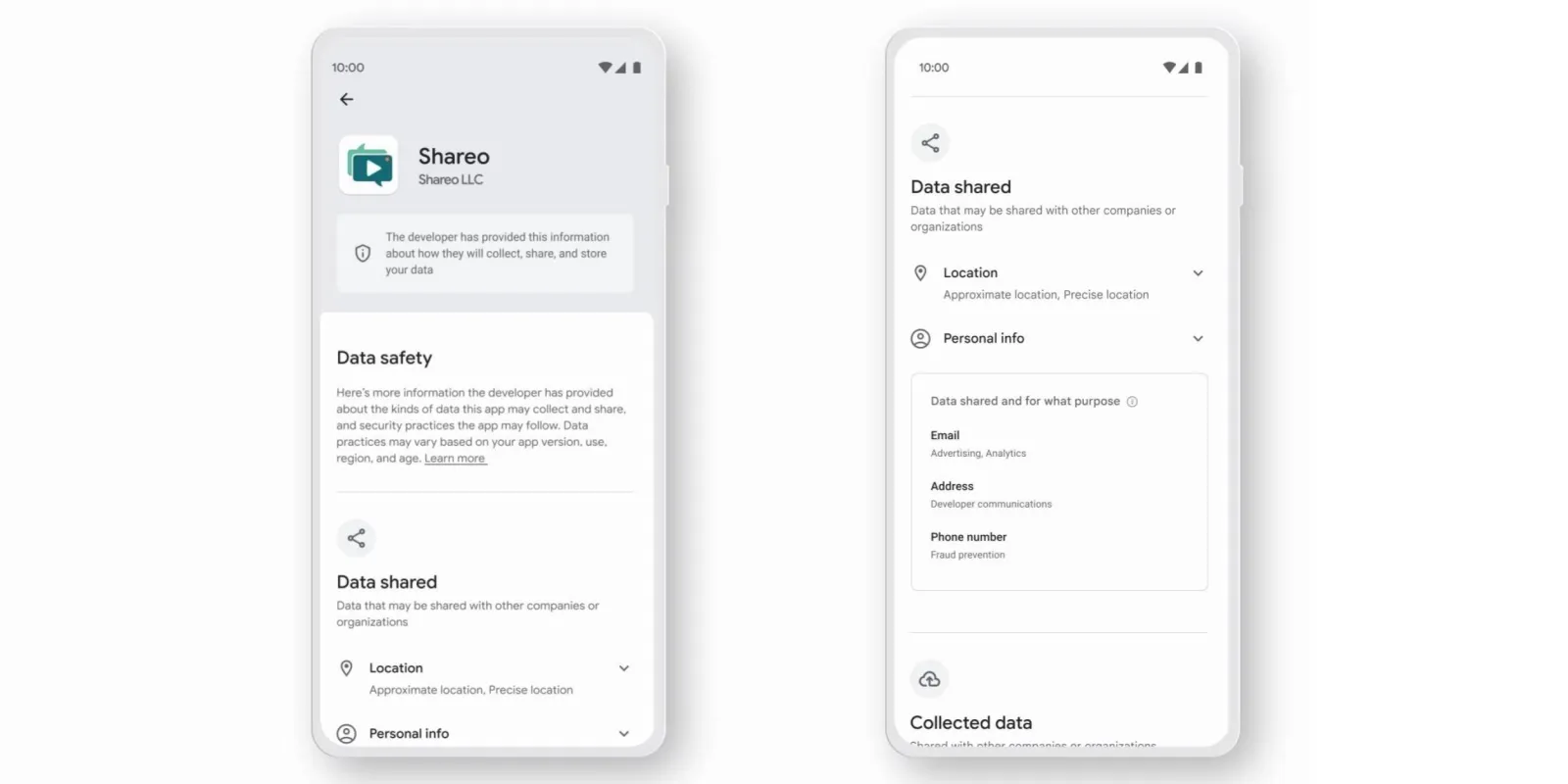
Google announced that the Play Store was getting a “Data safety” section last May, and it’s now beginning to roll out after a brief delay. The new section will be fully available over the coming weeks, and full developer adoption is set for July.
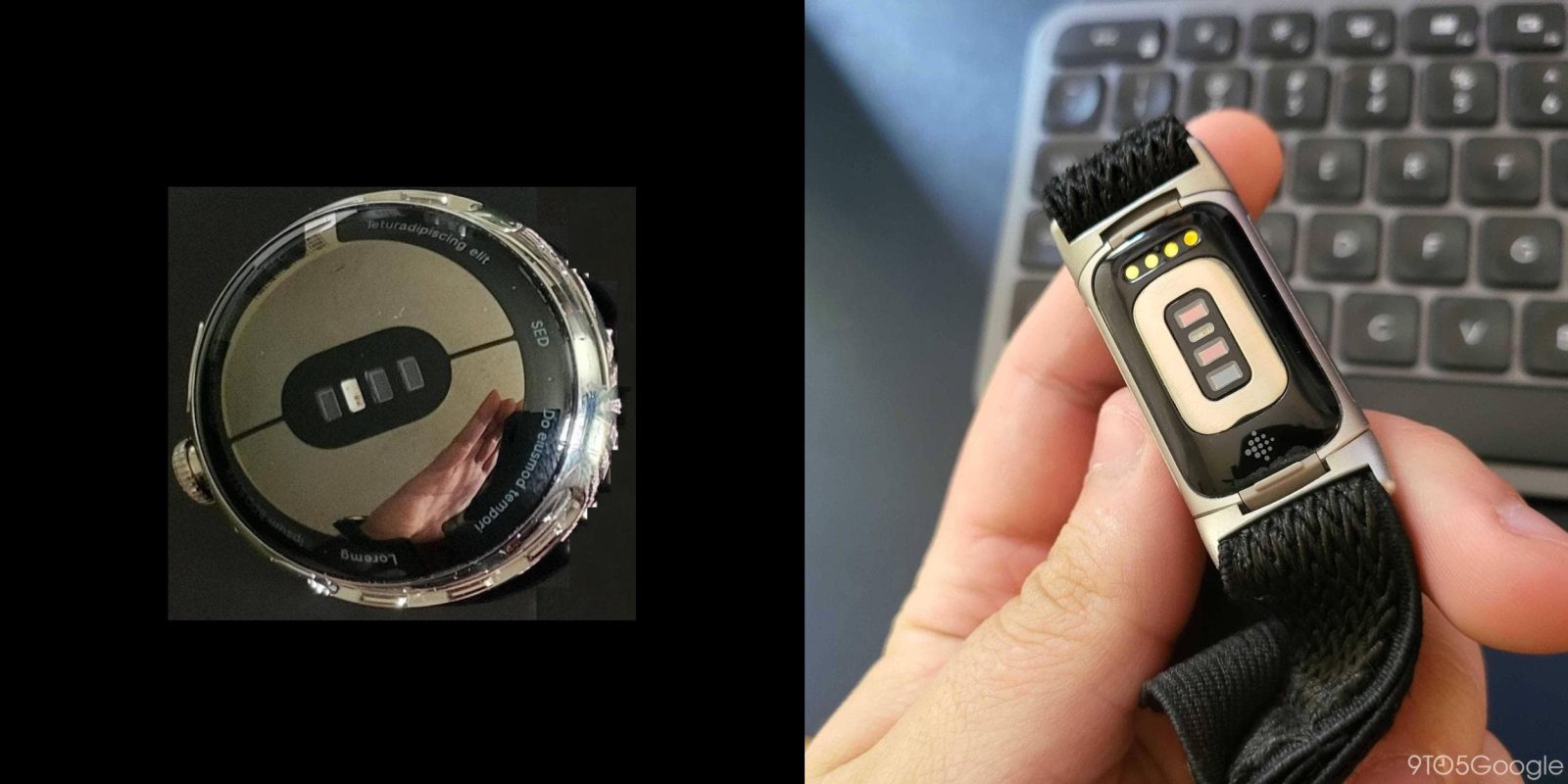
With the design fully leaked, questions about Google’s Pixel Watch turn to the software and internal hardware specs. One clue about the health capabilities is how the Pixel Watch’s rear sensors are very similar, if not identical, to ones found on the Fitbit Charge 5 and Luxe.
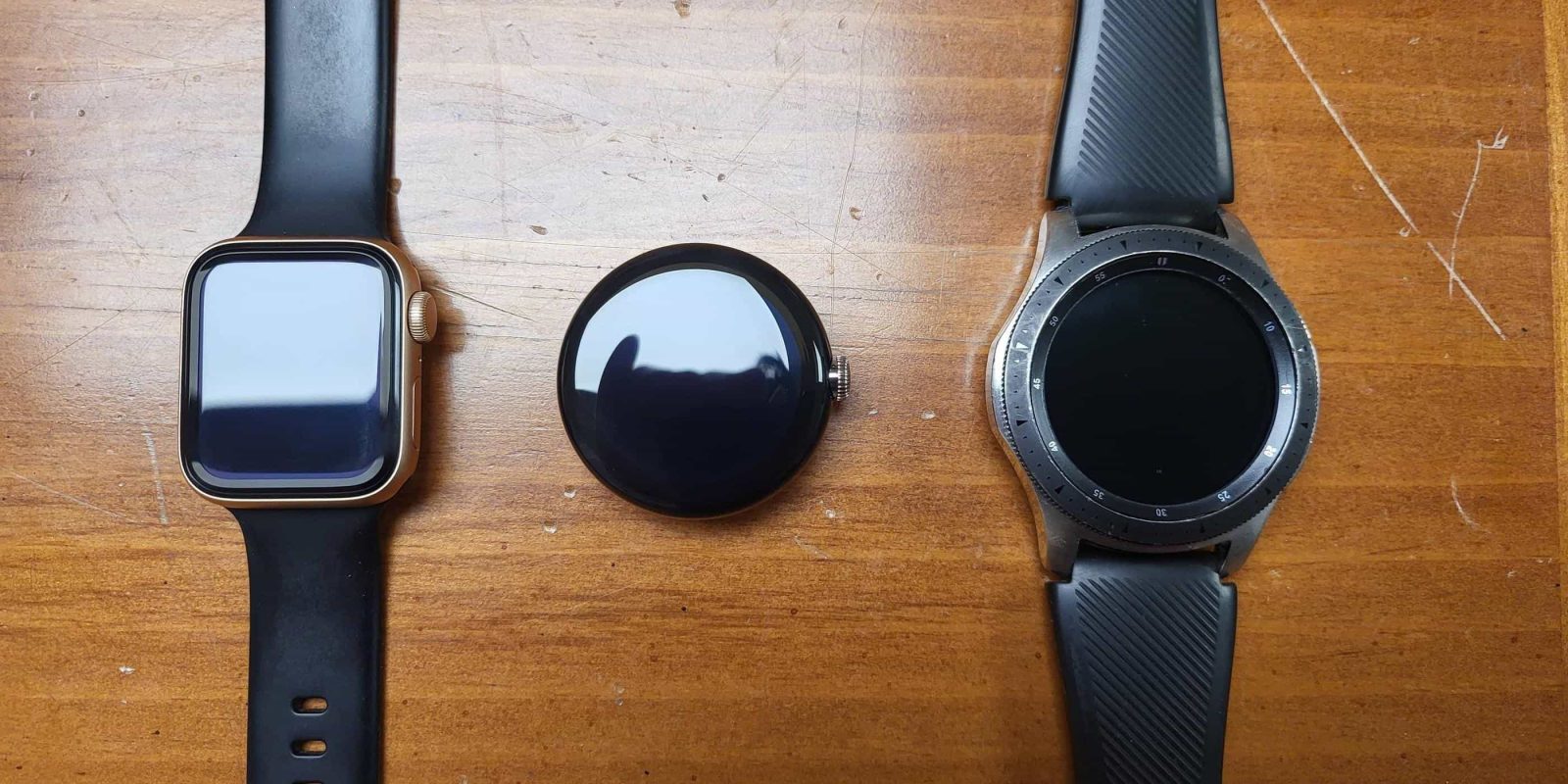
Following real-life images yesterday, the person currently in possession of a Pixel Watch is doing a Reddit AMA (ask me anything) of sorts about the Google wearable leak and reveals more hands-on details, like the size.
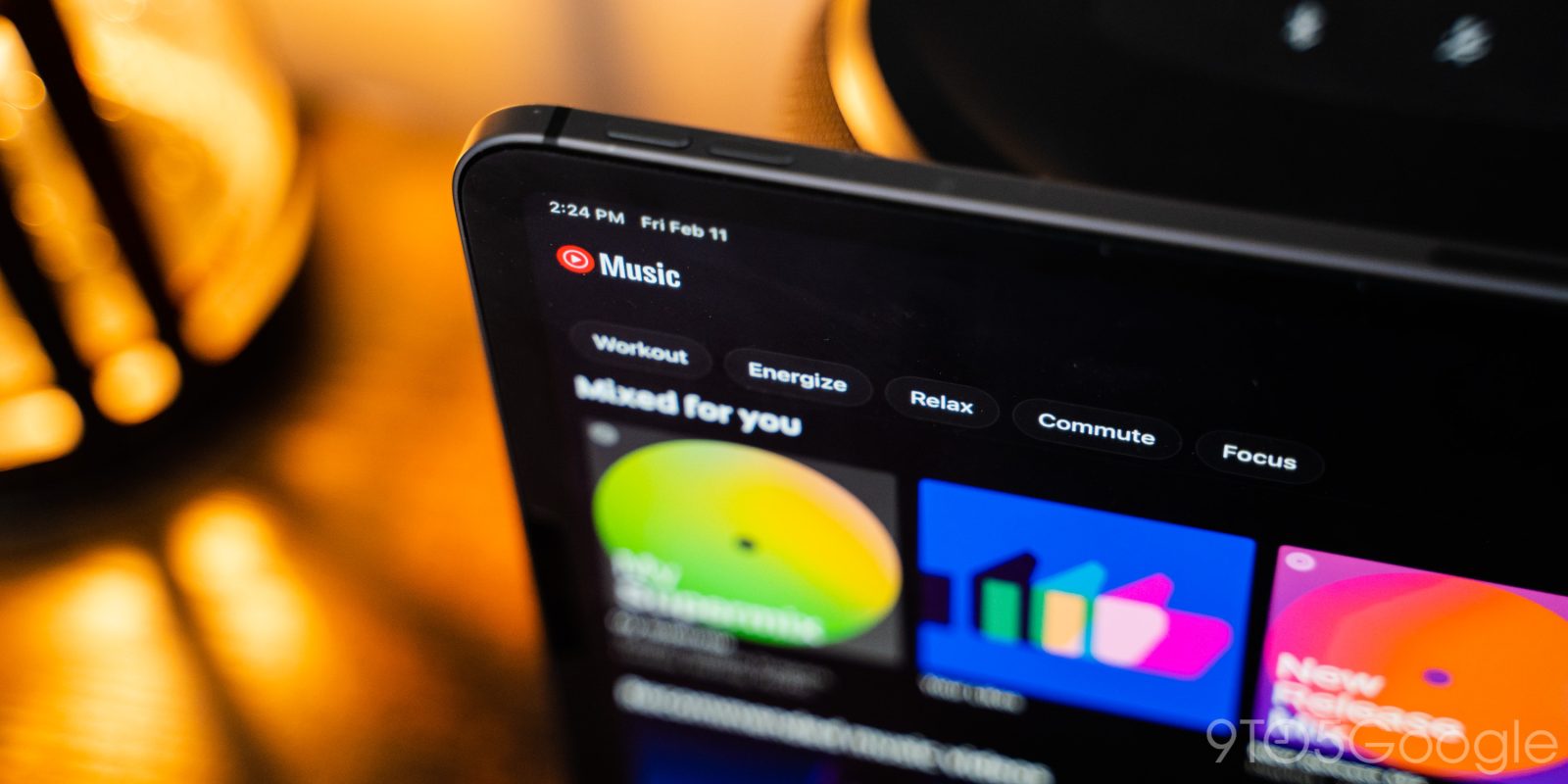
In April of 2020, YouTube Music replaced “Hotlist” with the “Explore” tab. A small addition that’s presented as a new way to access Explore more or less obviates its position in the bottom bar.
9to5Google can report today that Google’s original plan was to launch the Pixel 6 Pro with face unlock, but the feature was pulled relatively close to launch.
Since 2017, Google Cloud has offered a Speech-to-Text (STT) API that third-parties can take advantage of in their own services. The newest models for Google speech recognition improve accuracy due to a “major” technology improvement, and are particularly suited for creating voice UIs.
Google’s long-term goal for its hardware is having technology that’s always available in the background to help. The latest work towards Ambient Computing from Google is about “hidden interfaces” where the display is invisible unless being used. This is similar to the 2020 Nest Thermostat with its mirror-finish screen.
In addition to offering user-facing apps, Google Workspace gives companies the ability to manage their employees’ devices. Google Workspace admins now have more control over Android app updates on work devices that use managed Google Play.
After widget tweaks last year, Google Fi has now redesigned its Android app with Material You. It’s a straightforward modernization as the company is nearly finished visually revamping its biggest apps.
Following regulatory fines this year, Google has announced new consent choice banners for cookies in Europe that most notably feature a “Reject all” button.
In addition to introducing a new logo last year, Google Fonts added support for open source icons. Google’s Material Symbols are now available leveraging variable font technology.
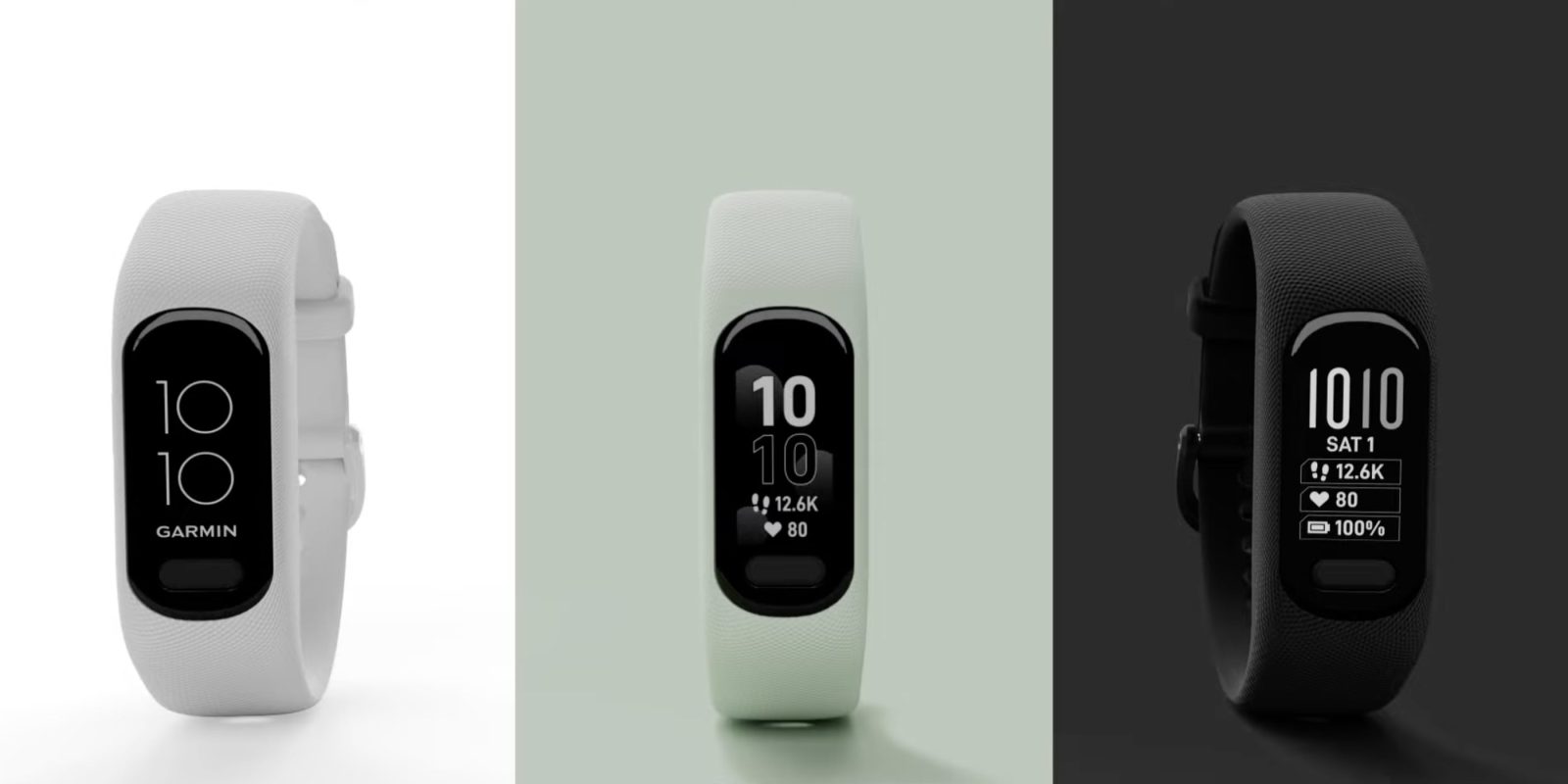
For the most part, smartwatches have overtaken band-style wearables that feature screens. Fitbit is the notable holdout, while Garmin today released the Vivosmart 5.