Abner Li has worked at 9to5Google since 2015 and in late 2020 took on the role of editor-in-chief. He is keenly focused on tracking what happens at Google, and is often the first to spot new features in Google’s ever-growing family of applications that are updated on a daily basis, including Search, Assistant, Maps, Workspace, Android, Chrome/OS, Wear OS, and YouTube Music.
To him, what Google does greatly impacts the technology space and modern life. Inside the company, he is particularly interested in the key products mentioned above, as well as services like Google Podcasts and Google Lens. Each are massive platforms that can be unwieldy to grasp, with Abner keenly bent on understanding their philosophy and future direction. He is most excited about Google’s plans for augmented reality glasses.
Abner spearheads the APK Insight program at 9to5Google to chronicle all changes in the company’s Android apps, often finding new features before they are officially announced. This includes redesigns and revamps, launches, and new products.
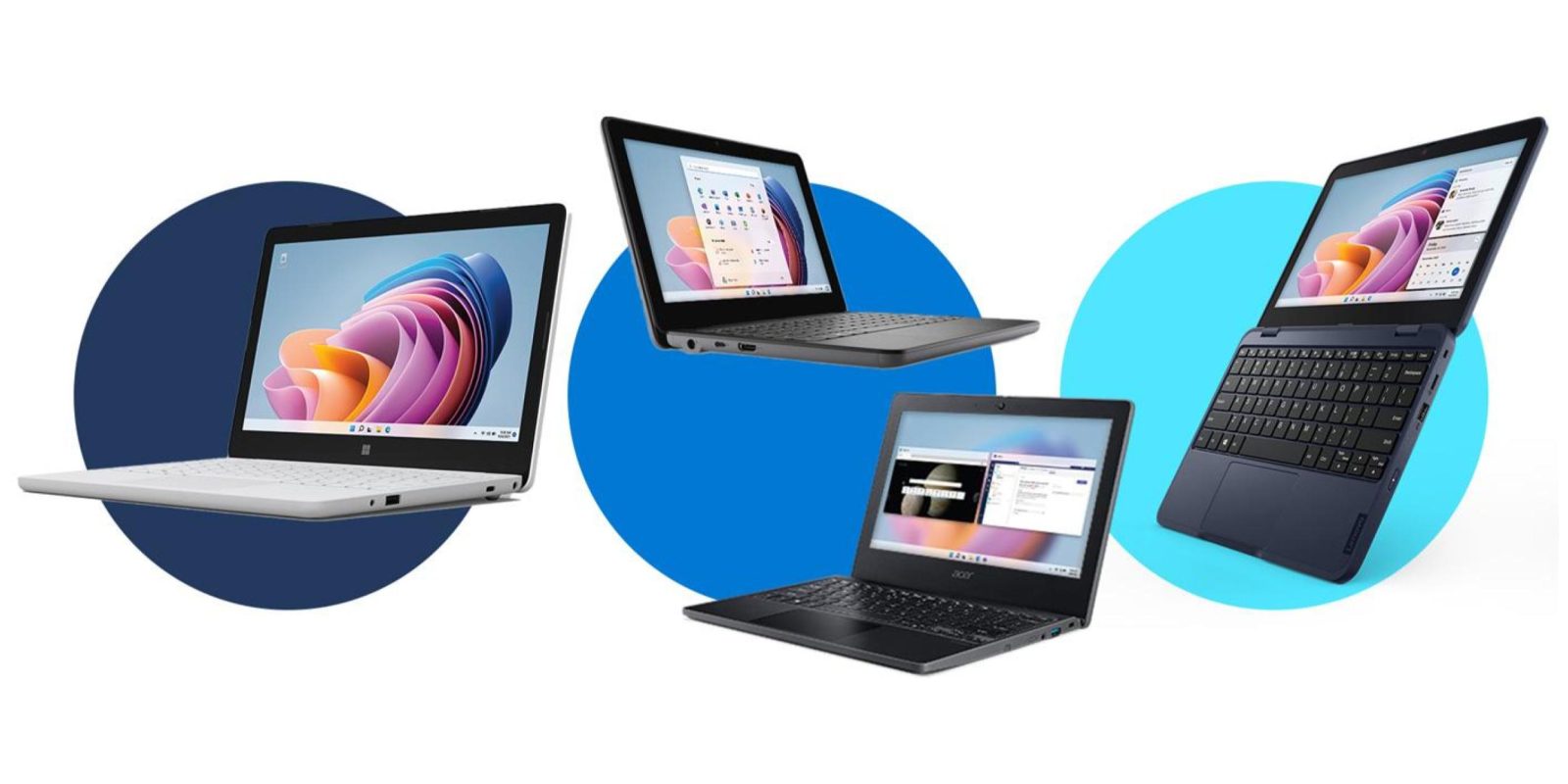
Microsoft’s latest endeavor to replicate the success of Chrome OS is an operating system especially designed for K-8 classrooms. Windows 11 SE is cloud-first and meant to be simple for students, teachers, and school alike, while Microsoft is also releasing the Surface Laptop SE, which starts at $249.
In July of last year, we spotted development of an “Assistant Chat Head” that never ended up launching. Google is now working on a more useful “Search bubble” chat head that provides quick access to text and voice lookup.
Alongside sleep tracking updates for the 2nd-gen Nest Hub, Google-owned Fitbit is rolling out the Daily Readiness Score to its latest smartwatches and trackers, while the Charge 5 gets an ECG app.
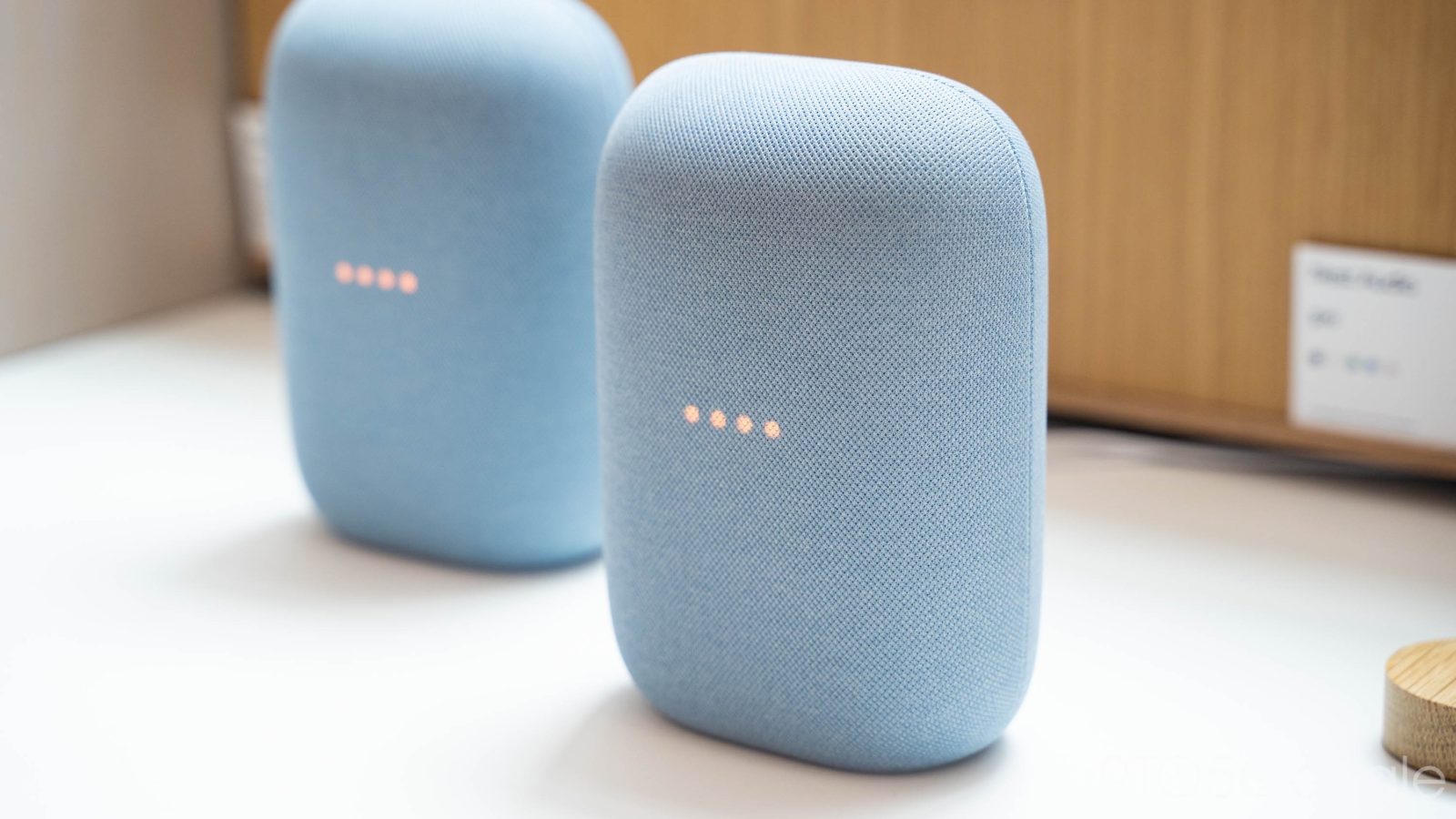
Back in March, Google announced the 2nd-generation Nest Hub with Soli-powered sleep tracking. An update to the Sleep Sensing capability today introduces sleep stages, while it will remain free on the Nest Hub for all of next year.
Officially, watching Google’s cord-cutting service on the web requires Chrome or Firefox, while Chromium-based browsers — like Microsoft Edge — also work. In recent days, YouTube TV has rolled out support for Safari on macOS.
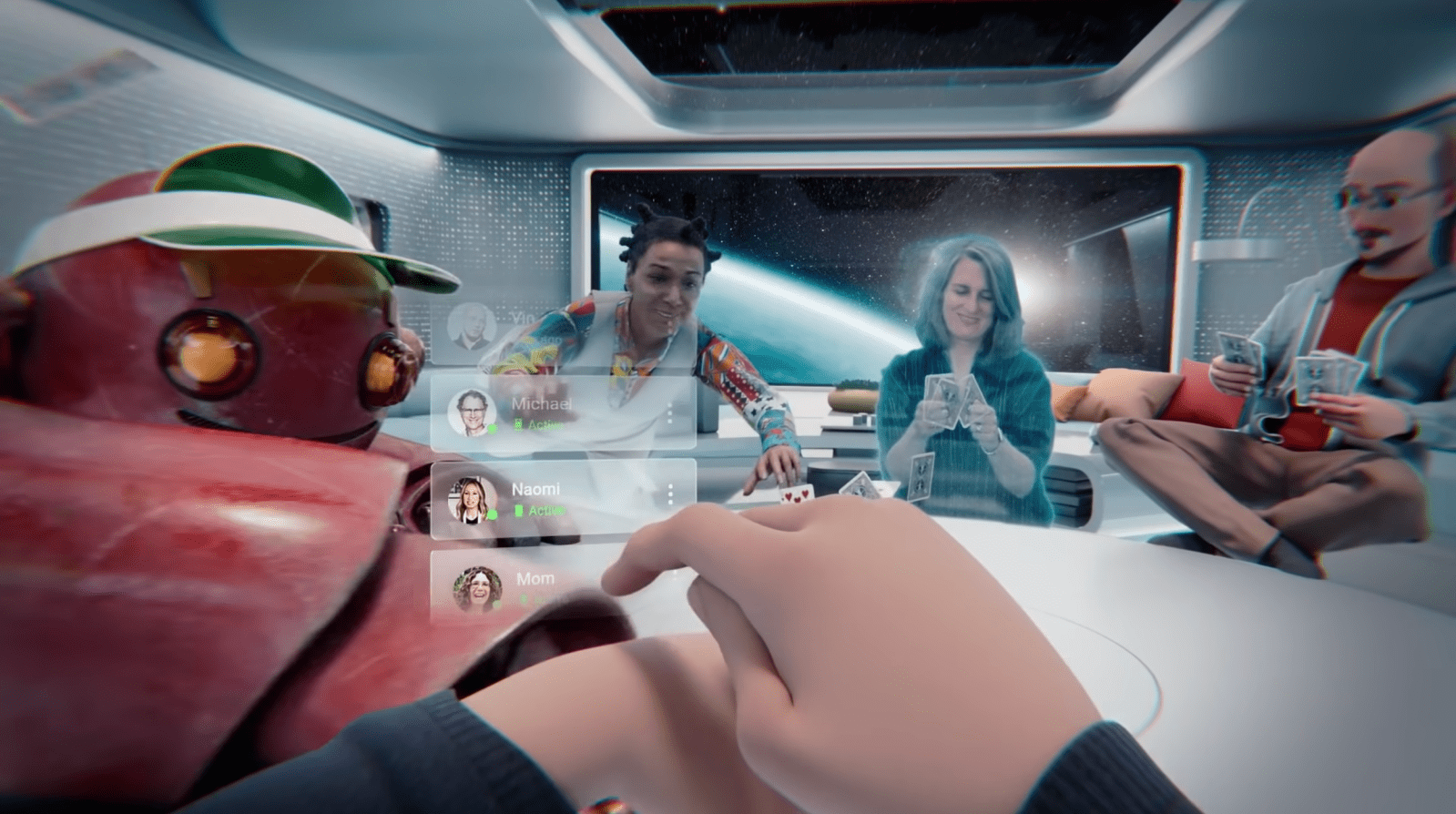
Ever since Mark Zuckerberg showed off Facebook’s – now Meta’s – vision for the future of technology and social interaction, I’ve been trying to imagine what the Google equivalent would be. I’ve concluded that such a metaverse direction is a direct contradiction to Google’s modern vision of tech that assists.
In 2019, Google started testing a review and approval system for Docs, Sheets, and Slides. After the two-year beta period, “formal document approvals” are now rolling out to Workspace users.
Google Arts & Culture went momentarily viral in 2018 for introducing a camera feature that compares your selfie to famous portraits, and the app is now offering the same capability for pets.
Google is all-in on Rich Communication Services (RCS) as its main consumer messaging strategy. That said, Google Messages is working on the ability to have video usually sent over MMS be sent using Google Photos instead.
In November of 2019, Google upgraded Assistant’s “play me the news” capability with personalized audio digests. Google Assistant has now removed “Your News Update” and gone back to only offering standard sources.
Android 12 replaces “Android Auto for Phone Screens” with the long-awaited Assistant Driving Mode. As part of that, most people with the Pixel 6 and 6 Pro lose the Android Auto icon in the app launcher.
Since August, Google has been using a “page experience” metric to determine how websites appear in mobile Search. Page experience ranking is now coming to the desktop version of Google Search from February 2022.
As the holiday shopping season gets under way early this year due to supply concerns, Google today announced its latest tools for local shops, including a renamed “Business Profile.”
Last year, DeepMind’s AlphaFold2 AI system made a “significant contribution to humanity’s understanding of biology.” Alphabet has now taken that advancement and created a new company called Isomorphic Labs, focused on AI-driven drug discovery.
In late August, South Korea passed a law requiring alternate in-app payment systems in Google Play and the iOS App Store. Google today detailed what steps it will be taking to comply.
Owners of various Google Nest products this evening are reporting sporadic outages with their smart home devices. While not all users are impacted, a wide range of devices are going offline.
The Chrome New Tab Page on desktop (Mac, Windows, Linux) and Chrome OS can be customized by third-party extensions so that users “discover something new every time [they] open a new tab.” Google’s new “Tab Maker” tool lets anyone create such an extension with “no coding required.”
Back in May, Google said it would start automatically enabling two-factor authentication on eligible accounts. As part of Cybersecurity Awareness Month, Google today provided an update on its account 2SV efforts.
Last week, Google announced Android 12L as a big update for foldables and tablets. It’s also coming to phones, with Pixel devices receiving the update in Q1 of next year. The Android 12L Beta Program is set to start in December, and today Google added the Pixel 3a and 3a XL to the list of supported devices.
The November security patch was announced on Monday as the first update to Android 12 following its launch a few weeks earlier. This update includes a series of bug fixes, but Pixel owners that are still on the Android Beta Program have yet to receive the November release until they opt out.
As the penultimate month of this year gets underway, the Google Play Store is opening Users’ Choice voting for the best Android content and media of 2021.
Marketing leaks leading up to the unveiling of the Pixel 6 and Pixel 6 Pro suggested the surprising presence of “Face Unlock.” However, at launch, there is no such capability, though signs continue to point towards it.
With the launch of the November security patch yesterday, Google did not release factory or OTA images for the Pixel 3. The 2018 flagships officially hit the guaranteed update period in October with Android 12, but Google told us today that one more update is coming.