Abner Li has worked at 9to5Google since 2015 and in late 2020 took on the role of editor-in-chief. He is keenly focused on tracking what happens at Google, and is often the first to spot new features in Google’s ever-growing family of applications that are updated on a daily basis, including Search, Assistant, Maps, Workspace, Android, Chrome/OS, Wear OS, and YouTube Music.
To him, what Google does greatly impacts the technology space and modern life. Inside the company, he is particularly interested in the key products mentioned above, as well as services like Google Podcasts and Google Lens. Each are massive platforms that can be unwieldy to grasp, with Abner keenly bent on understanding their philosophy and future direction. He is most excited about Google’s plans for augmented reality glasses.
Abner spearheads the APK Insight program at 9to5Google to chronicle all changes in the company’s Android apps, often finding new features before they are officially announced. This includes redesigns and revamps, launches, and new products.
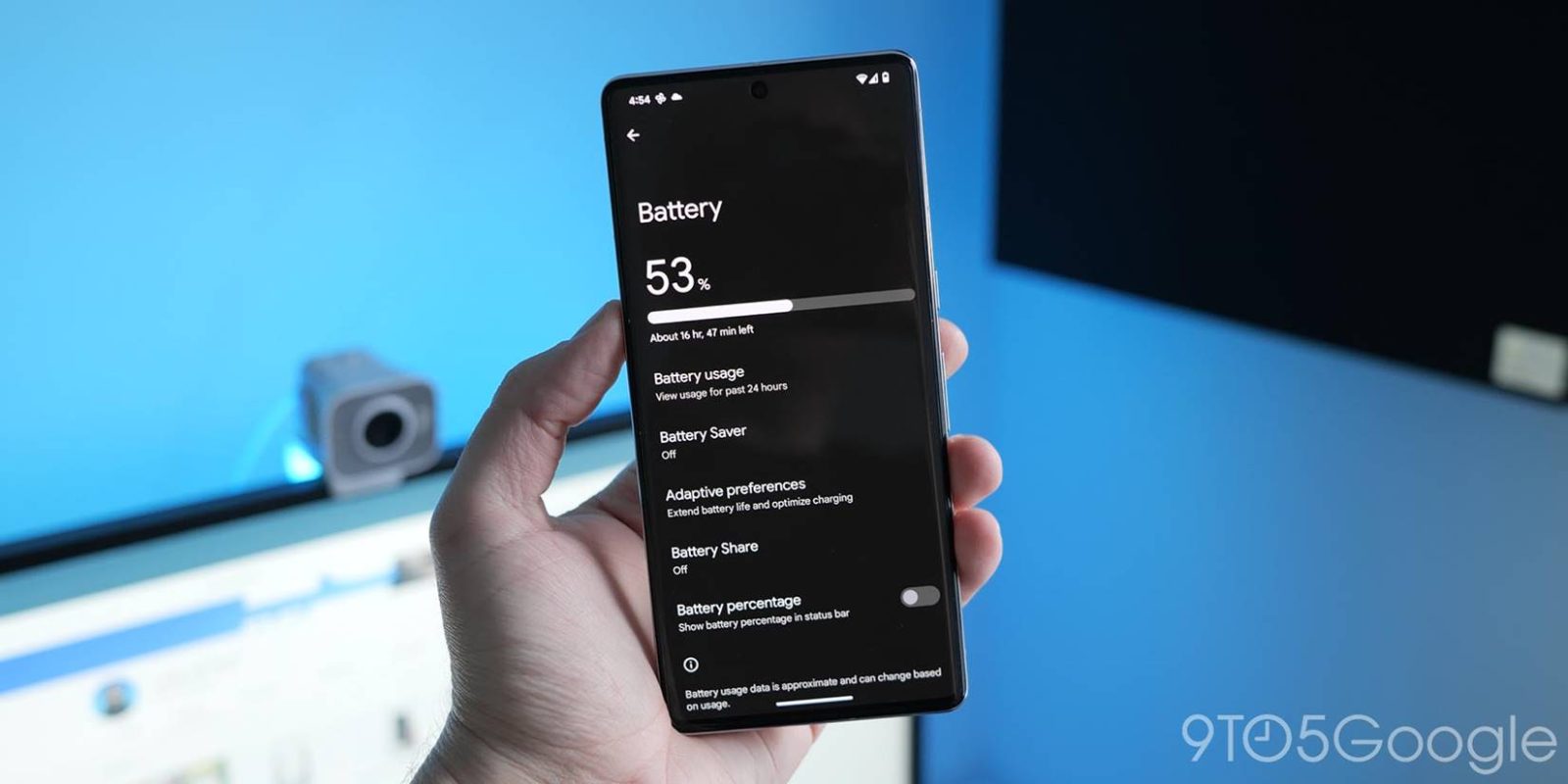
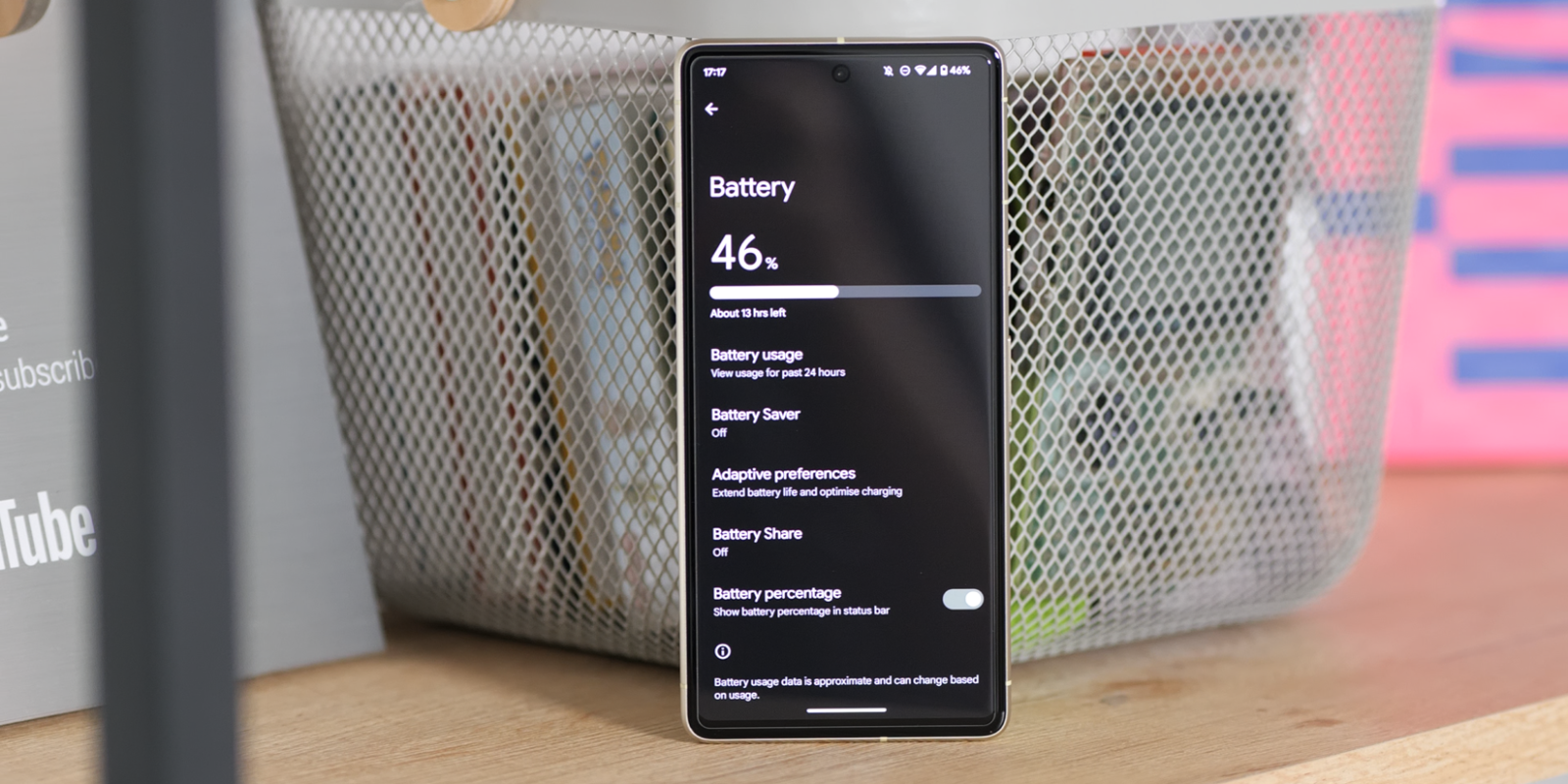
Earlier this week, Adaptive Charging was updated with a status notification and a one-time off button. In the process, Google might have updated Pixel Adaptive Charging to no longer require an alarm to work.
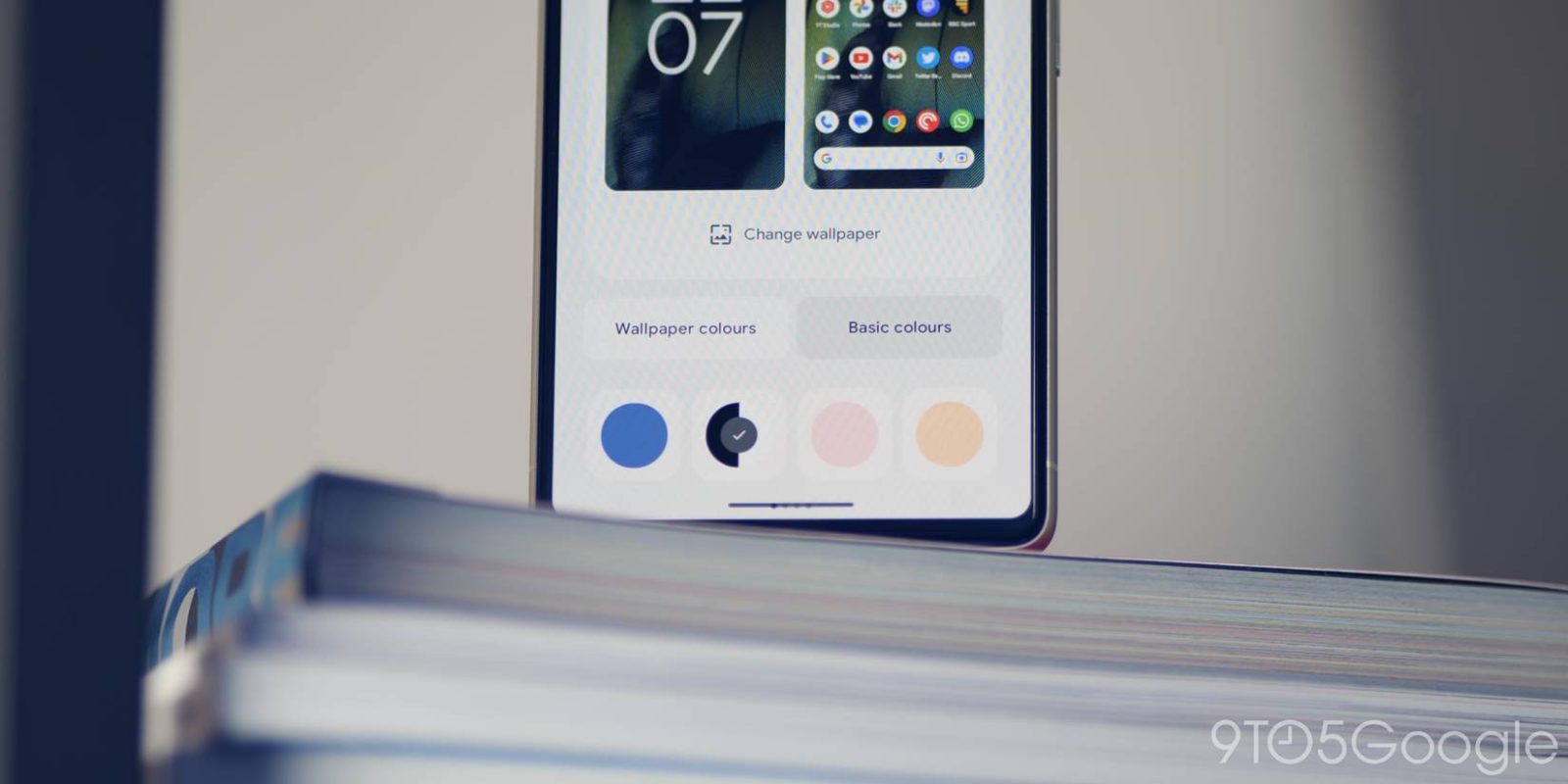
The “Google Wallpapers” app launched on the Play Store in 2016 for all Android devices, and this collection recently gained a handful of new backgrounds.
Pixel Adaptive Charging has been a contentious feature since it launched in December of 2020, and Google is now updating it with a notification to note when it’s active.
9to5Google has a rebooted newsletter that highlights the biggest Google stories with added commentary and other tidbits. Sign up to get it early in your inbox, or continue reading 9to5Google Log Out below:
Following the black dark theme and other video player updates in October, YouTube today detailed why and how it redesigned over 450 system UI and topic channel avatar icons.
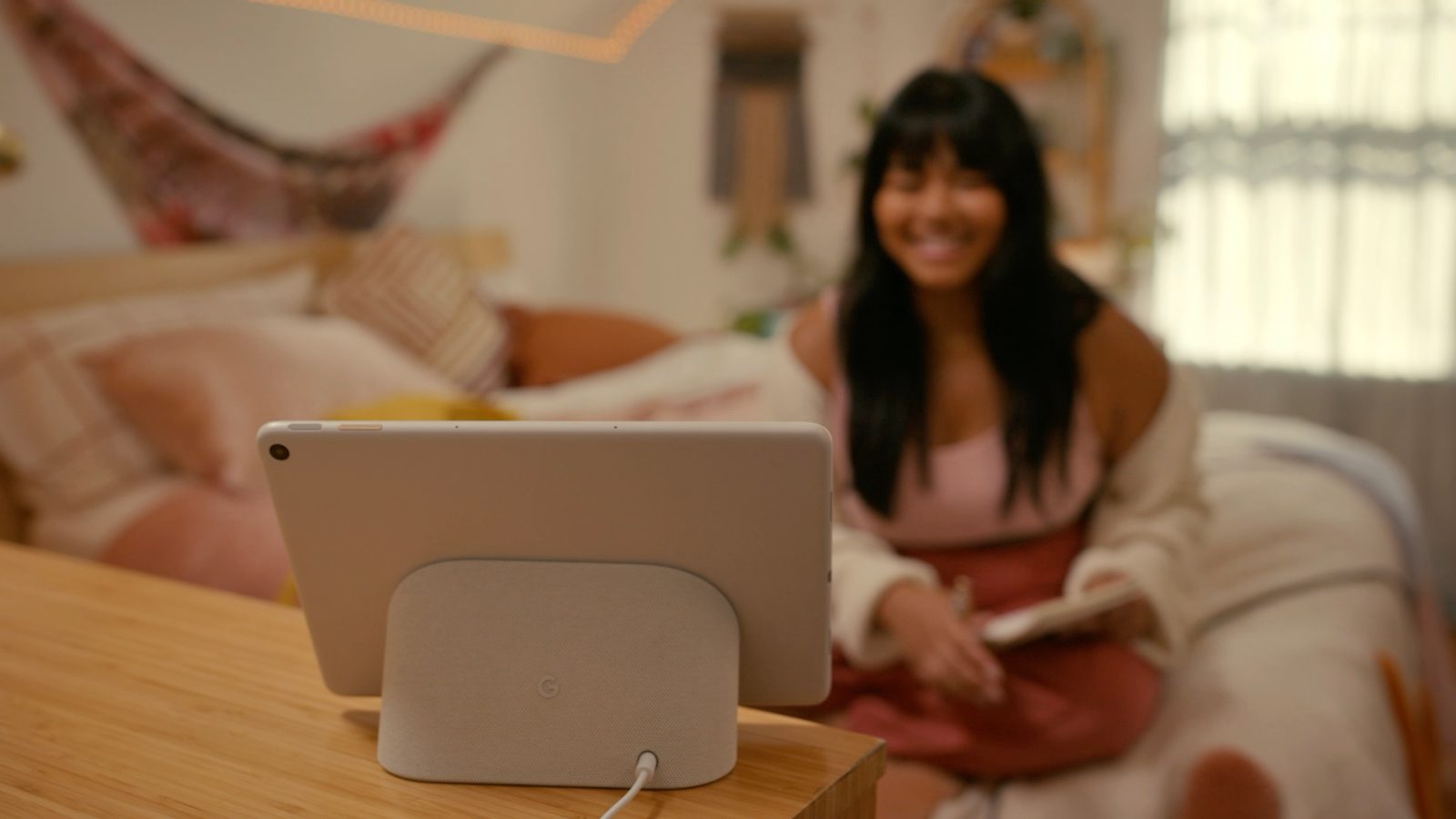
Design-wise, Google has already shown off a lot about the Pixel Tablet. The latest leak goes in-depth on its “Stand,” while here are some details about the Pixel Tablet’s “Hub Mode.”
Large language models (LLMs), like Google Bard, are trained on “trillions of words” to learn how humans talk and predict/generate the next words in a sentence that make for a good response. However, this technology is not actually aware of what’s factually correct. Given the newness of it, some are – understandably – not yet aware of this fact. In the case of Bard, one particular phenomenon that has occurred days, if not hours, after the early access launch is that people are equating its responses with official Google news and announcements.
The latest version of Google Camera brings faster Night Sight to the Pixel 6/Pro and reveals work on the Pixel 8 Pro. Google Camera 8.8 also tweaks the zoom UI on the Pixel 7 and 7 Pro.
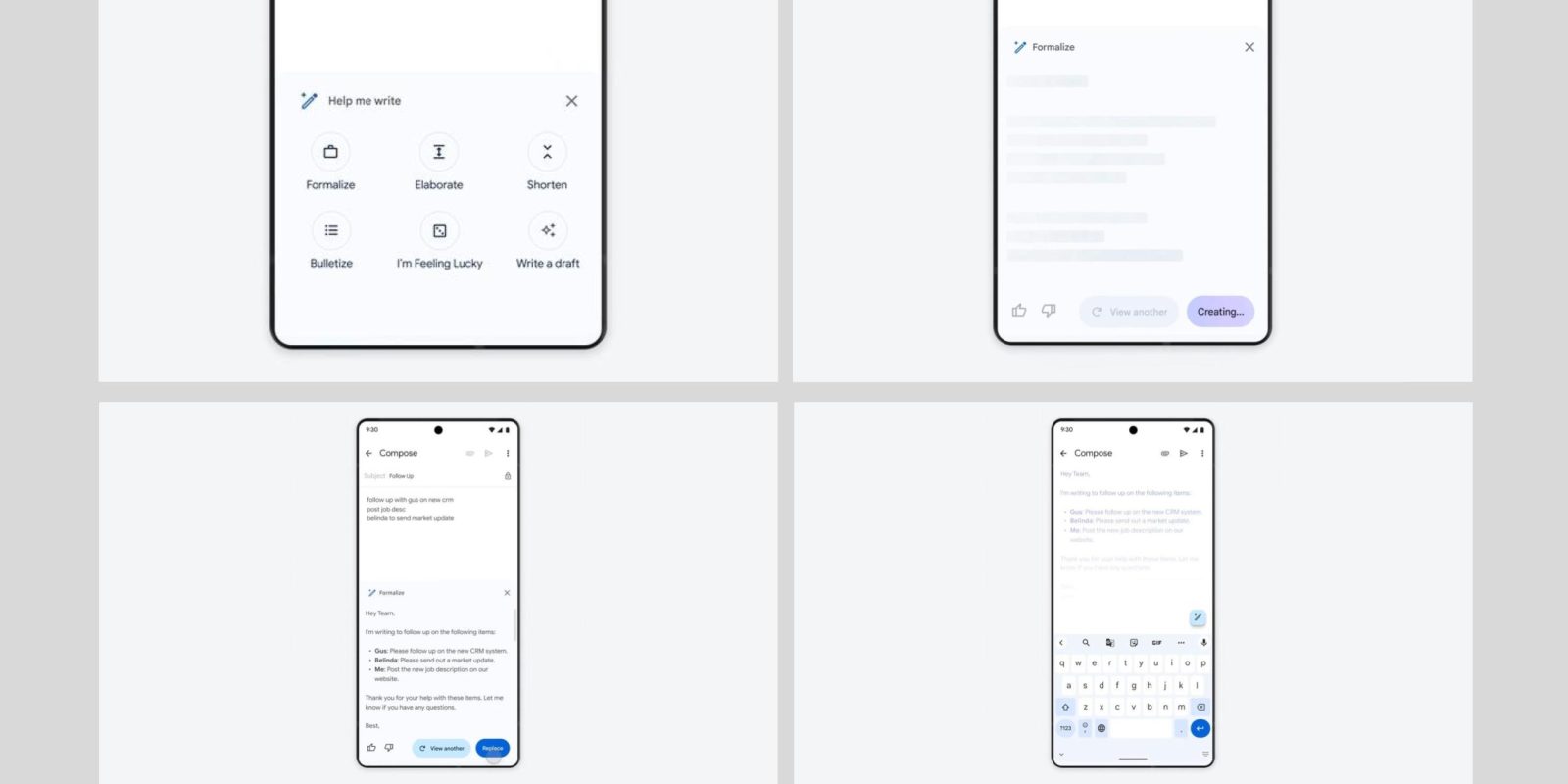
Following last week’s announcement, here’s an early look at generative AI in Gmail for Android, with Google possibly beginning testing with a limited feature set.
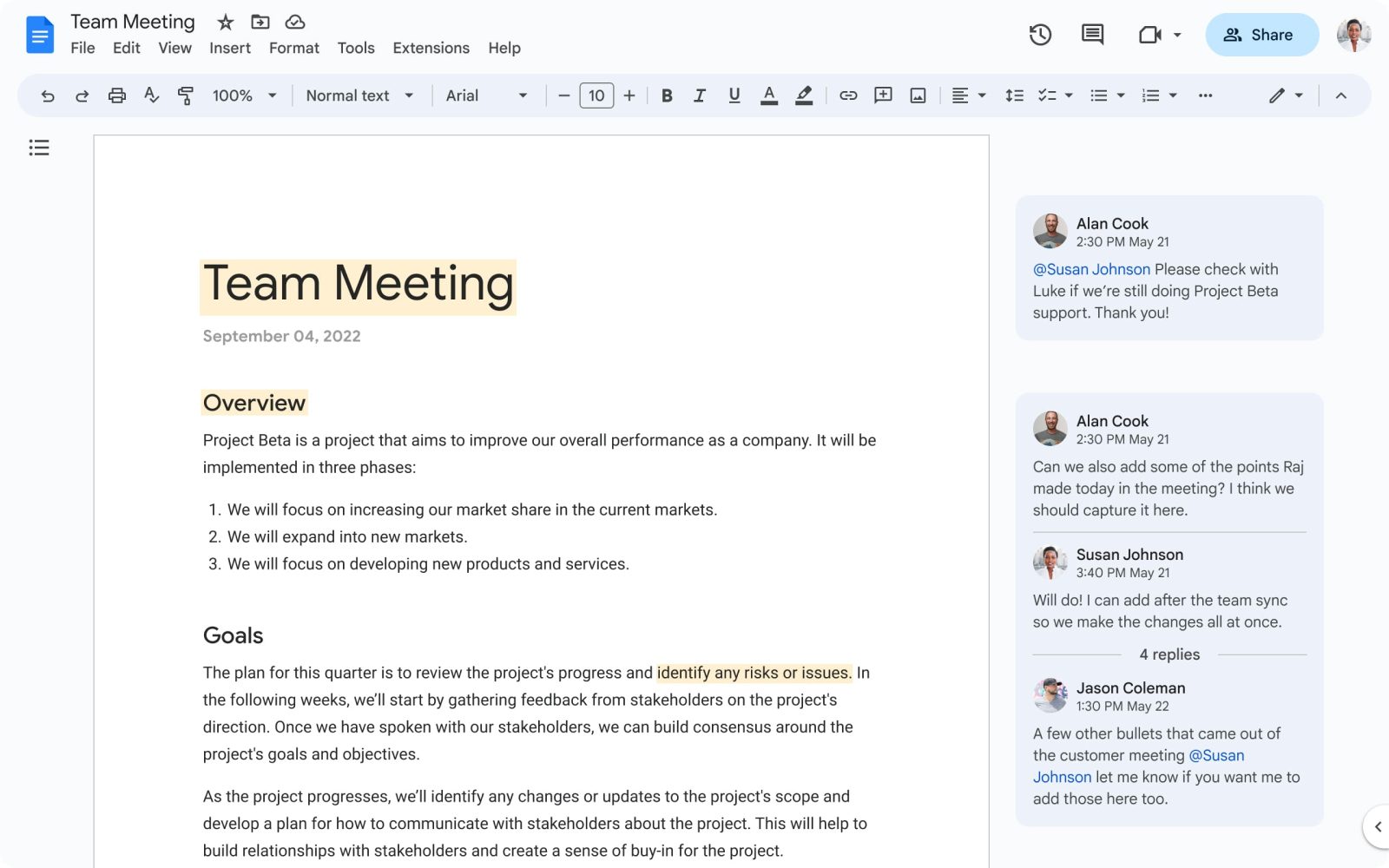
Following its big Material You redesign, Google Docs is adding more customization options for tables of contents, as well as better formatting options for all other tables.
9to5Google has a rebooted newsletter that highlights the biggest Google stories with added commentary and other tidbits. Sign up to get it early in your inbox, or continue reading 9to5Google Log Out below:
The conversational aspects of generative AI and large language models (LLMs), like LaMDA, make it ripe for smart assistants. Google specifically mentioned Assistant two years ago as a product where it hopes to incorporate “better conversational features.” That has yet to happen, but the Google Assistant team is helping lead Bard development.