Abner Li has worked at 9to5Google since 2015 and in late 2020 took on the role of editor-in-chief. He is keenly focused on tracking what happens at Google, and is often the first to spot new features in Google’s ever-growing family of applications that are updated on a daily basis, including Search, Assistant, Maps, Workspace, Android, Chrome/OS, Wear OS, and YouTube Music.
To him, what Google does greatly impacts the technology space and modern life. Inside the company, he is particularly interested in the key products mentioned above, as well as services like Google Podcasts and Google Lens. Each are massive platforms that can be unwieldy to grasp, with Abner keenly bent on understanding their philosophy and future direction. He is most excited about Google’s plans for augmented reality glasses.
Abner spearheads the APK Insight program at 9to5Google to chronicle all changes in the company’s Android apps, often finding new features before they are officially announced. This includes redesigns and revamps, launches, and new products.
With Meet getting Google’s full attention over the past year, Duo has not seen a meaningful update in quite some time. Google Duo is soon receiving a homescreen redesign that adds a “New Call” button that hopes to simplify the app.
In late 2021, classic Hangouts will stop working for enterprise Workspace customers and only Google Chat will be available. Google is now beginning that process of deprecating the Hangouts app and website for free personal accounts with a warning and sign out.
Last Saturday, Belarusian officials attempted to force sprinter Krystsina Tsimanouskaya to leave Tokyo. The athlete revealed yesterday that she used Google Translate to reach out to Japanese authorities and avoid the flight from the Olympics.
Earlier this year, Google said it was replacing the old Wifi companion app with the unified Home client. This involves shutting down most controls and removing it from Google Play and the App Store. The latter has finally occurred after originally being scheduled for June.
One emerging critique of Google’s new camera lineup is focused on how the magnetic-only nature of Nest Cam (battery) means it can be easily stolen. A third-party Anti-Theft Mount is sold separately, but Google also maintains a Cam replacement policy.
With the last Pixel Feature Drop in June, Google touted a new Gboard feature that highlights “key snippets” of copied text with a phone number or address. Gboard 10.9, currently in beta, introduces a setting to disable that feature.
Like with the $129 Nest Thermostat that launched last year, the Google Home app is needed to control the new Nest Doorbell and Cam lineup. The companion client will be updated with several camera features in the process.
The new Nest Doorbell (battery) offers a big upgrade with on-device machine learning powering free detection alerts and the presence of local storage. However, it lacks continuous video recording, so Google will keep selling the previous generation Nest Hello as the Nest Doorbell (wired).
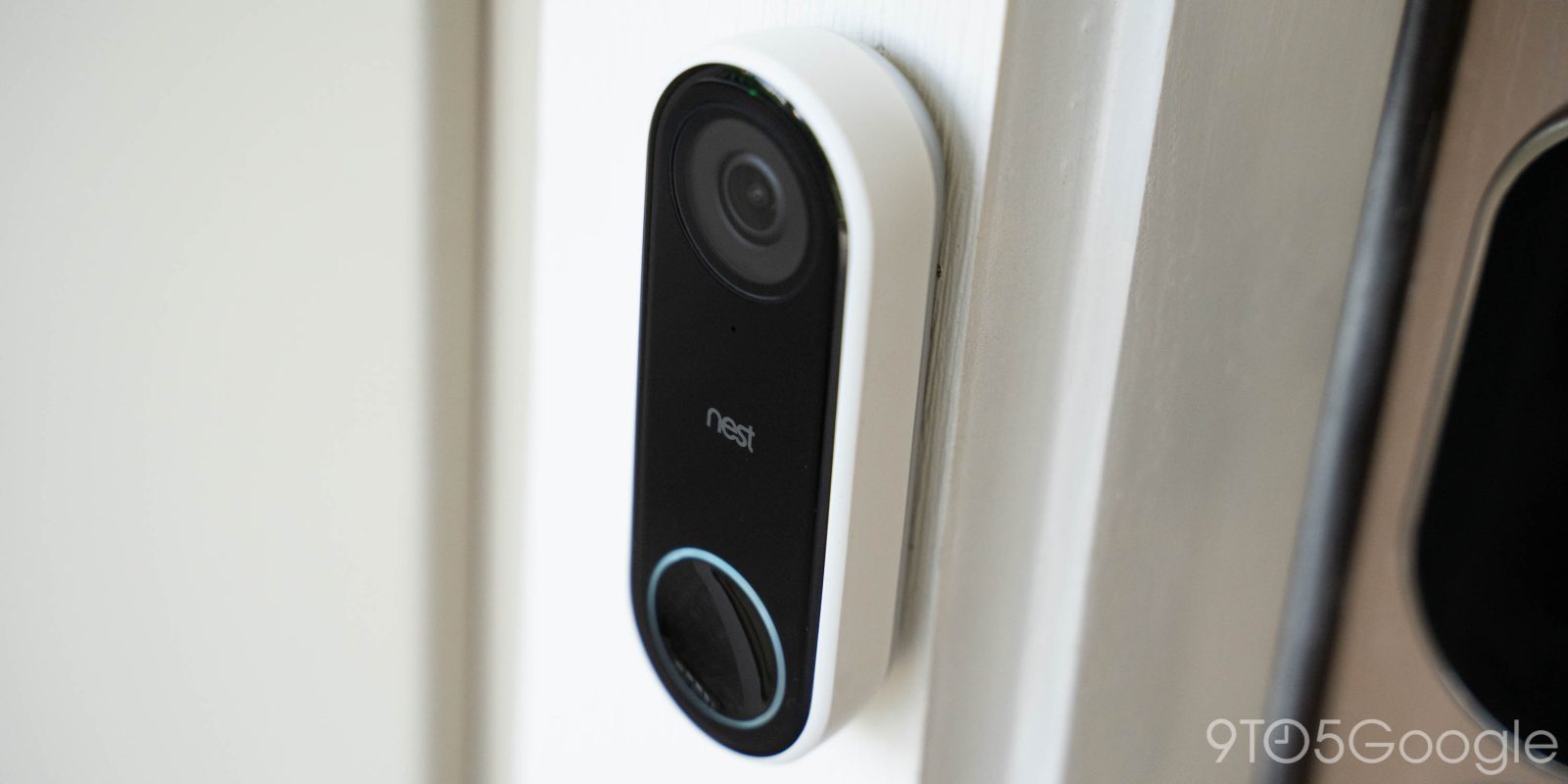
The last security camera to come out of Google’s Nest brand was the Hello doorbell over three years ago. Google today announced a successor with the Nest Doorbell.
With the current lineup featuring a model that dates back to 2015, Google’s security cameras are in sore need of a refresh. That call is now being answered with a new Nest Cam line that’s comprised of three devices.
Last week, Google started running ads on TikTok that promote several aspects of Google Lens, as well as Hum to Search. The clear goal of these five TikTok videos is to raise awareness about newer Google features that people might not have used before.
At the start of this year, Google said it would release a new security camera lineup in 2021. A leak, courtesy of the Google Store, this afternoon reveals a “Nest Doorbell” and trio of new Nest Cam models.
Google Forms is beginning to roll out a highly requested feature that will see entered text, selections, and other progress be automatically saved as a draft. This allows you to easily return to a task or assignment.
Where supported, “Sign in with Google” is a convenient way to log in to third-party services without having to keep track of different passwords. Google is now consolidating its sign-in offerings, which includes the new “One Tap,” under “Google Identity Services.”
The biggest product change to YouTube TV in recent months was the launch of a 4K Plus add-on. In a wide-ranging interview today, YouTube chief product officer Neal Mohan talked about YouTube TV and how no price hike is coming soon.
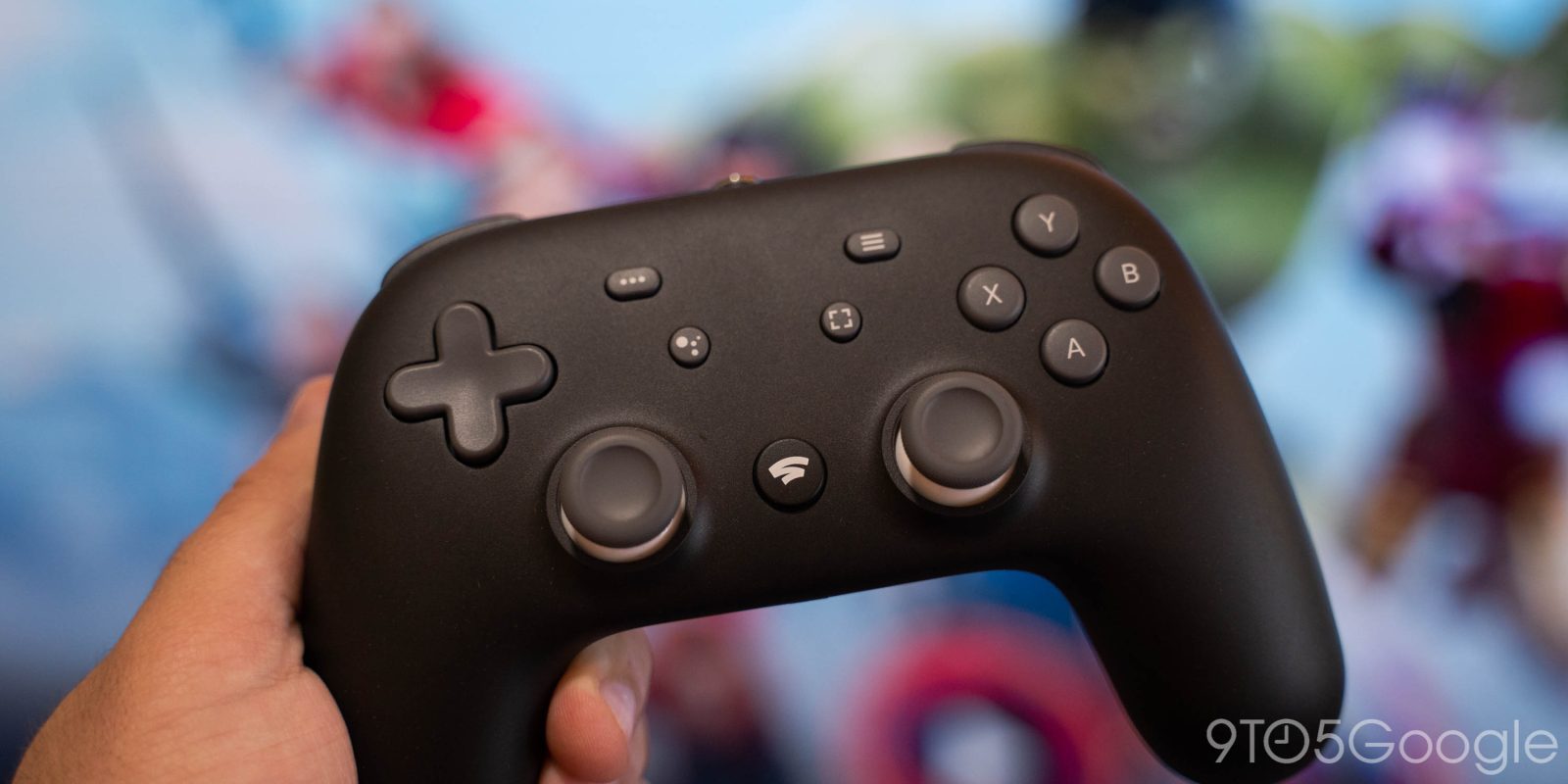
On Friday, the Google Store introduced a permanent Chromecast with Google TV and Stadia Controller “package.” The Stadia Controller is now seeing a $10 price cut to $59.99.
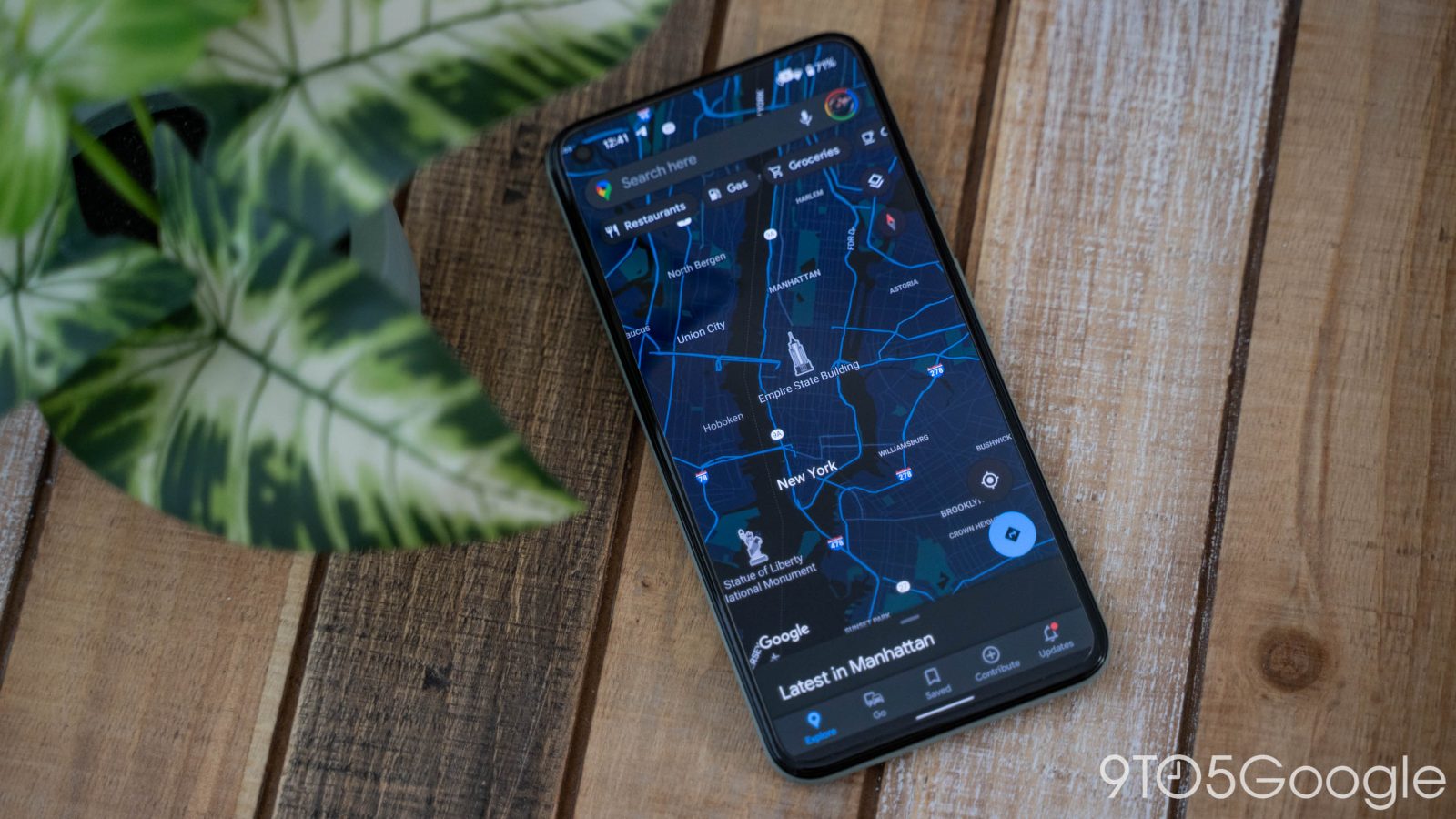
Google officially announced the Maps for Android dark mode in February and widely rolled it out a month later. The Google Maps dark theme is now officially set to arrive on iPhone and iPad in the coming weeks.
Similar to Smart Displays and speakers, Google is adding Accessibility settings for Assistant on Android. However, the exact functionality remains unclear at the moment.
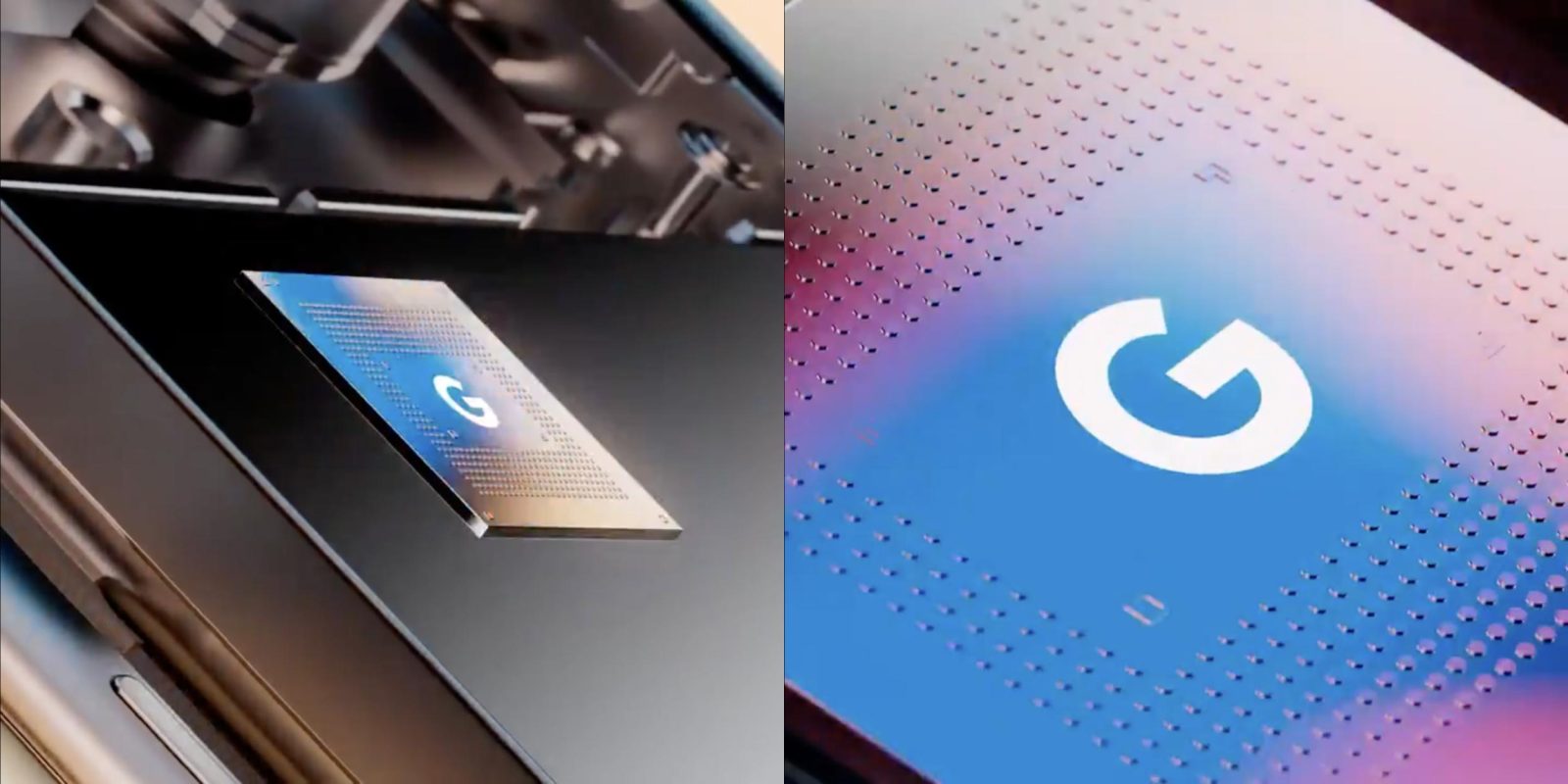
Google sharing some details on Tensor, its “first custom-built SoC,” was as important as today’s tease of the Pixel 6 and 6 Pro. In an interview, Rick Osterloh was asked about Google Tensor in the context of AR, and the hardware boss shared some rare thoughts on smart glasses.
Besides the Material You redesign becoming more widely available on Android 12 today, Gboard introduced new settings for “Emojis, Stickers & GIFs” that provide better control over related suggestions and the appearance of expressive media.
Following the desktop update two weeks ago, Chrome OS 92 is beginning to roll out today. There’s a handful of big additions and other enhancements in this release that will be available over the coming days.
While the Android 12 Beta has improved in stability over recent releases, Android 11 still provides the most reliable experience. Google is now rolling out the August security patch for the Pixel 3, Pixel 3a, Pixel 4, Pixel 4a, Pixel 4a (5G), and Pixel 5.
Following this morning’s tease, Google today announced that this year’s flagship phones are the Pixel 6 and Pixel 6 Pro. Both phones will be available in the fall and be powered by a brand new chip.