Abner Li has worked at 9to5Google since 2015 and in late 2020 took on the role of editor-in-chief. He is keenly focused on tracking what happens at Google, and is often the first to spot new features in Google’s ever-growing family of applications that are updated on a daily basis, including Search, Assistant, Maps, Workspace, Android, Chrome/OS, Wear OS, and YouTube Music.
To him, what Google does greatly impacts the technology space and modern life. Inside the company, he is particularly interested in the key products mentioned above, as well as services like Google Podcasts and Google Lens. Each are massive platforms that can be unwieldy to grasp, with Abner keenly bent on understanding their philosophy and future direction. He is most excited about Google’s plans for augmented reality glasses.
Abner spearheads the APK Insight program at 9to5Google to chronicle all changes in the company’s Android apps, often finding new features before they are officially announced. This includes redesigns and revamps, launches, and new products.
At I/O 2022, Google announced it was updating over 20 of its first-party apps for Android tablets and other large screen form factors. Besides visual redesigns, this includes multitasking optimizations like the ability to drag images across apps, which Google Keep for Android now supports.
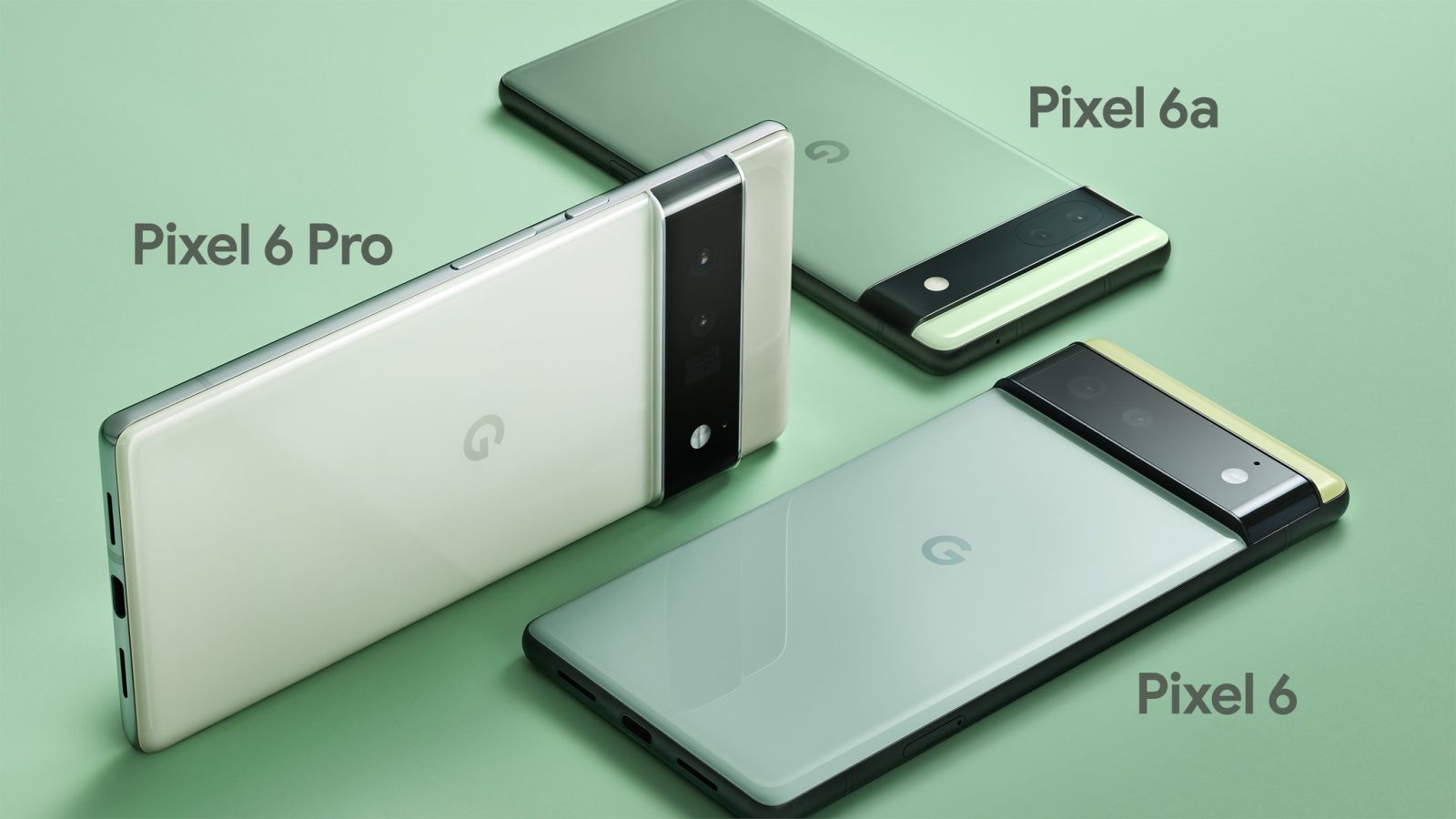
Since the announcement at I/O, the only hands-on — all unofficial/early — of the Pixel 6a has been of the Charcoal model. Google today shared a quick, green photo of the Sorta Seafoam Pixel 6 against the Sage Pixel 6a.
It’s no secret that smartphone games with in-app purchases (IAPs) are a revenue generator for both the developer and app stores. A Google Play Points promotion today highlights mobile gaming whales just a bit too much.
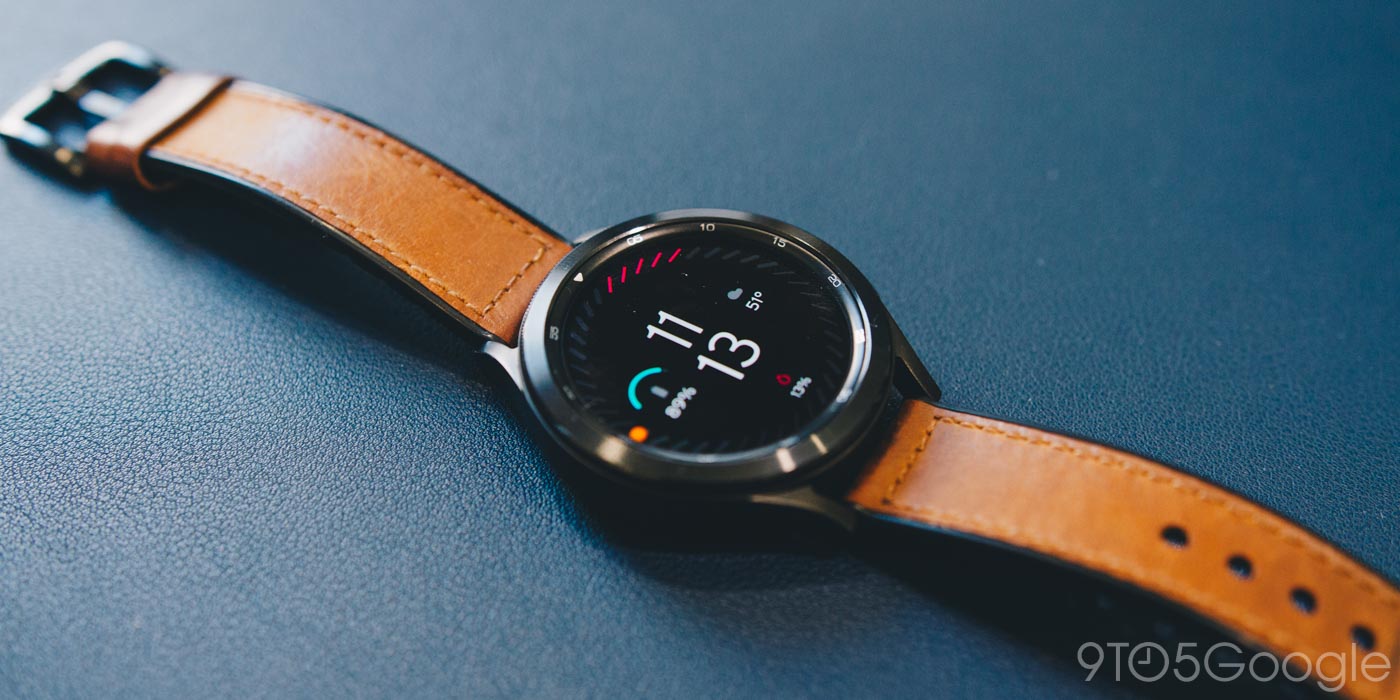
Following two releases in June, One UI Watch 4.5 beta 3 is now available to address several Galaxy Watch 4 bugs, while a more official — and presumably final — look at Samsung’s Wear OS 3.5 update has emerged.
With the March Feature Drop, Google announced that the Pixel’s At a Glance widget can deliver “reminders to turn off your alarm if the next day is a holiday.” Those reminders to change your alarm might work through Google Assistant.
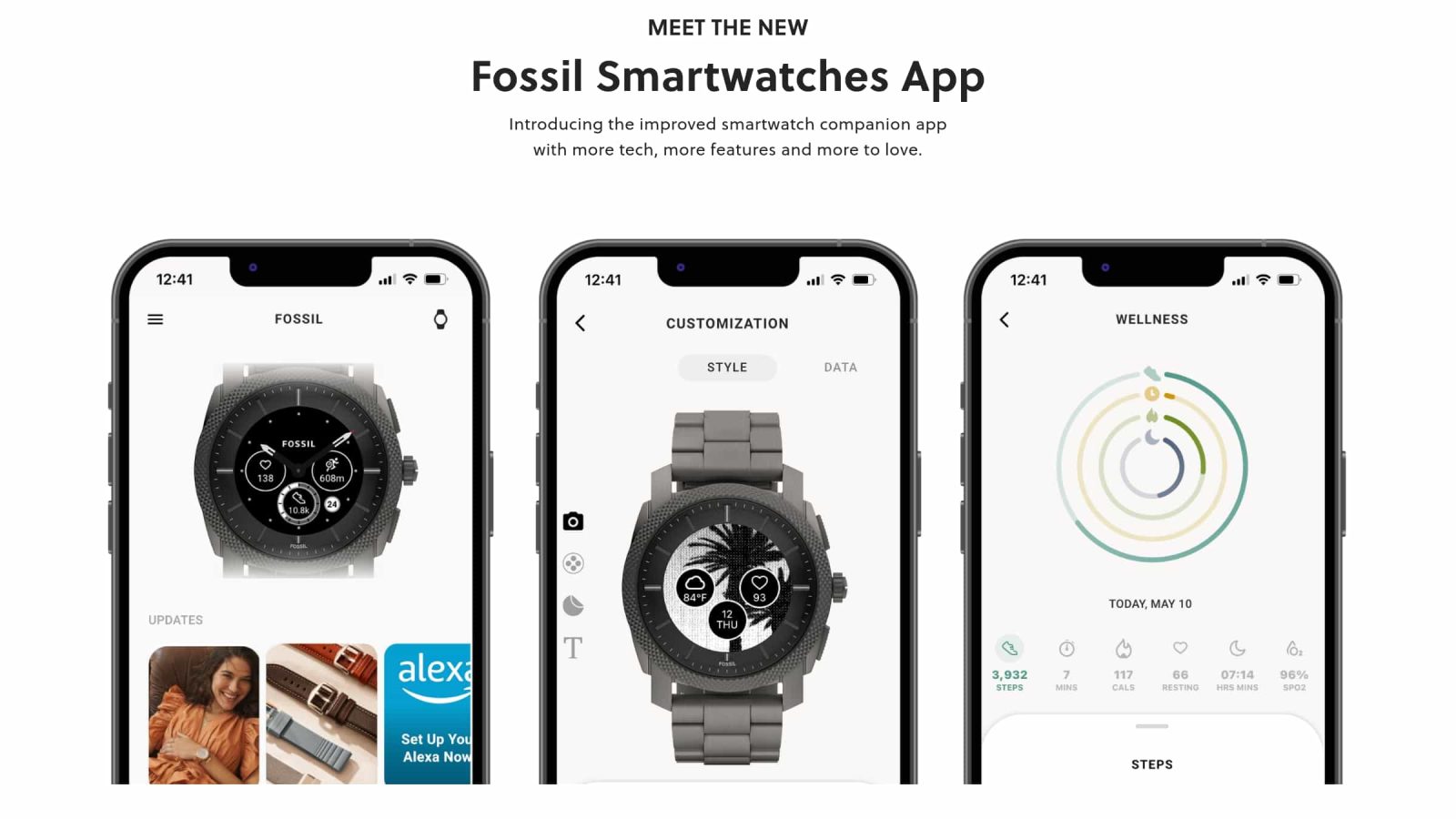
Wear OS 3 will start rolling out to existing Snapdragon Wear 4100+ devices in the “mid to second half of 2022,” and we’ve now learned that Fossil is building a companion app for its watches.
As announced at I/O 2022, Google is optimizing its Android apps for tablets and other large screen devices. YouTube Music playlists have already seen a redesign and that UI is now coming to the album view.
Google Workspace Individual was announced a year ago as an upgrade for one-person businesses that have been using @gmail.com accounts to run their companies. Subscribers will soon get access to eSignature support in Google Docs.
Just before and right after the Pixel 6 Pro launch last year, there were signs that Google was working on face unlock. It obviously hasn’t launched, and this is the latest we’re hearing on the situation.
After a false start yesterday, Google announced this evening that it’s rolling out a new firmware update for the Pixel Buds A-Series that addresses the Bass slider issue.
In an unexpected development, Javier Soltero announced this evening that he’s leaving Google after nearly three years as head of Workspace and later consumer messaging.
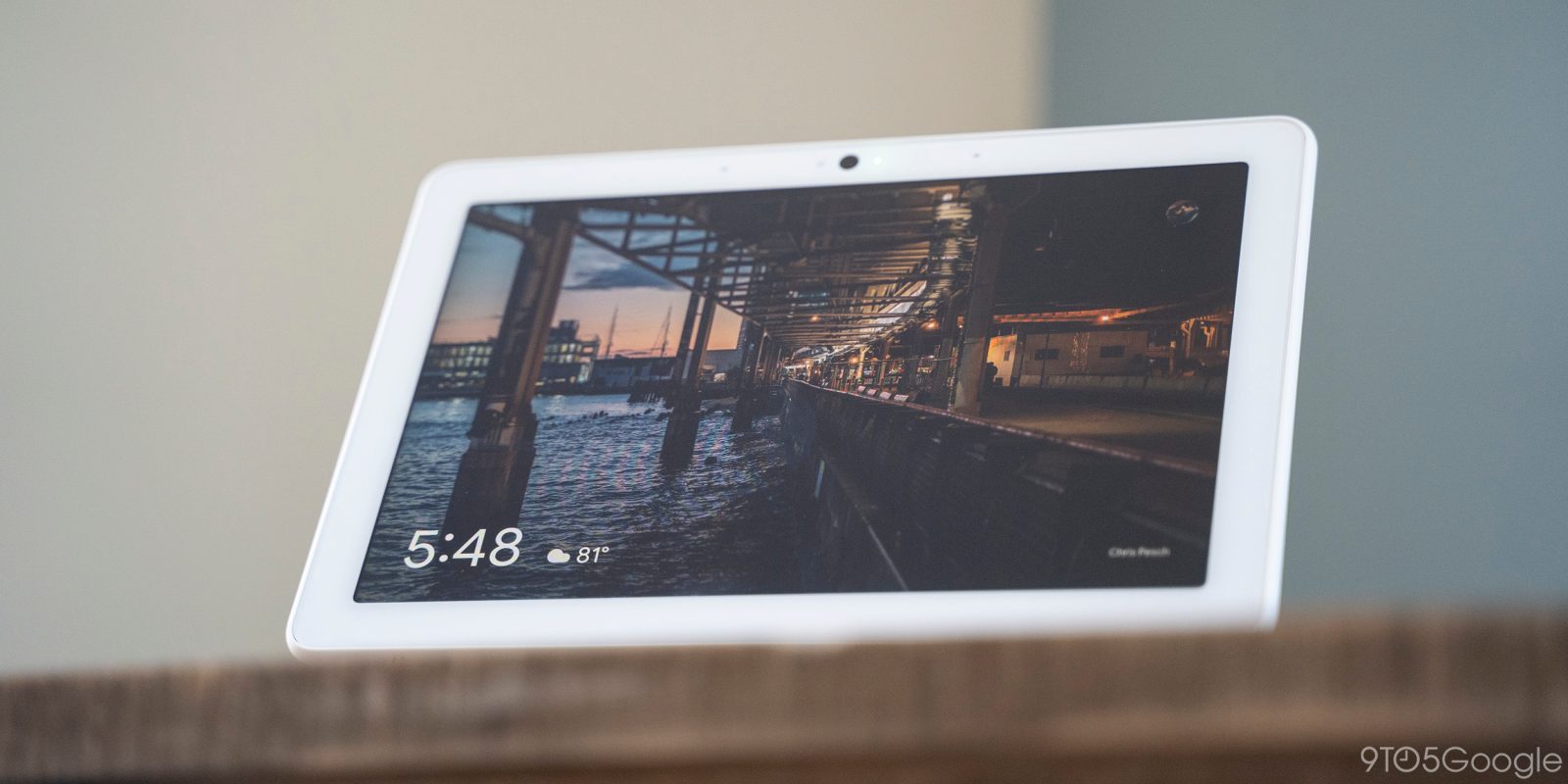
Google announced Fuchsia for the Nest Hub Max last week, and those on the preview program are starting to receive it. The only change is the addition of a Bluetooth menu in settings.
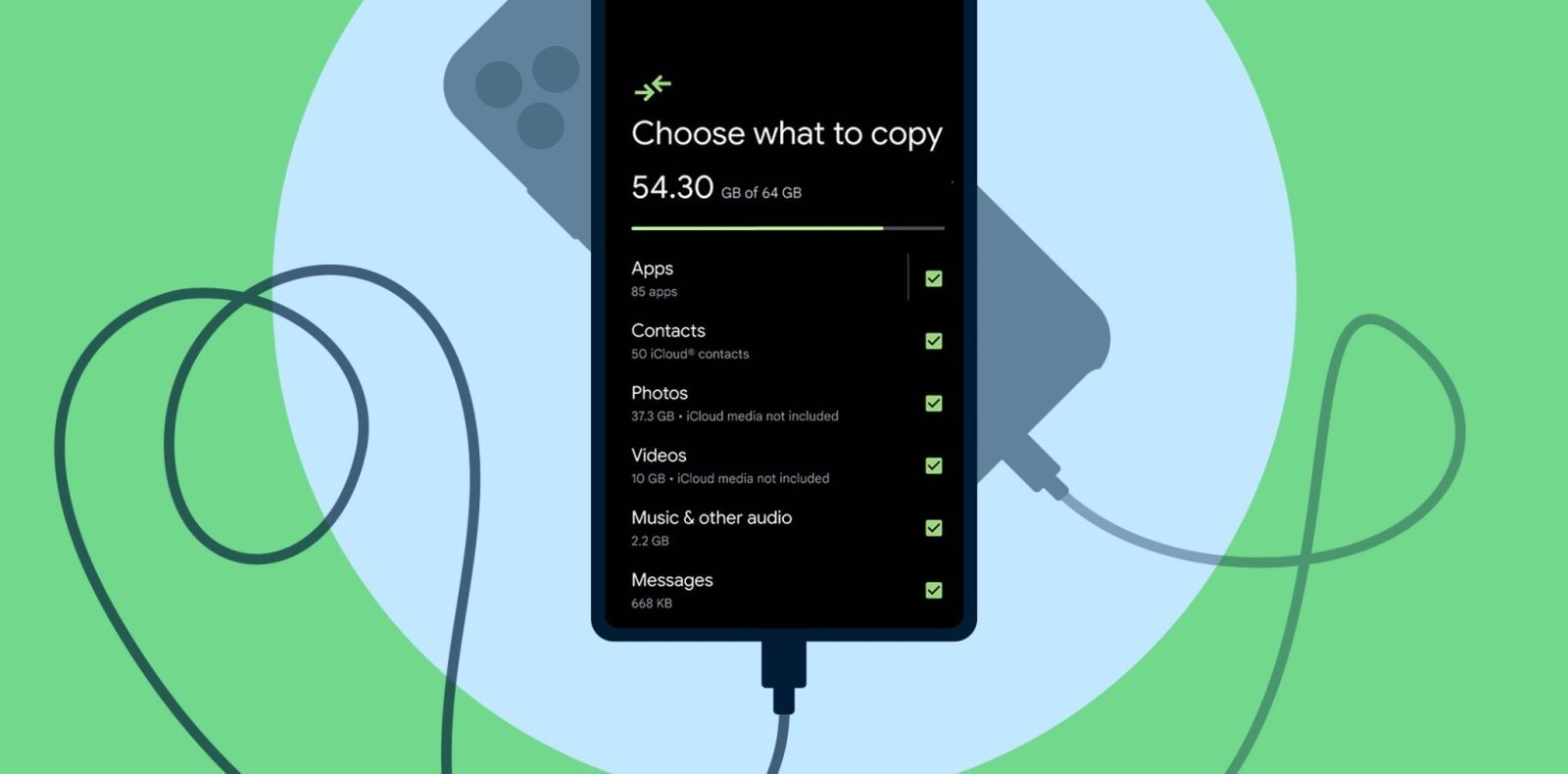
Back in April, Google launched a “Switch to Android” iOS app that first worked with Pixel phones. Availability is now expanding to all Android 12 phones as Google makes its case for why iPhone users should switch.
Since December, Pixel Buds A-Series have complained about an issue with the Bass slider and Google might finally be ready to release a fix, though it looks to have been pulled at the last second.
Like YouTube TV earlier this year, YouTube Premium has launched a referral program where existing subscribers get a shareable code that can ultimately net them a year of free service.
News broke today that Pinterest cofounder Ben Silbermann is stepping down as CEO and that Bill Ready, Google’s former head of commerce and payments, will take over.
Google announced today that Material You is coming to Gmail on the web in a redesign that also addresses complaints about the integrated view overhaul from earlier this year by introducing a “Gmail-only” view.
As early as 2018, Google had been readying an Assistant-adjacent feature that supercharges saving and reminders on Android. It now appears that Google is no longer working on “Assistant Memory” as the company’s reminders strategy becomes ever more muddled.
On the web, Gmail has long noted how much storage you’re using at the bottom of the page. A “Storage used” indicator is now on Gmail for Android and iOS to save you from needing to open another app or website for space management.
Google today is home to two divisions that have their own CEOs: Cloud and YouTube. “Google Public Sector” was announced today as a “new Google division that will focus on helping U.S. public sector institutions.”