Abner Li has worked at 9to5Google since 2015 and in late 2020 took on the role of editor-in-chief. He is keenly focused on tracking what happens at Google, and is often the first to spot new features in Google’s ever-growing family of applications that are updated on a daily basis, including Search, Assistant, Maps, Workspace, Android, Chrome/OS, Wear OS, and YouTube Music.
To him, what Google does greatly impacts the technology space and modern life. Inside the company, he is particularly interested in the key products mentioned above, as well as services like Google Podcasts and Google Lens. Each are massive platforms that can be unwieldy to grasp, with Abner keenly bent on understanding their philosophy and future direction. He is most excited about Google’s plans for augmented reality glasses.
Abner spearheads the APK Insight program at 9to5Google to chronicle all changes in the company’s Android apps, often finding new features before they are officially announced. This includes redesigns and revamps, launches, and new products.
Back in June, Google announced that third-party Assistant voice apps and Nest Hub games would be going away in 2023. Third-party developers, like Todoist, are starting to shut down their broader integration and go Android-only.
Since 2020, the Active Zone Minutes (AZMs) stat has been one of the main things that Fitbit encourages users to meet, and new research shows the outcomes of hitting those goals.
The height of — what I deemed — an Assistant takeover was when “Google Assistant” got listed after Android in the “Operating System” section of the Pixel 3’s tech specs. A few years later, things have changed and the clear trend for Google Assistant in 2022 is one of retreat.
In what’s no longer a surprising occurrence for unreleased Google hardware, a leak of the Pixel Tablet and its Charging Speaker Dock has surfaced on Facebook Marketplace.
Stargazing increasingly requires that you travel a good distance away from lights. In Japan, Google is presenting a “Night Tour” event where you go to a ticketed location and can rent a Pixel for astrophotography.
With battery capacity inherently constrained by the size of wearables, optimizing the OS that runs on miniature devices is the approach to take. Google has acquired KoruLab to boost Wear OS on this front.
While Duplex on the Web is going away, Google is still committed to the voice version of the conversational technology that can make human-sounding calls and maintain real conversations. Google’s latest use of Duplex is behind “where to watch the World Cup near me” searches.
Google Voice rarely sees big updates that aren’t primarily enterprise-facing these days, but it is now getting “intelligent network switching” to improve call quality.
Following desktop back in November, a Google Lens shortcut has now been added to google.com on Android for another way to launch the visual search tool.
The YouTube Music recap of what launched in the past two months is here with a handful of new additions that haven’t been widely noticed yet, like hashtag pages.
Google Photos introduced the ability to share its story-based Memories on Android in September, and the feature is now available for iOS, along with new collage styles for the New Year.
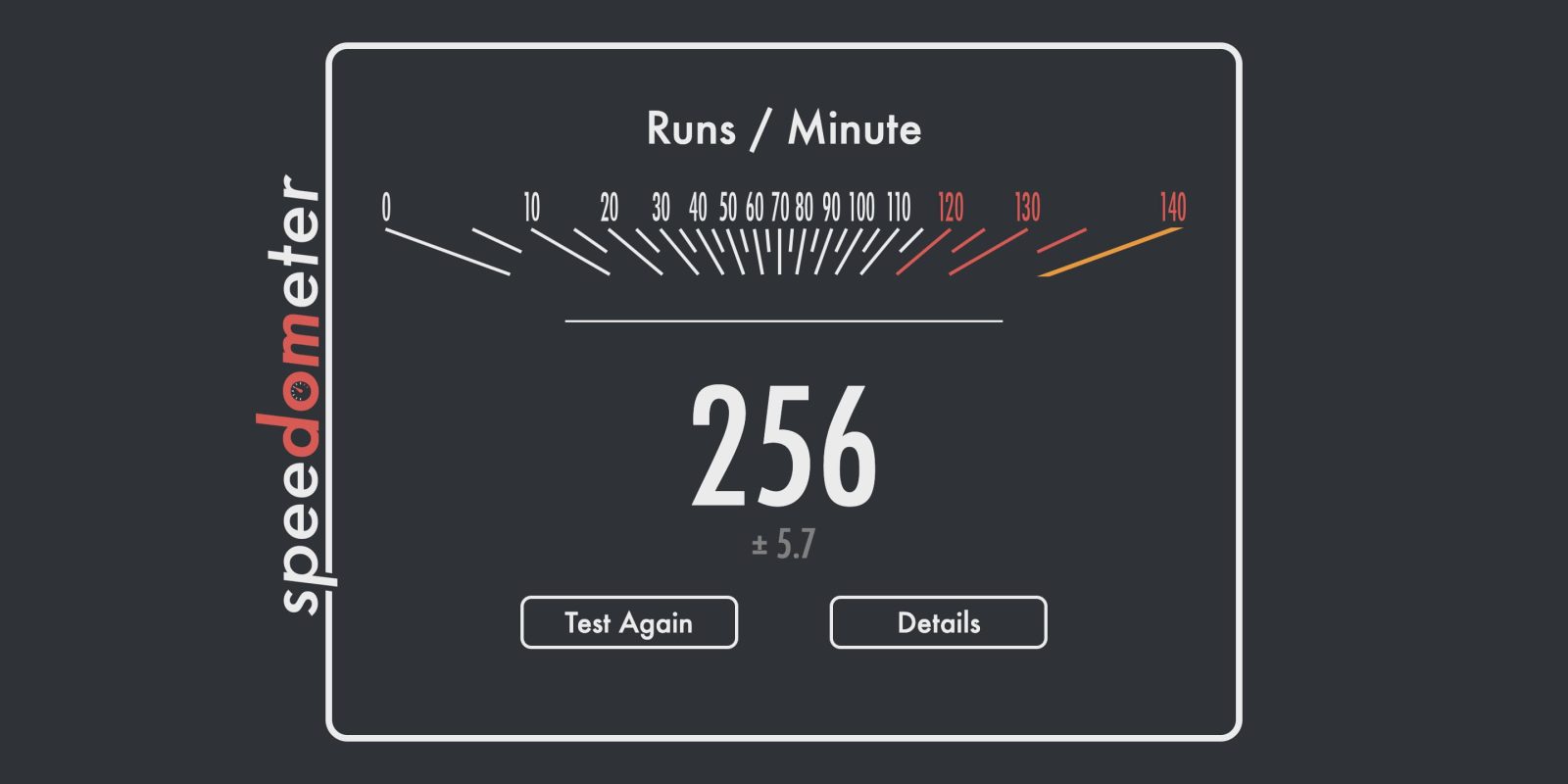
Speedometer is a browser benchmark that measures responsiveness by simulating user interactions on demo web applications. Introduced by Apple’s WebKit team, Google Chrome and Mozilla Firefox are now partnering on the development of Speedometer 3.
Google announced the App Defense Alliance (ADA) three years ago to “stop bad apps before they reach users’ devices,” and today recapped its work in 2022.
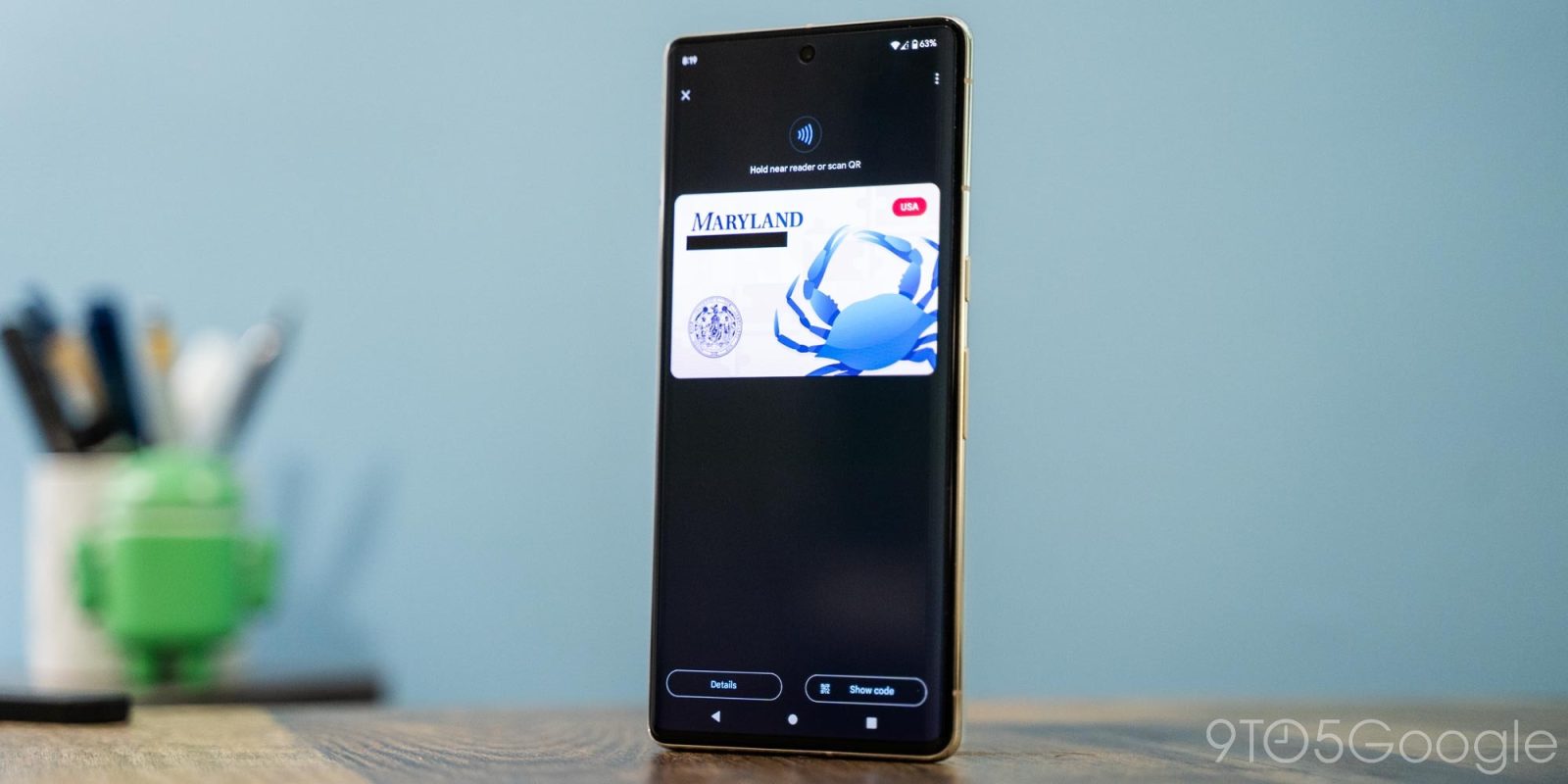
As expected, Google has started beta testing digital driver’s license and state ID card support on Android through Wallet, starting with the state of Maryland.
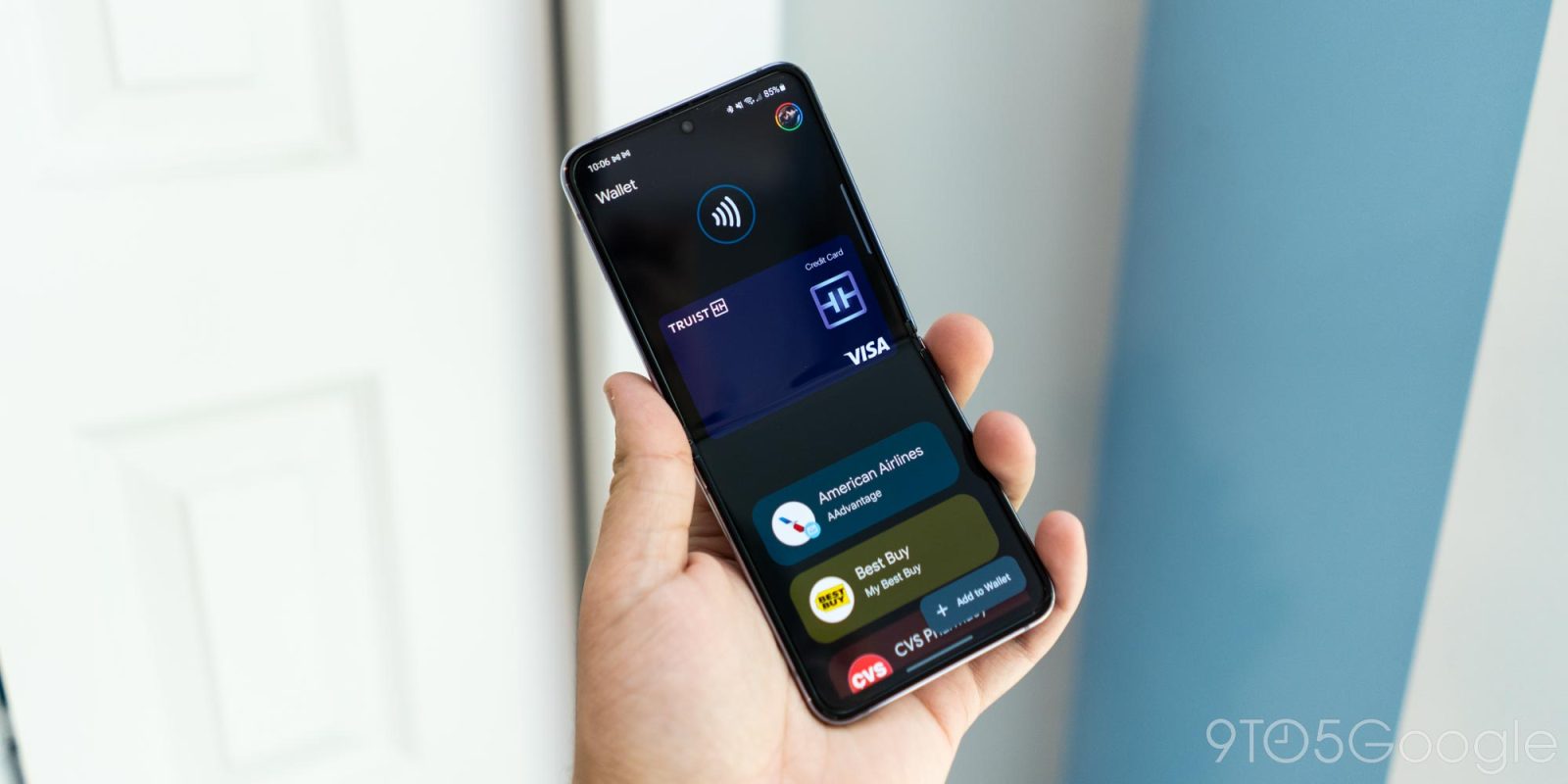
Yesterday, the Google Wallet Quick Settings tile started showing the full name of a card instead of just the last four digits. This was rather annoying, and Google looks to have reverted this change.