Abner Li has worked at 9to5Google since 2015 and in late 2020 took on the role of editor-in-chief. He is keenly focused on tracking what happens at Google, and is often the first to spot new features in Google’s ever-growing family of applications that are updated on a daily basis, including Search, Assistant, Maps, Workspace, Android, Chrome/OS, Wear OS, and YouTube Music.
To him, what Google does greatly impacts the technology space and modern life. Inside the company, he is particularly interested in the key products mentioned above, as well as services like Google Podcasts and Google Lens. Each are massive platforms that can be unwieldy to grasp, with Abner keenly bent on understanding their philosophy and future direction. He is most excited about Google’s plans for augmented reality glasses.
Abner spearheads the APK Insight program at 9to5Google to chronicle all changes in the company’s Android apps, often finding new features before they are officially announced. This includes redesigns and revamps, launches, and new products.
YouTube announced last June that Picture-in-Picture (PiP) was coming to its iPhone and iPad apps, and wide availability is now just a few days away for Premium subscribers globally and free users in the United States.
Since the 2018 launch, Google One has been adding more features for those that subscribe to 2TB or more of storage. The latest addition to Google One is premium Workspace features, starting with enhanced Google Meet video calling.
The first direct US Google Store deal on the Pixel 6 Pro was in June for Father’s Day, and that’s now being followed with a pretty sizable $200 discount as the Pixel 6 now starts at $499.
In March, the Google Play Games on PC beta started rolling out as the official way to experience Android titles on Windows, and it’s now coming to Australia and Thailand.
In addition to the big Material You redesign, Gmail on the web is rolling out a sizable update to the Compose window that aims to let you send “more efficiently and confidently.”
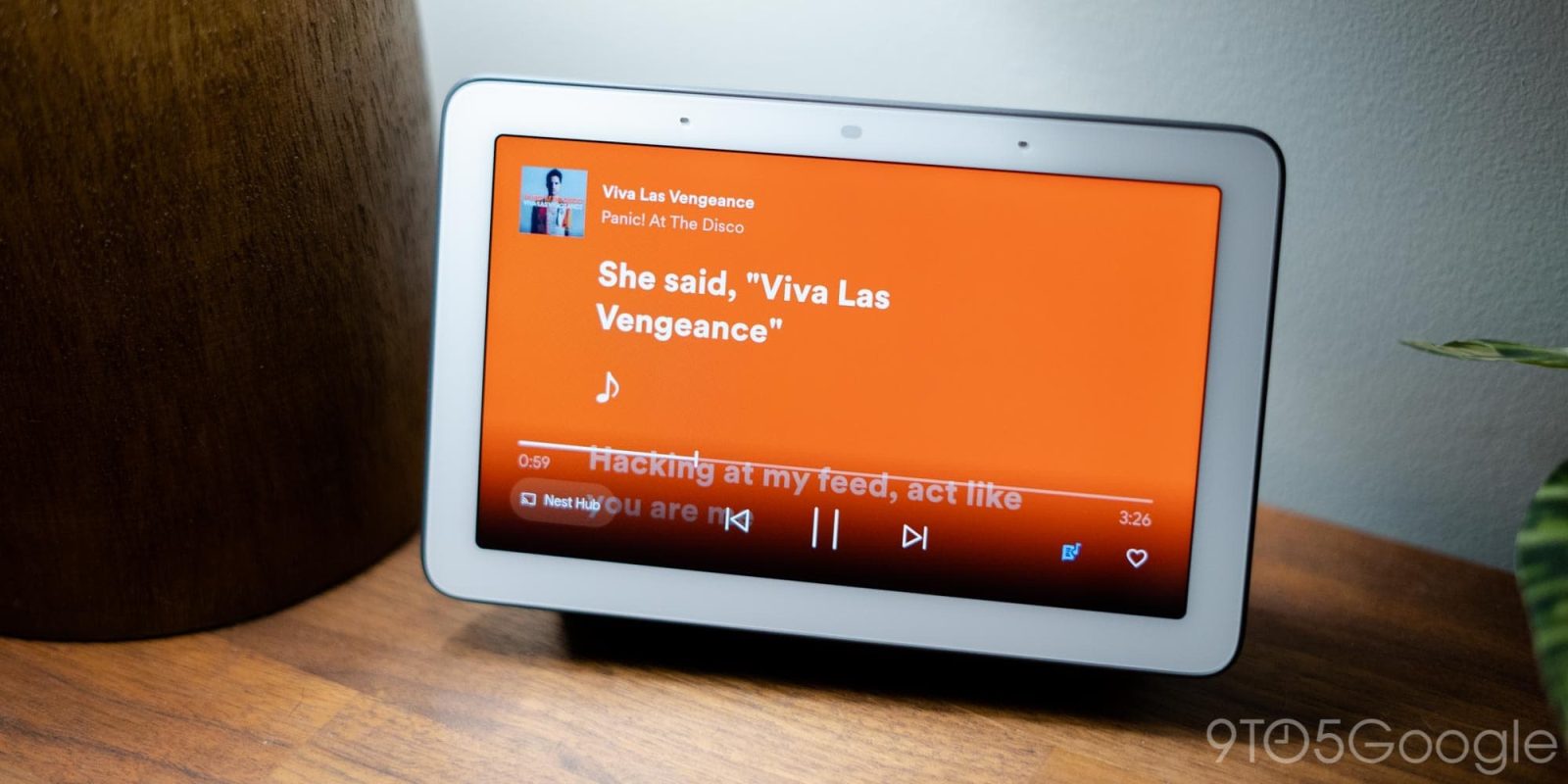
After introducing real-time lyrics on Android, iOS, televisions, consoles, and the web in November, Spotify is now bringing them to the Nest Hub and other Google Assistant Smart Displays.
The Wall Street Journal is reporting today that Google has “proposed splitting parts of its business that auctions and places ads on websites and apps into a separate company under the Alphabet umbrella.”
At I/O 2022, Google showed off a major Play Store redesign for large screen devices. Until that’s ready, the Play Store on Android tablets and Chromebooks is picking up some Material You flourishes.
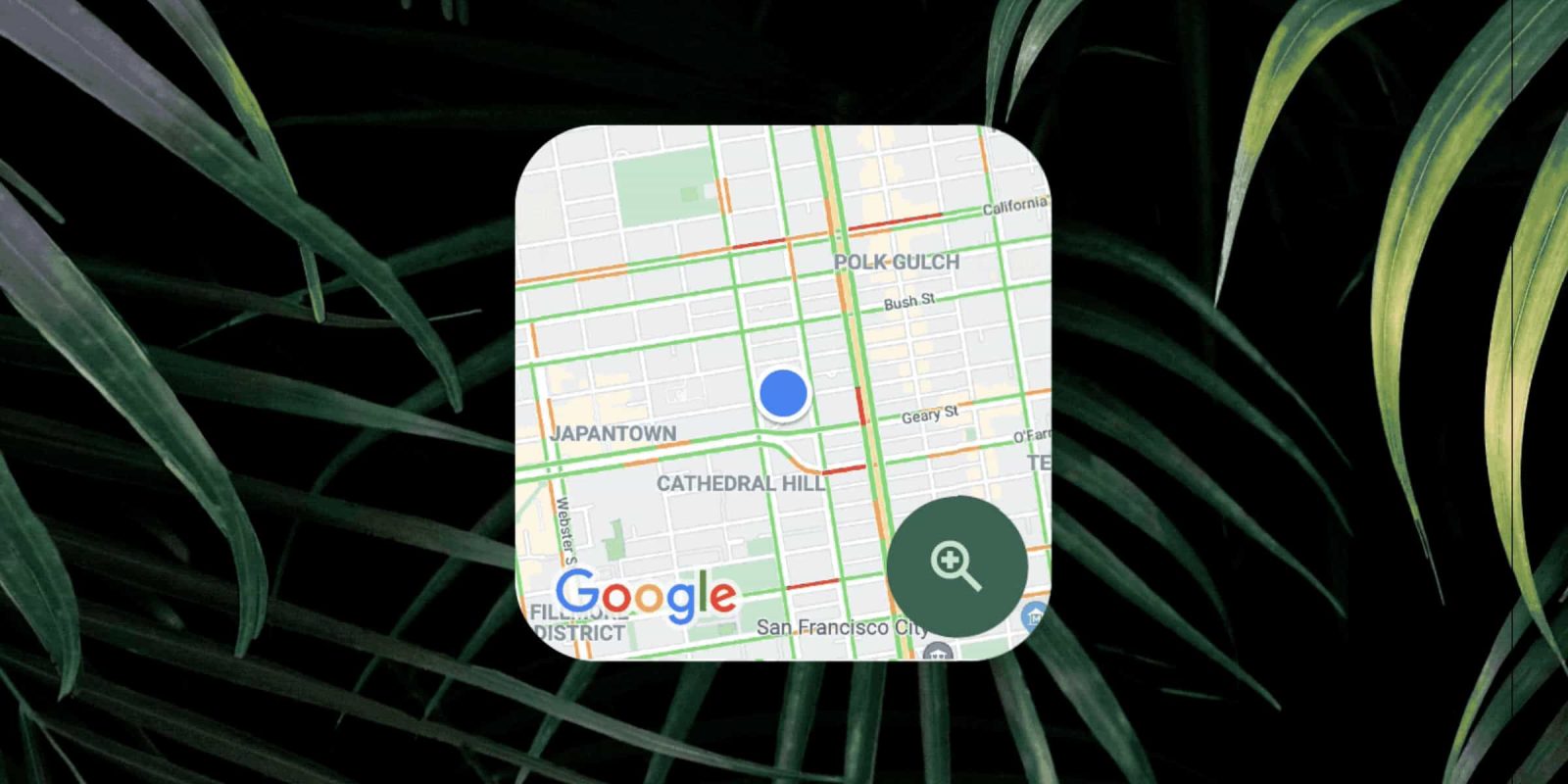
Google said today that its first-party apps offer over 30 widgets on Android. An upcoming widget from Google Maps will provide the latest on nearby traffic at your current location.
After previous branding, price, size, and color leaks, we now have our first look at Samsung’s Galaxy Watch 5 and Watch 5 Pro thanks to what should be official renders.
The Android 12 July security patch was pretty straightforward this morning, but Google is more than making it up with the Pixel’s trio of new frog-filled Curated Culture wallpapers.
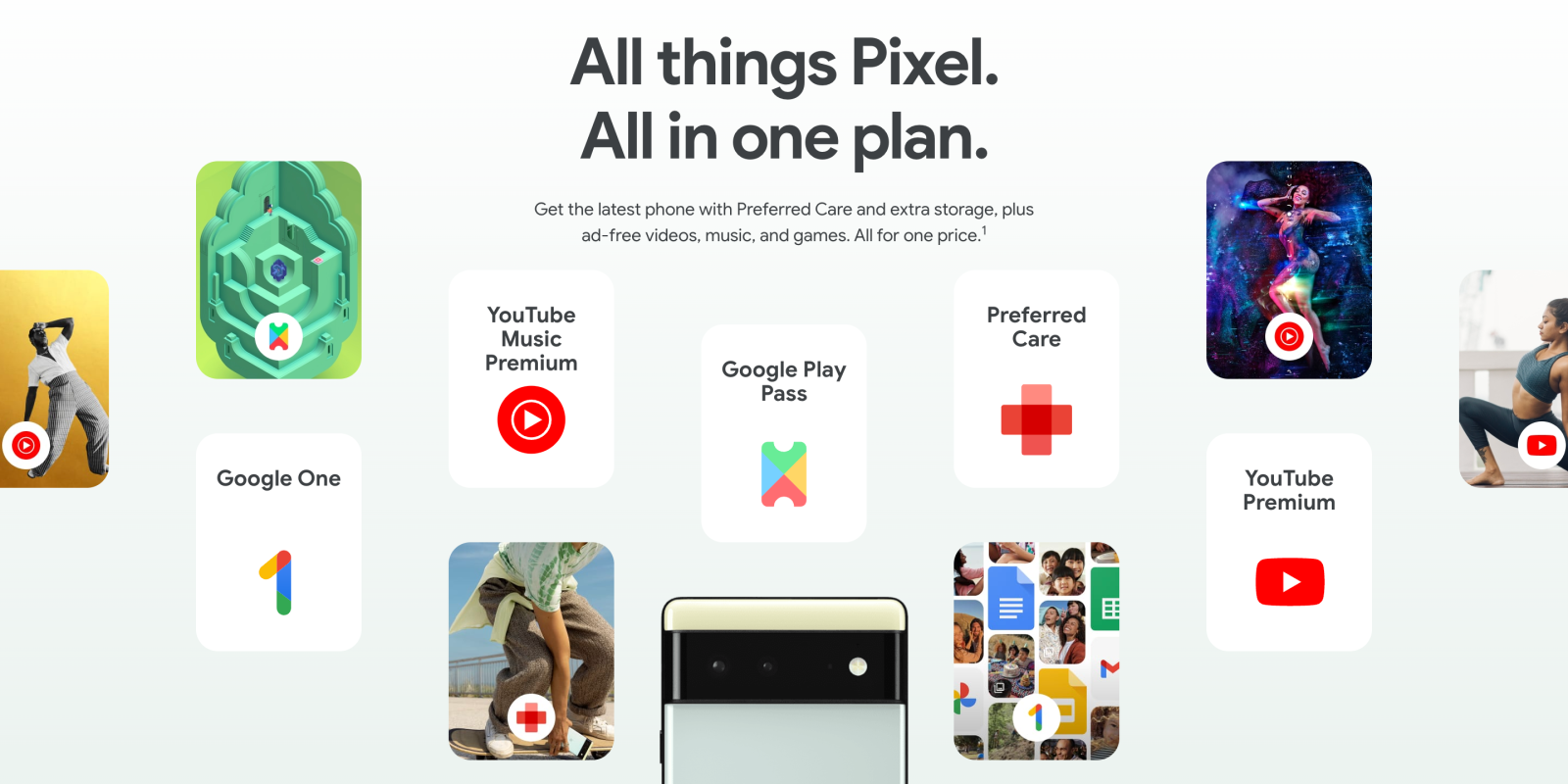
The Pixel Pass is Google’s hardware and software subscription, and the Google Store is now making sure prospective Pixel 6 buyers are aware of it before checking out.
The July security patch is rolling out to Pixel (4/XL, 4a, 4a 5G, 5, 5a, 6, and 6 Pro) phones today in what should be one of — if not — the last Android 12 updates before the next major version of Google’s OS launches.
Announced last month, Fitbit Sleep Profiles aim to provide a “longitudinal analysis of your sleep patterns” across 10 stats with a touch of whimsy. They are now rolling out, and here’s a look at what gets measured.
Last month, we reported how Google Calendar was laying the groundwork to replace Assistant Reminders with Tasks. More details on how the Reminders-to-Google Tasks migration in Calendar should work are now available.
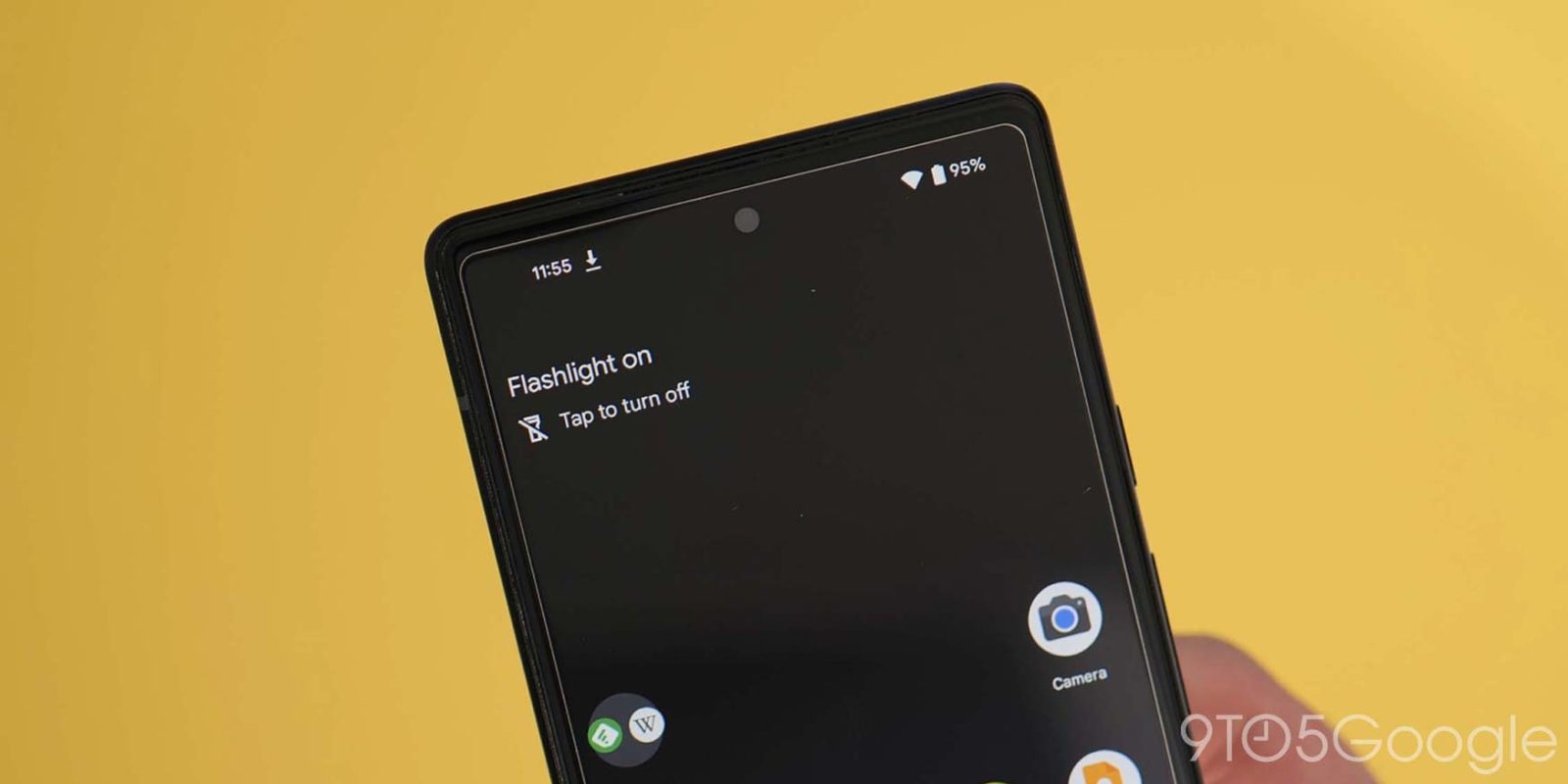
Last month, Google updated At a Glance with flashlight reminders and Nest Doorbell alerts. The Pixel At a Glance widget could soon get a “Cross Device Timer” capability that integrates with Google Home.
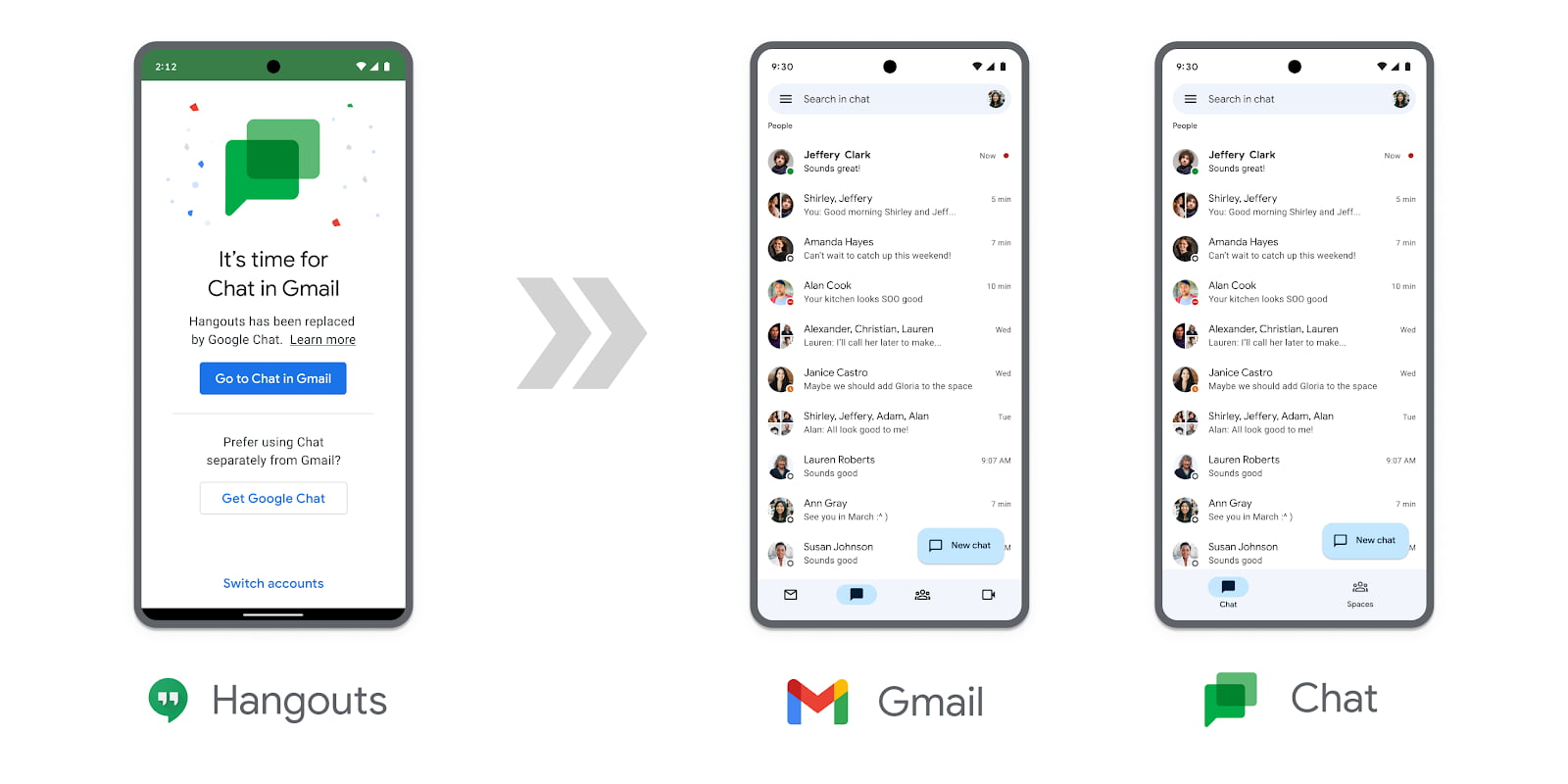
As announced a week ago, Google is now in the process of shutting down classic Hangouts for free consumers. Many users are finding that they can no longer access Hangouts for Android and iOS today.
A big pain point of Google’s current streaming service for some is the lack of basic music-app features. Multi-select in list views has been one such absence, but YouTube Music is now rolling out that functionality.
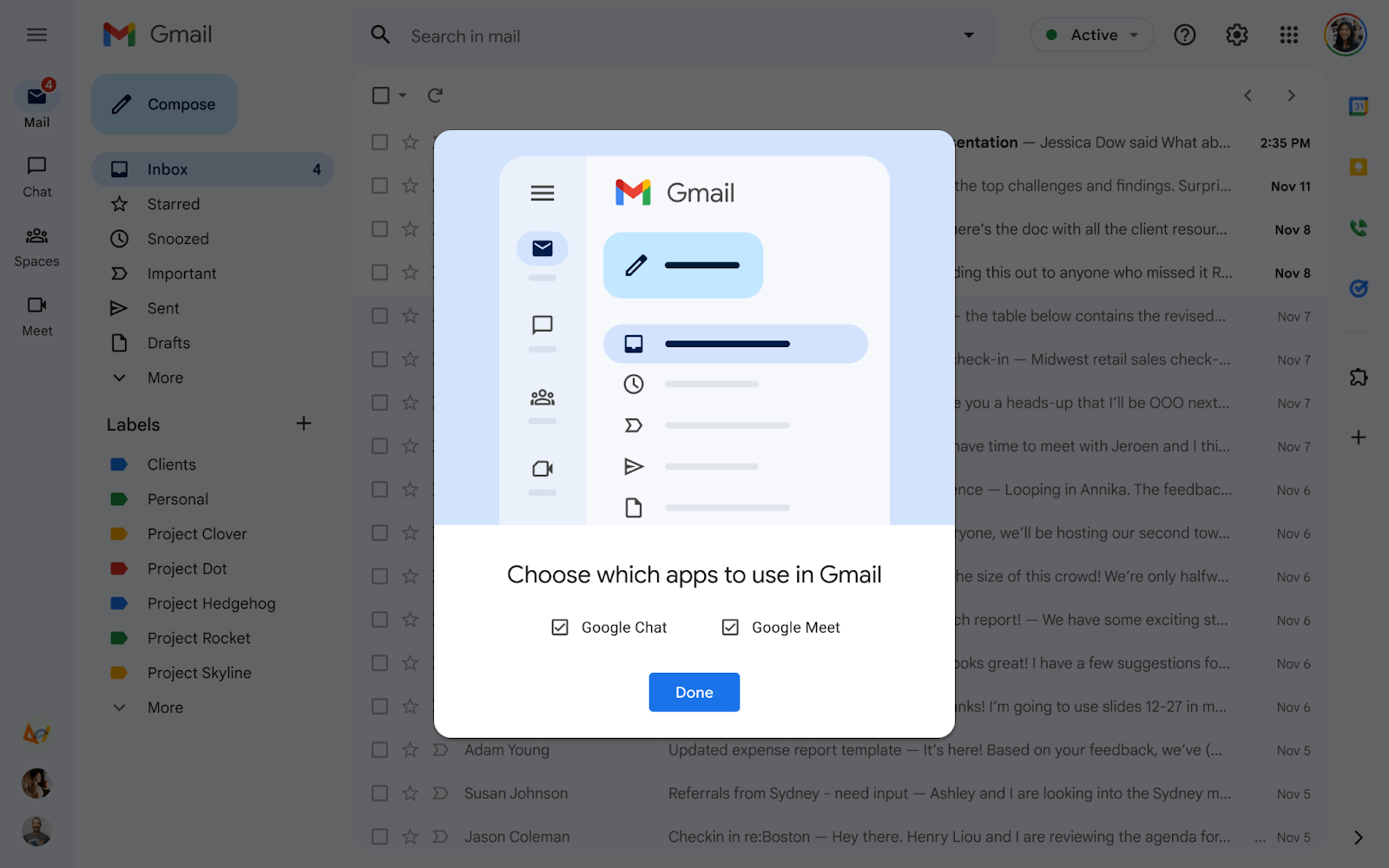
Google announced Material You for Gmail on the web this Thursday and it’s now starting to roll out. One notable addition that the company didn’t announce was the use of Google Sans.
Following the US Supreme Court’s decision to overturn Roe v. Wade, people have raised concerns about how sensitive health and location data could be used against them. Google today announced “additional steps [it’s] taking to protect user privacy around health issues,” including auto-deleting abortion clinic visits from Location History.