Abner Li has worked at 9to5Google since 2015 and in late 2020 took on the role of editor-in-chief. He is keenly focused on tracking what happens at Google, and is often the first to spot new features in Google’s ever-growing family of applications that are updated on a daily basis, including Search, Assistant, Maps, Workspace, Android, Chrome/OS, Wear OS, and YouTube Music.
To him, what Google does greatly impacts the technology space and modern life. Inside the company, he is particularly interested in the key products mentioned above, as well as services like Google Podcasts and Google Lens. Each are massive platforms that can be unwieldy to grasp, with Abner keenly bent on understanding their philosophy and future direction. He is most excited about Google’s plans for augmented reality glasses.
Abner spearheads the APK Insight program at 9to5Google to chronicle all changes in the company’s Android apps, often finding new features before they are officially announced. This includes redesigns and revamps, launches, and new products.
For its latest Nook device, Barnes & Noble partnered with Lenovo to create a branded Android tablet. The Nook 10-inch from Lenovo notably features Google Kids Space.
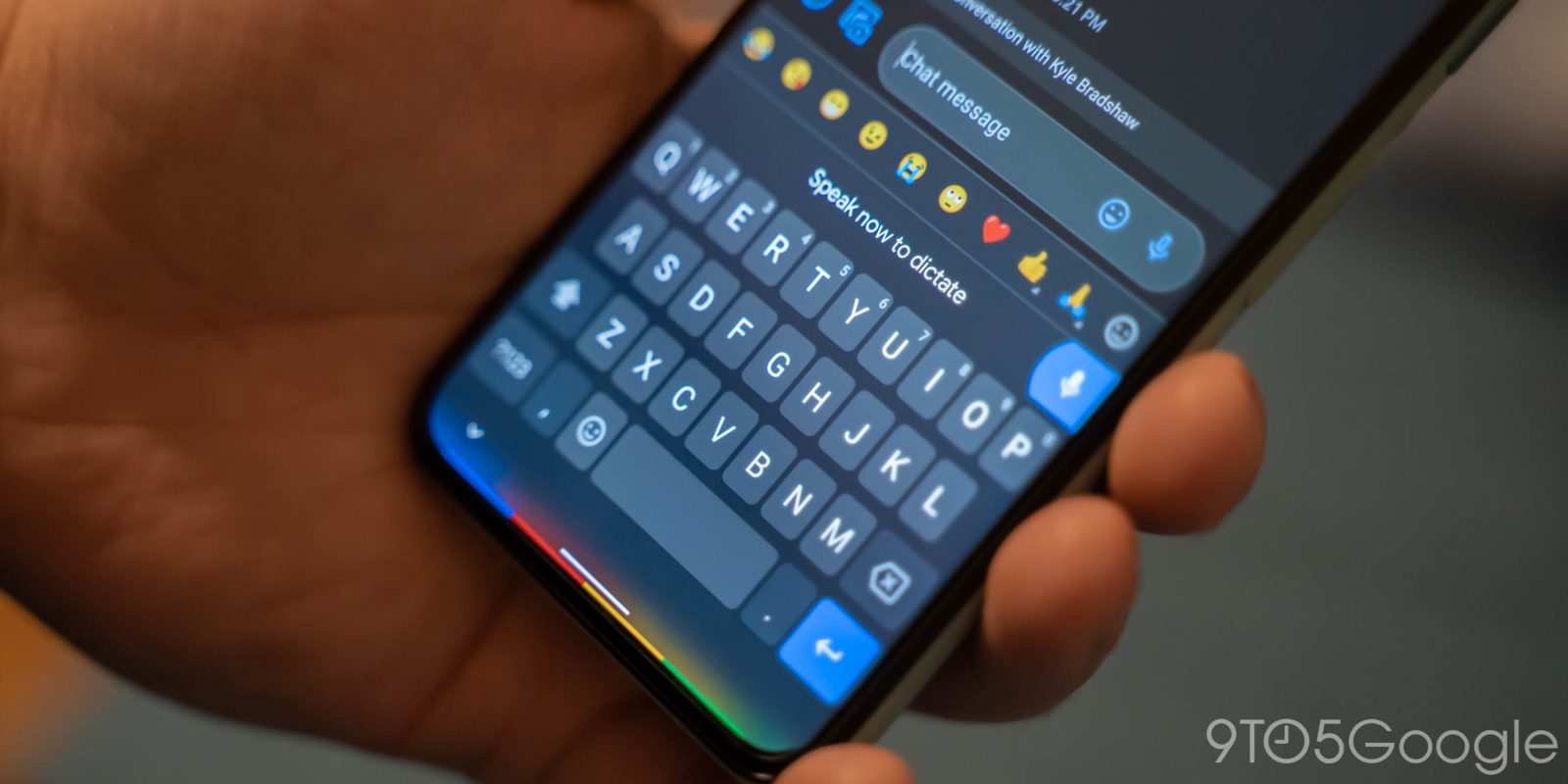
After we first spotted in August, Gboard is now rolling out an “enhanced voice typing” experience that features the new Google Assistant found on the latest Pixel phones.
While Google has made some progress in recent years at product consolidation, it now finds itself with two health applications. For past pairings, the “better” service was often straightforward, but that’s not the case today. Fitbit’s brand appeal was likely one of the contributing factors to it being acquired, while Google Fit is actively improving to the point where either can stake a claim to having a future as the company’s primary health offering.
Since it was announced in 2017, Google’s visual search tool has seen two (live) logos. Google Lens is now getting a third logo that better reflects how it’s a camera for looking up things in the real world.
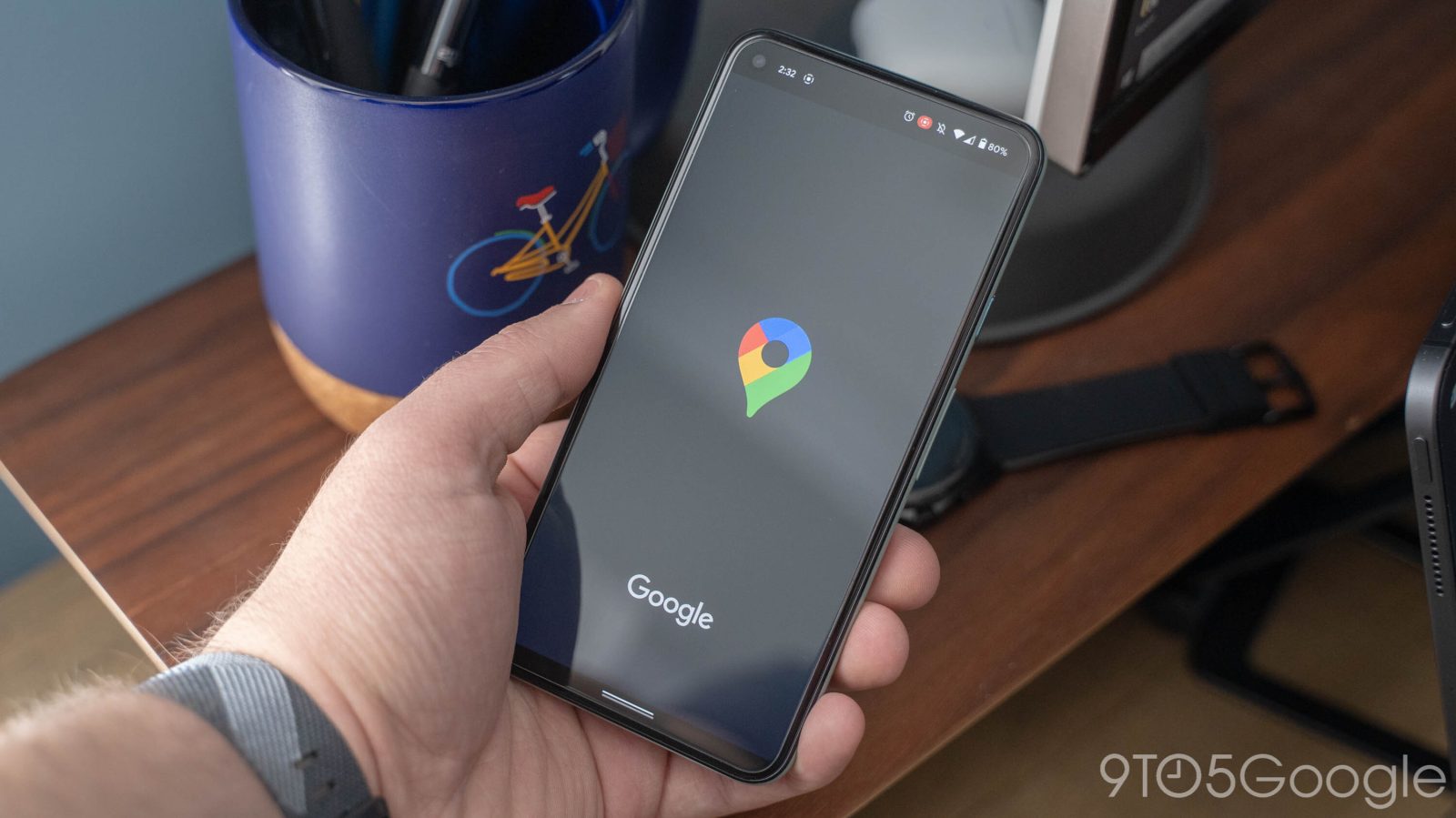
Since 2019, Google has been rolling out night modes to all of its apps. The last major holdout is Google Maps, but that’s fortunately coming to an end as its dark theme is set to soon launch globally on Android.
Besides music and relaxing sounds, Google’s Assistant devices are frequently used for podcasts. However, a bug has emerged in the past few days that sees Google Home and Nest speakers play the wrong podcast.
The Pixel Launcher already lets users swipe down anywhere on their homescreen to pull down the top shade. In Android 12 DP2, Google extends a similar notification swipe gesture to the entire operating system.
The latest project from Google’s Area 120 incubator is called Threadit, and it aims to bolster team collaboration through flexible video messages that can be replied to at any time.
With the Pixel 4 in 2019, Google introduced the ability to automatically subtitle playing audio and video. After expanding on Android, Live Caption is now coming to Google Chrome and later Chrome OS.
Sundar Pichai today provided the 2021 update on Google’s US investments. The company will spend over $7 billion for new offices and data centers, as well as expansions, across the country.
After a preview in India, YouTube Shorts is rolling out in the US with a beta launch. Alongside the expanded availability, Google is making a number of updates to the short-form platform.
Most people don’t install early Android developer previews due to the lack of contactless payments. Ahead of schedule, Google Pay is enabled and works in Android 12 DP2.
As part of its Android 11 update, the Motorola Edge+ on Verizon is gaining a new “Ready For” desktop mode. It’s clear that some at the company still have an affinity for 2011’s Atrix-Webtop concept of having one device power and be the origin for all your other computing experiences.
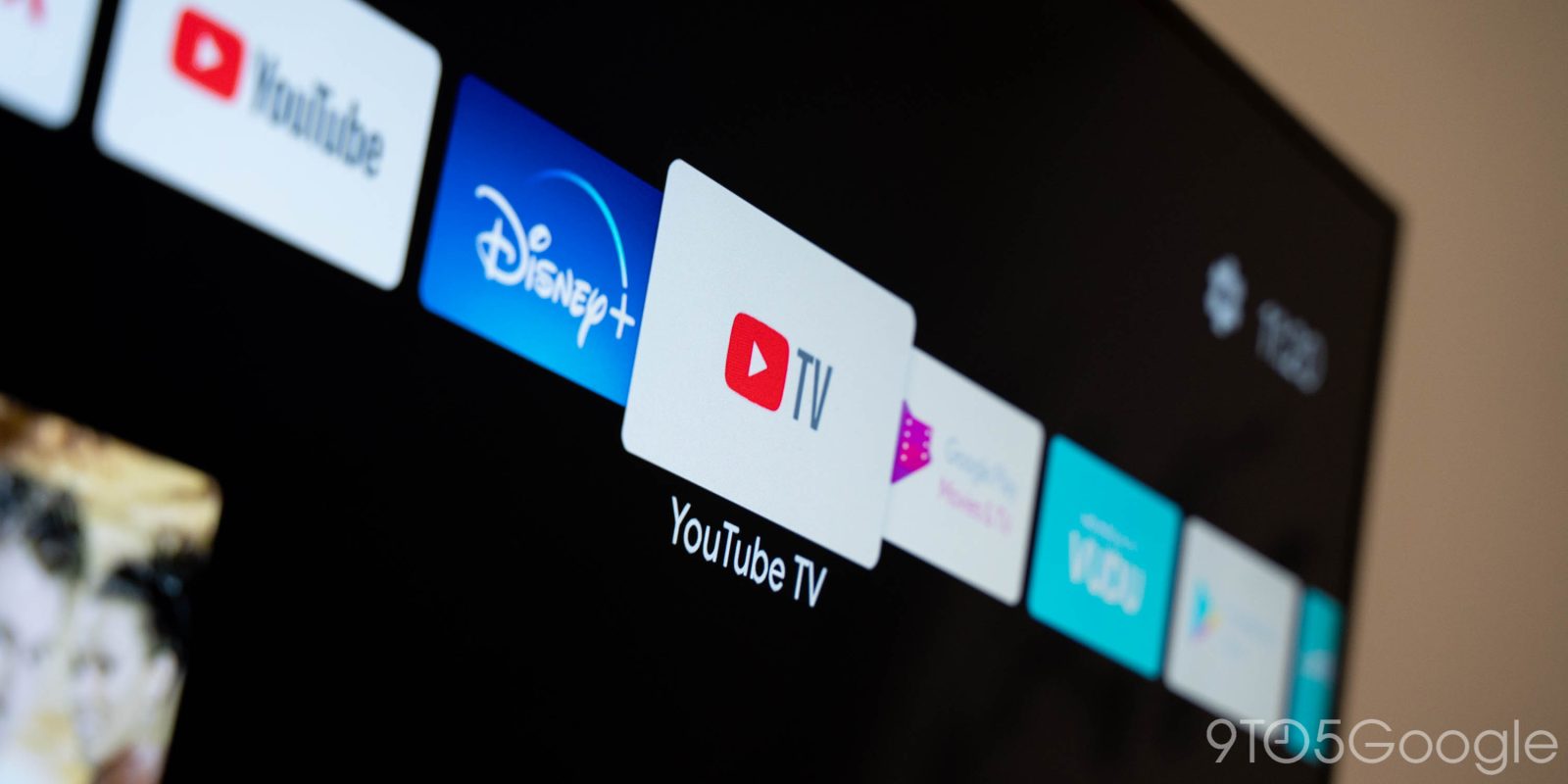
Last month, Google announced that an upcoming YouTube TV add-on will let you watch available shows in 4K and download them for offline playback, as well as have unlimited concurrent home streams. Ahead of that, YouTube TV is getting a new “Store” on televisions to highlight all the additional channels you can subscribe to.
From Maps Live View to 3D Animals and other models in Search, Google’s current work in augmented reality is focused on phones. The other big investment is Google Lens, with it emerging today that the product is losing lead Aparna Chennapragada to Robinhood.
Later preview releases are widely expected to bring a big visual overhaul to Android 12. Until then, Android 12 DP2 today sees Google redesign the widget list and make tweaks to the lockscreen when entering your PIN.
The next version of Android will remain focussed on developers until the first beta launches in May. With that in mind, we’re diving into today’s release of Android 12 DP2 to find all the new features.
The next release of Android 12 is here with Developer Preview 2 (DP2) rolling out to Pixel phones today. It follows the DP1.1 patch released at the start of this month, and offers a number of new features for developers to use in their apps.
At the start of December, the Google Play Music website and mobile apps officially stopped working for all users worldwide. It marked the biggest milestone in the transition to YouTube Music, but there is one last step. Before February 24th, transfer your Play Music library to the replacement YouTube service, or download using Google Takeout.
By 2030, Google wants all of its facilities to use carbon-free energy 24/7. The company is now providing a Carbon-Free Energy Percentage (CFE%) for Google Cloud regions so that enterprise customers can incorporate carbon emissions into their infrastructure decisions.
The Google Lens app today is geared towards analyzing live images in real-time, but a new gallery view makes it easier to sift through screenshots and other pictures already in your camera roll.
In announcing that new Viacom channels are available in YouTube TV, Google last year raised the subscription by $15 to $64.99. Following the initial additions last June, YouTube TV is picking up seven more channels.
The world of Star Trek featured a handheld device that was used to scan the health of patients. In 2014, it came to light that Alphabet’s “Moonshot Factory” was trying to create such a gadget, with that effort currently housed in Verily Life Sciences. It has now emerged that the X division was working on another tricorder project in 2019, but has since canceled “Maya.”
Google is adding a small but highly useful feature to the Calendar website that lets you snooze notifications. This was a “top user request” that’s long overdue for the web client.