Kyle Bradshaw joined 9to5Google in 2018 with a special interest in Google’s Fuchsia OS, rooted in his experience of being the first to offer a visual preview of the revolutionary design of the in-development operating system. Since then, his attention has broadened to include the secrets hidden within other areas of Google’s public codebases.
By reading the public Fuchsia code, Kyle was able to prove the existence of the Nest Mini and the Nest Hub Max months ahead of their respective announcements. With evidence from Chromium, he reported on Google’s since-canceled efforts to create an offshoot of Android designed for “touchless” feature phones.
In 2018, Kyle reported on three distinct Made by Google Chromebooks in development, the Pixel Slate, the Pixelbook Go — a full year before its release — and “Meowth,” the original version of the Pixel Slate that was canceled due to Intel’s delays that year. For ChromeOS itself, Kyle was the first to demonstrate the upcoming light theme redesign in action.
Looking at the early evidence of the Pixel 5’s specs, Kyle accurately predicted in February 2020 that the Pixel 5 might not be a traditional “flagship” phone. In 2021, he reported that Google’s next headset would be the “Pixel Buds A.”
Kyle was the first to report that the Pixel 6 would mark the debut of Google’s in-house processors, later revealed to be the Tensor chips.
He can be reached for tips or just friendly chat by Threads, Mastodon, Bluesky, or email. If you’re looking for his other works or side projects, head over to Kyle’s personal portfolio.
Google’s aptly named payment service, Google Pay, has been gradually moving into all corners of the globe. The latest country to be added to the list is the United Arab Emirates.
As web pages have advanced over the years, they have also dramatically increased in size. This has gradually contributed to pages loading slower and slower. To help web developers easily optimize their pages, Google Chrome Labs has released a new web tool called Squoosh that can downsize, compress, and reformat images.
The hottest thing in the Android world right now is foldable displays. Formally announced at the Android Developer Summit and demonstrated at the Samsung Developer Conference, these promise to change the way we use Android. To help prepare for this future, Google is showing off a new feature called multi-resume that app developers can start using today.
Have you ever been listening to music with wired headphones only to realize your phone battery is low? In that moment, if you own one of the many phones that have recently dropped the headphone port, you’re presented with a choice: keep listening as your device slowly dies, or charge it up in silence. I spent some time with a new Made for Google adapter from Moshi that asks “Why not both?”
In an interesting turn of events this Friday evening, the beginnings of support for the Java programming language has arrived for Fuchsia. Where things get interesting is that this change was found in Android’s code, not Fuchsia’s.
Android has had device backup and recovery support for many years, including automatic upload and download from Google Drive. One thing that was sorely missing, however, was the ability to initiate manual Android backups to Google Drive. Though it seems now this feature is rolling out to many devices, including older ones.
Google has been pushing for consistency in augmented reality on the Android and Chrome OS platforms. A new class of devices has been added to Google’s master list of ARCore-compatible devices. Included are some of the latest phones including Nokia 8.1, OnePlus 6T, and Sony Xperia XZ3.
For years, we’ve all longed for the ultimate all-in-one style device that can be both a mobile phone and also full laptop or desktop computer experience. Samsung has offered its own Android-centric solution through DeX, which gives Android a better keyboard and mouse experience. Now Samsung seeks to take that a step further by turning your phone into a real computer with ‘Linux on DeX.’
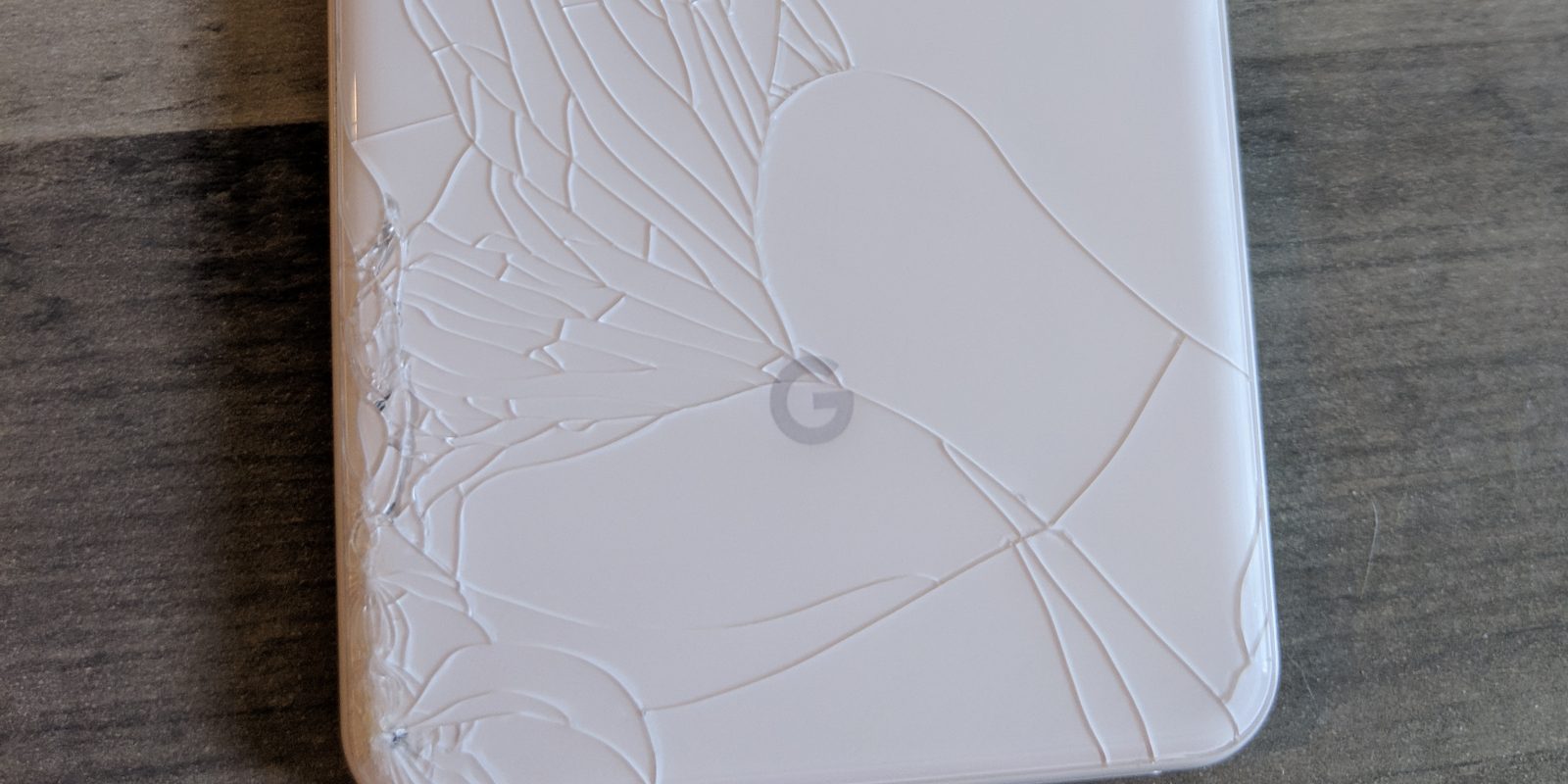
As my wife and I have discovered this week, Google and uBreakiFix simply aren’t ready to service broken Google Pixel 3 and Pixel 3 XL devices. Until they are, you might want to be more careful than usual to prevent what happened to us from happening to you…
Since the release of Android Pie, many devices have been brought up to date with the latest version of Android. While this has been the case for many traditional brands like OnePlus and LG, Samsung devices have been noticeably absent. Now it seems the wait will soon be over, with the first beta of Samsung’s vision for Android Pie coming this month.
Linux app support has slowly been bringing new levels of desktop productivity to Chromebooks both new and old. Earlier this month, we reported that a vast swath of Chromebooks would sadly never receive this feature. One we weren’t sure of, Google’s 2015 Chromebook Pixel, may be getting this breath of new life judging from new code changes.
If you’re the owner of a Chromebook that isn’t the Google Pixelbook and have been jealously eyeing the premium device’s exclusive Google Assistant support, your wait is over. The latest version of Chrome OS on the Dev channel brings Assistant to the Chromebook masses.
With the US Midterm Elections coming tomorrow, not everyone knows where their designated voting location is. Google is ready to help you make sure your vote is counted by giving you accurate information about your polling place.
We all got excited for the upcoming Google Pixel Slate at the Made by Google 2018 event last month, but one thing notably missing from its announcement was a release date. The primary thing holding the tablet back was governmental approval. This may soon change, as FCC filings for the device have now been discovered.
In Chrome OS 69, the laptop, desktop, and tablet OS gained Linux app support for a handful of devices, including the Google Pixelbook. Since then, more devices have slowly gained support, meanwhile others, like the 2013 Chromebook Pixel, are being confirmed to never receive the support, with a new batch being added to the collection this week.
Google is constantly looking for ways to improve the developer experience and keep programmers happily plugging away on their platform. The latest comes in the form of the G Suite Developer Hub, a rebrand of the Apps Script dashboard with new features to help start new projects and better manage existing ones.
The Google Home Hub, Google’s first foray into smart display has been generally lauded in reviews, including our own. Under a security review, however, the story may be a bit different, with one researcher claiming that the device’s security is “beyond dismal.” Google, of course, denies these claims.
Little Golden Books have enthralled children since our grandparents’ generation. Now, with a little Disney magic and some help from the Google Assistant, some of these books will come alive in brand new ways.
Between gaining Linux app support and the announcement of the premium Google Pixel Slate, Chrome OS has been stepping up in a big way. It’s no surprise that manufacturers are trying to ride the momentum by re-introducing form factors for Google’s OS, including the forgotten Chromebase.
It’s almost Halloween, and August Home is getting your smart home ready for the deluge of trick-or-treaters with new features for your Google Assistant.
Firebase, Google’s cloud-based app development suite, is celebrating its annual Firebase Summit developer event in Prague by announcing of a slew of new features coming to the platform, including facial detection improvements and new premium support.
Ahh, the Google Pixel 3 & XL. Despite being our favorite Android phones on the market, these two phones are not perfect by any means. Unfortunately, some woeful users have had numerous software issues and/or hardware defects. We want to know: are you among them?
Despite being seemingly targeted at developing markets, Android Go is slowly making in-roads to the American market. Blu has announced that its newest phone for the US, the Vivo Go, is based on Android Go, and is our first example of Android Pie Go edition.
As we learned earlier this week, the Assistant is getting a visual revamp on Chrome OS, coinciding with the upgrade to Android Pie. Now, it seems that the Pixelbook and Pixel Slate won’t be the only devices seeing the redesign, as evidenced by a new Chrome flag.